
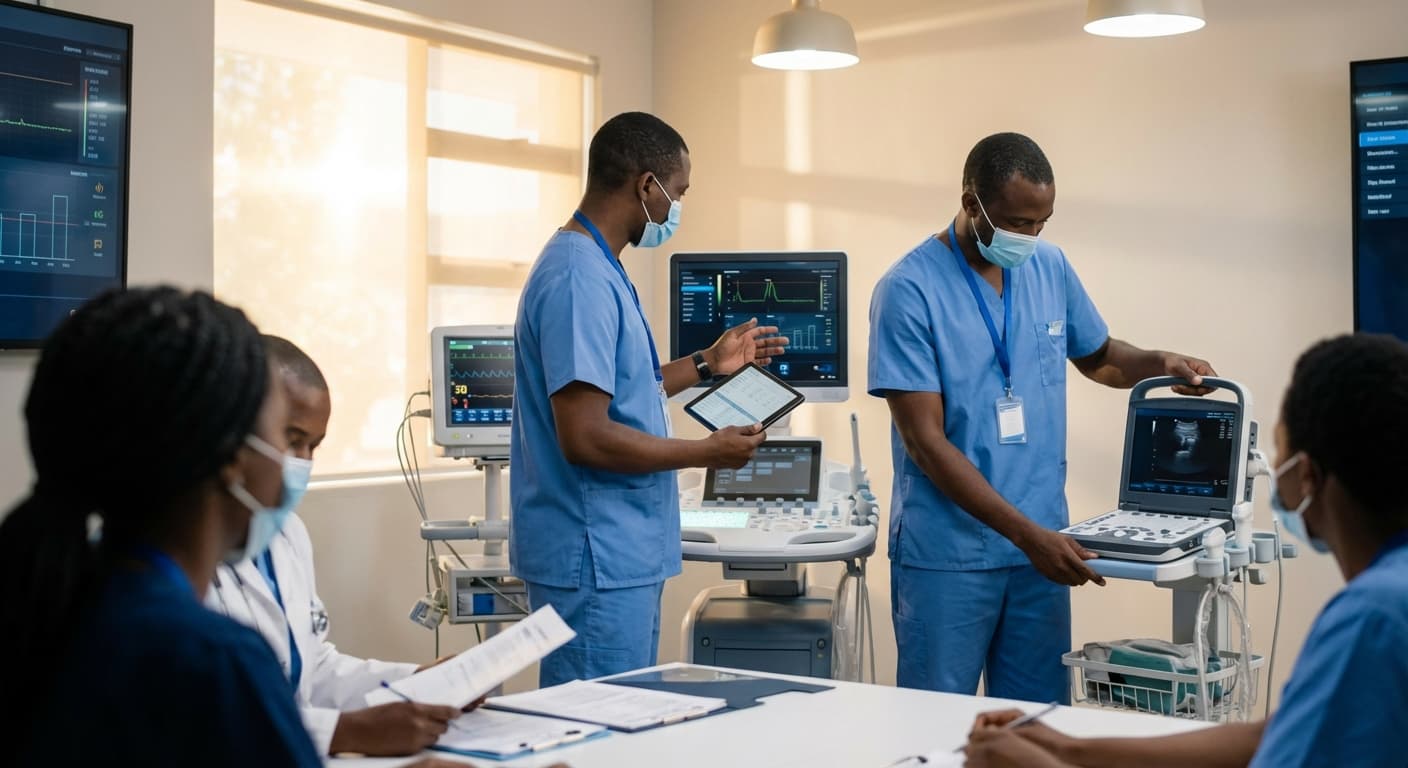
Clinical Needs Assessment for Medical Equipment in Mali
Engineering Excellence & Technical Support
Clinical Needs Assessment for Medical Equipment High-standard technical execution following OEM protocols and local regulatory frameworks.
Real-time Inventory Tracking & Utilization
Implemented a mobile-based system for direct data capture at health facilities, enabling real-time tracking of medical equipment inventory levels and usage patterns. This provides granular insights into availability, identifies underutilized assets, and flags equipment nearing end-of-life, directly informing procurement needs and resource allocation.
Geospatial Mapping of Service Gaps
Utilized GIS technology to map existing medical equipment distribution against population density and disease prevalence data. This visually highlights underserved regions and specific healthcare needs, enabling targeted deployment of new equipment and prioritizing areas with the greatest diagnostic and treatment deficits.
Predictive Maintenance & Lifespan Analysis
Developed algorithms that analyze equipment maintenance logs, environmental factors, and usage data to predict potential failures and estimate remaining operational lifespan. This proactive approach allows for timely preventative maintenance, reduces unexpected downtime, and optimizes replacement cycles, ensuring sustained availability of critical medical technologies.
What Is Clinical Needs Assessment For Medical Equipment In Mali?
A Clinical Needs Assessment for Medical Equipment in Mali is a systematic process designed to identify, evaluate, and prioritize the medical equipment requirements of healthcare facilities. This service is crucial for ensuring that healthcare providers have access to appropriate, functional, and sustainable technology to deliver effective patient care, particularly within the context of Mali's healthcare infrastructure and resource constraints. It involves a comprehensive analysis of existing equipment, current clinical practices, anticipated service demands, and available financial and human resources.
| Who Needs It | Typical Use Cases | |||
|---|---|---|---|---|
| Ministry of Health (Mali): For national health strategy planning, resource allocation, and public health program implementation. | Developing national guidelines for essential medical equipment lists. | Planning for the procurement and distribution of equipment to public health facilities across different regions. | Identifying equipment needs for specific disease control programs (e.g., malaria, HIV/AIDS, maternal health). | |
| Regional Health Directorates: For localized planning and resource management within specific administrative regions. | Assessing the equipment status of health centers and district hospitals within their jurisdiction. | Prioritizing equipment upgrades and replacements based on regional health priorities. | Coordinating with the Ministry of Health on equipment needs and procurement. | |
| Individual Healthcare Facilities (Hospitals, Clinics, Health Centers): For direct operational improvement and service enhancement. | Upgrading outdated or non-functional medical equipment to meet current clinical standards. | Introducing new diagnostic or therapeutic capabilities to expand service offerings. | Responding to an increase in patient volume or specific disease outbreaks requiring specialized equipment. | Planning for new construction or renovation projects that require integrated medical equipment solutions. |
| Non-Governmental Organizations (NGOs) and International Aid Agencies: For targeted interventions and project-specific equipment procurement. | Identifying essential equipment for humanitarian medical missions or specific development projects. | Ensuring that donated equipment aligns with the actual needs and maintenance capabilities of recipient facilities. | Conducting needs assessments as a prerequisite for project funding and equipment acquisition. | |
| Medical Equipment Manufacturers and Suppliers: To inform product development and sales strategies. | Understanding the specific technical requirements and operational constraints of the Malian healthcare market. | Tailoring equipment offerings and support services to address identified needs and challenges. | Participating in tenders and procurement processes informed by comprehensive needs assessments. |
Key Components of a Clinical Needs Assessment:
- Facility Profiling: Detailed characterization of the healthcare facility, including its mission, service offerings, patient population demographics, geographical location, and existing infrastructure.
- Clinical Service Analysis: Mapping of current and projected clinical services provided, identifying diagnostic, therapeutic, and rehabilitative procedures that require specific medical equipment.
- Equipment Inventory and Condition Assessment: Cataloging of all existing medical equipment, including its age, functional status, maintenance history, calibration records, and associated consumables.
- Gap Analysis: Identification of discrepancies between the required equipment for optimal service delivery and the currently available, functional equipment.
- Technical Specification Development: Defining precise technical, performance, and safety standards for new or replacement equipment based on clinical needs and local environmental conditions.
- Operational and Maintenance Capacity Evaluation: Assessing the facility's ability to install, operate, maintain, and repair medical equipment, including the availability of trained personnel, spare parts, and diagnostic tools.
- Cost-Benefit Analysis: Evaluating the economic viability of acquiring specific equipment, considering initial purchase cost, operational expenses, maintenance, and anticipated impact on patient outcomes and resource utilization.
- Sustainability Planning: Developing strategies for long-term equipment management, including user training, service agreements, and ethical disposal of obsolete equipment.
Who Needs Clinical Needs Assessment For Medical Equipment In Mali?
A clinical needs assessment for medical equipment in Mali is a crucial process for ensuring that healthcare facilities have the right tools to provide effective patient care. This assessment identifies existing equipment, evaluates its functionality, and determines the specific needs for new or upgraded equipment based on the current and future healthcare demands of the population.
| Department/Area | Specific Needs Addressed by Assessment | Examples of Equipment |
|---|---|---|
| Emergency Room/Trauma | Immediate life-saving interventions, stabilization of critically ill patients, rapid diagnostics. | Ventilators, defibrillators, cardiac monitors, portable X-ray machines, suction units, emergency drug trolleys. |
| Intensive Care Unit (ICU) | Continuous monitoring, advanced life support, critical care management. | Advanced ventilators, infusion pumps, dialysis machines, central monitoring systems, specialized beds. |
| Surgical Wards/Operating Theatres | Safe and effective surgical procedures, infection control, post-operative care. | Anesthesia machines, surgical lights, operating tables, electro-surgical units, sterilizers, surgical instruments. |
| Maternal and Child Health | Prenatal care, safe delivery, neonatal care, pediatric services. | Incubators, phototherapy units, fetal monitors, ultrasound machines (obstetric), infant weighing scales, pediatric ventilators. |
| Diagnostic Imaging (Radiology, Ultrasound) | Accurate disease detection and diagnosis, guiding treatment. | X-ray machines (fixed and mobile), CT scanners, MRI scanners, ultrasound machines (diagnostic), mammography units. |
| Laboratory Services | Accurate and timely diagnostic testing for various diseases. | Hematology analyzers, chemistry analyzers, microscopes, centrifuges, PCR machines, ELISA readers. |
| Outpatient Clinics/General Wards | Routine medical care, diagnosis of common illnesses, patient monitoring. | Blood pressure monitors, stethoscopes, otoscopes, ophthalmoscopes, ECG machines, basic diagnostic kits. |
| Rehabilitation Services | Physical therapy, occupational therapy, restoring patient function. | Treadmills, exercise equipment, electrotherapy devices, occupational therapy aids. |
| Pharmacy | Safe storage and dispensing of medications, compounding. | Refrigerators for medications, compounding equipment, dispensing scales. |
| Sterilization and Central Supply | Ensuring sterile instruments and equipment to prevent infections. | Autoclaves, washer-disinfectors, sterile packaging machines. |
Target Customers and Departments Requiring Clinical Needs Assessment for Medical Equipment in Mali
- Hospitals (Public and Private)
- Health Centers and Clinics
- Maternal and Child Health Centers
- Diagnostic Laboratories
- Specialized Treatment Centers (e.g., Oncology, Cardiology)
- Emergency Medical Services
- Medical Training Institutions
- Non-Governmental Organizations (NGOs) involved in healthcare provision
Clinical Needs Assessment For Medical Equipment Process In Mali
This document outlines the clinical needs assessment process for medical equipment in Mali, detailing the workflow from initial inquiry to the final execution of procurement and deployment. This process is crucial for ensuring that healthcare facilities acquire appropriate, functional, and sustainable medical equipment that directly addresses identified clinical needs and improves patient care.
| Stage | Description | Key Activities | Responsible Parties | Inputs | Outputs | Timelines (Approximate) |
|---|---|---|---|---|---|---|
| The process begins when a healthcare facility or a regional health authority identifies a need for new or replacement medical equipment. | Submission of a formal request outlining the perceived need, justification, and initial equipment ideas. | Healthcare Facility Management, Regional Health Directorate | Observation of patient care gaps, equipment malfunction reports, new service introduction plans | Formal request document | 1-2 weeks |
| A detailed assessment to confirm the actual clinical need, quantify it, and prioritize it against other healthcare priorities. | Conducting site visits, interviewing healthcare professionals (doctors, nurses, technicians), analyzing patient data, reviewing existing equipment inventory and maintenance records, assessing the impact of the need on patient outcomes. | National Ministry of Health (Equipment Unit/Department), Regional Health Directorate, Clinical Experts, Biomedical Engineers | Initial request document, patient statistics, national health policies, existing equipment data | Confirmed clinical need, prioritized list of equipment, justification for each item | 2-4 weeks |
| Defining the precise technical requirements and performance standards for the identified equipment. | Consulting with clinical users and biomedical engineers to define features, capacity, power requirements, safety standards, consumables, maintenance needs, and compatibility with existing infrastructure. | Biomedical Engineers, Clinical Specialists, Procurement Officers (Technical Advisors) | Prioritized list of equipment, user feedback, international standards (e.g., WHO, ISO) | Detailed technical specifications for each equipment item | 3-6 weeks |
| Estimating the total cost of the equipment and securing the necessary funding. | Calculating equipment purchase cost, installation, training, initial consumables, warranty, and potential maintenance contracts. Identifying funding sources (government budget, donor grants, international aid). | Ministry of Health (Finance Department), Project Management Unit, Funding Agencies | Technical specifications, market price research, cost-benefit analysis | Approved budget, secured funding commitments | 4-8 weeks (can be concurrent with other stages) |
| The formal process of acquiring the medical equipment based on the developed specifications and budget. | Developing tender documents, advertising tenders, receiving bids, evaluating technical and financial proposals, selecting a supplier, contract negotiation, and issuing purchase orders. | Procurement Unit (Ministry of Health), Tender Evaluation Committee, Legal Department | Approved budget, technical specifications, tender documents | Signed contracts with suppliers, purchase orders | 8-16 weeks (depending on procurement method and complexity) |
| Ensuring the equipment is properly installed and healthcare personnel are trained to operate and maintain it. | Supervising equipment delivery, installation by the supplier, site preparation, commissioning, and conducting comprehensive training programs for end-users and maintenance technicians. | Suppliers, Biomedical Engineers, Clinical Trainers, End-Users | Delivered equipment, installation sites, trained personnel | Installed and functional equipment, trained personnel, training reports | 2-6 weeks (post-delivery) |
| Assessing the effectiveness of the acquired equipment and the overall impact on healthcare delivery. | Post-installation follow-up, user feedback collection, monitoring equipment utilization, tracking maintenance and repair history, evaluating impact on patient outcomes and facility performance, identifying lessons learned for future assessments. | Ministry of Health (Monitoring & Evaluation Unit), Regional Health Directorate, Clinical Managers, Biomedical Engineers | Installed equipment, training records, patient data, facility performance indicators | Evaluation reports, recommendations for improvement, updated needs assessments | Ongoing (post-installation, periodic) |
Workflow Stages of Clinical Needs Assessment for Medical Equipment in Mali
- Inquiry & Initial Request
- Needs Identification & Prioritization
- Technical Specification Development
- Budgeting & Funding Allocation
- Procurement Process
- Installation & Training
- Monitoring & Evaluation
Clinical Needs Assessment For Medical Equipment Cost In Mali
This document outlines a clinical needs assessment focused on the cost of essential medical equipment in Mali. Accurately understanding these costs is critical for effective healthcare planning, resource allocation, and ensuring access to quality medical services across the nation. Several factors significantly influence the pricing of medical equipment in Mali. These include: the type and complexity of the equipment, the brand and manufacturer's reputation, new vs. refurbished status, import duties and taxes, shipping and logistics costs, vendor markups, warranty and after-sales support, and the overall economic climate and currency exchange rates. The price ranges provided are estimates in Malian Franc (XOF) and can vary substantially based on the aforementioned factors, as well as the specific supplier and negotiation. It is crucial for healthcare institutions to conduct detailed procurement processes, obtain multiple quotes, and consider long-term maintenance costs when making purchasing decisions.
| Equipment Category | Typical Unit (XOF) | Estimated Range (XOF) | Notes |
|---|---|---|---|
| Basic Diagnostic Tools (e.g., Stethoscope, Blood Pressure Monitor, Thermometer) | 25,000 | 10,000 - 75,000 | Varies by brand and quality. |
| Manual Wheelchair | 150,000 | 80,000 - 300,000 | Durable models can be more expensive. |
| Basic Examination Table | 200,000 | 100,000 - 400,000 | Adjustable features increase price. |
| Portable Ultrasound Machine | 3,000,000 | 1,500,000 - 8,000,000 | Features like probes and software influence cost. |
| Patient Monitor (basic) | 750,000 | 400,000 - 2,000,000 | Number of parameters monitored is key. |
| Electrosurgical Unit (basic) | 1,000,000 | 600,000 - 3,000,000 | Power output and accessories matter. |
| Autoclave (small/medium) | 500,000 | 300,000 - 1,500,000 | Capacity and sterilization cycles. |
| X-ray Machine (basic mobile) | 7,000,000 | 4,000,000 - 15,000,000 | Digital vs. analog, brand, and features. |
| Laboratory Centrifuge | 300,000 | 150,000 - 800,000 | Speed, capacity, and temperature control. |
| Anesthesia Machine (basic) | 5,000,000 | 3,000,000 - 12,000,000 | Ventilation modes and gas handling systems. |
Key Pricing Factors for Medical Equipment in Mali
- Equipment Type and Complexity: Simple diagnostic tools are generally less expensive than advanced surgical or imaging equipment.
- Brand and Manufacturer: Reputable international brands often command higher prices.
- New vs. Refurbished: Refurbished equipment offers a cost-saving alternative, but thorough inspection and certification are vital.
- Import Duties and Taxes: Government levies on imported goods significantly impact final cost.
- Shipping and Logistics: Transportation from point of origin to Mali, including customs clearance and local delivery.
- Vendor Markups: Distributors and local suppliers add their profit margins.
- Warranty and After-Sales Support: Extended warranties and service contracts increase initial outlay but reduce long-term operational risks.
- Economic Climate and Currency Exchange Rates: Fluctuations in the XOF against major currencies directly affect import costs.
- Volume Discounts: Purchasing multiple units can sometimes lead to better pricing.
- Availability and Lead Times: Scarcity or long waiting periods can influence pricing power.
Affordable Clinical Needs Assessment For Medical Equipment Options
Conducting a clinical needs assessment for medical equipment is crucial for optimizing patient care and managing budgets effectively. This process involves identifying current and future equipment requirements based on patient demographics, treatment protocols, and technological advancements. The goal is to ensure the acquisition of appropriate, reliable, and cost-effective medical equipment. Understanding 'value bundles' and implementing smart cost-saving strategies are key to maximizing the return on investment for any healthcare facility. Value bundles refer to packages of equipment, services, and often financing or maintenance contracts, offered by manufacturers or distributors at a reduced overall price compared to purchasing items individually. These bundles can streamline procurement, simplify inventory management, and provide predictable costs. Cost-saving strategies go beyond simple price negotiation and involve a holistic approach, considering total cost of ownership (TCO), lifecycle management, and strategic sourcing.
| Cost-Saving Strategy | Description | Benefits |
|---|---|---|
| Leverage Value Bundles | Purchase equipment, services (installation, training), and maintenance contracts as a package deal from a single vendor. | Reduced overall cost, streamlined procurement, simplified vendor management, predictable maintenance expenses. |
| Total Cost of Ownership (TCO) Analysis | Evaluate not just the initial purchase price but also ongoing costs like maintenance, consumables, energy consumption, and eventual disposal. | Avoids hidden costs, leads to more informed long-term financial decisions, promotes selection of more durable and energy-efficient equipment. |
| Equipment Lifecycle Management | Develop strategies for timely repair, refurbishment, and eventual replacement of equipment to maximize its usable life and avoid costly emergency repairs. | Extended equipment lifespan, reduced capital expenditure, minimized downtime, better resource utilization. |
| Strategic Sourcing and Negotiation | Obtain multiple quotes, negotiate volume discounts, and explore alternative suppliers. Consider refurbished or certified pre-owned equipment where appropriate. | Lower acquisition costs, competitive pricing, access to a wider range of options, significant savings on capital outlay. |
| Consolidated Purchasing | When possible, group purchases of similar equipment or supplies across departments or even multiple facilities to achieve economies of scale. | Higher bargaining power, reduced administrative overhead, improved inventory management. |
| Leasing vs. Purchasing Analysis | Evaluate whether leasing equipment provides a more financially advantageous solution, especially for rapidly advancing technologies, by spreading costs over time. | Lower upfront capital outlay, access to newer technology more frequently, easier upgrades, predictable monthly expenses. |
| Preventive Maintenance Programs | Invest in regular, scheduled maintenance to prevent breakdowns and extend the lifespan of equipment. | Reduced repair costs, minimized downtime, improved equipment reliability, enhanced patient safety. |
Key Components of an Affordable Clinical Needs Assessment
- Current Equipment Audit: Inventory existing equipment, assess its condition, usage patterns, and remaining lifespan.
- Future Demand Forecasting: Project future needs based on anticipated patient volume, new service lines, and evolving treatment modalities.
- Clinical Workflow Analysis: Understand how equipment is used in daily clinical practice to identify bottlenecks and areas for improvement.
- Technology Scouting: Research emerging medical technologies and their potential impact on clinical outcomes and efficiency.
- Budget Allocation and Prioritization: Align equipment needs with available financial resources and prioritize acquisitions based on clinical impact and ROI.
- Stakeholder Consultation: Involve clinicians, IT, facilities management, and procurement in the assessment process for comprehensive input.
Verified Providers In Mali
In Mali's evolving healthcare landscape, access to reliable and qualified medical professionals is paramount. Franance Health stands out as a leading platform for identifying and connecting with verified healthcare providers. This credentialing process ensures that all listed professionals meet stringent standards of education, licensing, and ethical practice, offering patients peace of mind and a higher standard of care. Choosing Franance Health-verified providers means opting for competence, trustworthiness, and a commitment to patient well-being.
| Credential Type | Verification Aspect | Franance Health Assurance |
|---|---|---|
| Medical License | Valid and current licensing with the Malian Ministry of Health or equivalent regulatory body. | Confirms legal authorization to practice medicine in Mali. |
| Educational Degrees | Accredited medical school graduation and specialized training. | Ensures foundational knowledge and specialized expertise. |
| Professional Certifications | Certifications from recognized medical boards and professional organizations. | Demonstrates adherence to advanced standards in specific medical fields. |
| Experience Verification | Confirmation of prior practice history and professional references. | Indicates practical application of skills and positive professional standing. |
| Criminal Background Check | Screening for any past criminal convictions relevant to healthcare practice. | Prioritizes patient safety and ethical conduct. |
| Good Standing Status | Confirmation of no disciplinary actions or unresolved complaints. | Guarantees a practitioner with a clean professional record. |
Why Franance Health Credentials Matter
- Rigorous Verification Process: Franance Health meticulously checks educational qualifications, medical licenses, and professional certifications of every provider.
- Commitment to Ethical Standards: Providers are vetted for their adherence to ethical guidelines and patient care best practices.
- Enhanced Patient Safety: The credentialing significantly reduces risks associated with unqualified or fraudulent practitioners.
- Improved Access to Quality Care: Patients can confidently seek treatment from demonstrably competent healthcare professionals.
- Transparency and Trust: Franance Health provides a transparent platform where patients can easily find and trust their healthcare providers.
- Continuous Monitoring: The platform often includes mechanisms for ongoing evaluation and feedback, ensuring sustained quality.
Scope Of Work For Clinical Needs Assessment For Medical Equipment
This Scope of Work (SOW) outlines the requirements for a comprehensive Clinical Needs Assessment (CNA) to inform the procurement of medical equipment. The assessment will identify current and future clinical needs, evaluate existing equipment, and define specifications for new acquisitions. The goal is to ensure that medical equipment aligns with clinical workflows, patient care objectives, and technological advancements. This document details the technical deliverables and standard specifications required throughout the assessment process.
| Deliverable | Description | Standard Specifications/Format |
|---|---|---|
| Project Management Plan | Detailed plan outlining timelines, resources, communication protocols, risk management, and stakeholder engagement. | Document (Word/PDF), Gantt chart (MS Project/Primavera). |
| Current Equipment Inventory Report | Comprehensive list of all existing medical equipment, including make, model, age, maintenance status, and current utilization. | Spreadsheet (Excel), Database format. |
| Clinical Workflow Analysis Reports | Detailed analysis of current clinical workflows, identifying pain points, inefficiencies, and areas for improvement related to equipment use. | Process flow diagrams (Visio/Lucidchart), Narrative reports (Word/PDF). |
| Stakeholder Interview Summaries | Summarized findings from interviews with clinicians, administrators, IT, and facilities staff regarding equipment needs and challenges. | Meeting minutes, Thematic analysis reports (Word/PDF). |
| Gap Analysis Report | Comparison of current equipment capabilities against identified clinical needs and future requirements. | Report (Word/PDF), Matrix format. |
| Prioritized Equipment List | Ranked list of required medical equipment based on clinical impact, urgency, and strategic alignment. | Spreadsheet (Excel), Report with scoring methodology (Word/PDF). |
| Technical Specifications Documents | Detailed technical specifications for each prioritized piece of equipment, including performance requirements, safety features, interoperability standards, and regulatory compliance. | Standardized specification templates (Word/PDF), adhering to international standards (e.g., IEC, ISO) where applicable. |
| Total Cost of Ownership (TCO) Analysis | Estimation of the total cost associated with acquiring, implementing, operating, and maintaining each piece of equipment. | Spreadsheet (Excel) with detailed cost breakdowns. |
| Final Clinical Needs Assessment Report | Comprehensive report summarizing all findings, analyses, prioritized needs, technical specifications, and recommendations for procurement. | Executive Summary, Detailed findings, Recommendations, Appendices (Word/PDF). |
| Presentation of Findings | Formal presentation of the CNA findings and recommendations to key stakeholders. | Slide deck (PowerPoint/Google Slides). |
Key Activities and Deliverables
- Phase 1: Project Initiation and Planning
- Phase 2: Data Collection and Analysis
- Phase 3: Needs Identification and Prioritization
- Phase 4: Specification Development
- Phase 5: Reporting and Recommendation
Service Level Agreement For Clinical Needs Assessment For Medical Equipment
This Service Level Agreement (SLA) outlines the terms and conditions regarding the provision of clinical needs assessments for medical equipment, specifically focusing on response times for critical issues and uptime guarantees for the assessment process. This SLA applies to [Client Name] (hereinafter referred to as "Client") and [Provider Name] (hereinafter referred to as "Provider").
| Issue Severity | Response Time Target | Resolution Time Target | Uptime Guarantee |
|---|---|---|---|
| Critical Issue | 2 Business Hours | 8 Business Hours | 99.5% |
| Major Issue | 4 Business Hours | 24 Business Hours | 99.0% |
| Minor Issue | 8 Business Hours | 3 Business Days | N/A (Service Degradation) |
Definitions
- Clinical Needs Assessment: The process of evaluating the clinical requirements, operational workflows, and integration needs for specific medical equipment within the Client's healthcare environment.
- Response Time: The maximum time elapsed between the Client reporting an issue and the Provider initiating investigation and acknowledgment of the reported problem.
- Resolution Time: The maximum time elapsed between the Provider initiating investigation and the complete resolution of the reported issue.
- Downtime: Any period during which the Client cannot access or utilize the clinical needs assessment services due to a failure on the Provider's part.
- Scheduled Maintenance: Pre-planned periods for system updates, upgrades, or repairs, communicated in advance to the Client, during which services may be temporarily unavailable.
- Critical Issue: A problem that renders the clinical needs assessment process unusable or significantly impairs its functionality, preventing the assessment from proceeding.
- Major Issue: A problem that impacts the functionality of the clinical needs assessment but does not completely prevent its use, causing inconvenience or minor delays.
- Minor Issue: A problem that is cosmetic or does not significantly affect the functionality of the clinical needs assessment.
Frequently Asked Questions

Ready when you are
Let's scope your Clinical Needs Assessment for Medical Equipment in Mali project in Mali.

Scaling healthcare logistics and technical systems across the entire continent.