
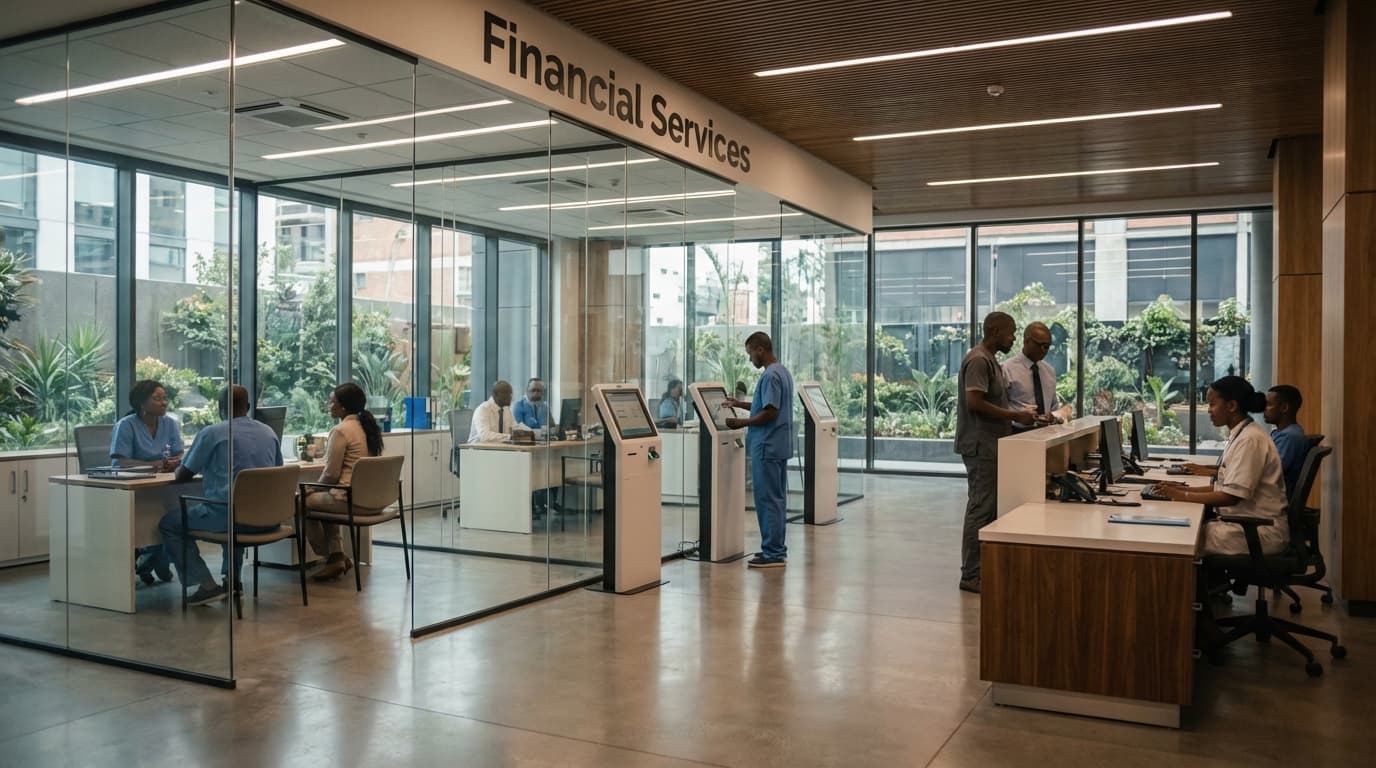
Medical Equipment Financing in Mali
Engineering Excellence & Technical Support
Leasing and financing solutions for medical equipment High-standard technical execution following OEM protocols and local regulatory frameworks.
Secure Financing for Essential Medical Equipment
We offer robust and tailored financing solutions specifically designed to acquire critical medical equipment for healthcare facilities in Mali, ensuring uninterrupted patient care and operational continuity.
Flexible Repayment Structures to Accommodate Healthcare Budgets
Our financing packages provide adaptable repayment schedules, aligning with the unique revenue cycles and budget constraints of Malian healthcare providers, making essential upgrades financially accessible.
Partnership for Health System Advancement in Mali
Beyond simple financing, we act as a strategic partner, facilitating access to advanced medical technology that improves diagnostic capabilities, treatment efficacy, and overall healthcare outcomes across Mali.
What Is Medical Equipment Financing In Mali?
Medical Equipment Financing in Mali refers to the provision of capital by financial institutions or specialized lenders to healthcare providers for the acquisition, upgrade, or maintenance of medical devices and technology. This service is structured to address the significant capital expenditure associated with procuring sophisticated medical infrastructure, thereby enabling healthcare entities to enhance their service delivery capabilities and patient outcomes. The financing mechanisms typically involve term loans, leases, or sale-and-leaseback arrangements, tailored to the cash flow cycles and asset lifespan of the medical equipment.
| Who Needs Medical Equipment Financing in Mali? | Typical Use Cases |
|---|---|
| Public Hospitals and Health Centers: Require financing for essential diagnostic and treatment equipment to serve a broad patient population and address public health needs. | Acquisition of X-ray machines, ultrasound devices, anesthesia machines, and surgical instruments. |
| Private Clinics and Hospitals: Seek financing to expand service offerings, adopt advanced technologies, and compete effectively in the healthcare market. | Procurement of MRI scanners, CT scanners, specialized laboratory equipment, and modern dental chairs. |
| Diagnostic Laboratories: Need capital for automated analyzers, microscopes, and other specialized testing equipment to improve diagnostic accuracy and efficiency. | Investment in PCR machines for molecular diagnostics, hematology analyzers, and immunoassay systems. |
| Specialized Medical Practices (e.g., Cardiology, Oncology): Require financing for high-end, specialized equipment for diagnosis and treatment. | Purchase of cardiac catheterization labs, linear accelerators for radiotherapy, and endoscopes. |
| Non-Governmental Organizations (NGOs) and International Aid Agencies: May utilize financing to equip facilities in underserved regions or for specific health programs. | Funding for mobile clinics, water purification systems with medical applications, and basic surgical kits. |
Key Aspects of Medical Equipment Financing in Mali
- Service Definition: The procurement of capital for medical devices, encompassing acquisition, upgrades, and maintenance.
- Target Beneficiaries: Public and private healthcare institutions, clinics, hospitals, diagnostic centers, and medical professionals.
- Financing Modalities: Term loans, equipment leasing (operating and finance leases), and sale-and-leaseback agreements.
- Collateralization: Often secured by the financed equipment itself or other assets of the healthcare provider.
- Repayment Structures: Typically structured with amortization schedules aligned with the expected revenue generation from the equipment.
- Due Diligence: Involves comprehensive assessment of the borrower's financial health, the technical specifications and market value of the equipment, and the regulatory environment.
Who Needs Medical Equipment Financing In Mali?
Medical equipment financing in Mali is a critical need for a range of healthcare providers and institutions aiming to expand, modernize, or maintain their diagnostic and treatment capabilities. The growing demand for quality healthcare, coupled with budget constraints and the high cost of advanced medical technology, makes financing an essential tool for progress. This allows facilities to acquire state-of-the-art equipment, thereby improving patient care, diagnostic accuracy, and treatment outcomes. Without such financing, many vital healthcare services remain inaccessible or are delivered with suboptimal technology, impacting the health and well-being of the Malian population.
| Customer Type | Typical Departments/Needs | Examples of Equipment |
|---|---|---|
| Public Hospitals and Clinics | Radiology, Cardiology, Surgery, Pediatrics, Obstetrics & Gynecology, General Medicine, Intensive Care Units (ICUs) | X-ray machines, Ultrasound devices, ECG machines, Anesthesia machines, Ventilators, Patient monitors, Sterilizers, Dialysis machines |
| Private Hospitals and Clinics | Similar to public, with a focus on specialized services and patient comfort. May include advanced imaging and surgical suites. | MRI scanners, CT scanners, Endoscopy equipment, Laparoscopic surgical sets, Dental chairs and equipment, Ophthalmological instruments |
| Diagnostic Laboratories | Hematology, Biochemistry, Microbiology, Pathology | Automated analyzers (hematology, chemistry), Microscopes, Incubators, Centrifuges, PCR machines, Blood gas analyzers |
| Specialty Medical Centers (e.g., Cardiology, Oncology, Neurology) | Cardiology, Oncology, Neurology, Nephrology, Orthopedics | Angiography machines, Linear accelerators, MRI scanners, Hemodialysis units, Surgical robots, Arthroscopy equipment |
| Non-Governmental Organizations (NGOs) and Charities | Maternal and child health, infectious disease control, primary healthcare outreach | Portable ultrasound devices, basic diagnostic kits, sterilization units for mobile clinics, vaccine refrigerators |
| Medical Training Institutions | Anatomy labs, simulation centers, clinical training facilities | Anatomical models, simulation mannequins, basic diagnostic equipment for training purposes, dissection microscopes |
| Rural Health Posts | Primary care, maternal and child health, basic diagnostics | Portable ultrasound, basic laboratory equipment, vital signs monitors, sterilization equipment for basic procedures |
Target Customers and Departments for Medical Equipment Financing in Mali
- Public Hospitals and Clinics
- Private Hospitals and Clinics
- Diagnostic Laboratories
- Specialty Medical Centers
- Non-Governmental Organizations (NGOs) and Charities
- Medical Training Institutions
- Rural Health Posts
Medical Equipment Financing Process In Mali
The medical equipment financing process in Mali involves a structured workflow designed to ensure that healthcare providers can acquire essential equipment while mitigating risks for financiers. This process typically begins with an initial inquiry from a healthcare institution and culminates in the successful procurement and installation of the equipment. Key steps include identifying funding needs, assessing the borrower's financial health and project viability, structuring the financing, obtaining necessary approvals, and finally, disbursing funds and managing the asset.
| Stage | Key Activities | Actors Involved | Outcome |
|---|---|---|---|
| Inquiry & Application | Identify need, prepare proposal, submit application and supporting documents. | Healthcare Provider, Potential Financier | Formal application received, initial information gathered. |
| Due Diligence & Assessment | Financial, technical, operational, and legal review of the applicant and project. | Financier (analysts, risk officers), Healthcare Provider (providing information) | Comprehensive risk profile, project viability assessment. |
| Approval & Structuring | Credit committee review, financing terms and conditions defined, legal agreements drafted. | Financier (credit committee, legal team), Healthcare Provider (negotiation) | Approved financing proposal, finalized loan agreement. |
| Execution & Disbursement | Collateral perfection, fund disbursement to vendor, equipment delivery and installation. | Financier, Healthcare Provider, Equipment Vendor, Legal Authorities | Equipment procured and operational, funds released. |
| Post-Financing | Loan servicing, repayments, monitoring, and eventual loan closure. | Healthcare Provider (borrower), Financier (lender) | Successful repayment, release of collateral, satisfied debt. |
Medical Equipment Financing Workflow in Mali: Inquiry to Execution
- {"step":1,"title":"Inquiry & Needs Assessment","description":"Healthcare provider (hospital, clinic, lab) identifies a need for specific medical equipment. An initial inquiry is made to potential financing institutions (banks, specialized lenders, NGOs). This stage involves defining the equipment type, quantity, estimated cost, and the provider's justification for the acquisition (e.g., service expansion, technology upgrade, replacement of old equipment)."}
- {"step":2,"title":"Application Submission","description":"The healthcare provider submits a formal loan or financing application. This includes detailed information about the institution, its ownership structure, operational history, existing assets, and the proposed project. Essential supporting documents like financial statements, business plans, legal registration, and licenses are also provided."}
- {"step":3,"title":"Initial Screening & Eligibility Check","description":"The financing institution reviews the application for completeness and basic eligibility. This involves verifying the legal status of the applicant, assessing their basic financial capacity, and ensuring the proposed equipment aligns with the financier's lending criteria and sector focus."}
- {"step":4,"title":"Due Diligence & Risk Assessment","description":"A comprehensive due diligence process is undertaken. This includes: \n- Financial Due Diligence: Analyzing financial statements, cash flow projections, debt-to-equity ratios, and credit history.\n- Technical Due Diligence: Evaluating the proposed equipment's specifications, vendor reputation, and expected lifespan.\n- Operational Due Diligence: Assessing the provider's management capacity, existing infrastructure, and ability to utilize and maintain the equipment.\n- Market & Legal Due Diligence: Understanding the local healthcare market, regulatory environment, and ensuring compliance with Malian laws."}
- {"step":5,"title":"Project Feasibility & Commercial Viability","description":"The financier assesses whether the acquisition of the equipment will be commercially viable and contribute to the healthcare provider's sustainability and growth. This involves projecting revenue streams generated by the new equipment and evaluating the overall impact on the institution's financial health."}
- {"step":6,"title":"Financing Proposal & Structuring","description":"Based on the due diligence, the financier develops a tailored financing proposal. This includes the loan amount, interest rate, repayment period, collateral requirements, and any specific covenants or conditions. Options like direct loans, leasing, or hire-purchase may be considered."}
- {"step":7,"title":"Credit Committee Approval","description":"The financing proposal, along with the risk assessment and due diligence report, is presented to the financier's credit committee for review and approval. This is a critical decision-making stage."}
- {"step":8,"title":"Legal Documentation & Agreement","description":"Upon approval, legal agreements are drafted and negotiated between the financier and the healthcare provider. This includes loan agreements, security agreements (mortgages, pledges), and any other relevant legal documents. Ensuring compliance with Malian contract law is essential."}
- {"step":9,"title":"Collateral Perfection & Disbursements","description":"Before funds are released, all legal formalities regarding collateral perfection are completed. This might involve registering charges on assets with relevant Malian authorities. Once conditions are met, the funds are disbursed, typically directly to the equipment vendor or to an escrow account."}
- {"step":10,"title":"Equipment Procurement & Installation","description":"The healthcare provider procures the equipment from the approved vendor. Installation and commissioning are supervised or verified by the financier to ensure the equipment meets specifications and is operational."}
- {"step":11,"title":"Loan Servicing & Monitoring","description":"Regular repayments are made by the healthcare provider according to the agreed schedule. The financier monitors loan performance, including timely payments and compliance with covenants. Periodic reviews of the healthcare provider's financial status and asset condition may also occur."}
- {"step":12,"title":"Loan Closure/Asset Disposal (if applicable)","description":"Upon full repayment of the loan, the financing is closed, and any liens on the collateral are released. In cases of default, the financier may exercise their rights to recover the outstanding amount through the disposal of the financed asset, following Malian legal procedures."}
Medical Equipment Financing Cost In Mali
Financing medical equipment in Mali involves a complex interplay of factors that determine the overall cost. These costs are typically expressed in Malian Francs (XOF). Understanding these pricing factors is crucial for healthcare providers seeking to acquire or upgrade their medical infrastructure. The financing cost encompasses not just the purchase price of the equipment itself, but also associated fees, interest rates, and potential additional charges. The ranges provided are indicative and can fluctuate significantly based on specific circumstances and market dynamics.
Several key elements influence the cost of medical equipment financing in Mali:
- Equipment Type and Sophistication: More advanced and specialized equipment (e.g., MRI scanners, CT scanners, advanced surgical robots) will naturally have higher purchase prices and therefore higher financing costs compared to basic medical devices (e.g., stethoscopes, blood pressure monitors).
- Supplier and Brand Reputation: Equipment from reputable international brands often comes with a premium price tag due to perceived quality, reliability, and after-sales support. Local suppliers might offer more competitive pricing but could have limitations in terms of product range and warranties.
- Loan Tenor (Repayment Period): The duration over which the loan is repaid significantly impacts the total interest paid. Longer tenors generally result in lower monthly payments but higher overall financing costs.
- Interest Rates: This is a primary driver of financing cost. Interest rates in Mali, like elsewhere, are influenced by the central bank's monetary policy, the lender's risk assessment, and prevailing market conditions. Commercial banks and specialized financing institutions will have varying interest rate structures.
- Down Payment/Equity Contribution: A larger down payment reduces the loan amount, thereby lowering both the principal financed and the total interest paid. Lenders may also offer better terms for higher equity contributions.
- Administrative and Processing Fees: Lenders typically charge fees for loan processing, appraisal, legal documentation, and other administrative tasks. These can add a non-negligible amount to the initial financing cost.
- Insurance Costs: Financing institutions often require the financed equipment to be insured against damage, theft, or loss. The premiums for this insurance become part of the overall financing expense.
- Import Duties and Taxes: For imported medical equipment, customs duties, value-added tax (VAT), and other import-related taxes must be factored into the total cost, which then influences the financing requirement.
- Installation and Training Costs: Depending on the equipment, professional installation and staff training might be necessary. These costs can sometimes be bundled into the financing package.
- Currency Fluctuations (for imported goods): While the local currency is XOF, the price of imported equipment is often denominated in foreign currencies. Fluctuations in exchange rates can impact the final XOF cost and therefore the financing required.
Indicative Pricing Ranges in Malian Francs (XOF):
| Equipment Category | Estimated Purchase Price Range (XOF) | Estimated Annual Interest Rate Range (%) | Estimated Financing Fees (% of Loan Amount) | Estimated Total Financing Cost (Example over 5 years, 20% Down Payment) |
|---|---|---|---|---|
| Basic Medical Devices (e.g., BP Monitor, Stethoscope, Exam Table) | 150,000 - 1,000,000 | 10% - 18% | 1% - 3% | ~250,000 - 1,500,000 (approximate) |
| Mid-Range Diagnostic Equipment (e.g., Portable Ultrasound, ECG Machine) | 2,000,000 - 15,000,000 | 9% - 17% | 1.5% - 3.5% | ~3,500,000 - 25,000,000 (approximate) |
| Advanced Imaging & Surgical Equipment (e.g., X-ray Machine, Small Anesthesia Machine) | 20,000,000 - 100,000,000 | 8% - 16% | 2% - 4% | ~40,000,000 - 180,000,000 (approximate) |
| High-End Specialized Equipment (e.g., CT Scanner, MRI, Advanced Lab Analyzers) | 150,000,000+ | 7% - 15% | 2.5% - 5% | ~300,000,000+ (approximate) |
Key Pricing Factors for Medical Equipment Financing in Mali
- Equipment Type and Sophistication
- Supplier and Brand Reputation
- Loan Tenor (Repayment Period)
- Interest Rates
- Down Payment/Equity Contribution
- Administrative and Processing Fees
- Insurance Costs
- Import Duties and Taxes
- Installation and Training Costs
- Currency Fluctuations (for imported goods)
Affordable Medical Equipment Financing Options
Acquiring necessary medical equipment can be a significant investment for healthcare providers, impacting both patient care and operational efficiency. Fortunately, various affordable financing options exist to alleviate the financial burden. Understanding value bundles and implementing cost-saving strategies can further enhance affordability and maximize the return on investment. This guide explores these crucial aspects of medical equipment financing.
| Value Bundle Component | Benefit for Affordability | Cost-Saving Strategy Example |
|---|---|---|
| Included Maintenance & Service Contracts | Predictable operational costs, reduced downtime, extended equipment lifespan. | Negotiate bundled service agreements for multiple devices to secure volume discounts. |
| Extended Warranties | Protection against unexpected repair costs, budgeting certainty. | Inquire about extended warranty options bundled with the initial purchase or lease. |
| Training & Implementation Support | Ensures efficient use, reduces errors, speeds up adoption, minimizing costly mistakes. | Prioritize vendors offering comprehensive training as part of the equipment package. |
| Software Updates & Upgrades | Keeps technology current, ensures compliance, and enhances functionality without additional purchase of new hardware. | Opt for leasing or financing plans that include regular technology refresh cycles. |
| Consumables & Accessories | Streamlined procurement, potential bulk discounts, and ensured compatibility. | Explore if essential consumables or accessories can be bundled into the financing package at a favorable rate. |
Key Financing Options for Medical Equipment
- Leasing: A popular option allowing providers to use equipment for a set period with regular payments, often including maintenance and upgrades. This avoids large upfront costs and keeps technology current.
- Loans: Traditional term loans offer ownership of the equipment after repayment. This is suitable for providers who plan to use the equipment long-term.
- Rent-to-Own Agreements: Similar to leasing, but with an option to purchase the equipment at the end of the rental term, with a portion of the payments contributing to the purchase price.
- Sale-Leaseback: Selling existing equipment to a third party and then leasing it back. This provides immediate capital for other operational needs.
- Lines of Credit: Offers flexible access to funds for purchasing multiple pieces of equipment or covering ongoing needs, with interest paid only on the amount borrowed.
Verified Providers In Mali
In Mali's evolving healthcare landscape, access to verified and credentialed providers is paramount for ensuring quality patient care and trust. Franance Health stands out as a beacon of reliability, offering a rigorously vetted network of healthcare professionals. This commitment to verification goes beyond mere certifications, encompassing a comprehensive assessment of their expertise, ethical conduct, and dedication to patient well-being. Choosing Franance Health means entrusting your health to a system that prioritizes safety, efficacy, and a patient-centered approach.
| Credential Type | Franance Health Verification Component | Importance for Patients |
|---|---|---|
| Medical License | Confirms legal authorization to practice medicine in Mali. | Ensures providers are legally qualified and regulated. |
| Specialty Board Certification | Validates advanced training and expertise in a specific medical field. | Guarantees access to highly skilled specialists for complex conditions. |
| Educational Background | Verifies graduation from accredited medical institutions. | Confirms foundational medical knowledge and training. |
| Work History & References | Assesses professional experience and feedback from previous employers/colleagues. | Provides insight into a provider's practical skills and professional reputation. |
| Criminal Background Check | Ensures providers have no history of criminal activity that could compromise patient safety. | Reinforces a safe and secure healthcare environment. |
| Malpractice History Review | Screens for any history of medical malpractice claims. | Mitigates risk and enhances patient confidence. |
Why Franance Health Providers Are the Best Choice in Mali
- Rigorous Verification Process: Franance Health employs a multi-stage credentialing process that meticulously examines each provider's qualifications, licenses, and professional history.
- Commitment to Ethical Standards: Beyond medical proficiency, Franance Health assesses providers for their adherence to the highest ethical principles and patient care standards.
- Focus on Continuous Professional Development: Verified providers within the Franance Health network are encouraged and often required to engage in ongoing training and education, ensuring they are up-to-date with the latest medical advancements.
- Patient-Centric Approach: Franance Health prioritizes providers who demonstrate empathy, excellent communication skills, and a genuine dedication to understanding and meeting individual patient needs.
- Access to Specialized Care: The network includes a diverse range of specialists, allowing patients to find the most appropriate and skilled care for their specific health concerns.
- Enhanced Trust and Safety: The Franance Health seal of verification offers patients peace of mind, knowing they are receiving care from qualified and reputable medical professionals.
Scope Of Work For Medical Equipment Financing
This Scope of Work (SOW) outlines the requirements for securing financing for the procurement of various medical equipment. It details the technical deliverables expected from the equipment and defines the standard specifications that will be used for evaluation and comparison. The financing will cover the acquisition, delivery, installation, and initial training for the specified medical equipment. The financing partner will be responsible for assessing the technical and financial viability of the proposed equipment and providing the necessary capital. The ultimate goal is to ensure the acquired equipment meets the highest standards of quality, functionality, and safety, thereby enhancing patient care and operational efficiency within the healthcare facility.
| Equipment Category | Key Technical Specification Example | Standard Compliance Example | Quantity (Estimated) | Purpose/Clinical Application |
|---|---|---|---|---|
| Diagnostic Imaging (e.g., MRI Scanner) | Magnetic Field Strength (e.g., 1.5T or 3T), Spatial Resolution (<0.5mm), Scan Time (<20 mins per sequence) | IEC 60601-1 (Medical electrical equipment - Part 1: General requirements for basic safety and essential performance), FDA clearance | 1 | Advanced diagnostic imaging for neurology, oncology, and musculoskeletal conditions. |
| Patient Monitoring Systems | Parameter Monitoring (ECG, SpO2, NIBP, Temp), Alarm Management, Data Connectivity (HL7 compatible) | IEC 60601-1, ISO 13485 (Medical devices - Quality management systems) | 10 units | Continuous monitoring of vital signs for critical care and post-operative patients. |
| Surgical Lights | Illuminance (e.g., >100,000 lux at 1m), Color Rendering Index (CRI >95), Adjustable Spot Size | IEC 60601-2-41 (Medical electrical equipment - Part 2-41: Particular requirements for the basic safety and essential performance of surgical luminaires and examination luminaires) | 5 units | Optimal illumination for various surgical procedures, ensuring clear visibility and accurate tissue differentiation. |
| Ventilators | Ventilation Modes (e.g., Volume Control, Pressure Control, SIMV), Tidal Volume Range (50-1500ml), Respiratory Rate (1-60 bpm) | IEC 60601-1, ISO 10651-4 (Lung ventilators for medical use - Part 4: Particular requirements for basic safety and essential performance of electrically powered emergency ventilators) | 3 units | Life support for patients with respiratory failure in ICU settings. |
Technical Deliverables for Medical Equipment Financing
- Detailed technical specifications for each piece of equipment, including model numbers, manufacturer, key features, and performance metrics.
- Certifications and regulatory approvals (e.g., FDA, CE, ISO) relevant to the equipment's intended use and market.
- Proof of warranty, including duration, coverage, and service level agreements (SLAs) for parts and labor.
- Documentation on intended use, operational parameters, and required environmental conditions (e.g., power, temperature, humidity).
- User manuals, service manuals, and maintenance schedules for all procured equipment.
- Training plans and materials for clinical staff and biomedical engineers on the operation, maintenance, and troubleshooting of the equipment.
- Installation and commissioning reports, verifying proper setup and functionality according to manufacturer specifications.
- Risk assessment reports or manufacturer statements regarding potential hazards and mitigation strategies.
- Information on software updates, patches, and cybersecurity protocols for any networked or software-dependent equipment.
- Availability of spare parts and consumables for the expected lifespan of the equipment.
Service Level Agreement For Medical Equipment Financing
This Service Level Agreement (SLA) outlines the response times and uptime guarantees for the provision and maintenance of medical equipment financed by [Financing Company Name] to [Healthcare Provider Name]. This SLA is an integral part of the Master Equipment Lease Agreement dated [Date of Agreement].
| Service Component | Response Time Objective | Uptime Guarantee | Escalation Procedure |
|---|---|---|---|
| Emergency Equipment Malfunction (Critical Equipment - e.g., life support, diagnostic imaging) | 2 Hours (initial remote diagnosis & troubleshooting) 4 Hours (on-site technician dispatch if remote resolution not possible) | 98.0% | Immediate notification to dedicated account manager. Automatic escalation to senior support management if initial response time is not met. |
| Urgent Equipment Malfunction (Non-Critical Equipment - e.g., basic patient monitoring, lab equipment) | 4 Hours (initial remote diagnosis & troubleshooting) 8 Business Hours (on-site technician dispatch if remote resolution not possible) | 95.0% | Notification to dedicated account manager. Escalation to senior support management if on-site dispatch is delayed beyond 4 hours. |
| Routine Maintenance & Preventative Care | As scheduled and agreed upon in the maintenance contract. | Not directly applicable, but proactive maintenance contributes to overall uptime. | Notification of any rescheduling at least 48 hours in advance. |
| Information/Inquiry Requests (e.g., billing, service history) | 1 Business Day | N/A | Escalation to supervisor if response exceeds 2 Business Days. |
Key Service Objectives
- To ensure the continuous and reliable operation of financed medical equipment, minimizing downtime and impact on patient care.
- To provide timely and effective support for any equipment malfunctions or performance issues.
- To maintain clear communication channels and transparent reporting of service performance.
Frequently Asked Questions

Ready when you are
Let's scope your Medical Equipment Financing in Mali project in Mali.

Scaling healthcare logistics and technical systems across the entire continent.