
Renal Solutions in Mali
Engineering Excellence & Technical Support
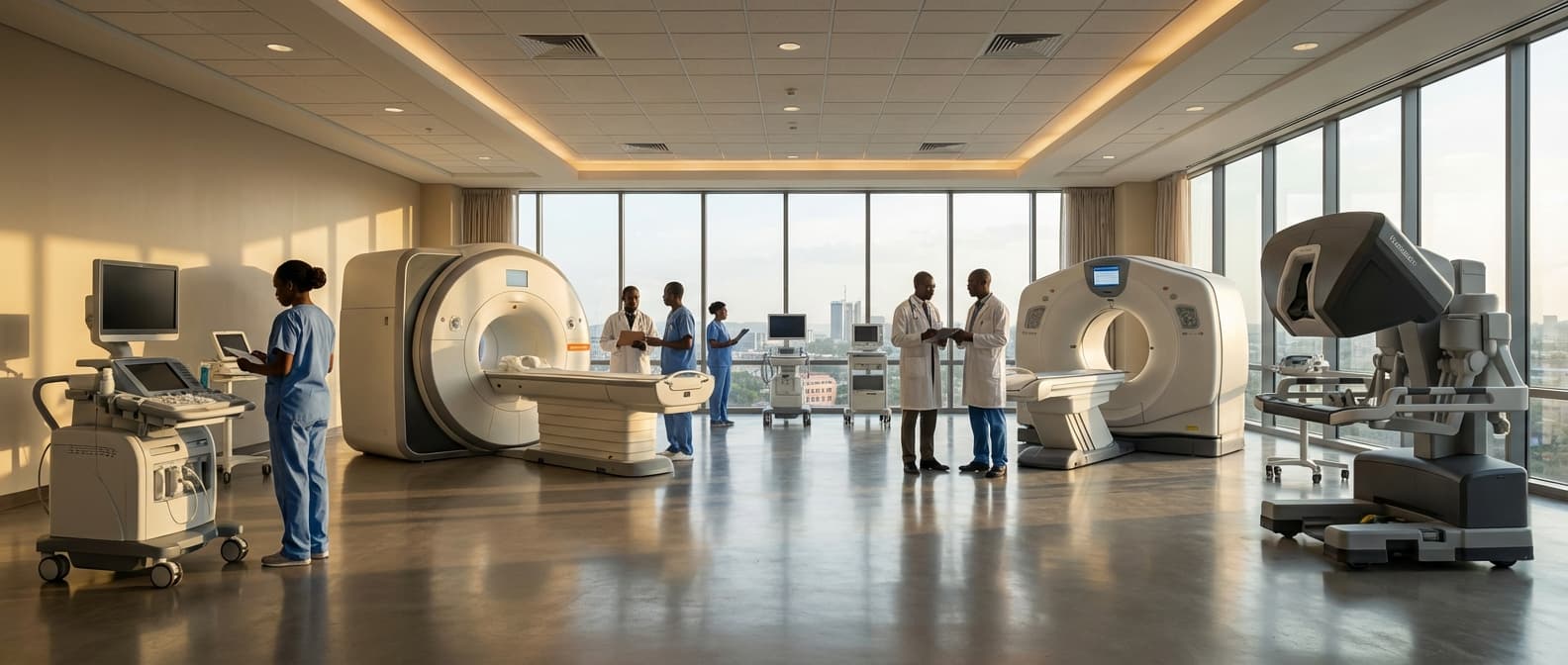
Complete dialysis systems and renal care equipment designed to deliver safe, effective, and patient-centered kidney treatment. High-standard technical execution following OEM protocols and local regulatory frameworks.
Advanced Hemodialysis Centers Established
Renal Solutions has successfully established and equipped multiple state-of-the-art hemodialysis centers across key regions in Mali, significantly increasing access to life-saving treatments for chronic kidney disease patients. These centers feature modern dialysis machines, water purification systems, and trained medical staff.
Comprehensive Healthcare Professional Training
We have implemented extensive training programs for Malian nephrologists, nurses, and technicians in the latest dialysis protocols, patient care best practices, and equipment maintenance. This initiative builds local capacity and ensures sustainable, high-quality renal care delivery.
Robust Medical Supply Chain Management
Renal Solutions has developed a resilient and efficient supply chain for essential dialysis consumables and medications in Mali. This ensures consistent availability of critical supplies, preventing treatment disruptions and improving patient outcomes even in remote areas.
What Is Renal Solutions In Mali?
Renal Solutions in Mali refers to a comprehensive range of services and interventions designed to diagnose, manage, and treat kidney-related diseases and conditions within the Malian healthcare landscape. This encompasses preventative measures, diagnostic capabilities, therapeutic interventions, and supportive care aimed at improving the quality of life for individuals experiencing renal dysfunction.
The service fundamentally involves the identification and treatment of kidney diseases, which can range from acute kidney injury (AKI) to chronic kidney disease (CKD) and end-stage renal disease (ESRD). This includes, but is not limited to, regular screening for risk factors, accurate diagnostic assessments using laboratory tests (e.g., serum creatinine, urinalysis, glomerular filtration rate estimation) and imaging modalities (e.g., renal ultrasound, CT scans), and the implementation of evidence-based treatment strategies. These strategies may involve pharmacological management of underlying conditions (e.g., hypertension, diabetes), dietary modifications, and, in advanced stages, renal replacement therapies such as hemodialysis, peritoneal dialysis, and kidney transplantation.
| Typical Use Case | Description of Intervention |
|---|---|
| Hypertension Management for Renal Protection | Regular monitoring of blood pressure and initiation/adjustment of antihypertensive medications (e.g., ACE inhibitors, ARBs) to achieve target blood pressure goals and reduce renal damage in hypertensive patients. |
| Diabetic Nephropathy Screening and Management | Annual screening for microalbuminuria and proteinuria in diabetic patients, coupled with glycemic control and appropriate pharmacological interventions to mitigate the risk and progression of diabetic kidney disease. |
| Acute Kidney Injury (AKI) Management | Rapid diagnosis and intervention to identify and address the underlying cause of AKI, including fluid resuscitation, removal of offending agents, and management of electrolyte imbalances, with potential for temporary dialysis if necessary. |
| Chronic Kidney Disease (CKD) Progression Control | Implementing lifestyle modifications, dietary counseling (e.g., sodium restriction, protein management), medication optimization, and treatment of comorbidities to slow the decline of kidney function in diagnosed CKD patients. |
| Hemodialysis Services for ESRD | Provision of regular hemodialysis sessions (typically 3 times per week) to remove waste products and excess fluid from the blood for patients with irreversible kidney failure. |
| Peritoneal Dialysis (PD) Initiation and Support | Training patients and providing ongoing support for home-based peritoneal dialysis, a treatment option for ESRD where the patient's peritoneum is used as a filter. |
| Renal Biopsy and Histopathological Analysis | Performing kidney biopsies for definitive diagnosis of specific kidney diseases and conducting histopathological examination to guide treatment strategies. |
| Management of Renal Bone Disease and Anemia | Therapeutic interventions, including phosphate binders, vitamin D analogs, and erythropoiesis-stimulating agents (ESAs), to address common complications of CKD. |
| Urological Intervention for Obstruction | Management of obstructive uropathy (e.g., kidney stones, benign prostatic hyperplasia) through procedures like ureteral stenting or nephrostomy to relieve pressure on the kidneys. |
| Patient Education and Support Groups | Providing comprehensive education on kidney disease, treatment options, and lifestyle adjustments, along with facilitating support networks for patients and their families. |
Who Needs Renal Solutions in Mali?
- Individuals with pre-existing conditions that significantly increase the risk of kidney disease, such as uncontrolled hypertension, diabetes mellitus, recurrent urinary tract infections, and systemic autoimmune diseases (e.g., lupus).
- Patients presenting with symptoms indicative of renal impairment, including edema, changes in urination patterns (frequency, volume, color), persistent fatigue, nausea, and loss of appetite.
- Individuals with a family history of kidney disease, as genetic predispositions can elevate risk.
- Elderly populations, who are at increased risk of developing age-related decline in kidney function and other comorbidities.
- Patients with a history of exposure to nephrotoxic agents, including certain medications (e.g., NSAIDs, some antibiotics) and environmental toxins.
- Individuals diagnosed with acute kidney injury due to factors like severe dehydration, sepsis, or drug-induced damage.
- Those with diagnosed chronic kidney disease (CKD) at any stage, requiring ongoing management to slow disease progression and prevent complications.
- Patients with end-stage renal disease (ESRD) requiring renal replacement therapy to sustain life.
Who Needs Renal Solutions In Mali?
Renal solutions are crucial for addressing the growing burden of kidney disease in Mali. This includes a range of medical products, technologies, and services designed to diagnose, treat, and manage kidney-related ailments. The demand for these solutions is driven by factors such as the increasing prevalence of chronic diseases like diabetes and hypertension, which are major contributors to kidney failure, as well as limited access to advanced medical care in many regions. Understanding who needs these solutions and which departments are involved is vital for effective resource allocation and healthcare planning.
| Customer Segment | Specific Needs/Services Required | Key Departments Involved |
|---|---|---|
| Early-stage CKD Patients | Screening, diagnosis, medication, lifestyle advice, monitoring | Internal Medicine, Primary Healthcare Centers, Nephrology |
| Late-stage CKD / ESRD Patients | Dialysis (hemodialysis, peritoneal dialysis), vascular access, transplant evaluation, immunosuppression | Nephrology, Dialysis Centers, Cardiology, Surgery, Anesthesiology |
| Diabetic Patients | Renal function monitoring, management of diabetic nephropathy, early intervention | Endocrinology, Internal Medicine, Nephrology, Primary Healthcare Centers |
| Hypertensive Patients | Blood pressure control, renal function monitoring, medication adjustments | Cardiology, Internal Medicine, Nephrology, Primary Healthcare Centers |
| Pediatric Patients | Congenital anomaly screening, specialized pediatric nephrology care, growth monitoring | Pediatrics, Nephrology (Pediatric), Radiology |
| Healthcare Providers/Institutions | Diagnostic equipment, dialysis machines, consumables, pharmaceuticals, training, maintenance services | Procurement departments, hospital administration, all clinical departments |
| Researchers and Academics | Data, access to patient populations, collaboration opportunities | Universities, research institutions, Nephrology departments |
Target Customers & Departments for Renal Solutions in Mali
- {"items":["Individuals suffering from Chronic Kidney Disease (CKD) at various stages.","Patients with End-Stage Renal Disease (ESRD) requiring dialysis or transplantation.","Individuals at high risk of developing kidney disease due to conditions like diabetes, hypertension, and genetic predispositions.","Pediatric patients with congenital or acquired kidney conditions.","Elderly populations who are more susceptible to renal complications."],"title":"Primary Target Customers"}
- {"items":["Nephrology Departments: The core specialty for diagnosing and managing kidney diseases.","Internal Medicine Departments: Often the first point of contact for patients with chronic conditions that can affect kidneys.","Cardiology Departments: Essential as cardiovascular health is closely linked to kidney function, and vice versa.","Endocrinology Departments: Crucial for managing diabetes and other endocrine disorders that impact kidney health.","General Surgery Departments: Involved in kidney transplant procedures.","Anesthesiology Departments: Critical for surgical procedures, including transplant and dialysis access creation.","Radiology Departments: For diagnostic imaging like ultrasounds, CT scans, and MRIs of the kidneys.","Pathology Departments: For kidney biopsies and laboratory analysis.","Emergency Departments: For acute kidney injury (AKI) and complications of chronic kidney disease.","Primary Healthcare Centers: For early detection, screening, and management of risk factors.","Hospitals (Public and Private): The primary providers of specialized renal care and facilities.","Dialysis Centers: Dedicated facilities for hemodialysis and peritoneal dialysis.","Medical Training Institutions: For educating future nephrologists, nurses, and technicians."],"title":"Key Departments and Healthcare Professionals Involved"}
Renal Solutions Process In Mali
The Renal Solutions Process in Mali outlines the systematic workflow adopted by healthcare providers to manage patients requiring renal (kidney) services. This process ensures that individuals with kidney-related conditions receive timely and appropriate care, from the initial point of contact to the completion of their treatment or management plan. The workflow is designed to be efficient, patient-centered, and in line with established medical protocols.
| Stage | Description | Key Activities | Responsible Parties | Key Outcomes/Deliverables |
|---|---|---|---|---|
| Patient Inquiry/Referral | The process begins when a patient presents with symptoms suggestive of a kidney issue or is referred by another healthcare provider. | Patient self-presentation or referral from primary care physicians, specialists, or other health facilities. Initial patient history collection. | Patients, General Practitioners, Other Specialists. | Patient identified for renal assessment. |
| Initial Assessment and Triage | A preliminary evaluation to determine the urgency and nature of the renal problem, categorizing patients based on their condition. | Detailed medical history taking, physical examination, preliminary vital signs check, and initial assessment of symptoms. Triage based on severity (e.g., emergency, urgent, routine). | Nurses, General Physicians, Nephrology Assistants. | Patient categorized for appropriate next steps; acuity determined. |
| Diagnostic Workup | A series of tests and investigations to confirm the diagnosis, determine the extent of kidney damage, and identify underlying causes. | Blood tests (e.g., creatinine, urea, electrolytes, complete blood count), urine tests (e.g., urinalysis, protein, microscopy), imaging studies (e.g., ultrasound, CT scan), and potentially kidney biopsy. | Laboratory Technicians, Radiologists, Nephrologists. | Accurate diagnosis and staging of kidney disease. |
| Treatment Planning | Based on the diagnostic findings, a personalized treatment plan is developed by the renal care team. | Consultation among nephrologists, urologists, dietitians, and other relevant specialists. Discussion of treatment options (medical management, dialysis, transplantation), risk/benefit analysis. Patient and family education and shared decision-making. | Nephrologists, Urologists, Multidisciplinary Renal Team, Patients/Families. | Comprehensive, individualized treatment plan agreed upon. |
| Execution of Treatment | Implementation of the agreed-upon treatment plan. | Initiation of medications, commencement of dialysis (hemodialysis or peritoneal dialysis), pre-transplant evaluations, surgical procedures if necessary, dietary modifications. | Nephrologists, Dialysis Nurses, Surgeons, Dietitians, Pharmacists. | Active treatment delivery as per the plan. |
| Monitoring and Follow-up | Continuous observation of the patient's progress, response to treatment, and overall health status. | Regular clinical check-ups, repeat laboratory tests, assessment of dialysis adequacy, management of complications, patient education on self-care. | Nephrologists, Dialysis Nurses, Primary Care Physicians. | Treatment effectiveness evaluated, adjustments made, complications managed. |
| Discharge or Long-Term Management | The stage where a patient is discharged from acute care or transitioned to long-term management strategies. | For acute recovery: discharge with clear follow-up instructions. For chronic conditions: ongoing management with regular clinic visits, lifestyle modifications, and potential referral for advanced therapies (e.g., transplant list). | Nephrologists, Primary Care Physicians, Patients. | Patient reintegrated into community care or enters a stable long-term management phase. |
Renal Solutions Process in Mali: Workflow Stages
- Patient Inquiry/Referral
- Initial Assessment and Triage
- Diagnostic Workup
- Treatment Planning
- Execution of Treatment
- Monitoring and Follow-up
- Discharge or Long-Term Management
Renal Solutions Cost In Mali
The cost of renal solutions in Mali is a critical factor for kidney patients requiring dialysis. These solutions, essential for the hemodialysis and peritoneal dialysis processes, are subject to various pricing determinants within the Malian context. Factors influencing these costs include the type of solution (e.g., bicarbonate-based vs. acetate-based for hemodialysis, standard vs. high-volume for peritoneal dialysis), the concentration of electrolytes, and the volume per container. Import duties and taxes levied on medical supplies, transportation and logistics within Mali's infrastructure, and the profit margins of local distributors and pharmacies all contribute to the final price. Furthermore, the availability of foreign exchange and fluctuations in global supply chains can impact affordability. Due to these variables, precise pricing can fluctuate, but general ranges can be identified.
| Renal Solution Type | Estimated Price Range (XOF - West African CFA Franc) | Notes |
|---|---|---|
| Hemodialysis Solution (e.g., Bicarbonate Concentrate) | 10,000 - 25,000 XOF per liter/bag | Price varies significantly based on concentrate ratio, brand, and supplier. Often purchased in larger volumes for institutions. |
| Peritoneal Dialysis Solution (Standard Volume, e.g., 1.5L or 2L bags) | 8,000 - 15,000 XOF per bag | Commonly used for home dialysis, price is per individual bag. Higher glucose concentrations might be more expensive. |
| Peritoneal Dialysis Solution (High Volume, e.g., 3L or 5L bags) | 15,000 - 30,000 XOF per bag | Less common for individual patients but may be used in clinical settings. Higher volume generally means a higher per-bag cost. |
| Electrolyte Additives/Supplements | 2,000 - 7,000 XOF per small vial/package | Used for specific patient needs to adjust electrolyte balance. |
Factors Affecting Renal Solution Costs in Mali
- Type of Renal Solution (Hemodialysis vs. Peritoneal Dialysis, Bicarbonate vs. Acetate)
- Electrolyte Concentration and Volume
- Import Duties and Taxes
- Transportation and Logistics within Mali
- Distributor and Pharmacy Markups
- Foreign Exchange Rates
- Global Supply Chain Dynamics
- Brand and Manufacturer
Affordable Renal Solutions Options
Affordable renal solutions encompass a range of strategies and options designed to reduce the financial burden associated with kidney disease management. This includes exploring value bundles offered by healthcare providers and insurance plans, as well as implementing various cost-saving tactics throughout the treatment journey. Value bundles often package multiple services together at a predetermined price, aiming for greater efficiency and predictability in costs. Cost-saving strategies focus on optimizing resource utilization, patient education, and preventive measures to minimize expenses.
| Strategy Category | Description | Potential Cost Savings |
|---|---|---|
| Value Bundles | Pre-packaged services (e.g., dialysis treatments, lab work, physician visits) offered at a fixed cost. Can improve predictability and potentially reduce overall expenses through integrated care. | Reduced surprise billing, potential for volume discounts, improved care coordination leading to fewer complications and related costs. |
| Generic Medications | Using less expensive generic versions of prescribed drugs when available and equivalent to brand-name medications. | Significant reduction in out-of-pocket medication expenses. |
| Home Dialysis | Performing dialysis treatments at home (e.g., Peritoneal Dialysis, Home Hemodialysis). | Lower facility overhead costs, increased patient autonomy, potential for fewer transportation expenses, often reimbursed at a higher rate by insurance. |
| Preventive Care | Focusing on managing underlying conditions (e.g., diabetes, hypertension) to slow kidney disease progression and prevent complications. | Avoidance of costly emergency room visits, hospitalizations, and advanced treatments like transplantation or long-term dialysis. |
| Patient Education | Empowering patients with knowledge about their condition, treatment options, and self-management techniques. | Improved adherence to treatment plans, reduced errors, better management of symptoms, leading to fewer complications and hospitalizations. |
| Negotiation & Advocacy | Discussing costs with healthcare providers, exploring payment plans, and advocating for favorable pricing or assistance programs. | Potential for reduced service fees, manageable payment schedules, and access to financial aid. |
| Insurance Optimization | Understanding and maximizing insurance coverage, utilizing in-network providers, and adhering to pre-authorization requirements. | Lower co-pays, deductibles, and out-of-network costs, avoiding denied claims. |
Key Affordable Renal Solutions:
- Value-based care models
- Generic medication utilization
- Home dialysis options
- Preventive care and early detection
- Patient education and empowerment
- Negotiating with providers
- Utilizing insurance benefits effectively
Verified Providers In Mali
In Mali's evolving healthcare landscape, identifying reliable and accredited medical facilities is paramount for ensuring quality patient care. Franance Health has emerged as a leading force, distinguishing itself through its rigorous credentialing process and commitment to upholding the highest standards of medical practice. This dedication makes Franance Health-affiliated providers the premier choice for individuals seeking trusted healthcare services in Mali.
| Key Benefits of Choosing Franance Health Verified Providers | Description |
|---|---|
| Enhanced Patient Safety | Strict adherence to safety protocols and infection control measures minimizes risks. |
| Guaranteed Competence | Verification of qualifications ensures providers possess the necessary skills and knowledge. |
| Reliable Diagnostics and Treatment | Access to up-to-date medical technology and evidence-based treatment plans. |
| Transparent Healthcare Experience | Clear communication and ethical practices build trust and understanding. |
| Peace of Mind | Knowing you are receiving care from accredited and continuously evaluated professionals. |
Why Franance Health Credentials Matter in Mali
- Unwavering Commitment to Quality: Franance Health's credentialing process is meticulously designed to assess a provider's adherence to international best practices, patient safety protocols, and ethical medical conduct.
- Rigorous Vetting and Verification: Each provider undergoes a comprehensive background check, verification of medical licenses and certifications, and an in-depth review of their clinical experience and qualifications.
- Continuous Performance Monitoring: Beyond initial accreditation, Franance Health engages in ongoing monitoring of provider performance, ensuring sustained excellence and responsiveness to evolving medical standards.
- Patient-Centric Approach: The credentialing criteria emphasize patient satisfaction, effective communication, and a compassionate approach to care, fostering trust and confidence.
- Access to Specialized Expertise: Franance Health facilitates access to a network of highly skilled medical professionals across various specialties, guaranteeing that patients receive the most appropriate and advanced treatment.
Scope Of Work For Renal Solutions
Scope of Work for Renal Solutions: Technical Deliverables and Standard Specifications. This document outlines the comprehensive scope of work for the Renal Solutions project, detailing the technical deliverables required and the standard specifications that will govern their development and implementation. The objective is to ensure the successful delivery of a robust, scalable, and compliant renal care management system.
| Deliverable | Description | Standard Specification Reference | Acceptance Criteria |
|---|---|---|---|
| System Architecture Design Document | High-level and detailed design of the system's components, their interactions, and underlying technologies. | ISO 9001, IEEE 830-1998 | Completeness, clarity, scalability, maintainability, adherence to requirements. |
| Database Schema and ER Diagrams | Defines the structure of the database, including tables, fields, relationships, and data types. | SQL Standards, ERD Best Practices | Data integrity, normalization, performance, security of data. |
| User Interface (UI) Mockups and Prototypes | Visual representations of the user interface, demonstrating navigation, layout, and interactive elements. | WCAG 2.1 AA, Material Design Guidelines | Usability, accessibility, consistency, responsiveness, alignment with brand guidelines. |
| Application Programming Interface (API) Specifications | Detailed documentation of APIs for inter-service communication and third-party integrations. | RESTful API Design Principles, OpenAPI Specification | Clarity, completeness, security, versioning, error handling. |
| Backend Service Codebase | Well-documented, tested, and maintainable source code for all backend services. | Clean Code Principles, SOLID Principles, Language-specific best practices (e.g., Python PEP 8) | Adherence to coding standards, test coverage (>80%), performance, security. |
| Frontend Application Codebase | Well-documented, tested, and maintainable source code for the user-facing application. | Component-based architecture, framework best practices (e.g., React, Angular, Vue), accessibility standards | Adherence to coding standards, test coverage (>80%), performance, responsiveness, accessibility. |
| Integration Test Reports | Documentation of tests performed to ensure seamless interaction between different system modules and external services. | IEEE 829-2008 | Completeness of test cases, defect identification and resolution rate. |
| Deployment Scripts and Configuration Files | Automated scripts and configuration files for deploying the system to various environments. | CI/CD best practices, Infrastructure as Code (IaC) principles | Reliability, repeatability, security, environment consistency. |
Key Technical Deliverables
- System Architecture Design Document
- Database Schema and ER Diagrams
- User Interface (UI) Mockups and Prototypes
- Application Programming Interface (API) Specifications
- Backend Service Codebase (including unit tests)
- Frontend Application Codebase (including unit tests)
- Integration Test Reports
- User Acceptance Testing (UAT) Plan and Scripts
- Deployment Scripts and Configuration Files
- System Documentation (User Manuals, Administrator Guides)
- Security Audit Report
- Performance Testing Results
- Data Migration Plan and Scripts (if applicable)
- Technical Support and Maintenance Plan
Service Level Agreement For Renal Solutions
This Service Level Agreement (SLA) outlines the performance standards and guarantees provided by Renal Solutions for its services. It defines the expected response times for support requests and the guaranteed uptime for critical system functionalities. This SLA is designed to ensure the reliability and availability of Renal Solutions' services for our valued clients.
| Service Component | Severity Level | Response Time Target | Uptime Guarantee (Monthly) |
|---|---|---|---|
| Core Application Functionality (e.g., Patient Data Management, Treatment Scheduling) | Critical (System Outage affecting all users) | 30 Minutes | 99.9% |
| Core Application Functionality (e.g., Patient Data Management, Treatment Scheduling) | High (Significant feature impairment affecting a large group) | 2 Hours | 99.9% |
| Core Application Functionality (e.g., Patient Data Management, Treatment Scheduling) | Medium (Minor feature impairment or performance degradation) | 4 Business Hours | 99.9% |
| Reporting and Analytics Tools | High (Data unavailable or significantly delayed) | 4 Business Hours | 99.5% |
| Reporting and Analytics Tools | Medium (Performance issues impacting report generation) | 8 Business Hours | 99.5% |
| General Inquiries and Account Support | Low (Non-urgent questions or requests) | 1 Business Day | N/A (Service availability for these is inherent to core systems) |
| System Maintenance (Scheduled) | N/A | Advance Notification (48 hours) | N/A |
Key Service Commitments
- Response Times: Renal Solutions commits to acknowledging and initiating action on support requests within defined timeframes, categorized by severity.
- Uptime Guarantee: Critical system functionalities will be available for a specified percentage of time over a monthly period.
- Exclusions: Certain events and situations are excluded from uptime calculations and response time guarantees, as detailed in this agreement.
Frequently Asked Questions

Ready when you are
Let's scope your Renal Solutions in Mali project in Mali.

Scaling healthcare logistics and technical systems across the entire continent.