
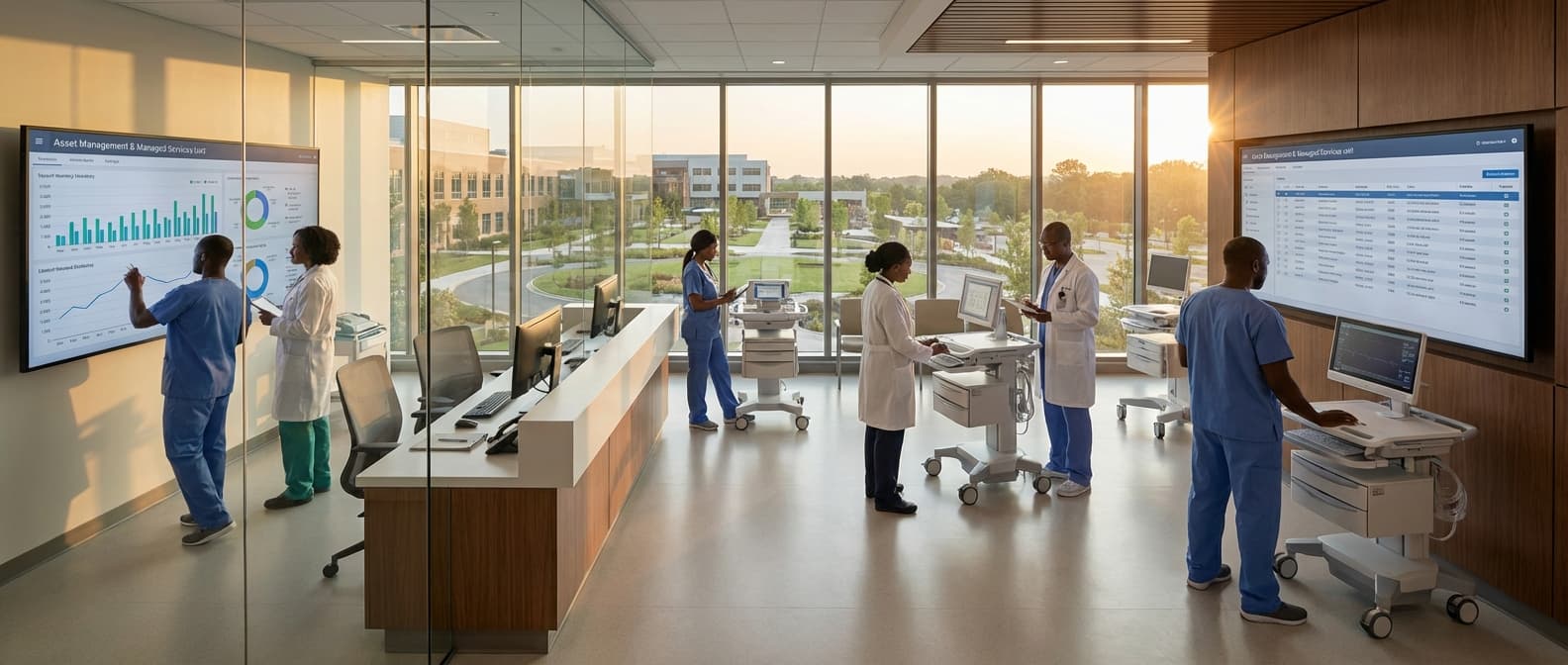
Equipment Fleet Standardization Consulting Service in Mali
Engineering Excellence & Technical Support
Equipment Fleet Standardization Consulting Service High-standard technical execution following OEM protocols and local regulatory frameworks.
Optimized Fleet Uptime in Mining Operations
We leverage data analytics to identify underutilized or inefficient vehicle types within your Mali-based mining fleet. Our standardization strategies focus on consolidating towards fewer, more robust models, simplifying maintenance, reducing spare parts inventory, and ultimately increasing critical asset availability, directly impacting your production output.
Enhanced Operator Skill Transfer and Training Efficiency
By standardizing your equipment fleet across Malian operational sites, we create a unified operator experience. This significantly reduces training time and costs for new hires and cross-trained personnel. Technicians benefit from familiar systems, leading to faster diagnostics and repairs, and improved safety protocols due to consistent user interfaces and controls.
Reduced Total Cost of Ownership (TCO) in Agricultural Mechanization
Our Malian agricultural consulting service focuses on standardizing your tractor and implement fleet to minimize long-term expenses. This includes negotiating bulk purchase discounts, optimizing fuel consumption through model selection, reducing specialized mechanic requirements, and lowering the complexity of inventory management for parts and consumables, leading to substantial cost savings for your agricultural enterprise.
What Is Equipment Fleet Standardization Consulting Service In Mali?
Equipment fleet standardization consulting services in Mali refer to specialized advisory engagements focused on optimizing the composition, maintenance, and operational efficiency of an organization's heavy machinery and vehicle assets. This service involves a comprehensive analysis of existing fleets, identification of redundancies, evaluation of performance metrics, and the development of strategic recommendations to consolidate equipment types, brands, or models. The objective is to achieve economies of scale in procurement, maintenance, training, and spare parts management, thereby reducing operational costs and enhancing overall productivity. The process typically includes asset inventory, usage pattern analysis, cost-benefit assessments, and the formulation of a phased implementation plan for fleet consolidation and standardization.
| Service Recipient Profile | Needs Addressed | Typical Use Cases |
|---|---|---|
| Large-scale Construction Companies | High operational costs associated with diverse equipment types, complex maintenance, and fragmented spare parts inventory. Desire for improved operational efficiency and reduced capital expenditure. | Standardizing on excavators, dozers, and mobile cranes for major infrastructure projects (roads, dams, buildings). Consolidating truck fleets for material transport. Optimizing generator and dewatering pump fleets. |
| Mining Operations (Surface and Underground) | Significant capital investment in specialized heavy-duty equipment. Challenges in managing maintenance for varied fleets operating in harsh environments. Need for enhanced safety and reliability. | Standardizing on haul trucks, excavators, loaders, and drilling rigs for mineral extraction. Rationalizing specialized underground mining vehicles. Optimizing support equipment like forklifts and utility vehicles. |
| Agricultural Cooperatives and Large Agribusinesses | Seasonal demand fluctuations, diverse crop types requiring specialized machinery, and the need for efficient resource allocation. Desire to reduce maintenance burden and improve farmer support. | Standardizing on tractors, harvesters, and planters for large-scale cultivation. Optimizing irrigation equipment fleets. Rationalizing sprayers and material handling equipment. |
| Logistics and Transportation Providers | High fleet utilization, significant fuel and maintenance expenditures, and the need for predictable operational costs. Desire for improved route optimization and reduced downtime. | Standardizing on commercial trucks, trailers, and vans for long-haul and last-mile delivery. Optimizing refrigeration units. Rationalizing specialized transport vehicles. |
| Government Agencies (Public Works, Disaster Response) | Budgetary constraints, the need for rapid deployment of reliable equipment, and ensuring interoperability in emergency situations. Challenges in managing diverse acquired assets. | Standardizing on utility vehicles, emergency response trucks, and specialized repair equipment for road maintenance, water management, and disaster relief efforts. |
| Oil and Gas Exploration & Production Companies | Operation in remote and challenging environments, requiring robust and specialized equipment with high uptime. Need to manage complex supply chains for parts and service. | Standardizing on drilling rigs, exploration vehicles, seismic survey equipment, and support vehicles. Optimizing compressor and pump fleets. |
Key Components of Equipment Fleet Standardization Consulting in Mali
- Fleet Inventory and Audit: Detailed cataloging of all existing equipment, including specifications, age, condition, and maintenance history.
- Operational Needs Assessment: Analysis of current and future operational requirements, identifying task-specific equipment needs.
- Performance Benchmarking: Evaluation of equipment utilization rates, downtime, fuel consumption, and maintenance costs against industry standards.
- Gap Analysis: Identification of discrepancies between existing fleet capabilities and operational demands, and identification of standardization opportunities.
- Brand/Model Rationalization: Recommendation of preferred equipment brands or models based on reliability, availability of parts and service, total cost of ownership, and operational suitability.
- Procurement Strategy Development: Advising on best practices for acquiring standardized equipment, including leasing, purchasing, and financing options.
- Maintenance Program Optimization: Development of standardized maintenance schedules, procedures, and training for technicians aligned with the chosen equipment types.
- Spare Parts Management: Strategies for consolidating and optimizing spare parts inventory to support the standardized fleet.
- Training and Skill Development: Recommendations for standardizing operator and maintenance personnel training programs.
- Technology Integration: Assessment of telematics and fleet management software for enhanced monitoring and control of the standardized fleet.
- Implementation Roadmap: Creation of a phased plan for transitioning to a standardized fleet, including timelines and resource allocation.
Who Needs Equipment Fleet Standardization Consulting Service In Mali?
In Mali, a growing number of organizations are recognizing the strategic advantages of standardizing their equipment fleets. This approach offers significant benefits, including cost reduction through bulk purchasing and simplified maintenance, improved operational efficiency by reducing the complexity of managing diverse equipment types, and enhanced safety through standardized training and operation. Organizations that operate a substantial and varied fleet of vehicles, machinery, and tools are prime candidates for equipment fleet standardization consulting services.
| Target Customer Sector | Specific Departments/Roles | Key Benefits of Standardization |
|---|---|---|
| Mining and Extractive Industries | Operations Management, Fleet Maintenance, Procurement, Health & Safety | Reduced downtime, lower spare parts inventory, streamlined operator training, improved safety protocols. |
| Agriculture and Agribusiness | Farm Management, Logistics, Equipment Operations, Procurement | Optimized resource allocation, easier equipment repair and maintenance, reduced training costs for seasonal workers. |
| Construction and Infrastructure Development | Project Management, Fleet Management, Site Operations, Procurement | Increased site productivity, simplified on-site maintenance, economies of scale for equipment acquisition, improved interoperability. |
| Transportation and Logistics | Fleet Operations, Maintenance & Repair, Supply Chain Management, Procurement | Reduced fuel consumption through standardized engines, simplified driver training, faster turnaround times for repairs, better resale value. |
| Energy and Utilities (e.g., Power Generation, Water Supply) | Field Operations, Maintenance & Engineering, Asset Management, Procurement | Enhanced reliability of critical equipment, standardized safety procedures, reduced complexity in spare parts management, optimized technician training. |
| Public Sector (Government Ministries, Agencies) | Public Works, Defense, Health Services, Emergency Management, Procurement | Cost savings for taxpayers, improved service delivery, consistent operational capabilities, simplified procurement processes, enhanced national security. |
| Non-Governmental Organizations (NGOs) | Program Management, Logistics, Field Operations, Procurement | Increased operational reach in remote areas, reduced logistical challenges, cost-effective equipment deployment, improved program delivery. |
Who Needs Equipment Fleet Standardization Consulting Service in Mali?
- Organizations with a large and diverse equipment inventory.
- Companies seeking to optimize operational costs and efficiency.
- Businesses aiming to improve safety and compliance.
- Entities undergoing fleet expansion or modernization.
- Public sector agencies responsible for managing large equipment fleets.
- Non-governmental organizations (NGOs) with field operations and extensive equipment needs.
Equipment Fleet Standardization Consulting Service Process In Mali
This document outlines the standard workflow for Equipment Fleet Standardization Consulting Services offered in Mali. The process is designed to be transparent, efficient, and client-centric, guiding businesses from their initial inquiry to the successful implementation of fleet standardization strategies. The service aims to optimize operational efficiency, reduce costs, and enhance safety and reliability within an organization's equipment fleet.
| Phase | Description | Key Activities | Deliverables | Timeline (Indicative) |
|---|---|---|---|---|
| The client expresses interest in fleet standardization services. | Initial contact, understanding client's high-level objectives and challenges, brief overview of services. | Confirmation of interest, scheduling of a detailed needs assessment. | 1-3 business days |
| A comprehensive understanding of the client's current fleet and operational needs. | Site visits, interviews with key personnel (fleet managers, operators, maintenance staff), data gathering (equipment inventory, usage patterns, maintenance records, costs, regulatory compliance). | Detailed fleet inventory report, operational profile, identified pain points and opportunities. | 1-3 weeks |
| Expert analysis of collected data to identify areas for standardization and develop tailored strategies. | Benchmarking against industry best practices, identification of redundant or inefficient equipment, development of standardization criteria (e.g., manufacturer, model, technology, fuel type), cost-benefit analysis of proposed changes. | Fleet standardization report with recommendations, proposed standardization roadmap, initial cost savings projections. | 2-4 weeks |
| Formal presentation of findings and proposed solutions, leading to a service agreement. | Presentation of analysis and recommendations, detailed proposal including scope of work, methodologies, timelines, fees, and expected outcomes. Negotiation of contract terms. | Formal proposal, signed consulting agreement/contract. | 1-2 weeks |
| Detailed planning of the standardization process. | Development of a phased implementation plan, procurement strategies for new equipment (if applicable), training plans for personnel, change management strategy, risk assessment and mitigation plan. | Detailed implementation plan, procurement guidelines, training schedule, communication plan. | 2-3 weeks |
| The active implementation of the agreed-upon standardization strategies. | Procurement and integration of new equipment, decommissioning/disposal of non-standardized assets, training delivery, system updates (e.g., fleet management software), ongoing project monitoring and communication. | Procured and integrated equipment, trained personnel, updated fleet management systems, regular progress reports. | Varies significantly based on fleet size and complexity (e.g., 3-12+ months) |
| Tracking the effectiveness of the standardization efforts and identifying areas for further optimization. | Collection of performance data (e.g., uptime, maintenance costs, fuel efficiency), comparison against baseline data, identification of deviations from expected outcomes. | Performance monitoring reports, interim evaluation findings. | Ongoing during execution and for a period post-implementation (e.g., 3-6 months) |
| Formal documentation of the project outcomes and transfer of knowledge to the client. | Comprehensive final report detailing all aspects of the standardization project, including achieved benefits, lessons learned, and recommendations for future fleet management. Knowledge transfer sessions with client's team. | Final project report, asset handover documentation (if applicable), closing meeting. | 1-2 weeks |
| Continued support to ensure long-term success of the standardized fleet. | Troubleshooting, ad-hoc advice, assistance with ongoing fleet management optimization, potential follow-up audits. | Ongoing support as per contract agreement. | As agreed upon in the contract |
Equipment Fleet Standardization Consulting Service Workflow in Mali
- Inquiry & Initial Consultation
- Needs Assessment & Data Collection
- Analysis & Strategy Development
- Proposal & Contract Negotiation
- Implementation Planning
- Execution & Project Management
- Monitoring & Evaluation
- Final Reporting & Handover
- Post-Implementation Support
Equipment Fleet Standardization Consulting Service Cost In Mali
The cost of equipment fleet standardization consulting services in Mali is influenced by several key factors, leading to a range of potential pricing. These services are crucial for optimizing operations, reducing maintenance costs, and improving overall efficiency within an organization's fleet. Understanding these pricing drivers is essential for budgeting and selecting the right consulting partner. The local Malian economic landscape, the complexity of the fleet, the duration of the engagement, and the expertise of the consultants all play a significant role.
| Service Type / Complexity | Estimated Price Range (Malian Francs - XOF) | Notes |
|---|---|---|
| Initial Fleet Assessment & Diagnostic Report | 1,500,000 - 4,000,000 XOF | Covers basic data collection, identification of standardization opportunities, and high-level recommendations. |
| Development of Standardization Strategy & Implementation Roadmap | 3,000,000 - 8,000,000 XOF | Includes detailed analysis, selection of standardized equipment models, supplier evaluation, and a phased implementation plan. |
| Full Fleet Standardization Project Management (Implementation Phase) | 6,000,000 - 20,000,000+ XOF | Engaging consultants to oversee the actual implementation, including procurement support, training, and change management. Can be a percentage of project value or a fixed fee. |
| Specialized Consulting (e.g., Telematics Integration, Maintenance Optimization) | 2,000,000 - 6,000,000 XOF | Focuses on specific areas of fleet management for standardization benefits. |
| Ongoing Fleet Performance Monitoring & Optimization | 500,000 - 2,000,000 XOF per month | Retainer-based services for continuous improvement and adaptation of the standardization strategy. |
Key Pricing Factors for Equipment Fleet Standardization Consulting in Mali
- Scope and Complexity of the Fleet: A larger and more diverse fleet (e.g., construction equipment, agricultural machinery, transport vehicles) will inherently require more in-depth analysis, data collection, and development of standardization strategies. Conversely, a smaller, more homogenous fleet will be less costly to assess.
- Duration of the Engagement: The length of time the consultants will be working on the project is a primary driver of cost. Short-term diagnostic assessments will be less expensive than long-term implementation and ongoing monitoring services.
- Consultant Expertise and Reputation: Highly experienced consultants with a proven track record in fleet management and standardization, especially within the African context or specific to Mali, will command higher fees. Their specialized knowledge and ability to deliver tangible results justify a premium.
- Level of Data Analysis Required: The extent to which data needs to be collected, cleaned, analyzed, and modeled will impact costs. Sophisticated simulation and predictive modeling will be more resource-intensive.
- Geographic Reach within Mali: If the fleet is spread across multiple regions or remote areas within Mali, travel and logistical expenses for consultants will increase the overall project cost.
- Deliverables Expected: The nature of the final output (e.g., a high-level report vs. detailed implementation plans, training materials, and ongoing support) will affect the consultancy's effort and therefore its price.
- Market Demand and Competition: The availability of qualified local and international consultants in Mali can influence pricing. Higher demand with limited supply can lead to increased costs.
- Specific Industry Sector: The sector the fleet serves (e.g., mining, agriculture, construction, logistics) can influence the types of equipment and the associated complexities, impacting consulting fees.
- Client's Internal Resources: The extent to which the client can provide internal resources for data collection, analysis, and implementation can reduce the external consultant's workload and thus the cost.
Affordable Equipment Fleet Standardization Consulting Service Options
Our Affordable Equipment Fleet Standardization Consulting Service offers a structured approach to optimizing your fleet's efficiency, reducing operational costs, and enhancing overall productivity. By standardizing your equipment, you can streamline maintenance, simplify training, improve parts management, and leverage bulk purchasing power. We provide flexible value bundles tailored to your specific needs, along with expert guidance on cost-saving strategies that deliver a significant return on investment.
| Service Package | Description | Key Deliverables | Investment Level |
|---|---|---|---|
| Foundation Fleet Analysis | Initial assessment of your current fleet composition and operational needs. | Fleet utilization report, identification of standardization opportunities, initial cost-benefit analysis. | Low |
| Core Standardization Strategy | Development of a tailored fleet standardization roadmap, including recommended equipment models and phasing. | Standardization roadmap document, vendor research and recommendations, parts inventory optimization plan. | Medium |
| Comprehensive Fleet Optimization | Full implementation support, including procurement strategies, training program development, and ongoing performance monitoring. | Implementation plan, procurement negotiation support, operator training materials, ongoing performance dashboard. | High |
Key Benefits of Fleet Standardization
- Reduced maintenance costs through simplified training and parts inventory.
- Lower operational expenses due to improved fuel efficiency and less downtime.
- Enhanced operator productivity and safety with familiar equipment.
- Streamlined procurement and negotiation power for better pricing.
- Improved fleet uptime and reliability.
Verified Providers In Mali
In Mali, ensuring access to quality healthcare is paramount. When seeking medical services, it's crucial to identify and engage with Verified Providers. These are healthcare professionals and facilities that have undergone a rigorous vetting process, confirming their adherence to established standards of practice, ethical conduct, and patient safety. The integrity of a provider's credentials directly impacts the quality and reliability of the care received. In this context, Franance Health stands out as a leader, offering a network of meticulously credentialed and verified healthcare providers throughout Mali. Their commitment to excellence in verification processes makes them the premier choice for individuals seeking trustworthy medical assistance.
| Credential Component | Franance Health Verification Standard | Importance for Patients |
|---|---|---|
| Medical License | Confirmed with national and international regulatory bodies. | Ensures the provider is legally authorized to practice medicine. |
| Educational Background | Verified degrees and certifications from accredited institutions. | Confirms foundational knowledge and specialized training. |
| Professional Experience | Thorough review of past practice history and references. | Assesses practical skills, patient outcomes, and professional reputation. |
| Specialty Certifications | Validation of advanced training and board certifications. | Guarantees expertise in specific medical fields. |
| Criminal Background Checks | Comprehensive checks to ensure patient safety. | Mitigates risks associated with malpractice or misconduct. |
| Ethical Conduct | Assessment of adherence to professional codes of conduct and patient rights. | Promotes trust, transparency, and respectful patient-provider relationships. |
Why Franance Health Represents the Best Choice for Verified Providers in Mali
- Rigorous Verification Process: Franance Health employs a multi-faceted and stringent verification methodology. This includes in-depth checks of medical licenses, educational qualifications, professional experience, and criminal background, ensuring only legitimate and competent practitioners are included in their network.
- Commitment to Patient Safety: Central to Franance Health's mission is the safety and well-being of patients. Their verification protocols are designed to identify and exclude providers who may pose a risk, thus fostering a secure healthcare environment.
- Upholding Ethical Standards: Franance Health actively assesses providers for their adherence to ethical medical practices and professional conduct, ensuring patients are treated with respect, dignity, and transparency.
- Access to Specialized Care: Through their verified network, Franance Health facilitates access to a wide range of medical specialties, connecting patients with the most appropriate and qualified professionals for their specific needs.
- Building Trust and Confidence: By clearly displaying verified credentials and maintaining a transparent provider registry, Franance Health instills confidence in patients, empowering them to make informed decisions about their healthcare.
- Continuous Monitoring and Re-verification: Franance Health's commitment doesn't end at initial verification. They implement ongoing monitoring and periodic re-verification to ensure their providers consistently meet evolving standards and maintain their trusted status.
Scope Of Work For Equipment Fleet Standardization Consulting Service
This Scope of Work (SOW) outlines the services to be provided by [Consulting Firm Name] (hereinafter referred to as the "Consultant") to [Client Company Name] (hereinafter referred to as the "Client") for a comprehensive Equipment Fleet Standardization Consulting Service. The primary objective is to analyze the Client's existing equipment fleet, identify opportunities for standardization, and develop a strategic roadmap for implementation. This will lead to improved operational efficiency, reduced maintenance costs, optimized inventory management, and enhanced safety. The project will culminate in technical deliverables and standard specifications that will guide the Client's future equipment procurement and management practices.
| Deliverable Type | Description | Format | Key Content Areas |
|---|---|---|---|
| Fleet Assessment Report | Detailed analysis of the current equipment fleet, including usage patterns, maintenance history, operational costs, and supplier information. | Digital (PDF) and hard copy | Equipment inventory, performance metrics, cost breakdowns, supplier performance, current challenges. |
| Standardization Opportunity Report | Identification and prioritization of areas where standardization can yield significant benefits. | Digital (PDF) | Analysis of common equipment types, duplication, underutilization, potential for part-sharing, and commonality analysis. |
| Standardization Strategy and Roadmap | A clear, actionable plan outlining the steps, timelines, and resources required for implementing fleet standardization. | Digital (PDF) and presentation slides | Recommended standardized equipment categories, phasing of implementation, cost-benefit analysis, risk mitigation strategies, change management plan. |
| Standard Equipment Specifications (per category) | Detailed technical specifications for standardized equipment, ensuring interoperability, safety, and performance. | Digital (Word/Excel) and CAD drawings (if applicable) | Technical performance requirements, safety features, environmental considerations, maintenance requirements, warranty terms, preferred manufacturers/models. |
| Implementation Plan Outline | A high-level plan for the execution of the standardization strategy, including key milestones and responsibilities. | Digital (PDF) | Phased procurement strategy, training requirements, disposal plans for non-standard equipment, performance monitoring framework. |
| Final Project Report | A comprehensive summary of the project, including findings, recommendations, implemented standards, and lessons learned. | Digital (PDF) and presentation slides | Executive summary, detailed project findings, final recommendations, implemented standard specifications, post-implementation recommendations, knowledge transfer summary. |
| Training Materials (for new specifications) | Materials to educate internal teams on the new standard specifications and procurement processes. | Digital (PDF, PPTX) | Overview of standardized equipment, rationale for selection, how to use standard specifications in procurement, key features to look for. |
Project Phases and Key Activities
- Phase 1: Fleet Assessment and Data Collection
- Phase 2: Standardization Opportunity Analysis
- Phase 3: Development of Standardization Strategy and Roadmap
- Phase 4: Standard Specification Development
- Phase 5: Implementation Planning and Support
- Phase 6: Final Reporting and Knowledge Transfer
Service Level Agreement For Equipment Fleet Standardization Consulting Service
This Service Level Agreement (SLA) outlines the performance expectations and guarantees for the Equipment Fleet Standardization Consulting Service provided by [Consulting Firm Name] to [Client Name]. This SLA specifically addresses response times for support requests and uptime guarantees for any cloud-based tools or platforms utilized during the consulting engagement.
| Service Component | Service Level Objective (SLO) | Measurement Method | Escalation Process |
|---|---|---|---|
| Support Request Acknowledgment (Critical Issue) | Within 2 business hours | Timestamp of client's email/portal submission and timestamp of consultant's initial response. | If not acknowledged within 2 hours, immediate notification to Senior Project Manager at [Consulting Firm Name]. |
| Support Request Acknowledgment (Standard Issue) | Within 8 business hours | Timestamp of client's email/portal submission and timestamp of consultant's initial response. | If not acknowledged within 8 hours, notification to Project Manager at [Consulting Firm Name]. |
| Cloud-Based Tool/Platform Uptime (if applicable) | 99.5% monthly uptime | Monitored by [Third-Party Monitoring Tool or internal process], calculated monthly. Downtime excludes scheduled maintenance windows. | For downtime exceeding 0.5%, a root cause analysis report will be provided within 2 business days. |
| Consultation Session Availability | Scheduled sessions will commence within 15 minutes of the agreed-upon start time. | Timestamp of scheduled session start and timestamp of actual commencement. | If delayed by more than 15 minutes, the session will be rescheduled at the client's earliest convenience with no penalty. |
Key Service Level Objectives
- Response Time: Defines the maximum time allowed for [Consulting Firm Name] to acknowledge and begin addressing a support request from [Client Name].
- Uptime Guarantee: Specifies the minimum percentage of time that any agreed-upon cloud-based tools or platforms will be available and operational.
- Scope: This SLA applies to all consulting services related to equipment fleet standardization, including analysis, recommendations, strategy development, and implementation support.
- Exclusions: This SLA does not cover issues arising from client-side infrastructure failures, third-party vendor outages unrelated to the consulting service, or force majeure events.
Frequently Asked Questions

Ready when you are
Let's scope your Equipment Fleet Standardization Consulting Service in Mali project in Mali.

Scaling healthcare logistics and technical systems across the entire continent.