
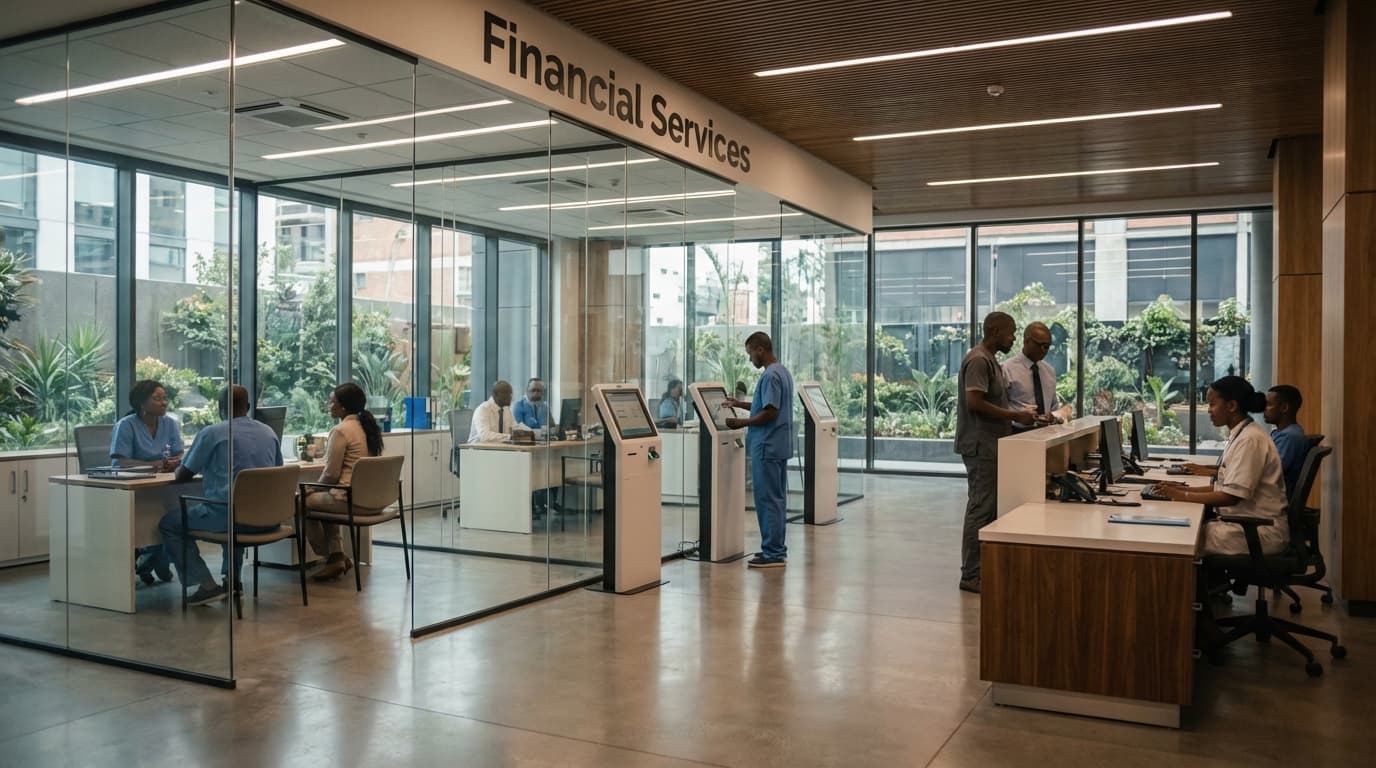
Medical Equipment Financing in Malawi
Engineering Excellence & Technical Support
Leasing and financing solutions for medical equipment High-standard technical execution following OEM protocols and local regulatory frameworks.
Tailored Financing Solutions for Healthcare Providers
We offer flexible and competitive financing plans specifically designed for Malawian hospitals, clinics, and laboratories. Our solutions cover a wide range of medical equipment, from diagnostic tools to surgical instruments, ensuring you acquire the technology needed to enhance patient care without compromising your operational budget.
Streamlined Application & Approval Process
Understanding the critical nature of medical services, we've optimized our financing application and approval process for speed and efficiency. Our experienced team works closely with you to gather necessary documentation, minimizing delays and enabling rapid acquisition of essential medical equipment in Malawi.
Partnerships for Sustainable Healthcare Growth
Beyond financing, we aim to be your long-term partner in advancing healthcare in Malawi. We collaborate with reputable medical equipment suppliers and offer ongoing support to ensure your financed equipment is well-maintained and utilized to its full potential, contributing to the sustainable growth of your healthcare institution.
What Is Medical Equipment Financing In Malawi?
Medical Equipment Financing (MEF) in Malawi refers to a specialized financial service that facilitates the acquisition of medical machinery and related assets by healthcare providers and institutions within the country. This mechanism typically involves lending institutions providing capital to purchase, lease, or acquire medical equipment, thereby circumventing the immediate capital outlay required for high-value assets. The service is designed to enhance healthcare infrastructure, improve diagnostic and treatment capabilities, and expand service delivery by enabling access to state-of-the-art or essential medical technologies. MEF plays a crucial role in modernizing the Malawian healthcare sector, which often faces budget constraints that hinder direct capital investment in advanced medical equipment.
| Who Needs Medical Equipment Financing? | Typical Use Cases in Malawi |
|---|---|
| Hospitals (Public and Private): Requiring large-scale diagnostic imaging equipment, surgical suites, patient monitoring systems, and laboratory analyzers. | Acquisition of MRI scanners, CT scanners, digital X-ray machines, ultrasound devices, and advanced laboratory diagnostic instruments. |
| Clinics and Health Centers: Seeking essential diagnostic tools, treatment apparatus, and specialized medical devices to enhance primary care services. | Financing for ultrasound machines for prenatal care, basic laboratory testing equipment, sterilizers, and minor surgical instrument sets. |
| Specialized Medical Centers: Focusing on specific areas like cardiology, oncology, or ophthalmology, needing advanced, niche equipment. | Purchase of electrocardiogram (ECG) machines, endoscopy equipment, ophthalmological diagnostic tools (e.g., slit lamps, refractors), and radiotherapy equipment (where applicable). |
| Non-Governmental Organizations (NGOs) and Humanitarian Organizations: Operating in underserved regions and requiring robust medical infrastructure. | Procurement of mobile clinics, emergency response equipment, and diagnostic tools for public health initiatives and disaster relief efforts. |
| Medical Training Institutions: Needing to equip simulation labs and practical training facilities with modern medical technology. | Acquisition of anatomical models, simulation manikins, and functional medical equipment for student training. |
Key Components of Medical Equipment Financing in Malawi:
- Asset-Based Lending: The financing is often secured by the medical equipment itself, mitigating risk for the lender.
- Leasing Options: Various leasing structures (e.g., operating leases, finance leases) allow providers to use equipment without outright ownership, often with flexible payment terms.
- Term Loans: Loans can be structured with fixed or variable interest rates over a defined repayment period for equipment purchase.
- Risk Assessment: Lenders conduct thorough due diligence on the borrower's financial standing, the equipment's projected lifespan and utilization, and the overall market demand for the services it will provide.
- Collateralization: In addition to the equipment, other assets of the healthcare provider may be required as collateral.
- Maintenance and Service Agreements: Financing packages can sometimes include provisions for ongoing maintenance, service, and calibration of the equipment, ensuring its optimal performance.
Who Needs Medical Equipment Financing In Malawi?
Medical equipment financing in Malawi is crucial for expanding access to quality healthcare. This financing mechanism allows healthcare providers, both public and private, to acquire essential medical devices and technologies that might otherwise be out of reach due to high upfront costs. It plays a vital role in upgrading existing facilities, establishing new ones, and ensuring that medical professionals have the tools they need to diagnose, treat, and manage a wide range of health conditions, ultimately improving patient outcomes and public health.
| Target Customer Segment | Key Departments/Needs | Examples of Equipment Financed |
|---|---|---|
| Ministry of Health (Public Hospitals & Clinics) | Primary Healthcare, Maternal & Child Health, Infectious Disease Control, Emergency Services, Radiology, Laboratory Services | Ambulances, X-ray machines, Ultrasound scanners, Diagnostic kits, Surgical instruments, Dialysis machines, Ventilators, Basic laboratory equipment |
| Private Hospitals & Clinics | Specialized Surgery, Cardiology, Oncology, Diagnostics, Outpatient Care, Intensive Care Units (ICUs) | CT scanners, MRI machines, Endoscopy equipment, Advanced surgical suites, Cardiac monitors, Dialysis units, Advanced laboratory analyzers |
| NGOs and Faith-Based Healthcare Providers | Primary care, Maternal health, HIV/AIDS care, Tuberculosis treatment, Community health programs | Maternal delivery kits, Diagnostic testing equipment (malaria, HIV, TB), Basic laboratory equipment, Small-scale X-ray machines, Antenatal care equipment |
| University Teaching Hospitals & Medical Schools | Advanced Diagnostics, Surgical Training, Research, Specialized Treatment Centers (e.g., Oncology, Neurology) | Sophisticated imaging equipment (PET scanners), Robotic surgery systems, Advanced laboratory research equipment, High-fidelity simulators for training, Specialized diagnostic tools |
| Rural and Remote Health Centers | Essential Diagnostics, Primary Care, Emergency Response, Basic Treatment | Point-of-care diagnostic devices, Portable ultrasound machines, Basic vital signs monitors, Minor surgical instrument sets, Vaccines and cold chain equipment |
| Specialized Medical Centers (e.g., Eye Clinics, Dental Clinics, Physiotherapy Centers) | Ophthalmology equipment, Dental chairs and instruments, Physiotherapy and rehabilitation equipment | Slit lamps, Ophthalmic lasers, Dental X-ray units, Dental handpieces, Ultrasound therapy machines, Exercise equipment |
Who Needs Medical Equipment Financing in Malawi?
- Public Healthcare Facilities
- Private Healthcare Providers
- Non-Governmental Organizations (NGOs) in Healthcare
- Tertiary Healthcare Institutions
- Rural and Underserved Clinics
- Specialized Medical Centers
Medical Equipment Financing Process In Malawi
Financing medical equipment in Malawi involves a structured process, typically initiated by an inquiry from a healthcare provider. This process ensures due diligence by the financing institution and clarity for the borrower, culminating in the successful acquisition of the necessary equipment. The workflow encompasses several key stages, from initial contact to the final disbursement and equipment delivery.
| Stage | Description | Key Activities | Responsible Parties |
|---|---|---|---|
| Inquiry and Initial Consultation | The healthcare provider expresses interest in financing medical equipment. | Contacting financing institutions, preliminary discussion of needs and potential financing options. | Healthcare Provider, Financing Institution Representative |
| Needs Assessment and Equipment Specification | Detailed understanding of the specific equipment required and its purpose. | Gathering technical specifications of the equipment, understanding intended use, impact on operations. | Healthcare Provider, Financing Institution (for understanding feasibility) |
| Application Submission | The healthcare provider formally applies for the financing. | Completing the financing application form, providing organizational documents (registration, MOUs, etc.), financial statements, and equipment quotes. | Healthcare Provider |
| Credit Assessment and Due Diligence | The financing institution evaluates the applicant's creditworthiness and the viability of the project. | Reviewing financial records, conducting credit checks, assessing business plans, verifying ownership and operational capacity, site visits (if applicable). | Financing Institution (Credit Department, Risk Management) |
| Proposal and Offer Generation | Based on the assessment, a financing proposal is prepared and presented. | Determining loan amount, interest rates, repayment terms, collateral requirements, and other conditions. Issuing a Letter of Offer or Term Sheet. | Financing Institution (Loan Officers, Credit Committee) |
| Legal Documentation and Agreement | Formalizing the financing arrangement through legal contracts. | Drafting and reviewing loan agreements, security documents (e.g., chattel mortgages), and any other required legal instruments. Signing of agreements by both parties. | Financing Institution (Legal Department), Healthcare Provider (Legal Counsel, Management) |
| Pre-Disbursement Checks | Ensuring all conditions precedent to disbursement are met. | Confirmation of insurance for the equipment, verification of successful procurement by the provider, ensuring all legal formalities are completed. | Financing Institution |
| Disbursement and Equipment Procurement/Delivery | Funds are released, and the equipment is acquired and delivered. | Direct disbursement of funds to the equipment supplier or to the healthcare provider. Confirmation of equipment delivery and installation. | Financing Institution, Healthcare Provider, Equipment Supplier |
| Post-Disbursement Monitoring and Repayment | Ongoing management of the loan and equipment. | Regular monitoring of loan repayments, ensuring equipment maintenance and operational status, periodic reporting (if required). | Financing Institution, Healthcare Provider |
Medical Equipment Financing Process Workflow in Malawi
- Inquiry and Initial Consultation
- Needs Assessment and Equipment Specification
- Application Submission
- Credit Assessment and Due Diligence
- Proposal and Offer Generation
- Legal Documentation and Agreement
- Pre-Disbursement Checks
- Disbursement and Equipment Procurement/Delivery
- Post-Disbursement Monitoring and Repayment
Medical Equipment Financing Cost In Malawi
Financing medical equipment in Malawi involves a complex interplay of factors that influence the cost. These costs are typically quoted and managed in Malawian Kwacha (MWK). Several key elements contribute to the overall financing price, including the type and value of the equipment, the financial institution's risk assessment, the loan tenor, interest rates, and any associated fees. The range of financing costs can vary significantly, making it crucial for healthcare providers to understand these dynamics.
| Financing Cost Component | Typical Range (Annualized) | Notes |
|---|---|---|
| Interest Rates (Annualized) | 18% - 30%+ | Highly variable, dependent on bank, borrower profile, and market conditions. Can be fixed or variable. |
| Loan Origination/Processing Fees | 1% - 5% of loan amount | One-time fees charged at the beginning of the loan. Negotiable to some extent. |
| Insurance Premiums (Asset Insurance) | 1% - 3% of asset value (annual) | Covers damage or loss of the equipment. May be paid upfront or annually. |
| Valuation Fees | MWK 100,000 - MWK 500,000+ | To assess the value of the equipment. Varies based on equipment complexity. |
| Legal Fees | MWK 50,000 - MWK 200,000+ | For drafting and reviewing loan agreements. Depends on legal complexity. |
Key Pricing Factors for Medical Equipment Financing in Malawi
- Equipment Value & Type: High-value, specialized, or technologically advanced equipment (e.g., MRI scanners, advanced surgical robots) will naturally incur higher financing costs due to their initial purchase price and potential for obsolescence.
- Interest Rates: These are the most significant ongoing cost. Rates are influenced by the central bank's monetary policy, inflation, the borrower's creditworthiness, and the lender's cost of funds.
- Loan Tenor (Repayment Period): Longer loan terms spread the repayment over more time, leading to lower monthly installments but often a higher total interest paid over the life of the loan.
- Borrower's Creditworthiness: A strong credit history, stable financial performance, and collateral significantly reduce a lender's risk, potentially leading to more favorable interest rates and terms.
- Down Payment: A substantial down payment reduces the loan amount required, thereby lowering the overall financing cost and demonstrating financial commitment.
- Associated Fees: These can include loan origination fees, processing fees, insurance premiums (often mandatory for financed assets), legal fees, and valuation fees.
- Collateral: The availability and value of collateral offered by the borrower can influence the lender's risk appetite and, consequently, the financing terms.
- Market Competition: The presence of multiple financial institutions offering similar products can lead to competitive pricing and a wider range of options for borrowers.
- Economic Stability: Broader economic conditions in Malawi, including inflation, currency stability, and GDP growth, directly impact interest rate environments and lender confidence.
Affordable Medical Equipment Financing Options
Securing the right medical equipment is crucial for providing quality patient care, but the upfront costs can be substantial. Fortunately, various affordable financing options are available to healthcare providers. These options can significantly reduce the financial burden, allowing practices and facilities to invest in essential technology without compromising their operational budgets. Understanding value bundles and implementing cost-saving strategies are key to maximizing the return on investment for medical equipment.
| Strategy | Description | Benefits | Considerations |
|---|---|---|---|
| Value Bundling | Purchasing equipment along with related services, training, maintenance, and consumables as a package deal from a single vendor. | Often results in significant discounts compared to purchasing items separately. Streamlines procurement and support. Ensures compatibility between equipment and services. Predictable costs for a defined period. | Requires careful negotiation to ensure all bundled components are necessary and competitively priced. May limit flexibility in choosing individual service providers. |
| Negotiating Bulk Discounts | Purchasing multiple pieces of equipment or high-volume consumables from a single supplier to leverage buying power. | Lower per-unit costs. Simplifies inventory management. Stronger vendor relationship. | Requires accurate forecasting of needs to avoid overstocking. May commit you to a specific vendor for a period. |
| Exploring Refurbished or Used Equipment | Acquiring pre-owned medical equipment that has been professionally inspected, refurbished, and often comes with a warranty. | Substantially lower upfront costs compared to new equipment. Can provide access to high-quality technology at a fraction of the price. | Requires thorough due diligence on the vendor and the equipment's history. Warranty periods may be shorter. Availability can be variable. |
| Prioritizing Essential Equipment | Focusing financing efforts on equipment that directly impacts patient outcomes, revenue generation, or regulatory compliance. | Ensures resources are allocated to the most critical needs. Improves ROI by investing in income-generating or cost-saving technology. | Requires a clear understanding of practice needs and strategic goals. May lead to delaying investments in non-essential but desirable equipment. |
| Flexible Payment Terms | Working with finance providers to establish payment schedules that align with your practice's cash flow cycles. | Reduces financial strain during slower periods. Improves cash flow management. Allows for more manageable budgeting. | May involve slightly higher interest rates or fees compared to standard terms. Requires careful review of all contract clauses. |
| Energy-Efficient Equipment | Investing in medical equipment that consumes less energy, leading to lower utility bills over its lifespan. | Reduces ongoing operational expenses. Contributes to sustainability efforts. May qualify for tax incentives or rebates. | Initial purchase price might be slightly higher. Requires research to identify the most energy-efficient models. |
Affordable Medical Equipment Financing Options
- Leasing: A popular option where you rent equipment for a fixed period, offering lower upfront costs and predictable monthly payments. It's ideal for rapidly evolving technology where upgrades are frequent.
- Loans: Traditional term loans provide ownership of the equipment after repayment. These are suitable for providers who intend to use the equipment long-term and benefit from depreciation.
- Rent-to-Own Agreements: Combines elements of leasing and purchasing, allowing you to rent with an option to buy the equipment at the end of the lease term. A portion of your rental payments often goes towards the purchase price.
- Operational Leases: Similar to traditional leases but often structured for shorter terms and may include maintenance and service. This is a good option for managing equipment lifecycle and avoiding obsolescence.
- Sale-Leaseback: If you own equipment outright but need capital, you can sell it to a finance company and then lease it back. This frees up cash for other operational needs.
- Government and Non-Profit Grants: Explore grants specifically designed for healthcare providers, especially for underserved communities or for purchasing specific types of equipment that address public health needs.
Verified Providers In Malawi
In Malawi's evolving healthcare landscape, identifying reliable and credentialed healthcare providers is paramount for individuals seeking quality and trustworthy medical services. Franance Health stands out as a leading organization that not only identifies but also rigorously vets healthcare providers, ensuring they meet high standards of professionalism, expertise, and ethical practice. This rigorous credentialing process by Franance Health provides a crucial layer of assurance for patients, making their network of providers the best choice for accessible and dependable healthcare.
| Provider Category | Franance Health Verification Standards | Benefits to Patients |
|---|---|---|
| Doctors (General & Specialists) | Valid Medical License, Verified Education & Degrees, Clean Disciplinary Record, Proof of Current Practice | Accurate Diagnosis, Effective Treatment Plans, Access to Specialized Care, Assurance of Professional Competence |
| Nurses | Registered Nurse (RN) or Midwife License, Verified Training, Good Standing with Nursing Council | Quality Patient Care, Medication Administration Expertise, Health Education, Compassionate Support |
| Pharmacists | Registered Pharmacist License, Verified Pharmacy Degree, Knowledge of Drug Interactions & Dispensing Regulations | Safe and Accurate Prescription Dispensing, Medication Counseling, Drug Interaction Checks, Pharmaceutical Advice |
| Clinics & Hospitals | Accreditation Status (where applicable), Compliance with Health Facility Regulations, Evidence of Quality Management Systems, Qualified Staffing | Safe Treatment Environments, Access to Essential Medical Equipment, Coordinated Care Pathways, Reliable Health Services |
Why Franance Health Credentials Matter:
- Rigorous Vetting Process: Franance Health employs a comprehensive evaluation methodology that scrutinizes educational qualifications, licensing, professional experience, and adherence to ethical guidelines of all affiliated healthcare providers.
- Commitment to Quality Care: By partnering with Franance Health, providers demonstrate their dedication to delivering high-quality medical services, patient safety, and continuous professional development.
- Enhanced Patient Trust: Patients can have greater confidence in the medical professionals they engage with through Franance Health, knowing they have been pre-screened and verified.
- Access to Specialized Expertise: Franance Health's network often includes specialists and practitioners with diverse and sought-after skills, ensuring patients can find the right care for their specific needs.
- Streamlined Healthcare Navigation: The organization simplifies the process of finding qualified healthcare providers, saving patients time and reducing the anxiety often associated with seeking medical attention.
Scope Of Work For Medical Equipment Financing
This Scope of Work (SOW) outlines the technical deliverables and standard specifications required for the financing of medical equipment. It aims to ensure that the financed equipment meets the necessary functional, performance, and safety standards for its intended clinical use. This document will serve as a reference for equipment suppliers, financing institutions, and healthcare providers.
| Category | Standard Specification | Description | Verification Method |
|---|---|---|---|
| Performance | Accuracy/Precision | Demonstrable accuracy within specified clinical tolerances for critical parameters. | Manufacturer's performance data, independent testing reports, on-site validation. |
| Performance | Throughput/Speed | Meets or exceeds expected patient throughput or scan times for its intended application. | Manufacturer's specifications, simulated workload testing. |
| Performance | Reliability | Mean Time Between Failures (MTBF) or equivalent reliability metrics exceeding industry benchmarks. | Manufacturer's MTBF data, historical service records (if applicable). |
| Safety | Electrical Safety | Compliant with relevant IEC 60601 standards or equivalent national standards. | Electrical safety test reports, certification marks. |
| Safety | Biocompatibility | Materials in contact with patients meet ISO 10993 or equivalent standards. | Biocompatibility reports, material certifications. |
| Safety | Radiation Safety (if applicable) | Meets regulatory limits for radiation emission and protection. | Radiation safety reports, shielding calculations, compliance certificates. |
| Usability | User Interface (UI) | Intuitive, user-friendly interface with clear labeling and logical workflow. | Demonstration, user feedback during site visit. |
| Usability | Ergonomics | Design considers operator comfort and ease of use during prolonged operation. | Site visit, operator demonstration. |
| Interoperability | Connectivity Standards | Supports standard communication protocols (e.g., HL7, DICOM, FHIR) for seamless integration. | Technical documentation, integration testing. |
| Interoperability | Data Security | Adheres to relevant data privacy regulations (e.g., HIPAA, GDPR) and employs robust security measures. | Security audit reports, data encryption methods. |
| Maintainability | Service Access | Easy access to critical components for routine maintenance and repairs. | Technical documentation, site visit. |
| Maintainability | Spare Parts Availability | Guaranteed availability of essential spare parts for a specified period (e.g., 7-10 years). | Manufacturer's commitment, spare parts catalog. |
| Regulatory | Medical Device Registration | Successfully registered with national and/or regional health authorities. | Registration certificates, proof of approval. |
| Regulatory | Quality Management System | Manufacturer operates under an ISO 13485 certified Quality Management System. | ISO 13485 certificate. |
Key Technical Deliverables
- Detailed equipment specifications (technical data sheets, brochures)
- Compliance certificates (e.g., CE marking, FDA approval, local regulatory approvals)
- User manuals and technical documentation (in specified language)
- Installation and commissioning reports
- Maintenance and service manuals
- Training materials for clinical and technical staff
- Warranty certificates
- Software and firmware versions, including update policies
- Integration capabilities with existing hospital IT infrastructure (e.g., PACS, EMR)
Service Level Agreement For Medical Equipment Financing
This Service Level Agreement (SLA) outlines the response times and uptime guarantees for the medical equipment financing services provided by [Your Company Name] to [Client Name]. This SLA is an integral part of the overarching Master Service Agreement (MSA) between the parties.
| Service Component | Priority Level | Response Time Target | Resolution Time Target (Best Effort) | Uptime Guarantee |
|---|---|---|---|---|
| Equipment Functionality & Availability (Core Financing Functions) | Critical (System Outage affecting multiple users/critical operations) | 1 Hour | 4 Business Hours | 99.9% |
| Equipment Functionality & Availability (Core Financing Functions) | High (Significant disruption to individual user/department) | 2 Business Hours | 8 Business Hours | 99.9% |
| Inquiries (Billing, Contract, Payment) | Medium (Standard inquiries) | 4 Business Hours | 2 Business Days | N/A (Service request) |
| Information Requests (Performance reports, financial data) | Low (Routine requests) | 8 Business Hours | 3 Business Days | N/A (Service request) |
| Planned Maintenance Notifications | N/A | 48 Hours advance notice | N/A | N/A |
Key Service Commitments
- Response Times: Define the maximum time within which the service provider will acknowledge and begin addressing reported issues or service requests.
- Uptime Guarantees: Specify the minimum percentage of time the financed medical equipment and its associated services are expected to be operational and accessible.
- Exclusions: Clearly state any circumstances or events for which response times and uptime guarantees do not apply (e.g., planned maintenance, force majeure events).
Frequently Asked Questions

Ready when you are
Let's scope your Medical Equipment Financing in Malawi project in Malawi.

Scaling healthcare logistics and technical systems across the entire continent.