
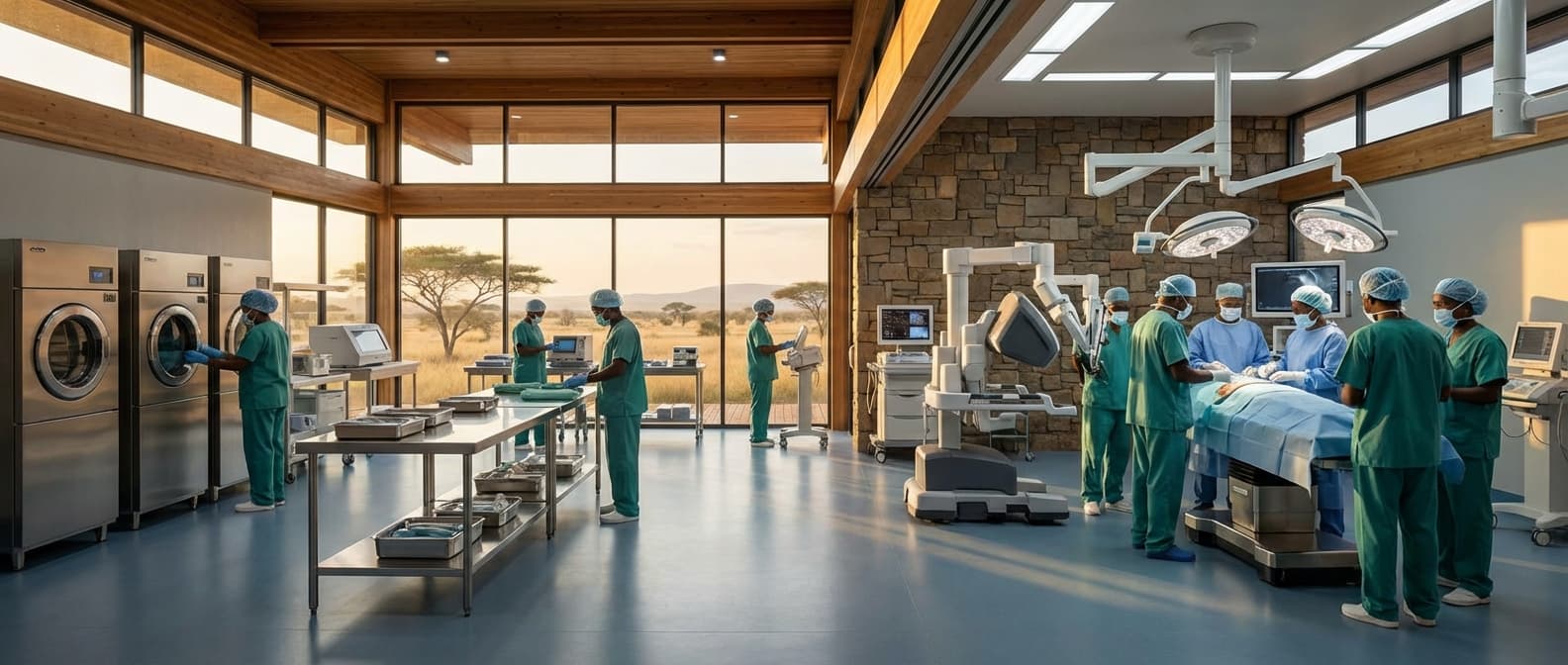
Endoscopy Reprocessing Validation in Malawi
Engineering Excellence & Technical Support
AER validation, SOP development and compliance High-standard technical execution following OEM protocols and local regulatory frameworks.
Automated Washer-Disinfector Efficacy Validation
Rigorous testing of automated washer-disinfectors using calibrated soil loads and biological indicators to confirm effective removal of organic debris and microbial inactivation, ensuring patient safety against cross-contamination in Malawian healthcare facilities.
High-Level Disinfectant Residual Testing
Implementing routine testing protocols to verify the concentration and efficacy of high-level disinfectants used for critical endoscopic equipment, ensuring adherence to manufacturer's guidelines and international standards for reprocessing in Malawi's resource-limited settings.
Endoscope Channel Integrity & Sterility Assurance
Utilizing advanced lumen checking devices and sterility assurance monitoring (e.g., Bowie-Dick tests for sterilizers, if applicable) to validate the thorough cleaning and sterilization/disinfection of complex endoscope channels, preventing biofilm formation and ensuring effective sterilization of reusable medical devices in Malawi.
What Is Endoscopy Reprocessing Validation In Malawi?
Endoscopy reprocessing validation in Malawi is a critical quality assurance process designed to ensure that reusable endoscopic medical devices are cleaned and sterilized effectively, thereby minimizing the risk of healthcare-associated infections (HAAs) transmitted through contaminated equipment. This validation confirms that the implemented reprocessing protocols consistently achieve the required standards of microbial inactivation and removal of organic debris from the complex lumens and surfaces of endoscopes. It is a fundamental component of patient safety and infection prevention within healthcare facilities.
| Who Needs Endoscopy Reprocessing Validation | Typical Use Cases and Their Significance |
|---|---|
| Hospitals and Tertiary Care Centers: Facilities performing a high volume of endoscopic procedures, utilizing various types of endoscopes (gastroscopes, colonoscopes, bronchoscopes, duodenoscopes, etc.). | Ensuring Patient Safety: Prevents iatrogenic transmission of infectious agents during invasive procedures, particularly critical for immunocompromised patients. Reduces the incidence of HCAIs, a major public health concern. Regulatory Compliance: Meeting national and international standards for infection prevention and control (e.g., Ministry of Health guidelines, WHO recommendations, ISO standards if applicable). Risk Management: Mitigating legal and financial risks associated with patient infections and adverse events linked to improperly reprocessed equipment. Maintaining Endoscope Integrity: Validated processes help prevent damage to expensive endoscopic equipment, extending its lifespan. Accreditation and Certification: Demonstrating adherence to quality standards for healthcare accreditation bodies. |
| Specialty Clinics: Clinics specializing in gastroenterology, pulmonology, urology, or other specialties that utilize flexible endoscopes. | Standardization of Care: Establishes a benchmark for reprocessing quality, ensuring consistency across different departments and staff members. Outbreak Investigation: Provides a baseline against which to investigate potential sources of infection if an outbreak occurs. New Equipment/Process Implementation: Required when new endoscopes, reprocessing equipment, or updated reprocessing chemicals/protocols are introduced. |
| Healthcare Facilities with Limited Resources: Even in settings with fewer resources, validation is crucial to optimize existing protocols and ensure the safest possible reprocessing of reusable medical devices. | Capacity Building: Encourages the development of robust infection prevention and control programs. Evidence-Based Practice: Supports the use of validated, effective reprocessing methods over unverified or anecdotal approaches. |
What Endoscopy Reprocessing Validation Involves
- Microbiological Testing: This is a cornerstone of validation. It involves testing rinse water or swabs taken from the internal channels and external surfaces of endoscopes after the complete reprocessing cycle. The objective is to detect the presence of viable microorganisms (bacteria, fungi, viruses) at levels below established regulatory limits or manufacturer specifications. Tests often include total viable count, specific pathogen testing (e.g., Pseudomonas aeruginosa, Mycobacterium tuberculosis), and sometimes spore testing for high-level disinfection (HLD) and sterilization validation.
- Chemical Indicator Monitoring: While not strictly validation, the consistent use and appropriate interpretation of chemical indicators (e.g., for HLD, steam sterilization) are integral to the validation process's ongoing assurance. Validation confirms that these indicators are behaving as expected.
- TOC (Total Organic Carbon) Testing: This analytical method quantifies the amount of organic material remaining on the endoscope after the cleaning phase. High TOC levels indicate inadequate cleaning, which can shield microorganisms from disinfection or sterilization agents. Validation confirms that the cleaning process effectively removes organic debris to acceptable levels.
- Visual Inspection: Thorough visual inspection for gross contamination, debris, and damage to the endoscope is performed at various stages. Validation confirms that the implemented inspection procedures are sufficient to identify potential reprocessing failures.
- Process Documentation Review: Validation includes a comprehensive review of all documentation related to the reprocessing procedure, including Standard Operating Procedures (SOPs), manufacturer's instructions for use (IFUs) for the endoscope and reprocessing equipment, logbooks, and staff training records. This ensures adherence to established protocols.
- Equipment Performance Verification: If automated reprocessing equipment (e.g., automated endoscope reprocessors - AERs) is used, validation includes verifying the proper functioning of the equipment, such as correct cycle times, temperatures, chemical concentrations, and rinse volumes, against manufacturer specifications.
- Staff Competency Assessment: Validation may indirectly assess staff competency by reviewing training records and observing their adherence to reprocessing SOPs. Trained and competent personnel are crucial for successful reprocessing.
Who Needs Endoscopy Reprocessing Validation In Malawi?
Endoscopy reprocessing validation is a critical process for ensuring the safety and efficacy of reusable endoscopic instruments, particularly in preventing the transmission of healthcare-associated infections (HAIs). In Malawi, like in many developing nations, robust infection prevention and control (IPC) measures are paramount. Validating the reprocessing procedures for endoscopes is essential to guarantee that these complex instruments are rendered safe for patient use after each procedure. This process confirms that the cleaning and disinfection/sterilization cycles effectively eliminate or inactivate all microorganisms. Without proper validation, there's a significant risk of patient-to-patient transmission of infectious agents, including bacteria, viruses, and prions, which can lead to severe illness and increased mortality. Therefore, institutions that perform endoscopic procedures in Malawi absolutely require endoscopy reprocessing validation.
| Target Customer/Department | Specific Endoscopic Procedures Performed | Rationale for Validation Need |
|---|---|---|
| University Teaching Hospital (e.g., Kamuzu Central Hospital) | Gastroenterology (gastroscopy, colonoscopy), Pulmonology (bronchoscopy), Urology (cystoscopy) | High patient volume, diverse patient population, complex cases, potential for rare or resistant pathogens, teaching and training responsibilities. |
| District Hospitals with Endoscopy Units | Gastroscopy, Colonoscopy, Cystoscopy (depending on resources and specialization) | Essential for providing specialized diagnostic and therapeutic services at a regional level, preventing the spread of infections among vulnerable patient groups. |
| Mission Hospitals | Gastroscopy, Colonoscopy (often in larger mission hospitals) | Serving underserved populations, requiring stringent IPC to protect patients with potentially compromised health statuses. |
| Private Hospitals and Clinics | Gastroscopy, Colonoscopy, Bronchoscopy, Cystoscopy, ERCP (Endoscopic Retrograde Cholangiopancreatography) | High standards of patient care expected, need to maintain reputation, compliance with international best practices, diverse patient demographics. |
| Ministry of Health (as a regulatory and oversight body) | N/A (overseeing all healthcare facilities) | Setting national IPC guidelines, ensuring patient safety across the country, capacity building for healthcare workers, accreditation of facilities. |
| Infection Prevention and Control (IPC) Departments within Facilities | N/A (responsible for implementing and monitoring IPC protocols) | Mandated to ensure all reprocessing is effective and validated, risk assessment and mitigation for HAIs, staff training and competency assessment. |
| Endoscopy Units/Departments | All procedures involving reusable endoscopes | Direct responsibility for the safe use and reprocessing of endoscopic equipment, ensuring compliance with validated protocols, immediate patient safety. |
Target Customers and Departments for Endoscopy Reprocessing Validation in Malawi
- Hospitals (Government, Mission, and Private)
- Referral Centers
- Specialized Clinics
- Diagnostic Centers
Endoscopy Reprocessing Validation Process In Malawi
The Endoscopy Reprocessing Validation Process in Malawi outlines the systematic steps taken to ensure that endoscopes are properly cleaned and disinfected to prevent healthcare-associated infections. This process is crucial for patient safety and adherence to infection control standards. The workflow typically begins with an inquiry or a request for validation, followed by a series of defined stages, culminating in the final validation report and implementation of any required improvements.
| Stage | Description | Key Activities | Responsible Parties |
|---|---|---|---|
| Inquiry and Request for Validation | The process is initiated when a healthcare facility or relevant authority identifies a need to validate their endoscopy reprocessing procedures. | Formal request submission, clarification of scope and objectives. | Healthcare facility management, Ministry of Health (or designated body), Infection Control Unit. |
| Initial Assessment and Site Visit | An initial evaluation of the current reprocessing practices is conducted at the facility. | Observation of reprocessing workflow, assessment of equipment and materials, interviews with staff, review of existing documentation. | Validation team (e.g., Infection Preventionists, Biomedical Engineers), facility's endoscopy reprocessing staff. |
| Development of Validation Protocol | A detailed plan is created to guide the validation process. | Defining critical steps, parameters to be tested (e.g., cleaning efficacy, disinfection levels), sampling methods, acceptance criteria, timelines. | Validation team, with input from facility staff and potentially external experts. |
| Implementation of Validation Procedures | The defined protocol is put into practice to gather evidence. | Performing cleaning and disinfection cycles according to the protocol, collecting samples for microbiological testing, documenting all steps and observations. | Facility's endoscopy reprocessing staff, under the supervision of the validation team. |
| Data Collection and Analysis | The gathered data is systematically collected and analyzed. | Microbiological testing of samples (e.g., to detect residual bioburden or HPC), analysis of process parameters (e.g., temperature, time, concentration of disinfectants), comparison with acceptance criteria. | Laboratory personnel, validation team, data analysts. |
| Reporting and Recommendations | A comprehensive report detailing the findings and proposed actions is generated. | Summary of results, identification of deviations from standards or protocol, recommendations for improvement, identification of best practices. | Validation team. |
| Corrective Actions and Re-validation (if necessary) | If the validation process identifies deficiencies, corrective actions are implemented. | Training of staff, modification of procedures, replacement or maintenance of equipment, re-testing of specific steps or the entire process. | Healthcare facility management, facility's endoscopy reprocessing staff, with support from the validation team. |
| Final Approval and Ongoing Monitoring | Once the reprocessing meets the required standards, the process is formally approved, and continuous monitoring is established. | Formal sign-off on validation, implementation of routine quality control measures, periodic audits, ongoing training. | Ministry of Health (or designated body), healthcare facility management, Infection Control Unit. |
Workflow Stages of Endoscopy Reprocessing Validation in Malawi
- Inquiry and Request for Validation
- Initial Assessment and Site Visit
- Development of Validation Protocol
- Implementation of Validation Procedures
- Data Collection and Analysis
- Reporting and Recommendations
- Corrective Actions and Re-validation (if necessary)
- Final Approval and Ongoing Monitoring
Endoscopy Reprocessing Validation Cost In Malawi
The cost of validating endoscopy reprocessing in Malawi is a crucial aspect of ensuring patient safety and preventing healthcare-associated infections. This validation process typically involves testing the effectiveness of cleaning and disinfection/sterilization procedures for endoscopes. Factors influencing these costs can include the type of validation required, the number of endoscopes to be validated, the specific laboratory or service provider engaged, and the reagents or kits used. Currently, obtaining precise, publicly available pricing for this specialized service in Malawi can be challenging due to its niche nature and the varied procurement processes within healthcare facilities. However, based on general understanding of laboratory service costs and imported consumables, we can outline potential pricing factors and estimated ranges in Malawian Kwacha (MWK).
| Service Component/Scope | Estimated Cost Range (MWK) | Notes |
|---|---|---|
| Basic Process Monitoring (e.g., adenosine triphosphate - ATP testing) | 15,000 - 30,000 per endoscope | Primarily for surface cleanliness checks; kits may be imported. |
| Microbial Swab Testing (pre- and post-disinfection/sterilization) | 25,000 - 50,000 per endoscope (for basic bacterial counts) | Includes sample collection, transport, laboratory analysis; higher if specific pathogens are tested. |
| High-Level Disinfection (HLD) Efficacy Testing (e.g., using biological indicators) | 40,000 - 80,000 per validation cycle | More comprehensive, requiring specialized biological indicators and incubation; may be performed less frequently than routine checks. |
| Sterilization Validation (e.g., for sterilizable components) | 50,000 - 100,000+ per validation cycle | The most rigorous; may involve multiple biological indicators and specific sterilization cycle monitoring. Costs can escalate significantly based on the sterilization method. |
| Development/Review of Validation Protocols | 100,000 - 300,000 (one-time/project-based) | Consultancy fees for establishing or reviewing the entire reprocessing validation framework. |
| Comprehensive Validation Package (e.g., annual validation across multiple endoscopes) | 500,000 - 2,000,000+ per facility | This would be a cumulative cost for regular validation of all reprocessing steps and endoscopes over a year, including initial setup and ongoing monitoring. |
Key Pricing Factors for Endoscopy Reprocessing Validation in Malawi
- {"title":"Type of Validation","description":"The complexity and scope of the validation significantly impact cost. This could range from basic process checks to comprehensive laboratory analysis of microbial load or efficacy of sterilants."}
- {"title":"Number of Endoscopes","description":"Larger quantities often lead to economies of scale, though the initial setup and per-scope testing still incur costs."}
- {"title":"Service Provider","description":"Costs will vary depending on whether validation is performed by an in-house laboratory (if equipped), a local private laboratory, or an external consultancy/service. Importation costs for specialized reagents and equipment can add to the price if local capacity is limited."}
- {"title":"Reagents and Consumables","description":"The specific testing kits, culture media, and other laboratory consumables required for validation represent a direct cost component. These often need to be imported, adding to the overall expense."}
- {"title":"Personnel and Expertise","description":"The cost of skilled laboratory technicians and microbiologists to perform and interpret the validation tests needs to be factored in."}
- {"title":"Travel and Logistics","description":"If the validation requires on-site visits to healthcare facilities or transportation of samples, these logistical costs will apply."}
Affordable Endoscopy Reprocessing Validation Options
Ensuring the sterility of endoscopic instruments through effective reprocessing is critical for patient safety and regulatory compliance. However, the validation of these reprocessing protocols can be a significant expense. This document explores affordable validation options, focusing on the strategic use of value bundles and cost-saving measures for healthcare facilities. By understanding these approaches, institutions can maintain high standards of reprocessing without overspending.
| Strategy | Description | Cost-Saving Mechanism | Value Proposition |
|---|---|---|---|
| Value Bundles with Device Manufacturers | Negotiate bundled packages with endoscope manufacturers that include validation services, training, and sometimes even the supply of validation consumables. | Bulk purchasing discounts, integrated service contracts reducing administrative overhead. | Streamlined process, access to manufacturer expertise, potential for reduced overall cost of ownership for the entire reprocessing lifecycle. |
| Consolidated Validation Services | Engage with third-party validation service providers who offer comprehensive validation packages covering multiple instruments or reprocessing methods. | Economies of scale for the provider translate to lower per-instrument validation costs; reduced scheduling complexity. | Comprehensive validation across various instruments, often with standardized methodologies, ensuring consistency and compliance. |
| Internal Validation Program Development | Invest in training internal staff and acquiring reusable validation tools (e.g., biological indicators, chemical indicators, lumen testers) for periodic in-house validation. | Reduced per-use cost of consumables; elimination of external service fees for routine validations. | Greater control over the validation schedule, faster turnaround times for re-validation, enhanced staff competency and ownership. |
| Utilizing Manufacturer's Provided Data (where applicable) | Leverage validation data and claims provided by endoscope and reprocessing equipment manufacturers, provided it meets regulatory requirements and is thoroughly reviewed. | Reduces the need for independent, comprehensive validation for every single component or parameter. | Faster validation process, lower cost if manufacturer's data is sufficient and accepted by your institution's compliance team. |
| Inter-Facility Collaboration/Consortiums | Form partnerships with other healthcare facilities to share validation expertise, resources, and potentially bulk purchase validation supplies or services. | Shared costs for specialized equipment or expert consultants; bulk purchasing power for consumables. | Access to a wider range of expertise, distributed workload, and potentially lower overall costs through shared investment. |
| Focus on Performance Monitoring over Full Revalidation | For certain reprocessing parameters and after initial validation, shift focus to robust ongoing performance monitoring using routine indicators and quality control checks. | Reduces the frequency and scope of full, expensive revalidations. | Maintains a high level of assurance in reprocessing effectiveness while optimizing resource allocation. |
Key Considerations for Affordable Endoscopy Reprocessing Validation
- Regulatory Landscape: Familiarize yourself with current guidelines from organizations like the FDA, AAMI, and professional societies (e.g., SGNA) to ensure validation efforts are targeted and efficient.
- Scope of Validation: Clearly define what aspects of the reprocessing cycle require validation. This might include manual cleaning, automated washing, high-level disinfection (HLD), and sterilization.
- Risk Assessment: Conduct a thorough risk assessment of your reprocessing processes. Focus validation efforts on critical steps and high-risk procedures.
- Internal Expertise: Leverage internal resources and expertise whenever possible to reduce reliance on external consultants.
- Data Management: Implement robust data management systems to track validation results, maintenance, and training, which can streamline future validation efforts.
- Phased Approach: Consider a phased approach to validation, prioritizing critical instruments and processes first, then expanding as resources allow.
- Partnerships: Explore partnerships with suppliers or other healthcare facilities for shared resources or bulk purchasing of validation materials.
Verified Providers In Malawi
In Malawi's healthcare landscape, identifying trustworthy and competent providers is paramount for individuals and organizations seeking reliable health services. Franance Health stands out as a beacon of quality and integrity, differentiating itself through stringent credentialing processes and a commitment to exceptional patient care. This document outlines why Franance Health's verified providers represent the best choice for healthcare needs in Malawi, detailing their rigorous credentialing standards and the tangible benefits they offer.
| Credentialing Aspect | Franance Health Verification Process | Why it Matters for Patients |
|---|---|---|
| Professional Licenses and Certifications | Franance Health rigorously verifies all active and valid professional licenses and certifications with relevant regulatory bodies in Malawi. | Ensures providers are legally authorized to practice and possess the fundamental qualifications required for their specialization. |
| Educational Background and Training | We meticulously review educational qualifications, including degrees, diplomas, and specialized training from recognized institutions. | Confirms that providers have received comprehensive theoretical knowledge and practical skills essential for effective healthcare delivery. |
| Clinical Experience and Specialization | Franance Health assesses the duration and nature of clinical experience, focusing on specific areas of specialization. | Guarantees that patients are matched with professionals who have proven expertise in their specific health concerns. |
| Professional Reputation and References | We conduct checks on professional reputation and may request references from peers or previous employers. | Provides an added layer of assurance regarding the provider's professional conduct and reliability. |
| Adherence to Ethical Guidelines and Professional Standards | Verified providers are expected to commit to and adhere to the ethical codes of conduct set by Malawian medical and healthcare associations. | Ensures that patients will be treated with respect, dignity, and receive care in a confidential and professional manner. |
| Continuing Professional Development (CPD) | Franance Health encourages and, where applicable, verifies ongoing participation in CPD activities. | Confirms that providers are staying abreast of the latest medical advancements, treatments, and best practices. |
Key Benefits of Choosing Franance Health Verified Providers
- Unwavering Commitment to Quality: Franance Health prioritizes patient safety and outcomes through meticulous selection and ongoing evaluation of its network.
- Access to Highly Qualified Professionals: We ensure that all our listed providers possess the necessary qualifications, licenses, and experience.
- Enhanced Patient Trust and Confidence: The verification process offers peace of mind to individuals and organizations seeking reliable healthcare.
- Streamlined Healthcare Navigation: Our platform simplifies the process of finding and accessing credible health services.
- Adherence to Ethical Standards: Verified providers are expected to uphold the highest ethical and professional conduct.
- Continuous Improvement and Accountability: Franance Health's ongoing monitoring ensures providers maintain their standards.
Scope Of Work For Endoscopy Reprocessing Validation
This Scope of Work (SOW) outlines the requirements for validating the reprocessing of flexible endoscopes. The objective is to ensure that the endoscope reprocessing procedures meet established standards and regulatory requirements, thereby minimizing the risk of patient-to-patient transmission of infections. The validation process will encompass the effectiveness of cleaning, high-level disinfection (HLD), and/or sterilization, as applicable, along with the integrity of the endoscopes post-reprocessing.
| Technical Deliverable | Standard Specification/Reference | Description |
|---|---|---|
| Validation Protocol | ISO 17664, AAMI ST58, Manufacturer's Instructions for Use (IFU) | A comprehensive document outlining the validation plan, including specific endoscope models, reprocessing equipment, cleaning agents, disinfectants/sterilants, testing methods, and acceptance criteria. |
| Cleaning Validation Report | ISO 17664, Manufacturer's IFU | Documentation demonstrating that the cleaning process effectively removes visible debris and reduces bioburden to acceptable levels, often supported by testing for residual protein, hemoglobin, and carbohydrates. |
| High-Level Disinfection (HLD) Validation | AAMI ST58, CDC Guidelines for Disinfection and Sterilization in Healthcare Facilities, Manufacturer's IFU | Evidence that the HLD process achieves a 6-log reduction of target microorganisms (e.g., Mycobacterium tuberculosis, vegetative bacteria, fungi, viruses), typically verified through microbiological testing. |
| Sterilization Validation (if applicable) | ISO 11135 (Ethylene Oxide), ISO 17665 (Steam), Manufacturer's IFU | Confirmation that the sterilization process (e.g., EtO, vaporized hydrogen peroxide) achieves a sterility assurance level (SAL) of 10^-6, supported by microbiological testing and physical parameter monitoring. |
| Endoscope Integrity Assessment | Manufacturer's IFU, Internal Quality Standards | Assessment of the endoscope's physical and functional integrity after reprocessing, including visual inspection for damage, testing of channels for patency, and functional checks of all components. |
| Microbiological Testing Report | Relevant ISO standards (e.g., ISO 11137 for sterility testing), Manufacturer's IFU | Results from testing performed on endoscopes and/or relevant surfaces to quantify microbial load and confirm the effectiveness of the HLD or sterilization process. |
| Chemical Indicator Testing | ISO 11140 series (for sterilization indicators), Manufacturer's IFU | Documentation of the performance of chemical indicators used to monitor the effectiveness of the HLD or sterilization cycle, ensuring critical parameters were met. |
| Final Validation Report | ICH Q7 (for pharmaceutical validation principles), Internal Quality Management System | A comprehensive report summarizing the entire validation process, including deviations, results, analysis, and a clear statement of validation status (valid, not valid, or valid with conditions). |
Key Activities and Deliverables
- Development and approval of a Validation Protocol, detailing the methodology, acceptance criteria, and scope of testing.
- Execution of the Validation Protocol, including performance of cleaning, HLD, and/or sterilization cycles.
- Microbiological testing of endoscopes post-reprocessing to verify the absence of viable microorganisms.
- Chemical indicator testing to confirm the efficacy of disinfection/sterilization processes.
- Visual inspection and functional testing of endoscopes post-reprocessing.
- Documentation of all test results and observations.
- Preparation and submission of a final Validation Report, summarizing findings and providing a conclusion on the validation status.
- Recommendations for ongoing monitoring and revalidation, if necessary.
Service Level Agreement For Endoscopy Reprocessing Validation
This Service Level Agreement (SLA) outlines the commitment of [Service Provider Name] to [Client Name] regarding the validation of endoscopy reprocessing procedures. This SLA defines the expected response times for critical issues and the guaranteed uptime for the validation services.
| Service Component | Uptime Guarantee | Response Time (Critical Issues) | Resolution Time Target (Critical Issues) |
|---|---|---|---|
| Endoscopy Reprocessing Validation Platform/System | 99.5% (excluding scheduled maintenance) | 1 hour | 4 hours |
| Validation Data Access & Reporting | 99.8% (excluding scheduled maintenance) | 2 hours | 8 business hours |
| Technical Support for Validation Processes | N/A (covered by response times) | 1 hour | 4 hours |
Key Definitions
- Validation Service: The provision of scheduled and ad-hoc validation of endoscopy reprocessing procedures to ensure compliance with relevant standards and guidelines.
- Critical Issue: An issue that renders the validation service entirely unavailable or prevents critical reprocessing validation from being performed, impacting patient safety or regulatory compliance.
- Major Issue: An issue that significantly degrades the performance of the validation service or impacts a non-critical aspect of reprocessing validation.
- Minor Issue: An issue that has minimal impact on the validation service or reprocessing validation activities.
- Uptime: The percentage of time the validation service is available and fully functional.
- Response Time: The time taken by the Service Provider to acknowledge and begin working on a reported issue.
Frequently Asked Questions

Ready when you are
Let's scope your Endoscopy Reprocessing Validation in Malawi project in Malawi.

Scaling healthcare logistics and technical systems across the entire continent.