
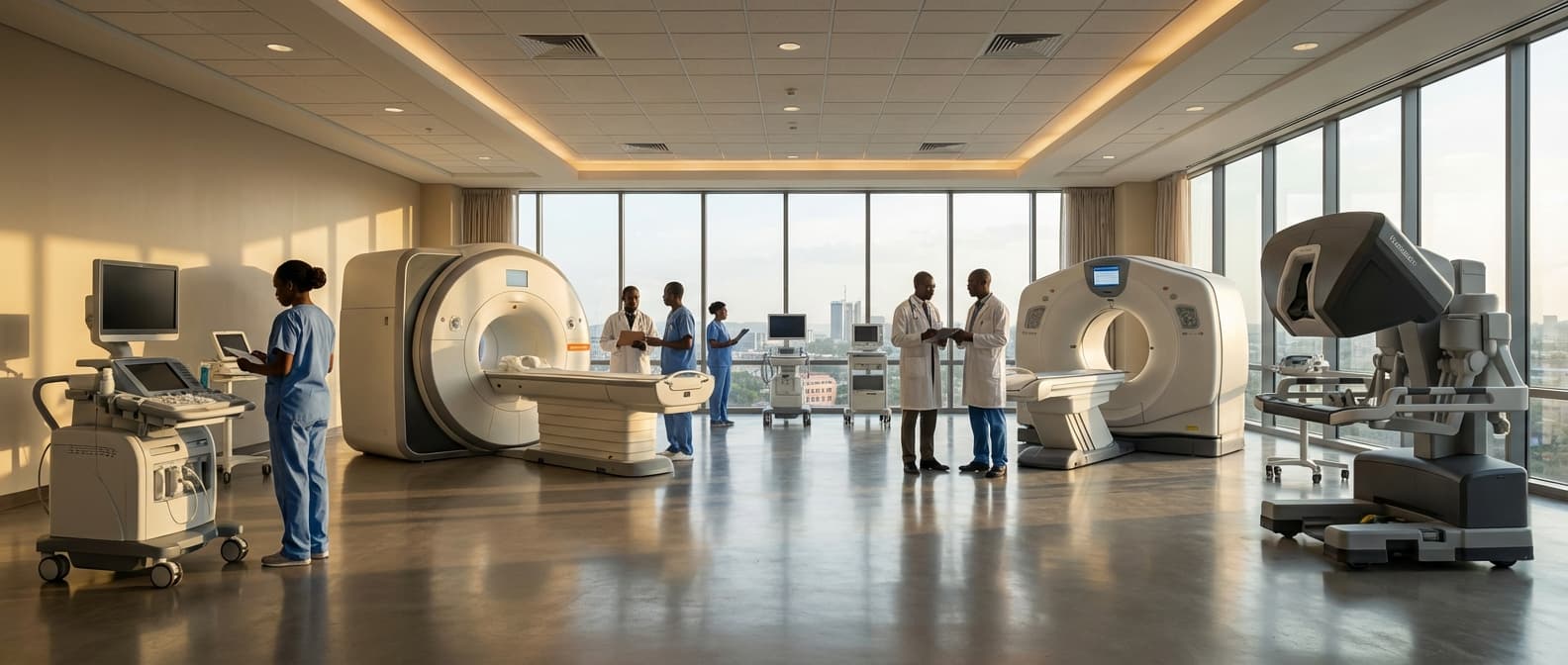
Renal Solutions in Malawi
Engineering Excellence & Technical Support
Complete dialysis systems and renal care equipment designed to deliver safe, effective, and patient-centered kidney treatment. High-standard technical execution following OEM protocols and local regulatory frameworks.
Advanced Hemodialysis Access
Renal Solutions Malawi deploys state-of-the-art arteriovenous fistula (AVF) and graft creation techniques, minimizing complications and optimizing patient outcomes for long-term hemodialysis.
Remote Patient Monitoring & Data Analytics
Leveraging secure cloud-based platforms, we provide remote monitoring of vital signs and dialysis parameters, enabling proactive intervention and data-driven treatment adjustments for enhanced patient care.
Mobile Dialysis Units for Remote Access
Our innovative mobile dialysis units bring critical care to underserved rural communities, overcoming logistical challenges and ensuring equitable access to life-sustaining treatment across Malawi.
What Is Renal Solutions In Malawi?
Renal Solutions in Malawi refers to a range of services and initiatives focused on the diagnosis, treatment, management, and prevention of kidney-related diseases (renal diseases) within the Malawian healthcare landscape. These solutions are designed to address the growing burden of chronic kidney disease (CKD) and acute kidney injury (AKI) in the country, often exacerbated by factors such as non-communicable diseases (NCDs) like diabetes and hypertension, infectious diseases, and limited access to specialized medical care. The overarching goal is to improve patient outcomes, reduce morbidity and mortality associated with renal failure, and enhance the quality of life for individuals affected by kidney disorders.
| Target Population | Typical Use Cases | Specific Services/Interventions |
|---|---|---|
| Individuals with diagnosed kidney diseases (CKD Stages 1-5, AKI) | Management of progressive kidney dysfunction, treatment of acute kidney injury, management of complications (anemia, bone disease, cardiovascular risks) | Regular medical consultations, laboratory monitoring (eGFR, creatinine, electrolytes), medication management, dietary counseling, management of comorbidities (diabetes, hypertension) |
| Patients with End-Stage Renal Disease (ESRD) | Sustaining life by artificially performing the filtering functions of failed kidneys | Hemodialysis sessions (peritoneal dialysis if available and feasible) |
| Individuals at high risk of developing kidney disease | Early detection and prevention of kidney damage in at-risk populations | Screening for diabetes and hypertension, regular urine and blood tests for at-risk individuals, health education on lifestyle modifications |
| Healthcare professionals (doctors, nurses, allied health staff) | Enhancing the capacity of the healthcare system to provide nephrology care | Specialized training in nephrology, dialysis techniques, and kidney disease management |
| The general population | Raising awareness about kidney health and risk factors for kidney disease | Public health campaigns, educational materials, community outreach programs |
Key Components of Renal Solutions in Malawi
- Diagnostic Services: This encompasses the availability and accessibility of laboratory tests (e.g., serum creatinine, estimated glomerular filtration rate (eGFR), urinalysis, urine protein-to-creatinine ratio (UPCR)) and imaging techniques (e.g., renal ultrasound) to identify kidney dysfunction and its underlying causes.
- Medical Management: This involves the pharmacological and non-pharmacological treatment of CKD and AKI. It includes managing comorbidities (hypertension, diabetes, anemia, electrolyte imbalances), prescribing nephroprotective medications, and lifestyle modification counseling.
- Renal Replacement Therapy (RRT): For patients with end-stage renal disease (ESRD), RRT is crucial. In Malawi, this primarily includes: * Hemodialysis (HD): Access to dialysis centers, appropriately equipped with dialysis machines, water treatment systems, and trained personnel, to perform intermittent hemodialysis. * Peritoneal Dialysis (PD): While less prevalent, the potential for home-based peritoneal dialysis solutions may be considered for suitable candidates, requiring training and supply chain infrastructure. * Kidney Transplantation: Currently, kidney transplantation services are limited or nascent in Malawi, representing a future development area for comprehensive renal solutions.
- Preventive Strategies: Focus on public health initiatives and community-based programs aimed at early detection of risk factors for kidney disease, health education on diet and lifestyle, and improved management of conditions that predispose to renal impairment.
- Healthcare Professional Training and Capacity Building: Equipping healthcare workers, including physicians, nurses, and technicians, with the specialized knowledge and skills required for nephrology care. This includes formal training programs and continuous professional development.
- Infrastructure Development: Establishing and upgrading facilities for renal care, including specialized wards, outpatient nephrology clinics, and dialysis units.
- Drug and Consumables Supply Chain Management: Ensuring a consistent and reliable supply of essential medications, dialysis consumables (dialyzers, tubing, dialysate), and laboratory reagents.
Who Needs Renal Solutions In Malawi?
Understanding who requires renal solutions in Malawi is crucial for effective service delivery and resource allocation. The need for renal services extends across various demographics and healthcare settings, driven by the prevalence of kidney disease and its complications.
| Department/Setting | Specific Needs/Services | Key Personnel Involved |
|---|---|---|
| Nephrology Department (if established) | Diagnosis and management of kidney diseases, dialysis initiation and management, kidney transplant coordination. | Nephrologists, Renal Nurses, Dietitians, Social Workers. |
| Internal Medicine Wards | Management of AKI and CKD complications in hospitalized patients, referral to nephrology. | Internal Medicine Physicians, General Nurses, Pharmacists. |
| Dialysis Centers (where available) | Hemodialysis, Peritoneal Dialysis, patient education, ongoing monitoring. | Renal Nurses, Dialysis Technicians, Nephrologists (consulting), Dietitians. |
| Outpatient Clinics | Regular follow-up for CKD patients, monitoring of disease progression, management of risk factors (diabetes, hypertension). | General Practitioners, Nurses, Diabetes Educators, Hypertension Specialists. |
| Emergency Departments | Identification and initial management of AKI, stabilization of critically ill patients with renal failure. | Emergency Physicians, Emergency Nurses, General Practitioners. |
| Maternal and Child Health Units | Screening and management of kidney issues during pregnancy (e.g., pre-eclampsia), care for children with renal conditions. | Obstetricians, Gynecologists, Pediatricians, Midwives, Nurses. |
| Public Health Programs | Awareness campaigns on kidney health, screening initiatives, promotion of healthy lifestyles. | Public Health Officers, Community Health Workers, Health Educators. |
| Laboratory Services | Diagnostic tests for kidney function (e.g., creatinine, urea, urinalysis), electrolyte balance. | Laboratory Technicians, Pathologists. |
| Surgical Departments (for transplant programs) | Kidney transplantation procedures, post-operative care. | Surgeons (Urologists, Transplant Surgeons), Anesthesiologists, Post-Operative Nurses. |
Target Customers and Departments for Renal Solutions in Malawi
- Individuals suffering from Chronic Kidney Disease (CKD).
- Patients with End-Stage Renal Disease (ESRD) requiring dialysis or transplantation.
- Individuals with Acute Kidney Injury (AKI) due to various causes (infections, dehydration, toxins, etc.).
- Diabetic patients, as diabetes is a leading cause of CKD.
- Hypertensive patients, as high blood pressure is another major risk factor for kidney disease.
- Patients with other underlying conditions that can affect kidney function (e.g., autoimmune diseases, inherited kidney disorders).
- Pregnant women experiencing gestational hypertension or pre-eclampsia, which can lead to kidney complications.
- Elderly populations, who are more susceptible to age-related decline in kidney function.
- Individuals in rural and underserved areas who may have limited access to healthcare and are at higher risk due to factors like poor nutrition and infectious diseases.
- Children with congenital kidney abnormalities or acquired kidney diseases.
Renal Solutions Process In Malawi
This document outlines the typical workflow for Renal Solutions in Malawi, from the initial inquiry stage through the execution of services. Renal Solutions is a hypothetical provider of dialysis and kidney-related services. The process is designed to ensure efficient patient care, timely intervention, and comprehensive management of kidney diseases.
| Stage | Description | Key Activities | Responsible Party | Timeline |
|---|---|---|---|---|
| Inquiry & Initial Contact | The process begins when a patient, referring physician, or healthcare facility contacts Renal Solutions with a concern about kidney health. | Receiving and logging the inquiry, gathering basic patient information, scheduling an initial consultation. | Reception/Admin Staff, Patient Liaison | Immediate to 24 hours |
| Patient Assessment & Triage | A thorough evaluation of the patient's medical history, symptoms, and current condition to determine the urgency and type of renal care needed. | Medical history review, physical examination, initial symptom assessment, classification of urgency (e.g., emergency, urgent, routine). | Clinical Nurse, Nephrologist (if required) | 1-2 days |
| Diagnostic Procedures | Performing necessary laboratory tests and imaging to confirm diagnosis, assess kidney function, and identify the underlying cause of renal issues. | Blood tests (e.g., creatinine, urea, electrolytes), urine tests, kidney ultrasound, potentially kidney biopsy. | Laboratory Technicians, Radiologists, Nephrologist | 2-5 days (depending on test availability) |
| Treatment Planning | Developing a personalized treatment plan based on the diagnosis, patient's condition, and available resources. | Consultation with nephrologist, discussion of treatment options (e.g., hemodialysis, peritoneal dialysis, conservative management), patient and family education. | Nephrologist, Clinical Nurse, Patient | 1-3 days |
| Service Execution (Dialysis/Intervention) | Implementing the agreed-upon treatment plan, which typically involves dialysis sessions or other prescribed medical interventions. | Vascular access creation/management, dialysis machine setup and operation, administration of medications, continuous patient monitoring during treatment. | Dialysis Nurses, Nephrologist, Medical Technicians | Ongoing (e.g., daily, thrice weekly for dialysis) |
| Monitoring & Follow-up | Regularly monitoring the patient's response to treatment, overall health, and kidney function to ensure effectiveness and adjust the plan as needed. | Regular clinical assessments, review of vital signs and lab results, adjustments to dialysis prescription, management of complications. | Clinical Nurse, Nephrologist | Ongoing (e.g., post-dialysis, weekly/monthly reviews) |
| Documentation & Reporting | Maintaining accurate and comprehensive medical records of all patient interactions, assessments, treatments, and outcomes. | Recording patient data, treatment details, progress notes, test results, and generating reports for referring physicians and for internal quality control. | All Clinical Staff, Administrative Staff | Continuous |
| Billing & Administration | Managing all financial aspects of the patient's care, including insurance claims, invoicing, and payment processing. | Verifying insurance coverage, generating invoices, processing payments, liaising with insurance providers and patients. | Billing Department, Administrative Staff | Ongoing (e.g., monthly invoicing, as services are rendered) |
Renal Solutions Process in Malawi: Workflow Stages
- Inquiry & Initial Contact
- Patient Assessment & Triage
- Diagnostic Procedures
- Treatment Planning
- Service Execution (Dialysis/Intervention)
- Monitoring & Follow-up
- Documentation & Reporting
- Billing & Administration
Renal Solutions Cost In Malawi
The cost of renal solutions in Malawi is a critical factor for patients requiring dialysis. These solutions, including dialysis fluids (dialysate) and sometimes specialized medications like erythropoietin (EPO) or iron supplements, are essential for effective treatment. The pricing of these vital supplies can vary significantly due to several factors, making it challenging for many Malawians to afford consistent treatment.
Key Pricing Factors:
- Import Costs: A substantial portion of renal solutions and related consumables are imported into Malawi. This means that international currency exchange rates (primarily against the US Dollar or Euro), international shipping costs, and import duties heavily influence the final local price.
- Supplier Markups: Different suppliers, distributors, and pharmacies will add their own markups to the imported cost. This can vary based on the volume they purchase, their operational costs, and their profit margins.
- Availability and Scarcity: When supplies are scarce due to logistical challenges, import restrictions, or high demand, prices tend to increase. Limited competition among suppliers can also contribute to this.
- Type of Solution/Medication: The specific type of dialysate (e.g., bicarbonate-based vs. acetate-based, standard vs. low-calcium) and the dosage or formulation of ancillary medications (like EPO) will dictate their individual costs.
- Healthcare Facility: Costs can differ between public hospitals (often subsidized or reliant on government procurement), private hospitals, and private dialysis centers. Public facilities may offer lower or no direct cost to patients, but are subject to government budget allocations and procurement processes.
- Packaging and Volume: Larger volumes or specialized packaging might sometimes offer a slight per-unit cost advantage, though upfront expenditure can be higher.
- Government Subsidies and Programs: While not always consistent, government initiatives or donor-funded programs can sometimes help reduce the out-of-pocket cost for patients, particularly in public health settings. However, these are often limited in scope and availability.
| Item/Service | Estimated Range (MWK) | Notes |
|---|---|---|
| Dialysate Concentrate (per unit, e.g., bag or concentrate to make X liters) | 5,000 - 15,000+ | Varies by brand, type (bicarbonate/acetate), and supplier. Higher costs for specialized formulations. |
| Erythropoietin (EPO) Injection (per vial) | 10,000 - 30,000+ | Highly dependent on dosage (IU) and brand. A significant monthly expense for many patients. |
| Iron Supplement (e.g., IV infusion per administration) | 5,000 - 15,000+ | Cost for intravenous iron. Oral iron supplements would be lower but recurring. |
| Comprehensive Dialysis Session (including consumables and solutions, in some private settings) | 50,000 - 150,000+ | This is a very broad estimate for the total cost of a single dialysis session at a private facility, which bundles various items. Public sector dialysis is often subsidized or free at the point of use. |
Estimated Cost Ranges for Renal Solutions in Malawi (Malawi Kwacha - MWK)
- Dialysate Concentrate (per liter/bag): This is the core component of dialysis fluid. The price can fluctuate significantly. A rough estimate for a pre-mixed bag or concentrate that makes several liters of dialysate could range from MWK 5,000 to MWK 15,000 or more, depending on the brand, type, and supplier.
- Erythropoietin (EPO) Injection: EPO is a hormone used to treat anemia associated with chronic kidney disease. The cost is highly variable based on the dosage (e.g., 2,000 IU, 4,000 IU, 10,000 IU) and brand. A single vial can range from MWK 10,000 to MWK 30,000 or even higher.
- Iron Supplements (Oral or IV): Often prescribed alongside EPO, iron supplements also add to the cost. Oral iron tablets might cost a few hundred to a couple of thousand Kwacha per bottle, while intravenous iron infusions can be significantly more expensive, potentially ranging from MWK 5,000 to MWK 15,000 per administration.
- Other Dialysis Consumables (needles, tubing, filters): While not 'solutions' in the strict sense, these are often bundled or purchased alongside. Their individual costs can range from MWK 2,000 to MWK 10,000+ per set.
Affordable Renal Solutions Options
Navigating the costs associated with kidney disease and its treatments can be overwhelming. Fortunately, there are various affordable renal solutions and strategies to help manage expenses. Understanding value bundles and implementing smart cost-saving measures can significantly ease the financial burden for individuals and families.
| Strategy/Solution | Description | Potential Cost Savings |
|---|---|---|
| Value Bundles | Pre-negotiated packages of services for a fixed price, encouraging coordinated care. | Reduced overall cost of care, fewer surprise bills, improved efficiency. |
| Generic Medications | Bioequivalent, less expensive versions of brand-name drugs. | Significant savings on prescription drug costs. |
| Home Dialysis | Performing dialysis at home (hemodialysis or peritoneal dialysis). | Potentially lower facility costs, fewer complications leading to long-term savings. |
| Patient Assistance Programs (PAPs) | Financial aid from pharmaceutical companies or non-profits for medication costs. | Reduced out-of-pocket medication expenses for eligible individuals. |
| Telehealth/Remote Monitoring | Virtual consultations and at-home monitoring of health indicators. | Savings on travel expenses, time, and potentially earlier intervention. |
Key Affordable Renal Solutions and Cost-Saving Strategies
- Value Bundles in Healthcare: These are packages of related healthcare services offered at a predetermined price. For renal care, this might include a bundled price for dialysis treatments, physician visits, medications, and lab work for a specific period. The goal is to improve coordination of care and reduce overall costs by incentivizing providers to manage patient health more effectively and prevent costly complications.
- Generic Medications: Whenever possible, opt for generic versions of prescribed medications. These are bioequivalent to brand-name drugs but are significantly cheaper, offering substantial savings without compromising efficacy.
- Home Dialysis Options: Home hemodialysis and peritoneal dialysis can sometimes be more cost-effective than in-center dialysis. They reduce facility overhead and may lead to fewer complications, contributing to long-term savings. It's crucial to discuss eligibility and training with your healthcare provider.
- Preventive Care and Lifestyle Modifications: While not a direct cost-saving strategy for existing kidney disease, focusing on preventing or slowing the progression of kidney disease through healthy diet, exercise, managing diabetes and hypertension, and avoiding nephrotoxic substances can prevent the need for more expensive treatments later.
- Insurance Optimization: Thoroughly understand your health insurance plan, including co-pays, deductibles, and out-of-pocket maximums. Explore supplemental insurance options if needed. Work with your insurance provider to ensure all eligible services are covered.
- Patient Assistance Programs (PAPs): Many pharmaceutical companies offer PAPs for eligible patients who cannot afford their medications. There are also non-profit organizations and foundations that provide financial assistance for various renal care needs.
- Negotiating Costs: For certain services not fully covered by insurance, inquire about cash discounts or negotiate prices with healthcare providers or facilities. This is more applicable for out-of-pocket expenses.
- Telehealth and Remote Monitoring: Utilizing telehealth for routine check-ups and remote monitoring devices can reduce the need for in-person visits, saving on travel costs and time, and potentially allowing for earlier detection of issues.
- Second Opinions and Comparative Shopping: For significant procedures or treatments, seeking second opinions can confirm the necessity and potentially lead to exploring more cost-effective options. Where feasible, compare prices for services at different facilities.
- Support Groups and Advocacy: Connecting with support groups can provide valuable information on accessing resources, understanding insurance, and sharing cost-saving tips with others facing similar challenges.
Verified Providers In Malawi
When seeking reliable healthcare services in Malawi, particularly those focusing on reproductive health, family planning, and related services, it's crucial to identify Verified Providers. Franance Health stands out as a leading organization whose credentials and approach make them the best choice for individuals and communities seeking quality, accessible, and trustworthy healthcare.
| Credential/Aspect | Franance Health's Commitment |
|---|---|
| Accreditation & Standards | Adherence to national and international healthcare standards, with internal protocols for provider vetting and ongoing quality assurance. |
| Provider Qualifications | Ensures all affiliated healthcare professionals are licensed, certified, and possess specialized training in reproductive and family planning services. |
| Ethical Practice | Upholds a strong code of ethics, emphasizing informed consent, non-discrimination, and respect for patient autonomy. |
| Service Quality | Focuses on delivering high-quality, safe, and effective healthcare interventions tailored to the specific needs of the Malawian population. |
| Accessibility Initiatives | Works to reduce barriers to care, including geographical distance, cost, and stigma, through outreach programs and affordable service models. |
| Community Impact | Demonstrates a proven track record of positively impacting community health outcomes through its comprehensive service delivery and educational outreach. |
Why Franance Health is Your Best Choice for Verified Healthcare in Malawi:
- Rigorous Verification Processes: Franance Health doesn't just offer services; they ensure their network of providers meets stringent quality and ethical standards. This means you can be confident in the competence and professionalism of any provider associated with Franance Health.
- Comprehensive Service Offerings: From essential family planning methods and contraception to antenatal care, safe abortion services (where legal and appropriate), and reproductive health education, Franance Health covers a broad spectrum of needs.
- Commitment to Accessibility: Understanding the challenges faced by many in Malawi, Franance Health is dedicated to making services physically and financially accessible. This includes a focus on rural and underserved areas, ensuring that vital healthcare is not a luxury but a right.
- Patient-Centered Care: The philosophy at Franance Health prioritizes the individual. They foster an environment where patients feel respected, informed, and empowered to make decisions about their own health and well-being.
- Skilled and Trained Professionals: Franance Health invests in ongoing training and professional development for their healthcare providers. This ensures that they are up-to-date with the latest medical advancements, best practices, and patient care techniques.
- Confidentiality and Trust: Building trust is paramount. Franance Health adheres to strict confidentiality protocols, guaranteeing that your personal health information and choices are protected.
- Community Engagement and Education: Beyond direct service provision, Franance Health actively engages with communities to raise awareness about reproductive health, dispel myths, and promote healthier lifestyles. This educational component is vital for long-term public health improvement.
Scope Of Work For Renal Solutions
This Scope of Work (SOW) outlines the technical deliverables and standard specifications for the Renal Solutions project. The project aims to develop and implement a comprehensive digital platform for managing renal patient care. This document details the expected outputs, quality standards, and technical requirements to ensure the successful delivery of the Renal Solutions platform.
| Category | Deliverable | Standard Specifications/Requirements | Acceptance Criteria |
|---|---|---|---|
| Design | UI/UX Wireframes & Prototypes | Adherence to usability best practices, accessibility standards (WCAG 2.1 AA), responsive design for desktop, tablet, and mobile. | Approved wireframes and interactive prototypes by key stakeholders; positive user feedback in early usability testing. |
| Documentation | Functional Specifications Document | Clear, unambiguous, and comprehensive description of all system functionalities, user stories, and use cases. Covers both functional and non-functional requirements. | Approved document by business analysts and product owners; traceability to user stories and requirements. |
| Architecture | Technical Architecture Design Document | Scalable, secure, and maintainable architecture. Selection of appropriate technologies and frameworks (e.g., microservices, cloud-native). Detailed diagrams of system components and their interactions. | Approved architecture by technical leads and system architects; alignment with industry best practices and future scalability needs. |
| Data Management | Database Schema & Data Model | Normalized and optimized database structure. Clear definition of tables, relationships, data types, and constraints. Compliance with data privacy regulations (e.g., HIPAA). | Validated schema through database design tools; successful data integrity checks. |
| Integration | APIs Documentation | Well-defined RESTful APIs with clear endpoints, request/response formats (JSON), authentication mechanisms, and error handling. Includes OpenAPI/Swagger specifications. | Functional APIs documented with Swagger/OpenAPI; successful integration tests with client applications. |
| Development | Developed Software Modules | High-quality, well-commented, and maintainable code. Adherence to coding standards (e.g., PEP 8 for Python, specific style guides). Modular design for reusability. | Successful compilation and execution of all modules; passing unit tests with high code coverage. |
| Testing | Unit & Integration Test Cases/Reports | Comprehensive test coverage for all functionalities. Defined test scenarios, expected results, and actual results. Automated tests where feasible. | All critical and major test cases passed; documented bug reports and resolutions. |
| Deployment | Deployment Scripts & Infrastructure Config | Automated deployment process. Configuration for target environments (e.g., AWS, Azure, on-premise). Infrastructure as Code (IaC) principles applied. | Successful deployment to staging and production environments; automated rollback capabilities. |
| Documentation | User Manuals & Technical Docs | Clear, concise, and accurate documentation for end-users and technical administrators. Includes installation guides, configuration, and troubleshooting. | Approved documentation; positive feedback from early reviewers. |
| Security | Security Audit Report | Penetration testing, vulnerability assessment, and code review conducted by a third-party security expert. Remediation of all critical and high-priority vulnerabilities. | Signed-off security audit report with no outstanding critical or high vulnerabilities. |
| Performance | Performance Test Results | Tests for load, stress, and scalability. Defined performance metrics (e.g., response times, throughput, error rates) and expected thresholds. | System meets or exceeds defined performance benchmarks under expected load conditions. |
| Data Migration | Data Migration Plan & Scripts | Detailed plan for migrating existing patient data. Scripts for data extraction, transformation, and loading (ETL). Data validation after migration. | Successful migration of a representative data subset; no data loss or corruption. Post-migration data validation complete. |
Key Technical Deliverables
- User Interface (UI) and User Experience (UX) Design Wireframes and Prototypes
- Functional Specifications Document
- Technical Architecture Design Document
- Database Schema and Data Model
- Application Programming Interfaces (APIs) Documentation
- Developed Software Modules (Frontend, Backend, Database)
- Unit and Integration Test Cases and Reports
- Deployment Scripts and Infrastructure Configuration
- User Manuals and Technical Documentation
- Security Audit Report
- Performance Test Results
- Data Migration Plan and Scripts (if applicable)
Service Level Agreement For Renal Solutions
This Service Level Agreement (SLA) outlines the response times and uptime guarantees for Renal Solutions' services. It is designed to ensure reliability and performance for our valued clients.
| Service Component | Uptime Guarantee | Response Time (Critical Issue) | Response Time (Major Issue) | Response Time (Minor Issue) |
|---|---|---|---|---|
| Renal Solutions Cloud Platform | 99.9% | 15 minutes | 1 hour | 4 business hours |
| Patient Data Management Module | 99.8% | 30 minutes | 2 hours | 8 business hours |
| Reporting & Analytics Tools | 99.5% | 1 hour | 4 hours | 10 business hours |
Key Service Definitions
- Uptime: The percentage of time during a billing period that Renal Solutions' core services are available and operational.
- Response Time: The maximum time allowed for Renal Solutions to acknowledge and begin working on a reported issue.
- Downtime: The period during which Renal Solutions' core services are unavailable to the client.
- Critical Issue: A service interruption that renders a core functionality of Renal Solutions' services completely unusable for the client.
- Major Issue: A service degradation that significantly impacts a core functionality but does not completely prevent its use.
- Minor Issue: A non-critical problem that has a minimal impact on the overall functionality of the service.
Frequently Asked Questions

Ready when you are
Let's scope your Renal Solutions in Malawi project in Malawi.

Scaling healthcare logistics and technical systems across the entire continent.