
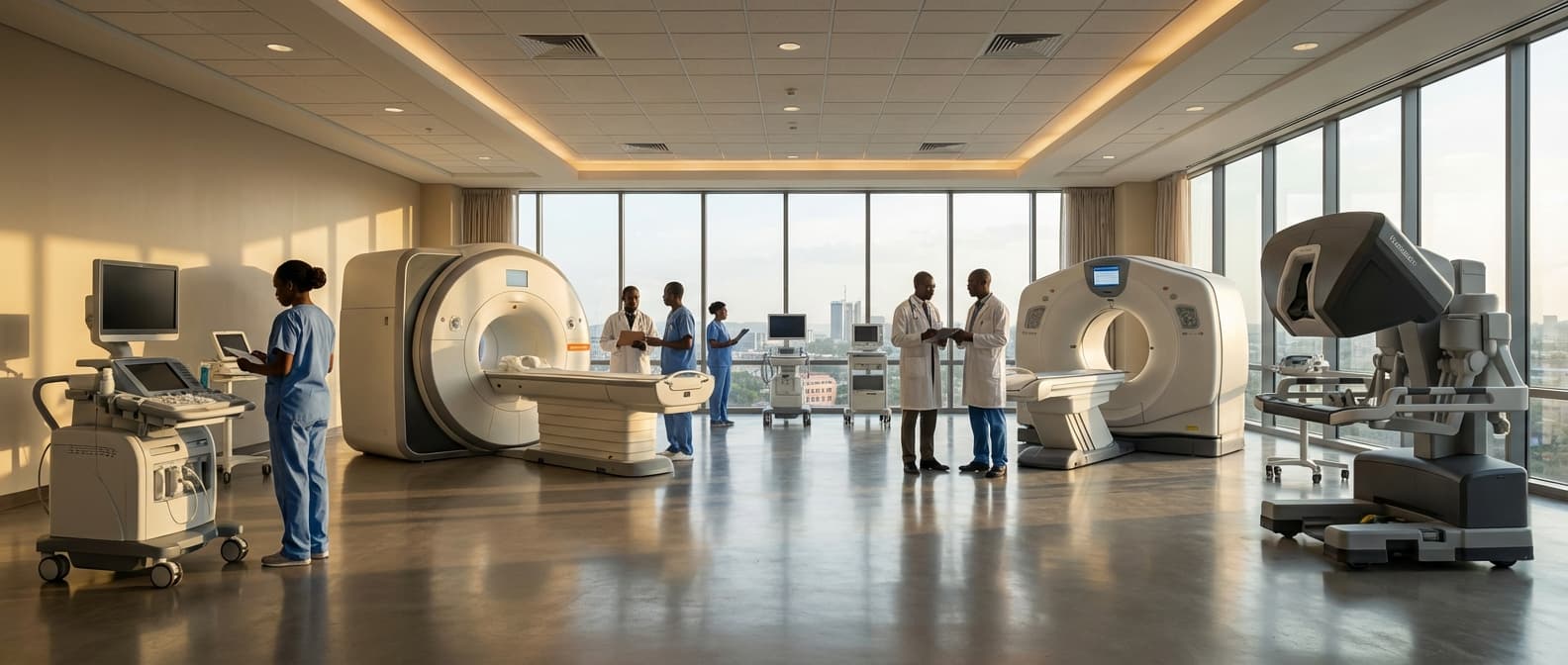
Life Support & Consumables in Malawi
Engineering Excellence & Technical Support
Reliable supply of essential medical consumables and life support equipment ensuring uninterrupted, quality patient care delivery. High-standard technical execution following OEM protocols and local regulatory frameworks.
Emergency Oxygen Supply Chain
Ensuring consistent and accessible medical oxygen in critical care units across Malawi, from urban hospitals to remote health posts, through robust procurement, storage, and last-mile delivery mechanisms.
Safe Water & Sanitation Solutions
Implementing and scaling up access to safe drinking water and effective sanitation facilities in communities and healthcare settings, significantly reducing waterborne diseases and improving overall public health.
Essential Medicines Distribution Network
Optimizing the supply chain for essential medicines and medical consumables, ensuring timely availability of life-saving treatments and supplies to all health facilities, even in challenging geographical terrains.
What Is Life Support & Consumables In Malawi?
Life support and consumables in Malawi refer to the provision of essential medical equipment and supplies required to sustain vital bodily functions in critically ill or injured patients. This service encompasses a range of technologies and materials designed to augment or replace failing organ systems, facilitate recovery, and prevent further deterioration. The demand for these services is driven by the prevalence of acute and chronic diseases, trauma, and surgical interventions, particularly within resource-limited settings like Malawi where access to advanced medical care can be challenging.
| Who Needs Life Support & Consumables? | Typical Use Cases | Key Considerations in Malawi |
|---|---|---|
| Patients with severe respiratory failure (e.g., pneumonia, ARDS, COPD exacerbations) | Management of acute respiratory distress syndrome (ARDS) | Limited availability of advanced ventilators; reliance on simpler modes and maintenance protocols. |
| Patients with cardiac arrest or severe arrhythmias | Cardiopulmonary resuscitation (CPR) and advanced cardiac life support (ACLS) | Availability and maintenance of defibrillators and critical cardiac medications. |
| Patients with acute kidney injury (AKI) or end-stage renal disease (ESRD) | Renal replacement therapy (dialysis) for fluid and electrolyte imbalance and toxin removal | High cost and logistical challenges of dialysis consumables; focus on peritoneal dialysis where feasible. |
| Patients unable to ingest or absorb adequate nutrition orally | Enteral or parenteral nutrition for critically ill, post-operative, or malnourished patients | Supply chain reliability for specialized nutritional formulas and administration sets. |
| Patients with severe trauma, burns, or surgical complications | Management of bleeding, infection prevention, and wound healing | Sterilization capabilities and availability of sterile consumables. |
| Patients requiring supplemental oxygen due to hypoxemia | Treatment of hypoxia from various medical conditions | Reliability of oxygen sources (cylinders vs. concentrators) and maintenance of delivery systems. |
| Critically ill patients requiring precise fluid and medication administration | Maintenance of hemodynamic stability and therapeutic drug delivery | Training on the proper use and calibration of infusion pumps. |
Key Components of Life Support & Consumables in Malawi
- Mechanical Ventilation (e.g., ventilators for respiratory support)
- Cardiopulmonary Support (e.g., defibrillators, pacemakers, infusion pumps)
- Renal Replacement Therapy (e.g., dialysis machines and associated consumables)
- Nutritional Support (e.g., enteral feeding pumps, parenteral nutrition components)
- Wound Care and Hemostasis Supplies (e.g., specialized dressings, clotting agents)
- Oxygen Therapy Equipment (e.g., oxygen concentrators, cylinders, masks)
- Intravenous Fluid and Medication Delivery Systems (e.g., IV sets, drug delivery pumps)
Who Needs Life Support & Consumables In Malawi?
This document outlines the target customers and departments who require life support and consumables in Malawi. Understanding these specific needs is crucial for efficient resource allocation and program development.
| Department/Customer Group | Specific Needs (Life Support & Consumables) | Key Activities Supported |
|---|---|---|
| Hospitals (Government and Private) | Oxygen concentrators, ventilators, infusion pumps, syringes, needles, IV fluids, sterile dressings, surgical gloves, masks, antibiotics, analgesics, antiseptics, blood products. | Surgical procedures, critical care, emergency medicine, chronic disease management, infectious disease treatment. |
| Health Centers and Clinics | Basic medical supplies (bandages, gauze, tape), essential medicines, antimalarials, oral rehydration salts, vaccines, thermometers, stethoscopes, gloves, masks. | Primary healthcare, maternal and child care, routine immunizations, management of common illnesses. |
| Emergency Medical Services (Ambulance Crews) | Oxygen cylinders, portable ventilators, first-aid kits, splints, bandages, trauma dressings, basic life support medications, defibrillators. | Pre-hospital emergency care, patient stabilization, and transport. |
| Maternal and Child Health Units | Maternal health kits (including gloves, sterile pads, cord clamps), newborn resuscitation equipment, infant formula, baby scales, vitamin A supplements, deworming medication. | Antenatal care, safe delivery, postnatal care, infant and child well-being. |
| Malnutrition Treatment Centers (Community and Facility-based) | Therapeutic foods (e.g., Ready-to-Use Therapeutic Food - RUTF), therapeutic milk, feeding tubes, measuring equipment, basic hygiene supplies. | Treatment of severe and moderate acute malnutrition in children and adults. |
| Water, Sanitation, and Hygiene (WASH) Programs | Water purification tablets/filters, soap, sanitation supplies (e.g., latrine construction materials), hygiene education materials, personal protective equipment for field staff. | Access to safe water, improved sanitation facilities, promotion of hygiene practices. |
| Disaster Management Agencies | Emergency food rations, shelter materials, first aid supplies, blankets, hygiene kits, temporary medical facilities, power generators. | Response to natural disasters (floods, droughts, cyclones) and other emergencies. |
| Research and Training Institutions (Medical Schools, Nursing Colleges) | Laboratory consumables (reagents, slides, pipettes), anatomical models, simulation equipment, dissection kits, personal protective equipment. | Medical education, skill development, scientific research. |
| Non-Governmental Organizations (NGOs) implementing health programs | Tailored to the specific program: may include medicines, medical equipment, nutritional supplies, hygiene kits, or specialized consumables for outreach activities. | Varies widely based on NGO's mandate (e.g., HIV/AIDS prevention and treatment, TB control, reproductive health). |
Target Customers and Departments
- Healthcare Facilities
- Emergency Response Organizations
- Maternal and Child Health Programs
- Nutritional Support Initiatives
- Water, Sanitation, and Hygiene (WASH) Projects
- Disaster Relief Efforts
- Research and Training Institutions
Life Support & Consumables Process In Malawi
This document outlines the typical workflow for Life Support & Consumables procurement and delivery in Malawi, from initial inquiry to final execution. The process is designed to ensure timely and efficient provision of essential supplies to healthcare facilities and other organizations. It involves multiple stages of verification, procurement, logistics, and reporting to maintain accountability and operational continuity.
| Stage | Description | Key Actors | Deliverables/Outcomes | Potential Challenges |
|---|---|---|---|---|
| Inquiry & Needs Assessment | An organization identifies a need for specific life support equipment or consumables. This can be a routine replenishment or an urgent request due to unforeseen circumstances. | Requesting Facility/Organization, Program Manager | Formal Inquiry Document, Identified Needs List, Quantity, Specifications | Unclear or inaccurate needs assessment, late reporting of shortages. |
| Verification & Justification | The inquiry is reviewed to confirm the necessity and urgency of the request. This may involve cross-referencing with historical data, program plans, and current stock levels. | Procurement Department, Technical Advisor, Program Manager | Verified Need Statement, Justification Report, Technical Specifications Confirmation | Lack of supporting data, differing opinions on necessity. |
| Budgetary Approval | Once the need is verified, the request is submitted for budgetary approval. This ensures that funds are available for the procurement. | Finance Department, Head of Department, Ministry of Health (if applicable) | Approved Budget Allocation, Financial Commitment | Budget constraints, delays in financial approvals. |
| Procurement/Sourcing | The process of identifying and selecting suppliers. This can involve competitive bidding, direct negotiation, or utilizing pre-approved frameworks based on the value and urgency of the items. | Procurement Department, Tender Committee, Suppliers | Supplier Selection, Quotations/Bids, Contractual Agreements | Limited supplier pool, quality concerns, pricing disputes, lengthy procurement cycles. |
| Order Placement & Confirmation | A formal purchase order is issued to the selected supplier. The supplier then confirms the order, including delivery timelines and payment terms. | Procurement Department, Supplier | Purchase Order (PO), Order Confirmation, Proforma Invoice | Supplier's inability to fulfill order, discrepancies in order details. |
| Logistics & Transportation | Arranging for the safe and timely transportation of the consumables from the supplier to the designated receiving point in Malawi. This includes customs clearance and any necessary permits. | Logistics Team, Clearing Agents, Transportation Providers | Shipping Documents, Customs Clearance, Delivery Schedule, In-Transit Tracking | Importation delays, transportation challenges (e.g., road conditions, fuel availability), damage during transit. |
| Receipt & Stocking | Upon arrival, the items are received, inspected for damage or discrepancies, and documented. They are then appropriately stored in designated warehouses. | Warehouse Staff, Logistics Team, Quality Assurance Personnel | Goods Received Note (GRN), Inventory Records Update, Stock Management | Incorrect quantities received, damaged goods, inadequate storage facilities, poor inventory management. |
| Distribution & Utilization | The consumables are distributed from the central warehouse to the end-user facilities based on their confirmed needs and established distribution plans. | Logistics Team, Facility Staff, Program Managers | Distribution Plan, Delivery Confirmations, Usage Records | Inefficient distribution networks, pilferage, inappropriate use of consumables, stock-outs at facilities. |
| Reporting & Feedback | Regular reporting on stock levels, consumption rates, and any challenges encountered. Feedback mechanisms are crucial for continuous improvement of the process. | Facility Staff, Program Managers, Monitoring & Evaluation Team, Procurement Department | Consumption Reports, Stock Status Reports, Feedback Forms, Lessons Learned Documents | Incomplete or delayed reporting, lack of actionable feedback, failure to implement improvements. |
Key Stages in the Life Support & Consumables Process in Malawi
- Inquiry & Needs Assessment
- Verification & Justification
- Budgetary Approval
- Procurement/Sourcing
- Order Placement & Confirmation
- Logistics & Transportation
- Receipt & Stocking
- Distribution & Utilization
- Reporting & Feedback
Life Support & Consumables Cost In Malawi
The cost of life support and essential consumables in Malawi can vary significantly depending on several factors, including geographical location (urban vs. rural), specific product brand and quality, availability, import duties, and the economic climate. Understanding these pricing nuances is crucial for individuals, healthcare facilities, and organizations operating in the country. This discussion outlines key pricing factors and provides estimated price ranges in Malawian Kwacha (MWK).
| Item/Category | Estimated Price Range (MWK) | Notes |
|---|---|---|
| Oxygen (Cylinder - 40L Medical Grade) | 5,000 - 15,000 | Includes cylinder rental. Refills are cheaper. Price can vary based on provider. |
| Basic First Aid Kit | 3,000 - 10,000 | Contents vary widely. Higher-end kits with specialized items will be more expensive. |
| Sterile Gloves (Box of 100) | 2,500 - 7,000 | Latex vs. nitrile, brand, and thickness affect price. |
| Face Masks (Surgical - Box of 50) | 1,500 - 5,000 | Quality and brand are key differentiators. |
| Syringes (Box of 100 - various sizes) | 1,000 - 4,000 | Needle gauge and syringe volume influence cost. |
| IV Fluids (e.g., Saline 1L Bag) | 2,000 - 6,000 | Availability can be an issue in some areas. Brand and manufacturing origin matter. |
| Basic Nebulizer Machine | 15,000 - 40,000 | Home-use models. Hospital-grade are significantly more expensive and often on request. |
| Blood Pressure Monitor (Digital Upper Arm) | 10,000 - 30,000 | Reliability and brand reputation affect pricing. |
| Thermometer (Digital) | 2,000 - 8,000 | Basic models are more affordable. Forehead thermometers can be pricier. |
| Wound Dressings (e.g., Sterile Gauze Pads) | 500 - 3,000 (per pack) | Size, quantity, and specialized dressings (e.g., hydrocolloid) vary price. |
| Crutches (Pair) | 8,000 - 20,000 | Adjustable vs. fixed height, material (aluminum vs. wood). |
| Walking Frame | 15,000 - 40,000 | Material (lightweight aluminum) and features impact cost. |
| Hospital Bed (Basic Manual) | 100,000 - 300,000+ | Manual adjustment. Electric beds are considerably more expensive and often require special orders. |
Key Pricing Factors for Life Support & Consumables in Malawi
- Geographical Location: Prices are generally higher in remote or rural areas due to increased transportation costs and potentially lower competition. Urban centers like Lilongwe and Blantyre often have more competitive pricing.
- Brand and Quality: Premium, internationally recognized brands will command higher prices than generic or locally produced alternatives. The quality and intended use (e.g., medical grade vs. basic use) also influence cost.
- Availability and Supply Chain: Scarcity or disruptions in the supply chain, whether due to import challenges, logistical issues, or increased demand, can drive up prices.
- Import Duties and Taxes: As Malawi is a net importer of many medical supplies and sophisticated life support equipment, import duties, VAT, and other taxes significantly contribute to the final retail price.
- Retailer Markup: Different retailers (pharmacies, hospitals, specialized medical suppliers) will have varying markup strategies based on their operating costs, target market, and desired profit margins.
- Bulk Purchasing Power: Larger institutions or government agencies often negotiate better prices due to their ability to purchase in bulk.
- Currency Fluctuations: The Malawian Kwacha's exchange rate against major currencies (like the USD and EUR) directly impacts the cost of imported goods, leading to price volatility.
Affordable Life Support & Consumables Options
Navigating the world of life support equipment and consumables can be daunting, especially when budget is a primary concern. This guide explores affordable options, focusing on value bundles and cost-saving strategies to ensure you receive the best care without compromising on quality or necessity. Affordable life support and consumables are crucial for individuals requiring ongoing medical assistance, and understanding how to maximize value is key to managing healthcare expenses effectively. We'll break down common strategies and highlight the benefits of intelligent purchasing.
| Value Bundle Type | Included Items (Examples) | Potential Savings Compared to Individual Purchase | Best For |
|---|---|---|---|
| CPAP/BiPAP Bundle | CPAP/BiPAP Machine, Humidifier, Filters, Tubing, Masks (starter set) | 10-25% | New users of CPAP/BiPAP therapy or those needing a complete system upgrade. |
| Wound Care Bundle | Assorted dressings, bandages, tapes, antiseptic wipes, gloves | 15-30% | Patients with chronic wounds or requiring frequent dressing changes. |
| Catheterization Supply Bundle | Catheters (various sizes), lubricant, cleaning supplies, sterile gloves, drainage bags | 10-20% | Individuals requiring regular intermittent or indwelling catheterization. |
| Ostomy Care Bundle | Ostomy bags/pouches, barrier rings/wafers, adhesive removers, cleaning solutions, pouches | 15-25% | Individuals with ostomies needing regular supplies for appliance changes. |
| Oxygen Therapy Starter Kit | Oxygen concentrator (rental/purchase), nasal cannula, tubing, humidifier bottle | Varies (depends on rental vs. purchase) | Patients requiring supplemental oxygen therapy. |
| Diabetes Management Bundle | Blood glucose meter, test strips, lancets, control solution | 10-20% | Individuals managing diabetes who frequently monitor blood glucose levels. |
Key Cost-Saving Strategies for Life Support & Consumables
- Understand Your Needs: Accurately assessing your required equipment and consumables prevents overspending on unnecessary items. Consult with your healthcare provider to define your precise needs.
- Explore Value Bundles: Many suppliers offer pre-packaged bundles that combine essential equipment and consumables at a reduced price compared to purchasing items individually. These are often tailored to specific conditions or treatment plans.
- Compare Supplier Prices: Prices can vary significantly between medical equipment and supply providers. Dedicate time to compare offerings from multiple reputable sources, both online and brick-and-mortar.
- Buy in Bulk (with Caution): For frequently used consumables with a long shelf life, purchasing larger quantities can often lead to lower per-unit costs. However, ensure you have adequate storage space and that the items won't expire before use.
- Look for Generic or Store Brands: Just as in grocery stores, many medical supply companies offer their own brand of consumables which are often less expensive than name-brand alternatives, while maintaining comparable quality.
- Leverage Insurance and Assistance Programs: Thoroughly understand your health insurance coverage for durable medical equipment (DME) and supplies. Investigate government assistance programs, non-profit organizations, or manufacturer discounts that may be available.
- Consider Refurbished Equipment: For certain non-critical or durable medical equipment, certified refurbished options can offer significant savings. Ensure they come with a warranty and have been thoroughly inspected and serviced.
- Rent vs. Buy Analysis: For equipment that may only be needed for a short period, renting can be more cost-effective than purchasing. Conduct a cost-benefit analysis for your specific situation.
- Subscription Services: Some suppliers offer subscription models for regular delivery of consumables. These can sometimes offer discounts and ensure you never run out of essential supplies.
- Negotiate Prices: Don't be afraid to negotiate with suppliers, especially for larger orders or long-term contracts. A polite inquiry about potential discounts can sometimes yield positive results.
Verified Providers In Malawi
In Malawi's evolving healthcare landscape, identifying trustworthy and effective healthcare providers is paramount. Franance Health stands out as a leading entity, distinguished by its rigorous credentialing process and unwavering commitment to quality care. This document outlines why Franance Health's verified providers represent the best choice for your health needs in Malawi.
| Franance Health Credentialing Aspect | Benefit to the Patient | Example of Assurance |
|---|---|---|
| Licensing and Registration Verification | Ensures providers are legally authorized to practice medicine in Malawi. | Mandatory submission and verification of current medical council licenses. |
| Educational and Professional Background Checks | Confirms academic qualifications and specialized training. | Review of diplomas, certificates, and postgraduate qualifications. |
| Peer Review and Performance Monitoring | Evaluates clinical competence and patient outcomes. | Regular case reviews and feedback mechanisms. |
| Adherence to Ethical Standards | Guarantees that providers practice with integrity and respect patient rights. | Code of conduct agreement and complaint resolution process. |
| Continuing Professional Development (CPD) | Ensures providers remain up-to-date with medical knowledge and practices. | Requirement for documented CPD activities and training. |
Why Franance Health Providers are the Best Choice:
- Uncompromising Quality Standards: Franance Health adheres to stringent criteria for provider selection, ensuring all affiliated healthcare professionals meet and exceed national and international best practices.
- Verified Expertise and Qualifications: Every Franance Health provider undergoes a thorough vetting process, confirming their educational background, licensing, and specialized skills. This means you can be confident in their competence.
- Patient-Centered Approach: Beyond technical skills, Franance Health prioritizes providers who demonstrate empathy, clear communication, and a genuine commitment to patient well-being and satisfaction.
- Access to Comprehensive Services: Franance Health's network encompasses a wide range of medical specialties and services, offering a holistic approach to healthcare. From primary care to specialized treatments, you're likely to find the care you need.
- Trust and Reliability: The "Verified Provider" designation from Franance Health signifies a seal of trust. It assures you that you are engaging with professionals who are accountable and dedicated to ethical medical practice.
- Innovation and Continuous Improvement: Franance Health actively encourages and supports its providers in adopting innovative medical technologies and staying abreast of the latest advancements in healthcare.
Scope Of Work For Life Support & Consumables
This document outlines the Scope of Work (SOW) for Life Support and Consumables, detailing the technical deliverables and standard specifications required for procurement and implementation. The scope encompasses the provision, maintenance, and disposal of all essential life support systems and consumables necessary for a safe and functional operational environment. This includes, but is not limited to, air quality management, water purification, waste management, food supply, and personal protective equipment (PPE).
| Technical Deliverable | Standard Specification / Requirement | Description | Acceptance Criteria |
|---|---|---|---|
| Air Filtration Systems | ISO 16890 / ASHRAE 52.2 | HEPA filters with a minimum efficiency rating of MERV 17 for removal of airborne particulates. Includes pre-filters for larger particles. | Post-installation air quality monitoring confirms particulate levels below specified thresholds (e.g., < 0.5 µm particles per cubic foot). |
| Water Purification Units | NSF/ANSI Standards 42, 53, 58 | Multi-stage filtration and purification system capable of delivering potable water meeting WHO guidelines. Includes UV sterilization. | Water quality testing reports confirming absence of specified contaminants and adherence to potable water standards. |
| Waste Receptacles and Compactor | Relevant Occupational Safety and Health Administration (OSHA) standards | Designated, sealable waste receptacles for general, hazardous, and recyclable materials. Optional integrated compactor for volume reduction. | Proper segregation of waste streams, safe containment, and compliance with local environmental regulations. |
| Food Ration Packs | Military Specification MIL-PRF-32240 / FDA approved | Nutritionally balanced, shelf-stable food ration packs providing a minimum of 2500 kcal per day per person. Includes allergen information. | Certificate of Analysis (CoA) for nutritional content, expiration date verification, and absence of prohibited substances. |
| Personal Protective Equipment (PPE) | ANSI Z87.1 (Eye Protection), ASTM F1670 (Glove Barrier), EN ISO 13485 (Medical Devices) | Comprehensive set of PPE including respirators (N95 or higher), chemical-resistant gloves, safety glasses, and protective suits, as specified by risk assessment. | Visual inspection for damage, proper fit testing for respirators, and confirmation of material certifications. |
| Medical First Aid Kits | DEA, FDA, and local regulatory compliance | Stocked first aid kits with essential supplies for treating common injuries and medical emergencies, including bandages, antiseptics, pain relievers, and trauma dressings. | Inventory check against the provided list, ensuring all items are within their expiration dates and properly sealed. |
| Oxygen Supply Systems | NFPA 99 (Health Care Facilities Code) | Reliable source of medical-grade oxygen with appropriate delivery mechanisms (e.g., cylinders, concentrators) and monitoring equipment. | Oxygen purity testing and flow rate verification to meet medical standards. |
| Carbon Dioxide Scrubbers | Internal system specifications and performance data | Effective systems for removing excess carbon dioxide from the enclosed environment, maintaining safe atmospheric levels. | Monitoring of CO2 levels within specified operational limits (e.g., below 5000 ppm). |
Key Areas Covered in Scope of Work for Life Support & Consumables
- Environmental Control and Life Support Systems (ECLSS)
- Water Management and Purification
- Atmosphere Management and Monitoring
- Waste Management and Sanitation
- Food and Nutritional Support
- Personal Protective Equipment (PPE) and Safety Consumables
- Medical Supplies and First Aid
- Operational Consumables (e.g., cleaning supplies, stationery)
- Maintenance, Calibration, and Testing of Life Support Equipment
- Logistics, Storage, and Inventory Management
- Training and Familiarization
- Disposal and Decommissioning
Service Level Agreement For Life Support & Consumables
This Service Level Agreement (SLA) outlines the guaranteed response times and uptime for Life Support and Consumables services. It establishes the commitments provided by the Service Provider to the Customer to ensure the continuous and reliable operation of essential life support systems and the timely delivery of necessary consumables.
| Service Component | Severity Level | Response Time Guarantee (Acknowledgement) | Resolution Time Target | Uptime Guarantee |
|---|---|---|---|---|
| Life Support System (Critical - e.g., Ventilator, Dialysis Machine) | Critical (System Failure, Immediate Threat to Life) | 15 minutes | 2 hours | 99.99% |
| Life Support System (Critical - e.g., Ventilator, Dialysis Machine) | High (System Malfunction, Significant Impact) | 30 minutes | 4 hours | 99.99% |
| Consumables (Critical - e.g., Oxygen Tanks, Dialysis Filters) | Critical (Stock Out, Immediate Need) | 1 hour | 4 hours (Delivery) | N/A (Focus on availability) |
| Life Support System (Moderate - e.g., Patient Monitor, Infusion Pump) | Moderate (Partial Malfunction, Minor Impact) | 1 hour | 8 hours | 99.9% |
| Consumables (Standard - e.g., Syringes, Dressings) | Standard (Low Stock, Preventative Need) | 4 hours | 24 hours (Delivery) | N/A (Focus on availability) |
Key Service Level Objectives
- Response Time Guarantees: The time taken by the Service Provider to acknowledge and begin addressing a reported service incident.
- Uptime Guarantees: The percentage of time the Life Support systems and the availability of critical consumables are guaranteed to be operational and accessible.
- Scope of Service: Defines the specific Life Support systems and consumables covered by this SLA.
- Exclusions: Specifies conditions or events for which these guarantees do not apply.
Frequently Asked Questions

Ready when you are
Let's scope your Life Support & Consumables in Malawi project in Malawi.

Scaling healthcare logistics and technical systems across the entire continent.