
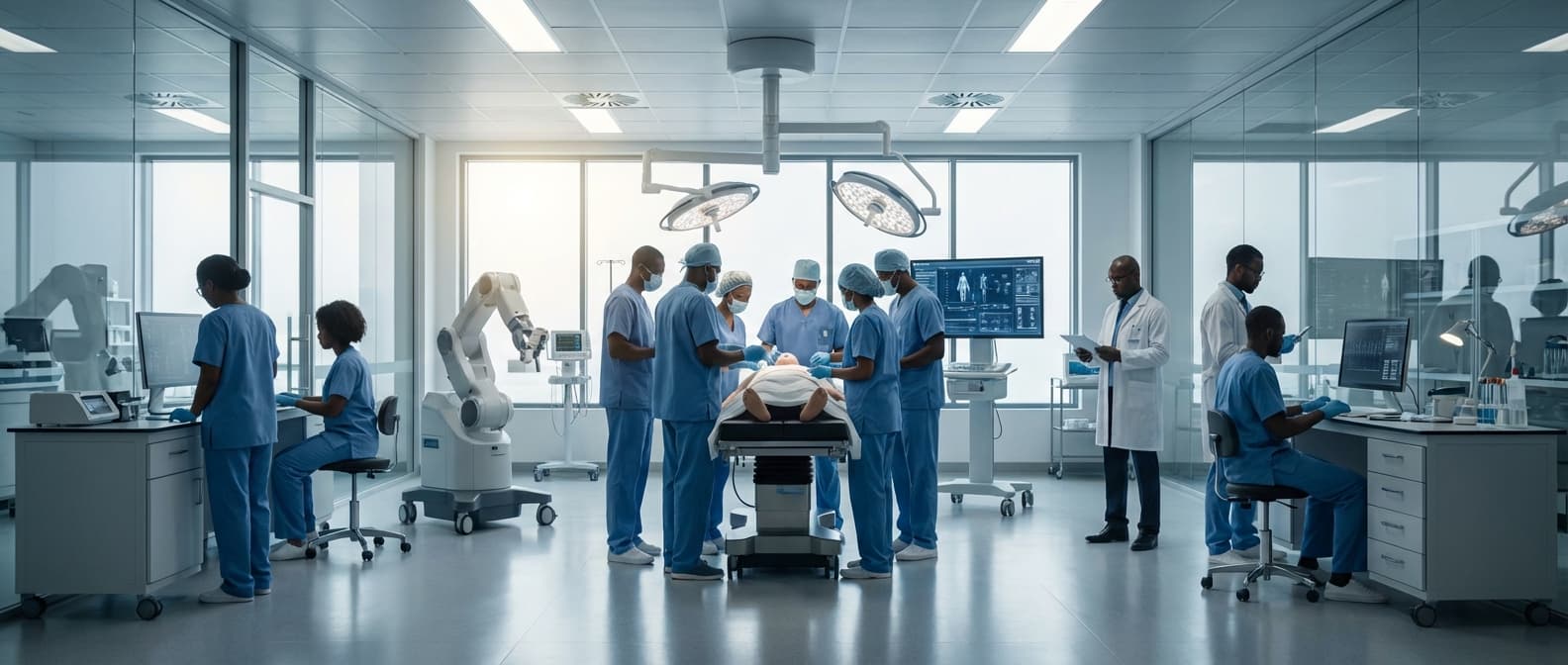
Calibration & Electrical Safety Testing in Malawi
Engineering Excellence & Technical Support
Equipment calibration and IEC safety testing High-standard technical execution following OEM protocols and local regulatory frameworks.
Ensuring Power Quality and Reliability
Leveraging advanced calibration techniques for electrical testing equipment ensures precise measurements of voltage, current, and frequency, vital for maintaining grid stability and preventing costly power quality issues for Malawian industries and households. Our expertise guarantees your operations run smoothly and efficiently.
Upholding Workplace Safety Standards
Rigorous calibration of safety testing instruments like insulation testers, earth resistance meters, and PAT testers is paramount. We empower Malawian businesses to identify and mitigate electrical hazards, preventing accidents, safeguarding personnel, and ensuring compliance with national and international safety regulations.
Optimizing Equipment Performance and Longevity
Precise calibration of electrical measurement devices directly impacts equipment performance. By ensuring your testing equipment is accurate, we help Malawian enterprises optimize the functionality of their machinery, extend its lifespan, and reduce the risk of premature failure and unnecessary replacement costs.
What Is Calibration & Electrical Safety Testing In Malawi?
Calibration and Electrical Safety Testing are critical services ensuring the accuracy, reliability, and safe operation of electrical equipment and medical devices within Malawi. These processes are mandated by regulatory bodies and essential for maintaining quality standards, preventing hazards, and complying with national and international safety protocols. Calibration involves the comparison of a measuring instrument or device against a known, traceable standard to determine and document any deviation from the true value. Electrical Safety Testing, conversely, assesses electrical equipment for potential hazards, such as insulation failure, earth continuity issues, and leakage currents, that could pose a risk to users or patients. In Malawi, adherence to these practices is fundamental for healthcare facilities, industrial settings, laboratories, and any organization utilizing electrical equipment for critical functions.
| Who Needs It | Typical Use Cases |
|---|---|
| Healthcare Facilities (Hospitals, Clinics, Laboratories): | Calibration of diagnostic and therapeutic equipment (e.g., ECG machines, defibrillators, ventilators, infusion pumps, sterilizers, blood pressure monitors). Electrical safety testing of all medical electrical equipment to ensure patient and operator safety. |
| **Industrial and Manufacturing Sectors: | Calibration of process control instruments (e.g., flow meters, pressure transmitters, temperature sensors), testing equipment, and power tools. Ensuring the safety of electrical machinery and systems to prevent accidents and maintain production quality. |
| **Research and Development Institutions: | Calibration of scientific instruments and laboratory equipment (e.g., spectrophotometers, pH meters, analytical balances) to ensure data integrity and reproducibility. Safety checks on experimental setups involving electrical components. |
| Educational Institutions (Universities, Technical Colleges): | Calibration of laboratory equipment for teaching and research purposes. Ensuring electrical safety in workshops and laboratories where students handle electrical apparatus. |
| Food and Beverage Industry: | Calibration of temperature and pressure monitoring equipment in processing plants. Electrical safety checks on food processing machinery to prevent contamination or hazards. |
| Telecommunications Sector: | Calibration of signal generators, spectrum analyzers, and network testing equipment. Safety assessments of power supplies and infrastructure. |
| Government and Public Sector Agencies: | Calibration and safety testing of equipment used in various public services, including infrastructure maintenance, environmental monitoring, and public safety. |
Key Aspects of Calibration and Electrical Safety Testing in Malawi
- Calibration: Verifying the accuracy of measuring instruments (e.g., multimeters, oscilloscopes, pressure gauges, temperature probes) against certified reference standards. This ensures that readings are precise and reliable for scientific, industrial, and medical applications. It involves adjustments or corrections to bring the instrument within acceptable tolerance limits.
- Electrical Safety Testing: Performing a series of tests to evaluate the electrical integrity and safety of devices. This typically includes tests for earth continuity, insulation resistance, potential equalization, and leakage currents (touch current, patient leakage current). These tests are paramount for preventing electric shock, fires, and equipment damage.
- Traceability: Ensuring that calibration results are traceable to national or international standards (e.g., those maintained by NMI, NIST). This provides an auditable chain of comparisons, demonstrating the accuracy and reliability of the measurements.
- Documentation and Certification: Providing comprehensive reports and certificates detailing the calibration procedures performed, the standards used, the results obtained, and any adjustments made. Certificates of compliance are issued upon successful completion of electrical safety tests.
- Regulatory Compliance: Meeting the requirements set forth by Malawian regulatory bodies such as the Malawi Bureau of Standards (MBS) and the Ministry of Health, which often mandate regular calibration and safety testing for specific types of equipment.
- Risk Mitigation: Proactively identifying and rectifying potential equipment malfunctions or safety defects to prevent accidents, injuries, and operational downtime.
- Equipment Longevity: Properly maintained and calibrated equipment generally has a longer operational lifespan and performs more reliably.
Who Needs Calibration & Electrical Safety Testing In Malawi?
Calibration and electrical safety testing are critical services for ensuring the accuracy, reliability, and safety of medical equipment, laboratory instruments, and general electrical devices across various sectors in Malawi. These services are not just regulatory requirements but are essential for maintaining operational efficiency, preventing hazardous situations, and upholding quality standards. The demand for these services spans across healthcare facilities, research institutions, educational establishments, manufacturing industries, and government bodies that rely on precise measurements and safe electrical operations.
| Target Customer/Department | Specific Needs & Reasons for Calibration/Testing | Key Equipment/Areas of Focus |
|---|---|---|
| Hospitals & Clinics (e.g., Queen Elizabeth Central Hospital, Kamuzu Central Hospital, District Hospitals) | Accurate patient diagnosis and treatment (e.g., vital signs monitors, imaging equipment), patient safety from electrical hazards, regulatory compliance (e.g., Ministry of Health standards). | Patient monitors, ECG machines, defibrillators, anesthesia machines, X-ray machines, incubators, surgical equipment, laboratory analyzers, general medical devices. |
| Diagnostic Laboratories & Medical Research Centers (e.g., Malawi-Liverpool-Wellcome Trust Clinical Research Programme) | Reliable and repeatable test results for research, disease diagnosis, and drug efficacy studies. Ensuring the integrity of scientific data. | Spectrophotometers, centrifuges, PCR machines, microscopes, incubators, refrigerators, freezers, pH meters, blood gas analyzers. |
| Universities & Technical Colleges (e.g., University of Malawi, Malawi University of Science and Technology) | Accurate measurements for teaching and practical experiments in science, engineering, and technology programs. Safe use of laboratory equipment for students and staff. | Oscilloscopes, multimeters, power supplies, signal generators, laboratory balances, scientific instruments used in physics, chemistry, engineering labs, and workshops. |
| Manufacturing & Industrial Plants (e.g., Ethanol Companies, Textile Manufacturers) | Quality control of manufactured goods, ensuring production processes are within specified tolerances, preventing equipment failure and downtime, operational safety. | Production line measuring instruments, control systems, electrical panels, power tools, machinery calibration, environmental monitoring sensors (temperature, humidity). |
| Food & Beverage Processing (e.g., Local breweries, dairies) | Ensuring product quality, safety, and consistency (e.g., temperature control in processing and storage), compliance with food safety regulations. | Thermometers, pressure gauges, flow meters, pH meters, weigh scales, refrigeration units, processing equipment controllers. |
| Water Treatment & Environmental Agencies (e.g., Water Boards, Environmental Protection Agency) | Accurate monitoring of water quality parameters for public health, environmental compliance, and resource management. Calibration of monitoring equipment. | Water quality meters (pH, dissolved oxygen, turbidity), flow meters, environmental sensors, analytical laboratory equipment. |
| Ministry of Health (MoH) & Malawi Bureau of Standards (MBS) | Enforcement of regulations, ensuring public safety, setting and maintaining national standards for measurement accuracy and electrical safety. | Reference standards, testing equipment used for regulatory inspections and certification across all sectors. |
| Energy & Power Utilities (e.g., ESCOM) | Accurate measurement of electricity consumption and generation, ensuring the reliable and safe operation of power infrastructure. | Electricity meters, testing equipment for substations and transmission lines, safety equipment for line workers. |
Who Needs Calibration & Electrical Safety Testing in Malawi?
- Medical Facilities (Hospitals, Clinics, Diagnostic Centers)
- Research and Development Laboratories
- Educational Institutions (Universities, Technical Colleges)
- Manufacturing and Industrial Plants
- Food and Beverage Processing Units
- Water Treatment and Environmental Monitoring Agencies
- Telecommunications Companies
- Government Ministries and Departments (e.g., Ministry of Health, Ministry of Education, Malawi Bureau of Standards)
- Energy and Power Utilities
- Agricultural Research Stations
Calibration & Electrical Safety Testing Process In Malawi
This document outlines the standard workflow for Calibration and Electrical Safety Testing services in Malawi, from the initial client inquiry to the final execution and documentation. The process ensures compliance with relevant standards and regulations, guaranteeing the accuracy and safety of electrical equipment.
| Stage | Description | Key Activities | Responsible Party | Deliverables |
|---|---|---|---|---|
| The client initiates contact to request calibration and/or electrical safety testing services. | Client contacts service provider (phone, email, website). Specifies equipment type, quantity, desired service, location, and any specific standards. Service provider acknowledges receipt of inquiry. | Client, Service Provider | Initial Request, Clarification of Requirements |
| The service provider prepares and submits a detailed quotation based on the client's request. | Service provider assesses requirements, calculates costs (labour, materials, travel). Prepares a formal quotation including scope of work, pricing, estimated turnaround time, and terms & conditions. Client reviews quotation and provides acceptance. | Service Provider, Client | Formal Quotation, Service Agreement/Purchase Order |
| Once the agreement is in place, the testing schedule and logistics are finalized. | Service provider coordinates with the client to schedule the testing date(s). Arranges for personnel, equipment, and any necessary transport. Confirms access arrangements and site-specific requirements. | Service Provider, Client | Confirmed Schedule, Logistics Plan |
| Preparation is done either at the client's premises or at the service provider's laboratory. | If on-site: Technicians arrive at the client's location. Ensure a safe and suitable working environment. Verify equipment availability and accessibility. If off-site: Client delivers equipment to the service provider's accredited laboratory. Service provider logs received equipment. | Service Provider, Client (for delivery) | Ready testing environment, Verified equipment list |
| The actual calibration and/or electrical safety testing procedures are performed according to relevant standards (e.g., IEC 60601, local regulations). | Technicians perform standardized electrical safety tests (e.g., earth continuity, insulation resistance, leakage current). Calibration involves comparing instrument readings to known standards and adjusting if necessary. Use of calibrated test equipment. | Service Provider (Technicians) | Raw test data, Calibration adjustments (if applicable) |
| All test results and calibration data are meticulously recorded and analyzed. | Technicians document all readings, test parameters, and observations. Any deviations from specifications are noted. Data is reviewed for compliance and accuracy. | Service Provider (Technicians/Quality Control) | Completed test sheets, Calibration records |
| Upon successful completion, official documentation is generated and provided to the client. | Service provider generates calibration certificates (traceable to national/international standards) and/or electrical safety test reports. These documents include equipment details, test results, compliance status, and validity period. Certificates are stamped and signed by authorized personnel. | Service Provider | Calibration Certificates, Electrical Safety Test Reports |
| The client is invoiced for the services rendered. | Service provider issues a final invoice based on the agreed quotation. Client reviews and processes payment according to the agreed terms. | Service Provider, Client | Final Invoice, Payment Confirmation |
| The service provider maintains records and may engage in follow-up activities. | Service provider archives all test data, certificates, and reports for a defined period. May offer reminders for future calibration/testing due dates. Handles any client queries or feedback post-service. | Service Provider | Archived Records, Client Relationship Management |
Calibration & Electrical Safety Testing Workflow in Malawi
- Inquiry & Service Request
- Quotation & Agreement
- Scheduling & Logistics
- On-site/Off-site Preparation
- Execution of Testing & Calibration
- Data Recording & Analysis
- Issuance of Certificates & Reports
- Invoicing & Payment
- Follow-up & Record Keeping
Calibration & Electrical Safety Testing Cost In Malawi
Calibration and electrical safety testing are crucial for ensuring the accuracy and safety of medical equipment and various other electrical devices in Malawi. The costs associated with these services are influenced by several factors, leading to a range of pricing. These factors include the complexity and type of equipment being tested, the frequency of calibration required, the location of the service provider, and whether the testing is performed on-site or at the provider's facility. Specialized equipment or those requiring highly precise calibration will naturally incur higher costs. Similarly, comprehensive electrical safety testing that involves multiple checks for insulation resistance, earth continuity, and leakage currents will also affect the overall price. Reputable service providers often have established pricing structures, and discounts may be available for bulk testing or long-term service agreements.
| Service Type | Estimated Cost Range (MWK) | Notes |
|---|---|---|
| Basic Electrical Safety Test (e.g., for a single medical device) | 15,000 - 40,000 | Covers essential safety checks like earth continuity and insulation resistance. |
| Standard Calibration (e.g., for a common laboratory instrument) | 30,000 - 75,000 | Includes adjustments and verification against known standards. Might require a traceable certificate. |
| Comprehensive Calibration & Electrical Safety Testing (e.g., for a complex medical system) | 70,000 - 200,000+ | Covers detailed calibration of multiple parameters and thorough safety assessments. |
| On-site Service Call Fee (per visit) | 20,000 - 60,000 | In addition to the testing costs, for providers traveling to your location. |
| Calibration Certificate (Traceable) | 5,000 - 15,000 (per certificate) | Often an additional cost for accredited calibration. |
| Bulk Discounts (e.g., for multiple devices tested at once) | Negotiable / Percentage-based | Service providers typically offer reduced rates for larger volumes. |
Key Factors Influencing Calibration & Electrical Safety Testing Costs in Malawi
- Type and complexity of equipment
- Scope of calibration and testing required
- Frequency of service (e.g., annual, biannual)
- Location of the testing facility (provider's lab vs. on-site)
- Reputation and accreditation of the service provider
- Urgency of the service
- Need for traceable calibration certificates
Affordable Calibration & Electrical Safety Testing Options
Ensuring your electrical equipment is safe and accurate is paramount, and finding affordable calibration and electrical safety testing options doesn't have to mean compromising on quality. This guide explores how to achieve cost-effective solutions through smart choices and value-driven approaches. We'll delve into the benefits of value bundles, proactive maintenance, and strategic outsourcing to help you manage your testing and calibration budget effectively.
| Service | Typical Cost (Estimate) | Cost-Saving Opportunity | Notes |
|---|---|---|---|
| Basic Electrical Safety Test (e.g., Leakage Current, Insulation Resistance) | $50 - $150 per device | Bundle testing for multiple devices; schedule regular service visits to reduce travel costs. | Essential for patient safety in medical environments; often required by regulations. |
| Standard Calibration (e.g., Multimeter, Power Supply) | $100 - $300 per device | Participate in annual calibration programs; consider bundled calibration with safety testing. | Ensures measurement accuracy and traceability to national standards. |
| Advanced Calibration (e.g., Oscilloscope, Signal Generator) | $250 - $700+ per device | Explore service contracts offering discounted rates for advanced equipment; inquire about 'as found, as left' reporting to justify costs. | Crucial for complex electronic troubleshooting and development. |
| Value Bundle: Safety Testing + Calibration (e.g., 10 devices) | $800 - $2000 (variable) | Significant discount compared to individual services; simplifies vendor management. | Ideal for organizations with a mixed inventory of equipment requiring both services. |
| On-site vs. Mail-in Service | On-site: Higher per-visit cost, but reduces downtime and shipping risks. Mail-in: Lower per-device cost, but involves shipping fees and extended downtime. | Analyze your operational needs and downtime tolerance to determine the most cost-effective method. | Consider the complexity and fragility of the equipment when choosing. |
| Preventive Maintenance Program | Varies based on scope and frequency | Reduces the likelihood of unexpected failures and costly emergency repairs/re-calibrations. | Often integrated into service contracts. |
Key Cost-Saving Strategies for Calibration & Electrical Safety Testing:
- Understand your specific needs: Identify which equipment requires calibration and safety testing, and how frequently.
- Explore value bundles: Many service providers offer packages that combine multiple services at a discounted rate.
- Negotiate long-term contracts: Commit to a service provider for an extended period to secure better pricing.
- Implement proactive maintenance: Regular checks can prevent minor issues from becoming costly repairs or requiring re-calibration.
- Consider in-house capabilities (where feasible): For basic testing, investing in certified equipment and training can be cost-effective in the long run.
- Leverage vendor partnerships: Discuss bundled testing and calibration with your equipment suppliers.
- Optimize testing schedules: Group testing for multiple pieces of equipment to minimize service call fees.
- Prioritize critical equipment: Focus your budget on high-priority or frequently used equipment.
- Research and compare providers: Get quotes from several reputable calibration and testing services.
- Look for accredited laboratories: While not always cheaper, accreditation often signifies a higher standard of quality and reliability.
Verified Providers In Malawi
In Malawi's evolving healthcare landscape, ensuring access to reliable and qualified medical professionals is paramount. Franance Health stands out as a trusted entity, rigorously vetting and credentialing healthcare providers. This commitment to quality assurance means that when you choose a provider associated with Franance Health, you are selecting a professional who has met stringent standards, guaranteeing a higher level of care and expertise. Their comprehensive verification process offers peace of mind and confidence in the healthcare services you receive.
| Credentialing Aspect | Franance Health's Commitment | Benefit to Patients |
|---|---|---|
| Professional Qualifications | Verifies academic degrees, licenses, and board certifications. | Guarantees providers possess the necessary formal education and legal authorization to practice. |
| Experience | Assesses relevant clinical experience and areas of specialization. | Ensures patients are treated by professionals with practical expertise in their specific health needs. |
| Ethical Conduct | Reviews professional history for any disciplinary actions or ethical breaches. | Protects patients from providers with a history of misconduct, promoting a safe and respectful environment. |
| Continuous Professional Development | Encourages and may verify ongoing training and education. | Confirms providers are up-to-date with the latest medical advancements and best practices. |
Why Franance Health Credentials Matter
- Rigorous vetting process for all providers.
- Ensures adherence to the highest medical standards.
- Promotes patient safety and trust.
- Facilitates access to skilled and experienced professionals.
- Supports a more robust and reliable healthcare system in Malawi.
Scope Of Work For Calibration & Electrical Safety Testing
This Scope of Work (SOW) outlines the requirements for the calibration of specified electrical test equipment and the comprehensive electrical safety testing of various medical and laboratory devices. The objective is to ensure that all equipment is functioning within its specified tolerances and meets all applicable electrical safety standards, guaranteeing the safety of users and the integrity of the testing/diagnostic processes.
| Item | Description | Standard Specification | Technical Deliverable |
|---|---|---|---|
| 1.0 | Calibration Services | ISO 17025, manufacturer's specifications, or documented internal procedures. | Calibrated test equipment with traceable calibration certificates. Updated calibration stickers on equipment. Calibration records in digital and/or hard copy format. |
| 1.1 | Electrical Multimeters (DMMs) | As per manufacturer's accuracy specifications for voltage, current, resistance, frequency, etc. Typical tolerance: ±(0.X% of reading + Y digits). | Certificate of Calibration detailing measured values against nominal values and stated uncertainties. Equipment passed/failed status. |
| 1.2 | Oscilloscopes | As per manufacturer's specifications for voltage, timebase accuracy, bandwidth, etc. Typical tolerance: ±(X% of full scale) for vertical, ±(Y% of full scale) for horizontal. | Certificate of Calibration, waveform display accuracy verification. |
| 1.3 | Power Supplies | As per manufacturer's specifications for output voltage, current, ripple, regulation. Typical tolerance: ±(X% of set value). | Certificate of Calibration for voltage and current output. Load regulation verification. |
| 1.4 | Insulation Resistance Testers | As per manufacturer's specifications for resistance range and test voltage accuracy. Typical tolerance: ±X% of reading. | Certificate of Calibration confirming accuracy of applied voltage and measured resistance. |
| 2.0 | Electrical Safety Testing | IEC 60601-1 (Medical Electrical Equipment), IEC 61010-1 (Safety Requirements for Electrical Equipment for Measurement, Control, and Laboratory Use), relevant national standards (e.g., UL, CSA). | Electrical Safety Test Report for each tested device. Compliance/non-compliance status for each test performed. Device identification, test date, technician's signature. |
| 2.1 | Earth Leakage Current | As per IEC 60601-1: Class I: < 5mA (single fault condition), < 1mA (normal condition). Class II: < 0.1mA. | Measured earth leakage current values under normal and single fault conditions. Pass/Fail indication. |
| 2.2 | Enclosure Leakage Current (Touch Current) | As per IEC 60601-1: < 0.1mA (Type B, BF), < 0.05mA (Type CF). | Measured touch current at accessible conductive parts. Pass/Fail indication. |
| 2.3 | Insulation Resistance | As per IEC 60601-1: Primary to enclosure: > 2 MΩ (AC, DC). Primary to secondary: > 2 MΩ (for separated circuits). | Measured insulation resistance between specified points. Pass/Fail indication. |
| 2.4 | Dielectric Strength (Hi-Pot) Test | As per IEC 60601-1: Applied voltage and leakage current limits based on device class and operational voltage. Typical test voltage: 1500 VAC or 2000 VDC. | Applied test voltage and measured leakage current. Pass/Fail indication. Details of test duration. |
| 2.5 | Grounding Continuity | As per IEC 60601-1: Resistance of protective earth connection not to exceed 0.1 Ω. | Measured resistance of the protective earth path. Pass/Fail indication. |
| 3.0 | Documentation and Reporting | Accreditation body requirements (e.g., ISO 17025), customer specific requirements. | Comprehensive Calibration Certificates. Detailed Electrical Safety Test Reports. Equipment Inventory list with calibration and test status. Summary reports as required. |
Key Objectives
- Ensure accuracy and reliability of electrical test equipment through regular calibration.
- Verify compliance of medical and laboratory devices with relevant electrical safety standards.
- Minimize risks associated with electrical hazards.
- Maintain a traceable record of all calibration and safety testing activities.
- Provide detailed reports on all performed services.
Service Level Agreement For Calibration & Electrical Safety Testing
This Service Level Agreement (SLA) outlines the commitment for Calibration and Electrical Safety Testing services provided by [Your Company Name] to [Client Company Name]. It defines the expected response times for service requests and guarantees for the availability and uptime of critical testing equipment and associated services.
| Service Request Type | Response Time Target | Uptime Guarantee (Critical Equipment/Portal) | Remedy for SLA Breach |
|---|---|---|---|
| Urgent Calibration Request (e.g., equipment failure impacting operations) | Within 4 business hours | N/A (focus on rapid response) | Priority scheduling for next available slot; potential for expedited off-site service at no additional charge (if feasible). |
| Standard Calibration Request (scheduled) | Within 1 business day for confirmation; service to be performed within [X] business days as per agreed schedule. | 99.5% uptime for the client portal. | Service credit of [Y]% of the monthly service fee for each 24-hour period of unplanned downtime exceeding 0.5%. |
| Electrical Safety Testing Request (scheduled) | Within 1 business day for confirmation; service to be performed within [X] business days as per agreed schedule. | 99.5% uptime for the client portal. | Service credit of [Y]% of the monthly service fee for each 24-hour period of unplanned downtime exceeding 0.5%. |
| Request for Calibration Certificates/Reports | Within 8 business hours | 99.5% uptime for the client portal. | N/A (focus on timely retrieval). |
| Technical Support/Inquiry | Within 2 business hours | 99.5% uptime for the client portal. | N/A (focus on timely support). |
Scope of Services Covered
- On-site calibration of specified electrical testing equipment.
- Off-site calibration of specified electrical testing equipment.
- Electrical safety testing of client-owned equipment (e.g., PAT testing).
- Provision and maintenance of calibration certificates.
- Reporting of test results and any non-compliance issues.
- Access to the client portal for scheduling and results retrieval.
Frequently Asked Questions

Ready when you are
Let's scope your Calibration & Electrical Safety Testing in Malawi project in Malawi.

Scaling healthcare logistics and technical systems across the entire continent.