
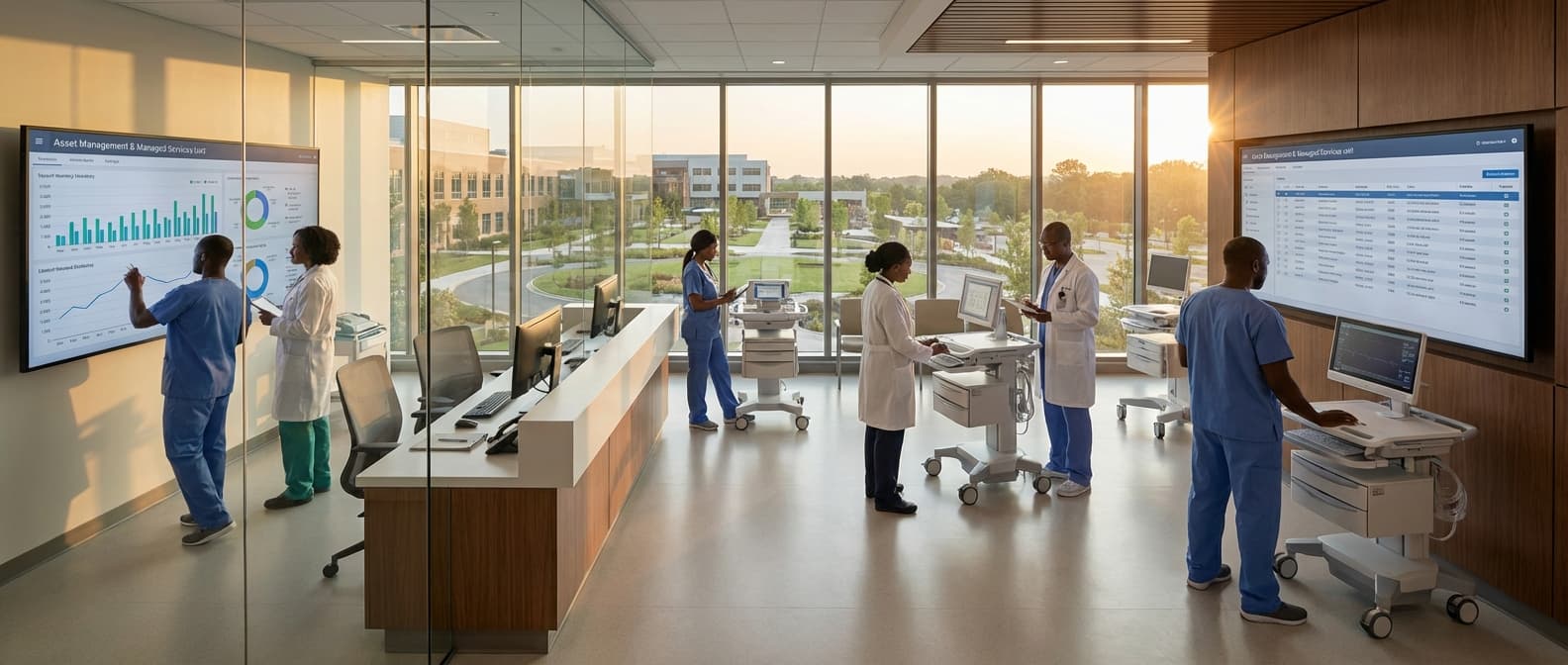
Equipment Fleet Standardization Consulting Service in Malawi
Engineering Excellence & Technical Support
Equipment Fleet Standardization Consulting Service High-standard technical execution following OEM protocols and local regulatory frameworks.
Optimized Equipment Utilization & ROI
Leverage our expertise to standardize your fleet in Malawi, driving down operational costs through reduced maintenance, improved fuel efficiency, and minimized downtime. Achieve a higher return on investment with a unified and predictable equipment ecosystem.
Enhanced Safety & Compliance Assurance
Implement standardized equipment protocols and training across your Malawian operations. This ensures consistent adherence to safety regulations, reduces the risk of accidents, and simplifies compliance reporting, safeguarding your workforce and assets.
Streamlined Procurement & Inventory Management
Our standardization strategies simplify procurement processes for your Malawian fleet. Benefit from bulk purchasing power, reduced spare parts inventory, and predictable maintenance schedules, leading to significant cost savings and operational efficiency.
What Is Equipment Fleet Standardization Consulting Service In Malawi?
Equipment Fleet Standardization Consulting Service in Malawi refers to a specialized advisory offering focused on optimizing the acquisition, management, and deployment of an organization's heavy machinery, vehicles, and other operational equipment. This service analyzes existing fleet compositions, operational demands, maintenance protocols, and total cost of ownership (TCO) to develop and implement strategies for standardizing equipment types, brands, and specifications. The objective is to enhance operational efficiency, reduce costs, improve safety, streamline maintenance, and facilitate better asset utilization within the Malawian context, considering local operating conditions, regulatory frameworks, and supply chain dynamics.
| Stakeholder/Industry | Need for Standardization | Typical Use Cases |
|---|---|---|
| Agriculture Sector (Large-scale farms, plantations): | Optimizing a diverse range of tractors, harvesters, planters, and utility vehicles. Reducing part inventory, simplifying maintenance across multiple brands, ensuring consistent operational performance for seasonal demands. | Standardizing on a specific tractor horsepower range and implement hitch type for efficient crop cultivation. Consolidating on a single combine harvester model for streamlined repair and operator training. Implementing GPS-enabled, standardized spraying equipment for precision agriculture. |
| Mining and Extractive Industries: | Managing fleets of haul trucks, excavators, drills, and support vehicles operating in demanding environments. Minimizing downtime, ensuring parts availability in remote locations, standardizing safety features. | Selecting a primary brand for haul trucks to ensure interchangeable parts and specialized repair capabilities. Standardizing on a specific type of hydraulic excavator for consistent operational characteristics and training. Implementing standardized safety interlocks on all heavy earth-moving equipment. |
| Construction and Infrastructure Development: | Fleet diversity across excavators, loaders, graders, compactors, and concrete equipment. Improving site logistics, reducing equipment downtime on project timelines, standardizing fuel and maintenance procedures. | Adopting a standardized fleet of backhoe loaders for consistent performance and ease of operation across multiple sites. Consolidating on a range of skid-steer loaders for various material handling tasks. Implementing standardized telehandler models for efficient lifting and material placement. |
| Logistics and Transportation Companies: | Optimizing fleets of trucks, trailers, and vans. Reducing maintenance complexity, improving fuel efficiency through standardized engine technology, facilitating driver training. | Standardizing on a specific truck chassis and engine configuration for long-haul operations. Implementing a uniform fleet of refrigerated vans with consistent cooling unit specifications. Adopting standardized GPS tracking and fleet management software across all vehicles. |
| Government and Public Sector Agencies (e.g., Road Maintenance, Water Utilities): | Managing large and varied fleets for public service delivery. Ensuring cost-effectiveness in procurement and maintenance, standardizing safety protocols, and ensuring long-term asset availability. | Standardizing on a specific make and model of utility vehicles for municipal services. Consolidating on a series of dump trucks for road repair and maintenance. Implementing standardized fire-fighting vehicles for enhanced interoperability and response. |
| Large Agribusinesses and Plantations: | Managing extensive fleets of agricultural machinery for diverse crop production. Optimizing operational efficiency, reducing reliance on specialized technicians for multiple brands, and ensuring consistent yields through reliable equipment. | Standardizing on a range of tractor sizes and configurations to match specific field operations. Consolidating on a few key implement manufacturers for compatibility and part commonality. Implementing GPS-guided, standardized harvesting equipment to improve efficiency during peak seasons. |
Key Components of Equipment Fleet Standardization Consulting:
- Fleet Audit and Analysis: Comprehensive assessment of current equipment inventory, performance data, maintenance history, and operational deployment patterns.
- Needs Assessment and Requirements Definition: Identification of core operational requirements and future fleet demands across various business units.
- Standardization Strategy Development: Formulation of a roadmap for selecting preferred equipment models, manufacturers, and specifications based on TCO, reliability, availability of parts, and training.
- Procurement Optimization: Guidance on strategic sourcing, negotiation, and acquisition of standardized equipment to achieve economies of scale.
- Maintenance and Support Planning: Development of standardized maintenance schedules, procedures, and strategies for optimal uptime and reduced lifecycle costs, considering local service capabilities.
- Technology Integration and Data Management: Implementation of fleet management systems (FMS) for tracking, monitoring, and analyzing equipment performance and utilization.
- Training and Skill Development: Programs for operators and maintenance personnel to ensure proficiency with standardized equipment and procedures.
- Risk Management and Compliance: Identification and mitigation of risks associated with fleet operations, ensuring compliance with local safety and environmental regulations.
- Change Management and Implementation Support: Facilitating the transition to standardized fleets and providing ongoing support for adoption.
Who Needs Equipment Fleet Standardization Consulting Service In Malawi?
In Malawi, businesses and organizations reliant on a diverse fleet of vehicles, machinery, and other operational equipment often face significant challenges related to cost inefficiency, maintenance complexities, and suboptimal utilization. Equipment Fleet Standardization Consulting Services are crucial for entities seeking to streamline operations, reduce expenditure, and enhance the overall performance of their asset base. These services guide organizations in developing and implementing strategies to standardize their equipment across various types and brands, leading to numerous operational and financial benefits.
| Target Customer Type | Key Departments Involved | Primary Benefits of Standardization |
|---|---|---|
| Logistics & Transportation | Operations, Fleet Management, Maintenance, Procurement | Reduced maintenance costs, improved fuel efficiency, faster repairs, enhanced driver training, better resale value. |
| Construction & Infrastructure | Site Management, Fleet Maintenance, Procurement, Project Management | Increased equipment uptime, simplified operator training, bulk purchasing discounts on parts and machinery, improved safety. |
| Agriculture | Farm Operations, Maintenance, Procurement, Cooperative Management | Lower operating costs, easier access to spare parts, improved crop yields through efficient machinery use, streamlined maintenance schedules. |
| Mining & Natural Resources | Operations, Maintenance Engineering, Supply Chain, Safety | Enhanced equipment reliability, reduced risk of operational failures, consolidated spare parts inventory, improved safety protocols, optimized maintenance contracts. |
| Government & Municipalities | Public Works, Fleet Services, Procurement, Finance, Operations | Significant cost savings for taxpayers, improved service delivery, centralized maintenance, better budget management, increased operational efficiency. |
| NGOs & Humanitarian Aid | Logistics, Field Operations, Procurement, Program Management | Ensured operational continuity in challenging environments, reduced downtime, easier and faster repairs, efficient resource utilization, improved accountability. |
| Manufacturing & Industrial | Warehouse Management, Production, Maintenance, Procurement | Streamlined material handling, reduced equipment downtime, optimized inventory of spare parts, improved worker productivity, enhanced workplace safety. |
Target Customers and Departments in Malawi Requiring Equipment Fleet Standardization Consulting Services:
- {"item":"Businesses with Large and Diverse Fleets","description":"Companies operating with a substantial number of vehicles (trucks, vans, cars), construction machinery, agricultural equipment, or industrial tools. Standardization can lead to economies of scale in procurement, maintenance, and training."}
- {"item":"Logistics and Transportation Companies","description":"Those involved in freight forwarding, passenger transport, and courier services. A standardized fleet simplifies route optimization, driver training, and ensures readily available spare parts, minimizing downtime."}
- {"item":"Construction and Infrastructure Development Firms","description":"Companies undertaking building projects, road construction, and other civil engineering works. Standardized heavy machinery and construction equipment improve interoperability, reduce training needs for operators, and simplify on-site maintenance."}
- {"item":"Agricultural Enterprises and Cooperatives","description":"Farms, plantations, and agricultural cooperatives utilizing tractors, harvesters, irrigation systems, and other farming machinery. Standardization can improve efficiency in planting, harvesting, and crop management, while also securing better deals on parts and servicing."}
- {"item":"Mining and Natural Resource Extraction Companies","description":"Operations involving heavy-duty vehicles, specialized extraction machinery, and exploration equipment. Fleet standardization is vital for safety, operational reliability, and managing the high costs associated with these asset-intensive industries."}
- {"item":"Government Agencies and Municipalities","description":"Public sector entities responsible for maintaining fleets for public services, disaster management, infrastructure maintenance, and transportation. Standardization can lead to cost savings, improved service delivery, and better asset management."}
- {"item":"Non-Governmental Organizations (NGOs) and Humanitarian Aid Organizations","description":"Organizations operating in remote areas or requiring reliable transportation and equipment for project implementation. A standardized fleet ensures easier maintenance, availability of parts in challenging environments, and efficient resource allocation."}
- {"item":"Manufacturing and Industrial Companies","description":"Businesses with fleets of forklifts, pallet jacks, material handling equipment, and company vehicles. Standardization improves operational flow, reduces maintenance downtime, and optimizes warehouse management."}
Equipment Fleet Standardization Consulting Service Process In Malawi
This document outlines the typical workflow for an Equipment Fleet Standardization Consulting Service in Malawi, from the initial client inquiry to the successful execution and handover of the project. The process is designed to be collaborative, efficient, and tailored to the specific needs and context of Malawian businesses operating with diverse equipment fleets.
| Phase | Key Activities | Deliverables | Key Stakeholders (Client) | Key Stakeholders (Consultant) |
|---|---|---|---|---|
| Receive inquiry via phone, email, or referral. Conduct an initial discussion to understand general needs and objectives. | Initial meeting notes, contact information exchange. | Key decision-makers, fleet managers, procurement officers. | Business development team, project manager. |
| Conduct in-depth interviews and site visits. Gather preliminary information on existing fleet, operational challenges, and desired outcomes. Define project scope, objectives, and key performance indicators (KPIs). | Needs assessment report, preliminary scope document, defined KPIs. | Operations managers, maintenance supervisors, finance department, IT (if applicable). | Senior consultant, project manager, subject matter experts. |
| Develop a detailed proposal outlining the consulting approach, methodology, timeline, team composition, and fees. Present the proposal to the client. | Comprehensive consulting proposal, cost breakdown, project timeline. | Procurement committee, management. | Project manager, senior consultant, finance. |
| Discuss and refine proposal details. Negotiate terms and conditions. Finalize and sign the service agreement. | Signed service agreement/contract. | Legal department, finance department, senior management. | Legal counsel, senior management. |
| Formal project commencement meeting. Introduce the consulting team. Establish communication protocols and reporting mechanisms. Confirm detailed project plan. | Project kick-off meeting minutes, detailed project plan, communication matrix. | Project sponsor, steering committee, all relevant operational staff. | Project manager, full consulting team. |
| Gather detailed data on the current fleet (make, model, age, maintenance history, fuel consumption, operating costs, utilization, parts inventory). Conduct operational assessments and user feedback surveys. | Comprehensive fleet database, cost-benefit analysis data, operational performance metrics. | Fleet managers, maintenance staff, drivers, procurement officers. | Data analysts, fleet specialists, logistics consultants. |
| Analyze collected data to identify commonalities, inefficiencies, and opportunities for standardization. Develop a tailored standardization strategy (e.g., preferred makes/models, maintenance protocols, procurement policies). | Equipment fleet standardization strategy document, recommended equipment list, maintenance plan proposals. | Steering committee, senior management. | Fleet standardization experts, strategy consultants. |
| Create a phased implementation plan including timelines, resource allocation, risk mitigation strategies, and change management protocols. Define procurement and disposal processes for the standardized fleet. | Phased implementation plan, change management strategy, risk assessment matrix, procurement/disposal guidelines. | Procurement department, finance department, operations managers. | Project manager, implementation specialists. |
| Oversee the implementation of the standardization strategy, including procurement of new equipment, disposal of old assets, and updating maintenance procedures. Provide ongoing guidance and problem-solving. | Progress reports, issue logs, procurement/disposal documentation, updated maintenance procedures. | Procurement team, maintenance team, operations team. | Project manager, implementation consultants, subject matter experts. |
| Provide training to maintenance staff, operators, and procurement personnel on new equipment, standardized procedures, and maintenance best practices. Empower in-house teams for ongoing management. | Training materials, training session records, certified personnel (if applicable). | Maintenance technicians, drivers, procurement officers, fleet managers. | Training specialists, fleet experts. |
| Track the performance of the standardized fleet against defined KPIs. Conduct periodic reviews and assessments to ensure adherence to the strategy and identify areas for further optimization. | Performance monitoring reports, KPI dashboards, post-implementation review report. | Fleet managers, operations directors. | Project manager, data analysts. |
| Finalize all project activities. Prepare a comprehensive final report. Hand over all documentation and knowledge to the client's internal team. Conduct a final review meeting. | Final project report, handover documentation, lessons learned document, final project review meeting. | Senior management, steering committee, key operational staff. | Project manager, consulting team. |
Equipment Fleet Standardization Consulting Service Workflow in Malawi
- Client Inquiry & Initial Contact
- Needs Assessment & Scoping
- Proposal Development & Submission
- Contract Negotiation & Signing
- Project Kick-off & Team Mobilization
- Data Collection & Analysis
- Standardization Strategy Development
- Implementation Planning
- Execution & Oversight
- Training & Capacity Building
- Monitoring & Evaluation
- Project Closure & Handover
Equipment Fleet Standardization Consulting Service Cost In Malawi
The cost of equipment fleet standardization consulting services in Malawi can vary significantly due to a range of factors, influencing the total investment required by businesses. Understanding these elements is crucial for accurate budgeting and selecting the right service provider. The local Malawian Kwacha (MWK) is the primary currency for these transactions, and rates are typically quoted in this denomination, though international firms might also provide USD estimates. Key drivers of cost include the complexity of the existing fleet, the scope of the standardization project, the experience and reputation of the consulting firm, the duration of the engagement, and the specific deliverables expected. For instance, a large and diverse fleet with multiple equipment types and ages will naturally require more extensive analysis and planning than a smaller, more homogenous fleet. Similarly, a comprehensive standardization project encompassing procurement strategy, maintenance optimization, and driver training will command a higher fee than a limited scope focusing solely on asset rationalization.
| Cost Component | Typical Price Range (MWK) | Notes |
|---|---|---|
| Initial Assessment & Analysis | 500,000 - 2,500,000 | Covers data collection, fleet audit, and initial gap analysis. |
| Strategy Development & Recommendation | 1,000,000 - 5,000,000 | Encompasses defining standardization goals, recommending equipment types, and outlining procurement strategies. |
| Implementation Planning & Support | 1,500,000 - 7,000,000 | Includes developing implementation roadmaps, vendor selection assistance, and phased rollout planning. |
| Training & Change Management | 750,000 - 3,000,000 | For staff and drivers on new equipment and standardized procedures. |
| Project Management & Oversight | 10% - 20% of total project cost | Often charged as a percentage of the overall project budget. |
| Hourly/Daily Rates (for specialized tasks or smaller engagements) | 50,000 - 200,000 per day | Varies based on consultant's expertise and seniority. May also be quoted in USD equivalents. |
Factors Influencing Equipment Fleet Standardization Consulting Costs in Malawi
- Fleet Size and Diversity
- Complexity of Existing Equipment
- Scope of Standardization Project
- Consultant's Experience and Reputation
- Duration of the Engagement
- Specific Deliverables (e.g., reports, training, implementation support)
- Geographic Reach and Travel Requirements
- Technology and Tools Utilized by the Consultant
- Market Demand and Consultant Availability
Affordable Equipment Fleet Standardization Consulting Service Options
Our Affordable Equipment Fleet Standardization Consulting Service helps businesses optimize their fleet operations through strategic standardization. By identifying inefficiencies and recommending standardized equipment choices, we enable you to reduce operational costs, improve maintenance efficiency, enhance driver safety, and simplify training. We offer flexible service packages designed to meet the diverse needs of small to medium-sized enterprises (SMEs) and larger organizations alike, ensuring you receive tailored expertise without an exorbitant price tag.
| Value Bundle | Description | Ideal For | Estimated Investment Range |
|---|---|---|---|
| Foundation Standardization Package | Initial fleet audit, identification of 2-3 core equipment types, basic standardization recommendations, and a roadmap for implementation. Focuses on high-impact areas for immediate savings. | Small businesses (5-20 vehicles), or departments within larger organizations looking for a starting point. | $1,500 - $3,000 |
| Growth Standardization Package | Comprehensive fleet analysis, development of a detailed standardization plan for up to 5 core equipment types, vendor negotiation support, and phased implementation guidance. Includes an analysis of fuel efficiency and telematics integration. | Medium-sized businesses (20-75 vehicles), or organizations with diverse operational needs. | $3,500 - $7,000 |
| Enterprise Standardization Package | Full-scale fleet audit, complete standardization strategy development across all vehicle classes, custom procurement strategies, ongoing support and performance monitoring, and advanced telematics and sustainability integration. Tailored to specific business objectives. | Large organizations (75+ vehicles), or those with complex multi-site operations or specific regulatory requirements. | $8,000 - $15,000+ |
| Customizable Add-ons | Specific modules can be added to any package, including: Detailed Vendor Negotiation, Lifecycle Cost Analysis, Sustainability Integration, Driver Training Program Development, Telematics Implementation Strategy, Used Equipment Remarketing Strategy. | Any business seeking specialized expertise in particular areas. | Priced per module, typically $500 - $2,500 each |
Key Benefits of Fleet Standardization:
- Reduced maintenance costs through fewer unique parts and specialized tools.
- Streamlined training programs for drivers and maintenance staff.
- Improved fleet uptime and reduced operational disruptions.
- Enhanced resale value due to a consistent and well-maintained fleet.
- Simplified procurement processes and bulk purchasing opportunities.
- Increased safety through predictable vehicle performance and familiar controls.
Verified Providers In Malawi
In Malawi, the landscape of healthcare providers can be complex to navigate. Ensuring you are accessing reliable and high-quality medical services is paramount. Franance Health stands out as a leading network of verified healthcare providers, committed to upholding the highest standards of patient care. This commitment is underpinned by rigorous credentialing processes and a dedication to patient well-being, making them the optimal choice for individuals and families seeking dependable medical attention.
| Credential Aspect | Franance Health Verification | Why it Matters for Patients |
|---|---|---|
| Medical Education & Licensing | All providers are verified to hold valid medical degrees from accredited institutions and possess current, legitimate medical licenses issued by the relevant Malawian regulatory bodies. | Ensures a foundational understanding of medical principles and adherence to legal practice requirements. |
| Professional Experience & Competence | Franance Health assesses the clinical experience and demonstrated competence of its providers through peer reviews, case studies, and verification of past practice history. | Guarantees that providers have practical experience and are capable of managing a wide range of medical conditions effectively. |
| Specialty Training & Certification | For specialists, Franance Health verifies their completion of recognized postgraduate training programs and relevant certifications in their respective fields. | Confirms that specialists possess advanced knowledge and skills in their chosen area of medicine. |
| Ethical Conduct & Patient Safety Standards | Providers are screened for any disciplinary actions or ethical concerns. Franance Health emphasizes adherence to strict patient safety protocols. | Provides assurance of ethical medical practice and a safe healthcare environment, minimizing risks for patients. |
| Continuing Professional Development (CPD) | Franance Health encourages and often requires its affiliated providers to engage in ongoing medical education and training to stay abreast of the latest medical research and techniques. | Ensures patients are receiving care based on current medical knowledge and best practices. |
Why Franance Health Providers are the Best Choice:
- Rigorous Credentialing: Franance Health employs a stringent verification process for all its affiliated medical professionals. This ensures that every provider meets and exceeds national and international standards for education, training, and professional conduct.
- Expertise and Specialization: The network encompasses a wide range of medical specialists, from general practitioners to highly specialized surgeons and consultants. This allows patients to find the exact expertise they need, reducing the need for referrals to potentially unverified facilities.
- Commitment to Quality: Franance Health prioritizes patient safety and positive health outcomes. Their providers are committed to evidence-based practices and continuous professional development, ensuring they are up-to-date with the latest medical advancements.
- Patient-Centric Approach: Verified Franance Health providers are dedicated to a patient-centric approach, emphasizing clear communication, empathy, and personalized care plans tailored to individual needs.
- Accessibility and Network: The extensive network of Franance Health providers across Malawi offers convenient access to quality healthcare services in various locations, making it easier for more people to receive timely medical attention.
Scope Of Work For Equipment Fleet Standardization Consulting Service
This Scope of Work (SOW) outlines the consulting services to be provided for the standardization of the client's equipment fleet. The primary objectives are to reduce operational costs, improve maintenance efficiency, enhance safety, and optimize asset utilization through a unified approach to equipment selection and management. The project will involve a comprehensive assessment of the current fleet, development of standardized specifications, and recommendations for implementation. The final deliverables will include technical documentation, operational guidelines, and a detailed implementation roadmap.
| Deliverable | Description | Format | Timeline (Weeks) |
|---|---|---|---|
| Current Fleet Assessment Report | Detailed analysis of existing equipment types, ages, utilization, maintenance history, and associated costs. | PDF Report, Presentation Slides | 4 |
| Standardized Equipment Categories and Specifications | Definition of key equipment categories and detailed technical specifications for each, including performance requirements, safety features, emissions standards, and maintenance access. | Microsoft Word Documents, Excel Spreadsheets for specifications | 6 |
| Recommended Standard Equipment Models and Suppliers | Identification of specific equipment models and preferred suppliers that meet the defined standard specifications, along with justification. | Excel Spreadsheet, PDF Report | 3 |
| Fleet Standardization Implementation Roadmap | Phased plan for transitioning to the standardized fleet, including procurement strategies, disposal of non-standard assets, training plans, and change management considerations. | Microsoft Project Plan, PDF Report | 4 |
| Standard Maintenance Procedures and Training Guidelines | Development of standardized preventive maintenance schedules and recommended training modules for operators and maintenance technicians on the standard equipment. | PDF Documents, Digital Training Materials (outline) | 3 |
| Total Project Management and Reporting | Regular progress reports, risk assessments, and overall project coordination. | Weekly Email Updates, Bi-weekly Progress Reports (PDF) | 15 (Total Project Duration) |
Key Objectives of Equipment Fleet Standardization
- Reduce overall fleet acquisition and operating costs.
- Improve maintenance efficiency and reduce downtime through fewer unique parts and simplified training.
- Enhance operator safety and productivity with consistent equipment interfaces and ergonomics.
- Optimize asset utilization and minimize underutilized or redundant equipment.
- Streamline procurement processes and leverage bulk purchasing power.
- Improve data collection and analysis for better fleet performance management.
Service Level Agreement For Equipment Fleet Standardization Consulting Service
This Service Level Agreement (SLA) outlines the performance commitments for the Equipment Fleet Standardization Consulting Service provided by [Consulting Firm Name] (hereinafter referred to as "Provider") to [Client Name] (hereinafter referred to as "Client"). This SLA specifically addresses response times for support requests and uptime guarantees for any managed systems or platforms directly related to the consulting service.
| Service Component | Priority Level | Response Time Target | Uptime Guarantee | Notes |
|---|---|---|---|---|
| General Inquiries & Non-Critical Issues | Low | Within 4 business hours | N/A (Consulting service, not a platform) | Applies to emails and portal requests regarding project status, documentation, or general information. |
| Technical Support for Shared Platforms (if applicable) | Medium | Within 2 business hours | 99.5% during business hours (Mon-Fri, 9 AM - 5 PM [Client's Time Zone]) | Applies to issues impacting the functionality of any software or platform explicitly managed by the Provider for this consulting engagement. |
| Critical System Outage (impacting core consulting activities) | High | Within 1 business hour | 99.9% during business hours (Mon-Fri, 9 AM - 5 PM [Client's Time Zone]) | Applies to critical issues that prevent the Client from accessing essential consulting deliverables or the Provider from delivering key services. |
| Scheduled Maintenance | N/A | N/A | N/A | Provider will provide at least 48 hours' notice for any scheduled maintenance impacting shared platforms, typically scheduled outside of core business hours. |
Key Performance Indicators (KPIs)
- Response Time for Support Requests: The time taken by the Provider to acknowledge and begin addressing a reported issue.
- Uptime Guarantee (if applicable): The percentage of time that any agreed-upon managed systems or platforms essential for the consulting service are operational and accessible.
- Resolution Time (Targeted): While not a strict guarantee, this SLA will establish targeted resolution times based on the severity of issues.
Frequently Asked Questions

Ready when you are
Let's scope your Equipment Fleet Standardization Consulting Service in Malawi project in Malawi.

Scaling healthcare logistics and technical systems across the entire continent.