
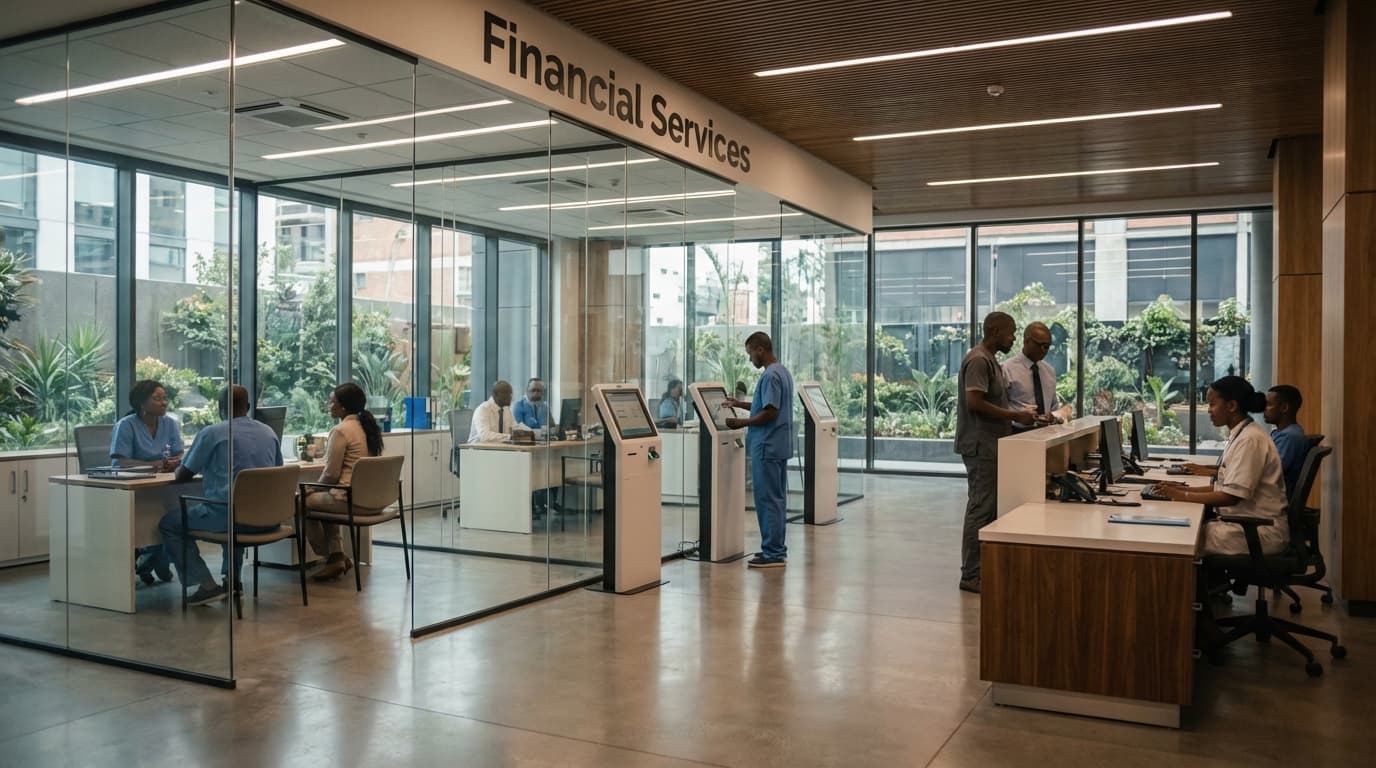
Medical Equipment Financing in Madagascar
Engineering Excellence & Technical Support
Leasing and financing solutions for medical equipment High-standard technical execution following OEM protocols and local regulatory frameworks.
Tailored Financing Solutions for Madagascar's Healthcare Sector
We offer flexible and competitive financing plans specifically designed for the acquisition of essential medical equipment in Madagascar. Our solutions cater to hospitals, clinics, and diagnostic centers, ensuring access to state-of-the-art technology with manageable repayment structures.
Bridging the Equipment Gap with Accessible Capital
Our financing programs are structured to overcome common barriers to medical equipment procurement in Madagascar. By providing readily available capital, we empower healthcare providers to expand their services, improve patient care, and address critical health needs across the nation.
Driving Healthcare Innovation Through Strategic Equipment Investment
Partner with us to finance the latest medical innovations in Madagascar. Our financing options support the acquisition of advanced diagnostic tools, specialized surgical equipment, and critical care machinery, fostering a more robust and technologically advanced healthcare infrastructure.
What Is Medical Equipment Financing In Madagascar?
Medical equipment financing in Madagascar refers to the provision of capital, typically through loans or leasing agreements, to healthcare providers and institutions for the acquisition, upgrade, or maintenance of medical apparatus and technologies. This service aims to alleviate the significant upfront capital expenditure associated with procuring essential medical infrastructure, thereby enhancing healthcare service delivery capacity and quality within the Malagasy context. The financing structures are designed to be accessible to a range of healthcare entities, acknowledging the diverse financial capabilities present in the sector, from large public hospitals to smaller private clinics and specialized medical centers.
| Who Needs Medical Equipment Financing in Madagascar? | Typical Use Cases for Financed Medical Equipment |
|---|---|
| Public Hospitals and Health Centers: Requiring expansion of capacity, replacement of aging equipment, and introduction of new diagnostic and therapeutic technologies to serve a broad patient base. | Private Clinics and Hospitals: Seeking to differentiate services, adopt advanced technologies for competitive advantage, and cater to a growing demand for specialized care. |
| Diagnostic Laboratories: Needing advanced analytical instruments, imaging equipment (e.g., X-ray, ultrasound), and point-of-care testing devices. | Surgical Centers and Operating Theatres: Requiring specialized surgical instruments, anesthesia machines, patient monitoring systems, and sterilization equipment. |
| Maternity and Pediatric Units: Procuring incubators, neonatal ventilators, fetal monitors, and pediatric diagnostic tools. | Emergency Medical Services (EMS): Equipping ambulances with life-support systems, defibrillators, and advanced portable diagnostic tools. |
| Rural Health Posts and Dispensaries: Accessing essential equipment for primary care, basic diagnostics, and minor procedures, often on a smaller scale and with specific operational constraints. | Specialized Medical Practices (e.g., Cardiology, Ophthalmology, Dentistry): Acquiring high-precision diagnostic and treatment equipment tailored to their specific fields. |
| Research and Educational Institutions: Funding for state-of-the-art equipment for medical training and research purposes. | Reputable Suppliers/Distributors: Offering financing solutions to their clients as a sales enablement strategy, often in partnership with financial institutions. |
Key Aspects of Medical Equipment Financing in Madagascar
- Definition: Financial instruments (loans, leases) enabling the purchase, upgrade, or maintenance of medical devices and technologies.
- Objective: To overcome capital investment barriers, improve healthcare infrastructure, and expand access to quality medical services.
- Providers: Financial institutions, specialized medical equipment financiers, and potentially government-backed initiatives.
- Mechanisms: Structured repayment schedules, collateral requirements, and asset valuation assessments.
- Risk Mitigation: Due diligence on the borrower's financial health and the operational viability of the equipment.
- Impact: Enhanced diagnostic capabilities, improved treatment outcomes, increased patient throughput, and support for specialized medical procedures.
Who Needs Medical Equipment Financing In Madagascar?
Medical equipment financing in Madagascar is a critical need for a diverse range of healthcare providers and institutions aiming to upgrade, expand, or maintain their medical infrastructure. Access to modern and well-maintained equipment is paramount for delivering quality patient care, improving diagnostic capabilities, and enhancing treatment outcomes. This financing bridges the gap between the desire for advanced medical technology and the often-limited capital budgets of healthcare entities in the country. It enables them to acquire everything from basic diagnostic tools to sophisticated surgical machinery, ensuring that a wider spectrum of medical services can be offered effectively and efficiently, ultimately benefiting the health and well-being of the Madagasgasy population.
| Target Customer Type | Key Departments Benefiting | Specific Equipment Needs (Examples) |
|---|---|---|
| Public Hospitals and Clinics | Emergency Room, Surgery, Radiology, Pediatrics, General Medicine | X-ray machines, Ultrasound machines, Anesthesia machines, Ventilators, Patient monitors, Surgical instruments |
| Private Hospitals and Clinics | Cardiology, Oncology, Nephrology, Surgery, Intensive Care Unit (ICU) | MRI scanners, CT scanners, Dialysis machines, Endoscopy equipment, Advanced surgical suites |
| NGOs in Healthcare | Maternal and Child Health, Infectious Disease Control, Primary Healthcare | Basic diagnostic kits, Portable ultrasound devices, Sterilization equipment, Vaccines refrigerators |
| Diagnostic Laboratories and Imaging Centers | Hematology, Biochemistry, Microbiology, Radiology | Automated analyzers, PCR machines, Digital X-ray, Mammography units |
| Specialty Medical Practices | Cardiology, Ophthalmology, Dentistry, Dermatology | ECG machines, Retinal cameras, Dental chairs, Laser treatment devices |
| Rural Health Centers | Primary Care, Minor Procedures, Basic Diagnostics | Stethoscopes, Blood pressure monitors, Weighing scales, Basic microscopes, First-aid supplies |
| Medical Training and Research Institutions | Anatomy, Physiology, Pathology, Clinical Skills Labs | Anatomical models, Simulation mannequins, Laboratory equipment, Microscopes |
Target Customers for Medical Equipment Financing in Madagascar
- Public Hospitals and Clinics
- Private Hospitals and Clinics
- Non-Governmental Organizations (NGOs) involved in healthcare
- Diagnostic Laboratories and Imaging Centers
- Specialty Medical Practices (e.g., cardiology, oncology, ophthalmology)
- Rural Health Centers
- Medical Training and Research Institutions
- Dental Clinics
- Maternity and Family Planning Centers
Medical Equipment Financing Process In Madagascar
The process of financing medical equipment in Madagascar involves a structured workflow that begins with an initial inquiry from a healthcare provider and culminates in the successful execution of the financing agreement. This process is crucial for equipping hospitals, clinics, and other medical facilities with the necessary tools to deliver quality healthcare. The workflow typically involves several key stages, each with specific actions and stakeholders.
| Stage | Description | Key Stakeholders | Potential Challenges |
|---|---|---|---|
| Inquiry and Needs Assessment | Healthcare provider expresses interest and identifies specific medical equipment needs. This often involves a detailed list of equipment, specifications, and estimated costs. | Healthcare Provider (Hospital, Clinic, etc.), Equipment Supplier/Vendor | Unclear needs, inaccurate cost estimations, lack of comprehensive equipment research. |
| Application Submission | The healthcare provider formally applies for financing with a financial institution (e.g., bank, leasing company). The application includes financial statements, business plans, and details of the equipment to be financed. | Healthcare Provider, Financial Institution (Lender) | Incomplete or inaccurate documentation, lack of sufficient financial history, weak business plan. |
| Credit Appraisal and Due Diligence | The financial institution evaluates the provider's creditworthiness, financial stability, and the viability of the project. This involves reviewing financial records, conducting site visits, and assessing operational capacity. | Financial Institution (Credit Department, Risk Management) | Limited financial transparency, high perceived risk, complex ownership structures. |
| Proposal and Negotiation | If the credit appraisal is positive, the financial institution presents a financing proposal outlining terms, interest rates, repayment schedules, and collateral requirements. Negotiations may occur to finalize these terms. | Financial Institution, Healthcare Provider | Unfavorable interest rates, restrictive repayment terms, unrealistic collateral demands. |
| Legal Documentation and Approval | Once terms are agreed upon, legal agreements (loan agreements, lease contracts, etc.) are drafted and signed by both parties. Internal approvals are secured by the financial institution. | Financial Institution, Healthcare Provider, Legal Counsel | Complex legal frameworks, lengthy approval processes, discrepancies in legal clauses. |
| Disbursement and Equipment Acquisition | The financial institution disburses the funds directly to the equipment supplier. The healthcare provider then proceeds with ordering and acquiring the equipment. | Financial Institution, Equipment Supplier, Healthcare Provider | Delays in disbursement, issues with equipment procurement, currency fluctuations affecting cost. |
| Installation and Training | The acquired equipment is installed at the healthcare facility. Training is provided to medical staff on its operation and maintenance to ensure effective utilization. | Equipment Supplier, Healthcare Provider, Technical Experts | Substandard installation, inadequate training, lack of technical support. |
| Repayment and After-Sales Support | The healthcare provider begins making regular repayments as per the financing agreement. Ongoing maintenance and support from the supplier are crucial for equipment longevity. | Healthcare Provider, Financial Institution, Equipment Supplier | Cash flow issues impacting repayment, equipment malfunctions requiring prompt service, obsolescence of technology. |
Medical Equipment Financing Process in Madagascar: Workflow
- Inquiry and Needs Assessment
- Application Submission
- Credit Appraisal and Due Diligence
- Proposal and Negotiation
- Legal Documentation and Approval
- Disbursement and Equipment Acquisition
- Installation and Training
- Repayment and After-Sales Support
Medical Equipment Financing Cost In Madagascar
Financing medical equipment in Madagascar presents a unique set of challenges and opportunities, with costs heavily influenced by a combination of local economic conditions, global market prices, and specific financing arrangements. The pricing of medical equipment itself can vary significantly based on the type of technology, its sophistication, brand reputation, and whether it's new or refurbished. When considering financing, prospective buyers must factor in interest rates, loan terms, administrative fees, and potential collateral requirements. Local currency (Malagasy Ariary, MGA) pricing is subject to exchange rate fluctuations, which can impact both the initial purchase cost and the long-term repayment burden. Furthermore, import duties, taxes, and shipping costs add to the overall expense. Financing options typically include bank loans, specialized equipment leasing companies, and sometimes government or NGO-backed programs, each with distinct fee structures and interest rate considerations.
| Financing Component | Typical Range (MGA, illustrative) | Notes |
|---|---|---|
| Interest Rates (Annual) | 15% - 30% | Varies significantly by bank and risk assessment. May be higher for specialized or high-value equipment. |
| Loan Processing Fees | 1% - 5% of loan amount | One-time fees charged by financial institutions. |
| Administrative Fees | Monthly/Annual Fees | May apply for loan management and other services. |
| Equipment Value (Illustrative for a mid-range diagnostic machine) | 50,000,000 - 500,000,000 MGA | Highly dependent on the specific equipment. This is a broad estimate. |
| Total Financing Cost (Estimated, over 5 years for MGA 100M loan) | 150,000,000 - 250,000,000 MGA | Includes principal, interest (at ~20% average), and fees. This is a simplified projection. |
| Import Duties & Taxes | 5% - 30% of CIF value | Can vary based on equipment classification and government policies. |
Key Factors Influencing Medical Equipment Financing Costs in Madagascar
- Equipment Type & Technology:
- Brand & Condition (New/Refurbished):
- Financing Provider:
- Interest Rates:
- Loan Tenure:
- Administrative & Processing Fees:
- Import Duties & Taxes:
- Shipping & Logistics Costs:
- Exchange Rate Fluctuations:
- Collateral Requirements:
Affordable Medical Equipment Financing Options
Acquiring necessary medical equipment can be a significant investment for healthcare providers. Fortunately, various affordable financing options are available, often incorporating value bundles and strategic cost-saving measures. Understanding these approaches can help optimize budgets and ensure access to essential technology without undue financial strain.
| Financing Method | Description | Cost-Saving Potential | Value Bundle Components |
|---|---|---|---|
| Leasing | Long-term rental agreements for equipment. | Lower upfront cost, predictable payments, easier technology refresh, potential tax advantages. | Maintenance contracts, service plans, insurance, software updates, installation, training. |
| Equipment Loans | Borrowing funds to purchase equipment outright. | Potential for lower total cost of ownership over time, ownership of assets, potential for depreciation tax benefits. | Often bundled with loan origination fees, interest rates, and sometimes basic warranty packages. |
| Refurbished Equipment Purchase | Buying pre-owned, inspected, and often warranted equipment. | Significant reduction in initial capital expenditure (30-70% savings). | Typically includes inspection reports, certification, and a limited warranty. May offer extended service plans at additional cost. |
| Value-Based Equipment Solutions | Financing structured around the equipment's performance or outcomes. | Aligns costs with actual usage or patient benefit, potentially reducing risk and waste. | Performance monitoring, data analytics, outcomes tracking, adaptive service models. |
| Bundled Service & Equipment Packages | Purchasing equipment along with associated services as a single package. | Streamlined procurement, potential for negotiated discounts on combined offerings, simplified vendor management. | Includes equipment, installation, training, maintenance, consumables, and sometimes software support. |
Key Financing Options & Strategies
- Leasing: A popular option where providers lease equipment for a set period, avoiding large upfront costs. This can offer predictable monthly payments and easier upgrades to newer technology.
- Loans: Traditional financing through banks or specialized medical equipment lenders. Loans can provide ownership of the equipment at the end of the repayment term.
- Rent-to-Own Programs: Similar to leasing, but with a portion of the rental payments contributing towards the eventual purchase of the equipment.
- Refurbished Equipment: Purchasing pre-owned, certified, and often warrantied equipment can significantly reduce costs compared to new purchases.
- Consignment & Brokerage: Working with brokers can help find competitive pricing and access to a wider range of equipment, sometimes including used or reconditioned units.
- Partnerships & Group Purchasing Organizations (GPOs): Collaborating with other healthcare entities or joining a GPO can leverage collective buying power for better pricing and terms.
Verified Providers In Madagascar
When seeking healthcare services in Madagascar, particularly for specialized or reliable medical assistance, identifying 'Verified Providers' is paramount. This designation ensures that healthcare facilities and professionals meet stringent standards for quality, safety, and ethical practice. Among these verified entities, Franance Health stands out as a premier choice. Their commitment to excellence, rigorous credentialing processes, and patient-centric approach make them a trusted name in Malagasy healthcare.
| Aspect of Verification | Franance Health's Commitment | Benefits to Patients |
|---|---|---|
| Professional Qualifications | Verifies medical licenses, board certifications, and continuous education of all affiliated practitioners. | Ensures access to skilled and knowledgeable medical professionals. |
| Ethical Practice Standards | Enforces strict adherence to ethical guidelines and patient rights. | Provides a safe and respectful healthcare environment. |
| Facility Standards | Assesses and maintains high standards for medical equipment, hygiene, and infrastructure. | Offers access to modern and well-equipped healthcare facilities. |
| Patient Safety Protocols | Implements and monitors robust patient safety measures and protocols. | Minimizes risks and ensures a secure treatment experience. |
| Reputation and Track Record | Maintains a proven history of providing quality healthcare services. | Builds confidence and trust in the healthcare provider. |
Why Franance Health Represents the Best Choice for Verified Providers in Madagascar:
- Rigorous Credentialing and Verification: Franance Health undergoes an exhaustive verification process for all its affiliated providers. This includes a thorough review of medical licenses, professional certifications, educational backgrounds, and continuous professional development. This ensures that only highly qualified and ethical practitioners are part of their network.
- Commitment to Quality Standards: Franance Health adheres to internationally recognized quality benchmarks. Their facilities are equipped with modern medical technology, and their operational protocols are designed to uphold the highest standards of patient care, infection control, and safety.
- Patient-Centric Approach: Beyond technical proficiency, Franance Health prioritizes the patient experience. They emphasize clear communication, empathy, and personalized care plans, ensuring that patients feel informed, respected, and well-supported throughout their medical journey.
- Comprehensive Service Offerings: Franance Health provides access to a wide spectrum of medical services, from general consultations to specialized treatments and emergency care. This comprehensive approach means patients can often find all their healthcare needs met within their trusted network.
- Trust and Reliability: The 'Verified Provider' status, particularly when associated with an established entity like Franance Health, offers a significant degree of trust and reliability. This is crucial for individuals and families navigating the healthcare landscape in Madagascar, providing peace of mind knowing they are receiving care from reputable sources.
Scope Of Work For Medical Equipment Financing
This Scope of Work (SOW) outlines the requirements for medical equipment financing. It details the technical deliverables expected from the financing provider and establishes standard specifications to ensure the procured equipment meets clinical and operational needs. The objective is to secure financing that facilitates the acquisition of high-quality medical equipment, enabling enhanced patient care and service delivery.
| Technical Deliverable | Description | Standard Specification/Requirement | Acceptance Criteria |
|---|---|---|---|
| Equipment Specifications Document | Detailed technical documentation for each piece of medical equipment being financed. | Must include manufacturer name, model number, serial number, functional capabilities, power requirements, dimensions, weight, software versions, and all necessary accessories. Compliance with relevant regulatory standards (e.g., FDA, CE) is mandatory. | Provided by vendor and verified by Healthcare Institution. Must match agreed-upon purchase orders. |
| Performance Guarantees | Assurance that the financed equipment will perform to the manufacturer's stated specifications. | Minimum uptime guarantees, performance benchmarks, and diagnostic capabilities as per vendor agreements. Warranty period details must be clearly defined. | Documented in vendor contract. Post-installation testing and validation by Healthcare Institution. |
| Installation and Commissioning Reports | Documentation confirming successful installation and operational readiness of the equipment. | Reports from certified technicians detailing installation procedures, calibration, testing, and successful commissioning. Includes date of completion and sign-off from Healthcare Institution representative. | Signed acceptance by Healthcare Institution's Biomedical Engineering department or designated personnel. |
| User Manuals and Training Materials | Comprehensive guides for operating and maintaining the equipment. | Includes operator manuals, service manuals, safety guidelines, and training materials (digital or hard copy). Training session conducted by vendor representatives. | Availability of complete documentation. Successful completion of user training as evidenced by sign-off sheets. |
| Regulatory Compliance Certificates | Proof of adherence to all applicable national and international medical device regulations. | Certifications such as ISO 13485, FDA clearance/approval, CE marking, and any other relevant regional certifications. Documentation must be current. | Verification of valid and up-to-date certificates provided by the vendor. |
| Maintenance and Service Agreements | Agreements outlining post-installation maintenance and repair services. | Details of service level agreements (SLAs), response times, spare parts availability, and preventive maintenance schedules. Clearly defined cost and duration. | Reviewed and approved by Healthcare Institution's procurement and clinical departments. |
Key Stakeholders and Responsibilities
- {"item":"Financing Provider","description":"Responsible for providing the financial capital for equipment acquisition, managing loan or lease agreements, and ensuring adherence to agreed-upon terms."}
- {"item":"Healthcare Institution","description":"Responsible for defining equipment needs, specifying technical requirements, selecting vendors, and ensuring proper installation and utilization of financed equipment."}
- {"item":"Equipment Vendors","description":"Responsible for supplying the medical equipment, providing technical documentation, installation, and initial training as per contract."}
Service Level Agreement For Medical Equipment Financing
This Service Level Agreement (SLA) outlines the response times and uptime guarantees for medical equipment financing services provided by [Your Company Name] to [Client Name]. This agreement is designed to ensure the continuous availability and efficient operation of financed medical equipment, thereby minimizing disruption to patient care and operational workflows.
| Service Component | Priority Level | Response Time (Acknowledgement) | Resolution Time (Target) | Uptime Guarantee |
|---|---|---|---|---|
| Technical Support (Equipment Malfunction) | Critical (Impacts patient care) | 1 hour | 4 business hours | 99.5% |
| Technical Support (Equipment Malfunction) | High (Significant operational impact) | 2 business hours | 8 business hours | 99.0% |
| Technical Support (Equipment Malfunction) | Medium (Minor operational impact) | 4 business hours | 24 business hours | 98.0% |
| Financing Administration (Billing inquiries, payment processing) | Standard | 1 business day | 3 business days | N/A (Applies to administrative services, not equipment uptime) |
| Equipment Maintenance Scheduling (Preventative) | Scheduled | N/A | As per contract | N/A (Applies to planned activities) |
Key Service Level Objectives
- Response Times: Defining the maximum time taken by [Your Company Name] to acknowledge and begin addressing reported issues.
- Uptime Guarantees: Specifying the minimum percentage of time the financed medical equipment is expected to be operational and accessible.
- Reporting and Monitoring: Outlining the procedures for reporting incidents and the methods for monitoring equipment uptime.
- Escalation Procedures: Detailing the steps involved when critical issues are not resolved within the defined response times.
- Remedies for Non-Compliance: Describing the consequences and compensation for failing to meet the agreed-upon service levels.
Frequently Asked Questions

Ready when you are
Let's scope your Medical Equipment Financing in Madagascar project in Madagascar.

Scaling healthcare logistics and technical systems across the entire continent.