
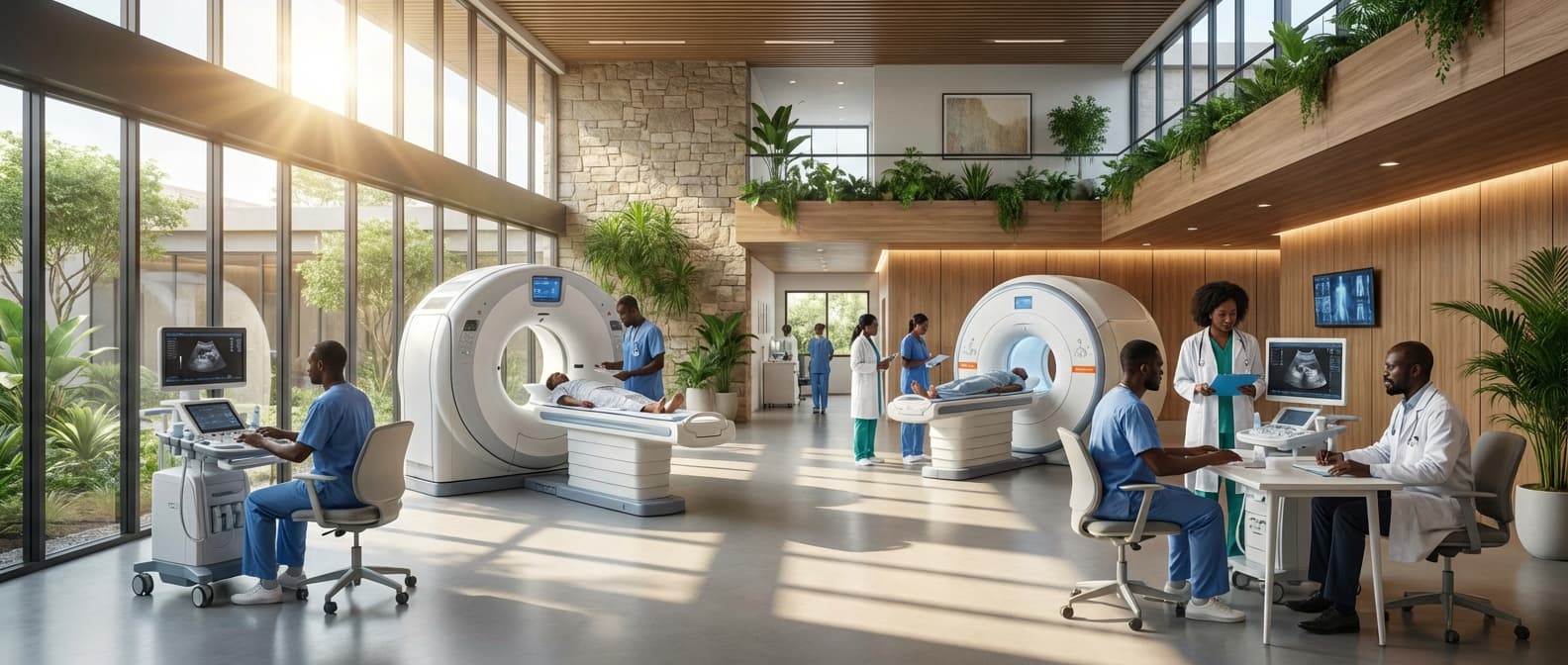
Endoscopy Solutions in Madagascar
Engineering Excellence & Technical Support
Advanced endoscopic equipment delivering superior visualization and diagnostic precision for minimally invasive procedures. High-standard technical execution following OEM protocols and local regulatory frameworks.
Mobile Endoscopy Units for Remote Access
Deploying fully equipped, mobile endoscopy units to remote villages across Madagascar, overcoming infrastructure limitations and bringing vital diagnostic services directly to underserved populations. These units feature portable, high-definition endoscopes and are staffed by trained medical personnel, enabling early detection and treatment of gastrointestinal and respiratory conditions.
Telemedicine-Enhanced Specialist Consultations
Integrating advanced telemedicine capabilities with our endoscopy solutions, allowing local Malagasy healthcare providers to connect with international specialists in real-time. This enables remote diagnosis and guidance for complex cases, leveraging global expertise to improve patient outcomes and build local diagnostic capacity, especially in areas with limited access to subspecialists.
Sustainable Training & Skill Development Programs
Implementing comprehensive training programs for Malagasy healthcare professionals in endoscopic procedures, equipment maintenance, and infection control. Utilizing a combination of hands-on simulation, remote learning modules, and on-site mentorship, we ensure the long-term sustainability of advanced endoscopic care and empower local medical teams to deliver high-quality services independently.
What Is Endoscopy Solutions In Madagascar?
Endoscopy Solutions in Madagascar refers to the provision of diagnostic and therapeutic medical procedures utilizing endoscopes, which are flexible or rigid tubes equipped with a light and camera, to visualize internal organs and cavities. These services are crucial for the accurate diagnosis and minimally invasive treatment of a wide range of gastrointestinal, respiratory, and urological conditions.
| Who Needs Endoscopy Solutions | Typical Use Cases |
|---|---|
| Individuals experiencing unexplained gastrointestinal symptoms such as abdominal pain, chronic diarrhea, constipation, nausea, vomiting, dysphagia (difficulty swallowing), heartburn, or blood in stool. | Diagnosis of gastrointestinal diseases including peptic ulcers, gastritis, esophagitis, celiac disease, inflammatory bowel disease (Crohn's disease, ulcerative colitis), polyps, and gastrointestinal cancers (esophageal, gastric, colorectal). |
| Patients with suspected or confirmed upper or lower gastrointestinal bleeding requiring identification of the bleeding source and potential therapeutic intervention. | Screening for colorectal cancer in asymptomatic individuals (e.g., colonoscopy for individuals over a certain age or with a family history of polyps/cancer). |
| Individuals with respiratory symptoms like chronic cough, hemoptysis (coughing up blood), or suspected lung infections. | Diagnosis of lung conditions such as pneumonia, bronchitis, tuberculosis, lung cancer, and foreign body aspiration (via bronchoscopy). |
| Patients with urological symptoms such as blood in urine (hematuria), recurrent urinary tract infections, or suspected bladder or kidney stones. | Investigation of urinary tract abnormalities, tumors, or stones (via cystoscopy or ureteroscopy). |
| Individuals with abnormal findings on imaging studies (e.g., suspicion of a mass or lesion) that require direct visualization and biopsy. | Therapeutic management of gastrointestinal bleeding, removal of polyps, dilation of esophageal or pyloric strictures, and management of other endoscopic interventions. |
| Patients requiring follow-up surveillance for pre-malignant or malignant conditions (e.g., post-polypectomy surveillance, monitoring of Barrett's esophagus). | Retrieval of foreign bodies from the digestive or respiratory tract. |
Key Components of Endoscopy Solutions
- Diagnostic Endoscopy: Procedures such as gastroscopy (esophagogastroduodenoscopy), colonoscopy, sigmoidoscopy, and bronchoscopy are employed to visually inspect the lining of the esophagus, stomach, duodenum, colon, rectum, and airways. Biopsies can be taken during these examinations for histopathological analysis.
- Therapeutic Endoscopy: This encompasses interventional procedures performed during endoscopy, including polyp removal (polypectomy), dilation of strictures, management of bleeding lesions (hemostasis), foreign body retrieval, and stenting of lumens.
- Advanced Endoscopic Techniques: Depending on the availability of specialized equipment and personnel, solutions may include endoscopic retrograde cholangiopancreatography (ERCP) for the diagnosis and treatment of biliary and pancreatic duct disorders, endoscopic ultrasound (EUS) for detailed imaging and fine-needle aspiration, and capsule endoscopy for small bowel visualization.
- Equipment and Infrastructure: This involves the availability of endoscopes (gastroscopes, colonoscopes, bronchoscopes, etc.), light sources, video processors, insufflators, suction pumps, retrieval devices, biopsy forceps, electrocautery units, and dedicated endoscopy suites with appropriate sterilization facilities.
- Trained Personnel: Endoscopy solutions necessitate the expertise of gastroenterologists, pulmonologists, urologists, and other relevant specialists, along with skilled endoscopy nurses and technicians trained in procedural assistance and instrument reprocessing.
- Quality Assurance and Safety Protocols: Implementing stringent infection control measures, including high-level disinfection and sterilization of endoscopic equipment, is paramount. Adherence to patient safety guidelines and procedural protocols is essential.
Who Needs Endoscopy Solutions In Madagascar?
This document outlines the primary beneficiaries and departments within Madagascar's healthcare system that would benefit from advanced endoscopy solutions. These solutions are crucial for improving diagnostic accuracy, treatment efficacy, and patient outcomes for a range of gastrointestinal and pulmonary conditions.
| Department | Key Needs & Applications | Patient Demographics |
|---|---|---|
| Gastroenterology | Upper endoscopy (EGD) for diagnosing and treating conditions like ulcers, reflux, gastritis, esophageal varices, and early detection of GI cancers (esophageal, gastric, duodenal). Colonoscopy for screening and diagnosis of colorectal cancer, inflammatory bowel disease (IBD), polyps, and diverticulitis. ERCP for diagnosing and treating bile duct and pancreatic duct issues. Endoscopic ultrasound (EUS) for detailed imaging and tissue sampling. | All age groups, with a higher incidence of GI issues in adults. Patients presenting with abdominal pain, bleeding, difficulty swallowing, chronic diarrhea, constipation, weight loss, and suspected GI malignancies. |
| Pulmonology | Bronchoscopy for diagnosing and treating lung conditions such as pneumonia, tuberculosis, lung cancer, hemoptysis, and foreign body aspiration. Therapeutic bronchoscopy for procedures like stent placement, airway clearing, and biopsies. Endobronchial ultrasound (EBUS) for lymph node staging and biopsies. | All age groups, particularly adults. Patients experiencing persistent cough, shortness of breath, chest pain, hemoptysis, and suspected respiratory infections or malignancies. |
| General Surgery | Endoscopic retrograde cholangiopancreatography (ERCP) for managing gallstones, strictures, and other biliary/pancreatic duct obstructions. Laparoscopic-assisted procedures where endoscopic visualization is beneficial. | Primarily adults, especially those with gallstone-related complications and other surgical indications requiring intervention in the biliary or pancreatic system. |
| Internal Medicine/General Practice | Referral point for patients with suspected GI or pulmonary issues. May utilize basic endoscopy for initial assessment or diagnostic confirmation. Training for general practitioners on recognizing symptoms requiring endoscopic evaluation. | Broad range of adult patients presenting with common ailments that may have underlying gastrointestinal or respiratory components. |
| Oncology/Cancer Centers | Essential for early cancer detection, staging (e.g., EUS, EBUS), treatment planning, and follow-up surveillance for GI and lung cancers. Minimally invasive therapeutic endoscopy to manage treatment-related complications. | Adults diagnosed with or at high risk for gastrointestinal and lung cancers. |
| Pediatrics | Pediatric flexible endoscopy for diagnosing and managing congenital anomalies, feeding difficulties, gastrointestinal bleeding, inflammatory conditions, and foreign body ingestion in children. | Infants, children, and adolescents with specific pediatric gastrointestinal and respiratory conditions. |
Target Customers and Departments for Endoscopy Solutions in Madagascar
- {"item":"Hospitals (Public and Private)","description":"Major healthcare facilities are the primary consumers of advanced endoscopy equipment. This includes both government-funded public hospitals and private medical centers catering to a diverse patient population."}
- {"item":"Specialized Clinics","description":"Clinics focusing on gastroenterology, pulmonology, and internal medicine will require dedicated endoscopy units for routine procedures and specialized interventions."}
- {"item":"Medical Training and Research Centers","description":"Institutions involved in training future healthcare professionals and conducting medical research will need state-of-the-art endoscopy systems to provide hands-on experience and support advanced studies."}
Endoscopy Solutions Process In Madagascar
The Endoscopy Solutions process in Madagascar, from initial inquiry to the final execution of services, follows a structured workflow designed to ensure efficient and effective delivery. This process typically involves several key stages, from understanding the client's needs to the successful completion and follow-up of the endoscopic procedure.
| Stage | Description | Key Activities | Responsible Parties | Potential Challenges |
|---|---|---|---|---|
| Inquiry and Initial Consultation | The process begins when a potential client (e.g., a hospital, clinic, or individual patient) expresses interest in endoscopy solutions. | Contacting the service provider, discussing general needs, understanding available services (types of endoscopy, equipment, expertise). | Client (Inquirer), Service Provider (Sales/Consultation Team) | Misunderstanding of service scope, difficulty in reaching the right contact person. |
| Needs Assessment and Quotation | A detailed understanding of the client's specific requirements is established. | Site assessment (if applicable), detailed discussion of required equipment, personnel, consumables, duration, and specific procedures. Formulation of a tailored quotation. | Service Provider (Technical Team, Sales), Client (Decision Maker, Technical Staff) | Inaccurate needs assessment, fluctuating market prices for equipment/consumables, delays in client decision-making. |
| Appointment Scheduling and Preparation | Once the quotation is accepted, the logistics for the procedure are arranged. | Confirming dates and times, site preparation (ensuring adequate space, power, water, waste disposal), pre-procedure patient screening (if applicable), delivery of equipment and consumables. | Service Provider (Logistics, Technical Team), Client (Administrative Staff, Medical Staff) | Logistical delays (transport, customs), inadequate site preparation by the client, last-minute patient cancellations or contraindications. |
| Procedure Execution | The core of the service, where the endoscopic procedures are performed. | Setting up equipment, patient preparation, performing the endoscopic procedure(s) by qualified personnel, immediate post-procedure monitoring. | Service Provider (Endoscopist, Nurses, Technicians), Client (Medical Staff, Patient) | Equipment malfunction, unforeseen complications during the procedure, patient intolerance, emergency situations. |
| Post-Procedure Care and Reporting | Ensuring the patient's recovery and documenting the procedure's outcome. | Patient recovery monitoring, immediate post-procedure instructions, sample handling and analysis (if applicable), generation of detailed procedure reports, debriefing with client medical staff. | Service Provider (Medical Staff, Reporting Team), Client (Medical Staff) | Delays in reporting, misinterpretation of findings, inadequate follow-up care by the client facility. |
| Follow-up and Billing | Concluding the service contract and settling financial matters. | Invoicing for services rendered, collection of payment, follow-up consultations (if part of the agreement), equipment return/decommissioning (if rented). | Service Provider (Finance Department, Sales Team), Client (Finance Department) | Payment disputes, delayed payments, unresolved technical issues post-service, contractual disagreements. |
Endoscopy Solutions Workflow in Madagascar
- Inquiry and Initial Consultation
- Needs Assessment and Quotation
- Appointment Scheduling and Preparation
- Procedure Execution
- Post-Procedure Care and Reporting
- Follow-up and Billing
Endoscopy Solutions Cost In Madagascar
Endoscopy procedures in Madagascar, like elsewhere, are subject to a range of costs influenced by several factors. The most significant determinants include the type of endoscopy performed (e.g., gastroscopy, colonoscopy, bronchoscopy), the specific clinic or hospital where the procedure takes place, and the expertise of the medical professional. Generally, private clinics tend to have higher prices than public hospitals due to overheads and potentially more specialized equipment. The need for sedation or general anesthesia also adds to the overall cost. Additionally, if biopsies are taken or minor therapeutic interventions are performed during the endoscopy, these will incur additional charges. While specific, up-to-the-minute pricing is difficult to ascertain without direct consultation, general ranges can be estimated based on reported costs for medical services in Madagascar.
| Procedure Type | Estimated Price Range (MGA - Malagasy Ariary) |
|---|---|
| Gastroscopy (Upper Endoscopy) | 150,000 - 400,000 MGA |
| Colonoscopy (Lower Endoscopy) | 200,000 - 500,000 MGA |
| Bronchoscopy | 250,000 - 600,000 MGA |
| Additional Charges (Biopsy, etc.) | 50,000 - 150,000 MGA per sample |
| Anesthesia Fees (if applicable) | 50,000 - 200,000 MGA |
Key Cost-Influencing Factors for Endoscopy in Madagascar
- Type of Endoscopy (Gastroscopy, Colonoscopy, Bronchoscopy, etc.)
- Facility Type (Public Hospital vs. Private Clinic)
- Medical Professional's Fees
- Anesthesia (Sedation or General)
- Biopsy and Histopathology Costs
- Therapeutic Interventions (e.g., polyp removal, stenting)
Affordable Endoscopy Solutions Options
Navigating the costs of medical procedures, especially specialized ones like endoscopy, can be a significant concern for patients. Fortunately, various affordable endoscopy solutions and cost-saving strategies are available to make these essential diagnostic and therapeutic procedures more accessible. Understanding these options, including value bundles and strategic approaches, can empower individuals to make informed decisions about their healthcare.
| Strategy/Option | Description | Potential Cost Savings |
|---|---|---|
| Value Bundles | These packages often combine the procedure itself with pre-operative consultations, post-operative care, and sometimes even anesthesia fees into a single, transparent price. This can eliminate surprise bills and offer a predictable expense. | Reduced overall cost compared to à la carte pricing; easier budgeting. |
| Outpatient Surgery Centers | Performing endoscopies in accredited outpatient centers, rather than hospitals, can be significantly less expensive due to lower overhead costs. | Up to 30-50% less than hospital-based procedures. |
| Negotiated Cash Prices | For uninsured individuals or those with high deductibles, many facilities offer discounted 'cash pay' prices for procedures if paid upfront. | Significant discounts, often 30% or more. |
| Health Savings Accounts (HSAs) / Flexible Spending Accounts (FSAs) | Utilizing pre-tax dollars saved in these accounts for medical expenses, including endoscopies, reduces the net cost. | Tax savings on procedure costs. |
| Insurance Negotiation/Appeals | If an insurance claim is denied or underpaid, patients can appeal. Understanding your policy and actively engaging with your insurer can lead to better coverage. | Potential reduction in out-of-pocket expenses. |
| Bundled Payment Programs (from Insurers) | Some insurance plans are starting to offer bundled payments for specific procedures, encouraging providers to manage costs effectively while maintaining quality. | Predictable co-pays and deductibles. |
| Medical Tourism (for specific cases) | In some instances, traveling to another region or country with lower healthcare costs for a procedure might be a viable, though complex, option. | Can offer substantial savings, but requires careful research and consideration of travel and follow-up care. |
| Referral to Federally Qualified Health Centers (FQHCs) | These centers provide comprehensive primary care services, including some diagnostic procedures, on a sliding fee scale based on income. | Significantly reduced costs for eligible individuals. |
Affordable Endoscopy Solutions & Cost-Saving Strategies
- Understanding Value Bundles
- Exploring Alternative Care Settings
- Leveraging Insurance and Financial Assistance
- Proactive Health Management
- Considering Generic Medications and Supplies
- Seeking Second Opinions (when appropriate)
Verified Providers In Madagascar
In Madagascar's evolving healthcare landscape, identifying reliable and qualified medical professionals is paramount for ensuring quality care. 'Verified Providers' signifies a rigorous vetting process that guarantees practitioners meet high standards of expertise, ethical conduct, and continuous professional development. Among these, Franance Health credentials stand out as a mark of excellence. These credentials are not merely a title, but a testament to a provider's commitment to patient well-being, backed by comprehensive training, adherence to international best practices, and a proven track record. Choosing a provider with Franance Health credentials translates to access to the most competent and trustworthy healthcare professionals available in Madagascar, offering peace of mind and superior health outcomes.
| Credential Aspect | Franance Health Standard | Benefit to Patient |
|---|---|---|
| Educational Attainment | Requires accredited medical degrees and specialized training. | Ensures a strong foundational knowledge and expertise in their field. |
| Clinical Experience | Mandates a minimum number of years of practical experience. | Guarantees hands-on skill and familiarity with common and complex cases. |
| Professional Ethics | Includes a stringent code of conduct and peer review. | Promotes trust, respect, and a patient-first approach in all interactions. |
| Specialty Certification | Requires specific certifications for specialized medical areas. | Confirms advanced proficiency and up-to-date knowledge in a particular medical discipline. |
| Continuous Learning | Mandatory participation in ongoing training and workshops. | Ensures providers offer the most current and effective treatment options. |
Why Franance Health Credentials Represent the Best Choice:
- Rigorous Verification Process: Franance Health credentials are awarded after a thorough evaluation of a provider's educational background, clinical experience, and professional references.
- Commitment to Continuing Education: Holders are mandated to engage in ongoing professional development, ensuring they remain at the forefront of medical advancements and techniques.
- Adherence to Ethical Standards: Franance Health emphasizes a strong commitment to patient confidentiality, informed consent, and a patient-centered approach.
- International Recognition: These credentials often align with international benchmarks, making them a trusted indicator of quality care recognized globally.
- Enhanced Patient Trust: The 'Verified Provider' status, especially with Franance Health credentials, builds significant trust and confidence for patients seeking medical assistance.
Scope Of Work For Endoscopy Solutions
This Scope of Work (SOW) outlines the technical deliverables and standard specifications for the implementation and integration of Endoscopy Solutions. The objective is to provide advanced diagnostic and therapeutic capabilities through state-of-the-art endoscopic equipment and associated software systems.
| Deliverable Category | Specific Deliverable | Description | Standard Specifications/Requirements |
|---|---|---|---|
| Endoscopic Equipment | Video Gastroscope | High-definition (HD) or 4K resolution flexible endoscope for upper GI examinations. | Minimum 1080p resolution, Field of View (FOV) >= 150 degrees, Working channel diameter >= 2.8mm, High-intensity LED illumination, Water jet, Suction, Biopsy channel, Angulation range (Up/Down, Right/Left) >= 210/100, 140/140 degrees respectively. |
| Endoscopic Equipment | Video Colonoscope | HD or 4K resolution flexible endoscope for lower GI examinations. | Minimum 1080p resolution, FOV >= 170 degrees, Working channel diameter >= 3.2mm, High-intensity LED illumination, Water jet, Suction, Biopsy channel, Angulation range (Up/Down, Right/Left) >= 180/160, 160/160 degrees respectively. Compatibility with narrow band imaging (NBI). |
| Endoscopic Equipment | Endoscopic Video Processor | Central unit for image processing, illumination control, and data management for endoscopes. | HD or 4K video output, Compatible with multiple endoscope types, Integrated light source (LED or Xenon), Recording capabilities (still image and video), USB and network connectivity, User-friendly interface. |
| Endoscopic Equipment | Endoscopic Light Source | Illumination unit for endoscopes. | High-intensity LED or Xenon lamp, Adjustable brightness control, Stable and consistent illumination, Long lifespan bulb, Integrated with video processor or standalone. |
| Endoscopic Equipment | Medical Monitor | High-definition display for visualizing endoscopic images. | Minimum 24-inch diagonal screen size, Full HD (1920x1080) or 4K resolution, High contrast ratio and brightness, Wide viewing angle, DICOM compliance for medical imaging. |
| Endoscopic Equipment | Insufflator | Device for introducing CO2 or air into the GI tract during procedures. | Programmable flow rate and pressure, CO2 insufflation capability, Safety features to prevent over-insufflation, Compatible with various procedure types. |
| Endoscopic Equipment | Irrigation Pump | Device for washing the lens of the endoscope during procedures. | Adjustable flow rate, Reliable operation, Easy to connect and disconnect from endoscope. |
| Endoscopic Equipment | Endoscopic Cart | Mobile unit to house and transport endoscopic equipment. | Stable and maneuverable design, Sufficient space for all components, Integrated power outlets and cable management, Lockable compartments for security. |
| Endoscopic Equipment | Electrosurgical Unit (ESU) | Device for cutting and coagulation using electrical current. | Multiple output modes (cut, coagulation, blend), Safety features (e.g., REM), Power output adjustable, Compatible with various accessories. |
| Endoscopic Equipment | Endoscopic Accessories | Biopsy forceps, snares, injection needles, retrieval baskets, etc. | Sterilizable, High-quality materials, Wide range of sizes and types for various procedures, Single-use or reusable options as per protocol. |
| Software and Integration | Endoscopic Imaging Software | Software for capturing, managing, and reviewing endoscopic images and videos. | User-friendly interface, Integration with ESU and video processor, DICOM export capability, Basic annotation and measurement tools, HL7 integration support. |
| Software and Integration | HIS/PACS Integration Module | Interface for seamless data exchange with hospital systems. | Adherence to DICOM and HL7 standards, Secure data transmission, Bi-directional communication (demographics, results), Workflow integration. |
| Software and Integration | Endoscopy Report Generator | Tool for creating standardized endoscopic procedure reports. | Template-based reporting, Ability to incorporate images and measurements, Integration with imaging software and EMR, Customizable fields. |
| Training and Support | User Training Program | Comprehensive training for physicians, nurses, and technicians. | On-site training, Classroom sessions, Simulation exercises, Competency assessments, Refresher training as needed. |
| Training and Support | Technical Support and Maintenance | Ongoing technical assistance and equipment maintenance. | 24/7 emergency support hotline, On-site technical visits, Preventive maintenance schedule, Prompt repair services, Availability of spare parts. |
| Safety and Sterilization | Sterilization Guidelines and Equipment | Protocols and necessary equipment for endoscope reprocessing. | Compliance with local and international guidelines (e.g., AAMI, GI Endoscope Reprocessing Guidelines), Availability of high-level disinfection (<bos>) or sterilization equipment, Training on reprocessing procedures. |
Key Objectives of Endoscopy Solutions
- Enhance diagnostic accuracy for gastrointestinal and other relevant organ systems.
- Improve therapeutic intervention capabilities for minimally invasive procedures.
- Streamline workflow for endoscopists and support staff.
- Ensure seamless integration with existing hospital information systems (HIS) and Picture Archiving and Communication Systems (PACS).
- Provide comprehensive training and support for all users.
- Maintain high standards of patient safety and infection control.
Service Level Agreement For Endoscopy Solutions
This Service Level Agreement (SLA) outlines the guaranteed response times and uptime for Endoscopy Solutions' services. It is designed to ensure our clients receive reliable and timely support, minimizing disruptions to their critical operations. This SLA applies to all contracted services for Endoscopy Solutions' hardware, software, and associated support.
| Service Component | Uptime Guarantee | Response Time (Business Hours) | Target Resolution Time (Business Hours) | ||
|---|---|---|---|---|---|
| Endoscopy Imaging System (Hardware & Core Software) | 99.8% | 1 Hour (Critical) | 4-8 Hours (Critical) | 2 Business Days (Major) | 5 Business Days (Minor) |
| Endoscopy Data Management Software (EMR Integration, Reporting) | 99.5% | 2 Hours (Critical) | 8-12 Hours (Critical) | 3 Business Days (Major) | 7 Business Days (Minor) |
| Remote Support & Troubleshooting | N/A (covered by response/resolution) | 1 Hour (all issues) | N/A (dependent on issue severity and type) |
Key Service Definitions
- Uptime: The percentage of time the Endoscopy Solutions system is operational and accessible for use. Scheduled maintenance is excluded from uptime calculations.
- Response Time: The maximum time allowed for Endoscopy Solutions support to acknowledge and begin working on a reported issue.
- Resolution Time: The maximum time allowed to fully resolve a reported issue. This is dependent on the severity of the issue and may require client collaboration.
- Downtime: Any period during which the Endoscopy Solutions system is not operational or accessible. This includes scheduled and unscheduled downtime.
- Critical Issue: A system-wide failure or a major functional defect that significantly impacts the core functionality of the endoscopy system and prevents its primary use.
- Major Issue: A significant functional defect that impairs a primary feature of the endoscopy system but does not prevent its overall operation.
- Minor Issue: A non-critical defect or performance degradation that does not significantly impact system functionality or usability.
Frequently Asked Questions

Ready when you are
Let's scope your Endoscopy Solutions in Madagascar project in Madagascar.

Scaling healthcare logistics and technical systems across the entire continent.