
Life Support & Consumables in Madagascar
Engineering Excellence & Technical Support
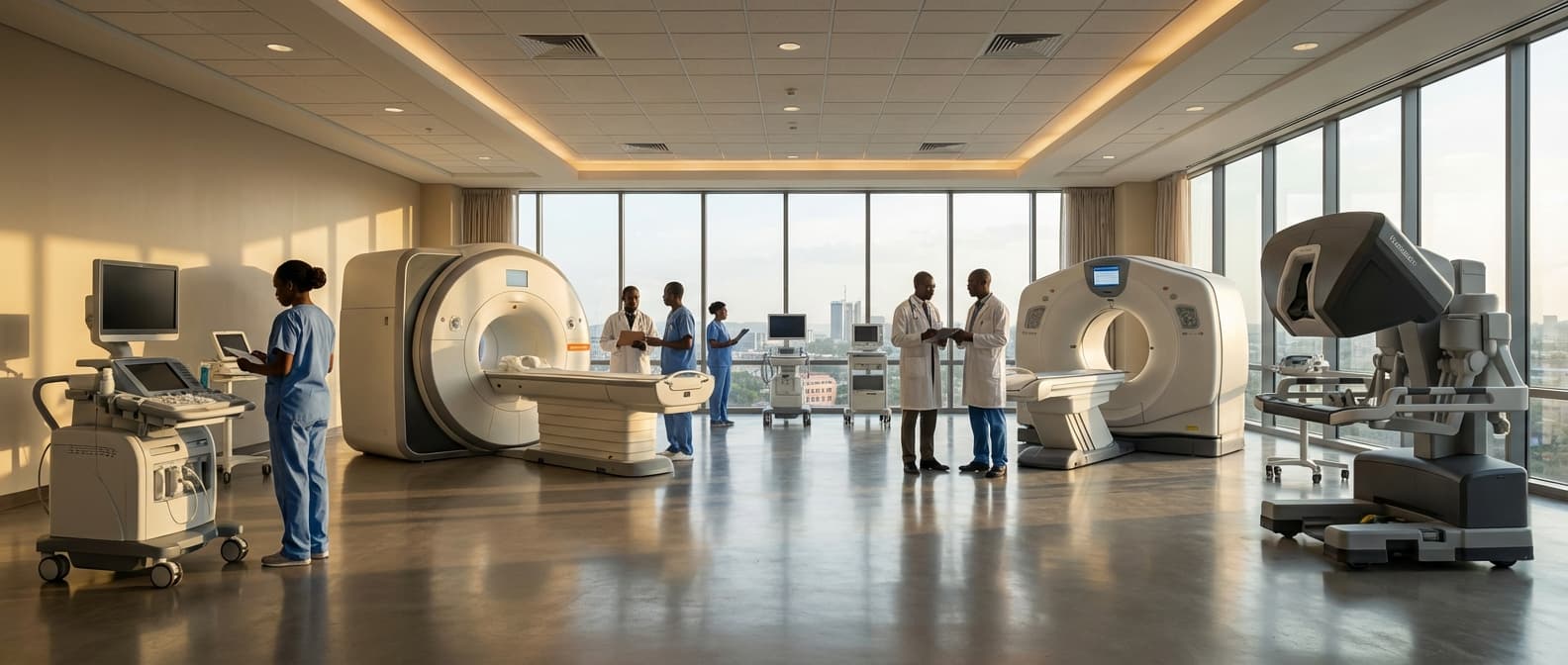
Reliable supply of essential medical consumables and life support equipment ensuring uninterrupted, quality patient care delivery. High-standard technical execution following OEM protocols and local regulatory frameworks.
Ensuring Clean Water Access
Deployment of advanced water purification units and rapid distribution of essential water treatment chemicals to remote communities, significantly reducing waterborne disease incidence.
Stockpile Management for Critical Medical Supplies
Establishing and maintaining strategic stockpiles of life-saving medications, vaccines, and medical consumables, ensuring immediate availability during public health emergencies and seasonal disease outbreaks.
Emergency Shelter and Nutrition Kits
Efficient procurement and delivery of emergency shelter materials and nutrient-rich food kits to populations affected by natural disasters, preventing malnutrition and providing immediate humanitarian relief.
What Is Life Support & Consumables In Madagascar?
Life Support & Consumables in Madagascar refers to the provision of essential resources and services required to sustain human life and operational capabilities in environments characterized by limited or absent natural resources, compromised infrastructure, or ongoing critical situations. This encompasses a broad spectrum of goods and services, ranging from medical supplies and food to power generation and waste management. The objective is to ensure the well-being and functional continuity of individuals and organizations operating within challenging contexts. The need for such services is dictated by the inherent vulnerabilities of the operating environment, exacerbated by factors such as geographic isolation, natural disasters, political instability, or the requirements of specialized operations.
| Service Category | Who Needs It | Typical Use Cases in Madagascar |
|---|---|---|
| Medical Support | Healthcare providers, humanitarian organizations, remote research teams, disaster relief operations. | Outbreak response (e.g., cholera, malaria), remote medical clinics in underserved regions, post-cyclone emergency medical aid, support for international development projects. |
| Food and Water | Humanitarian organizations, remote communities, emergency response teams, long-term infrastructure projects. | Drought relief efforts, support for displaced populations due to natural disasters, provision of clean water in areas with contaminated sources, catering for large-scale construction projects in remote locations. |
| Shelter and Accommodation | Disaster-affected populations, humanitarian missions, temporary workforce housing for development projects. | Post-cyclone or flood reconstruction efforts, establishment of temporary camps for internally displaced persons, housing for expatriate workers on isolated project sites. |
| Power Generation and Distribution | Hospitals and health centers in off-grid locations, remote research stations, development project sites, critical infrastructure. | Ensuring continuous operation of health facilities in rural areas, powering scientific research outposts, providing electricity for mining or agricultural processing facilities in remote zones, supporting emergency communication hubs. |
| Sanitation and Waste Management | All organizations and communities operating in areas with inadequate municipal services, humanitarian camps, public health initiatives. | Preventing disease transmission in refugee or displacement camps, maintaining hygiene standards at remote work sites, supporting public health programs in areas lacking formal sanitation infrastructure. |
| Communication Systems | Remote operational bases, emergency response coordination centers, security forces, research expeditions. | Enabling coordination of disaster relief efforts, facilitating communication for remote conservation projects, supporting security operations in vast or isolated territories, connecting research teams in the field. |
| Transportation and Logistics | Humanitarian aid delivery, resource extraction industries, government agencies, infrastructure development. | Delivering food and medical supplies to inaccessible areas, transporting equipment and personnel for mining or energy projects, supporting the movement of supplies for large-scale agricultural initiatives, facilitating emergency evacuation. |
| Security Services | International organizations, expatriate personnel, valuable asset protection in high-risk areas. | Protecting aid convoys, ensuring the safety of personnel at remote project sites, providing security for diplomatic missions, safeguarding critical infrastructure. |
| Operational Supplies | Research institutions, industrial operations, construction projects, non-governmental organizations. | Supplying fuel for vehicles and generators at remote research sites, providing spare parts for essential machinery in isolated facilities, equipping field teams for environmental surveys, procuring materials for construction in areas with limited local availability. |
Key Components of Life Support & Consumables in Madagascar
- Medical Support: Includes pharmaceuticals, medical equipment, trained personnel, and emergency medical services.
- Food and Water: Provision of safe, potable water and nutritionally adequate food supplies, often requiring specialized logistics and storage.
- Shelter and Accommodation: Temporary or semi-permanent housing solutions, including tents, prefabricated structures, and associated amenities.
- Power Generation and Distribution: Installation and maintenance of generators, fuel supply, and electrical distribution systems.
- Sanitation and Waste Management: Systems for sewage disposal, waste collection, and environmental hygiene to prevent disease outbreaks.
- Communication Systems: Installation and maintenance of reliable communication infrastructure, including satellite phones and internet services.
- Transportation and Logistics: Movement of personnel and materiel, including vehicles, fuel, and warehousing.
- Security Services: Personnel and systems to ensure the safety and security of individuals and assets.
- Operational Supplies: Consumables and equipment necessary for specific mission objectives, such as fuel for vehicles, spare parts, and tools.
Who Needs Life Support & Consumables In Madagascar?
This document outlines the target customers and departments for the supply of life support and consumables in Madagascar. The focus is on identifying entities and organizational units that have a consistent and critical need for these types of products due to their operational requirements, disaster response mandates, or public health responsibilities.
| Customer/Department | Description of Need | Specific Examples of Life Support & Consumables |
|---|---|---|
| Ministry of Public Health | Ensuring the availability of essential medical supplies for public health facilities, vaccination campaigns, and disease control programs across the nation. | Vaccines, syringes, IV fluids, antibiotics, diagnostic kits, personal protective equipment (PPE), surgical supplies, bandages, oxygen. |
| Ministry of Interior and Decentralization (Disaster Management Unit) | Providing immediate relief and ongoing support to populations affected by natural disasters (cyclones, floods, droughts) and other emergencies. | Emergency shelter materials, water purification tablets, basic first-aid kits, sanitation supplies, non-perishable food items, basic medical equipment. |
| Ministry of Agriculture and Livestock | Supporting agricultural and livestock health initiatives, disease outbreak prevention and control, and food security programs. | Veterinary medicines, vaccines for livestock, pesticides (regulated), fertilizers, animal feed supplements, basic laboratory consumables. |
| National Malaria Control Program (within Ministry of Health) | Implementing malaria prevention and treatment strategies, including distribution of treated nets and antimalarial drugs. | Insecticide-treated nets (ITNs), antimalarial drugs (e.g., ACTs), rapid diagnostic tests (RDTs), spray cans for indoor residual spraying (IRS). |
| Public Hospitals and Health Centers | Day-to-day provision of healthcare services, surgeries, treatments, and emergency care to the general population. | All categories of medical supplies including pharmaceuticals, disposable medical devices, laboratory reagents, sterilization supplies, anesthetic agents. |
| Maternity Wards and Neonatal Units | Specialized care for pregnant women, newborns, and premature infants. | Maternity kits, neonatal incubators, vital signs monitors, specialized infant formulas, umbilical cord clamps, sterile gloves. |
| International NGOs (e.g., MSF, Red Cross, UNICEF) | Implementing health, humanitarian, and development projects, often in remote or underserved areas, and responding to emergencies. | Wide range of medical supplies, emergency relief items, sanitation and hygiene kits, nutritional supplements, educational materials on health. |
| United Nations Agencies (e.g., WHO, WFP, UNHCR) | Coordinating international response, providing technical assistance, food aid, and essential supplies for refugees and vulnerable populations. | Medical kits for emergency response, therapeutic foods, water and sanitation supplies, specialized medical equipment for public health initiatives. |
| National Disaster Management Office (BNGRC) | Coordinating and managing disaster preparedness, response, and recovery efforts. | Emergency medical supplies, shelter kits, food and water rations, basic hygiene kits, communication equipment. |
| Fire and Rescue Services | Responding to fires, accidents, and other emergencies requiring specialized equipment and consumables. | First-aid supplies, specialized cleaning agents, protective gear, basic medical supplies for initial response. |
| University Medical Faculties and Research Laboratories | Conducting medical research, training future healthcare professionals, and diagnostic services. | Laboratory reagents, culture media, microscopy supplies, specialized chemicals, safety equipment, research consumables. |
| National Institute of Public Hygiene | Disease surveillance, laboratory testing, and public health research. | Diagnostic kits, reagents, culture media, specialized laboratory equipment and consumables, safety equipment. |
Target Customers & Departments for Life Support & Consumables in Madagascar
- Government Ministries and Agencies
- Healthcare Sector
- Non-Governmental Organizations (NGOs)
- International Organizations
- Emergency Services and Disaster Management
- Research and Development Institutions
- Educational Institutions (Medical & Scientific)
Life Support & Consumables Process In Madagascar
The Life Support & Consumables process in Madagascar outlines the steps involved in procuring and managing essential supplies for ongoing operations. This workflow begins with an inquiry or a recognized need for specific items and concludes with their successful deployment and utilization. The process is designed to ensure timely availability of critical resources, maintain operational continuity, and manage inventory effectively within the Madagascan context, which may involve specific logistical challenges and procurement regulations.
| Step | Description | Key Considerations (Madagascar) | Responsible Party/Department |
|---|---|---|---|
| Inquiry & Needs Assessment | Identifying the requirement for life support or consumable items, either through proactive planning or reactive demand. | Understanding local availability, seasonal demands, and potential supply chain disruptions. | Operational Units, Project Management |
| Procurement Request Generation | Formalizing the need into a documented procurement request, detailing specifications, quantity, and urgency. | Adhering to organizational procurement policies and budget allocations. | Requesting Department, Finance |
| Supplier Identification & Vetting | Identifying potential suppliers, both local and international, and assessing their reliability, capacity, and compliance. | Prioritizing local suppliers where feasible, understanding import regulations, and conducting due diligence on foreign suppliers. | Procurement Department, Legal |
| Quotation & Proposal Evaluation | Obtaining and comparing quotations or proposals from identified suppliers based on price, quality, delivery timelines, and terms. | Considering import duties, taxes, and potential currency fluctuations affecting costs. | Procurement Department, Technical Review Team |
| Purchase Order Issuance | Formally authorizing the purchase by issuing a Purchase Order (PO) to the selected supplier. | Ensuring PO details accurately reflect agreed terms and comply with local contract laws. | Procurement Department, Finance |
| Logistics & Transportation Planning | Arranging the safe and efficient transportation of goods from the supplier to the point of use in Madagascar. | Navigating challenging road networks, port infrastructure, and potential security risks; utilizing air freight for urgent items. | Logistics Department, Freight Forwarder |
| Customs Clearance & Importation | Completing all necessary documentation and procedures to clear goods through Malagasy customs. | Understanding specific import permits, tariffs, and clearance processes which can be time-consuming. | Logistics Department, Customs Broker |
| Receipt & Quality Control | Receiving the consignment, verifying its contents against the PO, and conducting quality checks. | Ensuring goods match specifications and are not damaged during transit. Documenting any discrepancies. | Warehouse/Inventory Management, Quality Assurance |
| Inventory Management & Storage | Storing the received consumables in appropriate conditions to maintain their integrity and accessibility. | Managing shelf life for perishable items, implementing FIFO (First-In, First-Out) principles, and ensuring secure storage. | Warehouse/Inventory Management |
| Distribution & Deployment | Allocating and distributing consumables to the relevant operational units or end-users as needed. | Coordinating delivery to remote or hard-to-reach locations. | Warehouse/Inventory Management, Operational Units |
| Usage Tracking & Reporting | Monitoring the consumption of life support and consumables to maintain accurate inventory levels and identify trends. | Utilizing inventory management systems to track depletion rates and forecast future needs. | Warehouse/Inventory Management, Finance |
| Re-order Point Trigger & Replenishment | Initiating the procurement process again when inventory levels fall below a pre-defined re-order point. | Ensuring proactive replenishment to avoid stock-outs and maintain operational continuity. | Warehouse/Inventory Management, Procurement Department |
Life Support & Consumables Process Workflow
- Inquiry & Needs Assessment
- Procurement Request Generation
- Supplier Identification & Vetting
- Quotation & Proposal Evaluation
- Purchase Order Issuance
- Logistics & Transportation Planning
- Customs Clearance & Importation
- Receipt & Quality Control
- Inventory Management & Storage
- Distribution & Deployment
- Usage Tracking & Reporting
- Re-order Point Trigger & Replenishment
Life Support & Consumables Cost In Madagascar
Life support and consumables are critical for various sectors in Madagascar, including healthcare, agriculture, and disaster relief. The pricing of these items is influenced by a complex interplay of local and international factors, leading to significant price variations across different regions and suppliers. Understanding these pricing dynamics is essential for effective budgeting and resource allocation.
| Category | Typical Unit | Estimated Price Range (MGA) | Notes |
|---|---|---|---|
| Basic Pharmaceuticals (e.g., paracetamol, antibiotics) | Tablet/Capsule | 500 - 5,000 MGA | Prices vary significantly by brand, dosage, and pharmacy. |
| Sterile Syringes & Needles | Unit | 200 - 1,000 MGA | Bulk purchases can offer lower per-unit costs. |
| IV Fluids (e.g., Saline) | Bag (500ml) | 3,000 - 8,000 MGA | Availability can be inconsistent in remote areas. |
| Basic Wound Dressing (e.g., gauze, bandages) | Pack/Roll | 500 - 3,000 MGA | Depends on size and quantity. |
| Malaria Treatment Kits | Kit | 10,000 - 30,000 MGA | Often subsidized in public health facilities. |
| Agricultural Fertilizers (e.g., Urea) | Kilogram | 2,000 - 5,000 MGA | Subject to significant seasonal price variations and import costs. |
| Water Purification Tablets | Strip (e.g., 10 tablets) | 1,500 - 4,000 MGA | Essential for disaster relief and remote communities. |
| Emergency Food Rations (e.g., high-energy biscuits) | Unit/Pack | 5,000 - 15,000 MGA | Primarily used by NGOs and for disaster relief. |
| Gloves (disposable, box) | Box (100 pcs) | 15,000 - 40,000 MGA | Medical grade and industrial variations exist. |
| Masks (surgical, box) | Box (50 pcs) | 10,000 - 30,000 MGA | Prices surged during the pandemic and may fluctuate based on demand. |
Key Pricing Factors for Life Support & Consumables in Madagascar
- Importation Costs: A substantial portion of life support and consumables are imported. This includes raw materials for pharmaceuticals, medical equipment, and specialized agricultural inputs. Import duties, taxes, transportation from ports (mainly Toamasina), and currency exchange rates heavily influence landed costs.
- Local Production & Supply Chain: The availability and cost of locally sourced materials and manufactured goods play a role. Inefficient supply chains, limited production capacity, and reliance on intermediaries can drive up prices.
- Geographical Accessibility & Logistics: Madagascar's vast size and challenging terrain, particularly in rural and remote areas, create significant logistical hurdles. Transportation costs (fuel, vehicle maintenance, road conditions) are a major contributor to the final price, especially for distribution to underserved regions.
- Market Demand & Availability: High demand for essential items, especially during health crises or natural disasters, can lead to price surges. Conversely, oversupply or low demand can result in lower prices, though this is less common for critical life support items.
- Regulatory Environment: Government policies, including price controls on certain essential medicines, subsidies, and import/export regulations, can impact pricing. Bureaucratic processes and potential for corruption can also add to costs.
- Quality & Brand Reputation: Premium or specialized products, often imported from established international brands, generally command higher prices than generic or locally produced alternatives.
- Currency Fluctuations: The Malagasy Ariary (MGA) is subject to fluctuations against major international currencies (USD, EUR). A weaker Ariary makes imported goods more expensive.
- Seasonality & Weather Events: For agricultural consumables, seasonal availability and the impact of cyclones, droughts, or floods can drastically affect prices and supply.
Affordable Life Support & Consumables Options
Navigating the costs associated with life support equipment and essential consumables can be a significant challenge, especially for individuals and organizations facing budget constraints. This guide explores affordable options, focusing on the value offered by bundles and effective cost-saving strategies. Understanding these approaches can lead to substantial financial relief while ensuring the continued availability of necessary supplies.
| Product/Service Category | Affordable Options/Strategies | Potential Savings | Considerations |
|---|---|---|---|
| Ventilator Consumables (e.g., circuits, filters, masks) | Value Bundles (e.g., monthly kits, annual supply packs) | 10-20% off individual pricing | Ensure compatibility with your specific ventilator model. Check expiration dates for bulk purchases. |
| Oxygen Concentrators/Supplies | Lease-to-own programs, refurbished units, bulk oxygen tank refills | Significant reduction in upfront cost, predictable monthly expenses | Understand maintenance responsibilities. Verify certifications for refurbished units. Assess your oxygen needs accurately. |
| Feeding Tubes & Enteral Nutrition | Bulk purchasing of formula, subscription services for tubes and supplies | 5-15% savings on formula, reduced delivery costs | Confirm dietary requirements are met. Check for insurance coverage or assistance programs. |
| Wound Care Supplies | Value packs of dressings, generic alternatives, online bulk retailers | Up to 25% off branded items | Consult with healthcare professionals on product suitability. Ensure sterile packaging. |
| Home Dialysis Supplies | Bundled kits from manufacturers, negotiated contracts with suppliers | Variable, but can be substantial for ongoing needs | Strict adherence to protocols is vital. Confirm insurance coverage and any required training. |
| Medication Delivery Systems (e.g., IV pumps, infusion sets) | Leasing options, bundled starter kits, refurbished pumps | Lower initial investment, predictable service costs | Thoroughly vet leasing companies. Ensure proper calibration and maintenance. |
Understanding Value Bundles and Cost-Saving Strategies
- Value Bundles: These packages offer a combination of related products or services at a reduced price compared to purchasing them individually. Bundles are designed to provide comprehensive solutions and eliminate the need for multiple, separate purchases.
- Key Benefits of Value Bundles:
- Cost Savings: The primary advantage is a lower overall cost.
- Convenience: Simplifies procurement by providing multiple items in one transaction.
- Completeness: Ensures all necessary components for a specific need are readily available.
- Predictability: Helps in budgeting by offering a fixed price for a set of items.
- Cost-Saving Strategies: These are proactive measures and smart purchasing habits that reduce expenditure over time.
- Bulk Purchasing: Buying larger quantities of consumables often leads to a lower per-unit cost.
- Subscription Services: For regularly used consumables, subscriptions can offer discounts and ensure timely delivery.
- Comparing Suppliers: Actively seeking out and comparing prices from different manufacturers and distributors is crucial.
- Negotiation: For larger orders or long-term contracts, negotiating prices can yield significant savings.
- Rebates and Promotions: Keeping an eye out for manufacturer rebates, seasonal sales, and promotional offers.
- Generic vs. Brand Name: Evaluating whether generic or store-brand consumables meet quality standards at a lower price point.
- Inventory Management: Efficiently managing inventory to avoid overstocking and waste of perishable items.
- Long-Term Lease Agreements: For expensive equipment, leasing might be more cost-effective than outright purchase, especially with maintenance included.
- Refurbished Equipment: Considering certified refurbished life support equipment can offer substantial savings with a warranty.
- Exploring Assistance Programs: Investigating government programs, non-profit organizations, or manufacturer assistance programs for financial aid.
Verified Providers In Madagascar
When seeking healthcare services in Madagascar, particularly those involving specialized medical treatments or diagnostics, ensuring the credibility and competence of the providers is paramount. Franance Health stands out as a beacon of trust and excellence in this regard. Their rigorous credentialing process and commitment to quality assurance mean that when you choose a Franance Health-verified provider, you are opting for the highest standards of medical care, ethical practice, and patient safety. This verification signifies that these professionals have met stringent requirements, possess the necessary qualifications, and adhere to best practices, offering you peace of mind and confidence in your healthcare journey.
| Provider Type | Key Franance Health Verification Criteria | Benefits to Patients |
|---|---|---|
| General Practitioners | Valid Medical License, Board Certification (if applicable), Proof of Continuing Medical Education | Reliable initial diagnosis and ongoing primary care, trusted referrals. |
| Specialist Physicians (e.g., Cardiologists, Dermatologists) | Specialty Board Certification, extensive training in their field, proven track record in treating specific conditions | Expert diagnosis and treatment for complex medical issues, access to advanced medical knowledge. |
| Surgeons | Surgical Board Certification, demonstrated surgical competency and safety records, affiliation with accredited hospitals | Safe and effective surgical procedures, reduced risk of complications, access to skilled surgical teams. |
| Diagnostic Imaging Centers (e.g., X-ray, MRI, CT Scan) | Accreditation from recognized bodies, certified radiologists and technicians, state-of-the-art equipment | Accurate and timely diagnostic imaging, leading to better treatment planning and early detection. |
| Laboratories | Laboratory accreditation, qualified pathologists and technicians, adherence to quality control standards | Precise and reliable laboratory test results, crucial for diagnosis and monitoring of treatment efficacy. |
Why Franance Health Verification Matters
- Rigorous Qualification Assessment: Franance Health meticulously scrutinizes the academic achievements, professional licenses, and specialist certifications of all providers.
- Experience Validation: We verify the clinical experience and track record of healthcare professionals to ensure they have practical, hands-on expertise.
- Commitment to Ethical Standards: Verified providers adhere to a strict code of conduct and ethical guidelines, prioritizing patient well-being and confidentiality.
- Continuous Professional Development: Franance Health encourages and monitors ongoing education and training, ensuring providers stay updated with the latest medical advancements.
- Patient Safety Focus: Our verification process includes an assessment of safety protocols and adherence to best practices in healthcare delivery.
- Improved Patient Outcomes: By partnering with highly qualified and ethical providers, Franance Health aims to contribute to better health outcomes for individuals in Madagascar.
Scope Of Work For Life Support & Consumables
This Scope of Work (SOW) outlines the requirements for the provision of Life Support and Consumables, including critical technical deliverables and their associated standard specifications. The objective is to ensure the sustained operational readiness and well-being of personnel in designated environments. This SOW covers all aspects from procurement and delivery to maintenance and inventory management of essential life support systems and consumables.
| Category | Technical Deliverable(s) | Standard Specification(s) | ||||||
|---|---|---|---|---|---|---|---|---|
| Environmental Control and Life Support Systems (ECLSS) | Atmosphere Revitalization Unit (ARU) | NASA-STD-3001 Vol. 2 (Spaceflight Environmental Health & Safety), ECSS-E-ST-10-02 (Life support system) | Temperature and Humidity Control Unit | NASA-STD-3001 Vol. 2, ECSS-E-ST-10-02 | Fire Detection and Suppression System | NFPA 72 (National Fire Alarm and Signaling Code), ECSS-E-ST-10-03 (Fire protection) | ||
| Water Management Systems and Potable Water | Water Purification System | NSF/ANSI Standard 58 (Reverse Osmosis Drinking Water Treatment Systems), ECSS-E-ST-10-06 (Water systems) | Potable Water Supply | EPA Maximum Contaminant Levels (MCLs), WHO Guidelines for Drinking-water Quality | Water Storage Tanks | ASTM D4097 (Plastic Tanks for Water Supply) | ||
| Atmosphere Management and Air Quality | Oxygen Generation System (OGS) | ECSS-E-ST-10-01 (Atmosphere conditioning) | Carbon Dioxide Removal System (CDRS) | ECSS-E-ST-10-01 | Air Filtration Systems (HEPA/ULPA) | ISO 16890 (Air filters for general ventilation) | Atmospheric Monitoring Sensors (O2, CO2, VOCs) | ASTM D6277 (Standard Test Method for Oxygen Transmission Rate of Plastic Packaging Films) |
| Food and Nutritional Supplies | Shelf-stable Food Rations | FDA Food Code, MIL-PRF-32500 (Food Packages, Individual, Shelf-Stable) | Nutritional Supplements | FDA Regulations (21 CFR Part 111) | Food Preparation Equipment (if applicable) | NSF/ANSI Standard 2 (Food Equipment) | ||
| Medical and First Aid Supplies | Comprehensive First Aid Kits | ANSI/ISEA Z308.1 (Minimum Requirements for Workplace First Aid Kits and Supplies) | Emergency Medical Equipment (e.g., AED, Stretcher) | AHA Guidelines for Cardiopulmonary Resuscitation and Emergency Cardiovascular Care | Prescription Medications (if applicable) | FDA approved pharmaceuticals | ||
| Waste Management and Sanitation | Waste Containment and Disposal Systems | EPA regulations for hazardous waste management | Sanitation Supplies (disinfectants, cleaning agents) | EPA List of Lists | Personal Hygiene Products | Industry standards for personal care products | ||
| Personal Protective Equipment (PPE) | Respiratory Protection Devices (e.g., masks, respirators) | NIOSH Certified Respirators (42 CFR Part 84) | Protective Clothing (e.g., suits, gloves) | ASTM, ANSI, or relevant industry standards for specific hazards | Eye and Face Protection | ANSI Z87.1 (Occupational and Educational Eye and Face Protection Devices) | ||
| Power and Energy for Life Support Systems | Backup Power Generation (e.g., generators, UPS) | NFPA 110 (Standard for Emergency and Standby Power Systems) | Energy Storage Solutions (e.g., batteries) | UL 1973 (Batteries for Use in Utility Applications and Energy Storage Systems) | ||||
| Communication and Navigation Aids for Personnel Safety | Satellite Phones or Two-way Radios | FCC Part 15 (Radio Frequency Devices) | Personal Locator Beacons (PLBs) | RTCM SC-101 (Standard for EPIRB Distress Signals) | Navigation Devices (GPS units) | RTCA DO-209A (Minimum Operational Performance Standards for GPS Equipment) |
Key Life Support & Consumables Categories
- Environmental Control and Life Support Systems (ECLSS)
- Water Management Systems and Potable Water
- Atmosphere Management and Air Quality
- Food and Nutritional Supplies
- Medical and First Aid Supplies
- Waste Management and Sanitation
- Personal Protective Equipment (PPE)
- Power and Energy for Life Support Systems
- Communication and Navigation Aids for Personnel Safety
- General Consumables (e.g., cleaning supplies, office supplies for operational continuity)
Service Level Agreement For Life Support & Consumables
This Service Level Agreement (SLA) outlines the commitment of [Your Company Name] to its clients regarding the provision of Life Support & Consumables. It details the expected response times for critical issues and the guaranteed uptime for essential services.
| Service Category | Incident Priority | Response Time Guarantee | Resolution Time Target | Uptime Guarantee |
|---|---|---|---|---|
| Life Support System (Critical Function) | Critical Incident | Within 30 minutes of notification | Within 4 hours of response | 99.9% annually |
| Life Support System (Degraded Performance) | Urgent Incident | Within 2 hours of notification | Within 8 hours of response | 99.9% annually |
| Consumables (Critical Stockout) | Critical Incident | Within 1 hour of notification | Within 3 hours of response | 99.9% annually (for delivery system) |
| Consumables (Low Stock Alert) | Urgent Incident | Within 4 hours of notification | Within 12 hours of response | 99.9% annually (for delivery system) |
| Ancillary Life Support Equipment | Standard Incident | Within 24 business hours of notification | Within 48 business hours of response | 99.5% annually |
Key Definitions
- Critical Incident: An event that renders the life support system or critical consumables completely inoperable, posing an immediate and severe risk to patient health or operational continuity.
- Urgent Incident: An event that degrades the performance of the life support system or consumables, potentially impacting patient care or operational efficiency, but not causing immediate critical failure.
- Standard Incident: A non-urgent issue that does not directly impact patient safety or immediate operations, but requires attention for optimal performance and preventative maintenance.
- Uptime Guarantee: The percentage of time the life support system and associated consumable delivery mechanisms are operational and accessible as per their intended function.
Frequently Asked Questions

Ready when you are
Let's scope your Life Support & Consumables in Madagascar project in Madagascar.

Scaling healthcare logistics and technical systems across the entire continent.