
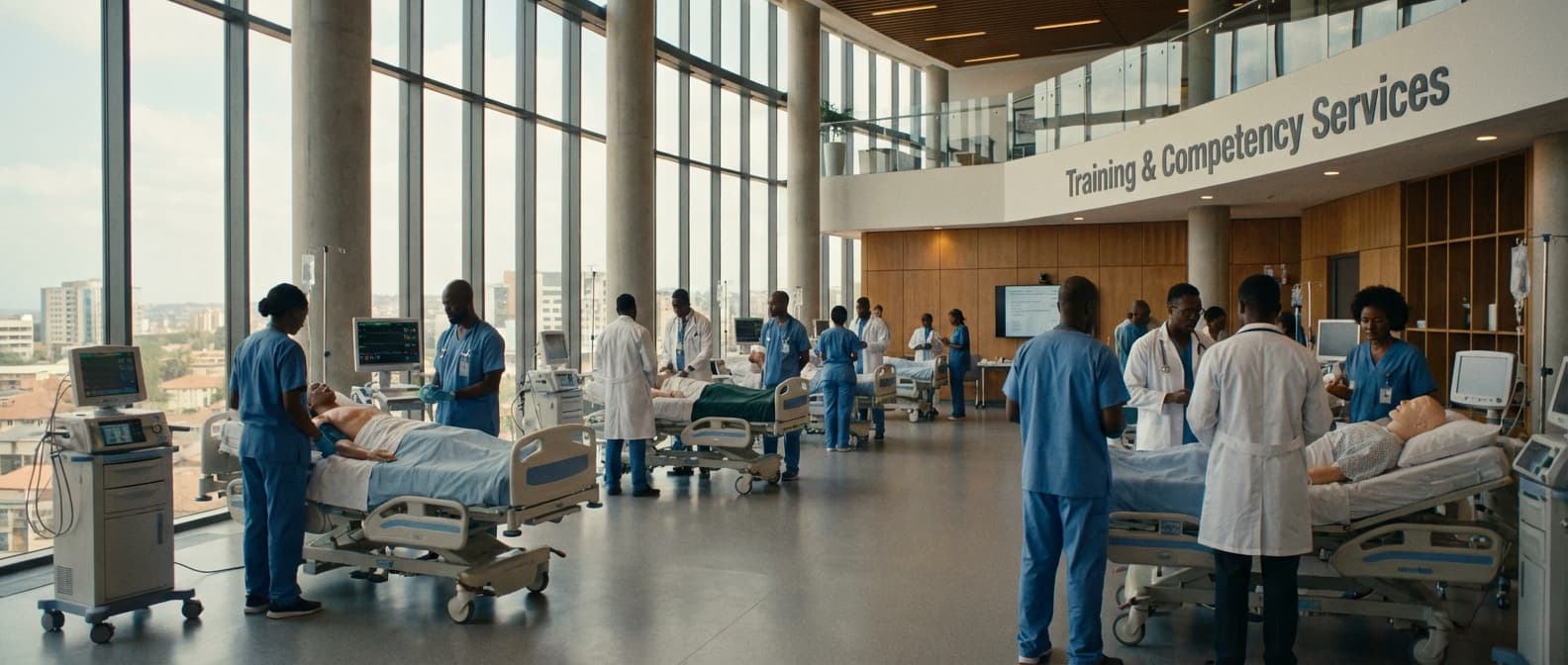
Ventilator User Training Service (Nurses) in Libya
Engineering Excellence & Technical Support
Ventilator User Training Service (Nurses) High-standard technical execution following OEM protocols and local regulatory frameworks.
Mastering Ventilation Modes
Gain in-depth knowledge of key ventilator modes (e.g., Volume Control, Pressure Control, SIMV, CPAP) and their clinical applications for diverse respiratory conditions commonly seen in Libyan healthcare settings. Understand optimal settings and titrations for patient comfort and clinical efficacy.
Advanced Patient Monitoring & Assessment
Enhance your skills in interpreting real-time ventilator graphics (flow, pressure, volume loops) and key parameters (PEEP, FiO2, I:E ratio). Learn to effectively assess patient response to ventilation, identify early signs of complications, and implement timely interventions, crucial for managing critical care patients in Libya.
Troubleshooting & Emergency Protocols
Develop proficiency in recognizing and responding to common ventilator alarms and equipment malfunctions. This module covers essential troubleshooting steps, troubleshooting algorithms, and emergency protocols to ensure patient safety and continuity of care during critical ventilation events, tailored for the Libyan medical context.
What Is Ventilator User Training Service (Nurses) In Libya?
Ventilator User Training Service (Nurses) in Libya refers to a specialized educational program designed to equip registered nurses with the essential knowledge and practical skills required for the safe and effective operation of mechanical ventilators within the Libyan healthcare system. This service is critical for ensuring patient safety, optimizing ventilation strategies, and managing respiratory failure in a resource-constrained environment. The training emphasizes a comprehensive understanding of ventilator principles, modes of ventilation, patient monitoring, troubleshooting, and adherence to clinical protocols specific to Libyan healthcare facilities.
| Who Needs It? | Typical Use Cases |
|---|---|
| Registered nurses working in Intensive Care Units (ICUs) in Libyan hospitals. | Management of patients with acute respiratory distress syndrome (ARDS). |
| Registered nurses in emergency departments (EDs) anticipating the need for mechanical ventilation. | Support for patients with severe pneumonia and sepsis requiring ventilatory support. |
| Registered nurses in operating rooms (ORs) involved in airway management during surgery. | Stabilization of patients with chronic obstructive pulmonary disease (COPD) exacerbations. |
| Registered nurses in critical care settings with limited access to specialized respiratory therapists. | Assistance for patients with neuromuscular disorders causing respiratory insufficiency. |
| Nurses in remote or underserved areas of Libya where access to specialized care is limited. | Management of post-operative respiratory complications. |
| Nurses participating in refresher courses or continuing professional development programs. | Ventilatory support in mass casualty incidents or public health emergencies. |
Key Components of Ventilator User Training Service (Nurses) in Libya
- Theoretical foundation in respiratory physiology and pathophysiology of respiratory failure.
- Principles of mechanical ventilation, including pressure-controlled, volume-controlled, and other advanced modes.
- Hands-on training with various ventilator models commonly used in Libyan hospitals.
- Patient assessment and selection criteria for mechanical ventilation.
- Proper setup, calibration, and initiation of ventilation.
- Strategies for monitoring patient response and ventilator parameters.
- Recognition and management of common ventilator-associated complications (e.g., VAP, barotrauma, hypoxemia).
- Weaning protocols and extubation procedures.
- Troubleshooting common ventilator alarms and malfunctions.
- Infection control practices related to ventilator use.
- Documentation requirements and record-keeping.
- Ethical considerations and legal aspects of ventilator management.
Who Needs Ventilator User Training Service (Nurses) In Libya?
This document outlines the critical need for ventilator user training services specifically tailored for nurses in Libya. Given the healthcare landscape and the essential role of ventilators in critical care, ensuring nurses possess the requisite skills for safe and effective operation is paramount. This training aims to enhance patient outcomes, reduce ventilator-associated complications, and empower nursing staff with advanced respiratory support knowledge.
| Department/Area | Specific Needs and Rationale | Examples of Facilities |
|---|---|---|
| Intensive Care Units (ICUs) | Nurses in ICUs frequently manage patients requiring mechanical ventilation. Training is crucial for advanced modes, troubleshooting, and weaning protocols. | University Hospitals, General Hospitals with ICU facilities. |
| Emergency Departments (EDs) | Rapid initiation of ventilation is often required in EDs. Nurses need to be proficient in setting up and managing ventilators for emergent situations. | Major City Hospitals, Trauma Centers. |
| Surgical Wards (Post-Anesthesia Care Units - PACUs) | Post-operative patients may require ventilatory support. Training ensures smooth transition and ongoing care. | Hospitals with surgical departments, specialized surgical centers. |
| Pediatric Intensive Care Units (PICUs) | Specialized training is necessary for ventilating pediatric and neonatal patients due to unique physiological considerations. | Children's Hospitals, Pediatric departments within larger hospitals. |
| Nephrology/Dialysis Units (with critical care capacity) | Patients with severe renal failure may require ventilatory support. Nurses in these units benefit from training for comprehensive patient management. | Hospitals with comprehensive renal care units. |
| Remote and Rural Healthcare Facilities | Limited access to specialized staff necessitates cross-training and empowering general nurses with critical care skills, including ventilator management. | Rural clinics with extended care capabilities, smaller district hospitals. |
| Disaster Preparedness and Emergency Response Teams | Nurses involved in emergency response need to be proficient in deploying and managing ventilators in mass casualty incidents or public health emergencies. | National and regional disaster management agencies, Red Crescent Societies. |
Target Customers and Departments for Ventilator User Training Service in Libya
- Nurses (Registered Nurses, Licensed Practical Nurses, Critical Care Nurses)
- Nursing Supervisors and Managers
- Nurse Educators
- Respiratory Therapists (for collaborative training and knowledge sharing)
Ventilator User Training Service (Nurses) Process In Libya
This document outlines the workflow for the Ventilator User Training Service specifically designed for nurses in Libya, detailing the process from the initial inquiry to the successful execution of the training. The service aims to equip nurses with the necessary knowledge and practical skills to safely and effectively operate and manage mechanical ventilators.
| Stage | Description | Key Activities | Responsible Parties | Deliverables/Outcomes |
|---|---|---|---|---|
| Initial contact from a healthcare facility or nursing body in Libya requesting ventilator training for their nurses. | Receive and acknowledge inquiry, Schedule a consultation, Conduct a detailed needs assessment (number of nurses, existing knowledge, specific ventilator models, preferred training dates/location, budget). | Healthcare Facility/Nursing Body, Training Service Provider (TSP) | Understanding of training requirements, Confirmation of feasibility and scope, Initial quotation (if applicable). |
| Formalization of the training service based on the identified needs and agreed-upon terms. | Develop and submit a comprehensive training proposal (curriculum, schedule, trainer qualifications, logistics, pricing), Negotiate and finalize contract/agreement, Secure necessary approvals (if any). | Training Service Provider (TSP), Healthcare Facility/Nursing Body | Signed training agreement, Confirmed training dates and location, Agreed-upon budget and payment schedule. |
| Setting up all logistical and educational resources for the training. | Develop/customize training materials (presentations, manuals, case studies), Schedule trainers, Arrange training venue (physical or virtual), Procure or confirm availability of ventilators for hands-on practice, Communicate pre-reading materials or prerequisites to participants, Finalize participant list. | Training Service Provider (TSP), Healthcare Facility/Nursing Body | Approved training materials, Confirmed trainer assignments, Prepared training venue, Accessible ventilators for practice, Informed participants. |
| The actual execution of the training program for the nurses. | Welcome and introduction, Theoretical sessions (ventilator principles, modes, settings, troubleshooting, patient monitoring), Practical demonstrations, Hands-on practice with ventilators, Case study analysis and group discussions, Q&A sessions, Assessments (knowledge-based quizzes, practical skills evaluation). | Lead Trainer(s), Assistant Trainer(s), Participants (Nurses) | Knowledge transfer, Skill development in ventilator operation, Increased confidence in managing ventilated patients, Completion of training modules. |
| Follow-up activities to reinforce learning and assess the effectiveness of the training. | Provide certificates of completion, Distribute post-training evaluation forms (participant feedback, trainer feedback), Offer a period of post-training support (e.g., email Q&A, remote assistance for complex cases), Conduct a follow-up assessment (optional, e.g., review of patient outcomes related to ventilation), Debriefing session with the facility management, Invoice final payment. | Training Service Provider (TSP), Healthcare Facility/Nursing Body | Certificates of completion, Training evaluation reports, Strengthened nursing competency, Improved patient care, Finalized administrative processes. |
Ventilator User Training Service (Nurses) Process in Libya
- Inquiry & Needs Assessment:
- Proposal & Agreement:
- Pre-Training Preparation:
- Training Delivery:
- Post-Training Support & Evaluation:
Ventilator User Training Service (Nurses) Cost In Libya
Providing ventilator user training for nurses in Libya involves a range of costs influenced by several key factors. These include the duration and depth of the training, the qualifications and experience of the instructors, the venue and logistics, the number of participants, and the specific type of ventilators being covered. Due to the current economic conditions and fluctuating exchange rates in Libya, pricing is typically quoted in Libyan Dinars (LYD).
| Training Scope | Estimated Cost Range (LYD) | Notes |
|---|---|---|
| Basic/Introductory (1-2 days, fundamental operation) | 1,000 - 3,000 LYD | Covers essential functions, alarms, and patient connection. Suitable for general nursing staff. |
| Intermediate (3-4 days, advanced features & troubleshooting) | 2,500 - 6,000 LYD | Includes modes of ventilation, weaning principles, and common troubleshooting scenarios. |
| Advanced/Specialized (5+ days, specific models/critical care focus) | 5,000 - 12,000+ LYD | Deep dive into specific ventilator models, complex patient scenarios, advanced monitoring, and integration with other devices. May include hands-on simulations. |
| Per Participant Rate (for group training) | 200 - 800 LYD | This is a rough estimate and highly dependent on the overall package and group size. Often offered as a discount when booking for a larger cohort. |
Key Pricing Factors for Ventilator User Training in Libya:
- Training Duration and Curriculum Depth: Shorter, introductory sessions will naturally be less expensive than comprehensive, multi-day courses covering advanced functionalities and troubleshooting. The complexity of the ventilator models also impacts the curriculum and thus the cost.
- Instructor Expertise and Qualifications: Highly experienced respiratory therapists or clinical engineers with specialized knowledge of mechanical ventilation will command higher fees. The instructor's reputation and proven track record also play a role.
- Venue and Logistics: Training conducted at the healthcare facility itself might incur lower direct costs for the provider but could involve facility usage fees. Off-site training, requiring venue rental, catering, and potentially accommodation/travel for instructors, will be more expensive.
- Number of Participants: Training often involves a cost per participant, so larger groups can sometimes lead to a lower per-person rate due to economies of scale. However, there might be a maximum participant limit for effective hands-on training.
- Ventilator Model Specificity: Training tailored to a specific brand and model of ventilator will likely be more costly than generalized training. Advanced and multi-functional ventilators often require more specialized training.
- Training Materials and Resources: The provision of comprehensive training manuals, handbooks, practice equipment (if applicable), and certification upon completion will add to the overall cost.
- Post-Training Support: Some training packages may include a period of post-training support or consultation, which will be factored into the price.
- Provider Type: Costs can vary depending on whether the training is provided by the ventilator manufacturer's authorized representatives, a specialized medical training company, or an internal hospital training department (though this is often an allocated cost rather than direct external billing).
Affordable Ventilator User Training Service (Nurses) Options
This document outlines affordable ventilator user training service options specifically designed for nurses. We focus on providing high-quality, cost-effective training to ensure nurses are confident and proficient in ventilator management, ultimately improving patient care and safety. We'll explore various value bundles and cost-saving strategies that make essential ventilator training accessible.
| Training Option | Description | Value Bundle Highlights | Cost-Saving Strategies |
|---|---|---|---|
| Basic Ventilator Management (Online Module) | Comprehensive foundational knowledge of ventilator modes, settings, patient assessment, and basic troubleshooting. Ideal for new graduates or nurses needing a refresher. | Includes pre-recorded lectures, interactive quizzes, case studies, and downloadable resources. | Low overhead due to online delivery. Group discounts for institutional purchases. Subscription models for ongoing access. |
| Advanced Ventilator Management (Blended Learning) | Combines online theoretical learning with hands-on simulation labs. Covers more complex ventilation strategies, weaning protocols, and advanced troubleshooting. | Includes online modules, virtual simulation, and a mandatory in-person or virtual simulation lab session. Potential for CEU credits. | Saves on travel costs compared to fully on-site training. Utilizes existing simulation equipment where possible. Bulk discounts for hospital departments. |
| On-Site Ventilator Training & Competency | Customizable training delivered at your facility, tailored to your specific ventilator models and patient populations. Includes hands-on practice and direct competency assessment. | Includes train-the-trainer options, facility-specific protocols, and on-site competency validation. Directly addresses organizational needs. | Reduces individual travel expenses for nurses. Maximizes staff availability by training groups together. Leverages institutional policies and procedures. |
| Ventilator Specialist Certification Prep | Intensive preparation course for nurses seeking specialized ventilator certification. Focuses on advanced concepts and exam readiness. | Includes mock exams, expert Q&A sessions, and comprehensive study guides. Often includes a pass guarantee or repeat access. | Higher initial investment but can lead to increased staff expertise and reduced reliance on external specialists. Group registration discounts. |
Key Features of Affordable Ventilator Training for Nurses
- Flexible training formats (online, blended, on-site)
- Curriculum tailored to nursing scope of practice
- Experienced and credentialed clinical educators
- Focus on practical skills and critical thinking
- Certification and competency assessment
- Ongoing support and refresher options
Verified Providers In Libya
In Libya's evolving healthcare landscape, the assurance of quality and reliability is paramount. Verified providers, such as Franance Health, stand out for their commitment to international standards, patient safety, and ethical practices. Understanding their credentials and the rigorous processes they undergo is crucial for anyone seeking trustworthy medical services.
| Credential Type | Verification Process | Impact on Patient Care |
|---|---|---|
| International Accreditation (e.g., JCI, ISO) | Independent audits of facilities, policies, and procedures against global standards. | Ensures adherence to best practices in patient safety, infection control, and quality management. |
| Professional Licenses and Certifications | Verification of medical licenses, board certifications, and specialized training for all practitioners. | Guarantees that medical staff possess the necessary qualifications and expertise for their roles. |
| Advanced Medical Equipment | Regular maintenance and calibration of all diagnostic and therapeutic equipment; investment in new technologies. | Enables accurate diagnoses, effective treatments, and access to advanced medical interventions. |
| Patient Feedback Mechanisms | Formal systems for collecting and analyzing patient satisfaction surveys and complaints. | Drives continuous improvement in service delivery, communication, and patient experience. |
| Compliance with Healthcare Regulations | Adherence to all national and relevant international healthcare regulations and ethical guidelines. | Ensures legal and ethical conduct, protecting patient rights and promoting responsible healthcare practices. |
Why Franance Health is the Best Choice for Verified Providers in Libya:
- Accreditation and Certification: Franance Health adheres to internationally recognized accreditation standards, ensuring that their facilities, staff, and operational procedures meet stringent quality benchmarks. This often involves audits by independent bodies that assess everything from patient care protocols to infection control.
- Experienced and Qualified Medical Professionals: The foundation of any reputable healthcare provider lies in its human capital. Franance Health prioritizes hiring and retaining highly qualified doctors, nurses, and specialists who possess extensive experience, possess relevant certifications, and are committed to continuous professional development.
- State-of-the-Art Medical Technology: Investing in advanced medical equipment and technology is a hallmark of leading healthcare institutions. Franance Health ensures access to cutting-edge diagnostic tools and treatment modalities, enabling accurate diagnoses and effective interventions.
- Patient-Centric Approach: Beyond technical expertise, Franance Health places a strong emphasis on the patient experience. This includes clear communication, personalized care plans, compassionate treatment, and a commitment to patient privacy and dignity.
- Commitment to Ethical Practices and Transparency: Verified providers like Franance Health operate with a high degree of integrity. They are transparent in their pricing, treatment options, and outcomes, fostering trust and empowering patients to make informed decisions.
- International Partnerships and Knowledge Exchange: Often, leading providers engage in collaborations with international healthcare institutions. This allows for the adoption of best practices, the exchange of medical knowledge, and access to specialized expertise, further enhancing the quality of care offered.
- Robust Safety and Quality Assurance Systems: Franance Health implements comprehensive quality assurance programs to monitor and improve all aspects of their services. This includes regular reviews of patient outcomes, feedback mechanisms, and proactive identification and mitigation of potential risks.
Scope Of Work For Ventilator User Training Service (Nurses)
This document outlines the Scope of Work (SOW) for providing comprehensive Ventilator User Training Services specifically tailored for Registered Nurses. The training will equip nurses with the knowledge and practical skills necessary to safely and effectively operate, monitor, and troubleshoot common ventilators encountered in clinical settings. The training will cover theoretical principles, hands-on practical sessions, and competency assessments. The objective is to enhance patient safety and optimize ventilator therapy outcomes.
| Technical Deliverable | Description | Standard Specification/Requirement |
|---|---|---|
| Training Curriculum Document | Detailed breakdown of all training modules, learning objectives, content outlines, and duration. | Must be comprehensive, evidence-based, and aligned with current clinical guidelines. Submitted in PDF format. Version control to be maintained. |
| Training Manuals (Participant & Instructor) | Comprehensive reference materials for both trainees and instructors, including theoretical explanations, illustrations, case studies, and practical exercises. | High-quality, easily readable print or digital format (PDF). Content to be reviewed and approved by the client's clinical lead. |
| Practical Training Sessions | Hands-on sessions utilizing actual or simulated ventilators to practice set-up, operation, monitoring, and troubleshooting. | Minimum of X hours per participant, with a maximum trainee-to-instructor ratio of Y:1. Training to be conducted in a simulated clinical environment with functional ventilators (actual or high-fidelity simulators). |
| Competency Assessment Tools | Methods to evaluate the practical skills and theoretical knowledge acquired by trainees. | Includes written/online quizzes, observed practical skill checklists, and scenario-based assessments. Passing score of Z% required for certification. |
| Training Certificates | Formal documentation acknowledging successful completion of the training program. | Individually issued certificates bearing the trainee's name, course title, completion date, and provider's accreditation/signature. Delivered in PDF format. |
| Post-Training Evaluation Report | Summary of training delivery, participant feedback, assessment results, and any recommendations for improvement. | Submitted within 7 days of training completion. Includes anonymized participant feedback data and aggregate assessment scores. |
| Training Schedule | Detailed plan outlining dates, times, locations, and instructor assignments for each training session. | To be mutually agreed upon by the client and service provider. Submitted in a clear, organized format (e.g., Excel, shared calendar). |
| Equipment and Consumables | Provision of all necessary ventilators, simulation equipment, mannequins, and consumables for practical training. | All equipment must be in good working order and calibrated. Consumables to be of appropriate medical grade. |
Key Training Modules
- Introduction to Mechanical Ventilation
- Ventilator Components and Interfaces
- Modes of Ventilation
- Setting Up and Initiating Mechanical Ventilation
- Monitoring Ventilator Patients
- Ventilator Waveforms and Alarms
- Troubleshooting Common Ventilator Issues
- Ventilator Weaning
- Infection Control and Ventilator-Associated Pneumonia (VAP) Prevention
- Emergency Procedures and Ventilator Malfunctions
Service Level Agreement For Ventilator User Training Service (Nurses)
This Service Level Agreement (SLA) outlines the guaranteed response times and uptime for the Ventilator User Training Service specifically designed for nurses. This agreement ensures timely and reliable access to crucial training resources and support.
| Service Component | Response Time Guarantee (Business Hours) | Uptime Guarantee | Support Channels |
|---|---|---|---|
| Critical Issue (e.g., Inability to access essential training modules, severe technical malfunction preventing course completion) | 1 hour | 99.5% | Phone, Email, Dedicated Support Portal |
| High Priority Issue (e.g., Difficulty navigating training content, minor technical glitches impacting progress) | 4 business hours | 99.5% | Email, Dedicated Support Portal |
| Medium Priority Issue (e.g., Question about training content, feature request) | 8 business hours | 99.5% | Email, Dedicated Support Portal |
| Low Priority Issue (e.g., General inquiry, feedback) | 24 business hours | 99.5% | Email, Dedicated Support Portal |
Service Definitions
- {"title":"Ventilator User Training Service (Nurses)","description":"The online and/or instructor-led training modules, resources, and associated support provided to qualified nursing personnel for the safe and effective operation of specified ventilator models."}
- {"title":"Response Time","description":"The maximum time allowed for the Service Provider to acknowledge and begin addressing a reported issue or request for assistance from the Customer."}
- {"title":"Uptime","description":"The percentage of time during a specified period that the Ventilator User Training Service is available and functional, excluding scheduled maintenance."}
- {"title":"Scheduled Maintenance","description":"Pre-announced periods during which the Ventilator User Training Service may be unavailable for updates, upgrades, or routine maintenance. Customers will be notified at least 48 hours in advance of any scheduled maintenance."}
Frequently Asked Questions

Ready when you are
Let's scope your Ventilator User Training Service (Nurses) in Libya project in Libya.

Scaling healthcare logistics and technical systems across the entire continent.