
Infection-Control Readiness Support Service for Reusable Equipment in Libya
Engineering Excellence & Technical Support
Infection-Control Readiness Support Service for Reusable Equipment High-standard technical execution following OEM protocols and local regulatory frameworks.
Advanced Sterilization & Validation Protocols
Implementing state-of-the-art steam, chemical, and low-temperature sterilization methods, rigorously validated through biological and chemical indicators, ensuring reusable medical equipment meets the highest international infection control standards and is demonstrably safe for patient use in Libyan healthcare facilities.
Centralized Tracking & Decontamination Hubs
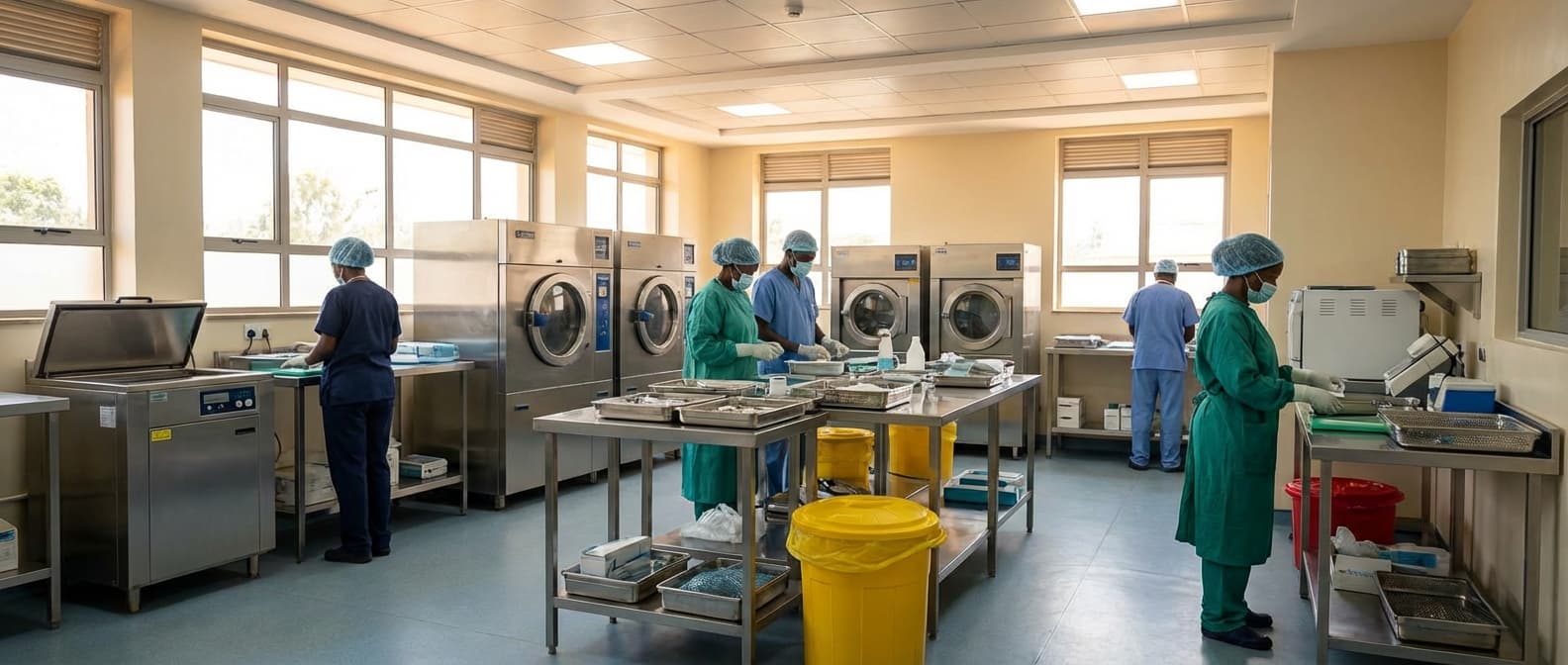
Establishing and managing dedicated, centralized decontamination hubs equipped with advanced washer-disinfectors and automated traceability systems. This ensures efficient, standardized, and auditable processing of reusable equipment across Libyan regions, minimizing human error and cross-contamination risks.
Expert Training & Continuous Competency Assurance
Providing comprehensive, hands-on training programs for Libyan healthcare personnel on proper handling, cleaning, disinfection, sterilization, and maintenance of reusable medical devices. This includes regular competency assessments and ongoing mentorship to foster a sustainable culture of infection control excellence.
What Is Infection-control Readiness Support Service For Reusable Equipment In Libya?
Infection-Control Readiness Support Service for Reusable Equipment in Libya is a specialized service designed to ensure that healthcare facilities in Libya can effectively and safely manage, process, and utilize reusable medical devices and equipment. This service addresses the critical need for robust infection prevention and control (IPC) measures, particularly in resource-constrained or post-conflict environments where infrastructure, training, and access to advanced technologies may be suboptimal. The core objective is to minimize the risk of healthcare-associated infections (HAIs) by ensuring reusable equipment is consistently decontaminated, sterilized, and maintained according to stringent international and national guidelines. This support is crucial for patient safety, operational efficiency of healthcare facilities, and compliance with regulatory standards.
| Who Needs the Service | Typical Use Cases |
|---|---|
| Hospitals (public and private) | Processing of surgical instruments, endoscopes, anesthesia equipment, and other reusable medical devices. |
| Clinics and Outpatient Centers | Ensuring safe reprocessing of minor surgical tools, diagnostic equipment, and dental instruments. |
| Primary Healthcare Facilities | Support for basic sterilization needs of essential medical instruments and supplies. |
| Trauma and Emergency Centers | Rapid and reliable reprocessing of critical equipment in high-turnover environments. |
| Rehabilitation Centers | Maintaining hygiene standards for reusable therapeutic equipment. |
| Government Health Ministries and Regulatory Bodies | Developing national IPC guidelines, standards, and oversight mechanisms for reusable equipment. |
| Non-Governmental Organizations (NGOs) and International Aid Agencies | Establishing and strengthening IPC programs in project-funded healthcare facilities. |
| Healthcare Training Institutions | Integrating IPC best practices for reusable equipment into curricula. |
Key Components of Infection-Control Readiness Support Service
- Assessment of existing infrastructure and workflows for reprocessing reusable medical equipment.
- Development and implementation of Standard Operating Procedures (SOPs) for cleaning, disinfection, and sterilization.
- Training and capacity building for healthcare personnel involved in equipment reprocessing and IPC.
- Provision and maintenance of appropriate reprocessing equipment (e.g., washers, sterilizers, autoclaves).
- Supply chain management for consumables (e.g., detergents, disinfectants, sterilization wraps).
- Development and implementation of monitoring and auditing systems for reprocessing quality.
- Guidance on proper storage, handling, and distribution of reprocessed equipment.
- Technical consultation and troubleshooting for reprocessing challenges.
- Support in establishing and maintaining a culture of safety and adherence to IPC protocols.
- Assistance with regulatory compliance and documentation.
Who Needs Infection-control Readiness Support Service For Reusable Equipment In Libya?
This service is designed to bolster the capacity of healthcare facilities in Libya to safely and effectively manage reusable medical equipment, thereby reducing the risk of healthcare-associated infections (HAIs).
| Target Customer Type | Key Departments Requiring Support | Specific Needs Addressed |
|---|---|---|
| Public Hospitals | Sterilization Units, Operating Theatres, ICUs, EDs | Training on sterilization protocols, equipment maintenance, outbreak investigation, IPC policy development. |
| Private Hospitals & Clinics | Surgical Centers, Dental Clinics, Specialty Clinics | Guidance on selecting appropriate disinfection agents, establishing cleaning routines, staff training on safe handling of reusable devices. |
| Primary Healthcare Centers | General Practice Units, MCH Centers | Basic IPC training, provision of essential disinfectants, guidance on reprocessing common instruments. |
| NGOs | Mobile Clinics, Field Hospitals | Adaptable IPC strategies, training for staff in resource-limited settings, safe waste management of contaminated equipment. |
| Ministry of Health | IPC Depts, Facilities Management | Development of national IPC guidelines, assessment of facility readiness, national training programs, procurement strategies for IPC supplies. |
| Training Institutions | Nursing Schools, CME Departments | Curriculum development for IPC, training of trainers, practical skills enhancement for future healthcare professionals. |
Target Customers and Departments
- {"customer":"Public Hospitals","departments":["Sterilization and Disinfection Units","Operating Theatres","Intensive Care Units (ICUs)","Emergency Departments","Outpatient Clinics","Maternity Wards","Pediatric Wards"]}
- {"customer":"Private Hospitals and Clinics","departments":["Surgical Centers","Dental Clinics","Diagnostic Imaging Centers","Specialty Clinics (e.g., Ophthalmology, Urology)"]}
- {"customer":"Primary Healthcare Centers","departments":["General Practice Units","Maternal and Child Health Centers"]}
- {"customer":"Non-Governmental Organizations (NGOs) providing healthcare services","departments":["Mobile Clinics","Field Hospitals","Community Health Programs"]}
- {"customer":"Ministry of Health (Libya)","departments":["Infection Prevention and Control Departments","Healthcare Facilities Management","Public Health Laboratories","Training and Capacity Building Units"]}
- {"customer":"Healthcare Training Institutions","departments":["Nursing Schools","Medical Technician Programs","Continuing Medical Education (CME) Departments"]}
Infection-control Readiness Support Service For Reusable Equipment Process In Libya
This service focuses on ensuring effective infection control for reusable medical equipment in Libya, from initial inquiry to successful implementation and ongoing support. The workflow is designed to be comprehensive, addressing the unique challenges and regulatory landscape of Libya.
| Stage | Description | Key Activities | Deliverables | Key Stakeholders |
|---|---|---|---|---|
| Inquiry & Needs Assessment | The initial contact and understanding of the client's requirements for infection control support regarding reusable equipment. | Initial contact, discussion of needs, clarification of scope, identification of specific equipment types, client's current practices, and challenges. | Service inquiry document, preliminary needs assessment report. | Libyan healthcare facilities (hospitals, clinics), Ministry of Health, potential clients. |
| Proposal Development & Agreement | Formulating a tailored service proposal based on the identified needs and reaching a contractual agreement. | Developing a detailed proposal outlining services, timelines, resources, costs, and expected outcomes. Negotiation and finalization of contract/agreement. | Comprehensive service proposal, signed service agreement/contract. | Service provider, Libyan healthcare facilities, Ministry of Health (if applicable). |
| On-site Assessment & Gap Analysis | Thorough evaluation of the current infection control processes and infrastructure for reusable equipment at the client's facility. | Site visits, observation of current reprocessing practices, inventory of equipment, review of existing protocols and documentation, interviews with staff, identification of gaps against international best practices and Libyan regulations. | Detailed on-site assessment report, gap analysis document highlighting areas for improvement. | Service provider assessment team, facility management, infection control teams, biomedical engineering department, relevant clinical staff. |
| Solution Design & Customization | Developing specific, actionable solutions to address the identified gaps and meet the client's unique context. | Designing standardized operating procedures (SOPs), recommending appropriate disinfection/sterilization methods and equipment, developing checklists and logbooks, integrating with existing workflows, considering local resource availability and constraints. | Customized SOPs, equipment/consumable recommendations, training material outlines, revised workflow diagrams. | Service provider technical team, client's infection control committee, relevant department heads. |
| Procurement & Logistics | Facilitating the acquisition and delivery of necessary equipment, consumables, and supplies. | Identifying reliable suppliers, managing procurement processes (including import regulations in Libya), coordinating logistics and transportation to the facility, ensuring quality control of procured items. | Procured equipment and consumables, delivery manifests, customs clearance documentation. | Service provider procurement team, approved suppliers, logistics partners, client's procurement department. |
| Training & Capacity Building | Equipping the facility's staff with the knowledge and skills to implement and maintain effective infection control practices. | Developing and delivering tailored training programs for different staff cadres (nurses, technicians, biomedical engineers, cleaning staff) on SOPs, equipment operation, safety protocols, and documentation. Includes theoretical and practical sessions. | Training modules and materials, attendance records, post-training competency assessments, certified staff. | Service provider trainers, client's staff at all levels. |
| Implementation & Deployment | Putting the designed solutions into practice within the healthcare facility. | Introducing new SOPs, deploying new equipment, establishing designated reprocessing areas, integrating workflows, supervising initial operations to ensure correct application of protocols. | Implemented SOPs, functional reprocessing areas, operational equipment, initial process logs. | Service provider implementation team, client's staff, department managers. |
| Monitoring & Evaluation | Continuously assessing the effectiveness of the implemented solutions and identifying areas for further refinement. | Regular on-site monitoring, data collection on process adherence and outcomes (e.g., infection rates, equipment functionality), audits of practices and documentation, feedback mechanisms. | Monitoring reports, audit findings, performance metrics, early warning indicators. | Service provider monitoring team, client's infection control committee, quality assurance department. |
| Ongoing Support & Optimization | Providing continuous assistance and making necessary adjustments to sustain and improve infection control effectiveness. | Troubleshooting issues, refresher training, updates to SOPs based on evolving guidelines or facility needs, technical support for equipment, consultation on new challenges. | Ongoing support logs, updated SOPs, recommendations for improvement, sustained compliance. | Service provider support team, client's infection control team and operational staff. |
| Reporting & Knowledge Transfer | Documenting the entire process and sharing findings to ensure long-term sustainability and learning. | Generating comprehensive final reports, sharing best practices and lessons learned, providing documentation for regulatory compliance, facilitating knowledge transfer to ensure self-sufficiency of the facility. | Final project report, best practice guides, case studies, handover documentation. | Service provider management, client's senior management, Ministry of Health. |
Workflow Stages
- Inquiry & Needs Assessment
- Proposal Development & Agreement
- On-site Assessment & Gap Analysis
- Solution Design & Customization
- Procurement & Logistics
- Training & Capacity Building
- Implementation & Deployment
- Monitoring & Evaluation
- Ongoing Support & Optimization
- Reporting & Knowledge Transfer
Infection-control Readiness Support Service For Reusable Equipment Cost In Libya
This document outlines potential pricing factors and ranges for an Infection-Control Readiness Support Service for Reusable Equipment in Libya, denominated in Libyan Dinar (LYD). The service aims to ensure healthcare facilities maintain stringent standards for cleaning, disinfection, sterilization, and proper storage of reusable medical devices, thereby reducing the risk of healthcare-associated infections (HAAs). Pricing will be influenced by a variety of factors, including the scope of services, frequency of visits, size and complexity of the healthcare facility, specific types of reusable equipment managed, and the level of training and consultation provided. Fluctuations in the local economic climate, availability of specialized personnel, and transportation costs within Libya will also play a significant role in determining the final cost.
| Service Component/Tier | Description | Estimated Monthly Cost Range (LYD) | Notes |
|---|---|---|---|
| Basic Assessment & Training (Small Clinic/Department) | One-time comprehensive audit of current practices, basic staff awareness training on key infection control principles for reusable equipment, and a report with recommendations. | 1,500 - 3,000 | Covers a single clinic or a small department. Focuses on fundamental practices. |
| Standard Support Package (Medium-Sized Hospital Unit) | Monthly on-site visits for protocol review, hands-on training for specific staff (e.g., nurses, sterilization technicians), equipment checks, and basic troubleshooting. Includes development of SOPs. | 3,000 - 6,000 | Suitable for a ward or a critical unit within a hospital. Frequency of visits is key. |
| Comprehensive Readiness Program (Large Hospital/Multiple Facilities) | Weekly/Bi-weekly on-site presence of a consultant, in-depth training for all relevant personnel, advanced sterilization technique training, validation of processes, equipment lifecycle assessment, and ongoing performance monitoring. Includes development of comprehensive infection control policies. | 7,000 - 15,000+ | Tailored for larger institutions or managing infection control across multiple sites. May involve a dedicated team. |
| Specialized Equipment Consultation (e.g., Endoscopy, Dialysis) | On-demand or regular consultation focusing on the specific infection control requirements for high-risk reusable equipment. Includes specialized training and protocol development. | Per consultation/project (500 - 2,500 per session/day) | Cost depends on the complexity and frequency of specialized equipment usage. |
| Training Workshops (Per Session/Day) | Intensive, tailored training sessions for specific groups of healthcare professionals on various aspects of infection control for reusable equipment. | 400 - 1,200 per session | Can be added to any package or booked independently. |
| **Development of Custom SOPs/Policies | Creation of bespoke Standard Operating Procedures or infection control policies specific to a facility's needs and equipment. | 1,000 - 3,000 per document | Complexity and length of the document will influence pricing. |
Key Pricing Factors for Infection-Control Readiness Support Service in Libya:
- Scope of Services: What specific activities are included? (e.g., auditing existing protocols, providing on-site training, developing new SOPs, equipment inspection, supply chain assessment for consumables, post-service follow-up).
- Frequency of Service: Is it a one-time assessment, monthly checks, quarterly reviews, or continuous support?
- Facility Size and Complexity: Number of beds, departments (e.g., OR, ICU, outpatient clinics), number of staff, and the volume of reusable equipment processed.
- Types of Reusable Equipment: Complexity and criticality of equipment (e.g., surgical instruments, endoscopes, ventilators, dialysis equipment) requiring specialized handling and sterilization techniques.
- Level of Training & Consultation: Basic awareness training for all staff vs. advanced, hands-on training for sterilization technicians, including consultation on equipment acquisition and maintenance.
- Geographic Location within Libya: Accessibility of the facility, transportation costs to remote areas, and potential security considerations.
- Duration of Engagement: Short-term project vs. long-term partnership.
- Reporting and Documentation Requirements: Standardized reports vs. customized in-depth analyses and recommendations.
- Local Economic Conditions: Inflation rates, currency exchange rates, and overall market demand for such specialized services.
- Personnel Expertise and Availability: Cost of highly skilled infection control specialists, microbiologists, and sterilization technicians with relevant Libyan experience.
- Consumables and Materials: If the service includes recommendations or provision of specific cleaning agents, disinfectants, or sterilization indicators, their cost will be a factor.
Affordable Infection-control Readiness Support Service For Reusable Equipment Options
Our Affordable Infection-Control Readiness Support Service for Reusable Equipment Options is designed to empower healthcare facilities by ensuring the highest standards of cleanliness and safety for their reusable medical devices without breaking the budget. We understand the critical importance of infection prevention and the financial pressures many organizations face. This service focuses on providing comprehensive support for the cleaning, disinfection, and sterilization processes of reusable equipment, encompassing training, compliance monitoring, equipment assessment, and validation. By optimizing these processes, we help facilities reduce the risk of healthcare-associated infections (HAIs), improve patient outcomes, and mitigate costly penalties and litigation. Our approach is rooted in understanding your unique needs and tailoring solutions that deliver maximum value and cost-efficiency.
| Cost-Saving Strategy | Description | Benefit |
|---|---|---|
| Preventative Maintenance Optimization | Regular assessment and calibration of cleaning, disinfection, and sterilization equipment to ensure optimal performance and prevent costly breakdowns. | Reduces unexpected repair costs, extends equipment lifespan, and minimizes downtime, preventing the need for expensive rentals or emergency replacements. |
| Staff Training and Competency Assurance | Providing standardized, up-to-date training to healthcare professionals on correct reprocessing procedures, reducing human error. | Minimizes reprocessing errors that can lead to equipment damage, re-processing cycles, and potential infection transmission, saving time and resources. |
| Compliance Monitoring and Auditing | Regular checks and audits against regulatory standards and best practices, identifying and rectifying non-compliance issues proactively. | Avoids fines and penalties from regulatory bodies, reduces the risk of lawsuits stemming from HAIs, and maintains operational efficiency. |
| Efficient Workflow Design | Analyzing and streamlining the flow of reusable equipment through cleaning, disinfection, sterilization, and storage areas. | Reduces bottlenecks, improves turnaround times, and allows for better utilization of staff and equipment, leading to increased productivity. |
| Strategic Equipment Assessment | Evaluating the suitability and condition of existing reusable equipment and advising on cost-effective upgrades or replacements when necessary. | Prevents over-investment in outdated or inefficient equipment and ensures the use of devices that meet current infection control standards, reducing long-term costs. |
| Consumable Usage Optimization | Guidance on appropriate use of cleaning agents, disinfectants, and sterilization consumables to prevent waste. | Reduces expenditure on supplies without compromising efficacy, leading to direct material cost savings. |
Value Bundles for Comprehensive Support
- {"title":"Basic Readiness Bundle","description":"Essential support for foundational infection control practices. Includes initial staff training on best practices, basic equipment assessment, and a one-year subscription to our online compliance tracking portal. Ideal for facilities looking to establish a solid baseline."}
- {"title":"Standard Readiness Bundle","description":"Builds upon the basic bundle with enhanced features. Includes all of the Basic Readiness Bundle plus semi-annual on-site audits, advanced training modules for specialized equipment, and a dedicated support line. Recommended for facilities aiming for consistent compliance."}
- {"title":"Premium Readiness Bundle","description":"Our most comprehensive offering for proactive infection control. Includes all of the Standard Readiness Bundle plus quarterly validation testing of sterilization processes, personalized risk assessments, custom policy development assistance, and priority on-site support. Best for facilities striving for excellence and minimizing all potential risks."}
- {"title":"Customizable Solutions","description":"For facilities with very specific needs, we offer bespoke bundles. Engage with our experts to design a package that precisely aligns with your operational requirements and budget constraints, ensuring you only pay for the services you truly need."}
Verified Providers In Libya
Finding reliable and credentialed healthcare providers in Libya can be challenging. Franance Health stands out as a beacon of trust, offering access to a network of verified professionals. Their rigorous vetting process ensures that every provider listed on their platform meets the highest standards of medical expertise, ethical practice, and patient care. This commitment to quality makes Franance Health the optimal choice for individuals seeking dependable healthcare services in Libya.
| Credential | Franance Health's Verification Standard | Benefit to Patients |
|---|---|---|
| Medical Licensing & Certification | Mandatory submission of all current and valid medical licenses and certifications. Verification against official Libyan medical council records. | Ensures providers are legally authorized to practice and possess the required qualifications. |
| Educational Background & Specialization | Thorough review of academic transcripts and degrees from accredited institutions. Confirmation of specialized training and fellowships. | Guarantees that providers have the necessary education and expertise for their chosen field. |
| Professional Experience | Verification of past employment and practice history. Reference checks with previous employers and colleagues. | Confirms practical experience and a proven track record in patient care. |
| Ethical Conduct & Disciplinary Record | Background checks for any disciplinary actions, malpractice claims, or ethical breaches with relevant professional bodies. | Safeguards patients by ensuring providers adhere to the highest ethical standards. |
| Continuing Medical Education (CME) | Requirement for providers to demonstrate ongoing participation in CME programs to stay updated with the latest medical advancements. | Ensures patients receive care based on current medical knowledge and best practices. |
Why Franance Health is Your Best Choice for Verified Providers in Libya:
- Unwavering commitment to patient safety through stringent verification.
- Access to a diverse range of medical specialties.
- Transparent and accessible patient reviews and ratings.
- Streamlined appointment booking and communication.
- Empowering individuals with control over their healthcare decisions.
Scope Of Work For Infection-control Readiness Support Service For Reusable Equipment
This Scope of Work (SOW) outlines the requirements for a comprehensive Infection-Control Readiness Support Service specifically for reusable medical equipment. The service aims to ensure that all reusable equipment within the client's facility is handled, cleaned, disinfected, and sterilized according to the highest industry standards and regulatory requirements, minimizing the risk of healthcare-associated infections (HAIs). This SOW details the technical deliverables and standard specifications that the service provider must adhere to.
| Technical Deliverable | Description | Standard Specifications / Metrics | Frequency / Timeline |
|---|---|---|---|
| Initial Reusable Equipment Inventory and Risk Assessment Report | A comprehensive report detailing all reusable equipment present in the facility, categorized by risk level (e.g., critical, semi-critical, non-critical). Includes assessment of current reprocessing workflows, equipment, and infrastructure. | Inventory accuracy >98%. Risk assessment aligned with Spaulding Classification. Identification of key risk areas and immediate improvement opportunities. | One-time, within 4 weeks of service commencement. |
| Facility-Specific Reusable Equipment Reprocessing Policy and Procedure Manual | Development of a detailed, evidence-based manual covering all aspects of reusable equipment reprocessing, including receiving, cleaning, disinfection, sterilization, storage, and distribution. Includes roles and responsibilities. | Manual compliant with AAMI, CDC, WHO, and local health authority guidelines. Clear, concise language. Version-controlled and accessible to all relevant staff. | One-time development, with annual review and updates. |
| Staff Training Program and Competency Assessment Tools | Design and delivery of a modular training program for all staff involved in reusable equipment reprocessing. Includes initial training, ongoing refreshers, and competency validation. | Training modules cover specific equipment types, reprocessing steps, safety protocols, and regulatory compliance. Competency assessments include practical demonstrations and written tests. Pass rate >95% for all modules. | Initial training within 8 weeks. Ongoing refreshers biannually. Competency assessments annually or after protocol changes. |
| Reprocessing Equipment Validation and Performance Monitoring Plan | Development of a plan for the validation and ongoing performance monitoring of all automated cleaning, disinfection, and sterilization equipment. | Includes Installation Qualification (IQ), Operational Qualification (OQ), and Performance Qualification (PQ) protocols. Regular calibration, preventive maintenance, and routine performance testing (e.g., biological indicators, chemical indicators, process challenge devices). | Development within 6 weeks. Ongoing monitoring as per manufacturer recommendations and regulatory standards (e.g., daily, weekly, monthly, annually). |
| Sterilization Process Validation Reports | Documentation of validation studies for all sterilization cycles used for critical and semi-critical reusable equipment. | Includes detailed reports of biological and chemical indicator performance, cycle parameter monitoring, and load testing. Each sterilization load must have a corresponding record indicating successful processing. | Initial validation prior to routine use. Ongoing validation as per AAMI ST79 and manufacturer guidelines. Daily record review. |
| Disinfection Process Validation and Efficacy Testing | Documentation and testing to confirm the efficacy of disinfection processes for semi-critical and non-critical reusable equipment. | Includes validation of contact times, temperatures, and chemical concentrations for high-level disinfection (HLD) and intermediate/low-level disinfection. Periodic efficacy testing using appropriate surrogates or relevant microbial challenges. | Initial validation prior to routine use. Periodic efficacy testing annually or as per guideline changes. |
| Reusable Equipment Traceability System Implementation Support | Guidance and support in establishing or optimizing a system to track reusable equipment throughout its lifecycle, from patient use to reprocessing and return to service. | System allows for lot/batch tracking of sterilized items, patient assignment, and reprocessing dates. Integration with existing hospital information systems where feasible. Reduction in lost/misplaced items by >20%. | Support provided during initial setup and ongoing optimization. System review quarterly. |
| Infection Control Audit and Performance Improvement Reports | Regular audits of reusable equipment reprocessing processes and areas. Reports highlighting findings, root cause analysis, and recommended corrective and preventive actions (CAPA). | Audits conducted against established policies and guidelines. CAPA implementation tracking and effectiveness review. Reduction in identified non-compliance issues by >50% within 12 months. | Monthly or quarterly, depending on facility complexity and risk. |
| Incident Investigation and Root Cause Analysis Reports | Investigation of any infection control breaches or adverse events related to reusable equipment reprocessing. | Detailed investigation reports, including timelines, contributing factors, and actionable recommendations to prevent recurrence. Immediate reporting of critical incidents. | As required, with reports submitted within 72 hours of incident identification. |
| Regulatory Compliance Advisory Services | Ongoing advisory services on emerging regulations, guidelines, and best practices in reusable equipment reprocessing. | Proactive communication of regulatory changes. Support for regulatory inspections. Maintenance of a log of advisory recommendations and their implementation status. | Ongoing, with ad-hoc advisory as needed and at least one formal review session per quarter. |
Service Objectives
- To assess current infection control practices for reusable equipment.
- To develop and implement a robust, facility-specific program for the management of reusable equipment.
- To provide ongoing training and competency assessment for staff involved in reusable equipment processing.
- To ensure compliance with all relevant local, national, and international infection control guidelines and regulations.
- To provide expert guidance and support for the selection, maintenance, and validation of reprocessing equipment.
- To facilitate the reduction of HAIs associated with improperly processed reusable equipment.
Service Level Agreement For Infection-control Readiness Support Service For Reusable Equipment
This Service Level Agreement (SLA) outlines the response times and uptime guarantees for the Infection-Control Readiness Support Service for Reusable Equipment. This service ensures that critical reusable equipment remains readily available and properly disinfected for immediate use by healthcare providers, minimizing the risk of healthcare-associated infections (HAIs).
| Service Component | Response Time (Priority 1 - Critical Equipment) | Response Time (Priority 2 - Routine Equipment) | Uptime Guarantee | Definition of Uptime |
|---|---|---|---|---|
| Initial Response to Critical Equipment Failure/Request | Within 15 minutes (acknowledgement and initial assessment) | Within 60 minutes (acknowledgement and initial assessment) | 99.5% | The percentage of time the infection control reprocessing systems and associated support services are operational and available to process reusable equipment within defined timeframes, excluding scheduled maintenance. |
| Resolution of Critical Equipment Processing Issue | Within 2 hours | Within 4 hours | N/A | N/A |
| Availability of Properly Processed Reusable Equipment (Standard Turnaround) | As per agreed-upon reprocessing schedules (e.g., 95% within 4 hours for critical items) | As per agreed-upon reprocessing schedules (e.g., 98% within 24 hours for routine items) | N/A | N/A |
| Reporting and Status Updates | Immediate notification for critical issues; daily summary reports | Weekly summary reports | N/A | N/A |
Scope of Service
- Proactive monitoring of infection control protocols for reusable equipment.
- Timely response to requests for equipment cleaning, disinfection, and sterilization.
- Ensuring availability of properly processed reusable equipment.
- Troubleshooting and resolution of issues related to reusable equipment reprocessing.
- Reporting on equipment readiness status and compliance with infection control standards.
Frequently Asked Questions

Ready when you are
Let's scope your Infection-Control Readiness Support Service for Reusable Equipment in Libya project in Libya.

Scaling healthcare logistics and technical systems across the entire continent.