
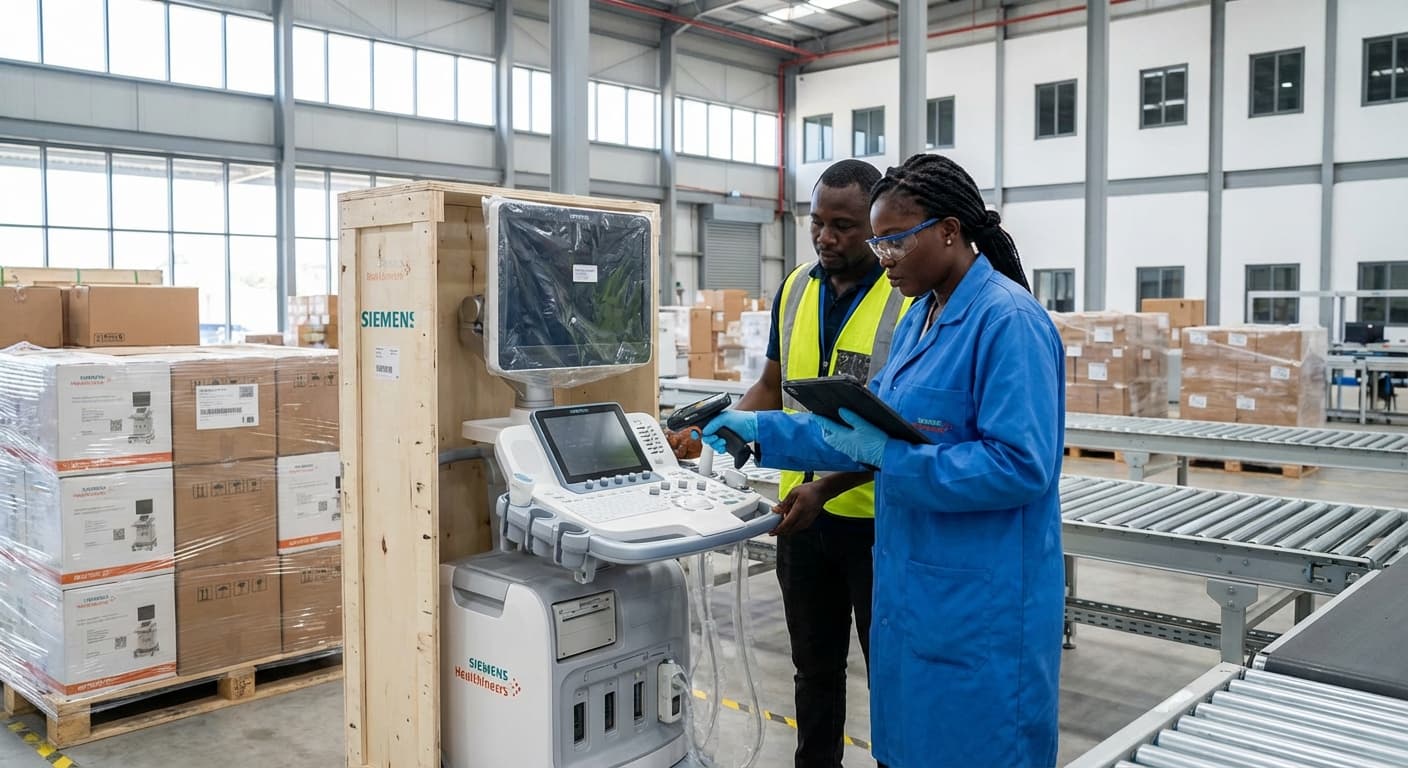
Warehouse Receiving Inspection Service (Medical Equipment) in Libya
Engineering Excellence & Technical Support
Warehouse Receiving Inspection Service (Medical Equipment) High-standard technical execution following OEM protocols and local regulatory frameworks.
Precision Inspection & Calibration
Our expert technicians in Libya perform rigorous, multi-point inspections on all incoming medical equipment, ensuring adherence to Libyan regulatory standards and manufacturer specifications. We leverage advanced calibration tools to verify the accuracy and functionality of critical devices, minimizing risk and guaranteeing readiness for deployment.
Supply Chain Integrity & Traceability
We safeguard your medical equipment supply chain from the moment it arrives in Libya. Our service includes comprehensive documentation, batch tracking, and verification of all shipping and handling records, providing end-to-end traceability and peace of mind against counterfeits and unauthorized imports.
Swift Compliance & Regulatory Adherence
Navigate Libya's complex medical equipment regulations with confidence. Our receiving inspection service streamlines the compliance process, providing meticulous documentation for import permits, quality certifications, and any required local approvals, accelerating your equipment's entry into the market.
What Is Warehouse Receiving Inspection Service (Medical Equipment) In Libya?
Warehouse Receiving Inspection Service (Medical Equipment) in Libya refers to the systematic examination and verification of incoming medical equipment shipments upon their arrival at a designated warehouse facility within Libya. This service ensures that the delivered equipment conforms to contractual specifications, regulatory requirements, and quality standards before being accepted into inventory. It is a critical process for maintaining the integrity, functionality, and compliance of medical devices throughout the supply chain.
| Who Needs the Service | Typical Use Cases | ||||
|---|---|---|---|---|---|
| Medical Device Importers and Distributors: Companies responsible for importing and distributing medical equipment within Libya. They need to ensure the quality and compliance of products before they reach healthcare facilities. | Hospitals and Healthcare Facilities: Public and private hospitals, clinics, and diagnostic centers that procure medical equipment directly or through distributors. Receiving inspection validates the accuracy and quality of their acquisitions. | Government Health Ministries and Regulatory Bodies: Agencies responsible for overseeing the medical device market, ensuring public safety, and enforcing import regulations. They may contract or mandate such inspection services. | Third-Party Logistics (3PL) Providers: Warehousing and logistics companies handling medical equipment on behalf of other entities. They often offer or require receiving inspection as a value-added service. | Manufacturers (Overseas and Local): While not directly performing the inspection at their end, their Libyan partners or representatives would utilize this service to confirm shipments meet their quality standards upon arrival. | Non-Governmental Organizations (NGOs) and Aid Agencies: Organizations involved in delivering medical equipment for humanitarian purposes in Libya, requiring assurance of the equipment's integrity and suitability for use. |
| Importation of New Medical Devices: Verifying that newly manufactured equipment meets all specifications, regulatory requirements, and has not been damaged during transit. | Reception of Replacement Parts and Consumables: Inspecting critical components or high-value consumables to ensure they are correct, undamaged, and within their usability period. | Receiving Donations or Aid-Funded Equipment: Ensuring that donated or aid-provided medical equipment is fit for purpose, compliant, and free from defects before deployment. | Verification of Returned Equipment: Inspecting equipment returned from healthcare facilities for defects, warranty claims, or refurbishment. | Compliance Audits and Quality Assurance: As part of a broader quality management system, receiving inspection serves as a critical control point for ensuring product quality and regulatory adherence. | Inventory Management and Stock Control: Accurate receiving inspection is fundamental for maintaining correct inventory levels and preventing the introduction of substandard or incorrect items into the supply chain. |
Key Components of Warehouse Receiving Inspection Service (Medical Equipment):
- Documentation Verification: Cross-referencing incoming shipments against purchase orders, shipping manifests, certificates of origin, quality certificates, and any other relevant contractual or regulatory documentation.
- Physical Inspection: Thorough examination of the packaging for signs of damage, tampering, or compromise. Verification of lot numbers, serial numbers, expiry dates (where applicable), and model numbers against documentation.
- Quantity Verification: Accurate counting and reconciliation of received items against the manifest to identify discrepancies.
- Condition Assessment: Visual inspection of the equipment for defects, cosmetic damage, or signs of mishandling.
- Initial Functionality Testing (if specified): Basic operational checks to confirm the equipment powers on and performs fundamental functions, as per agreed-upon protocols.
- Labeling and Marking Compliance: Ensuring that all equipment and packaging bear the correct labeling, including regulatory marks (e.g., CE, FDA), manufacturer identification, and Libyan import/regulatory compliance labels.
- Environmental Condition Verification: Assessing if the storage and transit conditions (e.g., temperature, humidity) were maintained within specified parameters, particularly crucial for sensitive medical equipment.
- Sampling and Quarantine Procedures: Implementing protocols for sampling representative units for more in-depth testing or for placing suspect items in quarantine pending further investigation.
- Defect Reporting and Non-Conformance Management: Documenting any discrepancies, damages, or non-conformities identified during the inspection and initiating the appropriate corrective and preventive action (CAPA) processes.
Who Needs Warehouse Receiving Inspection Service (Medical Equipment) In Libya?
In Libya, a robust warehouse receiving inspection service for medical equipment is crucial for ensuring the quality, safety, and compliance of vital healthcare supplies. This service plays a pivotal role in safeguarding patient well-being and maintaining the integrity of the healthcare system. Various entities within Libya's medical landscape require such specialized inspections to mitigate risks associated with damaged, counterfeit, or substandard equipment.
| Target Customer/Department | Key Responsibilities/Needs Related to Inspection |
|---|---|
| Public Hospitals & Clinics | Verifying equipment against purchase orders, ensuring functionality, detecting damage before widespread use. |
| Private Hospitals & Clinics | Confirming authenticity, performance standards, and compliance with modern medical technology requirements. |
| Medical Equipment Importers/Distributors | Quality assurance of incoming shipments, compliance with import regulations, risk mitigation for damaged/defective goods. |
| NGOs & Humanitarian Aid Agencies | Ensuring donated/procured equipment is safe and effective for immediate deployment in aid programs. |
| National Medical Supply Agencies | Centralized quality control, accountability for large-scale procurements, maintaining national health standards. |
| Research & Educational Institutions | Guaranteeing the accuracy and reliability of equipment for scientific research and academic training. |
Target Customers and Departments
- {"title":"Government Healthcare Institutions","description":"Public hospitals, clinics, and health centers across Libya are primary beneficiaries. These institutions often procure large volumes of medical equipment through government tenders and rely on inspections to verify the received goods meet specifications and are functional before deployment."}
- {"title":"Private Hospitals and Clinics","description":"The growing private healthcare sector in Libya also necessitates reliable inspection services. These facilities invest heavily in modern medical technology and need to ensure the equipment they purchase is genuine, in good working order, and free from defects to uphold their reputation and patient care standards."}
- {"title":"Medical Equipment Importers and Distributors","description":"Companies that import and distribute medical equipment within Libya require these services to confirm the quality of goods upon arrival from international suppliers. This helps them meet regulatory requirements, manage inventory effectively, and build trust with their end-users."}
- {"title":"Non-Governmental Organizations (NGOs) and Humanitarian Aid Agencies","description":"Organizations operating in Libya, especially those involved in providing healthcare in challenging regions, rely on donated or procured medical equipment. Inspection services ensure the donated or purchased equipment is fit for purpose and can be safely used in their medical programs."}
- {"title":"National Medical Supply Agencies","description":"Any centralized agency responsible for procuring and distributing medical supplies to the national healthcare system would benefit immensely from independent receiving inspection to ensure accountability and quality control."}
- {"title":"Research and Educational Institutions","description":"Universities and research centers that utilize specialized medical equipment for teaching and research require inspections to ensure the accuracy and reliability of their scientific endeavors."}
Warehouse Receiving Inspection Service (Medical Equipment) Process In Libya
This document outlines the workflow for a Warehouse Receiving Inspection Service for Medical Equipment in Libya, from initial client inquiry to the final execution of the inspection and reporting.
| Stage | Description | Key Activities | Responsible Party | Deliverables/Outcomes |
|---|---|---|---|---|
| The initial phase where a potential client contacts the inspection service provider to request their services for medical equipment receiving inspection in Libya. | Receive client inquiry (email, phone, web form). Understand client's specific needs, type and quantity of medical equipment, shipment details (origin, carrier, destination warehouse in Libya), and desired inspection scope. Request relevant documentation (e.g., Proforma Invoice, Packing List, Bill of Lading/Air Waybill). | Client, Inspection Service Provider Sales/Business Development | Initial understanding of client requirements. Essential preliminary information collected. |
| Based on the gathered information, a formal quotation is prepared and submitted to the client for approval. Upon acceptance, an agreement is formalized. | Prepare detailed quotation including scope of work, methodology, timeline, pricing, and terms and conditions. Negotiate terms if necessary. Issue a formal service agreement/contract for signature. Receive signed agreement and advance payment (if applicable). | Inspection Service Provider Sales/Quotation Team, Client | Approved quotation. Signed service agreement. Commencement of formal engagement. |
| Detailed planning and preparation by the inspection service provider to ensure efficient and effective on-site execution. | Assign inspection team. Develop detailed inspection plan based on equipment type, regulatory requirements (Libyan standards, manufacturer's specifications), and client's specific instructions. Schedule inspection dates and times, coordinating with the client and warehouse. Prepare necessary inspection checklists, tools, and equipment. Confirm availability of required personnel at the warehouse. | Inspection Service Provider Operations/Technical Team | Comprehensive inspection plan. Scheduled inspection date and time. Prepared inspection team and resources. |
| The core of the service, where the inspection is performed at the designated warehouse in Libya. | Arrival at the warehouse. Verification of shipment identity (matching documentation with physical goods). Visual inspection of packaging for damage, tampering, or discrepancies. Unpacking and inspection of individual equipment for physical damage, model numbers, serial numbers, accessories, and conformity with specifications. Functional testing (if within scope and feasible). Verification of quantities against packing lists. Documentation of findings through photographs and notes. Collection of any required samples (if applicable). | Inspection Service Provider Inspection Team, Warehouse Staff | On-site inspection conducted. Detailed findings recorded. Photographic evidence gathered. |
| Compilation of all inspection findings into a comprehensive and official report. | Analyze collected data, photos, and notes. Prepare a detailed inspection report including a summary of findings, identified non-conformities, recommendations, and overall assessment. Include relevant annexes such as photographs, checklists, and copies of relevant documents. Submit the draft report to the client for review and feedback. Finalize and issue the official inspection report. | Inspection Service Provider Technical Team/Reporting Department, Client | Official Warehouse Receiving Inspection Report issued. |
| Addressing any outstanding issues and formally closing the service engagement. | Respond to client queries regarding the report. If non-conformities were identified, discuss corrective actions with the client and warehouse. Schedule re-inspections if necessary (and if part of the scope). Issue final invoice. Obtain client confirmation of satisfaction. Archive all project-related documentation. | Inspection Service Provider Operations/Finance, Client | Resolution of any outstanding issues. Final payment received. Project closure. Archived records. |
Workflow Stages
- Inquiry & Information Gathering
- Quotation & Agreement
- Pre-Inspection Planning
- On-site Inspection Execution
- Reporting & Documentation
- Follow-up & Closure
Warehouse Receiving Inspection Service (Medical Equipment) Cost In Libya
Securing reliable warehouse receiving inspection services for medical equipment in Libya is crucial to ensure the integrity, safety, and compliance of imported goods. The cost of such services can vary significantly due to a multitude of factors. These services typically involve a thorough examination of incoming medical equipment to verify its condition, identify any damages or discrepancies, confirm it meets specifications, and ensure it adheres to relevant Libyan and international standards before it enters the warehouse. Factors influencing the pricing include the volume and complexity of the equipment, the level of detail required in the inspection, the geographical location of the warehouse within Libya, and the experience and accreditation of the inspection provider.
| Inspection Scope/Volume | Estimated Price Range (LYD - Libyan Dinar) | Notes |
|---|---|---|
| Basic Visual Inspection (Small Volume - e.g., < 50 units) | 500 - 1,500 LYD | Covers general condition, visible damage, and basic identification. |
| Standard Inspection (Moderate Volume - e.g., 50-200 units) | 1,500 - 4,000 LYD | Includes visual checks, documentation review, and verification of key specifications. |
| Comprehensive Inspection (Large Volume or Complex Equipment - e.g., > 200 units or high-value machinery) | 4,000 - 15,000+ LYD | Involves detailed functional testing, calibration checks, batch verification, and in-depth regulatory compliance assessment. May be quoted per item for highly complex equipment. |
| Urgent/Expedited Service Surcharge | +25% - 50% of base cost | For inspections requiring immediate attention outside normal working hours. |
| On-site Travel & Logistics (Remote Locations) | Variable (based on distance and duration) | Additional charges for inspectors to travel to less accessible warehouses. |
Key Pricing Factors for Warehouse Receiving Inspection Services (Medical Equipment) in Libya:
- Type and Volume of Medical Equipment: Inspecting a single, high-value diagnostic machine will have a different cost than inspecting a large shipment of disposable medical supplies. The complexity, size, and number of individual items directly impact the time and resources required for inspection.
- Scope of Inspection: The extent of the inspection is a primary cost driver. Basic visual checks are less expensive than comprehensive functional testing, calibration verification, batch number traceability, and documentation review (e.g., certificates of origin, quality control reports, user manuals).
- Geographical Location: Warehouses located in major cities like Tripoli or Benghazi might have more competitive pricing due to a higher concentration of service providers. Remote or less accessible locations could incur additional travel and logistical costs for inspectors.
- Experience and Accreditation of the Inspection Provider: Reputable inspection agencies with specialized expertise in medical equipment, certified inspectors, and established track records often command higher fees. Their accreditations (e.g., ISO certifications) and insurance coverage add to their credibility and cost.
- Urgency of Service: Expedited inspection services, required on short notice or outside regular business hours, will typically come with a premium charge.
- Reporting Requirements: The level of detail and format of the inspection report can influence cost. Detailed reports with photographic evidence, specific test results, and recommendations will be more costly than a simple checklist-based report.
- Regulatory Compliance and Documentation Review: If the inspection includes verifying compliance with specific Libyan Ministry of Health regulations or international standards (e.g., FDA, CE marking), this adds complexity and expertise, thus increasing the price.
- Additional Services: Services beyond the standard receiving inspection, such as pre-shipment inspections, sampling for laboratory testing, or inventory management integration, will be billed separately or factored into a bundled service cost.
Affordable Warehouse Receiving Inspection Service (Medical Equipment) Options
This document outlines affordable warehouse receiving inspection services specifically for medical equipment. We understand the critical nature of medical device compliance and the importance of cost-effectiveness in your supply chain operations. This guide explores various service options, including value bundles, and provides actionable cost-saving strategies to optimize your inspection process.
| Service Tier | Description | Key Features | Value Bundle Benefits | Estimated Cost Range (per inspection) |
|---|---|---|---|---|
| Basic Inspection | Standard visual check for obvious damage and quantity discrepancies. | Visual inspection, quantity count, basic documentation review. | Lower per-inspection cost, suitable for low-risk items or high-volume, standardized products. | $15 - $30 |
| Standard Inspection | Comprehensive inspection including functional checks and detailed documentation verification. | Visual inspection, quantity count, functional testing (basic), detailed documentation review (COO, CofC), serial number verification. | Balanced cost and coverage, ideal for most general medical equipment. | $30 - $60 |
| Advanced Inspection | In-depth inspection with specialized testing and detailed compliance checks. | All Standard features plus: sample functional testing (advanced), packaging integrity checks, environmental monitoring review, advanced regulatory documentation verification. | Comprehensive assurance, suitable for high-value, complex, or highly regulated medical devices. Potential for bulk discounts. | $60 - $120+ |
| Customized Solutions | Tailored inspection protocols based on specific product needs and risk assessments. | As per client requirements, can include specific test procedures, advanced sampling plans, or on-site audits. | Optimized for specific needs, ensuring maximum value and cost-efficiency for unique situations. | Quote-based |
Key Considerations for Medical Equipment Receiving Inspections
- Regulatory Compliance (FDA, ISO 13485, etc.)
- Product Integrity & Damage Assessment
- Quantity Verification
- Documentation Accuracy (Certificates of Conformance, etc.)
- Serialization & Lot Tracking
- Sterility & Packaging Integrity (if applicable)
- Temperature & Humidity Monitoring (if applicable)
Verified Providers In Libya
In the realm of healthcare, particularly in regions where access to reliable medical services can be challenging, identifying verified providers is paramount. Libya is no exception. Franance Health has emerged as a leading force, distinguished by its commitment to quality, ethical practices, and comprehensive patient care. Understanding their credentials and the reasons behind their strong reputation is crucial for anyone seeking trusted healthcare solutions in Libya.
| Credential/Attribute | Description | Significance for Patients in Libya |
|---|---|---|
| International Accreditation | Adherence to globally recognized healthcare standards (e.g., JCI, ISO). | Ensures the highest levels of safety, quality of care, and operational efficiency, instilling confidence in patients. |
| Specialized Medical Teams | Highly trained doctors, nurses, and technicians with expertise in various medical fields. | Provides access to specialized treatments and complex procedures that might otherwise be unavailable locally. |
| Advanced Diagnostic Equipment | Investment in modern imaging (MRI, CT scans), laboratory, and surgical technologies. | Enables accurate diagnoses, precise treatments, and improved patient outcomes. |
| Patient Rights and Privacy | Strict protocols for patient confidentiality and informed consent. | Guarantees respect for patient autonomy and the security of their personal health information. |
| Multilingual Staff | Availability of staff proficient in Arabic and English, and potentially other languages. | Facilitates clear communication and understanding, reducing barriers to care for diverse patient populations. |
| Continuous Quality Improvement | Regular internal audits and feedback mechanisms to enhance services. | Demonstrates a commitment to ongoing development and a proactive approach to meeting evolving patient needs. |
Franance Health Credentials and Key Differentiators
- Accreditation and Certifications
- Experienced and Qualified Medical Professionals
- State-of-the-Art Facilities and Technology
- Patient-Centric Approach and Comprehensive Care
- Ethical Practices and Transparency
- Global Partnerships and Knowledge Exchange
Scope Of Work For Warehouse Receiving Inspection Service (Medical Equipment)
This Scope of Work (SOW) defines the services to be provided by the designated inspection agency for the receiving inspection of medical equipment. The objective is to ensure that all delivered medical equipment meets the specified technical requirements, quality standards, and regulatory compliance before being accepted into the warehouse inventory. This SOW outlines the technical deliverables and standard specifications that will guide the inspection process.
| Service Component | Description | Technical Deliverables | Standard Specifications / References |
|---|---|---|---|
| Receiving Inspection Planning and Documentation | Development of detailed inspection plans and checklists based on purchase orders, manufacturer specifications, and regulatory requirements. | Approved Inspection Plan, Inspection Checklists, Pre-shipment Inspection Reports (if applicable). | ISO 9001:2015 (Quality Management Systems), Manufacturer's Installation & Operation Manuals, Purchase Order Specifications, Relevant regulatory standards (e.g., FDA, CE). |
| Visual and Physical Inspection | Inspection of packaging, labeling, physical condition of equipment, accessories, and components for damage, defects, or discrepancies. | Visual Inspection Report, Photographs of identified defects. | Good Manufacturing Practices (GMP), Packaging and Labeling Standards (e.g., ISO 15223-1 for medical device symbols), Manufacturer's Specification Sheets. |
| Functional and Performance Testing | Verification of key operational functions, performance parameters, and safety features against manufacturer specifications and established test procedures. | Functional Test Results Report, Calibration Certificates (if applicable), Performance Data Logs. | Manufacturer's Test Protocols, International Electrotechnical Commission (IEC) standards (e.g., IEC 60601 series for medical electrical equipment), Specific performance criteria outlined in the Purchase Order. |
| Documentation and Traceability Verification | Review of all accompanying documentation, including user manuals, maintenance records, certificates of conformity, and serial number traceability. | Document Verification Checklist, Traceability Matrix. | ISO 13485:2016 (Medical Devices – Quality Management Systems), Manufacturer's Documentation Requirements, Lot/Batch Numbering Standards. |
| Non-Conformance Reporting and Resolution | Identification, documentation, and reporting of any deviations from specified requirements. Facilitation of corrective actions with the supplier. | Non-Conformance Report (NCR), Corrective Action Request (CAR) Forms, Disposition of Non-Conforming Product. | ISO 9001:2015 (Clause 8.7 Control of nonconforming outputs), Internal Non-Conformance Management Procedures. |
| Final Inspection Report and Certification | Consolidated report summarizing all inspection findings, including acceptance or rejection of the equipment, and providing a formal sign-off. | Final Inspection Report, Certificate of Acceptance/Rejection, Summary of Findings. | Company's Quality Assurance Procedures, Regulatory Compliance Documentation. |
Key Activities and Deliverables
- Receiving Inspection Planning and Documentation
- Visual and Physical Inspection
- Functional and Performance Testing
- Documentation and Traceability Verification
- Non-Conformance Reporting and Resolution
- Final Inspection Report and Certification
Service Level Agreement For Warehouse Receiving Inspection Service (Medical Equipment)
This Service Level Agreement (SLA) outlines the agreed-upon performance standards for the Warehouse Receiving Inspection Service of Medical Equipment provided by [Service Provider Name] to [Client Name]. It defines response times for critical events and guarantees a specific level of service uptime.
| Service Component | Definition | Target Response Time | Escalation Trigger | Uptime Guarantee |
|---|---|---|---|---|
| Initial Acknowledgment of Receiving Inspection Request | Confirmation that the request for inspection has been received and is being processed. | 2 Business Hours | N/A | N/A |
| Initiation of Inspection (Standard) | The commencement of the physical inspection process for standard medical equipment shipments. | 8 Business Hours | If inspection not initiated within 12 Business Hours, Client to notify Service Provider Account Manager. | 99.5% during agreed service hours |
| Initiation of Inspection (Expedited/Critical) | The commencement of the physical inspection process for time-sensitive or critical medical equipment shipments (as pre-defined by Client). | 4 Business Hours | If inspection not initiated within 6 Business Hours, Client to notify Service Provider Senior Management. | 99.5% during agreed service hours |
| Reporting of Inspection Findings (Standard) | Submission of the completed inspection report and findings for standard shipments. | 24 Business Hours (from completion of inspection) | N/A | N/A |
| Reporting of Inspection Findings (Expedited/Critical) | Submission of the completed inspection report and findings for expedited or critical shipments. | 12 Business Hours (from completion of inspection) | N/A | N/A |
| System Availability (for reporting/status checks) | The availability of the Service Provider's system for Client to submit requests or check the status of inspections. | N/A | N/A | 99.9% during agreed service hours |
Key Performance Indicators (KPIs)
- Response Time: The time taken by the Service Provider to acknowledge and initiate action upon a reported issue or request.
- Uptime Guarantee: The percentage of time the receiving inspection service is available and operational as per agreed-upon service hours.
Frequently Asked Questions

Ready when you are
Let's scope your Warehouse Receiving Inspection Service (Medical Equipment) in Libya project in Libya.

Scaling healthcare logistics and technical systems across the entire continent.