
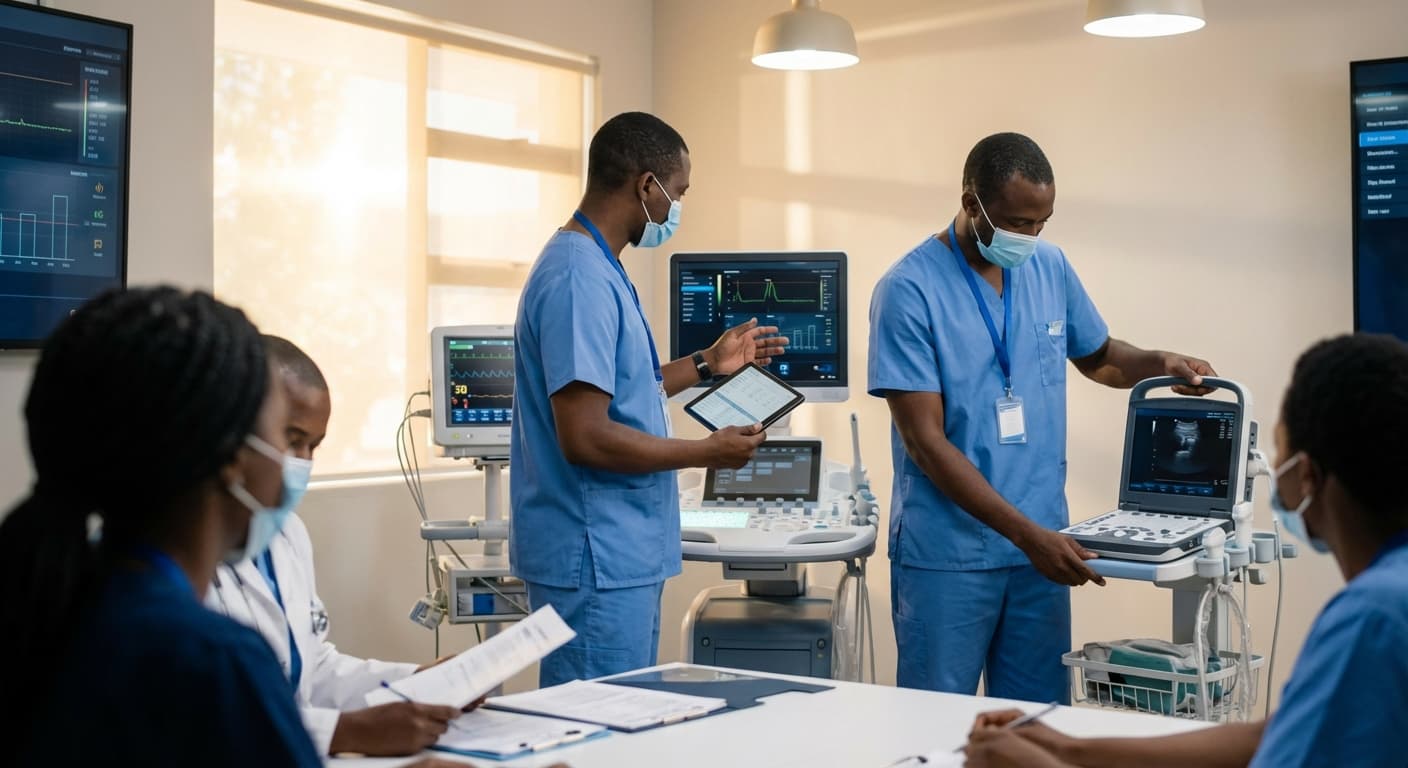
Clinical Needs Assessment for Medical Equipment in Libya
Engineering Excellence & Technical Support
Clinical Needs Assessment for Medical Equipment High-standard technical execution following OEM protocols and local regulatory frameworks.
Data-Driven Needs Identification
Leveraging advanced analytics and epidemiological data from Libyan healthcare facilities to pinpoint critical equipment gaps and prioritize procurement based on disease prevalence, patient demographics, and existing infrastructure limitations.
Lifecycle & Maintenance Planning
Incorporating comprehensive lifecycle cost analysis and pre-emptive maintenance strategies into the needs assessment, ensuring the long-term sustainability and operational readiness of medical equipment in Libya's challenging logistical environment.
Contextualized Equipment Suitability
Evaluating medical equipment suitability based on local environmental conditions, power availability, technical expertise for operation and repair, and the integration with existing healthcare workflows within the Libyan context.
What Is Clinical Needs Assessment For Medical Equipment In Libya?
A Clinical Needs Assessment for Medical Equipment in Libya is a systematic and data-driven evaluation process designed to identify, prioritize, and quantify the medical equipment requirements of healthcare facilities within the Libyan context. This service aims to ensure that available and procured medical devices are appropriate, sufficient, and effectively utilized to meet the prevailing healthcare needs, considering the unique challenges and opportunities present in Libya's post-conflict and resource-constrained environment. It involves a comprehensive analysis of patient demographics, disease prevalence, existing infrastructure, technological capabilities, clinical workflows, staff competencies, and budgetary constraints. The ultimate goal is to optimize resource allocation, improve patient care outcomes, enhance service delivery efficiency, and promote sustainable healthcare system development.
| Who Needs This Service? | Typical Use Cases | |||||
|---|---|---|---|---|---|---|
| Libyan Ministry of Health: To inform national health policies, strategic planning, and resource allocation for the healthcare sector. | Healthcare Facility Administrators and Directors: To justify equipment upgrades, expansions, or replacements, and to optimize departmental budgets. | International Aid Organizations and NGOs: To guide their medical equipment donation and support programs, ensuring alignment with national priorities and sustainability. | Healthcare Professionals (Physicians, Nurses, Technicians): To articulate their specific equipment needs based on clinical practice and patient care requirements. | Procurement and Logistics Departments: To develop accurate specifications for tender processes and to ensure the acquisition of appropriate medical devices. | Financial Institutions and Donors: To assess the viability and impact of proposed investments in medical equipment for Libyan healthcare facilities. | |
| Rehabilitation and reconstruction of healthcare infrastructure post-conflict: Identifying critical equipment needs for damaged or newly built facilities. | Addressing specific public health challenges: Such as infectious disease outbreaks, chronic disease management, or maternal and child health initiatives. | Upgrading existing healthcare facilities to meet modern standards: Including equipping new departments or introducing advanced diagnostic and therapeutic capabilities. | Optimizing the utilization of limited resources: Prioritizing equipment purchases that offer the highest impact on patient outcomes and operational efficiency. | Establishing new specialized healthcare services: Such as trauma centers, cardiac units, or oncology departments. | Ensuring the sustainability of healthcare services: By selecting equipment that can be effectively maintained and operated with local capacity and resources. | Developing national medical equipment procurement frameworks: To streamline processes and ensure value for money. |
Key Components of a Clinical Needs Assessment for Medical Equipment in Libya
- Facility Profiling: Detailed characterization of healthcare facilities (hospitals, primary care centers, specialized clinics) including bed capacity, service offerings, architectural limitations, and existing utilities (power, water, IT infrastructure).
- Clinical Service Analysis: Assessment of current and projected service demands across various medical specialties (e.g., cardiology, surgery, pediatrics, emergency medicine), considering disease burden and epidemiological trends specific to Libya.
- Equipment Inventory and Audit: Comprehensive cataloging of existing medical equipment, including its condition, age, maintenance history, utilization rates, and functional status. This also includes identifying obsolete or underperforming assets.
- Gap Analysis: Comparison of current equipment provision against established clinical guidelines, international standards, and best practices to identify deficits in quantity, type, and technological sophistication.
- Technology Evaluation: Assessment of the suitability and sustainability of specific medical technologies, taking into account local technical support availability, spare parts, consumables, and training requirements.
- Staff Competency Assessment: Evaluation of the skills and training levels of healthcare professionals in operating, maintaining, and utilizing the identified medical equipment.
- Budgetary and Financial Planning: Estimation of capital and operational costs associated with equipment procurement, installation, maintenance, and training, aligned with available funding and resource allocation strategies.
- Risk Assessment: Identification of potential risks related to equipment acquisition, deployment, and utilization, including supply chain disruptions, security concerns, and regulatory compliance.
- Procurement Strategy Development: Formulation of recommendations for prioritized equipment acquisition, considering phased implementation, vendor selection criteria, and contract management.
Who Needs Clinical Needs Assessment For Medical Equipment In Libya?
A Clinical Needs Assessment for Medical Equipment in Libya is crucial for ensuring that healthcare facilities are adequately equipped to provide quality patient care. This assessment process helps identify gaps in current equipment, prioritize procurement based on actual clinical needs, and optimize resource allocation. The target customers and departments for such an assessment are diverse, encompassing various levels of the Libyan healthcare system and specific clinical specialties.
| Department/Specialty | Key Clinical Needs/Equipment Focus | Importance of Assessment |
|---|---|---|
| Emergency Departments (EDs) | Defibrillators, ventilators, advanced patient monitors, rapid diagnostic tests, trauma kits, resuscitation equipment. | Essential for immediate life-saving interventions and stabilizing critically ill patients. |
| Intensive Care Units (ICUs) | Mechanical ventilators, advanced hemodynamic monitoring systems, infusion pumps, dialysis machines, specialized beds, ECMO (potentially). | Crucial for managing severely ill patients requiring continuous and complex support. |
| Surgical Departments (General Surgery, Orthopedics, Neurosurgery, etc.) | Surgical instruments, operating tables, anesthesia machines, electrosurgical units, C-arms, specialized surgical equipment (e.g., arthroscopy, laparoscopy sets). | Ensures safe and effective surgical procedures and patient outcomes. |
| Cardiology/Cardiovascular Departments | ECG machines, echocardiography machines, stress test equipment, cardiac catheterization labs, pacemakers, defibrillators. | Vital for diagnosing and managing heart conditions. |
| Radiology and Imaging Departments | X-ray machines, CT scanners, MRI scanners, ultrasound machines, mammography units, PACS systems. | Fundamental for accurate diagnosis and treatment planning. |
| Obstetrics and Gynecology (OB/GYN) | Ultrasound machines, fetal monitors, delivery tables, gynecological examination chairs, surgical equipment for C-sections and other procedures. | Critical for maternal and neonatal health. |
| Pediatrics Departments | Pediatric ventilators, incubators, phototherapy units, specialized monitoring equipment, child-friendly diagnostic tools. | Ensures appropriate care for infants and children. |
| Anesthesiology Departments | Anesthesia machines, ventilators, advanced patient monitors, muscle relaxant monitoring, drug delivery systems. | Key for patient safety during surgical and other procedures. |
| Laboratory Services (Pathology, Hematology, Biochemistry, Microbiology) | Automated analyzers (hematology, chemistry, immunoassay), microscopes, centrifuges, incubators, PCR machines, sterile workstations. | Essential for accurate and timely diagnostic testing. |
| Oncology Departments | Linear accelerators, brachytherapy units, chemotherapy infusion pumps, radiation therapy planning systems, specialized diagnostic imaging. | Crucial for cancer diagnosis, staging, and treatment. |
| Rehabilitation Services | Therapy equipment (e.g., exercise machines, hydrotherapy equipment, electrotherapy devices), assistive devices. | Aids in patient recovery and functional improvement. |
| Primary Healthcare Centers (PHCs) | Basic diagnostic equipment (e.g., BP monitors, thermometers, stethoscopes, basic lab kits), minor surgical instruments, essential medicines. | Provides foundational healthcare services and early detection of diseases. |
Target Customers for Clinical Needs Assessment in Libya
- Public Hospitals (e.g., University Hospitals, General Hospitals, Specialized Hospitals)
- Private Hospitals and Clinics
- Primary Healthcare Centers (PHCs) and Polyclinics
- Medical Training Institutions (for simulation and practical training)
- Non-Governmental Organizations (NGOs) involved in healthcare delivery
- Government Ministries and Health Authorities (e.g., Ministry of Health, National Health Insurance Fund)
- International Aid Organizations and Donors
- Medical Equipment Suppliers and Distributors (for understanding market demands)
- Healthcare Professionals and Clinicians (as end-users and primary informants)
Clinical Needs Assessment For Medical Equipment Process In Libya
This document outlines the workflow for a Clinical Needs Assessment (CNA) for Medical Equipment in Libya. The process, from initial inquiry to the final execution of equipment procurement and installation, is designed to ensure that healthcare facilities receive the most appropriate and effective medical technology to address their specific clinical requirements and improve patient care.
| Phase | Key Activities | Responsible Parties | Deliverables | Timeline (Indicative) |
|---|---|---|---|---|
| Healthcare facility identifies a need for new or upgraded medical equipment. Formal request submitted to the relevant health authority or funding body. Initial discussion to understand the scope and urgency. | Healthcare Facility, Ministry of Health (MoH) | Formal Request Document, Initial Scope of Need | 1-2 Weeks |
| Detailed assessment of current services, patient demographics, disease prevalence, and existing equipment inventory. Identification of gaps in service delivery due to equipment limitations. Prioritization of needs based on clinical impact, public health importance, and resource availability. | Clinical Staff, Department Heads, MoH Planning Unit | Needs Assessment Report, Prioritized Equipment List | 2-4 Weeks |
| Gathering of detailed data on patient caseloads, disease trends, referral patterns, and current treatment protocols. Analysis of this data to quantify the demand for specific medical services and the required equipment capacity. | Epidemiologists, Data Analysts, Clinical Staff | Statistical Data Reports, Service Utilization Projections | 3-6 Weeks |
| Translating clinical needs into precise technical specifications for each piece of equipment. This includes performance requirements, technical standards, safety features, power needs, and interoperability requirements. | Clinical Specialists, Biomedical Engineers, Procurement Specialists | Detailed Technical Specifications (SoW/ToR), User Requirements | 4-8 Weeks |
| Review of potential equipment options against the defined technical specifications. This may involve site visits, expert consultations, and evaluation of manufacturer's technical proposals. Consideration of local maintenance and service capabilities. | Biomedical Engineers, Clinical Experts, Technical Review Committee | Technical Evaluation Report, Recommended Equipment List | 4-8 Weeks |
| Estimating the total cost of equipment, including purchase price, shipping, installation, training, and ongoing maintenance. Developing a detailed budget and seeking funding approval. | Finance Department, MoH Budget Office, Procurement Unit | Financial Proposal, Approved Budget | 3-6 Weeks |
| Issuing tenders, evaluating bids based on technical merit and price, and selecting the preferred supplier(s). Negotiation of contracts and placing orders. | Procurement Unit, Tender Committee, MoH Legal Department | Awarded Contracts, Purchase Orders | 8-16 Weeks |
| Delivery, installation, and testing of the procured equipment. Ensuring the equipment is functioning according to specifications and is safe for clinical use. Site preparation and infrastructure checks. | Suppliers, Biomedical Engineering Department, Site Engineers | Installation Certificates, Commissioning Reports, Acceptance Forms | 4-12 Weeks (per batch) |
| Training of clinical and technical staff on the proper operation, maintenance, and troubleshooting of the new equipment. Ensuring local capacity for first-line maintenance. | Suppliers, Biomedical Engineers, MoH Training Department | Training Materials, Trained Personnel Records, Competency Assessments | 2-4 Weeks (per training session) |
| Regular monitoring of equipment utilization, performance, and impact on patient care. Periodic evaluation of the effectiveness of the equipment and the needs assessment process itself. Feedback collection. | MoH Monitoring & Evaluation Unit, Clinical Staff, Department Heads | Utilization Reports, Performance Reviews, Impact Assessments | Ongoing (Quarterly/Annually) |
| Establishment of robust maintenance and repair protocols. Ensuring availability of spare parts and ongoing technical support from suppliers or authorized service providers. Development of a preventative maintenance schedule. | Biomedical Engineering Department, Suppliers, MoH Logistics | Maintenance Contracts, Spare Parts Inventory, Service Logs | Ongoing |
Clinical Needs Assessment Workflow for Medical Equipment in Libya
- Inquiry and Initial Request
- Needs Identification and Prioritization
- Data Collection and Analysis
- Requirement Specification
- Technical Evaluation
- Financial Planning and Budgeting
- Procurement Process
- Installation and Commissioning
- Training and Capacity Building
- Monitoring and Evaluation
- Maintenance and Support
Clinical Needs Assessment For Medical Equipment Cost In Libya
This document outlines a clinical needs assessment for medical equipment costs in Libya. The objective is to provide an overview of the pricing factors and approximate cost ranges for essential medical devices in the local Libyan Dinar (LYD). Accurate pricing is crucial for effective healthcare budgeting, procurement, and ensuring the availability of necessary medical technologies for Libyan healthcare facilities. Several factors influence these costs, including import duties, shipping and logistics, supplier markups, currency exchange rates, availability of local distribution networks, and the specific brand and technical specifications of the equipment. Furthermore, the political and economic stability of the region can also impact import costs and availability, potentially leading to price fluctuations. This assessment aims to present a realistic picture of the financial landscape for acquiring medical equipment in Libya.
| Medical Equipment Category | Typical Unit Cost (LYD) | Notes/Range Indicators |
|---|---|---|
| Basic Diagnostic Equipment (e.g., Stethoscope, Sphygmomanometer) | 200 - 1,000 | Varies by brand and quality (e.g., Welch Allyn, MDF Instruments) |
| Blood Pressure Monitor (Digital, Adult) | 300 - 1,500 | Includes home-use and clinical-grade models |
| Thermometer (Digital, Infrared) | 150 - 800 | Non-contact infrared thermometers can be pricier |
| Pulse Oximeter (Finger-tip) | 400 - 2,000 | Accuracy and display features influence cost |
| ECG Machine (12-Lead, Portable) | 8,000 - 50,000 | Brand (e.g., GE Healthcare, Philips, Schiller) and advanced features are key |
| Ultrasound Machine (Basic, Portable) | 20,000 - 150,000 | 2D imaging, probe types determine price |
| Hospital Bed (Manual, Adjustable) | 1,000 - 5,000 | Basic manual beds are more affordable than electric |
| Hospital Bed (Electric, ICU Grade) | 15,000 - 80,000 | Includes advanced features like patient positioning and weighing |
| Syringe Pump | 2,500 - 15,000 | Basic infusion vs. complex drug delivery capabilities |
| Infusion Pump | 3,000 - 18,000 | Programmability and safety features impact cost |
| Ventilator (Basic, ICU) | 30,000 - 250,000+ | Sophistication of modes, monitoring, and brand (e.g., Dräger, Hamilton Medical) are major factors |
| Anesthesia Machine (Basic) | 40,000 - 180,000 | Features like vaporizers, flow meters, and integrated monitors |
| Defibrillator (AED, Semi-Automated) | 5,000 - 25,000 | Ease of use and portability are key |
| X-ray Machine (Mobile, Basic) | 70,000 - 300,000+ | Generators, tube quality, and digital vs. film-based systems |
| Operating Table (Manual) | 8,000 - 40,000 | Basic positioning and stability |
| Operating Table (Electric/Hydraulic) | 30,000 - 150,000+ | Advanced articulation, weight capacity, and accessories |
| Surgical Instruments (Basic Set) | 1,500 - 7,000 | Material quality (e.g., stainless steel) and number of instruments |
| Autoclave (Small/Medium Benchtop) | 3,000 - 15,000 | Capacity, sterilization cycles, and safety features |
| Laboratory Centrifuge (Benchtop) | 2,000 - 10,000 | Speed, rotor types, and capacity |
| Microscope (Compound, Binocular) | 2,500 - 12,000 | Magnification, optics quality, and illumination |
Key Pricing Factors for Medical Equipment in Libya
- Import Duties and Taxes: Government levies imposed on imported goods.
- Shipping and Logistics: Costs associated with transportation, insurance, and customs clearance.
- Supplier Markups: Profit margins added by local distributors or intermediaries.
- Currency Exchange Rates: Fluctuations in the value of the Libyan Dinar against major currencies (USD, EUR).
- Brand and Manufacturer Reputation: Premium pricing for well-established international brands.
- Technical Specifications and Features: Advanced functionalities and higher specifications command higher prices.
- Warranty and After-Sales Service: Inclusion of service agreements and availability of spare parts.
- Local Availability and Competition: Scarcity can drive up prices; strong local competition can lead to better pricing.
- Government Procurement Policies: Any specific regulations or preferred supplier lists impacting pricing.
- Economic Stability and Inflation: Broader economic conditions influencing overall price levels.
Affordable Clinical Needs Assessment For Medical Equipment Options
Conducting a thorough clinical needs assessment is crucial for selecting the most effective and cost-efficient medical equipment. This process ensures that the equipment purchased directly addresses patient care requirements and operational workflows, preventing unnecessary expenses on underutilized or inappropriate technology. This document outlines how to achieve an affordable assessment and introduces value bundles and cost-saving strategies to optimize medical equipment procurement.
| Concept | Description | Cost-Saving Strategies / Benefits |
|---|---|---|
| Value Bundles | A package deal offered by manufacturers or vendors that combines multiple pieces of equipment, software, services, or consumables at a discounted price compared to purchasing them individually. This can also include training, extended warranties, and maintenance plans. | Reduced Total Cost of Ownership (TCO): Bundled pricing often leads to significant upfront savings. Streamlined Procurement: Simplifies the purchasing process by dealing with a single vendor. Integrated Solutions: Ensures compatibility and interoperability between bundled components. Predictable Budgeting: Bundled service and maintenance plans offer more predictable operational costs. |
| Total Cost of Ownership (TCO) Analysis | A comprehensive evaluation of all costs associated with acquiring, operating, and maintaining medical equipment over its entire lifecycle, not just the initial purchase price. | Avoids Hidden Costs: Identifies and accounts for expenses like maintenance contracts, spare parts, consumables, energy consumption, and disposal. Informed Decision-Making: Allows for comparison of equipment based on long-term financial impact, not just initial outlay. Optimized Budget Allocation: Facilitates more accurate budgeting and financial planning. |
| Leasing vs. Purchasing | Leasing involves renting equipment for a set period, while purchasing means outright ownership. | Leasing Benefits: Lower upfront costs, easier access to the latest technology, predictable monthly payments, and potential tax advantages. Purchasing Benefits: Ownership, no recurring rental fees, and potential for higher resale value (though often offset by depreciation). |
| Refurbished or Pre-Owned Equipment | Purchasing equipment that has been previously used but is professionally restored to full working condition, often with warranties. | Significant Upfront Savings: Can be 30-60% cheaper than new equipment. Environmentally Friendly: Reduces waste and the demand for new manufacturing. Reliable Options: Reputable vendors offer rigorous testing and certifications. |
| Consolidation and Standardization | Reducing the variety of equipment models and brands within a facility, opting for a few standardized options. | Bulk Purchasing Discounts: Enables larger orders of fewer items, leading to better pricing. Reduced Training Burden: Simplifies training for clinical staff. Streamlined Maintenance: Fewer parts and service contracts to manage. Interoperability: Ensures equipment can communicate and work together more effectively. |
| Negotiation with Vendors | Actively engaging in price and contract negotiations with medical equipment suppliers. | Direct Price Reductions: Securing lower unit prices. Favorable Contract Terms: Negotiating better warranty periods, service levels, and payment schedules. Volume Discounts: Leveraging purchasing power for better deals. |
| Service and Maintenance Contracts | Agreements with vendors for the upkeep and repair of equipment. | Preventive Maintenance: Reduces the likelihood of costly breakdowns. Guaranteed Response Times: Minimizes downtime in critical situations. Cost Containment: Predictable maintenance expenses, often cheaper than ad-hoc repairs. |
Key Steps in an Affordable Clinical Needs Assessment
- Define Scope and Objectives: Clearly identify the specific departments, procedures, and patient populations the assessment will cover. This prevents scope creep and focuses resources.
- Form a Multidisciplinary Team: Include clinicians (doctors, nurses, technicians), administrators, IT specialists, and procurement personnel to ensure diverse perspectives and functional requirements are captured.
- Review Existing Equipment Inventory: Catalog current equipment, its age, maintenance history, and utilization rates. This identifies potential upgrade or replacement needs and areas for consolidation.
- Analyze Current Workflows and Processes: Map out how care is delivered and where new or improved equipment can enhance efficiency, patient safety, or diagnostic accuracy.
- Identify Unmet Clinical Needs: Solicit direct feedback from end-users regarding current limitations, desired functionalities, and any gaps in existing capabilities.
- Research Market Options: Explore available technologies, considering not just purchase price but also total cost of ownership (TCO), including maintenance, consumables, training, and potential upgrades.
- Prioritize Needs: Rank identified needs based on clinical impact, patient safety, regulatory compliance, and financial feasibility.
- Develop Functional Specifications: Translate prioritized needs into clear, measurable specifications for potential equipment, guiding the selection process.
- Request Quotes and Demos: Obtain detailed pricing information, including service contracts and training, and arrange for hands-on demonstrations to evaluate performance in a clinical setting.
- Conduct a Cost-Benefit Analysis: Evaluate the return on investment (ROI) for each proposed equipment option, considering both direct and indirect cost savings and clinical benefits.
Verified Providers In Libya
Navigating the healthcare landscape in Libya requires trust and assurance. Verified Providers in Libya are essential for individuals and organizations seeking reliable medical services. Franance Health stands out as a leading provider, offering a comprehensive suite of credentials and a commitment to excellence that makes them the best choice for your healthcare needs.
| Franance Health Credential | Significance in Libya | Benefit to Patients |
|---|---|---|
| Accreditation by Libyan Ministry of Health | Mandatory for legal operation and demonstrates compliance with national health regulations. | Ensures adherence to local standards and provides a baseline for safe medical practices. |
| International Certifications (e.g., ISO) | Indicates adherence to globally recognized quality management systems and best practices. | Offers assurance of consistent quality, patient safety protocols, and efficient operations. |
| Partnerships with Reputable International Hospitals | Facilitates access to specialized treatments, advanced diagnostics, and medical expertise not readily available locally. | Provides patients with world-class care, second opinions, and opportunities for complex medical procedures. |
| Highly Qualified and Licensed Medical Staff | Ensures that all healthcare professionals possess the necessary education, training, and licenses to practice in Libya. | Guarantees that patients are treated by competent and experienced doctors, nurses, and specialists. |
| Robust Patient Data Security and Privacy Measures | Demonstrates a commitment to protecting sensitive patient information in accordance with Libyan and international privacy laws. | Provides peace of mind and ensures the confidentiality of medical records. |
| Commitment to Continuous Professional Development | Highlights that Franance Health invests in ongoing training and education for its staff, keeping them updated with the latest medical advancements. | Ensures patients receive care informed by the most current medical knowledge and techniques. |
Why Franance Health is Your Best Choice:
- Unwavering commitment to patient safety and quality of care.
- Extensive network of highly qualified and licensed medical professionals.
- State-of-the-art facilities equipped with advanced medical technology.
- Adherence to international healthcare standards and best practices.
- Transparent and ethical healthcare delivery, fostering patient trust.
- Personalized care plans tailored to individual patient needs.
- Efficient administrative processes for seamless healthcare access.
- Strong partnerships with reputable international medical institutions.
Scope Of Work For Clinical Needs Assessment For Medical Equipment
This Scope of Work (SOW) outlines the requirements for conducting a comprehensive clinical needs assessment for medical equipment. The assessment aims to identify, prioritize, and define the specifications for necessary medical equipment to support enhanced patient care, improved clinical workflows, and efficient resource utilization. The technical deliverables will provide detailed information for procurement, implementation, and validation.
| Deliverable | Description | Format | Timeline (Indicative) |
|---|---|---|---|
| Project Plan | Detailed plan outlining scope, objectives, resources, timeline, and communication strategy. | Document (PDF/Word) | End of Phase 1 |
| Current State Analysis Report | Summary of existing equipment, workflow analysis, and user feedback. | Document (PDF/Word) | End of Phase 2 |
| Prioritized Equipment Needs List | List of identified equipment needs, categorized by priority and clinical impact. | Document (Excel/PDF) | End of Phase 3 |
| Detailed Technical Specifications | Comprehensive specifications for each prioritized medical equipment item. | Document (Excel/PDF) | End of Phase 4 |
| Final Clinical Needs Assessment Report | Consolidated report including all findings, analysis, and recommendations. | Document (PDF/PPT) | End of Phase 5 |
Key Stages of the Clinical Needs Assessment
- Phase 1: Project Initiation and Planning
- Define project objectives, scope, and deliverables.
- Establish project team and stakeholder engagement plan.
- Develop a detailed project timeline and communication strategy.
- Phase 2: Current State Analysis
- Review existing medical equipment inventory and performance data.
- Assess current clinical workflows and identify bottlenecks.
- Gather feedback from clinical end-users (physicians, nurses, technicians).
- Analyze patient demographics, disease prevalence, and projected future needs.
- Review relevant clinical guidelines, best practices, and regulatory requirements.
- Phase 3: Future State Definition and Needs Identification
- Identify gaps in current equipment capabilities and technology.
- Define requirements for new equipment based on future clinical needs and strategic goals.
- Prioritize identified equipment needs based on clinical impact, cost-effectiveness, and urgency.
- Categorize equipment into essential, desirable, and aspirational.
- Phase 4: Technical Specification Development
- Develop detailed technical specifications for each prioritized equipment item.
- Include functional requirements, performance criteria, safety features, interoperability standards, and maintenance considerations.
- Research and recommend appropriate technology and vendors.
- Define installation and training requirements.
- Phase 5: Reporting and Recommendations
- Compile all findings into a comprehensive report.
- Provide clear recommendations for equipment procurement, implementation, and lifecycle management.
- Present findings and recommendations to stakeholders.
Service Level Agreement For Clinical Needs Assessment For Medical Equipment
This Service Level Agreement (SLA) outlines the response times and uptime guarantees for the Clinical Needs Assessment service for Medical Equipment provided by [Your Company Name] to [Client Name]. This SLA is effective from [Start Date] and will remain in effect until [End Date].
| Service Component | Response Time Guarantee (Business Hours) | Uptime Guarantee (Service Availability) | Remedy for Breach |
|---|---|---|---|
| Initial Consultation & Scoping | Within 4 business hours of request acknowledgement | N/A (One-time engagement) | A complimentary review session to refine scope. |
| Data Request Acknowledgement | Within 8 business hours of request submission | N/A (Data submission is client-dependent) | An extension of the assessment timeline by 2 business days. |
| Interim Findings Presentation | As per agreed project timeline (typically within 5 business days of data receipt) | N/A (Scheduled presentation) | An extended Q&A session to address outstanding queries. |
| Final Assessment Report Delivery | Within 10 business days of completion of data analysis | N/A (Final deliverable) | A comprehensive review and revision of the report at no additional charge, extending the project timeline by 3 business days. |
| Support during assessment period (queries regarding methodology or data interpretation) | Within 8 business hours during business hours | 99.5% during the active assessment period (excluding scheduled maintenance) | A prorated discount of 5% on the service fee for the impacted period. |
Scope of Service
- The Clinical Needs Assessment service includes but is not limited to: identifying existing medical equipment inventory, assessing current clinical workflows, evaluating patient care requirements, determining future equipment needs based on technological advancements and strategic goals, and providing recommendations for procurement, upgrade, or decommissioning of medical equipment.
- This SLA specifically covers the assessment process, data collection, analysis, and reporting of findings. It does not include the procurement, installation, maintenance, or repair of medical equipment itself.
- The service will be delivered remotely via secure digital platforms, with provisions for on-site consultations if explicitly agreed upon and outlined in a separate addendum.
Frequently Asked Questions

Ready when you are
Let's scope your Clinical Needs Assessment for Medical Equipment in Libya project in Libya.

Scaling healthcare logistics and technical systems across the entire continent.