
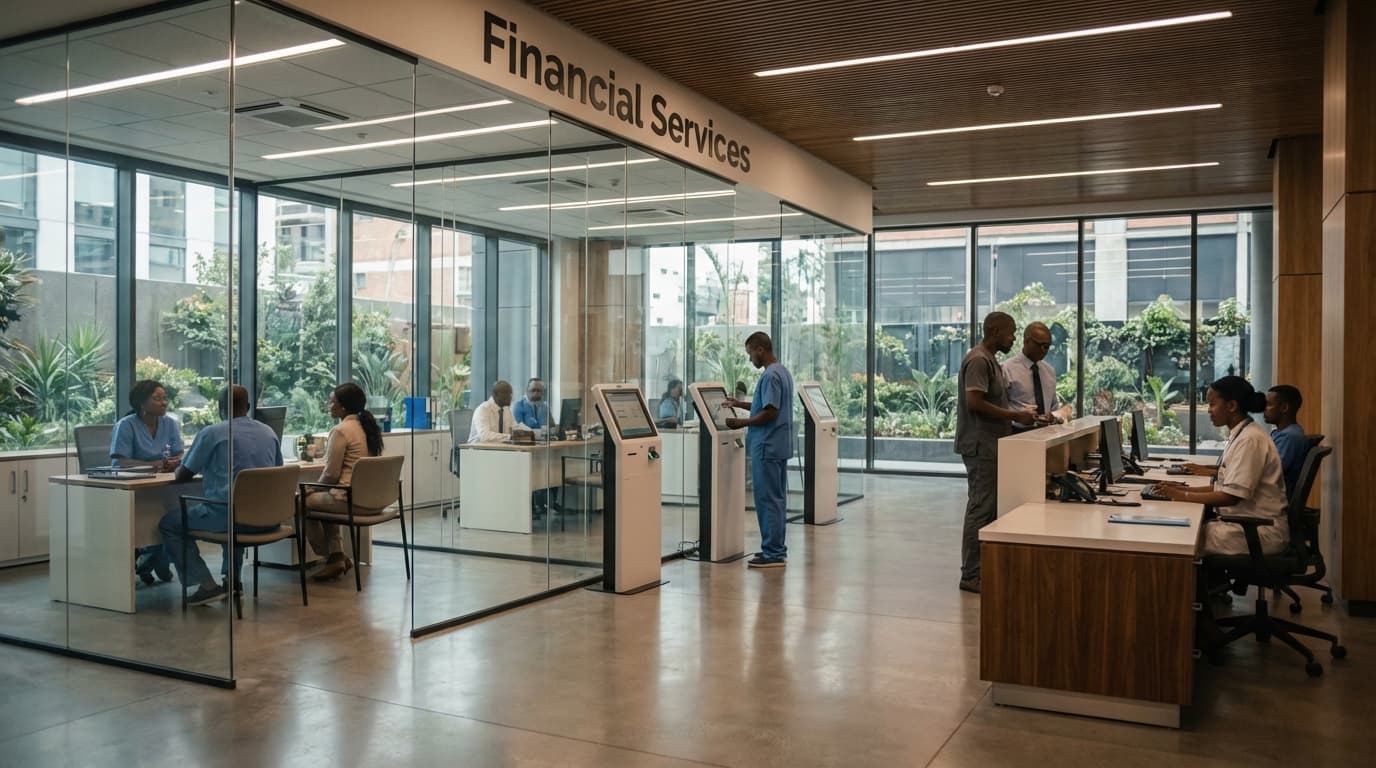
Medical Equipment Rental in Libya
Engineering Excellence & Technical Support
Short-term and long-term equipment rental solutions High-standard technical execution following OEM protocols and local regulatory frameworks.
Rapid Deployment Fleet
Our state-of-the-art logistics network ensures swift and secure delivery of essential medical equipment across Libya, minimizing downtime and maximizing patient care accessibility, even in remote or challenging terrains. We offer 24/7 on-call availability and rapid response times.
Advanced Diagnostic Equipment
Access a comprehensive catalog of cutting-edge diagnostic equipment, from high-resolution imaging systems (MRI, CT scanners) to sophisticated laboratory analyzers. All units are meticulously maintained, calibrated, and updated to meet the highest international standards for accuracy and reliability.
On-Site Technical Support & Maintenance
We provide expert on-site technical support and preventative maintenance services by certified biomedical engineers. This ensures your rented equipment operates at peak performance, reducing operational risks and guaranteeing continuous availability for critical medical procedures throughout your rental period.
What Is Medical Equipment Rental In Libya?
Medical Equipment Rental in Libya refers to the provision of temporary access to specialized medical devices and apparatus for diagnostic, therapeutic, or monitoring purposes. This service is characterized by its flexibility, allowing healthcare providers and institutions to obtain equipment without the significant capital investment associated with outright purchase. The process typically involves a contractual agreement for a defined period, often including delivery, installation, maintenance, and de-installation services. The objective is to ensure the availability of essential medical technology in response to fluctuating demand, emergent clinical needs, or during periods of equipment repair or replacement, thereby maintaining continuity of care.
| Equipment Category | Typical Use Cases | Rationale for Rental |
|---|---|---|
| Diagnostic Imaging Equipment (e.g., Ultrasound, Portable X-ray, ECG) | Patient diagnosis, pre-operative assessment, screening programs, mobile clinics. | High acquisition cost, limited utilization in smaller facilities, need for specialized imaging modalities. |
| Critical Care Equipment (e.g., Ventilators, Patient Monitors, Infusion Pumps) | Intensive care units (ICUs), emergency departments, operating rooms, transport of critical patients. | High demand fluctuations, rapid technological obsolescence, immediate replacement during maintenance or breakdown. |
| Surgical Equipment (e.g., Electrosurgical Units, Surgical Lights, Anesthesia Machines) | Operating theaters, specialized surgical procedures, temporary capacity expansion. | High initial investment, need for frequent upgrades, specialized maintenance requirements. |
| Rehabilitation Equipment (e.g., Physical Therapy Machines, Mobility Aids) | Rehabilitation centers, post-operative recovery, management of chronic conditions. | Variable patient needs, limited long-term requirement for specific devices, cost-effectiveness for short-term therapy. |
| Laboratory and Analytical Equipment (e.g., Blood Analyzers, Microscopes) | Clinical laboratories, research facilities, point-of-care testing. | Cost of reagents and consumables, need for calibration and maintenance, specialized technical expertise. |
Key Stakeholders and Requirements for Medical Equipment Rental in Libya:
- Hospitals (Public and Private): Requiring specialized equipment for various departments (e.g., ICU, surgery, diagnostics) due to high patient volumes, specialized procedures, or equipment downtime.
- Clinics and Diagnostic Centers: Needing access to advanced diagnostic tools (e.g., ultrasound, ECG machines, portable X-ray) for patient assessment and diagnosis.
- Emergency Medical Services (EMS) Providers: Demanding portable and robust equipment for pre-hospital care, such as ventilators, defibrillators, and patient monitors.
- Research and Educational Institutions: Utilizing specific equipment for clinical trials, medical training, and specialized research projects.
- Event Organizers (e.g., sporting events, conferences): Requiring on-site medical support infrastructure to manage potential health emergencies.
- Individual Patients (in specific circumstances): Potentially requiring home-use medical equipment (e.g., oxygen concentrators, CPAP machines) for chronic conditions or post-operative recovery, often facilitated through healthcare providers.
Who Needs Medical Equipment Rental In Libya?
Medical equipment rental services in Libya cater to a diverse range of needs, offering flexible and cost-effective solutions for healthcare providers and individuals. The demand stems from various scenarios, including emergency situations, temporary capacity increases, specialized procedures, and budget constraints. By renting equipment, organizations can avoid significant capital expenditure, ensure access to the latest technology, and manage fluctuating patient loads efficiently.
| Target Customer/Department | Specific Needs/Scenarios | Example Equipment |
|---|---|---|
| Hospitals (General) | Temporary surge in patient admissions, equipment breakdown, specialized procedure support, piloting new technologies. | Ventilators, ICU beds, dialysis machines, surgical lights, patient monitors. |
| Emergency Departments (ER) | Rapid response to mass casualty incidents, immediate need for life-support equipment. | Portable ventilators, defibrillators, ECG machines, trauma equipment. |
| Intensive Care Units (ICU) | High demand for critical care equipment, short-term upgrades, or replacement of malfunctioning units. | Ventilators, infusion pumps, patient monitors, specialized beds. |
| Operating Rooms (OR) | Need for specialized surgical equipment for specific procedures, temporary expansion of surgical capacity. | Anesthesia machines, surgical tables, electrosurgical units, endoscopes. |
| Dialysis Centers | Increased patient load, maintenance periods for existing machines, or temporary setup for new centers. | Dialysis machines, water treatment systems, patient chairs. |
| Rehabilitation Centers | Providing a wide range of therapeutic equipment for patient recovery, offering specialized treatment options. | Treadmills, exercise bikes, physical therapy equipment, electrotherapy devices. |
| Diagnostic Imaging Departments | Temporary need for additional imaging modalities, upgrading to newer models for specific scans. | Portable X-ray machines, ultrasound machines, mobile CT scanners (less common for rental but possible). |
| Field Hospitals/Disaster Relief | Setting up temporary medical facilities in remote or crisis-affected areas, requiring complete equipment packages. | Complete modular hospital setups, generators, basic surgical equipment, life support. |
| Individual Patients (Home Care) | Recovery from surgery, chronic illness management, palliative care requiring specific medical devices at home. | Oxygen concentrators, hospital beds, wheelchairs, CPAP machines, nebulizers. |
| Research and Development | Short-term use of specialized equipment for clinical trials or research projects. | Specific laboratory equipment, advanced monitoring systems. |
Who Needs Medical Equipment Rental in Libya? Target Customers & Departments
- Hospitals (Public and Private)
- Clinics and Diagnostic Centers
- Field Hospitals and Mobile Clinics
- Emergency Medical Services (EMS)
- Rehabilitation Centers
- Research Institutions
- Individual Patients (for home care)
Medical Equipment Rental Process In Libya
This document outlines the typical workflow for renting medical equipment in Libya, covering the process from initial inquiry to the final execution of the rental agreement. The process is designed to ensure that healthcare providers can access necessary equipment efficiently and reliably.
| Stage | Description | Key Activities | Responsible Parties | Documentation |
|---|---|---|---|---|
| The process begins when a healthcare facility or individual expresses interest in renting medical equipment. | Contacting rental provider, specifying equipment type, quantity, duration, and specific requirements (e.g., technical specifications, certifications). | Client (Healthcare Facility/Individual), Rental Provider | Initial inquiry email/call log, Client requirements list |
| The rental provider evaluates the inquiry and prepares a detailed offer. | Assessing availability, determining rental fees, outlining terms and conditions, and providing a comprehensive quotation or proposal. | Rental Provider | Formal quotation, Proposal document, Technical specifications sheet |
| Upon acceptance of the quotation, a formal agreement is established. | Negotiating terms, signing the rental agreement/contract, and potentially providing a security deposit or initial payment. | Client, Rental Provider | Signed rental agreement/contract, Payment receipts, Insurance certificates (if applicable) |
| The equipment is transported and set up at the client's location. | Arranging logistics and transportation, delivering the equipment, performing installation and calibration, and providing basic operational training. | Rental Provider, Client (for site preparation) | Delivery note, Installation report, Training acknowledgment form |
| The client uses the equipment as per the agreement. | Operating the equipment according to guidelines, reporting any malfunctions or issues promptly, and the rental provider performing scheduled or emergency maintenance. | Client, Rental Provider | Equipment usage log, Maintenance requests, Service reports |
| The rental period concludes, and the equipment is returned. | Scheduling equipment pick-up, inspecting equipment condition upon return, final billing based on usage and agreement terms, and processing the final payment. | Rental Provider, Client | Equipment return form, Final invoice, Payment receipts |
| A review of the rental experience. | Gathering feedback on the equipment and service, addressing any outstanding issues, and maintaining a relationship for future needs. | Rental Provider, Client | Customer feedback form, Service evaluation report |
Medical Equipment Rental Workflow in Libya
- Inquiry and Needs Assessment
- Quotation and Proposal
- Agreement and Contract
- Delivery and Installation
- Usage and Maintenance
- Return and Billing
- Post-Rental Follow-up
Medical Equipment Rental Cost In Libya
The cost of renting medical equipment in Libya can vary significantly based on several factors. These include the type and complexity of the equipment, the rental duration, the provider's reputation and service quality, and the availability of specific devices. General economic conditions within Libya, including inflation and currency exchange rates, also play a role. For critical or specialized equipment, such as ventilators or diagnostic imaging machines, rental costs will naturally be higher than for simpler items like crutches or hospital beds. Furthermore, the inclusion of delivery, setup, maintenance, and trained personnel can add to the overall rental price. Prices are typically quoted in Libyan Dinar (LYD).
| Equipment Category | Estimated Rental Range (LYD per day/week/month) | Notes |
|---|---|---|
| Basic Mobility Aids (e.g., Wheelchairs, Walkers, Crutches) | 5 - 25 LYD (daily) | Varies by condition and type |
| Hospital Beds (Manual/Electric) | 15 - 50 LYD (daily) | Electric beds are more expensive |
| Oxygen Concentrators/Cylinders | 20 - 70 LYD (daily) | Includes consumables (filters, masks) and potential delivery |
| Patient Monitors (Vital Signs) | 40 - 150 LYD (daily) | Basic vs. advanced features |
| Infusion Pumps | 50 - 200 LYD (daily) | Standard vs. specialized pumps |
| Ventilators (Non-invasive/Invasive) | 150 - 500+ LYD (daily) | Requires trained personnel for setup and operation; significant variation |
| Diagnostic Equipment (e.g., Portable Ultrasound, ECG Machines) | 100 - 300+ LYD (daily/weekly) | Rental often includes technician support for operation |
| Surgical Equipment (basic sets) | Negotiable (often weekly/monthly contracts) | Depends on the complexity and number of instruments |
Key Pricing Factors for Medical Equipment Rental in Libya
- Equipment Type and Specialization
- Rental Duration (short-term vs. long-term)
- Provider Reputation and Service Level Agreements (SLAs)
- Condition and Age of Equipment
- Inclusion of Delivery, Setup, and Maintenance
- Availability and Demand
- Economic Conditions (inflation, exchange rates)
Affordable Medical Equipment Rental Options
Renting medical equipment can be a cost-effective solution for individuals and healthcare facilities needing temporary access to specialized devices. Beyond simply renting individual items, understanding value bundles and employing smart cost-saving strategies can significantly reduce overall expenses while ensuring access to necessary equipment. Value bundles often group related equipment or services together at a discounted rate, offering a more comprehensive and budget-friendly package compared to renting each item separately. This can include anything from post-operative recovery kits to specialized diagnostic setups. Effective cost-saving strategies involve careful planning, comparison shopping, and leveraging available discounts.
| Value Bundle Type | Included Equipment/Services | Potential Benefits |
|---|---|---|
| Post-Operative Recovery Kit | Hospital bed, walker, commode, shower chair, oxygen concentrator | Convenient, comprehensive solution for home recovery; often at a package discount. |
| Home Dialysis Setup | Dialysis machine, water purification system, consumables | Streamlines the process of setting up home dialysis; potential cost savings on bundled supplies. |
| Diagnostic Imaging Package | Portable X-ray unit, ultrasound machine, related software | Provides a complete diagnostic solution for mobile clinics or remote locations; integrated service and support. |
| Rehabilitation Equipment Bundle | Treadmill, stationary bike, therapy weights, resistance bands | Supports physical therapy programs; often more cost-effective than renting individual items. |
| Sleep Apnea Treatment Package | CPAP machine, masks, filters, humidifier | Ensures all necessary components for effective sleep apnea treatment are provided together; simplified ordering and management. |
Cost-Saving Strategies for Medical Equipment Rental
- Negotiate Rental Terms: Don't be afraid to discuss pricing, especially for longer rental periods or for multiple pieces of equipment. Providers may offer discounts for commitment.
- Compare Multiple Providers: Obtain quotes from several rental companies. Prices and service offerings can vary significantly.
- Consider Refurbished Equipment: For non-critical or less frequently used equipment, refurbished options can offer substantial savings over new rentals.
- Bundle Services with Equipment: Inquire if the rental company offers bundled services like delivery, setup, training, or maintenance. Sometimes, these bundled packages are more economical.
- Leverage Insurance or Reimbursement: Understand your insurance coverage or any potential reimbursement options for medical equipment rentals.
- Plan for Realistic Rental Periods: Avoid over-renting. Accurately estimate your needs to prevent paying for equipment longer than necessary.
- Bulk Rentals: If you require multiple pieces of equipment, inquire about discounts for larger orders.
- Loyalty Programs: Some rental companies offer loyalty programs or discounts for repeat customers.
- Off-Peak Season Rentals: If possible and applicable to your needs, inquire about potential discounts for renting during less busy periods.
- Read Contracts Carefully: Understand all terms and conditions, including insurance requirements, late fees, and damage policies, to avoid unexpected costs.
Verified Providers In Libya
Ensuring you receive quality healthcare is paramount. In Libya, navigating the healthcare landscape can be challenging, but identifying verified providers is crucial for your well-being. Franance Health stands out as a leading organization dedicated to connecting patients with trusted and accredited medical professionals and facilities. Their rigorous credentialing process and commitment to patient safety make them the optimal choice for those seeking reliable healthcare services in Libya.
| Provider Type | Franance Health Verification Criteria | Benefits for Patients |
|---|---|---|
| Hospitals & Clinics | Accreditation status, equipment standards, safety protocols, staff qualifications | Access to well-equipped facilities with trained personnel, higher standards of care and safety |
| Specialist Doctors | Medical license validity, board certifications, years of experience, peer reviews | Consultation with qualified and experienced specialists, confidence in their expertise |
| Diagnostic Centers | Equipment calibration and maintenance, technician qualifications, data security | Accurate and reliable diagnostic results, protection of personal health information |
| Emergency Services | Response times, staff training in emergency care, availability of critical equipment | Prompt and effective emergency medical attention when needed most |
Why Franance Health Credentials Matter
- Rigorous Vetting Process: Franance Health employs a multi-stage verification process to ensure all listed providers meet stringent quality and ethical standards.
- Accreditation Verification: They confirm that facilities and practitioners hold valid accreditations from recognized national and international bodies.
- Professional Background Checks: Comprehensive checks are conducted on medical professionals' qualifications, licenses, and experience.
- Commitment to Patient Safety: Franance Health prioritizes patient safety by only endorsing providers with proven track records and adherence to best medical practices.
- Transparency and Trust: Their verified listings provide a transparent and trustworthy platform, reducing the risk of encountering unqualified or fraudulent healthcare services.
Scope Of Work For Medical Equipment Rental
This Scope of Work (SOW) outlines the requirements for the rental of various medical equipment. It details the technical deliverables, standard specifications, and operational parameters expected from the selected vendor. The objective is to ensure the provision of reliable, well-maintained, and appropriately specified medical equipment to support clinical operations and patient care.
| Equipment Category | Specific Equipment | Minimum Technical Specifications | Quantity Required | Rental Period | Key Features/Attachments |
|---|---|---|---|---|---|
| Ventilation | Adult ICU Ventilator | Mode Support (VCV, PCV, SIMV, PSV), Tidal Volume Range (50-2000ml), Respiratory Rate (1-60 bpm), PEEP, FiO2 Adjustment (21-100%), Integrated SpO2 monitoring, Touchscreen interface, Integrated battery backup (min 2 hours). | 5 | 3 Months | Humidifier, Nebulizer port, Air compressor compatibility. |
| Monitoring | Patient Monitor (Multi-parameter) | ECG (3/5-lead), NIBP, SpO2, Temp, Respiration, IBP (optional). High-resolution display (min 10.4"), Alarm management, Trend data storage (min 24 hours). | 10 | 6 Months | Adult, Pediatric, Neonatal modes. Central monitoring connectivity (optional). |
| Anesthesia | Anesthesia Machine | Integrated Vaporizer (ISO compliant), Ventilator with multiple modes, Oxygen, Nitrous Oxide, Air flow meters, Spirometry, Gas monitoring (CO2, O2, Anesthetic agents). | 2 | 1 Year | Bail-out ventilation, Suction system, Built-in battery backup (min 30 minutes). |
| Imaging | Portable Ultrasound Machine | Color Doppler, Pulsed Wave Doppler, 2D imaging, Multiple transducer ports (min 2), Image storage capacity (min 1000 images), Battery-powered (min 3 hours). | 3 | 4 Months | Carriage system, Diagnostic packages (e.g., Abdomen, Cardiac, Vascular). |
| Critical Care | Infusion Pump (Syringe) | Flow Rate Range (0.1-99.9 ml/hr), Volume to be infused (VTBI), Occlusion pressure settings, Anti-bolus feature, Audio-visual alarms. Compatible with standard syringes (10ml, 20ml, 50ml). | 15 | Ongoing | IV Pole clamp, Data logging. |
Technical Deliverables
- Upon delivery, each piece of equipment must be accompanied by a comprehensive user manual, including operational instructions, maintenance procedures, and troubleshooting guides.
- A valid Certificate of Calibration for all applicable equipment, demonstrating compliance with relevant industry standards (e.g., ISO, FDA, CE marking), will be required.
- A detailed inventory list of all delivered equipment, including serial numbers, model numbers, and rental period, must be provided.
- Evidence of preventative maintenance schedules and records for each rented unit.
- Functional demonstration and training session for designated hospital staff on the proper operation and basic maintenance of complex equipment.
- Emergency contact information and a clear escalation protocol for technical support and equipment malfunction.
- Post-rental inspection report detailing the condition of the equipment upon return.
Service Level Agreement For Medical Equipment Rental
This Service Level Agreement (SLA) outlines the terms and conditions governing the rental of medical equipment by [Your Company Name] (hereinafter referred to as "Provider") to [Client Name] (hereinafter referred to as "Client"). This SLA specifically addresses response times for service requests and uptime guarantees for the rented equipment.
| Equipment Category | Emergency Service Response Time (during Business Hours) | Emergency Service Response Time (outside Business Hours) | Non-Emergency Service Response Time (during Business Hours) | Uptime Guarantee |
|---|---|---|---|---|
| Critical Life Support Equipment (e.g., Ventilators, Defibrillators) | 1 hour | 2 hours | 4 hours | 98% |
| Diagnostic Imaging Equipment (e.g., X-ray, Ultrasound) | 2 hours | 4 hours | 8 hours | 97% |
| Patient Monitoring Systems (e.g., ECG, Pulse Oximeters) | 1.5 hours | 3 hours | 6 hours | 97.5% |
| General Medical Equipment (e.g., Infusion Pumps, Electrosurgical Units) | 3 hours | 6 hours | 12 hours | 96% |
Key Definitions
- Service Request: Any communication from the Client to the Provider reporting a malfunction, issue, or need for maintenance on the rented medical equipment.
- Emergency Service Request: A Service Request that, if not addressed promptly, poses an immediate risk to patient safety or significantly disrupts critical medical procedures.
- Non-Emergency Service Request: A Service Request that does not pose an immediate risk to patient safety or significantly disrupt critical medical procedures.
- Uptime: The percentage of time during the rental period that the medical equipment is fully functional and operational according to its specifications.
- Downtime: The percentage of time during the rental period that the medical equipment is not functional or operational.
- Response Time: The maximum time allowed from the initiation of a Service Request by the Client until the Provider's technician or designated representative acknowledges and begins addressing the issue.
- Resolution Time: The maximum time allowed from the initiation of a Service Request until the issue is fully resolved and the equipment is restored to operational status.
- Business Hours: [Specify Business Hours, e.g., Monday to Friday, 8:00 AM to 5:00 PM Local Time, excluding public holidays].
Frequently Asked Questions

Ready when you are
Let's scope your Medical Equipment Rental in Libya project in Libya.

Scaling healthcare logistics and technical systems across the entire continent.