
Equipment Fleet Standardization Consulting Service in Libya
Engineering Excellence & Technical Support
Equipment Fleet Standardization Consulting Service High-standard technical execution following OEM protocols and local regulatory frameworks.
Optimized Lifecycle Management for Heavy Machinery
Leveraging advanced data analytics and international best practices, we'll implement a standardized maintenance and replacement strategy for your heavy equipment fleet in Libya. This reduces unexpected downtime, minimizes spare parts inventory, and maximizes asset utilization, directly impacting your project profitability.
Unified Fleet Performance Monitoring & Reporting
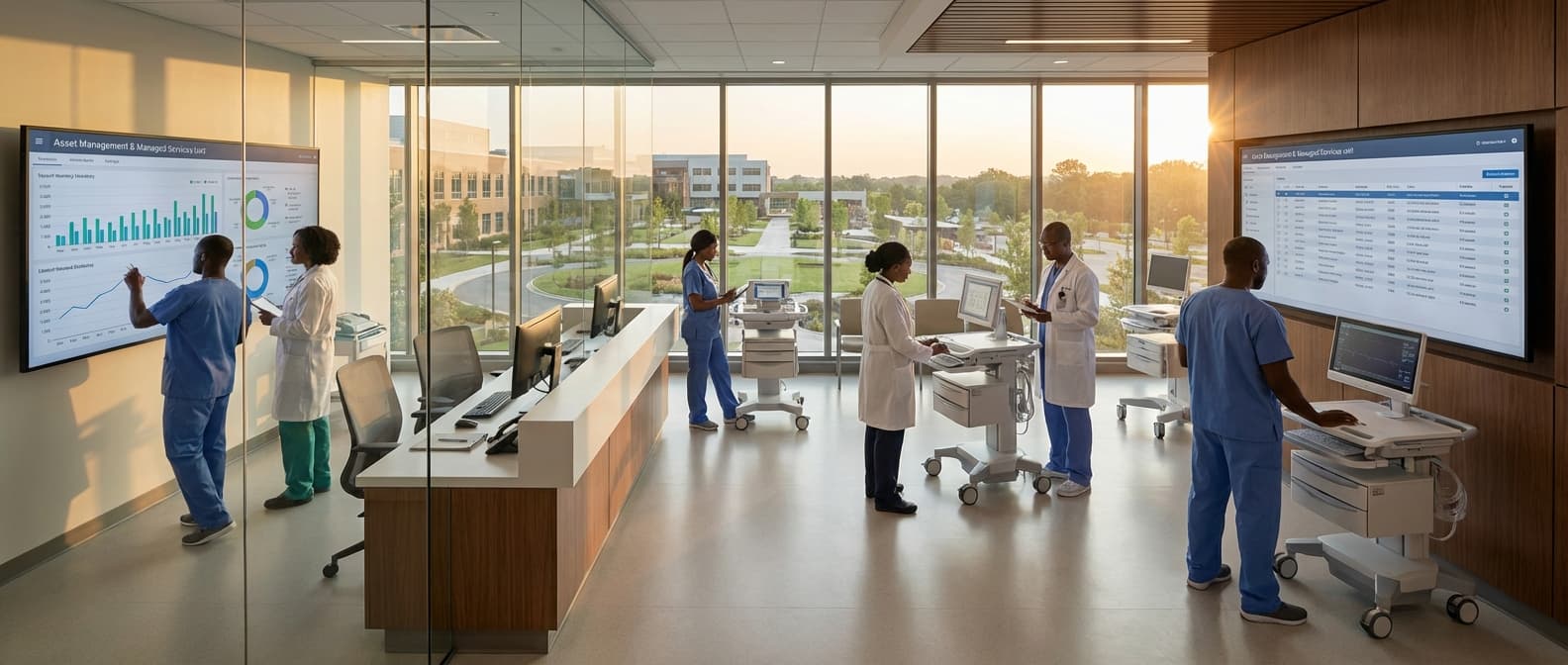
We establish a centralized system for real-time tracking of all equipment, regardless of manufacturer or age. This provides Libyan operators with comprehensive dashboards and actionable insights into fuel consumption, operational hours, and maintenance needs, enabling data-driven decision-making for enhanced efficiency and cost control.
Interoperable Technology Integration & Training
Our consulting service focuses on integrating standardized telematics and diagnostic tools across your Libyan fleet. We provide tailored training programs for your technicians and operators to ensure seamless adoption, maximizing the benefits of modern equipment management technologies and fostering a culture of operational excellence.
What Is Equipment Fleet Standardization Consulting Service In Libya?
Equipment Fleet Standardization Consulting Service in Libya refers to the specialized advisory offered to organizations operating substantial fleets of machinery and vehicles within Libya. The core objective is to achieve uniformity in equipment specifications, makes, models, and supporting technologies across the entire fleet. This strategic approach aims to optimize operational efficiency, reduce maintenance complexities, enhance procurement power, and streamline training and support processes. The service involves a comprehensive analysis of existing fleet composition, operational requirements, budgetary constraints, and strategic objectives to develop a tailored standardization roadmap. Key activities include data collection and analysis, benchmarking, development of equipment selection criteria, vendor evaluation, implementation planning, and change management.
| Typical Use Case | Description | Benefits of Standardization |
|---|---|---|
| Fleet Optimization for Oilfield Services | Standardizing drilling rigs, completion equipment, and support vehicles to reduce downtime and increase operational synergy in remote drilling locations. | Reduced spare parts inventory, simplified maintenance schedules, enhanced technician proficiency, improved interoperability of equipment. |
| Consolidation of Construction Machinery | Aligning excavators, bulldozers, cranes, and concrete mixers to a preferred set of manufacturers and models for large-scale infrastructure projects. | Economies of scale in purchasing, reduced training overhead, unified diagnostic and repair procedures, optimized fleet utilization. |
| Streamlining Logistics and Haulage | Standardizing truck types, trailers, and specialized transport units for efficient national or regional distribution networks. | Simplified fleet management software integration, reduced driver training diversity, optimized fuel efficiency through standardized models, centralized maintenance facilities. |
| Enhancing Mining Equipment Performance | Standardizing haul trucks, loaders, crushers, and drilling equipment in large-scale mining operations for improved reliability and cost control. | Predictive maintenance advantages, bulk purchasing discounts on parts and consumables, development of specialized in-house repair expertise. |
Key Stakeholders Requiring Equipment Fleet Standardization Consulting Service in Libya:
- Oil and Gas Exploration and Production Companies
- Construction and Infrastructure Development Firms
- Logistics and Transportation Enterprises
- Mining and Extractive Industries
- Government Agencies and Public Works Departments
- Large-Scale Agricultural Operations
Who Needs Equipment Fleet Standardization Consulting Service In Libya?
Equipment fleet standardization consulting services are crucial for organizations in Libya that operate a diverse and often unmanaged fleet of equipment. This service helps businesses achieve greater operational efficiency, reduce costs, and improve safety and compliance through strategic alignment of their equipment assets. The need arises from challenges such as inefficient maintenance, high operating expenses due to varied parts and training, difficulties in tracking and managing assets, and potential safety and regulatory non-compliance associated with disparate equipment types and ages.
| Industry Sector | Specific Organizations/Companies | Key Departments Involved |
|---|---|---|
| Oil and Gas | National Oil Corporation (NOC) subsidiaries (e.g., NOC, Waha Oil, Agoco), International Oil Companies (IOCs) operating in Libya, Service companies (e.g., Baker Hughes, Schlumberger). | Operations, Maintenance, Procurement, Logistics, Health, Safety, and Environment (HSE). |
| Construction and Infrastructure | Large construction firms, road building authorities, municipal project developers, real estate developers. | Operations, Fleet Management, Engineering, Procurement, Site Management. |
| Energy (Renewable and Traditional) | Power generation companies, solar and wind farm developers, electricity distribution companies. | Operations, Maintenance, Engineering, Procurement, Asset Management. |
| Mining and Extractive Industries | Companies involved in mineral extraction, quarrying, and processing. | Operations, Mine Management, Maintenance, Procurement, Logistics. |
| Transportation and Logistics | Freight and logistics companies, public transport operators, port authorities. | Fleet Management, Operations, Maintenance, Procurement, Logistics, Safety. |
| Agriculture and Agribusiness | Large agricultural estates, irrigation project operators, food processing companies with heavy machinery. | Operations, Farm Management, Maintenance, Procurement, Logistics. |
| Government and Public Sector | Municipalities, disaster relief agencies, public works departments, military and defense entities. | Procurement, Operations, Maintenance, Asset Management, Logistics, Safety & Security. |
Target Customers & Departments in Libya for Equipment Fleet Standardization Consulting
- Organizations with significant capital investment in equipment.
- Companies seeking to optimize operational costs and improve asset utilization.
- Businesses operating in sectors with heavy reliance on machinery and vehicles.
- Entities facing challenges with spare parts management and inventory.
- Organizations aiming to enhance safety protocols and regulatory adherence.
Equipment Fleet Standardization Consulting Service Process In Libya
This document outlines the typical workflow for an Equipment Fleet Standardization Consulting Service in Libya, from initial inquiry to project execution. The process is designed to be comprehensive, ensuring client needs are met effectively and efficiently within the Libyan context, considering local regulations and business practices.
| Step | Description | Key Activities | Libyan Context Considerations |
|---|---|---|---|
| 1.1 Initial Inquiry | Client expresses interest in fleet standardization services. | Receive and acknowledge inquiry, initial contact to understand basic needs. | Channels of communication (email, phone, local representative), language considerations (Arabic/English). |
| 1.2 Preliminary Discussion | Understanding the client's challenges and goals. | Open dialogue, identifying pain points, preliminary scope definition. | Cultural nuances in business discussions, understanding local industry structures. |
| 2.1 Data Collection Strategy | Defining what information is needed and how it will be gathered. | Identifying existing fleet inventory, maintenance records, operational data, cost structures. | Accessibility of data from various government and private entities, data privacy regulations in Libya. |
| 2.2 On-site Assessment (if applicable) | Physical inspection of the fleet and operational sites. | Fleet audit, condition assessment, site visits, interviews with key personnel. | Logistics for site access, security considerations, local transportation availability. |
| 2.3 Gap Analysis | Comparing current state to desired standardized state. | Identifying discrepancies in equipment types, ages, capabilities, and maintenance practices. | Understanding common equipment used in Libyan industries (oil & gas, construction, agriculture). |
| 3.1 Service Offering Definition | Tailoring services to client's specific needs. | Defining deliverables: standardization strategy, policy development, supplier recommendations, training plans. | Local market knowledge of equipment suppliers and service providers in Libya. |
| 3.2 Costing & Pricing | Developing a financial proposal. | Estimating consulting hours, travel expenses, any third-party costs. | Currency exchange rates (Libyan Dinar), payment terms acceptable in Libya. |
| 3.3 Proposal Submission | Presenting the detailed proposal to the client. | Formal presentation, Q&A session, addressing client concerns. | Importance of clear and concise communication, building trust. |
| 4.1 Contract Negotiation | Discussing and agreeing on terms and conditions. | Scope of work, timelines, payment schedules, confidentiality clauses, dispute resolution. | Libyan contract law, local legal counsel involvement if necessary. |
| 4.2 Agreement Finalization | Signing of the formal contract. | All parties sign the legally binding document. | Notarization requirements, official seals if applicable. |
| 5.1 Project Kick-off Meeting | Formal commencement of the project. | Introduction of project teams, detailed project plan review, communication protocols. | Ensuring buy-in from all stakeholders within the client's organization. |
| 5.2 Data Analysis & Strategy Development | Analyzing collected data to formulate the standardization strategy. | Developing criteria for equipment selection, proposing rationalization plans, defining maintenance standards, suggesting technology adoption. | Considering the availability of spare parts and skilled technicians in Libya. |
| 5.3 Solution Design | Creating the blueprint for the standardized fleet. | Defining new equipment specifications, lifecycle cost analysis, ROI calculations. | Understanding import/export regulations for equipment into Libya. |
| 5.4 Implementation Planning | Developing a roadmap for putting the strategy into action. | Phased rollout plan, procurement processes, training schedules, change management strategies. | Navigating customs and import procedures for new equipment. |
| 5.5 Implementation Support | Assisting the client in executing the plan. | Guiding procurement, overseeing training, supporting new policy adoption, troubleshooting issues. | Liaising with local authorities and service providers. |
| 6.1 Performance Monitoring | Tracking the impact of the standardization. | Collecting data on operational efficiency, cost savings, maintenance effectiveness, equipment uptime. | Establishing KPIs relevant to the Libyan operational environment. |
| 6.2 Evaluation & Reporting | Assessing the success of the project against objectives. | Generating performance reports, identifying areas for improvement, providing recommendations. | Presenting findings in a culturally appropriate manner. |
| 7.1 Project Handover | Formally transferring ownership of the implemented solution. | Providing final documentation, training manuals, and best practices. | Ensuring the client's team is equipped to sustain the standardization. |
| 7.2 Post-Project Review | A final meeting to discuss overall project satisfaction and lessons learned. | Gathering feedback, discussing potential future engagements. | Maintaining long-term relationships. |
Equipment Fleet Standardization Consulting Service Process in Libya
- {"title":"Phase 1: Inquiry & Initial Consultation","description":"The process begins with an external party (potential client) expressing interest in fleet standardization services. This leads to an initial engagement to understand their core needs and objectives."}
- {"title":"Phase 2: Needs Assessment & Scoping","description":"A detailed investigation into the client's current fleet, operations, and strategic goals. This phase defines the scope and objectives of the standardization project."}
- {"title":"Phase 3: Proposal Development & Negotiation","description":"Based on the agreed-upon scope, a formal proposal outlining services, deliverables, timelines, and costs is prepared and presented to the client."}
- {"title":"Phase 4: Contract & Agreement","description":"Upon acceptance of the proposal, a formal contract is drafted and finalized, legally binding the consulting firm and the client."}
- {"title":"Phase 5: Project Execution & Implementation","description":"This is the core of the service, involving data collection, analysis, strategy development, and implementation support. This phase is broken down into sub-steps for clarity."}
- {"title":"Phase 6: Monitoring & Evaluation","description":"Post-implementation, the effectiveness of the standardization is assessed, and adjustments are made if necessary."}
- {"title":"Phase 7: Project Closure & Follow-up","description":"Formal closure of the project and provision of ongoing support or further recommendations."}
Equipment Fleet Standardization Consulting Service Cost In Libya
Consulting services for equipment fleet standardization in Libya involve a range of factors that influence cost. These factors are dynamic and can fluctuate based on market conditions, the complexity of the project, and the expertise of the consulting firm. Key drivers of cost include the size and diversity of the existing fleet, the level of standardization required (e.g., brand, model, age, maintenance protocols), the scope of the engagement (e.g., assessment only, full implementation support, training), and the duration of the project. Furthermore, the reputation and experience of the consulting firm, their overhead costs, and the specific methodologies they employ will all contribute to the final price. For projects in Libya, geopolitical stability and the associated logistical challenges can also introduce an element of risk and influence pricing. Consultants may factor in higher costs for travel, accommodation, and security arrangements if deemed necessary.
| Service Component | Typical Cost Range (Libyan Dinar - LYD) | Notes |
|---|---|---|
| Initial Fleet Assessment & Analysis | 10,000 - 50,000 LYD | Covers data collection, current state analysis, and gap identification. |
| Standardization Strategy Development | 15,000 - 75,000 LYD | Includes defining standards, recommending new equipment, and developing implementation roadmaps. |
| Implementation Support (Phased) | 20,000 - 150,000+ LYD (per phase) | Assists with procurement, phased rollout, and vendor management. Costs can escalate significantly with the scope of implementation. |
| Training & Change Management | 5,000 - 30,000 LYD | Focuses on equipping personnel with new operational and maintenance procedures. |
| Project Management Fee (Overlay) | 10% - 20% of total project cost | Often applied as a percentage of the overall consulting fees for managing the project lifecycle. |
| Ad-hoc Consulting & Advisory | 500 - 2,500 LYD per day | For specific, short-term expert advice or troubleshooting. |
Key Pricing Factors for Equipment Fleet Standardization Consulting in Libya
- Fleet Size and Diversity: A larger and more varied fleet will require more extensive analysis and planning.
- Scope of Standardization: The degree of standardization desired (e.g., specific makes/models, universal parts) impacts complexity.
- Project Duration and Phases: Longer projects or those with multiple implementation phases will incur higher overall costs.
- Consulting Firm's Expertise and Reputation: Established firms with proven track records often command higher fees.
- Geographic Spread of Operations: If the fleet is distributed across multiple locations in Libya, logistical costs increase.
- Data Availability and Quality: Poor or inaccessible fleet data can prolong the assessment phase.
- Technology Integration: The need to integrate new fleet management software or systems adds to the cost.
- Training and Change Management: Costs associated with training staff on new protocols and managing the transition.
- Risk and Security Considerations: Geopolitical factors and security requirements in Libya can influence pricing.
Affordable Equipment Fleet Standardization Consulting Service Options
Our Affordable Equipment Fleet Standardization Consulting Service helps businesses optimize their equipment inventory, reduce operational costs, and improve efficiency through strategic standardization. We offer flexible value bundles designed to meet diverse needs and budgets, alongside proven cost-saving strategies.
| Value Bundle | Description | Ideal For | Key Deliverables | Estimated Price Range (USD) |
|---|---|---|---|---|
| Basic Fleet Assessment | A foundational review of your current equipment inventory, identifying major standardization opportunities. | Small to medium-sized businesses with a growing fleet or initial interest in standardization. | Current fleet inventory report, initial standardization recommendations, basic cost-benefit analysis. | $1,500 - $3,000 |
| Standardization Strategy Builder | Develops a comprehensive, multi-year standardization roadmap tailored to your specific operational needs and budget. | Businesses seeking a detailed plan for phased equipment standardization and long-term cost reduction. | Detailed standardization roadmap, recommended equipment models, procurement strategy outline, risk assessment. | $3,000 - $6,000 |
| Implementation Support Package | Provides hands-on guidance and support during the implementation phase of your standardization strategy, including vendor negotiation assistance. | Businesses ready to implement their standardization plan and requiring expert support. | Vendor selection criteria, negotiation strategy, pilot program management, training coordination assistance. | $5,000 - $10,000+ |
| Customized Solution | A fully bespoke consulting package designed to address unique challenges and objectives within your equipment fleet. | Large enterprises, businesses with highly specialized equipment needs, or complex operational structures. | Agreed-upon deliverables based on specific project scope. | Custom Quote |
Key Benefits of Fleet Standardization
- Reduced maintenance and repair costs through simplified parts inventory and specialized technician training.
- Lower training expenses by standardizing operator skills and reducing the variety of equipment interfaces.
- Improved procurement power and volume discounts by consolidating purchases of fewer equipment models.
- Enhanced resale value due to consistent maintenance and readily available parts.
- Streamlined operations and increased uptime with easier part sourcing and quicker repairs.
- Improved safety through consistent operator training and familiar equipment controls.
- Simplified fleet management and data tracking for better decision-making.
Verified Providers In Libya
Finding verified healthcare providers in Libya is crucial for ensuring quality and trustworthy medical services. Franance Health stands out as a premier choice due to its rigorous credentialing process and commitment to patient well-being. This section outlines why Franance Health's verified providers are the best option for your healthcare needs in Libya.
| Provider Type | Key Credentials Verified | Benefits for Patients |
|---|---|---|
| Specialist Physicians | Medical Board Certification, Fellowship Training, Continuing Medical Education (CME) records, Hospital Affiliations | Access to expert diagnosis and treatment for complex conditions, cutting-edge medical knowledge |
| General Practitioners | Medical License, Clean Disciplinary Record, Postgraduate Training in Family Medicine | Comprehensive primary care, preventative services, ongoing health management |
| Nurses (RNs, LPNs) | Nursing License, Specialized Certifications (e.g., Critical Care, Oncology), Employment History | Skilled and compassionate bedside care, medication administration, patient education |
| Diagnostic Technicians (Radiology, Lab) | Professional Certification, Training in specific imaging modalities or laboratory techniques, Quality Assurance compliance | Accurate and timely diagnostic results, adherence to safety protocols |
| Therapists (Physical, Occupational) | Licensure, Specializations in relevant therapeutic areas, Experience with rehabilitation protocols | Effective rehabilitation programs, pain management, functional improvement |
Why Choose Franance Health Verified Providers?
- Rigorous Vetting Process: Franance Health employs a multi-step verification system that goes beyond basic licensing. This includes checking for malpractice history, professional standing, and adherence to ethical standards.
- Exceptional Qualifications: Our network comprises highly qualified and experienced medical professionals, including specialists with international training and expertise.
- Patient-Centric Approach: Verified Franance Health providers prioritize patient care, focusing on personalized treatment plans and clear communication.
- Access to Advanced Technology: Many of our partnered facilities are equipped with modern medical technology, ensuring accurate diagnoses and effective treatments.
- Trust and Reliability: By choosing Franance Health, you are assured of receiving care from providers who have met the highest standards of professionalism and integrity.
Scope Of Work For Equipment Fleet Standardization Consulting Service
This Scope of Work (SOW) outlines the services to be provided by a consulting firm to assist [Client Name] in developing and implementing an equipment fleet standardization strategy. The objective is to reduce operational costs, improve maintenance efficiency, enhance safety, and optimize asset utilization through a cohesive and standardized fleet. This document details the objectives, deliverables, timeline, and responsibilities for the consulting engagement. Specific attention will be paid to defining clear technical deliverables and establishing robust standard specifications for all fleet equipment.
| Deliverable Name | Description | Format | Timeline (Weeks from Project Start) |
|---|---|---|---|
| Current Fleet Assessment Report | Detailed analysis of existing equipment, usage patterns, maintenance costs, and operational challenges. Includes identification of redundant or underutilized assets. | PDF Report, Presentation Slides | 2 |
| Standardization Opportunity Analysis | Identifies specific equipment categories and opportunities for standardization, including potential benefits and risks associated with each. | PDF Report | 4 |
| Standard Equipment Specification Framework | Definitive technical specifications for standardized equipment across key categories (e.g., material handling, construction, vehicles). This includes performance requirements, safety features, fuel efficiency, environmental impact, and preferred component manufacturers. | Microsoft Word Documents, Excel Spreadsheets (for detailed specs), PDF Summary | 8 |
| Recommended Standard Specifications (Examples) | Detailed technical specifications for at least three (3) key equipment categories identified in the analysis. This will serve as a template for future procurement. | Microsoft Word Documents, Excel Spreadsheets | 10 |
| Fleet Standardization Roadmap | A phased plan outlining the steps for implementing the standardization strategy, including procurement timelines, disposal plans for existing assets, training requirements, and budget considerations. | PDF Report, Gantt Chart (Visual Timeline) | 12 |
| Technology Integration Recommendations | Proposals for leveraging telematics, CMMS (Computerized Maintenance Management System), and other technologies to support fleet management and data-driven decision-making for standardization. | PDF Report | 14 |
| Performance Metrics and Reporting Framework | Definition of Key Performance Indicators (KPIs) to measure the success of the standardization initiative, along with a proposed reporting schedule and format. | Microsoft Excel Spreadsheet, PDF Document | 16 |
| Final Project Report & Presentation | Comprehensive summary of the project findings, recommendations, and implemented strategies. Includes a presentation to key stakeholders. | PDF Report, Presentation Slides | 18 |
Key Objectives of the Consulting Engagement
- Conduct a comprehensive analysis of the current equipment fleet, including type, age, usage, maintenance history, and associated costs.
- Identify opportunities for standardization across different equipment categories.
- Develop a standardized equipment specification framework for key asset classes.
- Create a roadmap for phased fleet standardization, including procurement, disposal, and training strategies.
- Provide recommendations for technology integration to support fleet management and standardization.
- Establish performance metrics and reporting mechanisms to track the success of the standardization initiative.
Service Level Agreement For Equipment Fleet Standardization Consulting Service
This Service Level Agreement (SLA) outlines the commitment of [Consulting Firm Name] (hereinafter referred to as "Consultant") to [Client Company Name] (hereinafter referred to as "Client") for the provision of Equipment Fleet Standardization Consulting Services. This SLA specifically addresses response times for critical issues and uptime guarantees for any agreed-upon, consultant-provided tools or platforms utilized during the engagement.
| Service Component | Response Time (Business Hours) | Resolution Target (Business Hours) | Uptime Guarantee | Applicability |
|---|---|---|---|---|
| Critical Issue - Project Blocker (e.g., inability to proceed with analysis, critical decision delayed) | 1 Business Hour | 4 Business Hours | N/A (Focus on resolution speed) | Client-facing consultant availability |
| High Priority Issue - Significant project impact (e.g., delay in deliverable submission, major analysis roadblock) | 2 Business Hours | 8 Business Hours | N/A (Focus on resolution speed) | Client-facing consultant availability |
| Medium Priority Issue - Minor project impact (e.g., question requiring clarification, minor documentation request) | 4 Business Hours | 24 Business Hours | N/A (Focus on resolution speed) | Client-facing consultant availability |
| Low Priority Issue - General inquiry or administrative request | 8 Business Hours | 48 Business Hours | N/A (Focus on resolution speed) | Client-facing consultant availability |
| Consultant-Provided Tool/Platform Availability (if applicable) | N/A | N/A | 99.5% per calendar month | Any agreed-upon consultant-provided online tools or platforms solely for this engagement |
Scope of Services Covered by this SLA
- Initial assessment and analysis of the existing equipment fleet.
- Development of standardization strategies and recommendations.
- Creation of documentation for standardization policies and procedures.
- Guidance on technology selection and implementation planning.
- On-site or remote consulting sessions.
- Reporting and progress updates.
- Provision and maintenance of any agreed-upon consultant-provided tools or platforms (e.g., project management software, data analysis dashboards) exclusively for the purpose of this engagement.
Frequently Asked Questions

Ready when you are
Let's scope your Equipment Fleet Standardization Consulting Service in Libya project in Libya.

Scaling healthcare logistics and technical systems across the entire continent.