
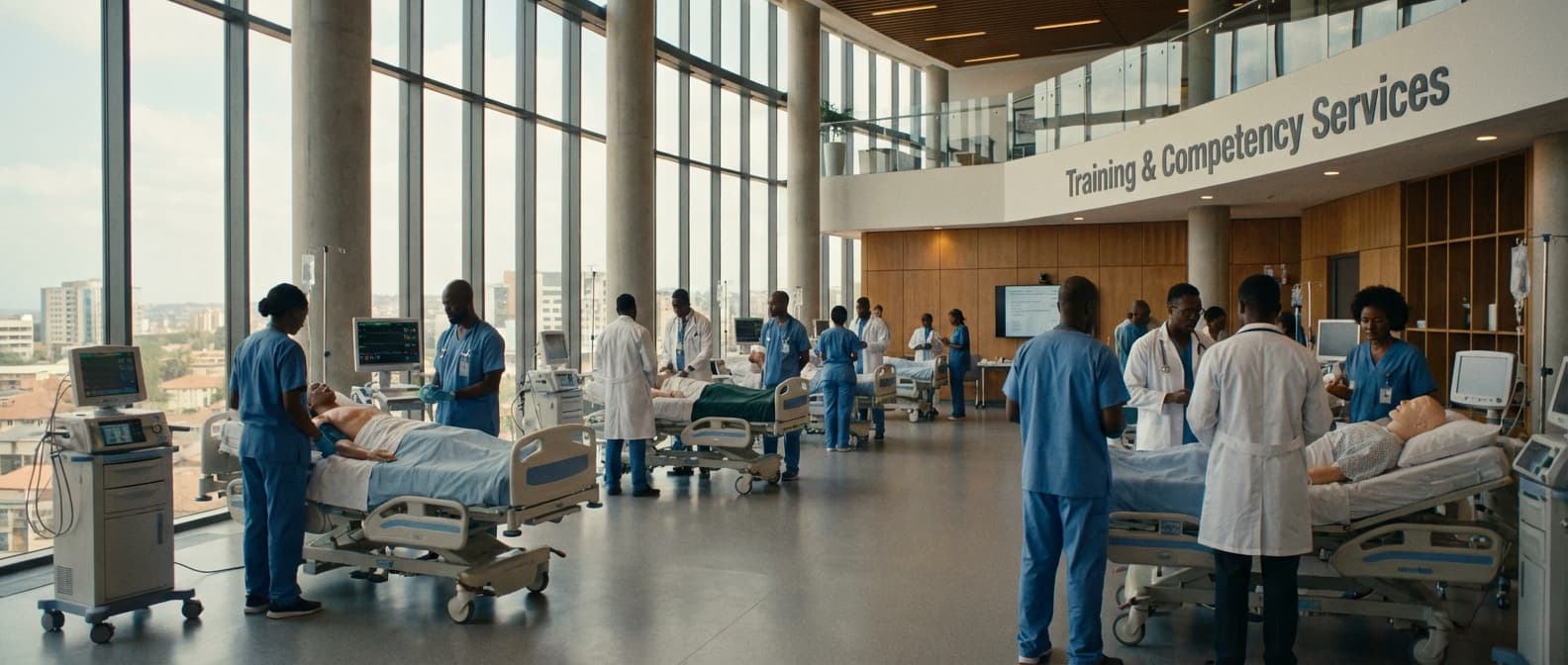
MRI Operator Training Service (Radiographers) in Liberia
Engineering Excellence & Technical Support
MRI Operator Training Service (Radiographers) High-standard technical execution following OEM protocols and local regulatory frameworks.
Certified Liberian Radiographer Program
Comprehensive training designed to certify radiographers in Liberia on advanced MRI operation, ensuring adherence to international safety standards and diagnostic excellence.
Patient-Centric MRI Protocols
Learn and implement MRI protocols prioritizing patient comfort, safety, and effective communication, crucial for delivering high-quality care in diverse Liberian communities.
Mastering Advanced MRI Techniques
Gain proficiency in specialized MRI sequences and advanced imaging techniques, enabling accurate diagnosis and treatment planning for a wide range of medical conditions prevalent in Liberia.
What Is Mri Operator Training Service (Radiographers) In Liberia?
The MRI Operator Training Service (Radiographers) in Liberia refers to specialized educational programs designed to equip radiographers with the requisite knowledge and practical skills to safely and effectively operate Magnetic Resonance Imaging (MRI) scanners. This training is critical for the accurate acquisition and interpretation of MRI scans, a cornerstone of modern diagnostic imaging. The service encompasses theoretical instruction on MRI physics, safety protocols, patient preparation, image acquisition techniques, and post-processing, coupled with hands-on experience under supervised conditions. It aims to bridge any existing skill gaps and ensure adherence to international standards in MRI practice within the Liberian healthcare context.
| Who Needs the Service? | Typical Use Cases | |||||
|---|---|---|---|---|---|---|
| Radiographers (Diagnostic Imaging Technologists): Specifically those currently practicing or seeking to specialize in MRI. This includes entry-level radiographers and experienced technologists transitioning to MRI operations. | Neurological Imaging: Diagnosis of stroke, brain tumors, multiple sclerosis, and other neurological disorders. | Musculoskeletal Imaging: Assessment of joint injuries, ligament tears, bone tumors, and degenerative conditions. | Abdominal and Pelvic Imaging: Evaluation of organs such as the liver, kidneys, pancreas, and reproductive organs for tumors, inflammation, and other abnormalities. | Cardiovascular Imaging: Assessment of heart structure and function, detection of blockages, and evaluation of congenital heart disease. | Oncology Imaging: Staging and monitoring of cancer, detection of metastases, and assessment of treatment response. | Research and Clinical Trials: Supporting studies requiring advanced imaging capabilities. |
| Healthcare Institutions in Liberia: Hospitals, clinics, and imaging centers planning to establish or upgrade their MRI services. | Radiology Departments: To enhance the skills of existing staff and ensure the effective utilization of MRI equipment. | Medical Training Institutions: To incorporate MRI operator training into their curriculum for diagnostic radiography programs. |
Key Components of MRI Operator Training Service:
- MRI Physics and Principles: Understanding the fundamental concepts of magnetic fields, radiofrequency pulses, signal generation, and image formation.
- MRI Safety Protocols: Comprehensive training on patient screening for contraindications (e.g., ferromagnetic implants), management of the magnetic field environment, and emergency procedures.
- Patient Preparation and Management: Protocols for patient consent, comfort, sedation (if necessary), and monitoring during the MRI examination.
- Image Acquisition Techniques: Mastering various pulse sequences, coil selection, and parameter optimization for different anatomical regions and pathologies.
- Image Post-Processing and Archiving: Familiarization with image manipulation software, windowing, leveling, and efficient PACS integration and archiving procedures.
- Quality Assurance and Quality Control (QA/QC): Implementing protocols to ensure optimal scanner performance and image quality.
- Ethical and Legal Considerations: Understanding patient confidentiality, radiation protection principles (though non-ionizing, safety is paramount), and professional conduct.
Who Needs Mri Operator Training Service (Radiographers) In Liberia?
MRI Operator Training Services are crucial for ensuring qualified radiographers can effectively operate and maintain MRI equipment in Liberia. This training is essential for advancing diagnostic imaging capabilities within the country, leading to improved patient care and outcomes. The services aim to equip radiographers with the necessary theoretical knowledge and practical skills to perform MRI scans safely and accurately, interpret images, and understand the principles of MRI physics and safety protocols. Investing in such training directly contributes to the development of a skilled healthcare workforce capable of utilizing sophisticated medical technology.
| Target Customer/Department | Specific Needs & Benefits of Training | Key Responsibilities Impacted by Training |
|---|---|---|
| Radiographers and Imaging Technicians | Acquire proficiency in MRI scanner operation, patient positioning, protocol selection, image acquisition, and basic troubleshooting. Enhance understanding of MRI safety, contraindications, and patient comfort. Improve image quality and diagnostic accuracy. | Performing MRI scans on diverse patient populations. Ensuring patient safety during scans. Optimizing scan parameters for specific clinical indications. Maintaining equipment logs and reporting anomalies. |
| Radiology Department Managers | Gain oversight of MRI operations, ensuring efficient workflow, quality control, and compliance with safety standards. Understand the technical requirements for maintaining and servicing MRI equipment. Inform strategic decisions regarding equipment upgrades and staff development. | Supervising MRI technologist performance. Implementing quality assurance programs. Managing departmental resources and budgets related to MRI services. Ensuring adherence to regulatory requirements. |
| Medical Physicists | Deepen understanding of MRI physics, pulse sequences, artifact reduction techniques, and image reconstruction. Develop expertise in MRI safety and radiation protection principles specific to MRI. Support calibration, quality control, and troubleshooting of MRI systems. | Ensuring optimal MRI system performance. Developing and validating new imaging protocols. Advising on MRI safety protocols and risk management. Participating in the acceptance testing of new MRI equipment. |
| Hospital Administrators | Understand the operational and financial implications of MRI services. Appreciate the value of investing in skilled MRI operators for enhanced diagnostic capabilities and patient satisfaction. Facilitate resource allocation for training and equipment maintenance. | Making informed decisions about capital investments in MRI technology. Budgeting for operational costs, including staff training and equipment service contracts. Strategic planning for expanding diagnostic imaging services. |
| Ministry of Health Officials | Assess the need for advanced imaging training programs across the nation. Develop policies and standards for medical imaging services. Identify funding opportunities and allocate resources for healthcare technology and professional development. | Developing national healthcare policies and guidelines for medical imaging. Overseeing the implementation of advanced diagnostic technologies in public health facilities. Monitoring the quality and accessibility of MRI services nationwide. |
Target Customers and Departments Requiring MRI Operator Training Service in Liberia
- Radiographers and Imaging Technicians
- Medical Physicists
- Radiology Department Managers
- Hospital Administrators involved in healthcare technology acquisition and training
- Government Ministry of Health officials overseeing healthcare infrastructure and professional development
Mri Operator Training Service (Radiographers) Process In Liberia
This document outlines the process for an MRI Operator Training Service for Radiographers in Liberia, detailing the workflow from initial inquiry to successful execution of the training program. The service aims to enhance the skills and knowledge of Liberian radiographers in operating MRI equipment, thereby improving diagnostic imaging capabilities within the country.
| Phase | Key Activities | Responsible Parties | Deliverables/Outcomes | Timeline (Indicative) |
|---|---|---|---|---|
| Initial contact from Liberian healthcare institutions/ministry regarding training needs. Needs assessment to determine current skill levels, equipment availability, specific training requirements, and target audience size. Site visits (if feasible) for equipment assessment and facility evaluation. | Prospective Client (e.g., Ministry of Health, Hospital Administration), Training Service Provider | Training needs report, understanding of client requirements. | 1-2 Weeks |
| Development of a comprehensive training proposal outlining curriculum, methodology, trainers, duration, costs, and expected outcomes. Submission of the proposal to the client. | Training Service Provider | Detailed training proposal. | 2-3 Weeks |
| Review of the proposal by the client. Negotiation of terms, conditions, pricing, and payment schedules. Signing of a formal training agreement/contract. | Prospective Client, Training Service Provider | Signed training contract, payment plan. | 1-2 Weeks |
| Based on the needs assessment, finalize and tailor the training curriculum. This may include theoretical modules (physics, safety, anatomy relevant to MRI), practical scanning techniques, image interpretation basics, and troubleshooting. Development of training materials (presentations, handouts, case studies). | Training Service Provider (Curriculum Developers, Subject Matter Experts) | Finalized training curriculum, training materials. | 2-4 Weeks |
| Arrangement of training venue (on-site at the client's facility or a designated external location). Scheduling of training dates and times. Identification and booking of qualified trainers. Procurement of any necessary training aids or simulation equipment. Visa and travel arrangements for trainers (if international). Communication with participants regarding pre-requisites and schedule. | Training Service Provider, Prospective Client (for facility access and participant coordination) | Training schedule, confirmed trainers, booked venue, participant list, logistical arrangements. | 3-6 Weeks |
| Execution of the training program. This typically involves a blend of lectures, interactive sessions, hands-on practical demonstrations on MRI scanners, case study discussions, and supervised scanning sessions. Emphasis on MRI safety protocols, patient positioning, protocol selection, image acquisition parameters, and basic artifact identification. | Training Service Provider (Trainers) | Delivered training sessions, hands-on practice. | Duration varies (e.g., 1-4 weeks, depending on program intensity) |
| Assessment of participant learning through written examinations, practical skill assessments (observing scanning techniques), and case study evaluations. Feedback mechanisms to gather participant satisfaction and trainer effectiveness. Post-training evaluation report summarizing performance and key learnings. | Training Service Provider (Trainers, Evaluators), Participants | Assessment results, participant feedback, training evaluation report. | Throughout and immediately after training delivery |
| Issuance of certificates of completion to participants who successfully meet the training and assessment criteria. Post-training support, which may include remote consultation, access to online resources, or a follow-up visit (if agreed upon). Ongoing professional development recommendations. | Training Service Provider | Certificates of completion, post-training support plan. | 1-2 Weeks post-training completion |
MRI Operator Training Service Workflow
- Inquiry and Needs Assessment
- Proposal Development and Submission
- Contract Negotiation and Agreement
- Curriculum Design and Customization
- Logistics and Planning
- Training Delivery
- Assessment and Evaluation
- Certification and Follow-up
Mri Operator Training Service (Radiographers) Cost In Liberia
The cost of MRI Operator Training for Radiographers in Liberia can vary significantly due to several factors. These include the reputation and accreditation of the training institution, the duration and intensity of the course, the level of specialization (e.g., basic vs. advanced MRI techniques), and the inclusion of practical, hands-on experience. Furthermore, the inclusion of materials, assessments, and certification fees will impact the overall price. The current economic conditions and the demand for such specialized training within Liberia also play a role in price setting. Specific cost ranges are difficult to pinpoint without direct quotes from training providers, but general estimations can be made based on the factors outlined.
| Training Component | Estimated Cost Range (Liberian Dollar - LRD) | Notes |
|---|---|---|
| Basic MRI Operator Course (e.g., 2-4 weeks) | 50,000 - 150,000 LRD | Covers fundamental principles, safety, basic scanning protocols. May have limited hands-on. |
| Advanced/Specialized MRI Course (e.g., 4-8 weeks) | 100,000 - 300,000+ LRD | Focuses on specific modalities (neuro, musculoskeletal, cardiac), advanced sequences, image interpretation. Usually includes extensive practical sessions. |
| Certification Examination Fee | 10,000 - 25,000 LRD | Fee for the official exam to become certified. |
| Refresher/Continuing Education Courses | 20,000 - 75,000 LRD | Shorter courses for updating skills or learning new techniques. |
| On-site/In-house Training | Negotiable (dependent on number of participants and duration) | Institutions may offer tailored training at a healthcare facility, with costs agreed upon per contract. |
Factors Influencing MRI Operator Training Costs for Radiographers in Liberia:
- Training Institution Reputation and Accreditation
- Course Duration and Intensity
- Level of Specialization (Basic vs. Advanced)
- Inclusion of Practical/Hands-on Experience
- Training Materials and Resources
- Assessment and Certification Fees
- Location of Training (e.g., major city vs. remote)
- Current Economic Conditions and Market Demand
Affordable Mri Operator Training Service (Radiographers) Options
Investing in skilled MRI operators is crucial for healthcare facilities. This service focuses on providing accessible and effective training for radiographers to become proficient MRI operators. We understand budget constraints and offer flexible training solutions designed to maximize value and minimize costs.
| Value Bundle | Description | Key Features | Estimated Cost Range (per trainee, subject to customization) |
|---|---|---|---|
| Essential Foundations Bundle | Ideal for radiographers new to MRI or requiring a solid foundational understanding. Focuses on core principles and basic operational safety. | Online self-paced modules covering MRI physics, safety protocols, basic pulse sequences, and image interpretation basics. Includes online quizzes and a final assessment. | $800 - $1,200 |
| Accelerated Proficiency Bundle | Combines foundational knowledge with hands-on simulation and supervised practical experience. Aims for quicker operator readiness. | Includes all features of the Essential Foundations Bundle, plus access to MRI simulator software, a designated on-site mentorship program (with facility's existing MRI technologists), and scenario-based learning. | $1,500 - $2,500 |
| Comprehensive Skill-Up Bundle | For those seeking advanced skills, specialized sequences, or a more in-depth understanding. Suitable for experienced radiographers looking to specialize. | Includes all features of the Accelerated Proficiency Bundle, plus advanced pulse sequence training, introduction to specific MRI applications (e.g., neuro, MSK), and access to a curated library of complex case studies. | $2,200 - $3,500 |
Why Choose Our Affordable MRI Operator Training?
- Cost-Effective Curriculum: Designed to deliver essential MRI knowledge and practical skills without unnecessary expenses.
- Flexible Delivery Models: Options to suit varying budgets and schedules, including online modules, blended learning, and on-site training.
- Experienced Instructors: Certified and experienced MRI professionals dedicated to imparting practical, real-world expertise.
- Focus on Core Competencies: Training emphasizes the skills most critical for safe and effective MRI operation.
- Potential for Increased Revenue: Well-trained operators can contribute to higher throughput and improved diagnostic accuracy, leading to better facility performance.
Verified Providers In Liberia
In Liberia's burgeoning healthcare landscape, identifying truly verified and reliable healthcare providers is paramount for individuals seeking quality care. Franance Health stands out as a leading organization that not only provides essential health services but also rigorously vets and credentials its network of healthcare professionals. This commitment to verification ensures that patients have access to competent, ethical, and trustworthy medical practitioners, making Franance Health the premier choice for healthcare in Liberia.
| Verification Component | Franance Health's Standard | Patient Benefit |
|---|---|---|
| License and Certification Verification | Thorough cross-referencing with official medical boards and educational institutions. | Ensures providers are legally qualified and possess up-to-date credentials. |
| Educational Background Check | Verification of degrees, diplomas, and specialized training from accredited institutions. | Confirms providers have received appropriate and recognized medical education. |
| Clinical Experience Assessment | Review of past practice history, areas of expertise, and references. | Guarantees that providers have practical, hands-on experience in their respective fields. |
| Ethical Conduct Review | Checks for any disciplinary actions or malpractice claims, and assessment of adherence to professional codes of conduct. | Provides assurance of patient safety and ethical treatment. |
| Ongoing Performance Monitoring | Regular review of patient feedback, peer assessments, and continuing medical education compliance. | Maintains a consistently high standard of care and identifies areas for professional development. |
Why Franance Health is the Best Choice for Verified Providers:
- Rigorous Credentialing Process: Franance Health implements a comprehensive and multi-stage verification process for all its affiliated healthcare providers. This includes background checks, verification of medical licenses and certifications, review of educational qualifications, and assessment of clinical experience.
- Commitment to Ethical Practice: Beyond technical skills, Franance Health ensures that its providers adhere to the highest ethical standards and patient care protocols. This includes ongoing monitoring and patient feedback mechanisms.
- Access to a Diverse Network: Franance Health boasts a diverse network of specialists and general practitioners across various medical disciplines, ensuring that patients can find the right provider for their specific needs.
- Patient-Centric Approach: The organization prioritizes patient well-being and satisfaction, fostering an environment where trust and effective communication are paramount.
- Reputation for Excellence: Franance Health has built a strong reputation for reliability and quality within Liberia, making it a trusted name for individuals and families seeking dependable healthcare services.
Scope Of Work For Mri Operator Training Service (Radiographers)
This Scope of Work (SOW) outlines the requirements for providing comprehensive MRI Operator Training services for radiographers. The training will cover theoretical knowledge, practical application, safety protocols, and quality assurance specific to MRI operation. The objective is to equip radiographers with the necessary skills and understanding to perform MRI examinations safely, efficiently, and to a high standard.
| Deliverable ID | Description | Technical Specification / Standard | Acceptance Criteria | Format | Frequency |
|---|---|---|---|---|---|
| TDR-001 | Training Curriculum | Comprehensive, modular curriculum covering all listed training modules. Must be aligned with current professional standards (e.g., ARRT, IMRT). Includes learning objectives, content outlines, and assessment methods. | Approved by Client's Radiology Department Head. | Digital Document (PDF) | Once |
| TDR-002 | Training Materials (Participant) | Slide decks, handouts, case studies, and practical exercises. Content must be accurate, up-to-date, and visually engaging. | Participants demonstrate understanding through assessments. All materials reviewed and approved by Client's lead MRI technologist. | Digital (PDF, PowerPoint) and/or Printed | Once |
| TDR-003 | Practical Training Sessions | Hands-on sessions utilizing actual MRI equipment under the supervision of certified MRI technologists/trainers. Includes simulation of various protocols and patient scenarios. | Successful demonstration of proficiency in protocol selection, patient positioning, scan execution, and basic troubleshooting. Trainee evaluation forms completed by trainer. | On-site practical demonstration | As per training schedule |
| TDR-004 | Competency Assessment Tools | Written examinations (multiple choice, short answer), practical skill checklists, and case study analysis. Must assess theoretical knowledge and practical application. | Minimum passing score of 80% on written exams and satisfactory completion of practical checklists for each trainee. | Digital (Online platform) and/or Printed | Throughout training |
| TDR-005 | Trainee Performance Reports | Individual reports detailing each trainee's progress, strengths, and areas for improvement. Includes results of all assessments. | Reviewed and signed by Client's Radiology Department Head and Training Provider's Lead Trainer. | Digital Document (PDF) | End of each module/phase |
| TDR-006 | Training Completion Certificates | Certificates awarded to trainees who successfully complete all training modules and pass all assessments. Must include trainee name, training dates, and scope of training. | Issued to all qualified trainees. | Printed and/or Digital (PDF) | Upon successful completion |
| TDR-007 | Post-Training Support Plan | Outline of support services available to trainees post-training, including access to trainers for follow-up questions and potentially refresher sessions. | Client approval of the support plan's scope and duration. | Digital Document (PDF) | Once |
Training Modules
- Introduction to MRI Physics and Principles
- MRI Pulse Sequences and Image Acquisition
- MRI Safety: Static Magnetic Fields, RF Fields, Gradient Fields, and Cryogens
- Patient Care and Communication in MRI
- Contrast Agents in MRI: Properties, Administration, and Safety
- Artifact Recognition and Correction
- Advanced MRI Techniques (e.g., fMRI, DTI, Spectroscopy - introductory overview)
- Quality Assurance and Quality Control (QA/QC) in MRI
- PACS and RIS Integration for MRI Workflow
- Emergency Procedures and Management in the MRI Environment
Service Level Agreement For Mri Operator Training Service (Radiographers)
This Service Level Agreement (SLA) outlines the guaranteed response times and uptime for the MRI Operator Training Service (Radiographers) provided by [Your Company Name]. This SLA is an addendum to the Master Service Agreement (MSA) executed between [Your Company Name] and [Client Company Name].
| Incident Severity | Response Time Target | Resolution Time Target | Uptime Guarantee |
|---|---|---|---|
| Critical Incident | 1 Business Hour | 4 Business Hours | 99.5% |
| Major Incident | 2 Business Hours | 8 Business Hours | 99.7% |
| Minor Incident | 4 Business Hours | 24 Business Hours | 99.9% |
Definitions
- MRI Operator Training Service: Refers to the provision of training modules, simulations, and expert support for radiographers in operating MRI equipment.
- Support Hours: Defined as Monday to Friday, 9:00 AM to 5:00 PM [Specify Time Zone], excluding public holidays.
- Critical Incident: A malfunction or failure of the training service that prevents radiographers from accessing core training functionalities, significantly impacting their ability to complete required training.
- Major Incident: An issue that degrades the performance of the training service or prevents access to non-core functionalities, causing moderate disruption to training progress.
- Minor Incident: An issue that has minimal impact on the training service and does not prevent core functionalities, causing minor inconvenience.
- Uptime: The percentage of time the MRI Operator Training Service is operational and accessible to users during the agreed-upon service availability period.
- Service Availability Period: The period during which the MRI Operator Training Service is intended to be available for use, typically 24x7, unless otherwise specified.
Frequently Asked Questions

Ready when you are
Let's scope your MRI Operator Training Service (Radiographers) in Liberia project in Liberia.

Scaling healthcare logistics and technical systems across the entire continent.