
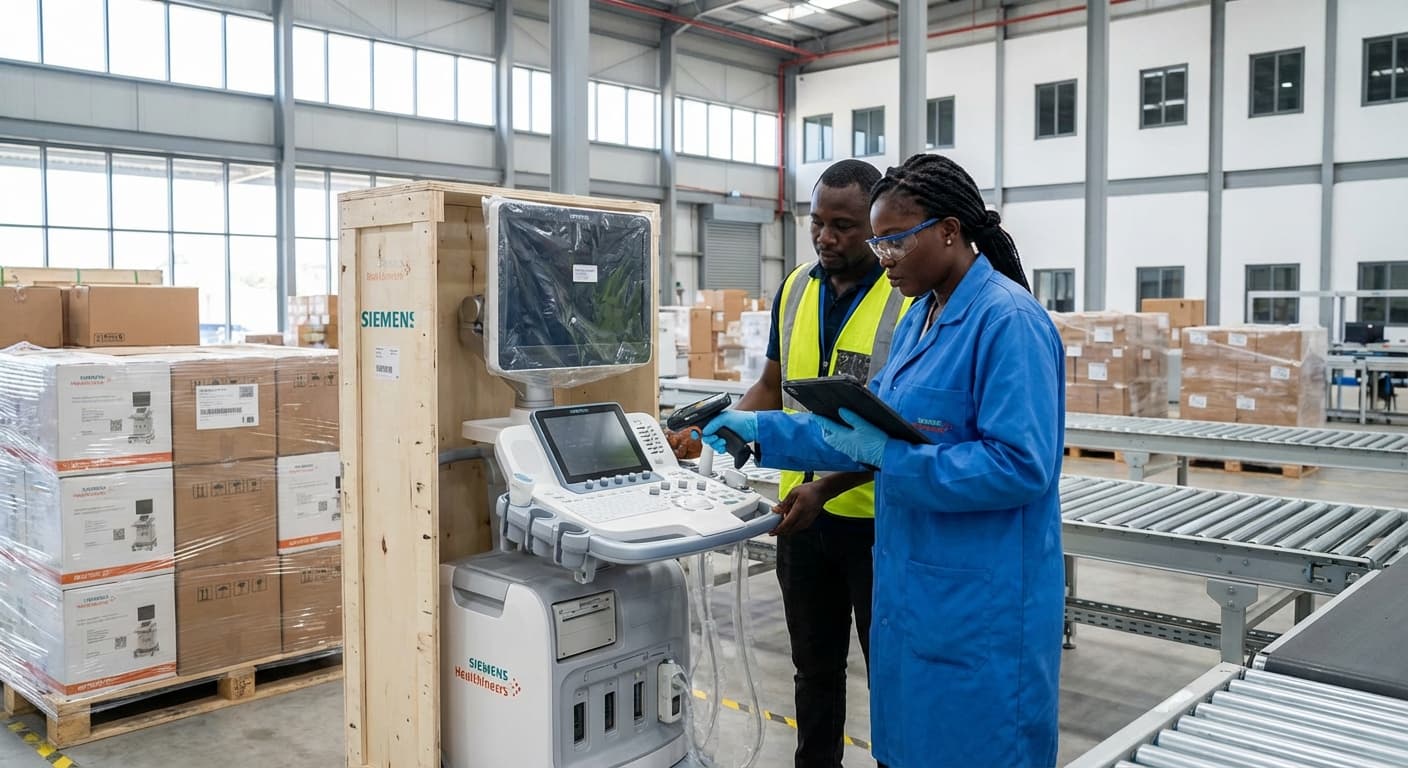
Warehouse Receiving Inspection Service (Medical Equipment) in Liberia
Engineering Excellence & Technical Support
Warehouse Receiving Inspection Service (Medical Equipment) High-standard technical execution following OEM protocols and local regulatory frameworks.
Regulatory Compliance Verification
Ensures all incoming medical equipment strictly adheres to Liberian Ministry of Health regulations, FDA standards, and relevant international quality certifications. We meticulously document and verify lot numbers, expiry dates, manufacturing compliance, and required certifications to guarantee safe and effective medical supplies.
Advanced Equipment Assessment
Utilizes specialized tools and trained inspectors for comprehensive visual and functional inspections of all medical equipment. This includes checking for physical damage, correct model/serial numbers, operational readiness (where applicable and safe), and integrity of packaging to prevent contamination or damage.
Traceability & Inventory Accuracy
Implements robust tracking systems to ensure precise inventory management from the point of receipt. We verify incoming shipments against purchase orders and manifests, assign unique identifiers, and record all inspection data for complete traceability, minimizing discrepancies and facilitating efficient stock control.
What Is Warehouse Receiving Inspection Service (Medical Equipment) In Liberia?
Warehouse Receiving Inspection Service (Medical Equipment) in Liberia refers to the systematic examination and verification of medical equipment upon its arrival at a designated warehouse facility within Liberia. This service is critical for ensuring the integrity, quality, compliance, and functionality of medical devices before they are integrated into the healthcare supply chain. It involves a multi-faceted approach encompassing visual assessment, documentation review, functional testing, and adherence to regulatory standards.
| Who Needs This Service? | Typical Use Cases | |||
|---|---|---|---|---|
| Healthcare Facilities: Hospitals, clinics, diagnostic centers, and other medical institutions that procure medical equipment directly or through intermediaries. | Government Ministries and Agencies: Ministries of Health, public health organizations, and disaster relief agencies responsible for procuring and distributing medical supplies and equipment to public health facilities. | Non-Governmental Organizations (NGOs) and International Aid Agencies: Organizations involved in humanitarian efforts, providing medical aid, and delivering essential medical equipment to underserved areas. | Medical Equipment Distributors and Suppliers: Companies that import, store, and distribute medical equipment within Liberia. | Procurement and Logistics Departments: Any entity managing the acquisition and inventory of medical equipment. |
| New Equipment Procurement: Upon the initial arrival of newly purchased medical devices, including advanced diagnostic machines, surgical instruments, and general hospital equipment. | Donated Medical Equipment: Inspection of medical equipment received as donations from international bodies, foreign governments, or private entities to ensure it meets standards and is fit for purpose. | Stock Replenishment: Regular inspection of equipment being added to existing inventory, especially for items with specific storage requirements or limited shelf lives. | Emergency Medical Supplies: Verification of critical medical equipment and consumables arriving during public health emergencies or natural disasters to ensure immediate usability. | Equipment for Specific Projects: Inspection of equipment intended for specialized medical programs or research initiatives. |
Key Components of Warehouse Receiving Inspection Service for Medical Equipment:
- Pre-Shipment Documentation Verification: Review of all relevant shipping documents, including packing lists, invoices, bills of lading, certificates of origin, import permits, and manufacturer's specifications, against the received goods.
- Physical Inspection: Visual examination of the external packaging and the equipment itself for any signs of damage, tampering, contamination, or defects incurred during transit. This includes checking for proper sealing and labeling.
- Quantity and Lot Number Verification: Confirmation that the quantity of items received matches the shipping documents and that lot numbers are correctly recorded and traceable.
- Compliance and Certification Check: Verification of adherence to Liberian regulatory requirements, including but not limited to, registration with the Liberia Medicines and Health Products Regulatory Authority (LMHRA), import licenses, and any specific standards applicable to medical devices.
- Functional Testing (where applicable): For certain types of equipment, basic functional tests may be conducted to confirm operational readiness and identify any immediate malfunctions.
- Storage Condition Assessment: Evaluation of the immediate storage environment to ensure it meets the recommended conditions for maintaining the integrity of the medical equipment.
- Discrepancy Reporting: Documentation and reporting of any discrepancies, damages, or non-conformities identified during the inspection process.
- Record Keeping: Meticulous recording of all inspection findings, including dates, personnel involved, observations, and any corrective actions taken, for audit and traceability purposes.
Who Needs Warehouse Receiving Inspection Service (Medical Equipment) In Liberia?
A comprehensive warehouse receiving inspection service for medical equipment in Liberia is crucial for ensuring the safety, efficacy, and proper functioning of vital healthcare assets. This service acts as a gatekeeper, preventing substandard, damaged, or incorrect equipment from entering the healthcare supply chain, ultimately safeguarding patient care and public health. Without it, Liberia risks facing the consequences of faulty equipment, leading to treatment failures, increased healthcare costs, and erosion of trust in the medical system.
| Target Customer | Key Departments Involved | Why They Need the Service |
|---|---|---|
| Hospitals (Public & Private) | Procurement, Biomedical Engineering, Central Stores/Warehouse, Clinical Departments (e.g., Surgery, Diagnostics) | Ensuring purchased equipment meets specifications, is undamaged, and suitable for clinical use. Preventing costly repairs or replacements due to initial defects. Maintaining patient safety. |
| Clinics & Health Centers | Administration, Operations, Clinical Staff | Accessing reliable and functional equipment for basic and specialized healthcare services. Preventing disruption of services due to faulty equipment. |
| Government Health Ministries & Agencies | Procurement, Logistics, Quality Assurance, Public Health Departments | Overseeing the national medical equipment supply chain. Ensuring compliance with standards and regulations. Preventing wastage of public funds on substandard equipment. Maintaining national health security. |
| Non-Governmental Organizations (NGOs) involved in healthcare | Procurement, Logistics, Program Management, Technical Support | Ensuring donated or procured equipment for their projects is of good quality and meets the needs of the beneficiaries. Maintaining accountability for donor funds. |
| Medical Equipment Suppliers & Distributors | Quality Control, Logistics, Sales | Verifying the condition of imported equipment before distribution. Ensuring they meet contractual obligations with their clients. Reducing returns and customer complaints. |
| Research & Development Institutions | Procurement, Laboratory Management, Technical Teams | Confirming that specialized research equipment is functioning correctly and meets stringent scientific requirements. |
| International Aid Organizations | Procurement, Logistics, Program Implementation | Ensuring that medical equipment provided as aid is fit for purpose, safe for use, and effectively deployed to support healthcare initiatives in Liberia. |
Who Needs Warehouse Receiving Inspection Service (Medical Equipment) in Liberia?
- Hospitals (Public & Private)
- Clinics & Health Centers
- Government Health Ministries & Agencies
- Non-Governmental Organizations (NGOs) involved in healthcare
- Medical Equipment Suppliers & Distributors
- Research & Development Institutions
- International Aid Organizations
Warehouse Receiving Inspection Service (Medical Equipment) Process In Liberia
This document outlines the workflow for Warehouse Receiving Inspection Services for Medical Equipment in Liberia. The process is designed to ensure that all received medical equipment meets the required standards for quality, safety, and compliance before being accepted into the warehouse. This detailed process covers the stages from initial inquiry to the final execution of the inspection and reporting.
| Stage | Description | Key Activities | Responsible Party | Deliverables/Outcomes |
|---|---|---|---|---|
| The client (e.g., Ministry of Health, hospital, NGO) expresses interest in receiving inspection services for incoming medical equipment. | Initial contact, understanding the scope of services needed, clarification of equipment types and quantities, and identification of specific standards or regulations to be followed. | Client, Inspection Service Provider (ISP) | Understanding of client needs, preliminary scope definition. |
| The ISP provides a detailed proposal and quotation for the inspection services. | Review of client requirements, cost estimation, preparation of a formal quotation, negotiation, and finalization of a service agreement/contract. | ISP, Client | Formal quotation, Service Level Agreement (SLA) or contract. |
| Preparation and coordination for the on-site inspection. | Assignment of inspection team, development of an inspection plan, review of equipment specifications and manufacturer documentation, communication with the warehouse and receiving parties, scheduling of the inspection. | ISP, Client (for access and information) | Inspection plan, scheduled inspection date and time, confirmed access to the receiving area. |
| The physical inspection of the medical equipment upon arrival at the warehouse. | Visual inspection of packaging for damage, verification of equipment against purchase orders/packing lists, identification of models, serial numbers, and quantities. Initial check for obvious defects or damage during transit. | ISP Inspection Team, Warehouse Staff (for logistics) | Documented visual inspection findings, preliminary assessment of received goods. |
| Functional and performance testing of the medical equipment. | Performing pre-defined tests (functional, performance, safety checks) based on equipment type and manufacturer specifications. Verification of calibration (if applicable) and operational readiness. Comparison with quality standards and regulatory requirements (e.g., WHO guidelines, Liberian medical device regulations). | ISP Inspection Team (potentially with client or manufacturer representation) | Test results, performance verification data, identification of any non-conformities. |
| Compiling all findings and generating a comprehensive inspection report. | Recording all inspection activities, test results, and observations. Documenting any discrepancies, defects, or non-conformities. Preparing a detailed inspection report including photos, test data, and recommendations. Submission of the report to the client. | ISP Inspection Team, ISP Management | Comprehensive Inspection Report, recommendations for acceptance, rejection, or corrective actions. |
| Addressing any identified issues and formally closing the service engagement. | Review of the inspection report by the client. If non-conformities are found, coordination of corrective actions (e.g., repairs, replacements, returns). Final acceptance or rejection of the equipment by the client. Archiving of inspection records. Issuance of final invoice and closing of the contract. | Client, ISP | Client decision on equipment acceptance, resolution of non-conformities, closed service contract. |
Key Stages of the Warehouse Receiving Inspection Service Process
- Inquiry and Service Request
- Quotation and Agreement
- Pre-Inspection Planning
- On-Site Receiving Inspection
- Testing and Verification
- Documentation and Reporting
- Follow-up and Closure
Warehouse Receiving Inspection Service (Medical Equipment) Cost In Liberia
The cost of warehouse receiving inspection services for medical equipment in Liberia can vary significantly based on several key factors. These inspections are crucial to ensure that received medical equipment meets quality standards, regulatory requirements, and is free from damage or defects before being accepted into storage. The pricing is typically influenced by the complexity and volume of the inspection, the types of equipment being inspected, the required turnaround time, and the specific service provider's expertise and overhead. In Liberia, where infrastructure and specialized inspection services might be less common than in more developed economies, these factors can have a more pronounced impact on pricing.
| Inspection Service Type | Estimated Price Range (Liberian Dollar - LRD) | Notes |
|---|---|---|
| Basic Visual Inspection & Documentation Check (per item) | 200 - 750 LRD | Covers visual condition, quantity verification, and basic document review. Suitable for high volumes of less complex items. |
| Standard Functional Test (per item) | 500 - 1,500 LRD | Includes visual check, basic operational test, and primary documentation review. For moderately complex equipment. |
| Comprehensive Inspection (per item/lot) | 1,500 - 5,000+ LRD | Includes detailed functional testing, calibration checks (if applicable), advanced documentation review, and potentially minor troubleshooting. For complex, high-value, or critical medical equipment. Pricing can escalate significantly for specialized machinery. |
| Expedited Service Fee (per inspection) | An additional 30% - 50% on top of standard service cost | Applies to urgent requests requiring immediate attention. |
| On-site Visit/Mobilization Fee (per visit) | 1,000 - 3,000+ LRD | Covers travel, accommodation (if required), and associated logistics for inspectors to reach the warehouse. |
| Specialized Equipment Inspection (e.g., Imaging, Laboratory Analyzers) | 5,000 - 20,000+ LRD (per unit) | Requires highly specialized inspectors and potentially specific testing equipment. Price highly variable based on equipment type and complexity. |
| Consultation & Reporting Fee | Included in comprehensive service or charged separately (e.g., 500 - 2,000 LRD per report) | For detailed reports, recommendations, or data entry. |
Key Pricing Factors for Warehouse Receiving Inspection Services (Medical Equipment) in Liberia:
- Volume and Complexity of Equipment: The sheer number of items to be inspected and the technical complexity of the medical equipment (e.g., high-tech imaging machines vs. basic diagnostic tools) directly affect the labor and time required for inspection. More complex equipment may necessitate specialized inspectors or additional testing.
- Scope of Inspection: The depth of the inspection is a major determinant. This can range from basic visual checks and documentation verification to comprehensive functional testing, calibration checks, and even sample testing. More extensive scopes lead to higher costs.
- Turnaround Time (TAT): Urgent inspection requests, requiring expedited services, will generally incur higher fees than standard turnaround times. This accounts for the need to prioritize resources and potentially work outside normal hours.
- Type of Medical Equipment: Different categories of medical equipment have varying inspection requirements. For instance, sterile or implantable devices might require more stringent checks and specialized knowledge compared to general medical consumables.
- Location of Warehouse: The accessibility and logistical challenges of reaching the warehouse facility can influence costs. Inspections at remote or difficult-to-access locations may incur additional travel and accommodation expenses for the inspectors.
- Service Provider's Expertise and Reputation: Established inspection companies with a proven track record in medical equipment and strong regulatory compliance knowledge often command higher fees. Their expertise can reduce the risk of errors and ensure thoroughness.
- Regulatory Compliance Requirements: Inspections mandated by specific Liberian health authorities or international standards (e.g., WHO guidelines) might require adherence to stricter protocols, potentially increasing the inspection cost.
- Additional Services: Clients may opt for supplementary services such as detailed reporting, photographic evidence, data entry into inventory management systems, or pre-shipment inspections, all of which will add to the overall cost.
- Insurance and Liability: The level of insurance coverage provided by the inspection service for potential damages or losses during the inspection process can also be factored into their pricing.
- Market Demand and Competition: While the market for specialized inspection services in Liberia might be limited, the general economic conditions and the availability of qualified service providers will influence pricing dynamics.
Affordable Warehouse Receiving Inspection Service (Medical Equipment) Options
Securing reliable and cost-effective warehouse receiving inspection services for medical equipment is paramount to ensuring compliance, patient safety, and efficient supply chain management. This document outlines affordable options, value bundles, and strategic cost-saving measures tailored for medical equipment.
| Value Bundle Options | Description | Cost-Saving Strategies |
|---|---|---|
| Basic Inspection Package | Covers essential checks like damage assessment, quantity verification, and basic documentation review for standard medical supplies. | Leverage standardized checklists; opt for less frequent inspections if risk assessment allows; focus on critical items only. |
| Comprehensive Inspection Package | Includes detailed visual inspection, serial number verification, lot/batch tracking, temperature monitoring (if applicable), and preliminary functional checks for more complex medical devices. | Bundle with other warehouse services (e.g., storage, kitting); negotiate volume discounts for frequent shipments; pre-qualify suppliers for reduced inspection needs. |
| Specialized Equipment Inspection Bundle | Tailored for high-value or complex medical equipment requiring specialized knowledge, tools, and potentially calibration checks. | Partner with providers offering integrated maintenance and inspection services; invest in in-house training for basic checks to reduce outsourced costs; group specialized inspections for efficiency. |
| Compliance & Audit Ready Bundle | Includes thorough documentation review against regulatory standards (e.g., FDA, ISO), detailed reporting for audit purposes, and traceability checks. | Automate reporting with digital solutions; conduct regular internal audits to identify potential issues proactively; maintain strong supplier relationships to ensure incoming documentation accuracy. |
Key Considerations for Affordable Medical Equipment Receiving Inspections
- Scope of Inspection: Clearly define what needs to be inspected (e.g., damage, documentation, quantity, expiry dates, serial numbers).
- Frequency of Inspections: Determine how often inspections are required (e.g., per shipment, on a scheduled basis).
- Reporting Requirements: Specify the format and detail level of inspection reports.
- Turnaround Time: Understand the urgency of receiving and inspecting the equipment.
- Specialized Equipment Needs: Consider if specific equipment requires specialized inspection expertise or tools.
- Vendor Location: Proximity of the inspection service provider to your warehouse can impact costs.
- Technology Integration: Explore if the provider offers digital inspection tools and reporting for efficiency.
Verified Providers In Liberia
Finding reliable and accredited healthcare providers is paramount in Liberia. This document outlines the importance of verified providers, specifically highlighting Franance Health and the reasons they stand out as a premier choice for healthcare services. Franance Health's commitment to stringent credentialing and patient-centered care ensures quality, safety, and trust.
| Franance Health's Credentials & Benefits | Description | Impact on Patients |
|---|---|---|
| Accreditation by Recognized Health Bodies | Franance Health actively seeks and maintains accreditations from relevant national and international health organizations, demonstrating adherence to global standards. | Assures patients that the facility and its staff meet high benchmarks for quality and safety, providing peace of mind. |
| Rigorous Staff Credentialing | All medical professionals at Franance Health undergo thorough background checks, verification of licenses, and continuous professional development. | Ensures that patients are treated by qualified, competent, and ethical healthcare practitioners. |
| Commitment to Ethical Practices | Franance Health upholds a strong ethical code, prioritizing patient confidentiality, informed consent, and respectful treatment. | Fosters a trusting patient-provider relationship and protects patient rights. |
| State-of-the-Art Facilities and Equipment | Investment in modern medical technology and well-maintained facilities ensures accurate diagnostics and effective treatments. | Leads to better health outcomes and a more comfortable patient experience. |
| Patient-Centric Approach | Emphasis on personalized care plans, clear communication, and patient involvement in decision-making. | Empowers patients, improves satisfaction, and leads to more effective management of health conditions. |
| Focus on Preventive Care and Health Education | Proactive engagement in community health initiatives and patient education programs. | Helps patients understand and manage their health, reducing the incidence of preventable diseases. |
Why Choose Verified Providers like Franance Health in Liberia?
- Enhanced Patient Safety: Verified providers adhere to rigorous standards, minimizing risks and ensuring a safe healthcare environment.
- Improved Quality of Care: Credentialing processes often involve assessments of medical expertise, ethical conduct, and adherence to best practices, leading to higher quality treatment.
- Increased Trust and Confidence: Knowing that your healthcare provider has undergone a thorough vetting process instills confidence in the services received.
- Accountability and Transparency: Verified providers are typically part of a system that promotes accountability and transparency in their operations.
- Access to Specialized Services: Reputable organizations like Franance Health often have networks of specialists and advanced facilities, ensuring comprehensive care options.
Scope Of Work For Warehouse Receiving Inspection Service (Medical Equipment)
This Scope of Work (SOW) outlines the services for the receiving inspection of medical equipment at the designated warehouse. The objective is to ensure that all received medical equipment meets the specified technical requirements, quality standards, and is free from damage or defects prior to being accepted into inventory. This service is critical for maintaining the integrity of the medical supply chain and ensuring the availability of safe and functional equipment for end-users.
| Inspection Area | Key Checks | Acceptance Criteria | Documentation Required |
|---|---|---|---|
| Documentation Verification | Verify Purchase Order (PO) against shipping manifest and packing list. Confirm Certificate of Analysis (CoA), Certificate of Origin (CoO), and any other required regulatory documents. | All documentation must match the received shipment and meet regulatory requirements. Discrepancies must be flagged. | PO, Shipping Manifest, Packing List, CoA, CoO, other regulatory documents. |
| Physical Condition (External) | Inspect packaging for damage (tears, punctures, crushing). Check for signs of tampering or moisture. Inspect product exterior for scratches, dents, or other visible damage. | Packaging must be intact and provide adequate protection. Exterior of the equipment must be free from cosmetic damage that could affect functionality or aesthetics. | Photographic evidence of packaging condition and any visible external damage to the equipment. |
| Identification and Labeling | Verify product name, model number, serial number, lot number, expiry date (if applicable), and manufacturer information against documentation and product markings. | All labels must be legible, accurate, and match the specifications and purchase order. Serial and lot numbers must be unique and traceable. | Photographic evidence of product labels and serial/lot numbers. |
| Completeness of Accessories and Components | Confirm that all specified accessories, components, and user manuals are present and accounted for as per the product specification or PO. | All required accessories and components must be present and in good condition. | List of included accessories and components; photographic evidence of key accessories. |
| Basic Functional Check (where applicable and feasible) | Perform basic operational checks to ensure the equipment powers on, displays basic indicators, and responds to simple commands. This is NOT a comprehensive performance validation. | Equipment powers on and basic functions operate as expected without obvious errors. This check is limited to initial power-up and basic interface response. | Record of basic functional check results; photographic evidence of equipment display during the check. |
| Quantity Verification | Count the number of units received against the packing list and PO. | Accurate count matching the verified documentation. | Counted quantity recorded on the inspection report. |
| Storage and Handling Requirements | Visually inspect if the equipment appears to have been stored and handled under appropriate conditions (e.g., temperature, humidity considerations based on label). | No visible signs of degradation or damage indicative of improper storage or handling. | Notes on observed storage/handling conditions. |
Technical Deliverables
- Detailed Receiving Inspection Report for each batch/shipment received.
- Non-Conformance Report (NCR) for any equipment failing inspection.
- Updated inventory status (if integrated with client's system).
- Summary Report of inspection trends and common issues (e.g., weekly or monthly).
- Digital photographic evidence of inspected items, including any damages or defects.
Service Level Agreement For Warehouse Receiving Inspection Service (Medical Equipment)
This Service Level Agreement (SLA) outlines the guaranteed response times and uptime for the Warehouse Receiving Inspection Service for Medical Equipment provided by [Provider Name] to [Client Name]. This SLA is an addendum to the Master Service Agreement (MSA) dated [MSA Date].
| Service Element | Target | Measurement Method | Escalation Point |
|---|---|---|---|
| Inspection Request Acknowledgment (Standard Priority) | Within 2 Business Hours | Timestamp of email/system notification receipt by Provider, compared to timestamp of Provider's acknowledgment. | Service Delivery Manager |
| Inspection Scheduling (Standard Priority) | Within 4 Business Hours | Timestamp of Provider's acknowledgment, compared to timestamp of confirmed inspection slot. | Service Delivery Manager |
| Inspection Commencement (Standard Priority) | Within 24 Business Hours of scheduled slot | Timestamp of scheduled slot, compared to timestamp of inspector's arrival on-site. | Service Delivery Manager |
| Inspection Report Submission (Standard Priority) | Within 4 Business Hours of inspection completion | Timestamp of inspection completion (sign-off by inspector), compared to timestamp of report submission. | Service Delivery Manager |
| Response Time to Critical Incident Notification | Within 1 Business Hour | Timestamp of critical incident notification receipt by Provider, compared to timestamp of Provider's initial response. | Senior Operations Manager |
| Resolution Time for Critical Incident | Within 4 Business Hours | Timestamp of critical incident notification receipt by Provider, compared to timestamp of confirmed resolution. | Senior Operations Manager |
| Uptime Guarantee | 99.5% during Business Hours | Calculated as (Total Business Hours - Downtime Hours) / Total Business Hours. Downtime is measured from the time an issue is reported or detected until it is resolved. | Head of Operations |
Definitions
- Service: The inspection of incoming medical equipment at the client's designated warehouse facility to verify quantity, identify visible damage, and confirm the presence of essential documentation as per agreed-upon checklists.
- Business Hours: Monday to Friday, 8:00 AM to 5:00 PM [Client's Time Zone], excluding public holidays.
- Incident: Any event that causes a degradation of the Service, including but not limited to, failure to perform inspections within the agreed-upon timeframes, or significant inaccuracies in inspection reports.
- Response Time: The time from when a notification of a required inspection or an incident is received by the Provider during Business Hours until the Provider acknowledges receipt and initiates troubleshooting or scheduling.
- Resolution Time: The time from when an Incident is reported to the Provider during Business Hours until the Provider has resolved the issue to the extent that the Service can be performed as agreed.
- Uptime: The percentage of time the Service is available and operational during Business Hours.
- Downtime: The percentage of time the Service is unavailable or non-operational during Business Hours.
- Inspection Queue: A system managed by [Provider Name] that prioritizes and schedules incoming receiving inspection requests based on agreed-upon priority levels.
Frequently Asked Questions

Ready when you are
Let's scope your Warehouse Receiving Inspection Service (Medical Equipment) in Liberia project in Liberia.

Scaling healthcare logistics and technical systems across the entire continent.