
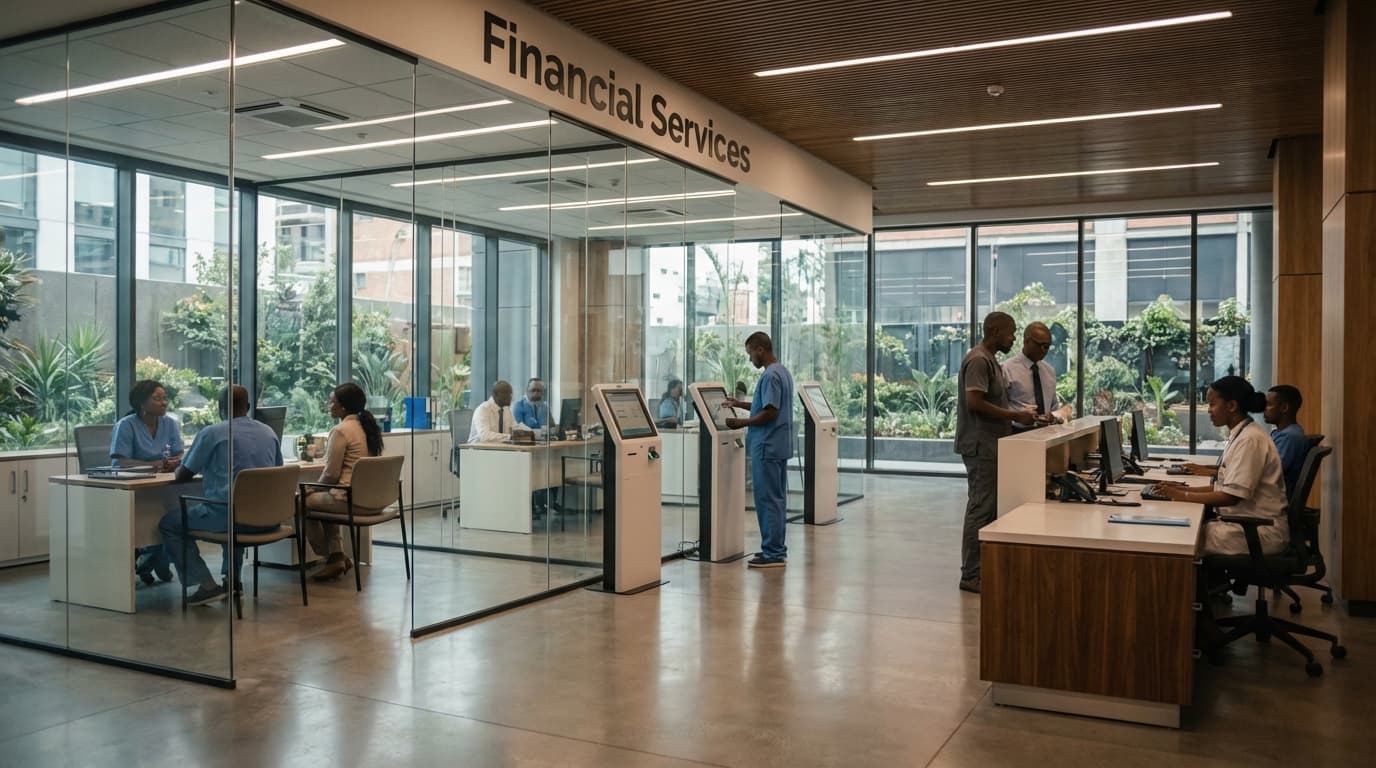
Medical Equipment Rental in Liberia
Engineering Excellence & Technical Support
Short-term and long-term equipment rental solutions High-standard technical execution following OEM protocols and local regulatory frameworks.
Rapid Deployment of Critical Care Equipment
Our service guarantees swift delivery and setup of essential medical equipment, including ventilators and ICU monitors, to underserved areas, bridging critical care gaps during health emergencies and improving patient outcomes.
Advanced Diagnostic Equipment Access
We provide access to high-quality diagnostic tools such as portable ultrasound machines and digital X-ray units, empowering local healthcare providers with the technology needed for accurate and timely diagnoses, even in remote settings.
Cost-Effective Healthcare Solutions
Our flexible rental models offer a sustainable and affordable way for Liberian hospitals and clinics to access a wide range of medical equipment without significant capital investment, optimizing resource allocation and expanding service capacity.
What Is Medical Equipment Rental In Liberia?
Medical Equipment Rental in Liberia refers to the provision of temporary access to a range of medical devices and instruments for diagnostic, therapeutic, and supportive patient care. This service bypasses the significant capital expenditure associated with outright purchase, offering a flexible and cost-effective solution for healthcare providers and institutions facing budgetary constraints, fluctuating demand, or the need for specialized equipment for short-term projects or evaluations.
| Who Needs Medical Equipment Rental? | Typical Use Cases |
|---|---|
| Hospitals and Clinics (both public and private) | Augmenting existing capacity during peak patient load or outbreaks. Acquiring specialized diagnostic or surgical equipment for specific procedures. Replacing temporarily unavailable equipment due to maintenance or obsolescence. Piloting new technologies before committing to purchase. |
| Non-Governmental Organizations (NGOs) and Humanitarian Aid Agencies | Establishing temporary health facilities in remote or disaster-stricken areas. Providing essential medical services during public health campaigns or medical missions. Equipping mobile clinics for outreach programs. |
| Research Institutions and Universities | Acquiring specific instruments for research projects or clinical trials. Supporting educational and training programs by providing hands-on experience with modern equipment. |
| Individual Medical Professionals (e.g., specialized practitioners) | Accessing equipment for private practice without substantial upfront investment. Meeting specific patient needs requiring advanced diagnostic or therapeutic tools. |
| Government Health Ministries | Responding to public health emergencies or epidemics with immediate equipment needs. Implementing national health programs requiring specific medical devices. |
Key Aspects of Medical Equipment Rental in Liberia
- Access to a diverse inventory of medical devices, spanning various specialties and levels of complexity.
- Flexible rental agreements, accommodating short-term, long-term, and project-specific needs.
- Provision of maintenance, calibration, and technical support services by the rental provider.
- Facilitation of rapid deployment of critical equipment during emergencies or for specific clinical initiatives.
- Potential for cost savings compared to outright procurement, especially for infrequently used or rapidly evolving technologies.
Who Needs Medical Equipment Rental In Liberia?
Medical equipment rental services in Liberia serve a vital role in ensuring access to essential healthcare tools, particularly for organizations and individuals facing temporary or budget-constrained needs. These services bridge gaps in equipment availability, support specialized procedures, and offer flexibility in managing healthcare resources. The target customer base is diverse, encompassing a range of healthcare providers and related entities that require specific medical equipment for a defined period without the commitment of outright purchase.
| Customer Type | Key Needs Addressed by Rental | Example Departments/Functions |
|---|---|---|
| Hospitals & Clinics | Temporary capacity increase, specialized procedures, equipment upgrades | ICU, OR, ER, Imaging, Maternity |
| NGOs & Humanitarian Aid | Mobile health services, disaster relief, project-specific needs | Mobile Clinics, Field Hospitals, Public Health Teams |
| Research & Academia | Specific studies, training, access to advanced technology | Research Labs, Medical Training Centers |
| Individual Practitioners | Expanding service offerings, procedural support | Private Practices, Specialty Clinics |
| Events & Corporate | On-site medical coverage, temporary facilities | Event Medical Teams, Corporate Health Services |
Target Customers for Medical Equipment Rental in Liberia
- {"title":"Hospitals and Clinics (Public and Private)","departments":["Emergency Rooms","Intensive Care Units (ICUs)","Surgical Wards","Maternity Wards","Pediatric Wards","Diagnostic Imaging Departments","Rehabilitation Centers"],"description":"Hospitals and clinics, especially those experiencing sudden surges in patient load, undergoing renovations, or requiring specialized equipment for a limited time (e.g., for a specific surgical campaign), are key beneficiaries. This includes both government-funded and privately-owned facilities, from large urban hospitals to smaller rural clinics."}
- {"title":"Non-Governmental Organizations (NGOs) and Humanitarian Aid Agencies","departments":["Mobile Health Units","Field Hospitals","Maternal and Child Health Programs","Epidemic Response Teams","Public Health Initiatives"],"description":"Organizations involved in health outreach programs, disaster relief, or providing healthcare in underserved areas often rely on rentals. They may need equipment for mobile clinics, temporary medical camps, or to supplement existing resources during specific projects."}
- {"title":"Research Institutions and Universities","departments":["Medical Research Labs","Clinical Training Programs","Biomedical Engineering Departments"],"description":"For academic and research purposes, institutions may need to rent specialized or advanced equipment for specific studies or training programs, avoiding the high cost of ownership for infrequently used items."}
- {"title":"Individual Practitioners and Small Clinics","departments":["Private Practices (General Practitioners, Specialists)","Dental Clinics","Specialized Therapy Clinics"],"description":"Smaller, independent medical practices or individual specialists might rent equipment for specific procedures or to offer a wider range of services without significant capital investment."}
- {"title":"Event Organizers and Corporate Health Services","departments":["On-site Medical Stations","Corporate Wellness Programs"],"description":"Large public events, sports tournaments, or corporate health drives may require temporary medical facilities and equipment for on-site medical support."}
Medical Equipment Rental Process In Liberia
This document outlines the typical workflow for the medical equipment rental process in Liberia, from the initial inquiry by a client to the successful execution of the rental agreement. The process is designed to ensure that clients receive the necessary equipment efficiently and reliably while adhering to necessary logistical and administrative procedures.
| Step | Description | Key Activities | Responsible Party | Key Considerations/Documentation |
|---|---|---|---|---|
| The client initiates contact to inquire about specific medical equipment for rent. | Client communicates equipment needs (type, quantity, duration, location). Rental provider gathers detailed requirements. | Client, Rental Provider Representative | Clear understanding of equipment specifications, intended use, and urgency. Site assessment may be required. |
| Based on the assessed needs, the rental provider prepares a comprehensive quote. | Pricing for equipment, delivery, installation, consumables, and potential insurance. Proposal outlining terms and conditions. | Rental Provider (Sales/Commercial Team) | Detailed breakdown of costs, rental duration, and any applicable fees. Compliance with pricing structures. |
| Upon client acceptance of the quotation, a formal rental agreement is drafted and signed. | Legal agreement outlining rental terms, responsibilities of both parties, payment schedule, liability, and return policy. Security deposit may be required. | Rental Provider (Legal/Contracts), Client | Signed rental contract, proof of insurance (if applicable), identification of authorized signatories. |
| The selected equipment is checked, serviced, and prepared for rental. | Quality checks, functional testing, calibration, sterilization (if applicable), and inventory management. Documentation of equipment condition prior to rental. | Rental Provider (Technical/Logistics Team) | Maintenance records, calibration certificates, infection control protocols, pre-rental inspection checklist. |
| The equipment is transported to the client's location and set up. | Logistics planning, secure transportation, safe unloading, professional installation, and initial testing on-site. | Rental Provider (Logistics/Technical Team), Client (site access) | Delivery confirmation, installation report, site readiness assessment, safety protocols during transport and installation. |
| The client's staff receive training on the proper operation and maintenance of the equipment. | On-site training sessions, provision of user manuals and operating procedures, demonstration of equipment functionality. Formal handover sign-off. | Rental Provider (Clinical Support/Technical Trainer), Client (staff) | Training attendance records, user manuals, signed handover form confirming receipt and understanding of equipment use. |
| The equipment is used by the client for the agreed rental duration. | Regular check-ins (as per agreement), remote monitoring (if applicable), addressing any operational queries or minor issues. | Client, Rental Provider (Customer Service/Technical Support) | Client's adherence to usage guidelines, timely reporting of any malfunctions or concerns. |
| Upon completion of the rental period, the equipment is collected and inspected. | Arrangement of collection, transport back to the rental provider, thorough inspection for damage, cleanliness, and functionality. Comparison against pre-rental condition. | Rental Provider (Logistics/Technical Team), Client (site access for collection) | Return inspection report, documentation of any damages beyond normal wear and tear, inventory reconciliation. |
| The final invoice is issued, and payment is processed. | Generation of final invoice based on actual rental duration and any additional charges. Processing of client payment. | Rental Provider (Finance/Billing Department), Client | Final invoice, payment receipt, reconciliation of any outstanding amounts. Deposit return if applicable. |
| The rental provider seeks feedback and maintains the client relationship for future needs. | Customer satisfaction survey, follow-up communication, addressing any lingering concerns, and building a long-term partnership. | Rental Provider (Customer Service/Account Management) | Feedback forms, client testimonials, database updates for future reference. |
Medical Equipment Rental Workflow in Liberia
- Inquiry and Needs Assessment
- Quotation and Proposal Generation
- Agreement and Contractualization
- Equipment Preparation and Verification
- Delivery and Installation
- User Training and Handover
- Rental Period and Monitoring
- Return and Inspection
- Invoicing and Payment Settlement
- Post-Rental Feedback and Relationship Management
Medical Equipment Rental Cost In Liberia
The cost of renting medical equipment in Liberia can vary significantly depending on several factors. These include the type of equipment, its condition (new vs. used), the rental duration, the specific supplier, and any associated services like delivery, installation, and maintenance. For critical or specialized equipment, maintenance and training costs might be bundled into the rental price or charged separately. Availability also plays a role; less common equipment may command higher prices due to limited supply. It's essential for healthcare providers to obtain multiple quotes and carefully review rental agreements to understand all associated costs.
| Equipment Type | Typical Rental Range (Liberian Dollar - LRD) | Notes |
|---|---|---|
| Basic Patient Monitoring (e.g., Pulse Oximeter, Blood Pressure Monitor) | 500 - 2,000 per day | Focus on essential vital signs monitoring. Prices can decrease with longer rental periods. |
| Infusion Pumps | 1,000 - 3,500 per day | Standard pumps for fluid delivery. Specialized pumps will be more expensive. |
| Oxygen Concentrators | 750 - 2,500 per day | Essential for respiratory support. Rental may include oxygen tubing and masks. |
| Portable X-ray Machines | 5,000 - 15,000+ per day | High-value diagnostic equipment. Prices heavily depend on portability and features. May require specialized operators. |
| Ultrasound Machines (Portable) | 3,000 - 10,000+ per day | Prices vary based on imaging capabilities and probes. Training might be an additional cost. |
| Surgical Lights (Basic Mobile) | 1,500 - 5,000 per day | For basic surgical procedures. More advanced overhead surgical lights would be significantly more. |
| Hospital Beds (Manual/Electric) | 300 - 1,000 per day | Basic and electric beds have different price points. Longer-term rentals are more cost-effective. |
| Anesthesia Machines (Basic) | 8,000 - 20,000+ per day | Complex equipment requiring skilled operators and maintenance. Prices are for basic models. |
Key Pricing Factors for Medical Equipment Rental in Liberia
- Type of medical equipment (e.g., diagnostic, surgical, patient care)
- Condition of equipment (new, refurbished, or used)
- Rental duration (daily, weekly, monthly, or long-term)
- Supplier reputation and service offerings
- Delivery, installation, and setup fees
- Maintenance and repair services
- Training for staff on equipment usage
- Geographical location of rental and delivery point
- Demand and availability of specific equipment
Affordable Medical Equipment Rental Options
Renting medical equipment can be a significantly more cost-effective solution than purchasing, especially for short-term needs or when managing budget constraints. This approach offers flexibility and access to a wide range of devices without the burden of ownership, maintenance, or depreciation. Key to maximizing savings are understanding value bundles and implementing smart cost-saving strategies.
| Cost-Saving Strategy | Description | Impact on Rental Costs |
|---|---|---|
| Long-Term Rental Agreements | Committing to rental for extended periods (e.g., months or years) often unlocks lower daily or weekly rates. | Significant reduction, especially for recurring needs. |
| Negotiate Package Deals | Instead of renting items individually, inquire about bundled discounts or ask if custom packages can be created for your specific needs. | Potential for substantial savings compared to à la carte rentals. |
| Early Booking & Flexibility | Reserving equipment in advance, especially during peak seasons, can sometimes lead to better pricing. Flexibility with delivery and pickup dates can also reduce fees. | Minor to moderate savings, depending on demand and provider policies. |
| Compare Multiple Providers | Different rental companies will have varying pricing structures and inventory. Obtaining quotes from several reputable providers is crucial. | Potentially significant savings by identifying the most competitive rates. |
| Understand Equipment Specifications | Ensure you are renting the right equipment for the job. Overly sophisticated or powerful equipment may be more expensive than necessary. | Prevents unnecessary expenditure on underutilized or overly complex devices. |
| Inquire about Used or Refurbished Equipment | Some rental companies offer well-maintained used or refurbished equipment at a lower price point. | Moderate cost reduction while still ensuring functionality and safety. |
| Evaluate Maintenance & Service Inclusions | Clarify what maintenance and on-site service are included in the rental fee. Unexpected service calls can add significant costs. | Avoidance of unexpected expenses, leading to overall cost predictability. |
| Leverage Insurance or Third-Party Payers | Investigate if insurance plans or government programs cover medical equipment rentals, reducing out-of-pocket expenses. | Can drastically reduce or eliminate direct costs for eligible individuals. |
Understanding Value Bundles
- Definition: Value bundles are packages of related medical equipment and/or services offered at a discounted price compared to renting each item individually. They are designed to meet comprehensive patient needs or specific treatment protocols.
- Examples of Bundle Components:
- Post-Operative Care Bundle: Includes items like hospital beds, patient lifts, walkers, and commodes.
- Respiratory Support Bundle: May consist of oxygen concentrators, nebulizers, CPAP machines, and suction devices.
- Home Health & Mobility Bundle: Features wheelchairs, crutches, physical therapy equipment, and specialized seating.
- Diagnostic Equipment Bundle: Could offer portable X-ray machines, EKGs, and vital signs monitors for clinics.
- Benefits of Value Bundles:
- Cost Savings: The primary advantage is a lower overall rental cost.
- Convenience: Simplifies the rental process by addressing multiple equipment needs with a single transaction.
- Comprehensive Care: Ensures all necessary equipment is readily available, promoting better patient outcomes.
- Predictable Budgeting: Offers a clearer and more manageable expense for healthcare providers and individuals.
Verified Providers In Liberia
In Liberia's evolving healthcare landscape, identifying and trusting verified providers is paramount for ensuring quality care and patient safety. Franance Health stands out as a leading organization committed to upholding the highest standards. This document outlines Franance Health's credentials and elucidates why they represent the best choice for individuals seeking reliable medical services in Liberia.
| Credential/Practice | Description | Impact on Patients |
|---|---|---|
| Accreditation & Regulatory Compliance | Adherence to Liberian healthcare laws and standards; attainment of recognized accreditations. | Ensures services meet established quality and safety benchmarks, providing peace of mind. |
| Rigorous Provider Vetting | Thorough checks of licenses, certifications, experience, and background of medical professionals. | Guarantees access to competent, qualified, and trustworthy healthcare providers. |
| Commitment to Ethical Practice | Enforcement of a strict code of ethics, promoting patient-centered care and transparency. | Fosters trust and ensures patients receive respectful, honest, and appropriate medical attention. |
| Continuous Professional Development | Support for ongoing training and education for affiliated medical practitioners. | Ensures patients benefit from the latest medical knowledge and treatment methodologies. |
| Patient Feedback Mechanisms | Active collection and analysis of patient input for service enhancement. | Drives continuous improvement in care delivery and patient satisfaction. |
Franance Health Credentials and Why They Represent the Best Choice
- Accreditation and Regulatory Compliance: Franance Health operates in strict adherence to Liberian healthcare regulations and standards. They actively pursue and maintain accreditations from relevant governmental and professional bodies, demonstrating a commitment to verifiable quality and safety protocols.
- Rigorous Provider Vetting: The organization employs a meticulous vetting process for all healthcare professionals associated with them. This includes thorough background checks, verification of licenses and certifications, and assessment of clinical experience and expertise. This ensures that patients are connected with qualified and competent medical practitioners.
- Commitment to Ethical Practice: Franance Health champions ethical medical conduct. They enforce a strict code of ethics for their network of providers, emphasizing patient-centered care, transparency, and the avoidance of conflicts of interest. This builds trust and promotes responsible healthcare delivery.
- Focus on Continuous Professional Development: Recognizing the dynamic nature of healthcare, Franance Health encourages and supports ongoing training and professional development for its affiliated providers. This ensures that practitioners remain up-to-date with the latest medical advancements, techniques, and best practices.
- Patient Feedback and Quality Assurance: Franance Health actively solicits and analyzes patient feedback. This commitment to listening to patient experiences allows for continuous improvement in service delivery and ensures that quality standards are consistently met and exceeded.
- Technological Integration for Efficiency: The organization leverages technology to enhance the patient experience, from streamlined appointment scheduling to secure access to health information. This focus on innovation contributes to a more efficient and accessible healthcare system.
- Community Engagement and Health Education: Beyond direct medical services, Franance Health often engages in community outreach and health education initiatives. This reflects a broader commitment to improving the overall health and well-being of the Liberian population.
- Why Franance Health is the Best Choice:
- Unwavering Commitment to Quality: Franance Health's multi-faceted approach to verification, accreditation, and continuous improvement guarantees that patients receive care from trusted and highly qualified professionals.
- Patient-Centric Approach: The organization prioritizes the patient experience, ensuring access to ethical, transparent, and effective medical services.
- Reliability and Trust: By rigorously vetting and credentialing its providers, Franance Health establishes a benchmark of reliability and fosters a sense of trust in the Liberian healthcare system.
- Contribution to a Healthier Liberia: Through its dedication to excellence and comprehensive healthcare solutions, Franance Health plays a vital role in advancing public health and well-being in Liberia.
Scope Of Work For Medical Equipment Rental
This document outlines the Scope of Work (SOW) for the rental of medical equipment. It details the technical deliverables, standard specifications, and associated service requirements to ensure the provision of functional, safe, and appropriate medical equipment for the duration of the rental period. The objective is to secure reliable medical equipment rental services that meet the clinical needs of the organization and comply with all relevant regulatory standards.
| Item No. | Equipment Name | Quantity | Brand/Model (if specified) | Minimum Technical Specifications | Purpose/Application |
|---|---|---|---|---|---|
| 1 | Infusion Pump | 10 | Baxter Sigma Spectrum (or equivalent) | Programmable infusion rates, multiple delivery modes, occlusion detection, air-in-line detection, large clear display, battery backup (minimum 4 hours), data logging capabilities. | Administering intravenous fluids, medications, and nutrition. |
| 2 | Syringe Pump | 5 | B Braun Perfusor Space (or equivalent) | Precise flow rate control, adjustable dosage units, audible and visual alarms, safety lock mechanism, battery operation. | Accurate delivery of small volumes of medication. |
| 3 | Pulse Oximeter | 15 | Masimo Radical 7 (or equivalent) | Non-invasive measurement of SpO2 and pulse rate, adult and pediatric sensor compatibility, audible and visual alarms, data storage and trending capability. | Monitoring oxygen saturation and heart rate. |
| 4 | ECG Monitor (5-lead) | 3 | GE MAC 2000 (or equivalent) | 12-lead ECG acquisition, interpretation, arrhythmia detection, vital signs monitoring (SpO2, NIBP), user-friendly interface, battery operation. | Continuous cardiac monitoring and basic vital signs. |
| 5 | Ventilator (Critical Care) | 2 | Hamilton-C1 (or equivalent) | Multiple ventilation modes (Volume Control, Pressure Control, PSV, etc.), PEEP adjustment, FiO2 control, inspiratory/expiratory monitoring, integrated humidifier, battery backup (minimum 1 hour). | Life support for patients with respiratory failure. |
Key Areas of the Scope of Work
- Equipment Requirements: Detailed list of required medical equipment, including quantity, specific model (if applicable), and intended use.
- Rental Period: Clearly defined start and end dates for the rental agreement.
- Delivery, Installation, and De-installation: Responsibilities and timelines for the setup and removal of equipment.
- Maintenance and Servicing: Requirements for routine maintenance, emergency repairs, and technical support.
- Training and Familiarization: Provisions for user training on the operation and safety features of the equipment.
- Calibration and Certification: Ensuring all equipment is properly calibrated and certified for use.
- Documentation and Reporting: Requirements for providing manuals, maintenance logs, and service reports.
- Compliance and Safety Standards: Adherence to all applicable medical device regulations and safety protocols.
- Insurance and Liability: Clear definition of responsibilities for insurance coverage and liability.
- Payment Terms: Details on invoicing, payment schedules, and approved payment methods.
Service Level Agreement For Medical Equipment Rental
This Service Level Agreement (SLA) outlines the terms and conditions governing the rental of medical equipment, specifically focusing on response times for service requests and uptime guarantees for the rented equipment. This SLA is between [Your Company Name] (hereinafter referred to as 'Provider') and [Client Name] (hereinafter referred to as 'Client').
| Equipment Type/Category | Response Time Target (Business Hours) | Uptime Guarantee | Action on Failure to Meet Guarantee |
|---|---|---|---|
| Critical Equipment (e.g., Ventilators, Anesthesia Machines) | 1 Hour (for acknowledged critical failures) | 98.5% | Service credit of 10% of monthly rental fee for each 12-hour period of unmet uptime. Priority replacement or expedited repair. |
| High-Priority Equipment (e.g., Patient Monitors, Infusion Pumps) | 4 Business Hours | 97% | Service credit of 5% of monthly rental fee for each 24-hour period of unmet uptime. Expedited repair. |
| Standard Equipment (e.g., ECG Machines, Wheelchairs) | 8 Business Hours | 95% | Service credit of 2.5% of monthly rental fee for each 48-hour period of unmet uptime. Standard repair. |
Key Definitions
- Service Request: Any communication from the Client to the Provider requesting technical support, repair, or maintenance for the rented medical equipment.
- Downtime: The period during which the rented medical equipment is non-operational and cannot be used for its intended medical purpose, excluding scheduled maintenance or agreed-upon downtime for repairs.
- Response Time: The maximum allowed time from the initiation of a Service Request by the Client to the Provider's acknowledgment and commencement of action to address the issue.
- Uptime Guarantee: The minimum percentage of time the rented medical equipment is expected to be operational and available for use.
- Scheduled Maintenance: Pre-planned maintenance activities conducted on the equipment with prior notification to the Client.
- Critical Equipment: Medical equipment designated by both parties as essential for patient care and requiring the highest level of service priority.
Frequently Asked Questions

Ready when you are
Let's scope your Medical Equipment Rental in Liberia project in Liberia.

Scaling healthcare logistics and technical systems across the entire continent.