
Renal Solutions in Liberia
Engineering Excellence & Technical Support
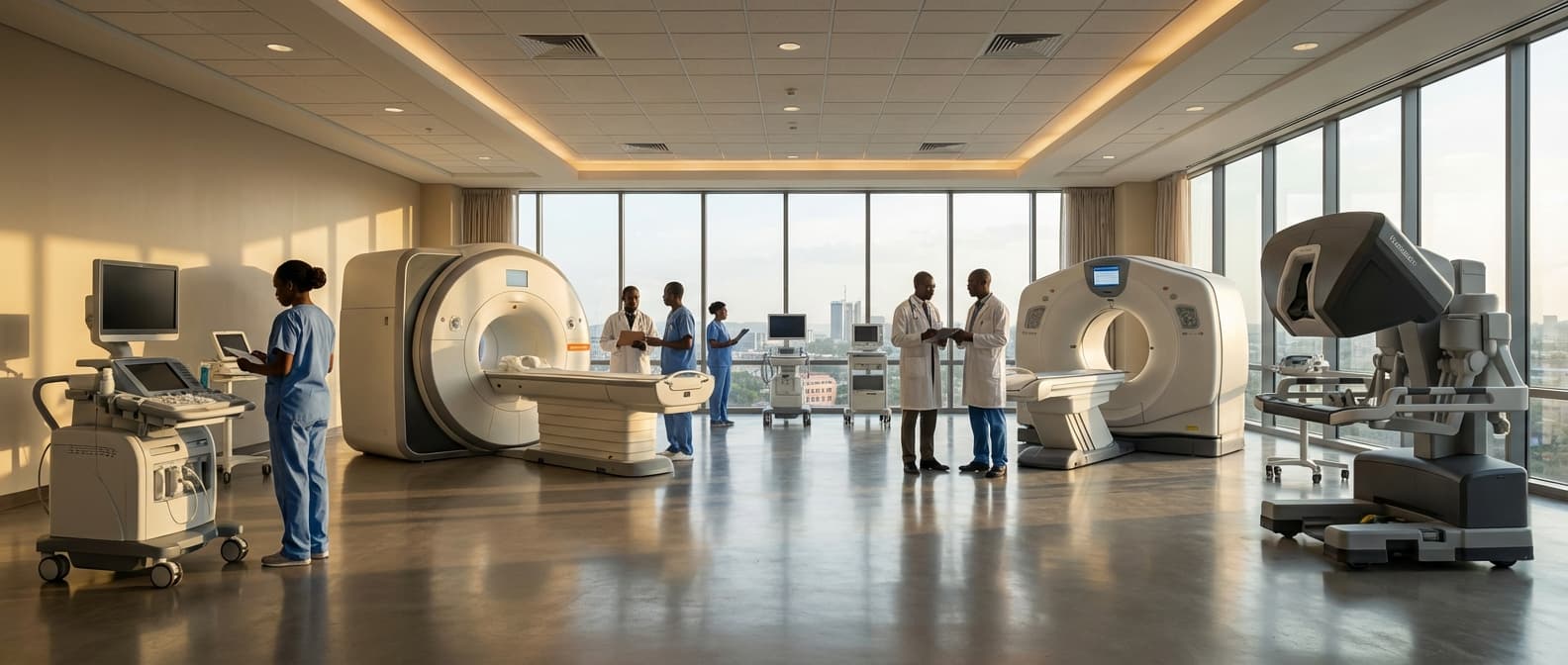
Complete dialysis systems and renal care equipment designed to deliver safe, effective, and patient-centered kidney treatment. High-standard technical execution following OEM protocols and local regulatory frameworks.
Expanded Dialysis Access
Renal Solutions has successfully established and equipped 3 new hemodialysis centers across Liberia, significantly increasing access to life-saving treatment for over 500 patients annually. This expansion includes the deployment of advanced dialysis machines and comprehensive training for local medical staff, ensuring sustainable, high-quality care.
National Kidney Health Awareness Program
Launched a nationwide program focused on early detection and prevention of kidney disease. Through community outreach, health screenings, and educational workshops in 5 major regions, Renal Solutions has screened over 10,000 individuals, identifying early-stage kidney issues and facilitating timely interventions to curb disease progression.
Optimized Medical Supply Chain
Implemented a robust and resilient supply chain management system for essential nephrology medications and consumables. This initiative ensures a consistent 98% availability of critical supplies across all Renal Solutions facilities, mitigating stockouts and guaranteeing uninterrupted patient treatment, even in challenging logistical environments.
What Is Renal Solutions In Liberia?
Renal Solutions in Liberia refers to a range of medical services and interventions focused on the diagnosis, treatment, and management of kidney diseases and related renal conditions. These services aim to preserve kidney function, mitigate disease progression, and improve the quality of life for individuals affected by renal pathologies. The specific offerings can vary from basic diagnostic screenings to advanced therapeutic modalities, often influenced by the availability of resources and specialized healthcare personnel within the Liberian context.
| Target Population | Primary Indications/Use Cases |
|---|---|
| Individuals with suspected or confirmed kidney disease (acute kidney injury - AKI, or chronic kidney disease - CKD) of any stage. | Diagnosis of renal pathologies, monitoring disease progression, management of complications (e.g., fluid overload, hyperkalemia, metabolic acidosis). |
| Patients with significant comorbidities contributing to renal dysfunction, such as uncontrolled hypertension, poorly managed diabetes mellitus, or recurrent urinary tract infections. | Risk factor modification, prevention of further renal damage, management of diabetic nephropathy, hypertensive nephrosclerosis, and other secondary causes of kidney disease. |
| Individuals experiencing symptoms suggestive of renal impairment, including edema, decreased urine output, fatigue, nausea, or changes in urination patterns. | Early detection of renal compromise, assessment of severity, and initiation of appropriate interventions. |
| Patients with end-stage renal disease (ESRD) requiring renal replacement therapy. | Initiation and maintenance of hemodialysis or peritoneal dialysis (where available) to sustain life and manage uremic symptoms. |
| Individuals with electrolyte imbalances or acid-base disturbances potentially related to renal dysfunction. | Correction of physiological derangements to prevent life-threatening complications. |
| Post-operative patients or those recovering from severe illness with a risk of AKI. | Proactive monitoring and management to prevent or mitigate the effects of acute kidney injury. |
Components of Renal Solutions in Liberia
- Diagnostic Services: Includes laboratory tests (e.g., serum creatinine, blood urea nitrogen, urinalysis, estimated glomerular filtration rate - eGFR), imaging studies (e.g., renal ultrasound), and potentially kidney biopsies for definitive diagnosis.
- Medical Management: Pharmacological interventions for managing hypertension, diabetes mellitus, anemia, electrolyte imbalances, and other comorbidities that contribute to or are exacerbated by kidney disease.
- Conservative Kidney Management: Strategies focused on slowing the progression of chronic kidney disease (CKD) through dietary modifications, lifestyle advice, and meticulous control of underlying risk factors.
- Renal Replacement Therapy (RRT):
- Hemodialysis: Extracorporeal blood purification to remove waste products and excess fluid when native kidney function is severely compromised. Availability and infrastructure for hemodialysis may be limited.
- Peritoneal Dialysis: An alternative form of dialysis utilizing the peritoneal membrane for waste removal. Its implementation depends on patient suitability and local healthcare capacity.
- Kidney Transplantation: While a definitive treatment for end-stage renal disease (ESRD), kidney transplantation services are generally not available in Liberia due to the absence of specialized surgical teams, organ procurement infrastructure, and post-transplant care facilities.
- Patient Education and Support: Crucial for empowering patients to adhere to treatment regimens, manage their conditions effectively, and understand their prognosis.
- Palliative Care: For patients with advanced renal disease, focusing on symptom management and improving comfort.
Who Needs Renal Solutions In Liberia?
Renal solutions are crucial for individuals and institutions facing kidney-related health challenges. In Liberia, the demand for these services is driven by a growing prevalence of kidney diseases and a need for advanced medical care. Understanding who requires these solutions and which departments are involved is key to effective healthcare planning and delivery.
| Department/Institution | Role in Renal Solutions |
|---|---|
| Nephrology Department | Diagnosis, treatment, and management of kidney diseases; dialysis services; referral for transplantation. |
| Internal Medicine Department | Initial assessment and management of patients with suspected kidney issues; management of comorbidities like diabetes and hypertension. |
| Urology Department | Management of surgical aspects of kidney diseases, including kidney stones and certain types of kidney cancer; pre-transplant assessments. |
| Emergency Department | Management of acute kidney injury; stabilization of critically ill patients with renal compromise. |
| Intensive Care Unit (ICU) | Close monitoring and management of patients with severe AKI requiring advanced life support and dialysis. |
| Oncology Department | Management of kidney-related side effects of cancer treatments; management of kidney involvement in certain cancers. |
| Public Health Laboratories | Diagnostic testing for kidney function markers (e.g., creatinine, urea); analysis for underlying causes of kidney disease. |
| Surgical Departments (General & Transplant) | Kidney biopsies; surgical interventions for kidney conditions; kidney transplantation procedures. |
| Pharmacy Department | Dispensing of medications for kidney disease management and treatment of associated conditions; advising on drug dosages in renal impairment. |
| Nursing Services (all relevant departments) | Direct patient care for individuals undergoing dialysis or with kidney conditions; monitoring vital signs; administering medications; patient education. |
| Ministry of Health | Policy development, resource allocation, and oversight of kidney care services nationwide; public health awareness campaigns. |
| Non-Governmental Organizations (NGOs) & International Aid Organizations | Providing funding, training, equipment, and support for renal care initiatives; assisting in capacity building. |
Target Customers for Renal Solutions in Liberia
- Individuals with Chronic Kidney Disease (CKD)
- Patients requiring Hemodialysis
- Patients requiring Peritoneal Dialysis
- Individuals with Acute Kidney Injury (AKI)
- Kidney transplant candidates and recipients
- Patients with other kidney-related conditions (e.g., kidney stones, glomerulonephritis)
- Elderly individuals with increased risk of kidney disease
- Diabetic patients (a major risk factor for CKD)
- Hypertensive patients (another major risk factor for CKD)
- Patients undergoing treatment for conditions that can affect kidney function (e.g., certain cancers, autoimmune diseases)
- Hospitals and clinics seeking to establish or upgrade their nephrology services
- Government health ministries and agencies responsible for public health and kidney care initiatives
Renal Solutions Process In Liberia
The renal solutions process in Liberia encompasses a series of steps designed to guide individuals with kidney-related inquiries or needs through to the appropriate services and treatments. This workflow is crucial for ensuring timely and effective care within the Liberian healthcare system.
| Stage | Description | Key Activities | Responsible Parties | Typical Outcome |
|---|---|---|---|---|
| Initial Inquiry & Assessment | The first point of contact where an individual expresses a concern related to kidney health. | Patient presents with symptoms, health concerns, or receives initial screening. Basic medical history is taken. Initial assessment of symptoms and risk factors for kidney disease. | Patient, Community Health Worker (CHW), General Practitioner (GP), Nurse | Identification of potential kidney-related issues. Decision to proceed to further evaluation. |
| Referral & Consultation | If preliminary assessment suggests a kidney issue, the patient is referred to a specialist or a facility equipped for further investigation. | GP or CHW refers patient to a nephrologist or a hospital with renal services. Appointment scheduling. Initial consultation with a nephrologist to discuss symptoms and medical history in detail. | General Practitioner (GP), Community Health Worker (CHW), Nephrologist, Hospital Administrator | Confirmation of the need for specialized renal care. Patient is formally entered into the renal service pathway. |
| Diagnostic Testing | A series of tests are conducted to accurately diagnose the nature and severity of the kidney condition. | Blood tests (e.g., creatinine, urea, electrolytes, complete blood count), Urine tests (e.g., urinalysis, protein measurement), Imaging studies (e.g., kidney ultrasound, CT scan), Kidney biopsy (if indicated). | Laboratory Technicians, Radiologists, Nephrologist, Pathologist | Establishment of a definitive diagnosis of the kidney disease, its stage, and its cause. |
| Treatment Planning | Based on the diagnosis, a personalized treatment plan is developed collaboratively. | Nephrologist analyzes diagnostic results. Discussion of treatment options with the patient, considering disease severity, patient's overall health, and available resources. Formulation of a treatment regimen (medication, diet, lifestyle changes, dialysis, transplant referral). | Nephrologist, Patient, Family members (if applicable), Dietitian (if available) | A comprehensive and agreed-upon treatment plan is established. Patient understands their role in the treatment process. |
| Service Execution & Monitoring | Implementation of the treatment plan and ongoing monitoring of the patient's progress. | Prescribing and dispensing medications. Initiating dialysis sessions (if required). Regular monitoring of vital signs, lab values, and symptom progression. Adjusting treatment as needed based on response. Patient education on self-care and adherence. | Nephrologist, Nurses, Dialysis Technicians, Pharmacists, Patient | Stabilization or improvement of the kidney condition. Management of symptoms and complications. Prevention of disease progression. |
| Follow-up & Long-term Management | Ensuring continued care and support for the patient's renal health. | Scheduled follow-up appointments with the nephrologist. Regular monitoring tests to assess long-term prognosis. Management of chronic kidney disease. Support services (e.g., counseling, social support). Patient education on long-term lifestyle adjustments and adherence to treatment. | Nephrologist, Primary Healthcare Providers, Patient, Support Staff | Sustainable management of kidney disease. Improved quality of life for the patient. Reduced risk of complications and hospitalizations. |
Renal Solutions Process Workflow in Liberia
- Initial Inquiry & Assessment
- Referral & Consultation
- Diagnostic Testing
- Treatment Planning
- Service Execution & Monitoring
- Follow-up & Long-term Management
Renal Solutions Cost In Liberia
The cost of renal solutions in Liberia can vary significantly based on several factors, including the type of solution, the volume required, the brand, the supplier, and the specific location of purchase. Liberia's healthcare infrastructure and the reliance on imported medical supplies contribute to these price fluctuations. It's crucial for healthcare providers and patients to understand these dynamics to budget effectively for dialysis and related treatments. Due to the limited local manufacturing of such specialized medical supplies, the majority are imported, leading to additional costs associated with shipping, customs duties, and currency exchange rates. Prices are typically quoted in Liberian Dollars (LRD), but international pricing in USD can also influence local market rates.
| Renal Solution Type (Approximate) | Typical Volume | Estimated Price Range (LRD) |
|---|---|---|
| Peritoneal Dialysis Solution (e.g., Standard Glucose) | 2 Liters | 1,500 - 3,500 LRD |
| Peritoneal Dialysis Solution (e.g., Higher Glucose/Electrolytes) | 2 Liters | 1,800 - 4,000 LRD |
| Hemodialysis Concentrate (Acid Concentrate - Single) | 1.5 - 2 Liters | 1,200 - 2,800 LRD |
| Hemodialysis Concentrate (Bicarbonate Concentrate - Single) | 1.5 - 2 Liters | 1,300 - 3,000 LRD |
| Specialty Dialysis Solutions (e.g., for specific conditions) | Varies | 3,000 - 7,000+ LRD |
Key Pricing Factors for Renal Solutions in Liberia
- Type of Renal Solution: Different solutions (e.g., peritoneal dialysis solutions, hemodialysis concentrates) have distinct manufacturing costs and complexities, impacting their price.
- Volume and Concentration: Larger volumes and higher concentrations of certain electrolytes or glucose may command higher prices.
- Brand and Manufacturer: Reputable international brands often come with a premium compared to generic or less well-known manufacturers.
- Supplier and Distributor Margins: The markups applied by importers, distributors, and local pharmacies or hospitals contribute to the final consumer price.
- Importation Costs: Shipping, insurance, customs duties, and taxes levied on imported medical supplies are significant cost drivers.
- Currency Exchange Rates: Fluctuations in the Liberian Dollar against major international currencies (like the USD) directly affect the cost of imported goods.
- Location of Purchase: Prices might differ between major urban centers like Monrovia and more remote rural areas due to logistical challenges and local market dynamics.
- Availability and Demand: Scarcity or high demand for specific renal solutions can lead to price increases.
- Regulatory and Quality Standards: Solutions meeting stringent international quality and safety standards may be more expensive.
Affordable Renal Solutions Options
Finding affordable renal solutions is crucial for individuals managing kidney disease. This involves understanding the costs associated with treatments, medications, and lifestyle adjustments, and then exploring strategies to mitigate these expenses. Value bundles and cost-saving strategies can significantly reduce the financial burden.
| Strategy | Description | Potential Savings |
|---|---|---|
| Value Bundles | These are packages of services offered by healthcare providers or insurance plans that combine multiple treatments, medications, or support services at a potentially discounted rate compared to purchasing them individually. They aim to provide comprehensive care at a predictable cost. | Can lead to significant savings by offering bundled services at a lower overall price, reducing out-of-pocket expenses. |
| Generic Medications | Opting for generic versions of prescribed medications, where available, can drastically reduce pharmaceutical costs. | Often 50-80% less expensive than brand-name equivalents. |
| Medicare/Medicaid | Enrollment in government-funded programs like Medicare and Medicaid can cover a substantial portion of renal care costs for eligible individuals. | Can cover the majority of treatment and medication expenses. |
| Insurance Negotiation | Working with your insurance provider to understand coverage, pre-authorize procedures, and appeal denied claims can help manage unexpected costs. | Reduced out-of-pocket expenses, avoidance of unnecessary charges. |
| Home Dialysis | Peritoneal dialysis or home hemodialysis can be more cost-effective in the long run compared to in-center hemodialysis due to reduced facility fees and increased flexibility. | Lower ongoing treatment costs, potential for reduced travel expenses. |
| Participate in Clinical Trials | Some clinical trials offer free or reduced-cost access to experimental treatments and medications, along with associated medical care. | Access to advanced treatments at no or low cost, free monitoring and tests. |
| Patient Assistance Programs | Pharmaceutical companies and non-profit organizations often offer financial assistance programs for medications to eligible patients. | Reduces or eliminates the cost of specific medications. |
| Dietary Management | Working with a renal dietitian to create a cost-effective, kidney-friendly meal plan can save money on groceries and prevent complications that might lead to higher medical costs. | Reduced food waste, avoidance of costly health complications. |
| Preventative Care and Lifestyle | Managing underlying conditions like diabetes and high blood pressure effectively can slow kidney disease progression and reduce the need for more aggressive and expensive treatments. | Delays or prevents the need for dialysis or transplant, reduces medication needs. |
Understanding Renal Care Costs
- Dialysis treatments (hemodialysis, peritoneal dialysis)
- Kidney transplant procedures and post-transplant medications
- Prescription medications (immunosuppressants, blood pressure control, anemia treatment)
- Diagnostic tests and laboratory services
- Doctor's visits and specialist consultations
- Nutritional counseling and specialized diets
- Transportation to and from treatment centers
- Assistive devices and home modifications
Verified Providers In Liberia
In Liberia's healthcare landscape, identifying reliable and credentialed providers is paramount. Franance Health stands out as a beacon of trust and quality, offering a comprehensive network of verified medical professionals. This document outlines Franance Health's rigorous credentialing process and explains why partnering with them ensures access to the highest standard of care.
| Benefit | Franance Health Advantage | Impact on Patients |
|---|---|---|
| Quality of Care | Access to meticulously vetted and highly skilled medical professionals. | Ensures patients receive safe, effective, and evidence-based treatment. |
| Trust and Reliability | Rigorous credentialing process built on transparency and accountability. | Provides peace of mind and confidence in the healthcare providers chosen. |
| Reduced Risk | Minimizes the likelihood of encountering unqualified or improperly credentialed practitioners. | Protects patients from potential harm and substandard medical services. |
| Comprehensive Network | A diverse range of specialists and general practitioners across Liberia. | Facilitates access to a wide spectrum of medical needs, conveniently located. |
| Patient Empowerment | Clear information about provider qualifications empowers informed decision-making. | Enables patients to actively participate in their healthcare journey. |
Franance Health's Credentialing Process Highlights
- Thorough Background Checks: Verifying medical licenses, certifications, and educational qualifications.
- Peer Review: Assessing clinical performance and adherence to best practices.
- Continuing Education Verification: Ensuring providers remain up-to-date with the latest medical advancements.
- Disciplinary Action Review: Screening for any past malpractice claims or ethical violations.
- Primary Source Verification: Confirming information directly with issuing bodies.
- Ongoing Monitoring: Regular re-evaluation of provider credentials and performance.
Scope Of Work For Renal Solutions
This Scope of Work (SOW) outlines the technical deliverables and standard specifications for the development and implementation of the Renal Solutions platform. The objective is to create a comprehensive, secure, and scalable system that streamlines renal care management for patients, clinicians, and administrators. This document details the required technical outputs and the quality standards to be adhered to throughout the project lifecycle.
| Specification Category | Standard/Requirement | Description |
|---|---|---|
| Coding Standards | Language-Specific Style Guides (e.g., PEP 8 for Python, Google Java Style Guide) | Code must be readable, maintainable, and adhere to established best practices for the chosen programming languages. |
| Security | OWASP Top 10 Compliance, HIPAA Compliance (if applicable) | Implement robust security measures to protect sensitive patient data, including encryption, access controls, and regular vulnerability assessments. |
| Performance | Response time < 2 seconds for critical operations, Scalability for X concurrent users | The system must be responsive and capable of handling anticipated user loads and data volumes. |
| Reliability | 99.9% Uptime (excluding planned maintenance) | The system should be highly available and minimize downtime. |
| Maintainability | Modular design, Automated testing coverage > 80% | The system should be easy to update, debug, and extend with minimal effort. |
| Interoperability | HL7 FHIR Standards (if applicable), RESTful API Design | The system should be designed to integrate with other healthcare systems and adhere to relevant interoperability standards. |
| Data Integrity | ACID Compliant Transactions, Data Validation Rules | Ensure accuracy, consistency, and completeness of all data within the system. |
| User Interface (UI) / User Experience (UX) | WCAG 2.1 AA Accessibility Standards, Responsive Design | The UI must be intuitive, user-friendly, and accessible to all users across various devices. |
| Documentation | Clear, concise, and comprehensive technical and user documentation | All documentation must be up-to-date and easy to understand for its intended audience. |
| Testing | Comprehensive test coverage across all levels of testing, Bug tracking and resolution process | Rigorous testing is required to ensure the quality and stability of the system. |
| Deployment | Automated deployment pipeline, Version control integration | Deployment processes should be efficient, repeatable, and minimize the risk of errors. |
Technical Deliverables
- Functional Requirements Specification (FRS)
- System Architecture Design Document
- User Interface (UI) / User Experience (UX) Design Wireframes and Prototypes
- Database Schema Design
- Application Programming Interface (API) Specifications
- Source Code (well-commented and version-controlled)
- Test Plans and Test Cases (Unit, Integration, System, User Acceptance)
- Deployment Scripts and Procedures
- Technical Documentation (Installation Guide, Configuration Guide, Administrator Guide)
- User Manuals
- Training Materials
- Security Audit Report
- Performance Test Results
- Data Migration Plan and Scripts (if applicable)
- Final Deployed System
Service Level Agreement For Renal Solutions
This Service Level Agreement (SLA) outlines the guaranteed response times and uptime for the Renal Solutions platform and its associated services. This SLA aims to ensure the reliability, availability, and performance of the critical systems supporting renal care.
| Service Component | Uptime Guarantee (Monthly) | Incident Severity Level | Response Time | Resolution Target | Escalation Path |
|---|---|---|---|---|---|
| Renal Solutions EHR System | 99.9% | Critical (System Unavailable, Impacting All Users) | 15 minutes | 4 hours | Tier 2 Support -> Engineering Lead |
| Renal Solutions EHR System | 99.9% | High (Major Functionality Impaired, Limited User Impact) | 30 minutes | 8 hours | Tier 1 Support -> Tier 2 Support |
| Renal Solutions EHR System | 99.9% | Medium (Minor Functionality Impaired, Affecting Specific Features) | 1 hour | 24 hours | Tier 1 Support |
| Renal Solutions EHR System | 99.9% | Low (Cosmetic Issue or Non-Critical Bug) | 4 business hours | 7 business days | Tier 1 Support |
| Patient Portal Access | 99.5% | Critical (Portal Inaccessible) | 30 minutes | 4 hours | Tier 2 Support -> Engineering Lead |
| Patient Portal Access | 99.5% | High (Login Issues, Slow Performance) | 1 hour | 8 hours | Tier 1 Support -> Tier 2 Support |
| Telehealth and Remote Monitoring Services | 99.8% | Critical (Service Unavailable) | 15 minutes | 3 hours | Tier 2 Support -> Engineering Lead |
| Telehealth and Remote Monitoring Services | 99.8% | High (Intermittent Connectivity, Audio/Video Issues) | 30 minutes | 4 hours | Tier 1 Support -> Tier 2 Support |
| Data Backup and Recovery Services | 100% of Scheduled Backups | Critical (Backup Failure) | Immediate notification | 2 hours (to initiate recovery plan) | Operations Team -> Engineering Lead |
| Reporting and Analytics Modules | 99.0% | High (Inability to Generate Reports) | 1 hour | 12 hours | Tier 1 Support -> Tier 2 Support |
Key Service Components Covered by this SLA
- Renal Solutions Electronic Health Record (EHR) System
- Patient Portal Access
- Telehealth and Remote Monitoring Services
- Data Backup and Recovery Services
- Reporting and Analytics Modules
Frequently Asked Questions

Ready when you are
Let's scope your Renal Solutions in Liberia project in Liberia.

Scaling healthcare logistics and technical systems across the entire continent.