
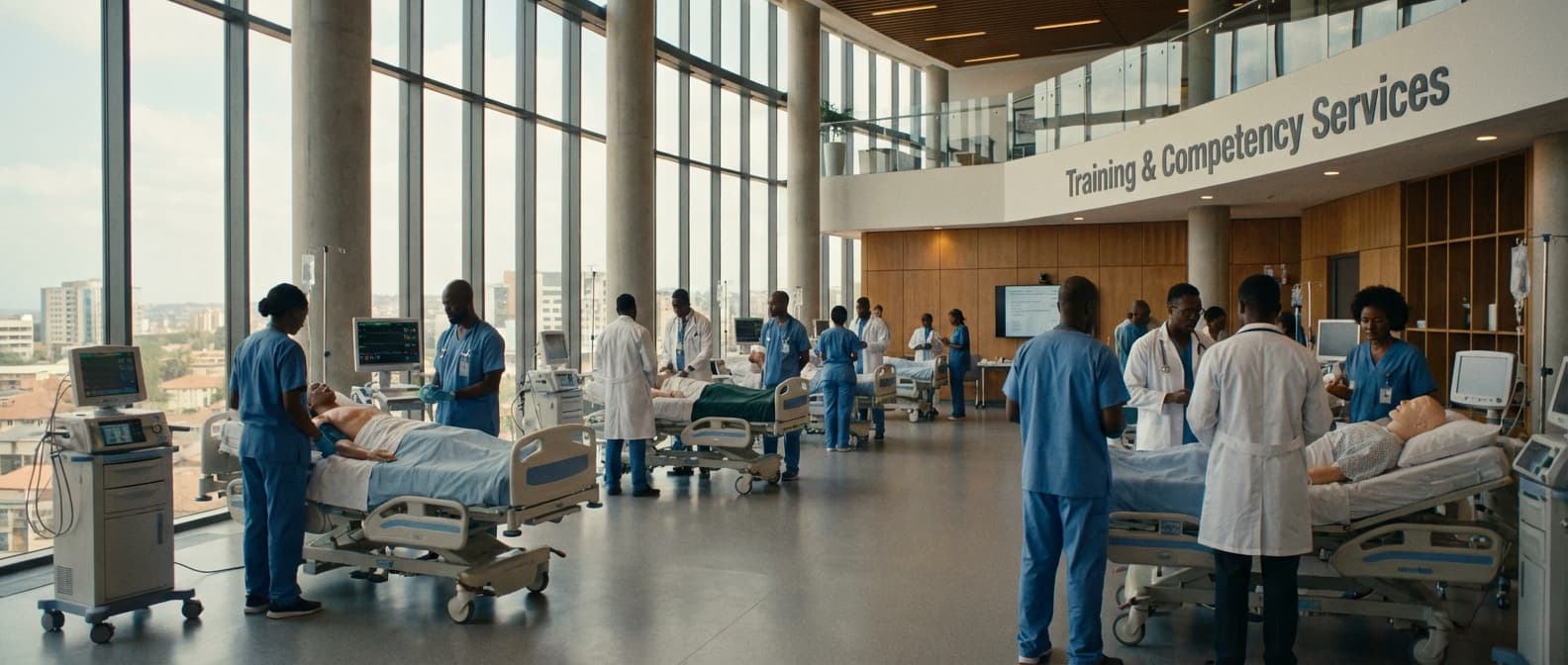
Ultrasound Application Training Service (Protocol-Based) in Lesotho
Engineering Excellence & Technical Support
Ultrasound Application Training Service (Protocol-Based) High-standard technical execution following OEM protocols and local regulatory frameworks.
Standardized Protocol-Driven Training
Our service delivers comprehensive Ultrasound Application Training in Lesotho, meticulously designed around established protocols. This ensures trainees acquire consistent, reproducible scanning techniques and diagnostic interpretation skills, aligning with international best practices for accurate patient care.
Hands-On Skills Development with Real-World Scenarios
We provide practical, hands-on training sessions utilizing state-of-the-art ultrasound equipment. Our curriculum incorporates diverse real-world clinical scenarios relevant to Lesotho's healthcare landscape, enabling trainees to confidently apply learned protocols in their daily practice.
Certified Competency and Continuous Improvement
Upon successful completion of our protocol-based training, participants receive a certificate of competency, validating their proficiency in specific ultrasound applications. We foster a culture of continuous learning, offering ongoing support and advanced modules to keep practitioners at the forefront of ultrasound diagnostics.
What Is Ultrasound Application Training Service (Protocol-based) In Lesotho?
Ultrasound Application Training Service (Protocol-Based) in Lesotho refers to specialized educational programs designed to equip healthcare professionals with the requisite knowledge and practical skills to perform diagnostic ultrasound examinations according to established, standardized protocols. This service focuses on a structured approach to ultrasound acquisition, ensuring consistency, accuracy, and reproducibility of imaging findings, thereby enhancing diagnostic confidence and patient care within the Lesotho healthcare landscape. The training emphasizes adherence to internationally recognized or locally adapted ultrasound protocols for various anatomical regions and clinical scenarios. It typically involves a blend of theoretical instruction, hands-on simulation, and supervised clinical practice.
| Who Needs the Service? | Typical Use Cases | |||||||
|---|---|---|---|---|---|---|---|---|
| Radiologists: To enhance their proficiency in specific ultrasound applications and standardize their diagnostic approach. | Radiographers/Sonographers: To gain specialized skills in performing various ultrasound examinations according to established protocols. | Obstetricians and Gynecologists: For routine obstetric scans (dating, anomaly, growth), gynecological assessments, and early pregnancy evaluations. | General Practitioners (GPs) and Family Medicine Physicians: For point-of-care ultrasound (POCUS) applications in primary healthcare settings, guided by simplified protocols. | Emergency Medicine Physicians: For rapid diagnostic ultrasound assessments in trauma and acute care scenarios (FAST, eFAST protocols). | Internal Medicine Specialists (e.g., Gastroenterologists, Nephrologists): For targeted abdominal, renal, or pelvic ultrasound examinations. | Physiotherapists and Sports Medicine Clinicians: For musculoskeletal ultrasound examinations of joints, tendons, and muscles. | Medical Students and Residents: To build foundational ultrasound knowledge and practical skills during their clinical rotations. | Healthcare Institutions in Lesotho: Hospitals, clinics, and diagnostic centers seeking to improve the quality and consistency of their ultrasound services. |
| Obstetric Ultrasound: Fetal biometry, gestational age dating, anomaly screening, placental assessment, Doppler studies for fetal well-being. | Abdominal Ultrasound: Evaluation of liver, gallbladder, spleen, pancreas, kidneys, and aorta for masses, inflammation, or structural abnormalities. | Pelvic Ultrasound: Assessment of uterus, ovaries, and bladder in both male and female patients. | Vascular Ultrasound: Doppler assessment of carotid arteries, peripheral arteries and veins, and abdominal vasculature for stenosis, thrombosis, or aneurysms. | Musculoskeletal Ultrasound: Examination of joints, tendons, ligaments, and muscles for trauma, inflammation (e.g., arthritis), or tears. | Thyroid and Breast Ultrasound: Evaluation of nodules, masses, and other abnormalities in the thyroid gland and breast tissue. | Point-of-Care Ultrasound (POCUS): Bedside assessments in emergency departments, intensive care units, and primary care settings for rapid diagnosis of conditions like pleural effusions, ascites, or cardiac function. | Pediatric Ultrasound: Evaluation of specific pediatric conditions, including abdominal organs, hips, and brain (in neonates). |
Key Components of Ultrasound Application Training Service (Protocol-Based):
- Protocol Development and Dissemination: Establishing or adapting evidence-based ultrasound protocols for specific examinations (e.g., obstetric, abdominal, musculoskeletal, vascular).
- Theoretical Instruction: In-depth coverage of ultrasound physics, instrumentation, image optimization, anatomy and physiology relevant to the specific application, and the rationale behind protocol steps.
- Hands-on Skill Development: Practical sessions utilizing ultrasound phantoms, simulators, and live patient models to practice probe manipulation, scanning techniques, and image acquisition aligned with protocols.
- Protocol Adherence Training: Explicit instruction and reinforcement on systematically following defined protocol steps for each examination to ensure comprehensive data capture.
- Image Interpretation and Reporting: Guidance on recognizing normal and abnormal sonographic findings and the principles of structured reporting based on protocol requirements.
- Competency Assessment: Evaluation of trainees' proficiency in protocol execution, image quality, and diagnostic interpretation through practical examinations and case reviews.
- Continuing Professional Development (CPD): Mechanisms for ongoing learning and skill maintenance to keep abreast of technological advancements and updated protocols.
Who Needs Ultrasound Application Training Service (Protocol-based) In Lesotho?
This document outlines the critical need for Ultrasound Application Training Services (Protocol-Based) in Lesotho. Such specialized training is essential for healthcare professionals to effectively and accurately utilize ultrasound technology for diagnostic and therapeutic purposes, ultimately improving patient care outcomes within the country.
| Target Customer/Department | Specific Roles Requiring Training | Key Applications of Ultrasound | Benefits of Protocol-Based Training |
|---|---|---|---|
| Hospitals (Public and Private) | Radiologists, Sonographers, Obstetricians/Gynecologists, General Practitioners, Emergency Medicine Physicians, Surgeons, Pediatricians | Abdominal, Pelvic, Obstetric (Antenatal/Postnatal), Gynecological, Vascular, Musculoskeletal, Echocardiography (basic), Point-of-Care Ultrasound (POCUS) | Standardized diagnostic accuracy, reduced misdiagnosis, improved workflow efficiency, enhanced image interpretation, consistent reporting, competency assurance. |
| District Health Centers | Clinical Officers, Nurses with advanced training, General Practitioners | Basic obstetric scans, abdominal surveys, urine retention assessment, POCUS for critical decision-making | Improved access to basic diagnostic imaging in remote areas, early detection of critical conditions, better management of common ailments, reduced patient referral burden. |
| Maternity Clinics | Midwives, Obstetricians, Nurses | Antenatal scans (dating, anomaly, growth), fetal well-being assessment, pelvic assessments | Safer pregnancies and deliveries, early identification of fetal abnormalities and complications, improved maternal and neonatal outcomes, reduced perinatal mortality. |
| Tertiary Referral Centers | Specialist Radiologists, Sonographers, Sub-specialty Physicians | Advanced imaging in cardiology, oncology, neurology, interventional procedures, complex obstetric and gynecological cases | Refinement of advanced techniques, mastery of specialized protocols, integration with other imaging modalities, contribution to medical research and education. |
| University Medical Schools and Training Institutions | Medical Lecturers, Residents, Interns, Medical Students | Foundational ultrasound principles, practical scanning techniques, integration into clinical curricula, research applications | Building a future generation of skilled ultrasound practitioners, promoting evidence-based ultrasound use, fostering research and innovation. |
| Non-Governmental Organizations (NGOs) with healthcare programs | Healthcare workers deployed in rural and underserved areas, program managers | Basic diagnostic ultrasound relevant to the NGO's specific health focus (e.g., maternal health, general primary care) | Expanding healthcare access and quality in hard-to-reach populations, supporting targeted health interventions, capacity building of local healthcare teams. |
| Mobile/Outreach Healthcare Units | Clinicians and technicians operating in mobile settings | Portable ultrasound for rapid assessment, POCUS in emergency situations, basic screening protocols | Bringing diagnostic capabilities directly to communities, facilitating timely interventions, improving efficiency of outreach services. |
Target Customers and Departments for Ultrasound Application Training Service (Protocol-Based) in Lesotho
- Hospitals (Public and Private)
- District Health Centers
- Maternity Clinics
- Tertiary Referral Centers
- University Medical Schools and Training Institutions
- Non-Governmental Organizations (NGOs) with healthcare programs
- Mobile/Outreach Healthcare Units
Ultrasound Application Training Service (Protocol-based) Process In Lesotho
This document outlines the workflow for the Ultrasound Application Training Service (Protocol-Based) offered in Lesotho. It details the process from the initial inquiry stage to the successful execution and completion of the training program. The service is designed to equip healthcare professionals with the skills and knowledge to perform specific ultrasound examinations according to established protocols, ensuring standardized and high-quality diagnostic imaging.
| Stage | Activity | Description | Responsible Party | Deliverables/Outcomes |
|---|---|---|---|---|
| Initial Contact | Potential client (e.g., hospital, clinic, Ministry of Health) expresses interest in ultrasound training. | Client, Training Provider | Expression of interest, initial understanding of training needs. |
| Needs Assessment Meeting | Detailed discussion to understand specific ultrasound applications required, target audience, number of participants, existing infrastructure, and desired outcomes. | Training Provider, Client | Identified training needs, target audience profile, scope of training. |
| Proposal Development | Training Provider develops a tailored proposal outlining the training curriculum (protocol-based), duration, methodology, trainers, logistics, and cost. | Training Provider | Formal training proposal. |
| Proposal Review & Negotiation | Client reviews the proposal, may request modifications, and negotiations are conducted. | Client, Training Provider | Agreement on training scope, cost, and terms. |
| Contract Signing | Formal agreement signed by both parties, outlining all terms and conditions, payment schedule, and responsibilities. | Client, Training Provider | Signed contract. |
| Participant Identification & Registration | Client identifies and registers participants for the training. Training Provider may provide registration forms. | Client, Training Provider | List of registered participants. |
| Logistics & Scheduling | Finalize training dates, venue (on-site or at a designated facility), equipment requirements (ultrasound machines, phantoms), and any travel/accommodation arrangements. | Training Provider, Client | Confirmed training schedule and logistical arrangements. |
| Curriculum Finalization & Material Preparation | Review and finalize specific protocols to be covered. Prepare training manuals, presentations, case studies, and any pre-reading materials. | Training Provider | Finalized curriculum, printed/digital training materials. |
| Participant Pre-Assessment (Optional) | A brief assessment to gauge existing knowledge and tailor the training further. | Training Provider | Insights into participant's baseline knowledge. |
| Theoretical Sessions | Lectures and discussions covering ultrasound physics, principles, specific protocol anatomy and physiology, image optimization, and potential artifacts. | Trainer | Enhanced theoretical understanding. |
| Demonstrations | Trainers demonstrate the correct application of the ultrasound protocol on models or real patients (if applicable and ethical). | Trainer | Visual understanding of correct technique. |
| Hands-on Practical Sessions | Participants practice the ultrasound protocol under direct supervision of trainers, using phantoms and/or real patients (with appropriate consent). Focus on image acquisition, manipulation, and interpretation according to protocol. | Trainer, Participants | Development of practical scanning skills. |
| Case Study Analysis & Discussion | Review of real-life ultrasound cases to reinforce learning and develop diagnostic interpretation skills within the protocol's scope. | Trainer, Participants | Improved diagnostic reasoning and interpretation. |
| Q&A and Feedback Sessions | Regular opportunities for participants to ask questions and receive personalized feedback from trainers. | Trainer, Participants | Clarification of doubts, individualized improvement. |
| Skills Assessment (Practical & Theoretical) | Evaluation of participant's ability to perform the trained protocol correctly and their understanding of the underlying principles. | Trainer | Assessment of competency. |
| Certification | Upon successful completion of the training and assessment, participants receive a certificate of completion. | Training Provider | Certificate of attendance/completion. |
| Post-Training Evaluation | Collect feedback from participants and the client regarding the training program's effectiveness, trainers, and logistics. | Client, Participants, Training Provider | Training program effectiveness feedback. |
| Follow-up Support (Optional) | Offer limited follow-up support (e.g., remote consultations, Q&A sessions) to address any challenges encountered after the training. | Training Provider | Assistance with initial post-training application. |
| Reporting | Provide a comprehensive report to the client outlining the training outcomes, participant performance, and feedback received. | Training Provider | Training completion report. |
Ultrasound Application Training Service (Protocol-Based) Process Workflow
- Inquiry & Needs Assessment
- Proposal & Agreement
- Pre-Training Preparations
- Training Execution
- Post-Training Support & Evaluation
Ultrasound Application Training Service (Protocol-based) Cost In Lesotho
Providing ultrasound application training services in Lesotho, particularly protocol-based training, involves a range of costs influenced by several key factors. The pricing is not standardized across all providers and can fluctuate based on the depth of the training, the specific ultrasound applications covered, the qualifications and experience of the trainers, and the duration of the program. Furthermore, the location of the training within Lesotho, whether it's in a major urban center like Maseru or a more remote area, can also impact logistical costs for the training provider, which may be reflected in the final price.
Key Pricing Factors:
- Scope and Specialization: Training in general ultrasound principles will be less expensive than specialized courses such as obstetric and gynecological ultrasound, abdominal ultrasound, echocardiography, or musculoskeletal ultrasound. The more niche and advanced the application, the higher the cost.
- Duration and Intensity: The total number of hours or days of training is a primary cost driver. Intensive, multi-day workshops will naturally cost more than shorter introductory sessions.
- Trainer Expertise and Qualifications: Highly experienced sonographers or radiologists with extensive clinical experience and teaching credentials command higher fees.
- Training Materials and Resources: The provision of comprehensive training manuals, simulation time, access to advanced ultrasound machines, and potentially online learning modules can add to the overall cost.
- Accreditation and Certification: If the training leads to recognized certification, this often comes with an additional fee for assessment and accreditation processes.
- Logistics and Venue: Costs associated with venue rental, travel and accommodation for trainers (if not local), and catering can influence the final price. Training conducted at the client's site might reduce some of these costs but could introduce others.
- Class Size: Smaller, more personalized training sessions usually have a higher per-participant cost compared to larger group training.
- Provider Type: Whether the training is offered by a hospital, a private training institute, a university department, or an individual consultant will impact pricing structures. Private entities may have higher overheads.
| Factor | Impact on Cost | Typical Range (LSL - Maloti) |
|---|---|---|
| Duration of Training | Longer duration = Higher Cost | LSL 1,500 (1-day intro) to LSL 8,000+ (multi-day specialized) |
| Application Specialization | General less expensive than specific/advanced | LSL 1,500 (basic) to LSL 8,000+ (advanced/niche) |
| Trainer Expertise | More experienced/qualified = Higher Fees | Included in overall package; can add 10-30% to base cost |
| Training Materials & Resources | Comprehensive resources and advanced equipment increase cost | Up to 15% of the training fee |
| Accreditation & Certification | Formal certification adds to the price | LSL 500 - LSL 2,000 per participant (for assessment/certification) |
| Location & Logistics | Remote locations or extensive travel/accommodation increase cost | Variable, can add 5-20% for travel/venue |
| Class Size | Smaller groups typically have higher per-participant cost | Per-participant rate decreases with larger groups (e.g., 10-20% reduction) |
Typical Ultrasound Application Training Cost Ranges in Lesotho (LSL)
- General Ultrasound Principles (Introductory): LSL 1,500 - LSL 3,000 per participant
- Basic Obstetric/Gynecological Ultrasound: LSL 2,500 - LSL 5,000 per participant
- Advanced Abdominal Ultrasound: LSL 3,000 - LSL 6,000 per participant
- Specialized Applications (e.g., Echocardiography, Musculoskeletal): LSL 4,000 - LSL 8,000+ per participant
- On-site Corporate/Institutional Training (Negotiable, based on scope and duration): LSL 15,000 - LSL 50,000+ per program
Affordable Ultrasound Application Training Service (Protocol-based) Options
This service offers affordable ultrasound application training, focusing on protocol-driven learning to ensure standardized and effective skill development. We understand that comprehensive training can be a significant investment, so we've designed value bundles and implemented cost-saving strategies to make high-quality ultrasound education accessible to a wider range of individuals and institutions.
| Value Bundle Option | Included Features | Target Audience | Estimated Cost Range (USD) | Cost-Saving Highlights |
|---|---|---|---|---|
| Core Essentials Bundle | Basic ultrasound physics, machine operation, fundamental protocols (e.g., Abdomen, OB/GYN), image optimization techniques. | Beginner sonographers, medical students, allied health professionals new to ultrasound. | $500 - $1200 | Group discounts, early bird registration, bundled online resources. |
| Specialty Focus Bundle | Core Essentials + in-depth protocols for a specific specialty (e.g., Cardiology, Vascular, Small Parts), advanced case studies, hands-on practice guidance. | Sonographers seeking to specialize, experienced professionals expanding their skill set. | $900 - $2500 | Tiered pricing based on specialty complexity, bulk purchase discounts for departments. |
| Comprehensive Mastery Bundle | Core Essentials + multiple Specialty Focus bundles, advanced techniques, quality assurance training, AI-assisted interpretation introduction, simulation access. | Advanced practitioners, trainers, departments aiming for high-level competency and standardization. | $2000 - $5000+ | Long-term access to materials, personalized mentorship options, institutional licensing for scalable training. |
| Customizable Module Packs | Select individual modules or a combination of modules based on specific training needs. | Individuals or institutions with very targeted training requirements. | Varies based on modules selected ($100 - $500 per module) | Pay only for what you need, avoids paying for irrelevant content. |
Key Features & Benefits
- Protocol-Based Training: Emphasizes adherence to established ultrasound protocols for consistent and reproducible results.
- Affordability: Designed to be cost-effective without compromising on the quality of education.
- Skill Enhancement: Focuses on practical application and building confidence in interpreting ultrasound images.
- Standardized Learning: Ensures all trainees acquire a common understanding of best practices.
- Flexibility: Options available to suit different learning needs and schedules.
Verified Providers In Lesotho
In Lesotho's evolving healthcare landscape, identifying reliable and qualified medical service providers is paramount. Franance Health stands out as a premier organization, distinguished by its rigorous credentialing process and commitment to upholding the highest standards of medical care. This dedication ensures that all Franance Health-affiliated providers are not only skilled and experienced but also operate with integrity and a patient-centric approach. Choosing a Franance Health verified provider means opting for a level of assurance and quality that directly translates to better health outcomes and peace of mind for patients.
| Provider Type | Franance Health Credentialing Focus | Benefits for Patients |
|---|---|---|
| Doctors (General & Specialist) | Medical degree verification, board certification, specialist training, license renewal, malpractice history, peer reviews. | Accurate diagnoses, effective treatment plans, access to specialized expertise, reduced risk of medical errors. |
| Nurses (RNs, ENs) | Nursing degree/diploma verification, professional license, specialized certifications (e.g., critical care, midwifery), continuing education compliance. | High-quality patient care, skilled administration of treatments, patient education and support, compassionate service. |
| Pharmacists | Pharmacy degree verification, national pharmacy license, specialized training (e.g., compounding), ethical practice record. | Accurate dispensing of medications, drug interaction checks, patient counseling on medication use, safe medication management. |
| Allied Health Professionals (e.g., Physiotherapists, Lab Technicians) | Relevant degree/diploma verification, professional registration/licensing, scope of practice adherence, continuous professional development. | Effective rehabilitation and therapy, accurate diagnostic testing, specialized support services, contribution to holistic patient care. |
Why Franance Health Credentials Matter
- Rigorous Verification Process: Franance Health employs a multi-faceted verification system that scrutinizes educational backgrounds, licensing, certifications, and professional experience of all its affiliated healthcare professionals.
- Commitment to Quality: The credentials signify a provider's adherence to established best practices and continuous professional development, ensuring they are up-to-date with the latest medical advancements.
- Patient Safety Focus: Verification includes checks on malpractice history and disciplinary actions, prioritizing patient safety and well-being above all else.
- Ethical Standards: Franance Health-affiliated providers are expected to uphold strict ethical guidelines, fostering trust and transparency in their patient interactions.
- Access to Trusted Care: By choosing a Franance Health verified provider, patients gain access to a network of healthcare professionals who have met stringent criteria, reducing the risk of subpar care.
Scope Of Work For Ultrasound Application Training Service (Protocol-based)
This Scope of Work (SOW) outlines the requirements for a protocol-based ultrasound application training service. The objective is to provide comprehensive theoretical and practical training on specific ultrasound applications, adhering to established protocols and best practices. The training will equip participants with the necessary knowledge and skills to perform ultrasound examinations effectively and efficiently within defined clinical contexts. This SOW details the technical deliverables, standard specifications, and expected outcomes of the training program.
| Deliverable | Description | Standard Specification / Acceptance Criteria | Timeline (indicative) |
|---|---|---|---|
| Training Curriculum Development | Creation of detailed lesson plans, learning objectives, and training materials for each selected ultrasound application module, aligned with current clinical guidelines and protocols. | Curriculum includes: theoretical modules, practical scanning guides, case studies, and assessment methods. Adherence to relevant professional body guidelines (e.g., AIUM, EFSUMB, ASE). | 4 weeks post-contract award |
| Training Materials | Provision of comprehensive, high-quality training materials in electronic and/or print format. | Materials include: presentation slides, participant handbooks, protocol documents, image libraries, and simulated case scenarios. Content to be reviewed and approved by the client. | 2 weeks prior to training commencement |
| Instructor-Led Training Sessions (Theoretical) | Delivery of theoretical knowledge covering anatomy, physiology, ultrasound physics, artifact recognition, image optimization, and specific protocol interpretation for each application. | Sessions conducted by certified and experienced ultrasound instructors. Minimum 80% participant engagement score on post-session quizzes. | As per agreed training schedule |
| Hands-on Scanning Workshops (Practical) | Supervised practical scanning sessions using ultrasound phantoms and/or real-time patient simulators (as applicable and ethical) to practice scanning techniques and protocol adherence. | Minimum instructor-to-participant ratio of 1:4 for effective supervision. Participants must demonstrate proficiency in acquiring required anatomical views according to protocol checklists. Practical assessment to be conducted. | As per agreed training schedule |
| Protocol Adherence Checklists | Development and utilization of standardized checklists for each ultrasound application to ensure consistent protocol execution by trainees. | Checklists to detail specific views, measurements, and parameters required for each examination. Compliance rate of 90% or higher on final practical assessment. | Integrated into practical workshops and final assessment |
| Competency Assessment | Evaluation of participant's theoretical knowledge and practical scanning skills through written examinations and practical scanning assessments. | Written exam score > 75%. Practical scanning assessment by instructor and/or independent reviewer based on protocol adherence and image quality. | End of each module / at training completion |
| Training Report | Comprehensive report detailing training activities, participant attendance, assessment results, and feedback. | Report to include: summary of training delivered, individual participant performance metrics, identified areas for improvement, and overall training effectiveness evaluation. Report submitted within 1 week post-training. | 1 week post-training completion |
| Certification (Optional) | Issuance of certificates of completion to participants who successfully meet all training and assessment criteria. | Certificates to clearly state the ultrasound application(s) trained and the successful completion of the protocol-based training. Meets requirements of the competency assessment. | Upon successful completion of all modules and assessments |
Key Training Modules & Applications
- Abdominal Ultrasound (e.g., liver, gallbladder, kidneys, spleen, pancreas, aorta)
- Pelvic Ultrasound (e.g., transabdominal and transvaginal for gynecological and early obstetric assessment)
- Vascular Ultrasound (e.g., carotid Doppler, peripheral arterial/venous Doppler)
- Small Parts Ultrasound (e.g., thyroid, scrotum)
- Echocardiography (Basic Principles and Application)
- Point-of-Care Ultrasound (POCUS) for various specialties (e.g., Emergency Medicine, Critical Care, Anesthesiology)
Service Level Agreement For Ultrasound Application Training Service (Protocol-based)
This Service Level Agreement (SLA) outlines the performance standards for the Ultrasound Application Training Service, focusing on protocol-based training. It defines the guaranteed response times for support inquiries and the expected uptime of the training platform.
| Service Component | Uptime Guarantee | Response Time Guarantee |
|---|---|---|
| Ultrasound Application Training Platform (Core Functionality) | 99.5% (monthly, excluding scheduled maintenance) | Within 4 business hours for High Priority issues, within 8 business hours for Medium Priority issues, within 24 business hours for Low Priority issues. |
| Access to Training Modules and Content | 99.5% (monthly, excluding scheduled maintenance) | N/A (covered by platform uptime) |
| Protocol-Based Training Navigation and Completion | 99.5% (monthly, excluding scheduled maintenance) | N/A (covered by platform uptime) |
| Support Portal/Email Inquiry Handling | N/A (focus on response time) | Initial acknowledgment within 1 business hour during business hours. |
Definitions
- {"term":"Support Inquiry","definition":"Any request for assistance submitted through the designated support portal or email, related to the Ultrasound Application Training Service."}
- {"term":"Response Time","definition":"The maximum elapsed time from the submission of a Support Inquiry to the initial acknowledgment and assessment by the support team."}
- {"term":"Uptime","definition":"The percentage of time the Ultrasound Application Training Service platform is available for use, excluding scheduled maintenance periods."}
- {"term":"Scheduled Maintenance","definition":"Pre-announced periods during which the training platform may be unavailable for updates, upgrades, or essential maintenance. Notice will be provided at least 48 hours in advance."}
- {"term":"Emergency Maintenance","definition":"Unscheduled maintenance required to address critical issues impacting the stability or security of the training platform. Notice, where feasible, will be provided."}
Frequently Asked Questions

Ready when you are
Let's scope your Ultrasound Application Training Service (Protocol-Based) in Lesotho project in Lesotho.

Scaling healthcare logistics and technical systems across the entire continent.