
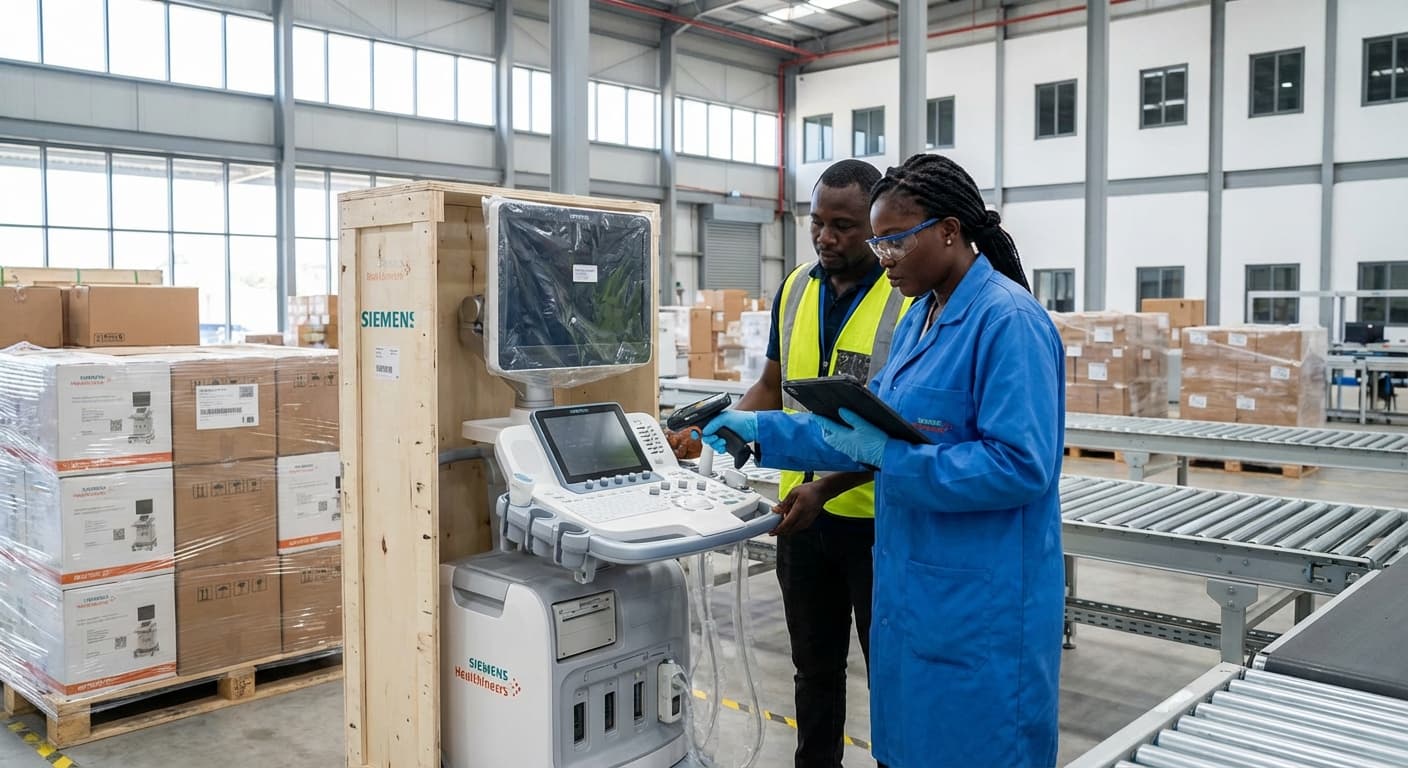
Warehouse Receiving Inspection Service (Medical Equipment) in Lesotho
Engineering Excellence & Technical Support
Warehouse Receiving Inspection Service (Medical Equipment) High-standard technical execution following OEM protocols and local regulatory frameworks.
Advanced Defect Detection
Leveraging advanced visual inspection techniques and specialized tools to identify even microscopic defects, contamination, or signs of damage in medical equipment, ensuring absolute compliance with stringent ISO and GMP standards.
Regulatory Compliance Assurance
Expert validation of all incoming medical equipment against Lesotho's Ministry of Health regulations, international standards (e.g., FDA, CE), and manufacturer specifications, guaranteeing the safety and efficacy of every item received.
Rapid Quarantine & Release Protocols
Implementing swift and efficient quarantine procedures for suspicious items, followed by expedited release protocols for compliant equipment, minimizing operational downtime and ensuring a seamless supply chain for critical medical resources.
What Is Warehouse Receiving Inspection Service (Medical Equipment) In Lesotho?
Warehouse Receiving Inspection Service for Medical Equipment in Lesotho refers to a specialized process designed to ensure the quality, integrity, and compliance of medical devices and supplies upon their arrival at a designated warehouse facility within Lesotho. This service acts as a critical quality control gate, mitigating risks associated with damaged, counterfeit, substandard, or non-compliant medical equipment entering the healthcare supply chain. It involves a systematic examination of incoming shipments against predefined specifications, purchase orders, and regulatory requirements. The primary objective is to verify that the received medical equipment meets all stipulated standards before it is accepted into inventory and subsequently distributed for patient care or clinical use.
| Stakeholder/Entity | Rationale for Requiring Service | Typical Use Cases |
|---|---|---|
| Medical Equipment Importers/Distributors | To fulfill contractual obligations, ensure product quality for resale, and meet regulatory import requirements. | Receiving shipments of pharmaceuticals, diagnostic kits, surgical instruments, medical devices (e.g., X-ray machines, patient monitors, laboratory equipment) from international or local manufacturers. |
| Hospitals and Healthcare Facilities (Public & Private) | To ensure the safety and efficacy of medical equipment procured for patient care and to comply with internal quality standards and government regulations. | Receiving bulk orders of consumables (e.g., syringes, gloves), medical disposables, capital medical equipment, and specialized medical devices for direct use or internal stock management. |
| Government Procurement Agencies (e.g., Ministry of Health Warehouses) | To guarantee the integrity of the national medical supply chain, prevent the introduction of substandard or counterfeit products, and ensure efficient resource allocation for public health programs. | Receiving large consignments of essential medicines, vaccines, medical supplies for national health initiatives, and equipment for public health facilities across the country. |
| Non-Governmental Organizations (NGOs) and Humanitarian Aid Organizations | To ensure that donated or procured medical equipment is fit for purpose and meets the needs of beneficiaries, especially in resource-limited settings. | Receiving medical aid shipments, equipment for mobile clinics, or supplies for specific health interventions and emergency relief efforts. |
| Third-Party Logistics (3PL) Providers | To offer specialized warehousing and logistics services that include quality assurance for their medical clients and to comply with industry-specific regulations. | Managing the storage and distribution of medical equipment on behalf of various clients, performing receiving inspections as part of their service offering. |
Key Components of Warehouse Receiving Inspection Service (Medical Equipment) in Lesotho:
- Documentation Verification: Cross-referencing incoming shipments against purchase orders, invoices, bills of lading, packing lists, and any required import permits or certificates of origin.
- Visual Inspection: Assessing the physical condition of packaging for signs of damage, tampering, or compromise. Inspection of the equipment itself for visible defects, scratches, dents, or any cosmetic imperfections that could indicate mishandling or manufacturing issues.
- Quantity Verification: Accurately counting and confirming the number of units received against the documented quantities on the purchase order and packing list.
- Labeling and Marking Compliance: Verifying that all labeling adheres to national (e.g., Lesotho Ministry of Health regulations) and international standards (e.g., ISO 13485 requirements for labeling), including manufacturer information, model numbers, serial numbers, expiry dates (where applicable), and regulatory approval markings.
- Condition and Functionality Checks (as applicable): For certain types of equipment, basic functional checks or visual assessments of key components may be performed to ensure initial operability and absence of obvious malfunctions. This can range from simple power-on tests to more complex checks depending on the equipment's nature.
- Sterility and Tamper-Evident Seal Verification: For sterile medical devices, ensuring that packaging integrity is maintained and that tamper-evident seals are intact, indicating that the product has not been compromised during transit.
- Regulatory Compliance Verification: Confirming that the equipment meets the specific registration and approval requirements mandated by the Lesotho Ministry of Health or other relevant regulatory bodies before importation and distribution.
- Cold Chain Monitoring (for temperature-sensitive items): Verifying temperature logs and ensuring that the temperature excursion limits were not breached during transportation and storage, particularly for pharmaceuticals, vaccines, and certain diagnostic kits.
- Batch/Lot Number Reconciliation: Ensuring that the batch or lot numbers on the received items match those listed on the shipping documentation.
- Quarantine and Release Procedures: Implementing procedures for quarantining suspect or non-conforming items pending further investigation and establishing a clear process for the formal release of compliant goods into inventory.
Who Needs Warehouse Receiving Inspection Service (Medical Equipment) In Lesotho?
In Lesotho, a robust warehouse receiving inspection service for medical equipment is crucial for ensuring the safety, efficacy, and compliance of all incoming medical devices. This service acts as a critical quality control gate, safeguarding public health and optimizing healthcare delivery. The need for such a service is driven by the inherent risks associated with medical equipment, including potential defects, incorrect specifications, and non-compliance with regulatory standards. Proper inspection minimizes the chances of faulty equipment reaching healthcare facilities, preventing adverse patient outcomes, costly recalls, and reputational damage.
| Target Customer Group | Key Departments Involved | Specific Needs Addressed by Inspection Service |
|---|---|---|
| Government Ministries & Agencies | Ministry of Health (Procurement, Quality Assurance, Stores & Supplies Units), Central Medical Stores, Ministry of Finance (for budgetary oversight) | Ensuring compliance with national standards and tender specifications, preventing procurement of substandard or counterfeit equipment, safeguarding public funds, improving patient safety in public health facilities. |
| International Health Organizations & NGOs | Procurement Departments, Logistics & Supply Chain Management, Program Implementation Units, Quality Assurance Teams | Verifying that donated or procured equipment meets international quality standards and is appropriate for local needs, ensuring efficient and effective utilization of aid, maintaining accountability for donor funds. |
| Private Healthcare Providers | Procurement & Purchasing Department, Biomedical Engineering Department, Quality Management Department, Clinical Departments (e.g., Radiology, Surgery, ICU) | Confirming equipment performance and safety before patient use, ensuring equipment meets clinical requirements and manufacturer specifications, minimizing operational disruptions due to faulty equipment, protecting patient safety and institutional reputation. |
| Medical Equipment Suppliers & Distributors | Warehouse Management, Quality Control Department, Sales & Technical Support Teams | Ensuring the integrity of their product inventory, validating incoming shipments against purchase orders, identifying and resolving discrepancies or damages during transit, supporting after-sales service by providing reliable equipment. |
| Research Institutions & Laboratories | Laboratory Management, Procurement Office, Research Project Coordinators, Technical Staff | Guaranteeing the accuracy and reliability of scientific instruments, ensuring equipment is calibrated and meets specific research protocols, preventing experimental errors due to faulty equipment, maintaining research integrity. |
Target Customers and Departments for Warehouse Receiving Inspection Service (Medical Equipment) in Lesotho
- {"title":"Government Ministries & Agencies","description":"These are primary purchasers and distributors of medical equipment for public healthcare facilities."}
- {"title":"International Health Organizations & NGOs","description":"Organizations involved in healthcare aid and development programs, often procuring and donating medical equipment."}
- {"title":"Private Healthcare Providers","description":"Hospitals, clinics, and diagnostic centers that import or purchase medical equipment for their services."}
- {"title":"Medical Equipment Suppliers & Distributors","description":"Companies that import, stock, and distribute medical equipment within Lesotho, requiring quality assurance for their inventory."}
- {"title":"Research Institutions & Laboratories","description":"Facilities that require specialized and calibrated medical equipment for research and testing purposes."}
Warehouse Receiving Inspection Service (Medical Equipment) Process In Lesotho
This document outlines the typical workflow for a Warehouse Receiving Inspection Service for Medical Equipment in Lesotho, covering the process from initial inquiry to final execution and reporting. This service ensures that all incoming medical equipment meets specified quality, safety, and regulatory standards before being accepted into the warehouse.
| Step | Description | Key Activities | Responsible Party |
|---|---|---|---|
| The client (e.g., Ministry of Health, hospital, NGO) expresses interest in the receiving inspection service. | Initial consultation, understanding equipment type, volume, specific inspection requirements, and client's operational needs. Defining the scope of work and service level agreements (SLAs). | Client, Inspection Service Provider |
| The inspection service provider prepares and submits a detailed proposal. | Developing a tailored service offering based on the inquiry. Estimating costs, timelines, required resources (inspectors, equipment, software), and outlining deliverables. Presenting the proposal and quotation to the client. | Inspection Service Provider |
| Upon acceptance of the proposal, a formal contract is established. | Negotiating and finalizing terms and conditions. Signing the service agreement, which includes responsibilities, payment terms, confidentiality clauses, and dispute resolution mechanisms. | Client, Inspection Service Provider |
| Preparation before the actual inspection takes place. | Reviewing equipment specifications, manufacturer's guidelines, relevant Lesotho Ministry of Health regulations, and national/international standards. Developing specific inspection checklists. Scheduling inspection dates and times based on anticipated equipment arrival. | Inspection Service Provider |
| The client informs the inspection service provider about incoming shipments. | Client provides advance notice of expected equipment deliveries, including details like supplier, quantity, expected arrival date, and equipment type. The inspection service provider confirms their availability and finalizes the inspection schedule. | Client, Inspection Service Provider |
| The inspection is conducted at the warehouse receiving dock or designated area. | Physical verification of equipment against shipping documents (packing lists, invoices). Visual inspection for damage, defects, and completeness. Verification of serial numbers, model numbers, and manufacturer details. Checking for proper packaging and labeling. Functional testing (if applicable and within scope). Documentation of all findings (photos, videos). | Inspection Service Provider (Certified Inspectors) |
| Thorough recording of all inspection activities and findings. | Completing inspection checklists. Recording detailed observations, discrepancies, and non-conformities. Capturing photographic evidence of any issues. Entering data into the inspection service provider's system. | Inspection Service Provider (Certified Inspectors) |
| Addressing any identified issues or deviations from standards. | Clearly documenting any non-conformities. Communicating findings immediately to the client. Recommending corrective actions (e.g., rejection of shipment, repair, replacement). Facilitating discussions between client and supplier if necessary. | Inspection Service Provider, Client |
| A comprehensive report is generated and submitted to the client. | Compiling all inspection data, findings, and recommendations into a formal inspection report. The report includes a summary of equipment inspected, conformity status, details of any non-conformities, photographic evidence, and conclusions. Distribution of the report to the client. | Inspection Service Provider |
| The client makes a decision based on the inspection report. | Client reviews the report and decides whether to accept or reject the inspected equipment. This decision is based on the severity of any non-conformities and contractual agreements. | Client |
| Finalizing the service engagement. | Addressing any outstanding issues. Processing final payments according to the contract. Archiving inspection records. Conducting a post-service review with the client for continuous improvement. | Client, Inspection Service Provider |
Warehouse Receiving Inspection Service (Medical Equipment) Process in Lesotho
- The process is designed to be comprehensive, ensuring compliance with relevant health regulations and quality standards within Lesotho.
- Each step is crucial for maintaining the integrity and usability of medical equipment, ultimately contributing to patient safety and effective healthcare delivery.
- Clear communication and documentation are vital throughout the entire workflow.
Warehouse Receiving Inspection Service (Medical Equipment) Cost In Lesotho
The cost of Warehouse Receiving Inspection Services for medical equipment in Lesotho is influenced by several key factors. These include the volume and complexity of the equipment being inspected, the required turnaround time, the specific testing and verification procedures needed, and the location of the warehouse within Lesotho. The expertise and accreditation of the inspection service provider also play a significant role in pricing. Generally, services that involve more detailed functional testing, calibration, or require specialized technical knowledge will command higher fees. Emergency or expedited services will also incur premium charges.
In Lesotho, the pricing for such services is typically quoted in Maloti (LSL). While exact figures can vary considerably, a general range for a basic receiving inspection of a moderate shipment of standard medical equipment might start from LSL 2,000 to LSL 5,000 per shipment. For more complex equipment, larger volumes, or services requiring specialized testing and documentation, costs could range from LSL 7,000 to LSL 20,000 or even higher. Negotiation with service providers based on contract duration and volume is common.
| Service Level / Equipment Complexity | Estimated Cost Range (LSL) | Description |
|---|---|---|
| Basic Receiving Inspection (Low Volume, Standard Equipment) | 2,000 - 5,000 | Includes visual inspection for damage, correct model/serial number verification, and basic documentation check. |
| Intermediate Inspection (Moderate Volume, Standard Equipment) | 5,000 - 10,000 | Adds basic functional checks, confirmation of accessories, and preliminary documentation review. |
| Comprehensive Inspection (High Volume, Complex/Specialized Equipment) | 10,000 - 25,000+ | Includes detailed functional testing, calibration verification, safety checks, software verification, and extensive report generation. |
| Expedited/Emergency Service | Additional 20% - 50% on base rate | For urgent inspection needs, prioritizing immediate service. |
| Specialized Testing/Certification (e.g., Calibration, Electrical Safety) | Varies significantly (e.g., 1,000 - 5,000+ per test/device) | Costs for specific, advanced testing procedures performed by qualified technicians. |
Key Pricing Factors for Warehouse Receiving Inspection Services (Medical Equipment) in Lesotho
- Volume and Complexity of Equipment: Larger shipments or items requiring intricate checks increase cost.
- Scope of Inspection: Basic visual checks vs. in-depth functional testing, calibration, and documentation.
- Turnaround Time: Standard vs. expedited or emergency inspection requests.
- Specialized Testing Requirements: Need for specific diagnostic tools, software, or expert analysis.
- Provider's Expertise and Accreditation: Certified and experienced inspectors or agencies may charge more.
- Warehouse Location: Accessibility and logistics to the inspection site within Lesotho.
- Reporting and Documentation Standards: Level of detail and format required for inspection reports.
- Contractual Agreements: Long-term contracts or high-volume agreements may offer discounted rates.
Affordable Warehouse Receiving Inspection Service (Medical Equipment) Options
Businesses in the medical equipment sector often require rigorous receiving inspection to ensure product quality, patient safety, and regulatory compliance. This service verifies that delivered goods match purchase orders, are free from damage, and meet all specifications. For organizations seeking cost-effectiveness, understanding available options, value bundles, and strategic cost-saving measures is crucial.
| Service Level | Description | Typical Inclusions | Value Bundles | Cost-Saving Strategies |
|---|---|---|---|---|
| Basic Inspection | Essential verification of delivered goods. | PO verification, visual damage check, quantity count. | Volume discounts for regular, high-frequency deliveries. | Standardized inspection checklists to improve efficiency. Automation of data entry where possible. Negotiating fixed per-item or per-shipment rates. |
| Standard Inspection | More comprehensive check, including basic functionality. | Basic Inspection inclusions + model/serial number verification, basic functional check (e.g., power on). | Bundles with other quality control services (e.g., pre-shipment inspection). | Long-term contracts with tiered pricing based on volume. Outsourcing to specialized providers with lower overhead. Flexible scheduling of inspections to match delivery patterns. |
| Advanced Inspection | In-depth verification, including detailed testing and compliance. | Standard Inspection inclusions + detailed functional testing, specific regulatory checks, documentation review. | Customizable bundles based on specific product types or compliance needs (e.g., sterile equipment inspection). | Leveraging technology for remote inspections or automated reporting. Consolidating inspection needs across multiple locations or product lines. |
| Premium/Custom Inspection | Tailored inspection protocols for highly critical or complex equipment. | Highly specialized testing, validation, full compliance audits, risk assessments. | Partnerships with accredited third-party inspection agencies for specialized needs. Integrated supply chain solutions. | Investing in internal training for your own staff for basic checks to reduce outsourced costs. Collaborative quality assurance programs with suppliers. |
Key Components of Warehouse Receiving Inspection for Medical Equipment
- Verification of Purchase Orders (POs) against delivered items.
- Visual inspection for physical damage (packaging and product).
- Confirmation of product specifications, model numbers, and serial numbers.
- Lot and batch number recording for traceability.
- Documentation of findings (e.g., discrepancies, damages, rejections).
- Sample testing or functional checks (depending on service level).
- Compliance checks against relevant medical device regulations (e.g., FDA, ISO).
- Data entry into inventory management systems.
- Quarantine or segregation of non-conforming products.
Verified Providers In Lesotho
In Lesotho's healthcare landscape, identifying trusted and credentialed providers is paramount for ensuring quality care. Franance Health stands out as a beacon of reliability, meticulously vetting its network of healthcare professionals. Their rigorous credentialing process guarantees that all listed providers meet stringent standards of expertise, experience, and ethical practice. This dedication to verification provides patients with the confidence that they are receiving care from highly qualified and reputable individuals. Choosing a Franance Health verified provider means prioritizing safety, efficacy, and a commitment to patient well-being.
| Credential Category | Franance Health Verification Standard | Patient Benefit |
|---|---|---|
| Medical Licenses & Certifications | Mandatory verification of current and valid professional licenses and board certifications. | Confirms providers are legally permitted and recognized to practice their specialty. |
| Education & Training | Thorough review of academic records and accredited training programs. | Validates the foundational knowledge and specialized skills of the provider. |
| Professional Experience | Verification of past employment history and duration of practice. | Ensures providers have practical, hands-on experience in treating various conditions. |
| Background Checks & Disciplinary Records | Comprehensive checks for any past disciplinary actions or legal issues. | Safeguards patients by identifying and excluding providers with a history of malpractice or misconduct. |
| Continuing Medical Education (CME) | Confirmation of ongoing participation in accredited CME programs. | Demonstrates a commitment to staying updated with the latest medical advancements and best practices. |
Why Franance Health Credentials Matter:
- Ensures adherence to the highest professional and ethical standards.
- Guarantees providers possess the necessary qualifications and experience.
- Reduces the risk of encountering unqualified or fraudulent practitioners.
- Promotes transparency and accountability within the healthcare system.
- Empowers patients to make informed decisions about their healthcare.
Scope Of Work For Warehouse Receiving Inspection Service (Medical Equipment)
This Scope of Work (SOW) outlines the services required for the inspection of incoming medical equipment at the [Warehouse Name] warehouse. The primary objective is to ensure that all received medical equipment meets the established technical specifications, quality standards, and regulatory requirements before being accepted into inventory.
| Section | Description | Technical Deliverables | Standard Specifications |
|---|---|---|---|
| Activities performed before the physical inspection of incoming shipments. | ["Review of Purchase Orders (POs)", "Review of Shipping Manifests", "Identification of required documentation (e.g., Certificates of Analysis, Sterilization Records, Calibration Certificates)"] | POs and manifests must be complete and accurate. Required documentation must be readily available from the supplier. |
| Examination of the external condition of the equipment and packaging. | ["Inspection of packaging for damage (tears, punctures, moisture ingress)", "Verification of shipping labels and markings", "Assessment of external equipment condition (scratches, dents, loose parts)", "Confirmation of seals and tamper-evident features"] | Packaging must be intact and suitable for transport. Equipment must be free from visible cosmetic damage that could affect functionality or sterility. |
| Confirmation of all accompanying documentation against agreed-upon standards. | ["Verification of serial numbers and lot numbers", "Review of manufacturer's certificates of origin/conformity", "Confirmation of user manuals and technical documentation availability", "Verification of calibration or performance certificates (if applicable)", "Checking for compliance with regulatory markings (e.g., CE, FDA clearance)"] | All serial/lot numbers must match POs and product markings. Documentation must be current, accurate, and in the required language. |
| Basic operational checks to confirm core functionality. | ["Power-on test", "Basic operational mode check (e.g., button functionality, display visibility)", "Verification of essential accessories and components"] | Equipment must power on without error messages. Core functions must operate as per the basic user manual. All specified essential accessories must be present. |
| Ensuring adherence to relevant industry standards and regulations. | ["Verification of device classification and labeling", "Confirmation of biocompatibility documentation (if applicable)", "Review of sterilization validation data (if applicable)"] | Equipment and its accompanying documentation must comply with applicable medical device regulations (e.g., MDR, FDA 21 CFR Part 820) and relevant ISO standards (e.g., ISO 13485). |
| Documentation of findings and procedures for handling discrepancies. | ["Generation of a Receiving Inspection Report (RIR) for each shipment", "Detailed documentation of any damage, discrepancies, or non-conformities", "Classification of non-conformities (e.g., minor, major)", "Initiation of the Non-Conformance Report (NCR) process", "Recommendation for disposition (e.g., accept, reject, quarantine)"] | RIRs must be clear, concise, and include photographic evidence for non-conformities. NCRs must follow the established quality management system procedures. |
Key Objectives
- Verify the identity and quantity of medical equipment against purchase orders and shipping manifests.
- Assess the physical condition of received equipment for damage, defects, or discrepancies.
- Confirm that the equipment conforms to specified technical parameters and functional requirements.
- Ensure compliance with relevant medical device regulations and quality standards (e.g., FDA, ISO).
- Document all inspection findings accurately and comprehensively.
- Facilitate timely reporting of non-conformities to relevant stakeholders.
- Contribute to the overall integrity and efficiency of the warehouse receiving process.
Service Level Agreement For Warehouse Receiving Inspection Service (Medical Equipment)
This Service Level Agreement (SLA) outlines the terms and conditions for the Warehouse Receiving Inspection Service for Medical Equipment provided by [Your Company Name] (hereinafter referred to as "Provider") to [Client Company Name] (hereinafter referred to as "Client"). This SLA specifically addresses response times for critical issues and uptime guarantees for the inspection service.
| Service Component | Response Time Guarantee | Uptime Guarantee |
|---|---|---|
| Initial Acknowledgement of Inspection Request | Within 4 business hours of receiving a complete inspection request. | N/A |
| Submission of Preliminary Inspection Report (if no issues) | Within 24 business hours of receiving the equipment. | N/A |
| Submission of Detailed Inspection Report (including non-conformances) | Within 48 business hours of receiving the equipment. | N/A |
| Availability of Inspection Personnel for Inquiries/Clarifications | Within 2 business hours during standard operating hours. | 99.5% during scheduled operational hours (Monday-Friday, 9:00 AM - 5:00 PM Client's Time Zone). |
| System Availability (if applicable, e.g., for online reporting portal) | N/A | 99.8% during scheduled operational hours. |
Key Service Components
- Receiving Inspection: Verification of received medical equipment against purchase orders, including quantity, model number, serial number, and documentation.
- Damage Assessment: Inspection for visible damage during transit and packaging.
- Documentation Review: Checking for completeness and accuracy of accompanying paperwork (e.g., packing slips, certificates of conformance, user manuals).
- Non-Conformance Reporting: Timely reporting of any discrepancies or damages identified during the inspection process.
Frequently Asked Questions

Ready when you are
Let's scope your Warehouse Receiving Inspection Service (Medical Equipment) in Lesotho project in Lesotho.

Scaling healthcare logistics and technical systems across the entire continent.