
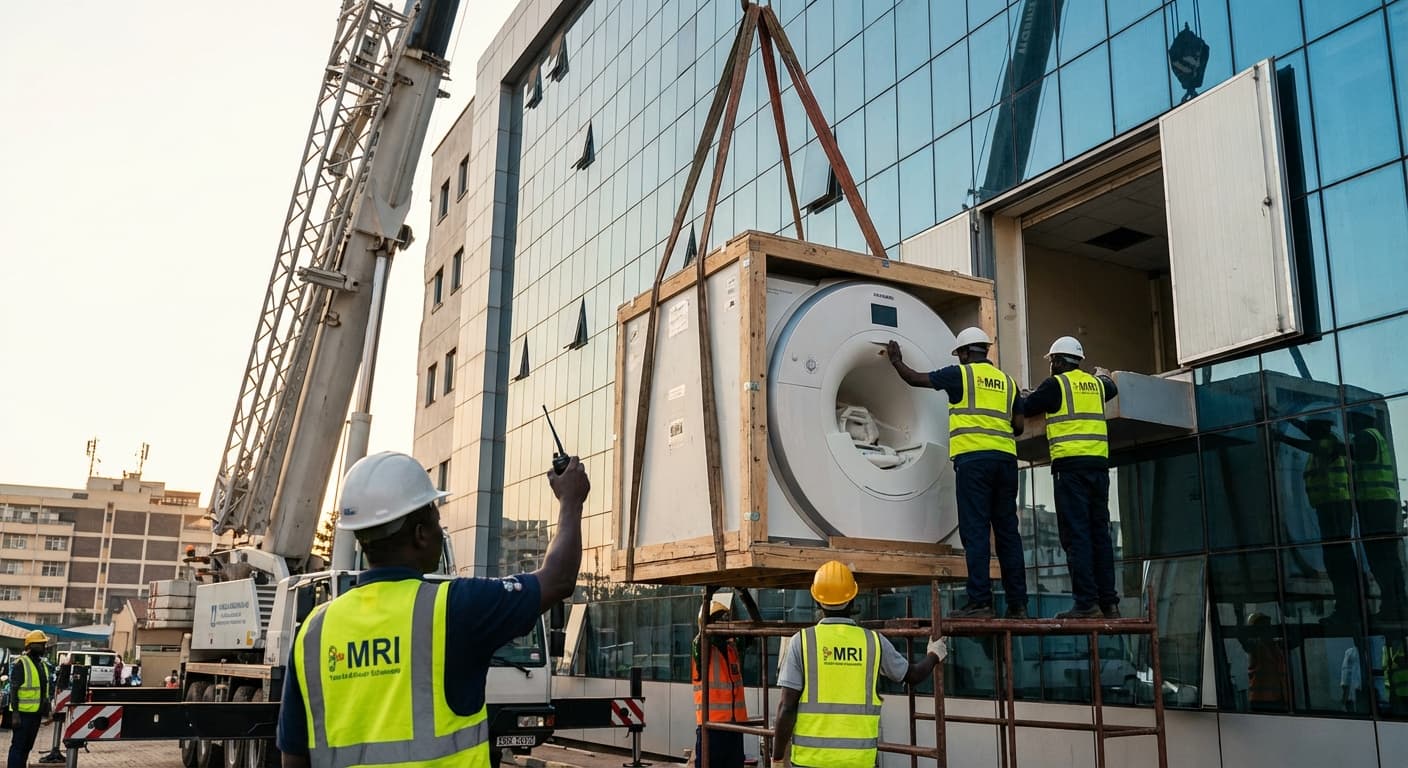
Cranage & Rigging Supervision Service in Lesotho
Engineering Excellence & Technical Support
Cranage & Rigging Supervision Service High-standard technical execution following OEM protocols and local regulatory frameworks.
Complex Lift Planning & Execution
Expert oversight of intricate crane and rigging operations, ensuring precise load positioning, adherence to stringent safety protocols, and minimizing disruption for critical infrastructure projects across Lesotho.
Uncompromising Safety Standards
Dedicated to maintaining the highest levels of safety through rigorous pre-lift inspections, continuous on-site supervision, and the implementation of best practices in fall protection and load securing for all rigging activities.
Experienced Local & International Expertise
Leveraging a blend of seasoned local rigging professionals and international specialists to provide unparalleled supervision, ensuring compliance with both Basotho regulations and global industry standards for all lifting requirements.
What Is Cranage & Rigging Supervision Service In Lesotho?
Cranage and Rigging Supervision Service in Lesotho refers to the provision of specialized expertise to oversee and manage the safe and efficient operation of cranes and rigging equipment during lifting, moving, and positioning of heavy or oversized loads. This service is critical for ensuring adherence to stringent safety regulations, preventing accidents, optimizing workflow, and mitigating potential damage to assets and personnel. It involves a comprehensive approach encompassing planning, execution monitoring, and post-operation review, all performed by qualified and experienced professionals.
Who Needs It:
Organizations and projects in Lesotho that engage in activities involving the lifting and movement of substantial or complex loads require this service. This typically includes:
- Construction Companies: For erecting structural components, placing heavy machinery, and handling pre-fabricated elements.
- Industrial Manufacturing Facilities: During the installation, relocation, or maintenance of heavy plant and equipment.
- Mining Operations: For the installation of large machinery, extraction of components, and movement of materials.
- Power Generation Projects: For the installation of turbines, generators, and other large-scale power plant equipment.
- Infrastructure Development: Including bridges, dams, and other civil engineering projects requiring the placement of massive components.
- Logistics and Warehousing: For the handling of exceptionally heavy or awkwardly shaped cargo.
- Emergency Response and Disaster Recovery: In situations requiring the removal or repositioning of heavy debris or damaged structures.
Typical Use Cases:
- Structural Steel Erection: Lifting and precisely positioning steel beams, columns, and modules for buildings and industrial structures.
- Equipment Installation and Commissioning: Safely placing and aligning heavy industrial machinery, such as presses, generators, pumps, and boilers.
- Pre-fabricated Module Placement: Lifting and installing large, pre-built sections of structures or equipment.
- Heavy Cargo Handling: Moving and securing exceptionally heavy or oversized shipping containers, vessels, or components at ports or industrial sites.
- Bridge Segment Lifting: Positioning massive concrete or steel sections during bridge construction.
- Wind Turbine Assembly: Lifting and installing individual components of wind turbines.
- Emergency Load Recovery: Safely lifting and removing vehicles or equipment involved in accidents or natural disasters.
- Tank and Vessel Installation: Placing large storage tanks, reactors, or pressure vessels.
| Service Component | Description | Key Considerations |
|---|---|---|
| Load Assessment & Planning | Determining the weight, dimensions, center of gravity, and lifting points of the load. | Accurate load data is paramount. Uncertainty necessitates a conservative approach. |
| Crane Selection & Suitability | Choosing the appropriate crane (e.g., mobile, tower, crawler) based on lift capacity, reach, site accessibility, and environmental conditions. | Crane's load chart must be understood and respected. Radius and boom angle are critical. |
| Rigging Equipment Selection & Inspection | Selecting suitable slings, shackles, spreader bars, and other rigging gear based on load capacity, sling angle, and contact points. | All rigging gear must be certified, inspected, and free from defects. Load charts for rigging components must be consulted. |
| Lift Plan Development | Detailed documentation outlining the entire lifting process, including diagrams, sequences, personnel roles, communication methods, and emergency procedures. | A comprehensive lift plan mitigates unforeseen risks and ensures a structured approach. |
| On-Site Supervision | Direct oversight by a qualified supervisor throughout the lifting operation, ensuring the plan is followed meticulously. | Constant vigilance, clear communication, and immediate intervention for any deviations. |
| Safety Compliance & Risk Management | Ensuring all operations comply with relevant national and international safety standards (e.g., OSHA, LOLER) and actively managing identified risks. | Permit-to-work systems, exclusion zones, and hazard identification are integral. |
| Communication & Coordination | Facilitating clear and effective communication between the crane operator, riggers, ground crew, and other relevant personnel. | Use of standardized hand signals, radio communication, and clear roles and responsibilities. |
Key Responsibilities of Cranage & Rigging Supervision:
- Load assessment and planning
- Crane selection and inspection
- Rigging equipment selection and inspection
- Development of lift plans and methodologies
- On-site supervision of lifting operations
- Ensuring adherence to safety protocols and regulations
- Communication and coordination among all stakeholders
- Real-time risk assessment and mitigation
- Post-lift analysis and reporting
Who Needs Cranage & Rigging Supervision Service In Lesotho?
Cranage & Rigging Supervision services are crucial for ensuring the safe, efficient, and compliant execution of heavy lifting and complex maneuvering operations. In Lesotho, these services are particularly vital for a range of industries and projects that involve the movement of large, heavy, or awkwardly shaped loads. Proper supervision minimizes risks of accidents, equipment damage, and project delays, ultimately contributing to cost savings and enhanced operational reliability.
| Industry/Sector | Typical Loads | Key Departments Requiring Supervision |
|---|---|---|
| Mining | Heavy machinery, crushers, conveyors, ore processing equipment | Operations, Maintenance, Engineering, Project Management |
| Construction | Steel beams, concrete elements, pre-fabricated structures, heavy equipment, building materials | Project Management, Site Engineering, Civil Engineering, Health & Safety |
| Energy | Turbines, transformers, generators, solar panels, poles for transmission lines | Engineering, Operations & Maintenance, Project Development |
| Manufacturing/Industrial | Production machinery, processing equipment, large tanks, raw material storage | Production, Maintenance, Engineering, Logistics |
| Logistics/Transportation | Oversized and overweight cargo, shipping containers, heavy machinery | Operations, Fleet Management, Cargo Handling |
| Government/Public Works | Infrastructure components, large utilities, emergency response equipment | Ministry of Public Works and Transport, Ministry of Energy and Meteorology, Disaster Management Agencies |
| Specialized Projects | Telecommunication towers, scientific equipment, unique installations | Project Management, Engineering, Technical Operations |
Target Customers & Departments Requiring Cranage & Rigging Supervision Service in Lesotho
- {"title":"Mining Sector","description":"Lesotho's economy is significantly reliant on mining. Large-scale mining operations involve the installation and maintenance of heavy machinery, crushing equipment, conveyor systems, and vast quantities of extracted ore. Cranage and rigging are essential for transporting, positioning, and dismantling these components. Departments within mining companies that would benefit include: Operations, Maintenance, Engineering, and Project Management."}
- {"title":"Construction Industry","description":"From infrastructure projects like dams, bridges, and roads to the development of commercial buildings and residential complexes, construction in Lesotho often requires the lifting and placement of pre-fabricated structures, steel beams, concrete elements, and heavy equipment. Specialized supervision ensures adherence to safety regulations and efficient workflow. Key departments are: Project Management, Site Engineering, Civil Engineering, and Health & Safety."}
- {"title":"Energy Sector","description":"The development and maintenance of power generation facilities, transmission lines, and renewable energy installations (e.g., solar farms) necessitate the handling of large turbines, transformers, solar panels, and other substantial components. This sector demands meticulous planning and execution. Relevant departments include: Engineering, Operations & Maintenance, and Project Development."}
- {"title":"Manufacturing and Industrial Facilities","description":"Companies involved in manufacturing, processing, or warehousing often require the movement of heavy machinery, large production equipment, and raw materials. Relocating or installing new equipment, as well as routine maintenance, benefits greatly from expert supervision. Departments of interest are: Production, Maintenance, Engineering, and Logistics."}
- {"title":"Logistics and Transportation Companies","description":"Companies involved in the handling and movement of oversized and overweight cargo, such as port authorities, specialized freight forwarders, and heavy haulage providers, rely on skilled rigging and cranage supervision to ensure safe loading, unloading, and transport. Departments involved are: Operations, Fleet Management, and Cargo Handling."}
- {"title":"Government and Public Works Departments","description":"Government initiatives related to infrastructure development, public facilities, and emergency response may involve significant lifting operations. Ensuring public safety and efficient resource utilization is paramount. Relevant departments include: Ministry of Public Works and Transport, Ministry of Energy and Meteorology, and Disaster Management Agencies."}
- {"title":"Specialized Project Developers","description":"Any organization undertaking unique or large-scale projects that involve non-standard lifting requirements, such as the installation of large telecommunication towers, specialized scientific equipment, or artistic installations, will benefit from expert cranage and rigging supervision. Departments involved will depend on the specific project but often include: Project Management, Engineering, and Technical Operations."}
Cranage & Rigging Supervision Service Process In Lesotho
This document outlines the comprehensive Cranage & Rigging Supervision Service Process in Lesotho, detailing the workflow from the initial client inquiry to the successful execution and completion of services. The process is designed to ensure safety, efficiency, and compliance with all relevant regulations and standards.
| Stage | Description | Key Activities | Deliverables/Outcomes | Responsible Party |
|---|---|---|---|---|
| Inquiry & Consultation | Initial client contact to understand their needs and scope of work. | Receive and review client request, discuss project requirements, preliminary scope, and expectations. Provide initial consultation and information on service capabilities. | Understanding of client's needs, preliminary scope of work, and initial service offering. | Client, Service Provider (Inquiry Team) |
| Site Assessment & Planning | Thorough evaluation of the project site and operational environment. | Conduct on-site visit, assess site conditions (ground bearing capacity, overhead obstructions, access routes), identify potential hazards, and gather all necessary project-specific data. Develop a preliminary operational plan. | Detailed site survey report, preliminary lift plan considerations, identification of critical site factors. | Service Provider (Assessment Team), Client |
| Risk Assessment & Method Statement (RAMS) Development | Formal documentation of identified risks and mitigation strategies. | Develop a comprehensive RAMS document outlining potential hazards, their severity, and proposed control measures. Include detailed lift plans, equipment specifications, rigging procedures, and communication protocols. Client review and approval of RAMS. | Approved RAMS document, detailed lift plans, safety procedures. | Service Provider (Safety Officer, Operations Team), Client |
| Resource Mobilization | Gathering all necessary personnel, equipment, and materials. | Source and secure appropriate cranes, rigging equipment, and specialized tools. Assign qualified and certified personnel (riggers, crane operators, supervisors). Ensure availability of necessary safety equipment. | Mobilized and inspected equipment, assigned and briefed personnel, availability of safety gear. | Service Provider (Operations Team, Procurement) |
| Pre-Operation Checks & Briefings | Ensuring readiness before commencing operations. | Conduct pre-use inspections of all equipment. Hold pre-job safety briefings (toolbox talks) with all involved personnel to reiterate safety procedures, lift plans, and communication protocols. Final confirmation of site readiness. | Signed equipment inspection logs, documented pre-job briefings, confirmed site readiness. | Service Provider (Supervisors, Safety Officer), Client |
| Execution of Cranage & Rigging Operations | The actual performance of the lifting and rigging tasks. | Carry out lifts and rigging operations strictly according to the approved RAMS and lift plans. Execute tasks with precision and adherence to safety protocols. Implement communication plan effectively. | Successful and safe completion of lifting and rigging tasks. | Service Provider (Supervisors, Crane Operators, Riggers) |
| Supervision & Monitoring | Continuous oversight of operations to ensure safety and efficiency. | On-going monitoring of operations, adherence to RAMS, equipment condition, and personnel performance. Promptly address any deviations or potential hazards. Maintain clear communication channels. | Real-time operational oversight, identification and mitigation of emerging issues. | Service Provider (Supervisors, Safety Officer) |
| Post-Operation Review & Reporting | Evaluation of the operation and documentation of outcomes. | Conduct a post-operation debrief with the client and internal team. Document any incidents, near misses, or deviations. Prepare a comprehensive project report detailing operations performed, safety performance, and lessons learned. Obtain client sign-off. | Post-operation report, incident reports (if any), client sign-off. | Service Provider (Project Manager, Safety Officer), Client |
| Demobilization & Finalization | Concluding the service and withdrawing resources. | Safely demobilize all equipment and personnel from the site. Ensure the site is left clean and tidy. Finalize all administrative and financial documentation. Archive project records. | Completed demobilization, final invoice, archived project files. | Service Provider (Operations Team, Administration), Client |
Key Stages of Cranage & Rigging Supervision Service Process
- Inquiry & Consultation
- Site Assessment & Planning
- Risk Assessment & Method Statement (RAMS) Development
- Resource Mobilization
- Pre-Operation Checks & Briefings
- Execution of Cranage & Rigging Operations
- Supervision & Monitoring
- Post-Operation Review & Reporting
- Demobilization & Finalization
Cranage & Rigging Supervision Service Cost In Lesotho
The cost of Cranage & Rigging Supervision services in Lesotho can vary significantly due to several key pricing factors. These factors influence the overall project expenditure and are crucial for accurate budgeting. Understanding these elements helps clients anticipate costs and engage with service providers effectively. The local currency, the Lesotho Loti (LSL), is used for all transactions within the country.
| Service Component | Estimated Range (LSL) | Notes |
|---|---|---|
| Daily Supervision Rate (Lead Supervisor) | 1,500 - 3,500 | Varies based on experience, certifications, and complexity of the lift. |
| Daily Rate (Additional Riggers/Supervisors) | 1,000 - 2,500 | Depends on skill level, experience, and specific roles. |
| Hourly Rate (Outside Standard Hours/Emergency) | 300 - 700 | Typically a premium on the daily rate, applied per hour. |
| Project Planning & Method Statement Development | 5,000 - 20,000+ | Dependent on the complexity and scale of the project. |
| Site Inspection & Risk Assessment | 2,000 - 8,000 | Can be a standalone service or part of the overall project cost. |
| Basic Rigging Gear Rental (Daily) | 500 - 1,500 | For smaller, standard rigging equipment, excluding heavy cranes. |
| Crane Rental (Hourly/Daily - Independent of Supervision) | 1,000 - 15,000+ | Highly variable based on crane type, capacity, and duration. |
| Travel & Accommodation Allowance (Per Person, Per Day) | 400 - 1,200 | Subject to location and prevailing rates. |
Key Pricing Factors for Cranage & Rigging Supervision in Lesotho
- Complexity of the Lift: Simple lifts with standard equipment will naturally cost less than complex, multi-point lifts requiring specialized rigging and advanced planning.
- Type and Size of Equipment: The size, weight, and type of cranes and rigging gear needed directly impact costs. Larger, more specialized equipment incurs higher rental and operational expenses.
- Duration of the Project: The total time the supervision services are required is a primary cost driver. This includes planning, setup, execution, and dismantling phases.
- Location and Accessibility: Projects in remote or difficult-to-access locations may incur additional costs for transportation of personnel and equipment, as well as potential site preparation.
- Number of Riggers and Supervisors: The number of qualified personnel required to safely manage the operation is a direct cost component. Higher risk or more intricate lifts necessitate a larger team.
- Insurance and Certification: Comprehensive insurance coverage and ensuring all personnel and equipment meet local and international certification standards are essential and factored into pricing.
- Risk Assessment and Method Statements: The level of detail and complexity involved in developing risk assessments and method statements can influence pre-project planning costs.
- Emergency Call-out / Standby Fees: Clients requiring immediate or standby services outside of standard working hours may incur premium rates.
- Travel and Accommodation: For projects requiring personnel to travel and stay away from their usual base, travel and accommodation expenses will be added.
- Client-Specific Requirements: Any unique or bespoke requirements from the client, such as specific reporting formats or specialized safety protocols, can affect the final cost.
Affordable Cranage & Rigging Supervision Service Options
Navigating the complexities of heavy lifting and equipment movement requires specialized expertise, and finding affordable cranage and rigging supervision can be a challenge. This service is crucial for ensuring safety, efficiency, and preventing costly damage or delays. We offer a range of value bundles and cost-saving strategies designed to meet your project's specific needs and budget. Understanding the different components of cranage and rigging services, and how they can be bundled or optimized, is key to maximizing your investment.
| Value Bundle Option | Includes | Target Projects | Cost-Saving Strategies | |
|---|---|---|---|---|
| Basic Lift Package | Standard crane rental (e.g., 50-ton mobile crane) for a set number of hours, basic rigging supervision. | Smaller construction projects, equipment installation, routine lifts. | Off-peak scheduling, choosing smaller, more appropriate crane sizes, bundling with other site services. | Clear communication of lift requirements to avoid last-minute changes. |
| Comprehensive Project Support | Full-service package including engineering, planning, crane rental, experienced rigging crew, and safety management. | Large-scale construction, industrial plant shutdowns, complex infrastructure projects. | Long-term contracts with bulk discounts, early bird planning to optimize equipment and crew scheduling, utilizing in-house resources where possible. | Regular project reviews to identify potential cost efficiencies. |
| Specialized Equipment & Expertise | Focus on high-capacity cranes, specialized rigging gear (e.g., heavy-duty gantries, self-propelled modular transporters), and expert supervision for unique challenges. | Heavy industrial lifts, power plant construction, bridge erection, modular building assembly. | Negotiating rates for extended equipment rental periods, sharing equipment with neighboring projects (if feasible), utilizing advanced planning software to minimize on-site time. | Exploring alternative lifting methods that may be more cost-effective. |
| On-Demand & Short-Term Solutions | Flexible rental of cranes and rigging crews for emergency situations, short-duration tasks, or unexpected project needs. | Urgent repairs, unexpected equipment failures, short-term logistical challenges. | Pre-negotiated emergency rates, rapid deployment services, clear scope definition to avoid over-servicing. | Maintaining a strong relationship with providers for faster response times and better rates. |
Key Components of Cranage & Rigging Supervision
- Cranage Services: This includes the provision of various types of cranes (e.g., mobile, tower, crawler) with skilled operators, fuel, maintenance, and necessary permits.
- Rigging Supervision: Experienced riggers and supervisors who plan, direct, and execute the lifting and moving of heavy loads, ensuring proper techniques, equipment selection, and safety protocols.
- Engineering & Planning: Pre-lift planning, load calculations, lift plan development, and engineering assessments to ensure safe and efficient operations.
- Equipment Rental: Beyond cranes, this can include slings, shackles, spreader bars, dollies, forklifts, and other specialized lifting gear.
- Site Assessment & Preparation: Evaluating the lift site, ensuring ground stability, clearing obstacles, and establishing exclusion zones.
- Safety Management: Comprehensive safety plans, on-site safety officers, adherence to regulations, and incident reporting.
- Logistics & Transportation: Coordinating the delivery and removal of cranes and equipment to and from the project site.
Verified Providers In Lesotho
Ensuring access to quality healthcare is paramount, and in Lesotho, this means identifying and trusting verified providers. Franance Health stands out as a leading organization committed to upholding the highest standards of medical care. Their rigorous credentialing process and dedication to patient well-being make them the optimal choice for individuals seeking reliable and effective healthcare services.
| Provider Type | Franance Health Verification Criteria | Benefits for Patients |
|---|---|---|
| Doctors (General Practitioners & Specialists) | Valid medical license, verified degrees/diplomas, proof of residency/specialization, good standing with medical council, background checks. | Access to competent, ethical, and up-to-date medical expertise; reduced risk of misdiagnosis or inadequate treatment. |
| Nurses | Registered nurse license, verified educational qualifications, proof of experience, adherence to nursing ethics and standards. | Professional and compassionate nursing care; support in managing health conditions and recovery. |
| Hospitals & Clinics | Accreditation status, adherence to safety and hygiene protocols, availability of essential medical equipment, qualified medical staff. | Safe and well-equipped facilities for diagnosis and treatment; a supportive environment for recovery. |
| Pharmacists | Pharmacy license, verification of pharmaceutical education, knowledge of drug interactions and safe dispensing practices. | Accurate and safe dispensing of medications; professional advice on drug usage and potential side effects. |
Why Franance Health is the Best Choice:
- Rigorous Credentialing Process: Franance Health employs a comprehensive and multi-faceted approach to vetting healthcare professionals. This includes verifying medical licenses, educational qualifications, professional experience, and a clean disciplinary record.
- Commitment to Quality Standards: Beyond basic licensing, Franance Health assesses providers against established benchmarks for clinical competence, ethical practice, and patient safety. This ensures that all affiliated practitioners meet a high level of expertise.
- Patient-Centric Approach: Franance Health prioritizes patient outcomes and satisfaction. They select providers who demonstrate empathy, effective communication, and a commitment to personalized care plans.
- Continuous Professional Development: The organization encourages and often mandates ongoing training and education for its network of providers, ensuring they stay abreast of the latest medical advancements and best practices.
- Accessibility and Network: Franance Health boasts a broad network of verified healthcare facilities and practitioners across Lesotho, making quality care more accessible to a wider population.
- Trust and Transparency: By clearly outlining their credentialing standards and making information about their providers readily available, Franance Health fosters trust and transparency within the healthcare system.
Scope Of Work For Cranage & Rigging Supervision Service
This Scope of Work (SOW) outlines the requirements for Cranage & Rigging Supervision Services to ensure safe, efficient, and compliant lifting operations. The service will encompass pre-lift planning, on-site supervision, and post-lift review, adhering to all relevant industry standards and project-specific safety protocols. The aim is to minimize risks associated with heavy lifting and complex rigging operations, ensuring the integrity of personnel, equipment, and the project timeline.
| Deliverable | Description | Standard/Specification Reference |
|---|---|---|
| Lift Plans | Detailed plans for all critical and complex lifts, including equipment, rigging, personnel, environmental factors, and emergency procedures. | Project Specific, LOLER (Lifting Operations and Lifting Equipment Regulations), BS 7121 (Crane operations - Safe use of cranes), ASME B30 standards (e.g., B30.26 - Rigging Hardware, B30.5 - Mobile Cranes, Tower Cranes, and Boom-Truck Cranes). |
| Equipment Inspection Reports | Records of visual and functional inspections of cranes, hoists, slings, shackles, spreaders, and other lifting accessories. | Project Specific, LOLER, BS 7121, manufacturer's recommendations, relevant industry standards (e.g., API RP 2D). |
| Daily Activity Logs | Chronological record of all lifting activities performed each day, including personnel involved, equipment used, and any notable events. | Project Specific, Site Safety Procedures. |
| Incident/Near Miss Reports | Documentation of any accidents, injuries, or near-miss incidents related to lifting operations. | Project Specific, Company HSE Policy, relevant regulatory reporting requirements. |
| Competency Assessment Records | Evidence of the competency and training of personnel involved in rigging and lifting operations. | Project Specific, OPITO (Offshore Petroleum Industry Training Organisation) standards (if applicable), recognized training provider certifications. |
| Method Statements | Detailed procedures for specific rigging and lifting tasks, outlining hazards and control measures. | Project Specific, HAZID (Hazard Identification) and HAZOP (Hazard and Operability Study) outputs. |
| Post-Lift Review Reports | Summary of lifting operations, identifying successes, challenges, and recommendations for future improvements. | Project Specific, Lessons Learned Process. |
| Weather Monitoring Logs | Records of weather conditions during lifting operations and any decisions made based on these conditions. | Project Specific, Site Safety Procedures, Met Office (or equivalent) data. |
Key Responsibilities and Deliverables
- Develop and review lift plans for all critical and complex lifting operations.
- Conduct pre-lift inspections of all lifting equipment (cranes, slings, shackles, spreader bars, etc.) to ensure compliance with standards and operational readiness.
- Supervise all lifting operations on-site, ensuring adherence to approved lift plans and safe work practices.
- Provide expert guidance to crane operators, riggers, and other personnel involved in lifting activities.
- Monitor weather conditions and their potential impact on lifting operations, making recommendations for safe continuation or suspension.
- Ensure proper communication protocols are in place and followed during lifting operations.
- Identify and report any deviations from the lift plan or unsafe practices, implementing immediate corrective actions.
- Maintain detailed records of all lifting operations, including lift plans, inspection reports, incident reports, and daily activity logs.
- Conduct post-lift reviews and debriefings to identify lessons learned and areas for improvement.
- Provide training and competency assessment for site personnel involved in rigging and lifting where required.
- Ensure compliance with all relevant local, national, and international safety regulations and standards.
- Review and approve method statements for rigging and lifting activities.
- Participate in pre-construction meetings and risk assessment workshops related to lifting operations.
- Oversee the correct application and inspection of rigging gear, ensuring it is fit for purpose and properly rated.
Service Level Agreement For Cranage & Rigging Supervision Service
This Service Level Agreement (SLA) outlines the performance standards and commitments for Cranage & Rigging Supervision Services. It defines the expected response times for incidents and the uptime guarantees for the provision of skilled supervision personnel.
| Service Metric | Service Level Objective (SLO) | Measurement Method | Remedy for Non-Compliance |
|---|---|---|---|
| Emergency Cranage & Rigging Supervision Request | Acknowledgement within 30 minutes; Deployment within 2 hours (subject to personnel availability and travel time) | Time-stamped communication logs; On-site arrival confirmation | Service credit of 5% of the hourly rate for the affected period; Priority scheduling for future requests. |
| Routine Cranage & Rigging Supervision Request | Acknowledgement within 4 business hours; Deployment within 24 business hours (subject to availability and client scheduling) | Time-stamped communication logs; Scheduled start time confirmation | Service credit of 2% of the hourly rate for the affected period. |
| Uptime Guarantee (Scheduled Service Availability) | 98% availability during agreed-upon operational hours | Analysis of scheduled service periods versus actual unavailable periods (due to provider fault) | Service credit of 1% of the monthly service fee for every 0.5% of downtime below the guaranteed level. |
| Reporting Frequency | Monthly performance reports | Delivery of written reports via email | None (reporting is a commitment, not a performance metric in itself) |
Key Service Metrics
- Response Time: The maximum time allowed for the Service Provider to acknowledge and begin addressing a reported issue or request for service.
- Uptime Guarantee: The percentage of time the Service Provider commits to having qualified personnel available to perform Cranage & Rigging Supervision as requested.
- Reporting: Regular reports on service performance against agreed-upon metrics.
Frequently Asked Questions

Ready when you are
Let's scope your Cranage & Rigging Supervision Service in Lesotho project in Lesotho.

Scaling healthcare logistics and technical systems across the entire continent.