
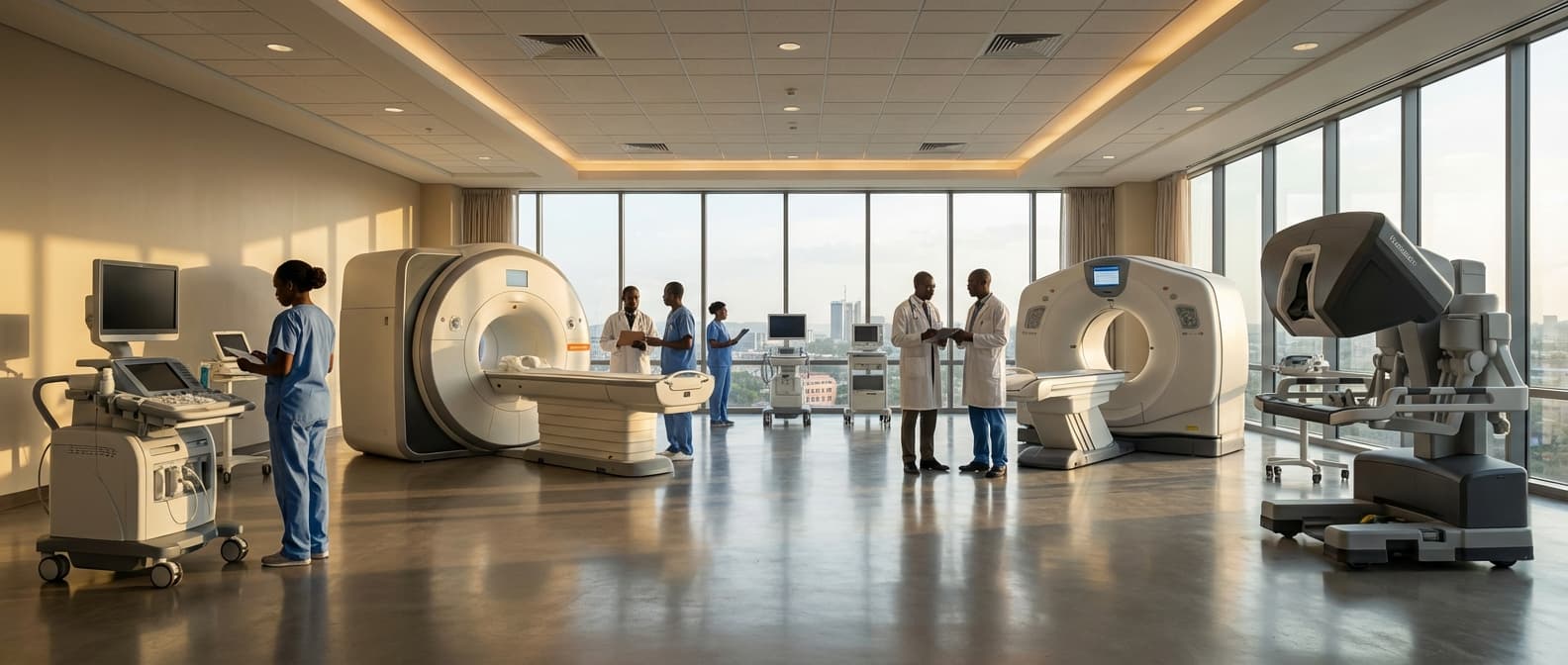
Life Support & Consumables in Lesotho
Engineering Excellence & Technical Support
Reliable supply of essential medical consumables and life support equipment ensuring uninterrupted, quality patient care delivery. High-standard technical execution following OEM protocols and local regulatory frameworks.
Real-time Temperature Monitoring for Critical Cold Chain
Implementation of IoT-enabled temperature sensors in refrigerators and freezers storing vaccines and essential medicines. This ensures uninterrupted cold chain integrity, vital for maintaining the efficacy of life-saving medications in remote clinics across Lesotho.
Advanced Water Purification Systems for Disaster Relief
Deployment of portable, high-capacity water purification units powered by solar energy. These systems provide safe drinking water in emergency situations, such as floods or droughts, significantly reducing waterborne diseases and supporting immediate health needs.
Blockchain-Secured Pharmaceutical Supply Chain
Adoption of a blockchain platform to track the origin, authenticity, and movement of essential pharmaceuticals. This enhances transparency and security, preventing counterfeit drugs from entering the supply chain and ensuring patients receive genuine, high-quality medications.
What Is Life Support & Consumables In Lesotho?
Life Support & Consumables in Lesotho refers to the provision of essential resources and technological interventions designed to sustain human life and vital bodily functions, particularly in contexts of medical necessity, emergency situations, or remote/austere environments. This service encompasses a broad spectrum of products and services, ranging from fundamental physiological support to advanced medical equipment and their associated expendable supplies.
| Who Needs Life Support & Consumables? | Typical Use Cases in Lesotho | ||||||
|---|---|---|---|---|---|---|---|
| Patients with acute or chronic respiratory failure (e.g., pneumonia, COPD exacerbations, COVID-19). | Emergency medical services (EMS) for pre-hospital stabilization of critically ill or injured individuals. | Intensive Care Units (ICUs) and High Dependency Units (HDUs) in hospitals for continuous patient monitoring and intervention. | Patients undergoing surgery or requiring post-operative critical care. | Individuals in remote or underserved areas lacking immediate access to advanced medical facilities, requiring basic life support interventions. | Disaster relief operations and humanitarian aid efforts to address immediate medical needs of affected populations. | Individuals with chronic conditions requiring home-based life support (e.g., home oxygen therapy). | Healthcare facilities, including public hospitals, private clinics, and non-governmental organization (NGO) health centers. |
| Management of severe respiratory infections, particularly prevalent in Lesotho due to factors like HIV/AIDS and seasonal influenza. | Trauma and accident response, common on roadways and in occupational settings. | Treatment of chronic non-communicable diseases (NCDs) like cardiovascular disease and diabetes, which can lead to critical complications. | Support during maternal and neonatal emergencies, addressing complications of childbirth and prematurity. | Responding to outbreaks of infectious diseases that require isolation and respiratory support. | Provision of essential medical supplies to rural health posts and mobile clinics that may have limited infrastructure. | Supporting patients with HIV/AIDS who may experience opportunistic infections leading to respiratory compromise. | Ensuring the continuity of care for individuals with chronic illnesses, especially in the face of supply chain disruptions. |
Key Components and Scope of Life Support & Consumables
- Medical Oxygen Systems: Delivery of medical-grade oxygen through cylinders, concentrators, or piped systems, crucial for respiratory distress.
- Ventilatory Support Equipment: Devices such as mechanical ventilators (positive and negative pressure), CPAP, and BiPAP machines to assist or replace spontaneous breathing.
- Cardiovascular Support: Including defibrillators, pacemakers, and infusion pumps for drug delivery and hemodynamic management.
- Nutritional Support: Parenteral and enteral feeding solutions and delivery systems for patients unable to ingest food orally.
- Fluid and Electrolyte Management: Intravenous fluids, syringes, needles, and administration sets for hydration and electrolyte balance.
- Wound Care and Hemostasis: Dressings, bandages, hemostatic agents, and associated sterile supplies.
- Diagnostic Consumables: Reagents, test strips, and collection materials for point-of-care testing and laboratory diagnostics.
- Sanitation and Hygiene Supplies: Essential for preventing infection in critical care settings and during disaster response.
- Personal Protective Equipment (PPE): Masks, gloves, gowns, and eye protection for healthcare providers and individuals in high-risk environments.
Who Needs Life Support & Consumables In Lesotho?
This document outlines the target customers and departments for the provision of life support and consumables in Lesotho. It is crucial to understand the specific needs of various sectors to ensure efficient allocation of resources and appropriate product offerings.
| Customer/Department | Primary Needs | Specific Consumables Examples | Life Support Equipment Examples |
|---|---|---|---|
| Hospitals (Public & Private) | Critical care, surgery, diagnostics, general patient care. | IV fluids, dressings, syringes, gloves, surgical instruments, laboratory reagents, oxygen cylinders/generators. | Ventilators, defibrillators, cardiac monitors, anesthesia machines, dialysis machines, incubators. |
| Clinics & Health Centers | Primary healthcare, maternal and child health, basic diagnostics, treatment of common illnesses. | Bandages, antiseptic wipes, thermometers, oral rehydration salts, basic medications, delivery kits, blood glucose monitors. | Oxygen concentrators, basic resuscitation equipment, portable ECG machines. |
| Emergency Medical Services (EMS) | Pre-hospital care, patient stabilization, transport. | Trauma kits, splints, bandages, oxygen masks, IV access supplies, basic medications. | Portable ventilators, defibrillators, suction units, stretchers with life support capabilities. |
| NGOs (Health & Humanitarian) | Outreach programs, disease prevention, emergency response, support for vulnerable groups. | Malaria testing kits, HIV test kits, nutritional supplements, hygiene kits, clean delivery kits, essential medicines. | Portable oxygen, basic resuscitation kits, portable diagnostic tools. |
| Ministry of Health | Public health programs, disease surveillance, procurement and distribution of medical supplies, policy development. | Vaccines, essential medicines, diagnostic reagents, epidemiological surveillance kits. | Bulk procurement of various life support and medical equipment for national distribution. |
| Disaster Management Agencies | Emergency preparedness, response to natural disasters (floods, droughts), humanitarian crises. | First aid supplies, water purification tablets, sanitation supplies, temporary shelter materials, basic medical kits. | Field hospitals with essential life support capabilities, emergency oxygen supply systems. |
| Mines & Large Industrial Operations | Occupational health and safety, emergency response for industrial accidents. | Industrial first aid kits, specialized wound care supplies, personal protective equipment (PPE). | On-site medical facilities with basic life support equipment, emergency oxygen, resuscitation equipment. |
| Research & Educational Institutions | Medical training, scientific research, laboratory diagnostics. | Laboratory consumables (reagents, slides, culture media), anatomical models, surgical simulation materials. | Specialized laboratory equipment requiring specific consumables, simulation manikins with life support functionalities. |
| Remote Communities & Vulnerable Populations | Access to basic healthcare, maternal and child care, treatment for chronic conditions. | Essential medicines, basic first aid, nutritional supplements, basic hygiene products. | Portable oxygen concentrators, basic diagnostic tools, community health worker kits. |
Key Target Customers & Departments
- Healthcare Facilities (Hospitals, Clinics, Health Centers)
- Emergency Medical Services (EMS)
- Non-Governmental Organizations (NGOs) involved in health and humanitarian aid
- Government Ministries (Ministry of Health, Ministry of Social Development)
- Disaster Management Agencies
- Mines and Large Industrial Operations
- Research and Educational Institutions (Medical Schools, Research Labs)
- Remote Communities and Vulnerable Populations
Life Support & Consumables Process In Lesotho
The Life Support & Consumables process in Lesotho is a critical system designed to ensure the timely and efficient procurement, distribution, and management of essential supplies needed for various operations, particularly within healthcare, humanitarian aid, and sometimes disaster relief contexts. This workflow typically begins with an inquiry or identified need and culminates in the successful delivery and accounting of the consumables. The specific details can vary depending on the implementing organization, but the general stages remain consistent.
| Stage | Description | Key Activities | Responsible Parties | Potential Challenges/Considerations |
|---|---|---|---|---|
| Inquiry/Need Identification | The process is initiated when a need for life support or consumable items is identified. | Monitoring stock levels, observing program requirements, receiving requests from field sites, anticipating future needs. | Field staff, program managers, procurement officers. | Inaccurate forecasting, lack of real-time data on needs, communication breakdowns. |
| Requirements Definition | Detailed specifications of the required consumables are established. | Quantifying exact items needed, specifying quality standards, setting delivery timelines, defining technical specifications. | Program staff, technical advisors, end-users. | Vague specifications, insufficient detail leading to incorrect orders, pressure to rush the process. |
| Budgeting & Approval | The financial resources for the procurement are identified and approved. | Estimating costs, verifying budget availability, obtaining financial approvals from relevant authorities, donor compliance checks. | Finance department, program managers, senior management, donors. | Budget constraints, delays in approval, misallocation of funds. |
| Procurement/Sourcing | The process of acquiring the specified consumables. | Identifying suppliers (local or international), issuing tenders/RFQs, evaluating bids, negotiating contracts, placing purchase orders. | Procurement department, legal advisors, technical evaluators. | Unreliable suppliers, price volatility, lengthy procurement cycles, corruption, sourcing challenges in landlocked Lesotho. |
| Logistics & Transportation | Moving the procured items from the supplier to the designated storage or distribution point. | Arranging shipping, customs clearance (if imported), inland transportation (road, air), ensuring secure transit. | Logistics team, customs brokers, transportation providers. | Poor road infrastructure, border delays, high transportation costs, security risks during transit, lack of reliable local transport options. |
| Receipt & Inspection | Upon arrival, the consumables are received and checked against the order. | Verifying quantity, quality, and condition of items, checking for damages or discrepancies, issuing Goods Received Notes (GRNs). | Warehouse staff, procurement officers, quality assurance personnel. | Damage during transit, incorrect items received, inadequate inspection protocols, delays in GRN processing. |
| Storage & Inventory Management | Properly storing and managing the inventory of consumables. | Organizing stock, maintaining temperature/humidity controls (if needed), implementing first-in-first-out (FIFO) or first-expire-first-out (FEFO) principles, regular stocktaking. | Warehouse staff, inventory managers. | Spoilage, stockouts, overstocking, pilferage, inadequate storage facilities, poor record-keeping. |
| Distribution & Delivery | Issuing and transporting consumables to end-users or distribution points. | Processing requisitions for distribution, packaging, arranging delivery to health facilities, community centers, or mobile clinics. | Logistics team, distribution officers, field staff. | Last-mile delivery challenges, inadequate transport for remote areas, security concerns, inaccurate distribution lists. |
| Usage & Consumption Tracking | Monitoring how the consumables are being used and by whom. | Maintaining logs of issued items, collecting usage data from end-users, tracking expiry dates of issued stock. | End-users, program staff, monitoring and evaluation teams. | Lack of accurate reporting, misuse of consumables, insufficient data for future planning. |
| Reporting & Reconciliation | Documenting the entire process and reconciling stock levels with expenditures. | Generating reports on procurement, distribution, and consumption, reconciling physical inventory with system records, financial reporting to donors/stakeholders. | Finance department, procurement department, program managers, M&E teams. | Inconsistent reporting formats, delays in reconciliation, discrepancies between financial and physical stock, audit challenges. |
Life Support & Consumables Process Workflow in Lesotho
- Inquiry/Need Identification
- Requirements Definition
- Budgeting & Approval
- Procurement/Sourcing
- Logistics & Transportation
- Receipt & Inspection
- Storage & Inventory Management
- Distribution & Delivery
- Usage & Consumption Tracking
- Reporting & Reconciliation
Life Support & Consumables Cost In Lesotho
The cost of life support and consumables in Lesotho is influenced by a variety of factors, leading to a range of prices for essential goods and services. These factors include import duties, transportation costs, local market competition, availability of local versus imported goods, and the specific geographical location within Lesotho (urban centers vs. remote areas). Inflation also plays a significant role in the fluctuation of these prices over time. Medical supplies, in particular, can be subject to international pricing and availability, further impacting local costs. Access to specific brands or specialized products can also command premium pricing. It's important to note that the Maloti (LSL) is pegged at par with the South African Rand (ZAR), so ZAR prices can be used as a direct reference.
| Item Category | Typical Unit | Estimated Price Range (LSL) | Notes |
|---|---|---|---|
| Basic Food Staples (e.g., Maize Meal) | 2kg bag | 40 - 70 LSL | Price varies by brand and type (e.g., sifted vs. unsifted). |
| Cooking Oil | 1 Liter bottle | 50 - 90 LSL | Imported brands tend to be more expensive. |
| Milk (Powdered) | 500g tin | 70 - 120 LSL | Depends on brand and fat content. |
| Bread (Standard Loaf) | Per loaf | 15 - 25 LSL | Varies by bakery and size. |
| Bottled Water | 5 Liter | 30 - 50 LSL | Tap water is often not potable in many areas. |
| Basic Pharmaceuticals (e.g., Paracetamol) | Pack of 10-20 tablets | 20 - 40 LSL | Can vary significantly by pharmacy and brand. |
| Antiseptic Solution | 250ml bottle | 40 - 70 LSL | Common brands like Dettol. |
| Bandages (Sterile) | Medium size pack | 30 - 60 LSL | Depends on quantity and brand. |
| Disposable Face Masks | Pack of 10 | 50 - 100 LSL | Prices increased significantly during the pandemic and may have stabilized. |
| Sanitizer (Alcohol-based) | 250ml bottle | 40 - 70 LSL | Similar pricing to antiseptic solutions. |
| Fuel (Petrol) | Per Liter | 22 - 25 LSL | Subject to international oil prices and government subsidies/taxes. |
Key Pricing Factors for Life Support & Consumables in Lesotho
- Import Duties and Taxes
- Transportation and Logistics
- Local Market Competition
- Availability of Local vs. Imported Products
- Geographical Location (Urban vs. Rural)
- Inflation Rates
- International Pricing (for imported medical supplies)
- Brand Premium / Specialization
Affordable Life Support & Consumables Options
Navigating the world of life support equipment and consumables can be a significant financial consideration for individuals, families, and healthcare providers. This guide aims to demystify these costs by exploring affordable options, the benefits of value bundles, and practical cost-saving strategies. We'll focus on maximizing value without compromising on essential care.
| Bundle Type | Typical Contents | Value Proposition | Cost-Saving Benefit |
|---|---|---|---|
| Starter Kits (e.g., CPAP, Nebulizer) | Machine/Device, initial filters, tubing, masks (or components), cleaning supplies. | Provides all necessary components for immediate use, often with a slight discount compared to individual purchases. | Convenience and upfront cost reduction by bundling essential items. |
| Monthly Consumables Bundles | Replacement filters, tubing, mask cushions, cleaning solutions, batteries. | Ensures timely replacement of critical parts, preventing device malfunction and maintaining hygiene, often at a reduced monthly price. | Predictable costs, avoids emergency purchases, and offers savings on recurring needs. |
| Long-Term Care Packages | Equipment (e.g., oxygen concentrator, hospital bed), scheduled maintenance, and regular supply of consumables. | Comprehensive solution for ongoing care, offering potential discounts on both equipment and supplies, along with guaranteed support. | Significant overall savings through package deals and integrated services. |
| Allergy/Respiratory Relief Bundles | Air purifiers, replacement filters, specific masks or nasal pillows, humidifiers, cleaning agents. | Addresses specific health needs with a coordinated set of products, often at a discounted bundle price. | Cost-effective way to manage specific conditions with multiple required products. |
Key Cost-Saving Strategies for Life Support & Consumables
- Explore Generic and Re-manufactured Options: For certain equipment like oxygen concentrators or CPAP machines, consider reputable generic brands or certified re-manufactured units. These often offer comparable performance at a lower price point.
- Bulk Purchasing: For consumables such as bandages, tubing, or medication administration supplies, buying in larger quantities can significantly reduce the per-unit cost. Ensure proper storage to maintain product integrity.
- Subscription Services: Many suppliers offer subscription models for regular deliveries of consumables. These can provide predictable costs and often come with discounts.
- Negotiate Prices: Don't hesitate to negotiate with suppliers, especially for larger orders or long-term commitments. Compare quotes from multiple providers.
- Insurance and Government Programs: Thoroughly investigate insurance coverage, Medicare, Medicaid, or other government assistance programs that may subsidize the cost of life support equipment and consumables.
- Rent vs. Buy Analysis: For equipment that may only be needed temporarily (e.g., post-surgery), renting might be more cost-effective than purchasing.
- Preventative Maintenance: Regular maintenance of equipment can prevent costly breakdowns and extend its lifespan, saving on future replacement expenses.
- DIY Solutions (where appropriate and safe): For non-critical items, explore cost-effective alternatives. For example, reusable cleaning supplies for equipment can replace disposable wipes.
- Patient Education and Compliance: Educating patients on proper use and care of equipment can reduce damage and waste, leading to fewer replacement needs.
Verified Providers In Lesotho
In Lesotho, ensuring access to reliable and skilled healthcare is paramount. This is where Franance Health distinguishes itself by providing a network of verified providers. Our rigorous credentialing process ensures that every healthcare professional listed on our platform has met stringent standards of education, licensure, experience, and ethical practice. Choosing a Franance Health verified provider means opting for quality, safety, and peace of mind. We meticulously vet each provider to guarantee they possess the necessary expertise and are committed to delivering exceptional patient care. This dedication to verification is what makes Franance Health the best choice for your healthcare needs in Lesotho.
| Credential Area | Verification Standard |
|---|---|
| Medical Degree/Certification | Validated against recognized educational institutions. |
| Professional Licensure | Confirmed with the relevant Lesotho medical regulatory bodies. |
| Work Experience | Verified through past employment references and demonstrated practice history. |
| Continuing Professional Development (CPD) | Ensured adherence to ongoing training and skill enhancement requirements. |
| Malpractice History | Checked for any history of malpractice claims or disciplinary actions. |
| Criminal Background Check | Conducted to ensure patient safety and trust. |
Why Choose Franance Health Verified Providers?
- Rigorous Credentialing: All providers undergo a comprehensive vetting process.
- Qualified Professionals: We ensure providers meet high standards of education and licensure.
- Experienced Practitioners: Verification includes assessment of practical experience and expertise.
- Ethical Commitment: Providers are checked for adherence to ethical medical practices.
- Patient Safety Focused: Our process prioritizes your well-being and security.
- Peace of Mind: Trust in the quality of care you receive.
- Exceptional Patient Care: Verified providers are committed to delivering excellent service.
Scope Of Work For Life Support & Consumables
This document outlines the Scope of Work (SOW) for the provision of Life Support & Consumables. It details the technical deliverables expected from the supplier and the standard specifications that must be adhered to. The objective is to ensure the continuous and reliable supply of essential life support equipment and consumables required for [Project Name/Location].
| Technical Deliverable | Description | Standard Specification / Reference | Quantity/Frequency | Acceptance Criteria |
|---|---|---|---|---|
| Oxygen Concentrators | Portable and stationary oxygen concentrators with adjustable flow rates. | ISO 80601-2-69:2014 Medical equipment - Part 2-69: Particular requirements for the basic safety and essential performance of oxygen concentrator equipment for medical use; Continuous supply capability of X Liters per minute. | X units (as per Annex A) | Operational, calibrated, and certified to meet specified flow rates and purity levels upon delivery. |
| First Aid Kits | Comprehensive first aid kits for various scenarios (e.g., basic, trauma). | ANSI/ISEA Z308.1-2015 or equivalent national standard; Contents list detailed in Annex B. | Y kits (as per Annex A) replenished quarterly. | All kits complete and sealed, with expiry dates for all items extending beyond the contract period. Contents match specified list. |
| Water Purification Tablets | Tablets for disinfecting water, effective against bacteria, viruses, and protozoa. | NSN [National Stock Number] or equivalent, NSF/ANSI Standard 42 or 53 certified; Dosage instructions clear and legible. | Z packs (as per Annex A) delivered monthly. | Effective within specified contact time, no discernible taste/odor impartment, expiry dates valid. |
| Emergency Rations (MREs) | Shelf-stable, nutritionally complete meals designed for emergency situations. | MIL-DTL-32107G or equivalent; Minimum caloric intake of X calories per day per person. | A cases (as per Annex A) for a minimum of B days of supply, replenished bi-annually. | Sealed packaging, intact, with a minimum shelf life of C years from the date of manufacture. Nutritional information clearly displayed. |
| Personal Protective Equipment (PPE) - Masks | High-filtration respiratory masks (e.g., N95 or FFP2 equivalent). | NIOSH 42 CFR Part 84 or EN 149:2001+A1:2009; Minimum filtration efficiency of 95%. | D units (as per Annex A) delivered monthly. | Individually sealed, conforming to size, no visible defects, certified filtration efficiency. |
| Sanitation Wipes | Antimicrobial wipes for surface and personal hygiene. | EPA Registration Number (if applicable); Effective against common pathogens (e.g., bacteria, viruses); Biodegradable options preferred. | E cases (as per Annex A) delivered monthly. | Individually packaged, moist, with active ingredient concentration meeting specifications. Expiry dates valid. |
Key Areas Covered in Scope of Work
- Procurement and delivery of specified life support equipment.
- Supply of all required consumables, including but not limited to, medical supplies, hygiene products, and food rations.
- Maintenance and calibration services for life support equipment (if applicable).
- Inventory management and restocking procedures.
- Quality control and assurance of all supplied items.
- Compliance with all relevant health, safety, and environmental regulations.
- Training on the use and maintenance of life support equipment (if applicable).
Service Level Agreement For Life Support & Consumables
This Service Level Agreement (SLA) outlines the guaranteed response times and uptime for Life Support & Consumables services. It defines the responsibilities of both the service provider and the customer, as well as the remedies available in case of service degradation or failure.
| Criticality Level | Description | Response Time Guarantee | Uptime Guarantee |
|---|---|---|---|
| Level 1 (Critical) | Complete failure of a life-sustaining device or critical consumable depletion impacting multiple patients. | 15 minutes (acknowledgement and dispatch of technician/replacement) | 99.99% |
| Level 2 (High) | Partial failure of a life-sustaining device, or critical consumable depletion impacting a single patient. | 30 minutes (acknowledgement and dispatch of technician/replacement) | 99.95% |
| Level 3 (Medium) | Malfunction of non-life-sustaining equipment, or routine consumable reordering required. | 2 business hours (acknowledgement and planned resolution) | 99.9% |
| Level 4 (Low) | General inquiries, minor equipment issues with no immediate impact, or proactive maintenance scheduling. | 8 business hours (acknowledgement and planned resolution) | 99.5% |
Key Service Metrics
- Response Time: The maximum allowable time from the initiation of a support request (e.g., equipment malfunction, low consumable stock alert) to the acknowledgement and initiation of action by the service provider.
- Uptime Guarantee: The minimum percentage of time that critical Life Support & Consumables services are expected to be operational and available for use.
- Criticality Levels: A classification of service issues based on their impact on patient care and operational continuity, which dictates the priority of response.
Frequently Asked Questions

Ready when you are
Let's scope your Life Support & Consumables in Lesotho project in Lesotho.

Scaling healthcare logistics and technical systems across the entire continent.