
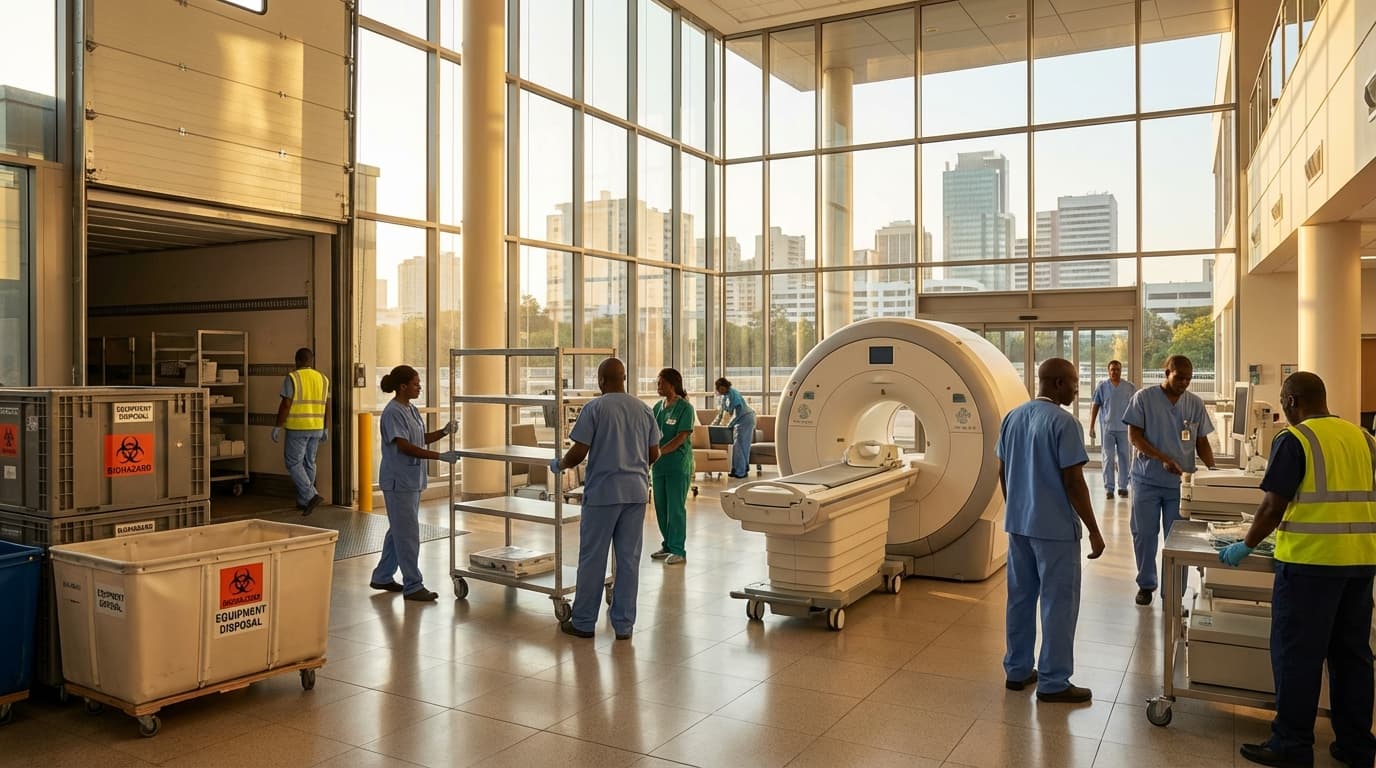
Site Restoration Service After Equipment Removal in Kenya
Engineering Excellence & Technical Support
Site Restoration Service After Equipment Removal High-standard technical execution following OEM protocols and local regulatory frameworks.
Precision Excavation & Decontamination
Leveraging advanced GPS-guided excavators and specialized tools for targeted removal of embedded contaminants from heavy machinery, ensuring minimal soil disturbance and thorough cleanup of residual oils, fuels, and hydraulic fluids.
Comprehensive Soil & Water Remediation
Implementing rigorous soil sampling and on-site laboratory analysis to identify and quantify contaminants. We employ state-of-the-art bioremediation and chemical stabilization techniques tailored to Kenya's specific soil types and environmental conditions.
Ecological Reseeding & Habitat Regeneration
Restoring disturbed land through the selection and planting of indigenous, drought-resistant flora. Our approach focuses on re-establishing native vegetation and rebuilding local ecosystems to prevent erosion and support biodiversity in the post-removal landscape.
What Is Site Restoration Service After Equipment Removal In Kenya?
Site restoration service after equipment removal in Kenya refers to the comprehensive process of returning a land parcel to its pre-installation or a predetermined acceptable condition following the deconstruction, dismantling, and extraction of industrial or commercial equipment. This service is critical for environmental compliance, land reclamation, and the safe handover of property.
| Who Needs Site Restoration? | Typical Use Cases |
|---|---|
| Industrial Facilities (manufacturing plants, processing facilities) | Decommissioning of old machinery and production lines. |
| Energy Sector Operations (oil and gas extraction, power generation) | Removal of drilling rigs, pipelines, and associated infrastructure. |
| Telecommunications Companies | Dismantling of cell towers and base station equipment. |
| Construction and Infrastructure Projects | Removal of temporary works, heavy machinery, and site facilities. |
| Mining Operations | Closure and rehabilitation of mine sites after equipment extraction. |
| Agricultural Operations (large-scale mechanized farming) | Removal of extensive irrigation systems or specialized machinery. |
| Government and Municipalities | Restoration of public land after the removal of public works or temporary installations. |
Key Components of Site Restoration:
- Decommissioning and Demolition of Structures: Safely dismantling and removing any supporting infrastructure, foundations, or enclosures associated with the removed equipment.
- Hazardous Material Abatement: Identification, containment, and proper disposal of any hazardous substances (e.g., oils, chemicals, asbestos) encountered during removal or present in the equipment's footprint.
- Site Remediation: Addressing any soil or groundwater contamination resulting from the equipment's operation or installation. This may involve excavation, treatment, or monitoring.
- Grading and Reshaping: Re-establishing the original or a functional topographical profile of the site, including filling excavated areas and ensuring proper drainage.
- Soil Stabilization and Revegetation: Implementing measures to prevent erosion and promoting the growth of native vegetation to restore ecological function.
- Final Inspection and Certification: Conducting thorough assessments to ensure all restoration objectives have been met and obtaining necessary regulatory sign-offs.
Who Needs Site Restoration Service After Equipment Removal In Kenya?
When heavy machinery or industrial equipment is removed from a site in Kenya, the land is often left scarred, compacted, and contaminated. Site restoration services are crucial for rehabilitating these areas, making them safe, functional, and environmentally sound for future use. These services are essential for a variety of entities and sectors that engage in operations involving significant equipment.
| Target Customer/Entity | Relevant Departments/Roles | Reasons for Needing Restoration |
|---|---|---|
| Construction Companies | Project Managers, Site Supervisors, Environmental Compliance Officers | Removal of heavy machinery, temporary structures, and remediation of soil compaction and potential contamination from construction activities. |
| Mining and Quarrying Operations | Mine Managers, Environmental Health & Safety (EHS) Officers, Operations Managers | Reclamation of mined-out areas, removal of processing equipment, and addressing soil and water contamination. Essential for regulatory compliance and future land use planning. |
| Oil and Gas Companies | Drilling Site Managers, Environmental Remediation Teams, Facilities Engineers | Decommissioning and removal of drilling rigs, pipelines, storage tanks, and associated infrastructure. Often involves soil and groundwater remediation due to potential spills. |
| Manufacturing and Industrial Facilities | Plant Managers, Operations Directors, Facilities Management, EHS Officers | Removal of old machinery, decommissioned production lines, and refurbishment of factory floors and surrounding grounds. May involve hazardous material cleanup. |
| Agricultural Estates | Farm Managers, Estate Owners, Agronomists | Removal of large-scale farming machinery, defunct irrigation systems, and restoration of soil health after intensive cultivation or specific crop removal. |
| Infrastructure Development Projects (e.g., Roads, Dams, Power Plants) | Civil Engineers, Project Managers, Environmental Consultants, Government Liaisons | Decommissioning of construction equipment, temporary facilities, and restoration of areas affected by temporary works and material staging. |
| Government Agencies and Municipalities | Public Works Departments, Environmental Protection Agencies, Land Management Offices | Restoration of former industrial sites, public works depots, or areas affected by large-scale municipal projects after equipment removal and decommissioning. |
| Real Estate Developers | Development Managers, Land Acquisition Specialists, Project Managers | Clearing and preparing sites for new construction, especially if previous occupants were industrial or had extensive equipment operations. Ensures a clean and safe development footprint. |
Who Needs Site Restoration Service After Equipment Removal in Kenya?
- Construction Companies
- Mining and Quarrying Operations
- Oil and Gas Companies
- Manufacturing and Industrial Facilities
- Agricultural Estates
- Infrastructure Development Projects
- Government Agencies and Municipalities
- Real Estate Developers
Site Restoration Service After Equipment Removal Process In Kenya
This document outlines the comprehensive workflow for site restoration services in Kenya following the removal of heavy equipment. Our process is designed to be transparent, efficient, and tailored to the specific needs of each project, ensuring minimal environmental impact and compliance with local regulations.
| Phase | Key Activities | Deliverables/Outcomes | Typical Timeline (Kenya Context) |
|---|---|---|---|
| Inquiry and Initial Assessment | Client contacts for service. Discussion of project scope, equipment removed, site location, and initial restoration requirements. Site visit for preliminary evaluation. | Understanding of client needs, preliminary site condition assessment, rough cost estimate. | 1-3 business days |
| Proposal and Contract Finalization | Development of a detailed proposal outlining scope of work, methodology, timelines, cost breakdown, and terms. Negotiation and signing of contract. | Comprehensive proposal document, signed service agreement. | 3-7 business days (post-initial assessment) |
| Site Survey and Detailed Planning | Thorough site survey including soil analysis, identification of existing infrastructure, environmental sensitivity assessment, and precise mapping. Development of a detailed restoration plan including specific techniques, materials, and safety protocols. | Detailed site survey report, comprehensive restoration plan, risk assessment, work schedule. | 5-10 business days |
| Mobilization and Site Preparation | Deployment of skilled personnel, specialized equipment, and necessary materials to the site. Establishment of a safe work zone, temporary fencing, and environmental protection measures (e.g., erosion control). | On-site presence of team and equipment, secure work area established, initial site protection in place. | 2-5 business days |
| Execution of Restoration Activities | Removal of any remaining debris, leveling of the ground, backfilling of any excavated areas, compaction of soil as required. | Site cleared and graded, areas properly filled and compacted. | Variable, depends on site size and complexity (e.g., 1-4 weeks) |
| Waste Management and Disposal | Segregation and proper disposal of all waste materials (e.g., contaminated soil, construction debris, vegetation) in accordance with Kenyan environmental regulations and hazardous waste management guidelines. | Waste manifests, disposal certificates, adherence to legal requirements. | Concurrent with execution and completion |
| Soil Remediation and Reinstatement | If soil contamination is identified, application of appropriate remediation techniques (e.g., bioremediation, soil washing). Addition of topsoil, soil amendments, and nutrients to restore soil health and fertility. | Remediated soil (if applicable), improved soil structure and fertility. | Variable, depends on the extent of contamination and remediation method |
| Vegetation Establishment and Landscaping | Seeding, planting of native vegetation, or hydroseeding to promote ecological recovery. Implementation of landscaping features as per the plan to restore the aesthetic and functional aspects of the site. | Established vegetation cover, restored landscape features, initial growth indicators. | Ongoing for several weeks/months post-initial planting |
| Final Inspection and Handover | Joint inspection with the client to verify that all restoration objectives have been met and all contractual obligations fulfilled. Submission of a final report and official handover of the restored site. | Client sign-off, final project report, photographic evidence of restoration. | 1-3 business days |
| Post-Restoration Monitoring | Optional: Ongoing monitoring of vegetation growth, soil stability, and environmental conditions to ensure the long-term success of the restoration efforts. | Monitoring reports, recommendations for future maintenance. | As per contract, typically 3-12 months post-handover |
Site Restoration Workflow:
- Inquiry and Initial Assessment
- Proposal and Contract Finalization
- Site Survey and Detailed Planning
- Mobilization and Site Preparation
- Execution of Restoration Activities
- Waste Management and Disposal
- Soil Remediation and Reinstatement
- Vegetation Establishment and Landscaping
- Final Inspection and Handover
- Post-Restoration Monitoring
Site Restoration Service After Equipment Removal Cost In Kenya
Site restoration after equipment removal is a crucial step to return a property to its original or a safe, usable condition. In Kenya, the cost of such services can vary significantly based on several factors. This discussion will outline these pricing determinants and provide estimated cost ranges in Kenyan Shillings (KES).
| Service Component/Site Type | Estimated Cost Range (KES) | Notes |
|---|---|---|
| Basic Site Cleanup & Debris Removal (Small to Medium Site) | KES 15,000 - 50,000 | Includes removal of minor debris, light grading, and general tidying. |
| Moderate Site Restoration (e.g., Industrial Yard, Construction Site) | KES 50,000 - 200,000 | Involves significant grading, soil leveling, minor repairs to surfaces, and some landscaping. |
| Extensive Site Restoration (e.g., Land Remediation, Large-Scale Agricultural Land) | KES 200,000 - 1,000,000+ | Includes complex grading, soil amendment, potential contamination cleanup, extensive landscaping, and revegetation. Costs can escalate dramatically with contamination. |
| Soil Compaction Remediation (per cubic meter) | KES 500 - 2,000 | Cost to de-compact and amend soil for agricultural or landscaping purposes. |
| Topsoil Replacement (per cubic meter) | KES 1,000 - 3,000 | Cost of quality topsoil and spreading. |
| Grass Seeding/Laying (per square meter) | KES 150 - 500 | Includes seed, soil preparation, and installation. |
| Minor Structural Repairs (e.g., concrete patching) | KES 5,000 - 30,000 | Dependent on the extent of damage. |
| Contaminated Soil Disposal (per tonne) | KES 10,000 - 50,000+ | Highly variable based on the type and level of contamination, and disposal facility fees. |
Key Pricing Factors for Site Restoration in Kenya:
- Site Size and Scope of Work: Larger areas and more extensive damage naturally increase labor and material costs. This includes the total area to be restored, the complexity of the terrain, and the degree of disturbance caused by the equipment.
- Type and Size of Equipment Removed: Larger, heavier equipment that causes more significant ground compaction, soil disturbance, or structural damage will require more intensive restoration efforts.
- Nature of the Site: The type of environment (e.g., agricultural land, construction site, industrial yard) will dictate the restoration methods and materials needed. Restoring natural landscapes may involve specialized ecological approaches compared to restoring a concrete pad.
- Level of Contamination: If the equipment removal process has led to soil or water contamination (e.g., oil spills, chemical leaks), extensive remediation and disposal costs will be incurred. This can be a major cost driver.
- Restoration Goals: The desired end state of the restored site is a primary factor. Are you aiming for a basic level of tidiness, return to agricultural viability, or a specific aesthetic appeal? More ambitious goals require more resources.
- Labor Costs: The prevailing wage rates for skilled and unskilled labor in the specific region of Kenya where the service is being performed will influence the overall cost.
- Material Costs: This includes the cost of soil, gravel, topsoil, seeds, plants, fencing materials, concrete, or any other materials required for repair and restoration.
- Equipment and Machinery Used: Specialized equipment for grading, compacting, landscaping, or waste removal will add to the cost.
- Permits and Approvals: Depending on the nature of the restoration and local regulations, permits might be required, incurring associated fees.
- Contractor's Experience and Reputation: More established and reputable restoration companies may charge higher rates due to their expertise, insurance, and track record.
- Geographic Location: Costs can vary between urban centers and more remote rural areas due to differences in labor availability, material transport costs, and general overheads.
- Time Sensitivity: Urgent restoration projects may command premium pricing.
Affordable Site Restoration Service After Equipment Removal Options
After heavy equipment removal, your site often needs professional restoration to return it to a safe and usable condition. Our affordable site restoration service provides efficient and cost-effective solutions tailored to your specific needs. We understand that budget is a key consideration, so we offer various value bundles and cost-saving strategies to ensure you receive the best possible outcome without breaking the bank.
| Strategy | Description | Benefits |
|---|---|---|
| Bundle Discounts | Purchasing a bundled service package offers a significant cost reduction compared to individual service calls. | Lower overall project cost, streamlined service delivery. |
| Off-Peak Scheduling | Scheduling your restoration during less busy periods (e.g., weekdays, non-holiday seasons) can lead to reduced labor and equipment rates. | Potential for lower hourly rates, faster scheduling availability. |
| Material Sourcing Assistance | We can help you source cost-effective and appropriate materials for topsoil, mulch, and seed, potentially leveraging local suppliers or recycled materials. | Reduced material expenses without compromising quality. |
| Phased Restoration | For larger projects, breaking down the restoration into manageable phases can spread costs over time and allow for better budget management. | Improved cash flow, adaptable to budget fluctuations. |
| DIY Component Integration | Depending on the scope, we can identify tasks that you or your team can manage to further reduce labor costs (e.g., final site clearing). | Direct cost savings on labor, increased control over specific tasks. |
| Preventative Maintenance Planning | While not a direct restoration cost, we can advise on preventative measures to minimize future damage from equipment, potentially saving on restoration costs down the line. | Long-term cost reduction, improved site longevity. |
Our Site Restoration Value Bundles
- {"title":"Basic Clean-Up & Debris Removal","description":"Ideal for minor disturbances. Includes removal of all loose debris, leveling of disturbed soil, and basic grading. Perfect for sites with minimal compaction or damage."}
- {"title":"Standard Landscaping & Seeding","description":"Goes beyond basic cleanup. Includes all features of the Basic bundle, plus topsoil replenishment, professional seeding of your choice (grass, native plants), and initial watering. Great for restoring aesthetic appeal and usability."}
- {"title":"Premium Site Reinstatement","description":"Our most comprehensive package. Includes Standard Landscaping & Seeding, plus advanced soil compaction remediation, erosion control measures, and optional minor hardscape repair (e.g., re-leveling small paved areas). Best for heavily impacted sites requiring full restoration."}
Verified Providers In Kenya
In Kenya's evolving healthcare landscape, identifying truly verified healthcare providers is paramount for ensuring quality, safety, and effective treatment. Franance Health stands out as a leading platform that rigorously vets and authenticates its network of healthcare professionals. This commitment to verification not only builds trust but also signifies a dedication to upholding the highest standards in medical practice. Choosing a Franance Health-credentialed provider means opting for a healthcare experience characterized by expertise, integrity, and patient-centered care.
| Credentialing Aspect | Franance Health Verification | Benefit to Patient |
|---|---|---|
| Academic Qualifications | Verification of degrees, diplomas, and specialized training from accredited institutions. | Ensures providers possess the foundational knowledge and expertise. |
| Professional Licenses & Registration | Confirmation of current and valid licenses with relevant Kenyan medical boards (e.g., KMPDC, Pharmacy and Poisons Board). | Guarantees providers are legally authorized to practice and adhere to regulatory standards. |
| Clinical Experience | Assessment of practical experience, including previous roles, specialties, and areas of expertise. | Confirms hands-on skills and practical application of knowledge. |
| Background Checks (where applicable) | May include checks for any disciplinary actions or professional misconduct. | Further safeguards patient safety and builds trust. |
| Specialty Certification | Verification of specific certifications for specialized medical fields. | Ensures access to highly trained professionals for complex conditions. |
Why Franance Health Credentials Represent the Best Choice:
- Rigorous Vetting Process: Franance Health employs a comprehensive and multi-stage vetting process that goes beyond basic registration. This includes verifying academic qualifications, professional licenses, and practical experience.
- Commitment to Quality and Safety: By ensuring all providers meet stringent criteria, Franance Health prioritizes patient safety and the delivery of high-quality medical services. This reduces the risk of medical errors and improves treatment outcomes.
- Access to Specialized Expertise: The platform facilitates access to a wide range of specialists and sub-specialists, all of whom have undergone thorough credentialing. This ensures you can find the right expert for your specific health needs.
- Enhanced Patient Trust and Confidence: Knowing that a provider has been independently verified by a reputable organization like Franance Health offers significant peace of mind. It empowers patients to make informed decisions about their healthcare.
- Streamlined Healthcare Navigation: Franance Health simplifies the process of finding reliable healthcare professionals, saving you time and effort in your search for quality medical care.
- Adherence to Ethical Standards: Beyond technical skills, Franance Health's verification process often includes checks for adherence to ethical guidelines and professional conduct, ensuring a compassionate and respectful patient experience.
- Continuous Professional Development Monitoring: Many verified providers associated with Franance Health are expected to engage in ongoing training and development, keeping them abreast of the latest medical advancements and best practices.
Scope Of Work For Site Restoration Service After Equipment Removal
This Scope of Work (SOW) outlines the requirements for site restoration services following the removal of specified equipment from the designated project area. The objective is to return the site to a safe, stable, and aesthetically acceptable condition that meets all applicable environmental, regulatory, and project-specific standards. This SOW details the technical deliverables and standard specifications that will govern the restoration process.
| Phase/Activity | Description | Technical Deliverables | Standard Specifications |
|---|---|---|---|
| Site Assessment and Planning | Initial evaluation of the site post-equipment removal to identify any contamination, structural damage, or unique restoration challenges. |
|
|
| Site Preparation and Decontamination | Removal of any residual materials, debris, or hazardous substances associated with the equipment and its operation. Includes cleaning of surfaces. |
|
|
| Soil Remediation and Stabilization | Addressing any soil contamination or instability. This may involve excavation, treatment, or stabilization of affected areas. |
|
|
| Grading and Drainage | Reshaping the site to ensure proper surface water drainage, prevent erosion, and achieve desired contours. |
|
|
| Vegetation Restoration | Re-establishment of appropriate ground cover to stabilize the soil and improve aesthetics. May include seeding, sodding, or planting. |
|
|
| Final Site Inspection and Handover | Comprehensive review of the restored site to ensure all requirements of the SOW have been met. Includes final documentation and client acceptance. |
|
|
Scope of Work Breakdown
- Site Assessment and Planning
- Site Preparation and Decontamination
- Soil Remediation and Stabilization
- Grading and Drainage
- Vegetation Restoration
- Final Site Inspection and Handover
Service Level Agreement For Site Restoration Service After Equipment Removal
This Service Level Agreement (SLA) outlines the terms and conditions governing the restoration of a site following the removal of equipment. It defines the response times for critical issues and establishes uptime guarantees for essential site functionalities post-restoration.
| Issue Severity | Response Time (Business Hours) | Resolution Target (Business Hours) |
|---|---|---|
| Critical Issue | 1 Hour | 8 Hours |
| Major Issue | 4 Business Hours | 24 Business Hours |
| Minor Issue | 8 Business Hours | 72 Business Hours |
Key Definitions
- Site Restoration: The process of returning a site to its agreed-upon state after equipment has been removed, including landscaping, structural repairs, and environmental remediation as specified in the project scope.
- Critical Issue: An event that renders essential site functionalities completely inoperable, preventing normal use and posing a significant risk to safety or environmental integrity.
- Major Issue: An event that significantly degrades essential site functionalities, impacting usability but not completely preventing it.
- Minor Issue: An issue that has a minimal impact on site functionalities and does not prevent normal use.
- Uptime Guarantee: The percentage of time that essential site functionalities are available and operational.
Frequently Asked Questions

Ready when you are
Let's scope your Site Restoration Service After Equipment Removal in Kenya project in Kenya.

Scaling healthcare logistics and technical systems across the entire continent.