
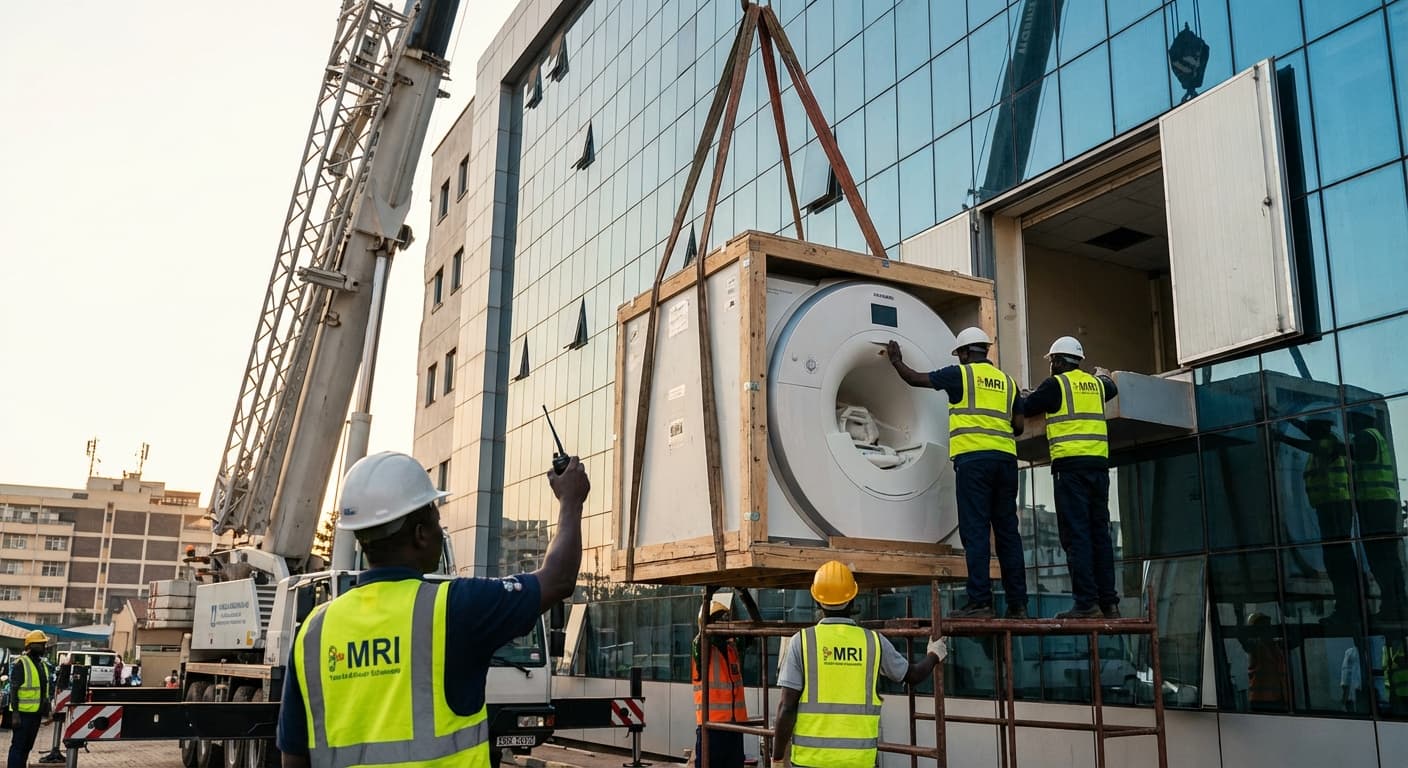
Cranage & Rigging Supervision Service in Kenya
Engineering Excellence & Technical Support
Cranage & Rigging Supervision Service High-standard technical execution following OEM protocols and local regulatory frameworks.
Certified Personnel & Compliance
Our team comprises highly skilled and certified crane and rigging supervisors, adhering strictly to Kenyan safety regulations and international best practices. We ensure all operations meet stringent compliance standards, minimizing risk and maximizing operational efficiency for your projects.
Advanced Load Assessment & Planning
Leveraging cutting-edge technology and expert knowledge, we conduct meticulous load assessments and develop comprehensive rigging plans. This proactive approach optimizes lifting strategies, identifies potential hazards, and ensures the safe and precise movement of all loads, regardless of complexity or weight.
Real-time Monitoring & Risk Mitigation
We provide vigilant, real-time supervision of all rigging and lifting operations. Our supervisors are equipped to identify and mitigate risks instantaneously, utilizing established protocols and clear communication channels to ensure the safety of personnel, equipment, and the project site throughout the entire lifting process.
What Is Cranage & Rigging Supervision Service In Kenya?
Cranage and Rigging Supervision Service in Kenya refers to the provision of expert oversight and management of lifting operations involving cranes and rigging equipment. This service ensures that all lifting activities are conducted in strict adherence to safety standards, regulatory requirements (e.g., OSHA, local Kenyan regulations), and best industry practices. The primary objective is to mitigate risks associated with heavy lifting, prevent accidents, protect personnel and assets, and optimize operational efficiency. This service is crucial for projects with complex lifting demands, critical lifts, or where specialized expertise is required to manage potential hazards.
| Who Needs Cranage & Rigging Supervision? | Typical Use Cases |
|---|---|
| Construction Companies undertaking large-scale projects (buildings, infrastructure, industrial facilities). | Installation of heavy machinery, generators, turbines, and other industrial equipment. |
| Oil and Gas Companies involved in upstream, midstream, and downstream operations (offshore platforms, refineries, processing plants). | Construction and assembly of bridges, pipelines, and large structural components. |
| Manufacturing and Industrial Plants requiring relocation or installation of heavy equipment. | Dismantling and erection of large industrial structures and process units. |
| Port and Terminal Operators managing the loading and unloading of heavy cargo (containers, machinery, project cargo). | Lifting of pre-fabricated modules for construction (e.g., modular buildings, bridges). |
| Mining Operations for the installation and maintenance of heavy mining machinery. | Handling and placement of large concrete sections, steel structures, and pre-cast elements. |
| Specialized Project Logistics and Heavy Haulage companies. | Emergency response and recovery operations involving damaged heavy equipment. |
| Power Generation and Utilities sector for the installation of power plant components. | Any scenario involving complex, high-risk, or critical lifts where specialized expertise is mandated or recommended for safety assurance. |
Key Components of Cranage & Rigging Supervision:
- Pre-lift Planning and Risk Assessment: Detailed analysis of the lift, including load weight, center of gravity, rigging selection, crane capacity, environmental conditions, and potential hazards.
- Method Statement Development: Creation of a comprehensive document outlining the procedures, equipment, personnel roles, and safety protocols for the specific lift.
- Equipment Inspection and Certification Verification: Ensuring all cranes, rigging gear (slings, shackles, spreader bars, etc.), and accessories are inspected, certified, and fit for purpose.
- Personnel Competency Verification: Confirming that crane operators, riggers, signalmen, and supervisors are adequately trained, certified, and experienced.
- On-Site Supervision and Execution Monitoring: Direct oversight of the lifting operation from start to finish, ensuring adherence to the method statement and safe work practices.
- Load Monitoring and Control: Continuous monitoring of the load's stability, movement, and positioning throughout the lift.
- Communication and Signaling: Ensuring clear and effective communication between all members of the lifting team through standardized signaling methods.
- Emergency Preparedness: Establishing and overseeing emergency response procedures in case of incidents.
- Post-Lift Review and Reporting: Documenting the lift, identifying any lessons learned, and compiling reports as required.
Who Needs Cranage & Rigging Supervision Service In Kenya?
Cranage and Rigging Supervision Services in Kenya are essential for projects requiring the safe and efficient lifting, moving, and placement of heavy or oversized equipment and materials. These specialized services are crucial for minimizing risks, ensuring compliance with safety regulations, and optimizing project timelines. The need for expert supervision is paramount across various industries operating within Kenya, from burgeoning construction sites to established industrial facilities.
| Target Department | Key Responsibilities & Needs |
|---|---|
| Project Management | Ensuring project timelines are met, budget adherence, overall project success, risk mitigation. |
| Health, Safety, and Environment (HSE) / EHS | Ensuring compliance with all local and international safety standards, risk assessments, incident prevention, safety audits. |
| Operations Management | Efficient execution of lifting and moving operations, minimizing downtime, optimizing resource allocation. |
| Engineering and Technical Departments | Understanding technical specifications of equipment, load calculations, ensuring proper rigging techniques are applied, structural integrity checks. |
| Procurement and Contracts | Selecting qualified service providers, managing contracts, ensuring cost-effectiveness of cranage and rigging solutions. |
| Maintenance and Reliability | Safe and efficient installation/de-installation of critical machinery, minimizing disruption to ongoing operations. |
| Site Management / Construction Management | On-site coordination of lifting activities, ensuring clear access and safe working zones, managing multiple contractors. |
Target Customers for Cranage & Rigging Supervision Services in Kenya:
- Construction Companies (Large-scale infrastructure, commercial buildings, residential developments)
- Oil and Gas Companies (Exploration, extraction, refining, pipeline construction)
- Manufacturing and Industrial Plants (Installation of heavy machinery, plant upgrades, relocation)
- Mining Operations (Equipment installation, material handling, site development)
- Port and Logistics Operators (Container handling, ship loading/unloading, warehousing)
- Power Generation and Utilities (Turbine installation, transformer placement, infrastructure maintenance)
- Telecommunications Companies (Tower erection, equipment installation)
- Event Management Companies (Stage construction, large-scale equipment setup)
- Marine and Shipping Industries (Vessel construction and repair, cargo handling)
- Aerospace and Defense (Hangar construction, equipment installation)
- Agricultural Sector (Large-scale irrigation system installation, silo construction)
- Specialized Equipment Installers (Medical equipment, large HVAC systems, etc.)
Cranage & Rigging Supervision Service Process In Kenya
This document outlines the typical workflow for Cranage & Rigging Supervision Services in Kenya, from the initial inquiry to the successful execution of the project. The process emphasizes safety, efficiency, and compliance with local regulations and international best practices.
| Stage | Key Activities | Deliverables | Typical Timeline (Kenya) |
|---|---|---|---|
| Inquiry & Initial Consultation | Client submits project details, discussions on requirements, preliminary assessment. | Initial project understanding, clarified requirements. | 1-3 Business Days |
| Scope of Work Definition & Proposal | Detailed assessment of requirements, risk identification, preparation of service proposal. | Detailed Scope of Work, Formal Service Proposal with pricing and timelines. | 2-7 Business Days |
| Contract Agreement & Pre-mobilization Planning | Contract finalization, detailed risk assessment, lift plan development, regulatory compliance checks. | Signed Contract, Approved Lift Plans, Risk Management Plan, Mobilization Schedule. | 3-10 Business Days (can be longer for complex projects) |
| Equipment & Personnel Mobilization | Sourcing, inspection, and transportation of certified equipment and qualified personnel to site. | Mobilized and certified equipment, On-site supervisory team ready for deployment. | 2-5 Business Days (dependent on location and equipment availability) |
| Pre-Operational Briefings & Site Readiness Checks | Toolbox talks, site safety inspections, equipment certification checks, confirmation of safe working environment. | Signed Pre-Job Safety Briefing Forms, Site Readiness Checklist, Valid Equipment Certificates. | 1-2 Hours before first lift |
| Execution of Lifting Operations (Supervised) | On-site supervision of all lifting activities, ensuring adherence to lift plans and safety procedures. | Safely executed lifts, Real-time monitoring logs, Daily progress updates. | Duration of the lifting operations (can range from hours to weeks/months) |
| Post-Operation Review & Demobilization | Review of operations, incident reporting (if any), equipment dismantling and removal from site. | Post-Operation Report Summary, Demobilization confirmation. | 1-3 Business Days after final lift |
| Project Closeout & Reporting | Submission of comprehensive final report, invoice processing, client feedback. | Final Project Report, Invoices, Client Satisfaction Feedback. | 3-7 Business Days after demobilization |
Cranage & Rigging Supervision Service Workflow in Kenya
- Inquiry & Initial Consultation: The process begins with a client submitting an inquiry for cranage and rigging supervision services. This typically involves providing project details such as location, type of lift, weight and dimensions of the load, duration of the project, and any specific site conditions or challenges.
- Scope of Work Definition & Proposal: Based on the inquiry, the service provider will define the precise scope of work, which may include site assessment, risk assessment, development of lift plans, selection of appropriate equipment and personnel, and outlining the supervision strategy. A detailed proposal is then submitted to the client, outlining services, methodologies, timelines, and costs.
- Contract Agreement & Pre-mobilization Planning: Upon acceptance of the proposal, a formal contract is signed. This is followed by intensive pre-mobilization planning. This phase involves detailed review of project plans, conducting site visits (if not already done), identifying potential hazards, and developing a comprehensive risk management plan and lift plans in accordance with relevant Kenyan safety standards (e.g., OSHA, Factories Act) and international guidelines (e.g., LOLER, BS 7121).
- Equipment & Personnel Mobilization: The service provider mobilizes qualified and experienced personnel, including certified crane operators, riggers, supervisors, and safety officers. The necessary lifting equipment, such as cranes, rigging gear, and safety accessories, is selected, inspected, and mobilized to the project site.
- Pre-Operational Briefings & Site Readiness Checks: Before any lifting operations commence, a mandatory pre-job safety briefing (toolbox talk) is conducted with all personnel involved. The site is meticulously checked for readiness, ensuring clear access, stable ground conditions, adequate lighting, and the absence of any obstructions or environmental hazards. Equipment is also inspected and certified on-site.
- Execution of Lifting Operations (Supervised): Under the constant supervision of the service provider's team, lifting operations are carried out. This involves precise execution of the approved lift plan, real-time monitoring of critical parameters (e.g., load stability, wind speed, equipment load capacity), and strict adherence to safety protocols. Riggers ensure secure attachment of the load, while crane operators execute precise movements. The supervisor oversees the entire operation, ensuring compliance and making immediate decisions to address any unforeseen issues.
- Post-Operation Review & Demobilization: Once the lifting operations are completed, a post-operation review is conducted to assess performance, identify lessons learned, and document any incidents or near misses. Equipment and personnel are then demobilized from the site. Final reports detailing the operations, safety performance, and any challenges encountered are submitted to the client.
- Project Closeout & Reporting: The service provider submits a comprehensive final report to the client, summarizing all aspects of the cranage and rigging supervision services provided. This report includes details of lifts performed, safety compliance, equipment used, personnel involved, and any recommendations for future operations. This marks the official closeout of the service engagement.
Cranage & Rigging Supervision Service Cost In Kenya
The cost of Cranage and Rigging Supervision services in Kenya is highly variable, influenced by a multitude of factors specific to each project. These services are critical for ensuring the safe and efficient lifting and movement of heavy and oversized loads. Understanding these pricing determinants is essential for accurate budgeting and securing qualified personnel. Factors such as the complexity of the lift, the weight and size of the load, the duration of the project, the required expertise of the supervisor, and the location of the site all play a significant role in the final cost. Different types of cranes and rigging equipment also have varying rental and operational costs, which indirectly impact the supervision fees.
| Service Component | Estimated Daily Rate Range (KES) | Notes |
|---|---|---|
| Basic Cranage & Rigging Supervision (Standard Lift) | 15,000 - 30,000 | For routine lifts with moderate loads, experienced supervisor. |
| Advanced Cranage & Rigging Supervision (Complex/Heavy Lift) | 30,000 - 60,000+ | For critical lifts, very heavy loads, specialized equipment, and higher risk scenarios. May involve multiple supervisors or specialized roles. |
| Lead Rigging Supervisor / Lifting Engineer | 40,000 - 80,000+ | For large-scale projects, significant technical expertise, and overall lifting plan management. |
| Hourly Rate (for short-term engagements or overtime) | 2,000 - 5,000+ | Generally a premium over daily rates, especially for off-hours. |
| Project Management/Consultancy (Lifting Plans, Risk Assessments) | Varies widely based on scope | Often quoted as a separate fee for detailed planning and documentation. |
Key Pricing Factors for Cranage & Rigging Supervision in Kenya
- Load Complexity and Weight: Heavier and more complex lifts (e.g., multiple pick points, critical alignments) demand higher levels of expertise and planning, thus increasing supervision costs. Similarly, the sheer weight of the load dictates the type and capacity of the crane, influencing overall project cost and, by extension, supervision fees.
- Project Duration and Hours: Supervision is typically billed on an hourly or daily basis. Longer projects or those requiring extended working hours (including overtime or night shifts) will naturally incur higher cumulative costs.
- Type and Capacity of Crane/Equipment: While supervision is a service, the cost of the crane rental itself is a major component of the overall project. The type of crane (mobile, tower, crawler) and its lifting capacity will influence the complexity and risk involved, indirectly affecting the supervisor's fee.
- Rigging Requirements: The intricacy of the rigging setup (slings, shackles, spreaders) and the need for specialized rigging techniques contribute to the overall complexity and the level of supervision required. This can range from standard lifts to highly specialized, precision rigging.
- Supervisor's Experience and Certification: Highly experienced and certified riggers and crane supervisors, particularly those with specialized certifications (e.g., NCCCO equivalent, specific manufacturer training), command higher rates due to their expertise and proven track record in safety and efficiency.
- Site Accessibility and Conditions: Difficult-to-access sites or challenging ground conditions can increase the time and effort required for setup, maneuvering, and the supervision process, potentially leading to higher costs.
- Geographical Location: Costs can vary depending on the region within Kenya. Urban centers like Nairobi and Mombasa might have slightly higher rates due to demand and cost of living compared to more remote areas.
- Risk Assessment and Method Statements: The development and thoroughness of detailed risk assessments and method statements (RAMS) are crucial for complex lifts. The time and expertise involved in creating these documents, often a responsibility of the supervisor, contribute to the overall cost.
- Additional Services: Some supervision packages might include pre-lift planning meetings, on-site inspections, daily progress reports, or coordination with other site personnel, which will be factored into the pricing.
- Insurance and Compliance: Ensuring all equipment and personnel are adequately insured and compliant with Kenyan safety regulations adds to the project's overhead, which may be reflected in service pricing.
Affordable Cranage & Rigging Supervision Service Options
Our affordable cranage and rigging supervision services are designed to provide reliable, safe, and cost-effective solutions for your lifting and moving needs. We understand that budget is a crucial factor, and we've developed flexible service options and value bundles to help you maximize your investment without compromising on quality or safety. Our aim is to deliver expert supervision and efficient cranage operations at competitive prices, ensuring your project stays on track and within budget.
| Cost-Saving Strategy | Description | Potential Benefit |
|---|---|---|
| Pre-Lift Planning & Assessment | Thorough planning and site assessment before the lift minimizes unexpected issues, delays, and the need for additional resources or overtime. | Reduced risk of costly errors, shorter operational time, and optimized equipment utilization. |
| Right-Sizing Equipment | Selecting the most appropriate crane and rigging gear for the specific load and lift conditions, rather than over-specifying, prevents unnecessary rental costs. | Lower equipment rental fees and improved fuel efficiency for mobile cranes. |
| Experienced Supervision | Investing in highly qualified and experienced rigging supervisors can prevent accidents, damage, and costly downtime, ultimately saving money in the long run. | Minimized insurance claims, reduced repair costs, and faster project completion. |
| Package Deals & Volume Discounts | Opting for our pre-defined value bundles or negotiating discounts for larger volumes of work or longer project durations. | Direct savings on the overall service cost and simplified billing. |
| Safety Compliance Training | Ensuring all personnel involved are properly trained and adhere to strict safety protocols reduces the likelihood of incidents. | Prevention of injuries, equipment damage, and project delays, all of which have financial implications. |
| Clear Communication & Coordination | Effective communication between the rigging crew, crane operator, and site management ensures smooth operations and avoids confusion. | Reduced wasted time, fewer mistakes, and a more efficient lifting process. |
Value Bundles for Cranage & Rigging Supervision
- Basic Supervision Package: Ideal for smaller, less complex lifts. Includes essential on-site supervision by a certified rigging supervisor to ensure adherence to safety protocols and efficient execution of the lift. This package focuses on direct oversight and immediate problem-solving.
- Standard Cranage & Supervision Package: Combines the rental of appropriate lifting equipment (crane, rigging gear) with comprehensive on-site supervision. This package is suitable for a wide range of projects and offers a balanced approach to equipment and expertise. Includes pre-lift planning assistance.
- Comprehensive Project Management Bundle: Our most extensive offering, designed for larger or more intricate projects. This bundle includes full project planning, risk assessment, equipment selection, on-site supervision throughout the duration of the lift, and post-lift reporting. It's ideal for clients seeking a complete, hands-off solution for their heavy lifting requirements.
- Extended Duration Discount: For projects requiring lifting operations over multiple days or weeks, we offer discounted rates for extended rental periods of equipment and supervision services. This encourages longer-term partnerships and provides significant savings.
- Off-Peak Scheduling Savings: Availability for lifting operations during non-peak hours or days (e.g., evenings, weekends, holidays) can often be secured at a reduced rate. Consult with us to explore potential savings through flexible scheduling.
- Bundled Equipment & Crew Discount: When you combine cranage with specialized rigging crew services, you can benefit from integrated pricing and reduced overall costs compared to sourcing these services separately.
Verified Providers In Kenya
In Kenya's evolving healthcare landscape, discerning the quality and legitimacy of healthcare providers is paramount. Verified providers stand out for their commitment to upholding stringent standards, ensuring patient safety, and delivering excellent medical care. Franance Health is a prime example of such an organization, consistently demonstrating a dedication to quality and patient well-being. Their credentials reflect a deep understanding of healthcare best practices and a commitment to continuous improvement.
| Credential Type | Franance Health's Compliance/Evidence | Significance for Patients |
|---|---|---|
| National Health Sector Accreditation | Successfully meets NHIF accreditation criteria for service provision and quality standards. | Ensures coverage for eligible services under the National Health Insurance Fund, offering financial accessibility. |
| Ministry of Health Guidelines Compliance | Adheres to all relevant MoH regulations, licensing, and operational protocols. | Guarantees that the facility and its staff operate legally and safely within the Kenyan healthcare framework. |
| Professional Body Memberships (e.g., KMA, KNA) | Key medical staff are registered and in good standing with their respective professional bodies. | Indicates that practitioners have met the necessary qualifications and ethical standards set by their professional associations. |
| International Quality Standards (e.g., ISO if applicable) | Demonstrates a commitment to quality management systems, often reflected in patient feedback and operational efficiency. | Suggests a structured approach to service delivery, aiming for consistent high quality and continuous improvement. |
| Patient Satisfaction Scores | Consistently high ratings in patient feedback surveys regarding care, communication, and outcomes. | Directly reflects positive patient experiences and the effectiveness of the care provided. |
Why Franance Health Represents the Best Choice:
- Accreditation and Certifications: Franance Health adheres to recognized national and international healthcare accreditation standards. This signifies that their facilities, processes, and personnel meet rigorous quality benchmarks.
- Qualified and Experienced Medical Professionals: The organization employs a team of highly skilled and experienced doctors, nurses, and specialists who are continuously engaged in professional development.
- Patient-Centric Approach: Franance Health prioritizes the patient experience, offering compassionate care, clear communication, and personalized treatment plans.
- Advanced Technology and Infrastructure: They invest in modern medical equipment and maintain state-of-the-art facilities to ensure accurate diagnostics and effective treatments.
- Ethical Practices and Transparency: Franance Health operates with the highest ethical standards, ensuring transparency in all their dealings and upholding patient confidentiality.
Scope Of Work For Cranage & Rigging Supervision Service
This Scope of Work (SOW) outlines the requirements for Cranage and Rigging Supervision Services. The service provider will be responsible for providing qualified and experienced personnel to oversee and ensure the safe and efficient execution of all lifting and rigging operations on-site. This includes, but is not limited to, planning, preparation, execution, and close-out of lifting activities, adherence to all relevant safety regulations and company procedures, and maintaining detailed records.
| Technical Deliverable | Description | Standard Specification / Reference |
|---|---|---|
| Lift Plans | Detailed plans outlining the scope, method, equipment, personnel, and risk assessment for each lift. | ASME B30.5, LOLER (UK), OSHA 1926.1400 series (US), Manufacturer's Recommendations, Project-Specific Lift Plan Template. |
| Pre-Lift Checklist | Standardized checklist to ensure all pre-operational checks are completed before a lift commences. | Company Standard Pre-Lift Checklist, Manufacturer's Equipment Manuals. |
| Daily Activity Log | Record of all lifting operations conducted daily, including equipment used, loads lifted, personnel involved, and any deviations. | Project-Specific Daily Log Template, Standard Safety Reporting Forms. |
| Incident/Near Miss Report | Formal report documenting any incidents or near misses, including root cause analysis and corrective actions. | Company Incident Reporting Procedure, OSHA 29 CFR 1904.4 (US), RIDDOR (UK). |
| Equipment Inspection Records | Records of inspections and maintenance performed on lifting equipment. | Manufacturer's Recommended Inspection Intervals, Third-Party Inspection Certificates, Load Test Certificates. |
| Competency & Certification Verification | Documentation proving the qualifications and certifications of all lifting personnel and equipment operators. | ANSI/ASME B30 Standards, OPITO Standards, Project-Specific Competency Matrix, National Certification Bodies. |
| Post-Lift Report | Summary of the lifting operation, including efficiency, challenges, and lessons learned. | Project-Specific Post-Lift Report Template, Lessons Learned Register. |
Key Responsibilities and Deliverables
- Provide certified and experienced Cranage & Rigging Supervisors.
- Develop and review lift plans in accordance with industry best practices and project-specific requirements.
- Conduct pre-lift site inspections and hazard identification.
- Supervise and direct all lifting and rigging activities.
- Ensure compliance with all safety regulations, standards, and company policies.
- Verify the competency and certification of all lifting personnel and equipment.
- Monitor lifting equipment integrity and maintenance records.
- Oversee the proper selection and use of rigging gear (slings, shackles, etc.).
- Ensure adequate communication and coordination among all parties involved in lifting operations.
- Provide on-the-job training and guidance to site personnel where necessary.
- Investigate and report any incidents or near misses related to lifting operations.
- Maintain detailed daily progress reports and incident logs.
- Participate in safety meetings and toolbox talks.
- Ensure proper housekeeping and staging of lifting equipment and materials.
- Generate and submit post-lift reports summarizing performance and any lessons learned.
Service Level Agreement For Cranage & Rigging Supervision Service
This Service Level Agreement (SLA) outlines the response times and uptime guarantees for the Cranage & Rigging Supervision Service provided by [Your Company Name] to [Client Name]. This agreement ensures timely and reliable support for all critical cranage and rigging operations.
| Service Aspect | Response Time Guarantee (Unscheduled/Emergency) | Uptime Guarantee | Escalation Path |
|---|---|---|---|
| Critical Incident Response (e.g., immediate safety concern, critical equipment failure requiring supervision) | Within 60 minutes of notification | N/A (Focus on response, not continuous uptime) | Contact Operations Manager directly. |
| Urgent Supervision Request (e.g., unplanned lift requiring immediate supervision) | Within 2 hours of notification | N/A (Focus on response, not continuous uptime) | Contact Duty Supervisor. |
| Routine Supervision Request (e.g., scheduled lift with less than 24 hours notice) | Within 4 business hours of notification | N/A (Focus on response, not continuous uptime) | Contact Scheduling Department. |
| Scheduled Operational Supervision | Supervisor on-site at agreed start time | 100% of scheduled time | On-site supervisor, then Operations Manager. |
| Notification of Delays/Issues | Immediate notification upon identification | N/A | On-site supervisor, then Operations Manager. |
Key Service Level Objectives
- 24/7 Availability: The Cranage & Rigging Supervision Service is available around the clock, 365 days a year.
- Scheduled Operations: For pre-scheduled cranage and rigging operations, our supervisory personnel will be on-site and ready at the agreed-upon start time. Any delays attributable to our personnel will be communicated immediately.
- Unscheduled/Emergency Operations: For unscheduled or emergency cranage and rigging requirements, response times are critical. Our commitment is to dispatch a qualified supervisor within the specified timeframes.
- Communication: Proactive and transparent communication is paramount throughout the service delivery.
Frequently Asked Questions

Ready when you are
Let's scope your Cranage & Rigging Supervision Service in Kenya project in Kenya.

Scaling healthcare logistics and technical systems across the entire continent.