
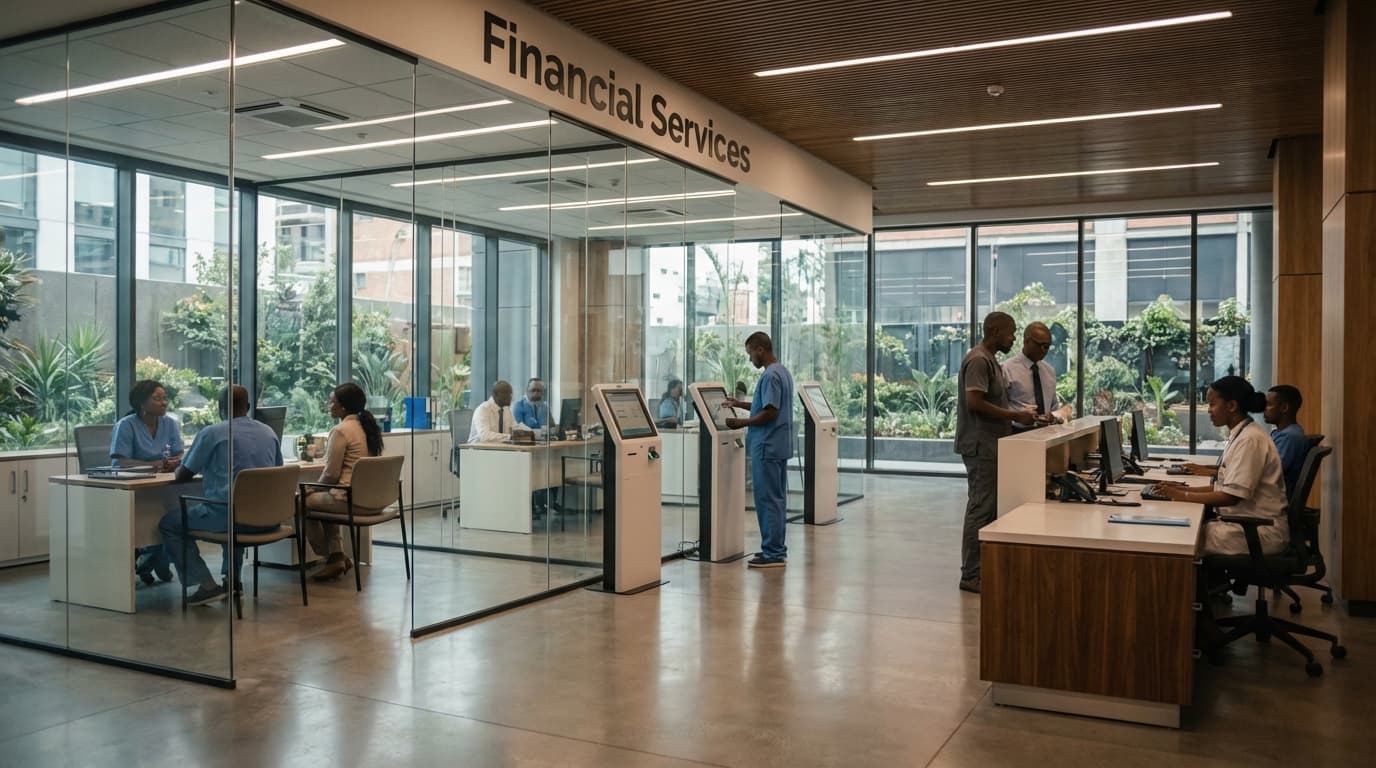
Medical Equipment Rental in Kenya
Engineering Excellence & Technical Support
Short-term and long-term equipment rental solutions High-standard technical execution following OEM protocols and local regulatory frameworks.
Comprehensive Inventory of Advanced Medical Devices
Access a wide range of state-of-the-art medical equipment, including diagnostic imaging machines, patient monitors, surgical instruments, and specialized therapy devices, all meticulously maintained and readily available for your needs.
Rapid Deployment & On-Site Installation
Benefit from our efficient logistics network ensuring prompt delivery of equipment across Kenya. Our certified technicians provide swift on-site installation and initial setup, minimizing downtime and ensuring operational readiness.
24/7 Technical Support & Maintenance
Receive unparalleled support with our round-the-clock technical assistance. Our expert biomedical engineers are available for troubleshooting, preventative maintenance, and emergency repairs to guarantee continuous and reliable equipment performance.
What Is Medical Equipment Rental In Kenya?
Medical Equipment Rental in Kenya refers to the provision of specialized medical devices and apparatus on a temporary basis, typically for a fee. This service allows healthcare facilities, individual practitioners, and even patients to access advanced or infrequently used medical technology without the significant capital expenditure associated with outright purchase. The rental agreements usually encompass the supply of the equipment, maintenance, and sometimes operational support or training. It's a flexible and cost-effective solution for managing fluctuating equipment needs, responding to emergent situations, or bridging gaps during procurement or repair cycles.
| Who Needs Medical Equipment Rental? | Typical Use Cases |
|---|---|
| Hospitals and Clinics (both public and private): Seeking to augment existing capacity, equip new departments, or manage peak demand periods. | Temporary medical camps or outreach programs requiring specialized diagnostic or treatment equipment for a defined duration. |
| Specialized Medical Practitioners (e.g., cardiologists, oncologists, physiotherapists): Needing specific diagnostic tools or therapeutic devices for patient assessments or treatments not regularly performed. | Emergency response situations or disaster relief efforts necessitating rapid deployment of critical care equipment. |
| Research Institutions and Universities: Requiring advanced equipment for clinical trials, research projects, or educational purposes without long-term investment. | Bridging procurement gaps for new equipment purchases, allowing immediate access while awaiting delivery and installation. |
| Home Healthcare Providers and Patients: Accessing medical devices for post-operative care, chronic disease management, or palliative care at home. | Covering equipment downtime during repair or maintenance periods for owned assets, ensuring continuity of care. |
| Event Organizers (e.g., sports events, conferences): Needing on-site medical support infrastructure and equipment. | Evaluating new technologies or high-cost equipment before committing to a purchase through a trial rental period. |
Key Components of Medical Equipment Rental in Kenya
- Equipment Provision: Availability of a diverse range of medical devices, from basic consumables to sophisticated diagnostic and therapeutic units.
- Rental Period Flexibility: Options for short-term, long-term, or on-demand rentals to suit specific project durations or patient needs.
- Maintenance and Servicing: Inclusion of regular maintenance, calibration, and repair services by certified technicians to ensure optimal functionality and safety.
- Logistics and Delivery: Efficient transportation and installation of equipment at the client's designated location.
- Technical Support and Training: Provision of operational guidance, troubleshooting assistance, and user training where applicable.
- Compliance and Certification: Assurance that rented equipment meets regulatory standards and is properly certified for medical use.
Who Needs Medical Equipment Rental In Kenya?
Medical equipment rental in Kenya serves a diverse range of clients who require temporary access to specialized medical devices. This service is invaluable for healthcare providers seeking to expand their capacity, manage fluctuating patient loads, or implement new treatments without significant upfront capital investment. It also benefits institutions and individuals for specific projects or immediate needs.
| Customer Type | Typical Departments/Needs | Examples of Equipment Needed |
|---|---|---|
| Hospitals (Public & Private) | Emergency Room, Intensive Care Unit (ICU), Operating Theatre, Cardiology, Oncology, Radiology, Pediatrics, Maternity, General Wards | Ventilators, Defibrillators, ECG Machines, Patient Monitors, Infusion Pumps, Dialysis Machines, Anesthesia Machines, X-ray Machines, Ultrasound Machines |
| Clinics & Health Centers | General Practice, Outpatient Services, Minor Procedure Rooms | ECG Machines, Nebulizers, Diagnostic Kits, Minor Surgical Instruments, Digital Stethoscopes |
| Surgical Centers | Operating Rooms, Recovery Rooms | Anesthesia Machines, Surgical Lights, Electrosurgical Units, Patient Monitors, Suction Machines |
| Diagnostic Laboratories | Pathology, Hematology, Biochemistry | Microscopes, Centrifuges, Blood Analyzers, Incubators (for specific tests) |
| Rehabilitation Centers | Physical Therapy, Occupational Therapy | Treadmills, Exercise Bikes, Ultrasound Therapy Units, Electrotherapy Devices, Mobility Aids |
| Emergency Medical Services (EMS) | Ambulances, Emergency Response Units | Defibrillators, Ventilators, Oxygen Concentrators, Spinal Immobilizers, First Aid Kits |
| Research Institutions | Clinical Trials, Scientific Research | Specialized Analyzers, Incubators, Sterilizers, Data Acquisition Systems |
| Event Organizers | Medical Tents, First Aid Stations at Public Gatherings | Portable Defibrillators, First Aid Kits, Stretchers, Basic Patient Monitoring |
| Individual Patients | Home Healthcare, Post-Surgery Recovery, Chronic Condition Management | Oxygen Concentrators, Wheelchairs, Hospital Beds, CPAP Machines, Nebulizers |
| NGOs & Disaster Relief Agencies | Field Hospitals, Mobile Clinics, Emergency Aid Distribution | Portable X-ray Units, Ultrasound Machines, Water Purification Systems, Basic Surgical Kits, Generators |
Target Customers for Medical Equipment Rental in Kenya
- Hospitals (Public and Private)
- Clinics and Health Centers
- Surgical Centers
- Diagnostic Laboratories
- Rehabilitation Centers
- Emergency Medical Services (EMS)
- Research Institutions
- Event Organizers (for medical support)
- Individual Patients (for home care needs)
- Non-Governmental Organizations (NGOs) involved in health initiatives
- Disaster Relief Agencies
Medical Equipment Rental Process In Kenya
This document outlines the typical workflow for renting medical equipment in Kenya, from the initial inquiry by a client to the successful execution and return of the equipment. The process is designed to be efficient and transparent, ensuring clients receive the necessary equipment in a timely and cost-effective manner.
| Step | Description | Key Activities | Responsible Party | Documentation |
|---|---|---|---|---|
| The client contacts a medical equipment rental company to express their need for specific equipment. | Client identifies equipment needs (type, duration, quantity). Rental company asks clarifying questions about usage context, location, and specific requirements. | Client, Rental Company Representative | Initial communication logs, client requirements list |
| Based on the inquiry, the rental company provides a detailed quotation and rental agreement. | Rental company prepares a quote including equipment cost, rental period, delivery/installation fees, insurance, and any other charges. A formal rental agreement outlining terms and conditions is presented. | Rental Company | Formal Quotation, Rental Agreement, Terms & Conditions |
| The client reviews and accepts the quotation and agreement, followed by an initial payment. | Client reviews and signs the rental agreement. Payment of a deposit or full rental fee as stipulated in the agreement is made. | Client, Rental Company (Finance/Sales) | Signed Rental Agreement, Proof of Payment (Invoice/Receipt) |
| The rental company prepares the requested equipment for dispatch. | Inventory check, cleaning, sterilization (if applicable), calibration, and functionality testing of the equipment. Packaging for safe transport. | Rental Company (Logistics/Technical Team) | Equipment checklist, testing reports, dispatch note |
| The equipment is delivered to the client's specified location and set up. | Transport of equipment to the client's site. Professional installation and setup of the equipment. On-site demonstration and training on basic operation (if required). | Rental Company (Delivery/Technical Team), Client (Receiving) | Delivery confirmation form, installation report, training attendance sheet (if applicable) |
| The client uses the equipment for the agreed rental period, with ongoing support from the rental company. | Client operates the equipment as per guidelines. Rental company provides technical support and troubleshooting for any operational issues. | Client, Rental Company (Support Team) | Support request logs, maintenance reports (if any) |
| At the end of the rental period, the equipment is returned and inspected. | Client informs rental company of intended return date. Equipment is de-installed (if necessary) and transported back to the rental company. Thorough inspection of the equipment for any damages or missing parts. | Client, Rental Company (Logistics/Technical Team) | Return form, inspection report |
| Any outstanding balances are settled, and the rental process is concluded. | Rental company generates a final invoice based on the actual rental duration and any additional charges (e.g., damages). Client settles the remaining payment. | Rental Company (Finance/Sales), Client | Final Invoice, Proof of Final Payment, Rental Agreement Closure |
Medical Equipment Rental Process in Kenya: Workflow
- Inquiry & Needs Assessment
- Quotation & Agreement
- Order Confirmation & Payment
- Equipment Preparation & Dispatch
- Delivery & Installation
- Usage & Support
- Return & Inspection
- Final Invoicing & Payment
Medical Equipment Rental Cost In Kenya
Renting medical equipment in Kenya can be a cost-effective solution for healthcare providers, especially for short-term needs, diagnostic procedures, or when capital expenditure is a concern. The pricing is influenced by several key factors, leading to a range of costs in Kenyan Shillings (KES). Understanding these factors is crucial for budgeting and making informed rental decisions. The type of equipment is the most significant determinant of rental cost, with specialized or complex machinery commanding higher prices. The duration of the rental period also plays a vital role; longer rentals typically offer a lower per-day or per-week rate. Furthermore, the condition and age of the equipment, whether it's new, refurbished, or pre-owned, will impact the rental price. The inclusion of consumables, maintenance services, and delivery/installation fees can also add to the overall cost. Finally, the reputation and service quality of the rental company, as well as the geographical location within Kenya, might subtly influence pricing.
| Equipment Category | Typical Rental Range (KES per day) | Notes |
|---|---|---|
| Basic Diagnostic Equipment (e.g., Stethoscope, Blood Pressure Monitor) | 500 - 2,000 | Often bundled or for very short-term use. |
| Vital Signs Monitors | 1,500 - 5,000 | Can vary based on features (e.g., NIBP, SpO2, Temp). |
| Oxygen Concentrators | 1,000 - 3,000 | Availability and liter flow rate are key. |
| Infusion Pumps & Syringe Pumps | 2,000 - 7,000 | Sophistication and features affect price. |
| Ventilators (Basic/Non-invasive) | 5,000 - 15,000 | Advanced or ICU ventilators will be significantly higher. |
| Patient Monitors (Multi-parameter) | 3,000 - 10,000 | Number of parameters and display size matter. |
| Electrocardiogram (ECG) Machines | 2,000 - 6,000 | Portability and number of leads can influence cost. |
| Defibrillators (AED/Manual) | 4,000 - 12,000 | Often includes training and maintenance. |
| Hospital Beds (Electric/Manual) | 1,000 - 4,000 | Adjustable features and weight capacity are factors. |
| Wheelchairs & Mobility Aids | 500 - 2,500 | Standard vs. specialized chairs. |
| Surgical Lights (Portable) | 3,000 - 8,000 | Brightness and adjustability. |
| Anesthesia Machines (Basic) | 10,000 - 30,000+ | Highly specialized and often requires trained operators. |
| Imaging Equipment (e.g., Portable X-ray, Ultrasound - Short Term) | 15,000 - 50,000+ | Very dependent on the specific unit and duration. Often requires specialized handling. |
Key Factors Influencing Medical Equipment Rental Costs in Kenya:
- Type and Complexity of Equipment
- Rental Duration (Daily, Weekly, Monthly)
- Equipment Condition and Age (New, Refurbished, Pre-owned)
- Inclusion of Consumables
- Maintenance and Service Agreements
- Delivery and Installation Fees
- Rental Company Reputation and Service
- Geographical Location within Kenya
Affordable Medical Equipment Rental Options
Renting medical equipment can be a smart and cost-effective solution for individuals and healthcare facilities needing temporary access to specialized devices. This approach avoids the significant upfront investment of purchasing, allows for flexibility in adapting to changing needs, and ensures access to up-to-date technology. Many rental providers offer flexible rental periods, from short-term needs to long-term care, catering to diverse situations like post-operative recovery, temporary disability, or clinical trials.
Value Bundles: Value bundles are curated packages of related medical equipment offered at a discounted price compared to renting each item individually. These bundles are designed to meet common needs, such as post-surgery recovery (e.g., hospital bed, walker, commode) or at-home care for a specific condition. Bundling simplifies the ordering process and provides comprehensive solutions, often at a lower overall cost. They can include essential items for mobility, patient comfort, or therapeutic support, making it easier for users to obtain everything they require simultaneously.
Cost-Saving Strategies: Beyond value bundles, several strategies can help reduce the cost of medical equipment rentals. These include understanding the specific duration of need to avoid over-renting, comparing prices from multiple reputable rental companies, inquiring about discounts for longer rental periods or for returning equipment promptly, and carefully examining rental agreements for hidden fees such as delivery, setup, or cleaning charges. Some providers may also offer package deals or discounts for bulk rentals. It's always advisable to get clear quotes and understand the full scope of services included.
| Cost-Saving Strategy | Description | Example |
|---|---|---|
| Compare Rental Providers | Obtain quotes from multiple companies to ensure competitive pricing and service. | Request quotes from three different medical equipment rental companies for a hospital bed. |
| Negotiate Rental Duration | Align rental period with the actual estimated need to avoid unnecessary charges. | If recovery is expected in 4 weeks, rent for 4 weeks instead of the standard monthly rate. |
| Inquire About Discounts | Ask about potential discounts for long-term rentals, early payment, or bundled services. | Ask if a discount applies when renting a mobility scooter and a wheelchair for three months. |
| Understand Contractual Terms | Carefully review rental agreements for hidden fees (delivery, pickup, cleaning, insurance). | Ensure the rental price includes delivery and setup for a patient lift. |
| Leverage Value Bundles | Opt for pre-packaged bundles of related equipment for a reduced overall cost. | Rent a 'Post-Surgery Home Care Bundle' including a hospital bed, bedside commode, and walker. |
| Ask About Refurbished Options | Some providers may offer well-maintained, refurbished equipment at a lower rental rate. | Inquire if a refurbished wheelchair is available for rent at a reduced daily rate. |
Key Benefits of Renting Medical Equipment
- Avoids high upfront purchase costs.
- Provides access to the latest technology.
- Offers flexibility for short-term or evolving needs.
- Ensures availability of specialized equipment.
- Reduces storage and maintenance responsibilities.
Verified Providers In Kenya
In Kenya's evolving healthcare landscape, discerning quality care is paramount. Verified providers stand out for their adherence to rigorous standards, ensuring patient safety and effective treatment. Among these, Franance Health has emerged as a beacon of excellence, consistently demonstrating a commitment to superior healthcare delivery. Their credentials speak volumes about their dedication to professional integrity, advanced medical practices, and patient-centric approaches, making them a compelling choice for those seeking reliable and high-quality healthcare services in Kenya.
| Credential Type | Franance Health's Commitment | Benefit to Patients |
|---|---|---|
| Regulatory Compliance | Strict adherence to all Ministry of Health regulations and licensing requirements. | Ensures legal and ethical healthcare delivery, safeguarding patient rights. |
| Professional Qualifications | Employment of medical staff with verified academic degrees, professional certifications, and continuous medical education. | Access to knowledgeable and skilled healthcare professionals for accurate diagnoses and treatments. |
| Quality Assurance Protocols | Implementation of robust internal quality control measures and adherence to international best practices. | Guarantees consistent, high-quality patient care and minimizes risks of medical errors. |
| Ethical Conduct Policies | Upholding strict ethical guidelines in all patient interactions and medical procedures. | Builds trust and ensures patients receive respectful and confidential care. |
| Infrastructure Standards | Maintenance of facilities that meet safety, hygiene, and technological standards for effective healthcare delivery. | Provides a safe, comfortable, and efficient environment for medical treatment and recovery. |
Why Franance Health is a Top Choice for Verified Healthcare in Kenya
- Accreditation & Licensing: Franance Health facilities and professionals are fully licensed and accredited by relevant Kenyan health authorities, signifying compliance with national healthcare regulations and quality benchmarks.
- Experienced Medical Professionals: A core strength lies in their team of highly qualified and experienced doctors, nurses, and allied health professionals, many with specialized training and international experience.
- Advanced Technology & Facilities: Investment in modern medical equipment and well-maintained facilities ensures accurate diagnostics and effective treatment modalities, keeping pace with global healthcare advancements.
- Patient-Centric Care Philosophy: Franance Health prioritizes patient well-being, offering compassionate care, clear communication, and personalized treatment plans tailored to individual needs.
- Strong Reputation & Testimonials: A consistent track record of positive patient outcomes and strong community trust, often reflected in patient testimonials and positive reviews, underscores their reliability.
- Commitment to Continuous Improvement: They actively engage in ongoing professional development and quality assurance initiatives to maintain and elevate their healthcare standards.
Scope Of Work For Medical Equipment Rental
This Scope of Work (SOW) outlines the requirements for the rental of medical equipment. It details the technical deliverables, standard specifications, and operational considerations to ensure the provision of high-quality, functional, and safe medical equipment for the duration of the rental period. The objective is to secure reliable medical equipment to support patient care, diagnostic procedures, and therapeutic interventions without compromising patient safety or operational efficiency. The rental agreement will encompass delivery, installation, operation, maintenance, and timely removal of the specified equipment.
| Category | Equipment Type | Minimum Technical Specifications / Standards | Key Features / Performance Metrics | Accessories / Consumables Required |
|---|---|---|---|---|
| Monitoring | Patient Monitor (e.g., ECG, NIBP, SpO2, Respiration) | Multi-parameter, IEC 60601 compliant, CE/FDA approved, minimum 10.4-inch color display, battery backup > 4 hours | Continuous monitoring of vital signs, configurable alarms, data trending, adult/pediatric/neonatal modes | ECG electrodes, NIBP cuffs (adult, pediatric), SpO2 sensors, temperature probes, power cables, mounting brackets |
| Ventilation | Mechanical Ventilator (e.g., ICU ventilator) | Invasive/non-invasive ventilation modes, tidal volume range 50-2000ml, PEEP 0-40cmH2O, FiO2 21-100%, built-in O2/Air blender, medical gas connections | Pressure control, volume control, SIMV, PSV modes, breath triggering sensitivity, expiratory hold, humidification | Breathing circuits, HMEs, bacterial filters, nebulizer adapters, O2/Air tubing, humidifier chambers |
| Anesthesia | Anesthesia Machine | Integrated vaporizers (2), electronic flow control, minimal O2 flush, O2/Air/N2O supply, gas scavenging system (AGSS) | Mechanical ventilation capabilities, continuous monitoring of agent concentrations, leak test functionality | Anesthesia masks, breathing circuits, HMEs, CO2 absorbers, vaporizers, O2/Air/N2O hoses |
| Diagnostic Imaging | Portable Ultrasound Machine | Doppler capabilities, minimum 12-inch display, multiple transducer ports, battery backup > 2 hours, DICOM compatibility | B-mode, M-mode, color Doppler, spectral Doppler, pulsed Doppler, tissue harmonic imaging | Transducers (e.g., convex, linear, cardiac), ultrasound gel, cleaning supplies, power adapter |
| Therapeutic | Defibrillator/AED | Biphasic waveform, energy levels 1-360 Joules, ECG display, AED functionality, adult/pediatric pads | Manual defibrillation, AED advisory, pacing (optional), ECG monitoring, data recording | Defibrillation pads (adult/pediatric), ECG leads, battery, power cord |
Technical Deliverables
- Fully functional medical equipment as specified in the requirements, meeting all technical and safety standards.
- Calibration certificates for all relevant equipment, current and valid for the rental period.
- User manuals and operational guides in English, clearly detailing operation, troubleshooting, and maintenance procedures.
- On-site training for designated personnel on the proper operation and basic maintenance of the rented equipment.
- Regular preventive maintenance schedule adherence as per manufacturer's recommendations and agreed-upon service intervals.
- Emergency repair response within a specified timeframe (e.g., 4 hours for critical equipment, 12 hours for non-critical equipment).
- On-site technical support availability during agreed-upon operational hours or on a 24/7 basis for critical equipment.
- Logistics management for delivery, installation, configuration, and removal of equipment.
- Comprehensive inventory list of all rented equipment, including serial numbers and specifications.
- Waste disposal or return of consumables and disposables associated with the rented equipment upon contract termination.
- Compliance documentation demonstrating adherence to relevant regulatory standards (e.g., FDA, CE, ISO).
Service Level Agreement For Medical Equipment Rental
This Service Level Agreement (SLA) outlines the response times and uptime guarantees for the rental of medical equipment provided by [Your Company Name] to [Client Name]. This agreement is effective from [Start Date] to [End Date] and is incorporated by reference into the Master Rental Agreement.
| Equipment Category/Type | Uptime Guarantee (%) | Critical Service Request Response Time (Hours) | Non-Critical Service Request Response Time (Hours) |
|---|---|---|---|
| High-Acuity/Life-Support (e.g., Ventilators, Anesthesia Machines, ICU Monitors) | 99.5% | 2 | 8 |
| Diagnostic Imaging (e.g., X-Ray, Ultrasound) | 98.0% | 4 | 12 |
| Therapeutic Devices (e.g., Infusion Pumps, Dialysis Machines) | 99.0% | 3 | 8 |
| General Patient Care Equipment (e.g., Hospital Beds, IV Poles) | 97.0% | 8 | 24 |
Key Definitions
- Downtime: Any period during which the rented medical equipment is non-operational or not functioning according to its specifications, preventing its intended use by the Client.
- Response Time: The maximum allowable time from the moment a critical service request is logged by the Client to the initiation of diagnostic or repair activities by [Your Company Name]'s technical support team.
- Uptime Guarantee: The minimum percentage of time the rented medical equipment is expected to be operational and available for use during the Agreement period.
- Critical Service Request: A request related to equipment malfunction that renders the equipment completely unusable and directly impacts patient care or critical clinical workflow.
- Non-Critical Service Request: A request related to equipment malfunction that does not render the equipment completely unusable but affects its performance or functionality.
- Scheduled Maintenance: Pre-planned maintenance activities performed by [Your Company Name] to ensure optimal equipment performance and longevity. Clients will be provided with reasonable advance notice.
Frequently Asked Questions

Ready when you are
Let's scope your Medical Equipment Rental in Kenya project in Kenya.

Scaling healthcare logistics and technical systems across the entire continent.