
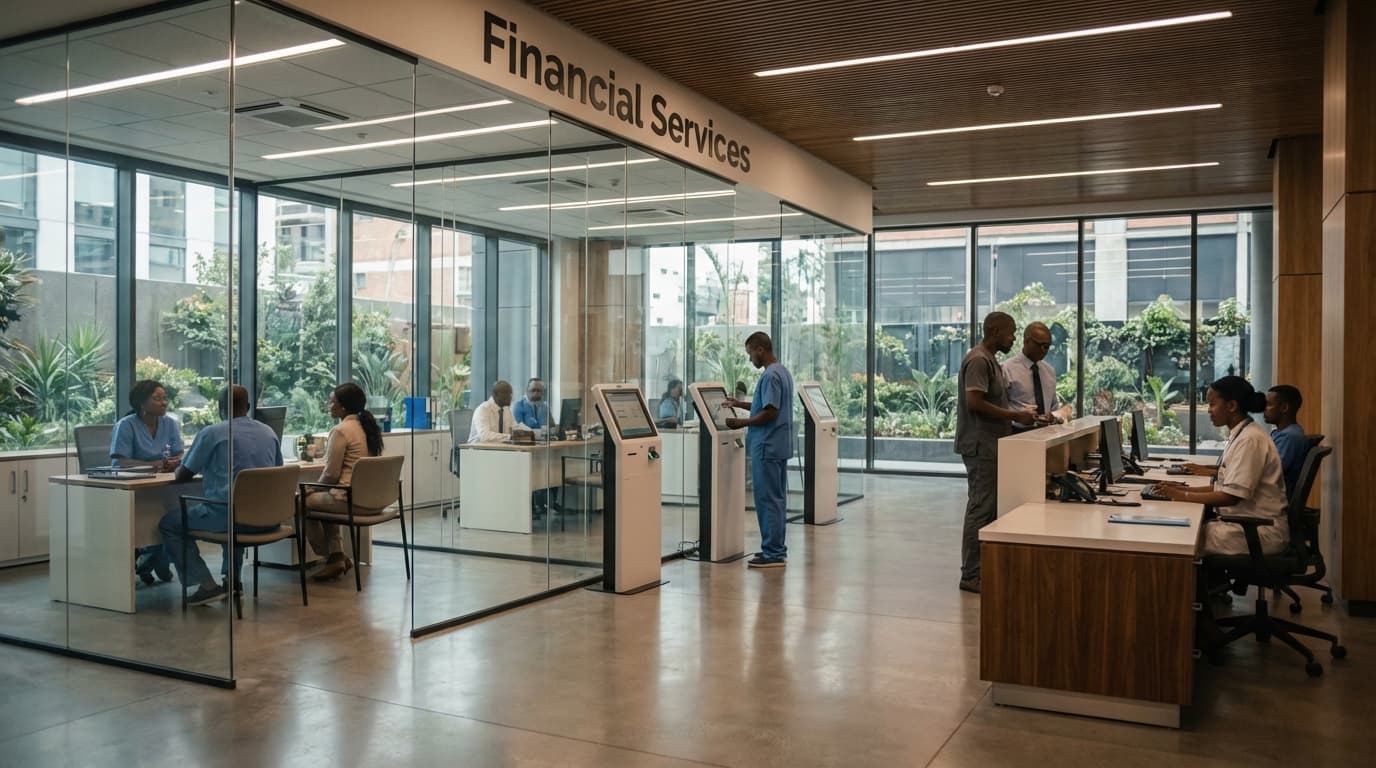
Medical Equipment Financing in Kenya
Engineering Excellence & Technical Support
Leasing and financing solutions for medical equipment High-standard technical execution following OEM protocols and local regulatory frameworks.
Accelerated Equipment Acquisition
Access cutting-edge medical technology with flexible financing solutions, enabling healthcare providers in Kenya to upgrade their facilities and expand service offerings quickly and efficiently.
Optimized Cash Flow Management
Preserve working capital and manage operational expenses effectively. Our financing plans are designed to align with your revenue cycles, ensuring financial stability while investing in essential medical equipment.
Tailored Financing for Local Needs
Benefit from financing options specifically crafted for the Kenyan healthcare market. We understand the unique challenges and opportunities, offering personalized solutions that support the growth and sustainability of your medical institution.
What Is Medical Equipment Financing In Kenya?
Medical Equipment Financing (MEF) in Kenya refers to the provision of capital, typically in the form of loans or leasing arrangements, specifically to facilitate the acquisition, upgrade, or maintenance of medical equipment for healthcare providers. This service addresses the significant capital expenditure associated with procuring modern and specialized medical technologies, enabling institutions to expand their service offerings, improve diagnostic accuracy, enhance treatment efficacy, and maintain operational efficiency. MEF plays a crucial role in bolstering the healthcare infrastructure within Kenya by mitigating upfront financial barriers and offering structured repayment plans tailored to the revenue cycles of healthcare facilities.
| Who Needs Medical Equipment Financing? | Typical Use Cases |
|---|---|
| Hospitals (Public & Private): To acquire new diagnostic, therapeutic, or surgical equipment; upgrade existing technology to meet evolving medical standards; expand bed capacity with specialized monitoring equipment. | Acquisition of MRI or CT scanners for advanced diagnostics. Purchase of modular operating theatre equipment. Financing for critical care unit (ICU) monitoring systems. Replacement of aging X-ray machines with digital radiography units. |
| Specialized Clinics & Diagnostic Centers: To invest in specific diagnostic modalities or treatment technologies that define their niche; increase patient throughput and accuracy. | Procurement of advanced ultrasound machines for cardiology or obstetrics. Acquisition of PCR machines for molecular diagnostics. Financing for endoscope sets for gastroenterology practices. Purchase of specialized physiotherapy equipment. |
| Primary Healthcare Facilities & Small Clinics: To offer a wider range of basic diagnostic services; improve patient management and referral efficiency. | Acquisition of a modern digital X-ray unit. Financing for an automated hematology analyzer. Purchase of portable ECG machines. Upgrading dental chairs and associated equipment. |
| Medical Training Institutions: To equip teaching hospitals and laboratories with up-to-date medical technology for training purposes. | Acquisition of simulation equipment for surgical training. Financing for anatomical models and dissection tools. Purchase of laboratory equipment for pathology and physiology departments. |
| New Entrants in the Healthcare Sector: To establish a fully equipped facility from inception, ensuring competitiveness and comprehensive service delivery. | Financing for a complete suite of equipment for a new private hospital. Acquisition of diagnostic equipment for a start-up laboratory. |
Key Aspects of Medical Equipment Financing in Kenya
- Financing Modalities: Options include outright loans, equipment leasing (operating or finance leases), and hire-purchase agreements.
- Equipment Scope: Covers a broad spectrum from basic diagnostic tools (e.g., stethoscopes, thermometers) to complex imaging systems (e.g., MRI, CT scanners), surgical robots, laboratory analyzers, and hospital furniture.
- Provider Types: Serves a diverse range of healthcare entities, including public and private hospitals, clinics, diagnostic laboratories, dental practices, and specialized medical centers.
- Financing Institutions: Offered by commercial banks, specialized financial institutions, equipment vendors (through partnerships), and sometimes government-backed development funds.
- Key Considerations: Eligibility often hinges on the financial health of the applicant, the viability of their business plan, the residual value of the equipment, and market demand for the services it will provide.
Who Needs Medical Equipment Financing In Kenya?
Medical equipment financing in Kenya plays a crucial role in enabling healthcare providers to acquire the necessary tools and technologies to deliver quality patient care. This financing mechanism allows for the purchase of a wide range of medical devices, from basic diagnostic tools to sophisticated imaging machines and surgical equipment. It addresses the significant capital investment often required for these assets, making them accessible to a broader spectrum of healthcare entities. By easing the financial burden, equipment financing helps Kenyan healthcare facilities to upgrade their infrastructure, improve diagnostic accuracy, enhance treatment capabilities, and ultimately, serve their communities more effectively.
| Department | Typical Equipment Needs | Financing Rationale |
|---|---|---|
| Radiology/Imaging | X-ray machines, CT scanners, MRI machines, Ultrasound devices, Mammography units | High cost of technology, rapid obsolescence, need for advanced diagnostics. |
| Surgery | Surgical tables, anesthesia machines, laparoscopic instruments, electrosurgical units, patient monitors | Precision and safety critical, need for sterile and advanced tools. |
| Intensive Care Unit (ICU) / Critical Care | Ventilators, defibrillators, infusion pumps, dialysis machines, specialized monitors | Life-support equipment requiring constant availability and reliability. |
| Laboratory Services | Hematology analyzers, biochemistry analyzers, microscopes, PCR machines, centrifuges | Accuracy and efficiency in diagnostics, handling high sample volumes. |
| Cardiology | ECG machines, Holter monitors, Echocardiography devices, stress test equipment | Specialized diagnostics for heart conditions, requiring precise data acquisition. |
| Emergency Services | Ambulance equipment, portable defibrillators, trauma kits, vital signs monitors | Mobility, rapid response, and immediate life-saving capabilities. |
| Maternity/Obstetrics | Fetal monitors, incubators, delivery tables, ultrasound for prenatal care | Safe delivery and neonatal care, specialized equipment for mother and child. |
| General Wards/Inpatient Care | Hospital beds, patient lifts, vital signs monitors, nebulizers | Basic but essential equipment for patient comfort and monitoring. |
Target Customers & Departments for Medical Equipment Financing in Kenya:
- Hospitals (Public & Private): All departments within hospitals benefit from financing to upgrade or acquire new equipment.
- Clinics & Health Centers: Smaller facilities can access essential diagnostic and treatment equipment.
- Diagnostic Laboratories: Financing for advanced laboratory testing and analysis machines.
- Specialty Medical Centers: Facilities focusing on specific areas like cardiology, oncology, orthopedics, etc.
- Dental Clinics: Financing for dental chairs, X-ray machines, and other dental instruments.
- Vision Care Centers: Acquisition of eye examination equipment and surgical tools.
- Rehabilitation Centers: Funding for physiotherapy and occupational therapy equipment.
- Medical Training Institutions: For equipping teaching hospitals and simulation labs.
- Government Health Programs: Supporting the rollout of new health initiatives with necessary equipment.
- Mobile Clinics & Outreach Programs: Funding for portable and specialized equipment for remote access.
Medical Equipment Financing Process In Kenya
The medical equipment financing process in Kenya involves a structured workflow designed to facilitate the acquisition of essential healthcare technology for medical facilities. This process typically begins with an initial inquiry from a healthcare provider and concludes with the successful procurement and installation of the equipment. It's a multi-stage journey involving the healthcare provider, the financing institution, and often equipment suppliers.
| Stage | Key Activities | Involved Parties | Typical Outcomes/Deliverables |
|---|---|---|---|
| Healthcare provider contacts a financing institution to explore financing options for specific medical equipment. They discuss their needs, budget, and desired equipment specifications. | Healthcare Provider, Financing Institution | Understanding of financial needs, preliminary equipment list. |
| Provider submits a formal proposal outlining their financial status, the equipment required, and the intended use. The financing institution conducts an initial review for basic eligibility. | Healthcare Provider, Financing Institution | Submitted proposal, initial eligibility confirmation/rejection. |
| The financing institution conducts thorough due diligence, including financial statement analysis, credit checks, and assessment of the provider's operational capacity and repayment ability. | Financing Institution, Credit Bureaus, Regulatory Bodies (sometimes) | Credit assessment report, risk profile of the applicant, approval/rejection of credit. |
| Detailed specifications of the medical equipment are finalized. The financing institution may vet potential suppliers to ensure their reliability, quality of products, and after-sales support. | Healthcare Provider, Financing Institution, Equipment Suppliers | Confirmed equipment specifications, approved supplier list. |
| Based on the due diligence and equipment assessment, the financing institution issues a formal offer detailing loan/lease terms, interest rates, repayment schedules, and any collateral requirements. Negotiations may occur. | Financing Institution, Healthcare Provider | Formal offer letter, agreed-upon financing terms. |
| All parties sign the necessary legal agreements, including loan or lease agreements, purchase agreements, and any collateral documents. This stage involves extensive paperwork. | Healthcare Provider, Financing Institution, Equipment Supplier (sometimes) | Signed loan/lease agreement, purchase order, collateral documentation. |
| Upon signing of contracts and fulfillment of any pre-disbursement conditions, the financing institution disburses funds directly to the equipment supplier or initiates payment as per the agreement. | Financing Institution, Healthcare Provider, Equipment Supplier | Disbursed funds, generated purchase order to the supplier. |
| The equipment is delivered to the healthcare facility and installed by the supplier. The healthcare provider often oversees this process. | Equipment Supplier, Healthcare Provider | Delivered and installed medical equipment. |
| The healthcare provider formally accepts the equipment after inspection and confirmation that it meets specifications and is in working order. This triggers the final stage of the financing process. | Healthcare Provider, Financing Institution | Signed acceptance certificate, confirmation of successful installation. |
| The financing institution monitors the equipment's performance (if applicable, especially for leased equipment) and the healthcare provider begins making regular loan/lease repayments as per the agreed schedule. | Financing Institution, Healthcare Provider | Ongoing repayment of financing, adherence to lease/loan terms. |
Medical Equipment Financing Workflow in Kenya
- Inquiry and Needs Assessment
- Proposal Submission and Initial Screening
- Due Diligence and Credit Assessment
- Equipment Specification and Supplier Vetting
- Loan/Lease Offer and Negotiation
- Contractual Agreements and Documentation
- Disbursement and Purchase Order Generation
- Equipment Delivery and Installation
- Acceptance and Finalization
- Post-Installation Monitoring and Repayment
Medical Equipment Financing Cost In Kenya
Financing medical equipment in Kenya involves various costs influenced by several factors. These costs can be broadly categorized into interest rates, loan terms, and administrative fees. The range of these costs is subject to market conditions, the financial institution's policies, and the specific profile of the borrower and the equipment being financed. Understanding these elements is crucial for healthcare providers and institutions seeking to acquire or upgrade their medical infrastructure.
| Cost Component | Typical Range (KES) | Notes |
|---|---|---|
| Annual Interest Rate (Variable) | 18% - 28% | Influenced by CBR, market conditions, and credit score. Variable rates can fluctuate. |
| Annual Interest Rate (Fixed) | 20% - 30% | Offers predictability but might be slightly higher than the initial variable rate. |
| Loan Tenure | 1 - 7 Years | Shorter tenures mean higher installments but less total interest. |
| Processing Fees | 1% - 5% of Loan Amount | One-time fee, often negotiable. |
| Valuation/Appraisal Fees | KES 10,000 - KES 50,000+ | Depends on the complexity and value of the equipment. |
| Legal Fees | KES 5,000 - KES 30,000+ | For loan agreements and security documentation. |
| Insurance Premium (if applicable) | Varies significantly | Often for comprehensive insurance of the financed equipment. |
| Down Payment | 10% - 30% of Equipment Cost | Higher down payment generally leads to better terms. |
Key Pricing Factors for Medical Equipment Financing in Kenya
- Interest Rates: This is the most significant cost component. It's determined by the Central Bank of Kenya's benchmark rates (like the Central Bank Rate - CBR), the lender's cost of funds, the borrower's creditworthiness, and the prevailing market conditions. Interest can be fixed or variable.
- Loan Tenure (Repayment Period): Longer repayment periods generally mean lower monthly installments but can result in higher total interest paid over the life of the loan. Shorter tenures have higher installments but reduce the overall interest burden.
- Equipment Value and Type: The cost of the equipment itself directly impacts the loan amount. Specialized or high-value equipment may have different financing structures or risk assessments compared to standard equipment.
- Borrower's Creditworthiness: A strong credit history, established business operations, and proven financial stability lead to more favorable interest rates and terms. Poor credit history will likely result in higher interest rates or even loan rejection.
- Down Payment/Equity Contribution: A larger down payment reduces the loan amount, thereby lowering the principal and subsequently the interest paid. It also demonstrates the borrower's commitment and reduces the lender's risk.
- Administrative and Processing Fees: These include loan application fees, appraisal fees, legal fees, insurance premiums (if applicable), and disbursement fees. These are typically one-off charges or spread over the loan term.
- Collateral: While not always mandatory, providing collateral can reduce the lender's risk and potentially lead to better financing terms. However, it also represents a significant commitment from the borrower.
- Lender Type and Competition: Different financial institutions (banks, microfinance institutions, specialized equipment financiers) will have varying pricing strategies based on their risk appetite, operational costs, and market competition.
- Economic Stability and Inflation: The overall economic climate in Kenya, including inflation rates, influences lending rates. Higher inflation often leads to higher interest rates to preserve the real value of money.
Affordable Medical Equipment Financing Options
Acquiring necessary medical equipment can be a significant investment for healthcare providers. Fortunately, a range of affordable financing options and cost-saving strategies are available to manage these expenses effectively. Understanding value bundles and implementing smart procurement practices can lead to substantial savings without compromising on quality or functionality.
| Strategy | Description | Benefits |
|---|---|---|
| Value Bundles | Purchasing equipment, software, service agreements, and training as a package deal from a single vendor. This often involves tiered pricing or discounts for volume commitments. | Reduced overall cost, streamlined procurement process, potential for better integrated solutions and support. |
| Refurbished or Pre-owned Equipment | Acquiring high-quality, used equipment that has been professionally inspected, refurbished, and certified. Many reputable vendors offer warranties on such items. | Significant cost savings compared to new equipment, faster availability, reduces environmental impact. |
| Negotiating Bulk Discounts | When purchasing multiple pieces of equipment or committing to a long-term relationship with a supplier, negotiate volume-based discounts. | Lower per-unit cost, stronger vendor relationships. |
| Comparing Vendor Quotes | Always obtain and compare quotes from multiple reputable vendors. Do not solely focus on the sticker price; consider warranty, service, delivery, and installation costs. | Ensures competitive pricing, identifies best value for money. |
| Phased Procurement | Instead of acquiring all desired equipment at once, plan purchases in phases based on immediate needs and budget availability. This can also allow you to benefit from future technological advancements at a potentially lower cost. | Manages cash flow effectively, allows for strategic upgrades. |
| Exploring Rental or Sharing Models | For specialized or infrequently used equipment, consider rental options or collaborative sharing agreements with other facilities. This avoids the capital expenditure of ownership. | Eliminates ownership costs, access to technology without commitment. |
| Lease Buy-Out Options | Evaluate if purchasing leased equipment at the end of the lease term is more cost-effective than renewing the lease or purchasing new equipment. | Potential for lower long-term costs if equipment is still viable. |
Key Financing Options for Medical Equipment
- {"title":"Leasing","description":"Leasing offers the advantage of lower upfront costs and predictable monthly payments. Various leasing structures exist, including operating leases (treated as an expense) and finance leases (treated as an asset)."}
- {"title":"Loans","description":"Traditional term loans are suitable for outright purchase. Lenders often specialize in healthcare equipment financing, offering competitive rates and flexible repayment terms."}
- {"title":"Lines of Credit","description":"A revolving line of credit provides flexibility for purchasing equipment as needed, allowing you to draw funds and repay them over time. This is ideal for growing practices or those with fluctuating equipment needs."}
- {"title":"Sale-Leaseback","description":"If you own equipment outright, a sale-leaseback arrangement allows you to sell it to a financing company and then lease it back. This frees up capital for other operational needs."}
- {"title":"Government Grants and Programs","description":"Explore federal, state, and local grants or loan programs specifically designed to support healthcare facilities, particularly those in underserved areas or focusing on specific medical technologies."}
Verified Providers In Kenya
In Kenya's rapidly evolving healthcare landscape, access to verified and trustworthy healthcare providers is paramount. Franance Health has emerged as a leading platform dedicated to connecting individuals with a network of credentialed and reputable healthcare professionals across the country. This commitment to verification ensures that patients receive quality care from qualified practitioners, offering peace of mind and a superior healthcare experience. Understanding Franance Health's credentialing process and the rigorous standards they uphold is crucial in recognizing why they represent the best choice for accessing healthcare services in Kenya.
| Provider Type | Franance Health Verification Includes | Why This Matters to You |
|---|---|---|
| Doctors | Valid KMPDC License, Medical Degree Verification, Specialty Certifications, Practice History | Ensures you are treated by a licensed, qualified, and experienced physician in your chosen specialty. |
| Nurses | Valid NCK License, Nursing Degree/Diploma Verification, Specialty Training | Guarantees care from registered and competent nursing professionals with the right skills. |
| Specialists (e.g., Surgeons, Cardiologists) | All Doctor verifications + verified specialist training and certifications | Connects you with highly specialized doctors for complex medical needs, backed by proven expertise. |
| Therapists (e.g., Physiotherapists, Psychologists) | Relevant professional body registration, academic qualifications, and certifications | Provides access to licensed and qualified therapists for your rehabilitation and mental well-being needs. |
| Pharmacists | Pharmacy and Poisons Board (PPB) Registration, Degree Verification | Ensures that medications are dispensed by licensed and knowledgeable pharmacists. |
Franance Health Credentialing: A Commitment to Quality and Trust
- Rigorous Verification Process: Franance Health employs a multi-step verification process for all its listed providers. This includes thorough checks of medical licenses, academic qualifications, professional certifications, and employment history.
- Active License Validation: Unlike some platforms, Franance Health actively monitors and validates the active status of medical licenses with relevant professional bodies such as the Kenya Medical Practitioners and Dentists Council (KMPDC) and the Nursing Council of Kenya (NCK).
- Specialty and Experience Confirmation: The platform verifies the stated specializations and years of experience of healthcare professionals, ensuring patients are connected with practitioners who possess the specific expertise they require.
- Background Checks: Franance Health conducts background checks to ensure the integrity and professionalism of their network, prioritizing patient safety and trust.
- Continuous Monitoring and Feedback: The verification process is not a one-time event. Franance Health continuously monitors provider performance through patient feedback and ongoing professional reviews, maintaining a high standard of care.
- Partnerships with Regulatory Bodies: Franance Health collaborates with key healthcare regulatory bodies in Kenya, reinforcing their commitment to adhering to the highest industry standards and ethical practices.
Scope Of Work For Medical Equipment Financing
This Scope of Work (SOW) outlines the requirements for the financing of medical equipment. It details the technical deliverables expected from the equipment provider and the standard specifications that must be met to ensure compatibility, performance, and patient safety. The objective is to secure financing for essential medical devices that will enhance patient care and operational efficiency. The financing agreement will cover the procurement, installation, and initial maintenance of the specified equipment.
| Equipment Type | Model/Series (Example) | Key Technical Specifications | Compliance Standards | Quantity |
|---|---|---|---|---|
| Digital X-ray System | Siemens Multix Fusion | Detector type: a-Si Flat Panel, Resolution: 3.5 lp/mm, Generator power: 50 kW, Tube voltage: 40-150 kVp, Tube current: 10-630 mA, Exposure time: 0.001-10 s | IEC 60601-1, IEC 60601-2-7, FDA 510(k) | 2 |
| Anesthesia Machine | Draeger Fabius Plus | Ventilation modes: Volume-controlled, Pressure-controlled, SIMV, CPAP; Gas delivery: O2, Air, N2O; Vaporizers: Integrated, compatible with sevoflurane, isoflurane, desflurane; Spirometry: Tidal volume, Minute volume, Respiratory rate | ISO 80601-2-13, IEC 60601-1, FDA | 3 |
| Portable Ultrasound Machine | GE LOGIQ E10 | Display: 21.5-inch LED touchscreen, Transducer types: Convex, Linear, Phased Array, Imaging modes: B-mode, M-mode, Doppler (PW, CW, Color), Image optimization: AI-assisted | IEC 60601-1, IEC 60601-2-37, FDA | 5 |
| Patient Monitor | Philips IntelliVue MX800 | Parameters: ECG, NIBP, SpO2, IBP (up to 4 channels), Temperature (up to 2 channels), Respiration; Display: 15-inch color touchscreen, Network connectivity: Ethernet, Wi-Fi | IEC 60601-1, IEC 60601-2-27, IEC 60601-2-49, FDA | 10 |
Key Technical Deliverables
- Detailed technical specifications for each piece of medical equipment, including performance metrics, power requirements, and dimensions.
- Manufacturer's certificates of origin and conformity (e.g., CE marking, FDA clearance) for all equipment.
- Installation and configuration plans, including site preparation requirements and estimated timelines.
- User manuals, service manuals, and maintenance schedules for all equipment.
- Training materials and delivery plan for clinical and technical staff on equipment operation and basic troubleshooting.
- Warranty documentation for all equipment and components.
- Data sheets for any integrated software or networked systems, including cybersecurity protocols.
- Post-installation performance verification and acceptance testing reports.
Service Level Agreement For Medical Equipment Financing
This Service Level Agreement (SLA) outlines the response times and uptime guarantees for medical equipment financing services provided by [Your Company Name] (the "Provider") to [Client Name] (the "Client"). This SLA aims to ensure the reliable operation and timely support for medical equipment financed under the agreement between the parties.
| Service Category | Priority Level | Response Time Target | Resolution Time Target (for critical issues) | Uptime Guarantee | Support Availability |
|---|---|---|---|---|---|
| Financing Application & Processing | Standard | 4 Business Hours | N/A (focus on processing completion) | N/A | Mon-Fri, 9 AM - 5 PM [Time Zone] |
| Billing Inquiries & Adjustments | Standard | 8 Business Hours | 2 Business Days | N/A | Mon-Fri, 9 AM - 5 PM [Time Zone] |
| Equipment Malfunction Reporting (Financing Related) | High Priority | 2 Business Hours | 8 Business Hours (initial assessment/workaround) | N/A (equipment uptime is the responsibility of the equipment manufacturer/service provider, but financing support for service requests is covered) | 24/7 (for critical system outages impacting financing portal) |
| Equipment Operational Status Verification (Financing Needs) | Medium Priority | 4 Business Hours | 1 Business Day | N/A | Mon-Fri, 9 AM - 5 PM [Time Zone] |
| Financing Portal Accessibility & Performance | Critical | 1 Business Hour | 4 Business Hours | 99.5% Uptime | 24/7 |
Key Performance Indicators (KPIs)
- Response Time: The time taken by the Provider to acknowledge and begin addressing a reported issue.
- Resolution Time: The time taken by the Provider to resolve a reported issue to the Client's satisfaction.
- Equipment Uptime: The percentage of time the financed medical equipment is expected to be operational and available for use, excluding scheduled maintenance and pre-approved downtime.
- Support Availability: The hours and days during which support services are accessible to the Client.
Frequently Asked Questions

Ready when you are
Let's scope your Medical Equipment Financing in Kenya project in Kenya.

Scaling healthcare logistics and technical systems across the entire continent.