
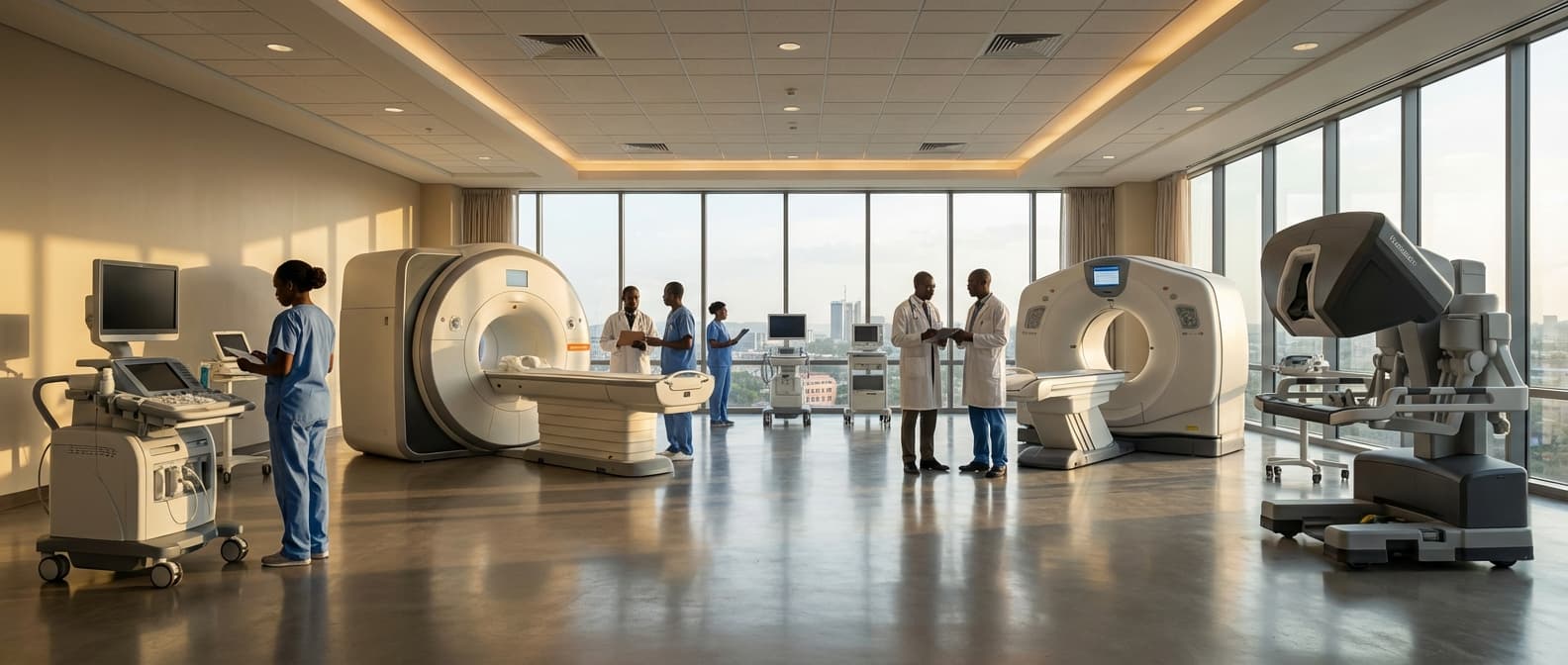
Renal Solutions in Kenya
Engineering Excellence & Technical Support
Complete dialysis systems and renal care equipment designed to deliver safe, effective, and patient-centered kidney treatment. High-standard technical execution following OEM protocols and local regulatory frameworks.
Advanced Dialysis Technology
Renal Solutions Kenya is at the forefront of providing state-of-the-art dialysis machines and consumables. Our commitment to employing the latest technological advancements ensures optimal patient outcomes, minimizing complications and maximizing treatment efficiency for kidney disease patients across Kenya.
Comprehensive Renal Care Network
We are actively building a robust network of dialysis centers and partnerships throughout Kenya. This expansion focuses on making high-quality renal care accessible in both urban and underserved rural areas, leveraging technology for remote monitoring and telemedicine to bridge geographical gaps.
Innovative Diagnostic & Monitoring Tools
Renal Solutions Kenya integrates advanced diagnostic equipment and digital monitoring platforms. This allows for earlier detection of renal issues, precise tracking of patient health metrics, and data-driven treatment adjustments, empowering clinicians with the insights needed for proactive and personalized patient management.
What Is Renal Solutions In Kenya?
Renal Solutions in Kenya refers to a comprehensive suite of services aimed at the diagnosis, management, and treatment of kidney diseases (nephropathies). These services are designed to address the spectrum of renal ailments, from early detection and prevention to advanced renal replacement therapies. The scope typically encompasses clinical evaluation, diagnostic testing, pharmacological interventions, and interventional procedures to preserve or restore renal function and improve patient outcomes. It involves a multidisciplinary approach integrating nephrology, urology, radiology, pathology, and allied health professionals.
| Who Needs Renal Solutions | Typical Use Cases |
|---|---|
| Individuals with Chronic Conditions: Diabetes mellitus, hypertension, cardiovascular disease, autoimmune disorders (e.g., Systemic Lupus Erythematosus - SLE), obesity. | Management of diabetic nephropathy, hypertensive nephrosclerosis, lupus nephritis. Monitoring and intervention for early stages of kidney damage associated with these comorbidities. |
| Patients with Acute Kidney Injury (AKI): Resulting from sepsis, severe dehydration, nephrotoxic medications, or surgical complications. | Prompt diagnosis and management of AKI to restore renal function. Initiation of RRT if indicated for severe renal dysfunction. |
| Individuals with Symptoms Suggestive of Kidney Disease: Persistent edema, changes in urination (frequency, volume, appearance), fatigue, flank pain, uncontrolled hypertension. | Diagnostic workup to identify the underlying cause of symptoms and initiate appropriate treatment. |
| Patients with Known or Suspected Genetic Predisposition to Kidney Disease: Polycystic kidney disease, Alport syndrome. | Genetic counseling, regular monitoring, and management of disease progression. |
| Patients Requiring Renal Replacement Therapy: End-stage renal disease (ESRD) patients. | Initiation and maintenance of hemodialysis or peritoneal dialysis. Evaluation for and management post-kidney transplantation. |
| Individuals with Urinary Tract Obstructions or Infections: Recurrent UTIs, kidney stones, prostatic enlargement. | Diagnosis and management of underlying obstructive uropathy to prevent secondary kidney damage. |
| Patients Exposed to Nephrotoxic Agents: Certain antibiotics, NSAIDs, contrast dyes. | Monitoring of renal function during and after exposure to nephrotoxic substances. |
Key Components of Renal Solutions in Kenya
- Diagnostic Services: Including urinalysis, blood chemistry panels (creatinine, urea, electrolytes, glomerular filtration rate - GFR estimation), renal imaging (ultrasound, CT, MRI), renal biopsy for histopathological analysis, and specialized tests for autoimmune markers or inherited nephropathies.
- Medical Management: Pharmacological treatment for hypertension, diabetes mellitus, electrolyte imbalances, anemia of chronic kidney disease, and management of underlying causes of renal damage.
- Renal Replacement Therapies (RRT):
- Hemodialysis (HD): Extracorporeal blood purification to remove waste products and excess fluid.
- Peritoneal Dialysis (PD): Intraperitoneal administration of dialysate for waste removal and fluid balance.
- Kidney Transplantation: Surgical implantation of a healthy donor kidney.
- Surgical Interventions: Management of complications such as renal artery stenosis, urinary tract obstructions, and preparation for dialysis access (e.g., creation of arteriovenous fistulas or grafts, insertion of peritoneal dialysis catheters).
- Nutritional Counseling: Dietary guidance to manage protein intake, sodium, potassium, phosphorus, and fluid balance.
- Patient Education and Support: Empowering patients with knowledge about their condition, treatment options, and lifestyle modifications.
- Preventive Nephrology: Strategies for early identification of risk factors and intervention to slow disease progression.
Who Needs Renal Solutions In Kenya?
Renal solutions in Kenya cater to a diverse range of clients facing kidney-related health challenges. These solutions are crucial for individuals, healthcare facilities, and even governmental bodies seeking to improve renal care outcomes and accessibility. The primary focus is on providing essential services and products that support kidney health, from diagnosis and treatment to ongoing management and prevention.
| Target Customer/Department | Key Needs/Interests | Examples of Renal Solutions Required |
|---|---|---|
| Individuals with Kidney Disease | Access to affordable and quality treatment, long-term management, patient education, support groups. | Dialysis machines and consumables, transplant services, medications, nutritional advice, patient education materials. |
| Dialysis Centers & Nephrology Clinics | Reliable supply of consumables, advanced equipment, skilled staff, efficient patient management systems. | Dialyzers, bloodlines, dialysate, dialysis machines, water treatment systems, specialized medical furniture. |
| Hospitals (General & Specialized) | Emergency renal support, management of acute kidney injury, integration of nephrology services. | Portable dialysis units, critical care nephrology expertise, diagnostic imaging, laboratory services. |
| Government Health Agencies | Public health strategies, disease prevention programs, cost-effective treatment models, policy development. | Epidemiological data, public awareness campaigns, guidelines for renal care, subsidies for treatment. |
| Medical Suppliers & Distributors | Market access, logistics, quality assurance, competitive pricing. | Importation and distribution of all renal-related medical devices, consumables, and pharmaceuticals. |
Target Customers and Departments for Renal Solutions in Kenya
- {"title":"Individuals with Kidney Disease","description":"Patients suffering from Acute Kidney Injury (AKI), Chronic Kidney Disease (CKD), end-stage renal disease (ESRD), kidney stones, and other kidney-related ailments. This includes individuals undergoing dialysis, awaiting or recovering from kidney transplants, and those requiring ongoing medical management for their condition."}
- {"title":"General Population Requiring Preventive Care","description":"Individuals at risk of developing kidney disease due to underlying conditions like diabetes, hypertension, or a family history of kidney problems. This group benefits from early detection, lifestyle advice, and proactive health monitoring."}
- {"title":"Dialysis Centers & Nephrology Clinics","description":"Dedicated facilities and specialized clinics that provide life-sustaining dialysis treatments (hemodialysis and peritoneal dialysis), diagnostic services, and expert nephrological consultations. They require a steady supply of consumables, equipment, and skilled personnel."}
- {"title":"Hospitals (Public and Private)","description":"General hospitals offering a broad spectrum of medical services. They require renal solutions for inpatient care, emergency treatments for AKI, management of CKD patients admitted for other conditions, and potentially in-house dialysis units."}
- {"title":"Government Health Agencies & Ministries","description":"National and county health departments responsible for public health policy, disease surveillance, and the provision of healthcare services, particularly for underserved populations. They are interested in cost-effective renal care strategies, public health campaigns, and ensuring equitable access to treatment."}
- {"title":"Medical Equipment Suppliers & Distributors","description":"Businesses that source, import, and distribute medical devices, consumables, and pharmaceuticals related to renal care. They play a vital role in the supply chain, ensuring availability of essential products."}
- {"title":"Research Institutions & Universities","description":"Academic and research bodies involved in advancing the understanding of kidney diseases, developing new diagnostic tools and treatment modalities, and training future healthcare professionals in nephrology."}
- {"title":"Non-Governmental Organizations (NGOs) & Charities","description":"Organizations focused on providing healthcare access, support, and advocacy for vulnerable populations, including those suffering from kidney disease. They may fund treatment, offer patient support programs, or conduct awareness campaigns."}
Renal Solutions Process In Kenya
The Renal Solutions Process in Kenya outlines the comprehensive journey a patient undertakes from initial inquiry to the successful execution of renal treatment or support. This process is designed to be systematic, ensuring patient care, administrative efficiency, and adherence to medical protocols. It typically involves multiple stages, from the first contact with the service provider to ongoing management of the patient's renal health.
| Stage | Description | Key Activities | Responsible Parties | Potential Challenges |
|---|---|---|---|---|
| Inquiry and Initial Contact | The beginning of the patient's engagement with Renal Solutions, often triggered by symptoms, referral, or a need for information. | Patient or referring physician contacts Renal Solutions (phone, email, walk-in). Information gathering about symptoms and history. Initial scheduling of consultation. | Patient, Referring Physician, Renal Solutions Admissions/Customer Service | Long wait times for initial contact, insufficient information provided by patient, communication barriers. |
| Patient Assessment and Eligibility | A thorough evaluation to determine the patient's specific renal condition, severity, and suitability for available solutions. | Medical history review, physical examination, diagnostic tests (blood tests, urine tests, imaging). Nephrologist consultation. Assessment of medical necessity and insurance coverage. | Nephrologist, Nurses, Medical Technicians, Renal Solutions Medical Team, Insurance Navigators | Delayed diagnostic results, misdiagnosis, patient co-morbidities affecting eligibility, insurance pre-authorization issues. |
| Treatment Planning and Authorization | Developing a personalized treatment plan and securing necessary approvals before commencing any intervention. | Nephrologist creates a treatment plan (e.g., dialysis schedule, transplant referral, medication regimen). Review and approval by the medical board. Submission of treatment plan to insurance provider for pre-authorization. | Nephrologist, Renal Solutions Medical Director, Insurance Company | Disagreements on treatment plan, delays in insurance approval, patient's financial inability to cover co-payments. |
| Procedure/Treatment Execution | The actual delivery of the prescribed renal solution or treatment. | Commencement of dialysis (hemodialysis or peritoneal dialysis). Preparation for transplant surgery. Administration of prescribed medications. Surgical procedures if applicable. | Nephrologists, Dialysis Nurses, Surgeons, Pharmacists, Renal Technicians | Equipment malfunction, patient complications during treatment, staff shortages, unforeseen medical emergencies. |
| Post-Treatment Monitoring and Follow-up | Ongoing assessment of the patient's response to treatment and management of their long-term renal health. | Regular check-ups, blood tests to monitor kidney function and treatment effectiveness. Medication adjustments. Patient education on diet and lifestyle. Referral to support services (e.g., social work, nutritionists). | Nephrologist, Nurses, Dietitian, Social Worker, Patient | Patient non-adherence to medication or lifestyle changes, development of new complications, difficulty in accessing follow-up appointments. |
| Billing and Administrative Closure | The final administrative steps, including financial reconciliation and closing the patient's active case (for specific treatments). | Submission of claims to insurance. Billing the patient for co-payments or uncovered services. Reconciliation of payments. Archiving of patient records. Communication of discharge or ongoing care plan. | Billing Department, Finance Department, Renal Solutions Administration | Billing errors, disputes with insurance companies, delayed payments, incomplete documentation. |
Key Stages in the Renal Solutions Process in Kenya
- Inquiry and Initial Contact
- Patient Assessment and Eligibility
- Treatment Planning and Authorization
- Procedure/Treatment Execution
- Post-Treatment Monitoring and Follow-up
- Billing and Administrative Closure
Renal Solutions Cost In Kenya
Renal solutions, crucial for dialysis patients, encompass a range of products and services essential for kidney function support. In Kenya, the cost of these solutions can vary significantly based on several factors, including the type of solution, the volume required, the brand, the healthcare facility, and the specific medical needs of the patient. These costs are typically quoted in Kenyan Shillings (KES).
| Renal Solution Type/Service | Typical Price Range (KES) | Notes |
|---|---|---|
| Hemodialysis Dialysate (per liter bag) | 300 - 800 | Varies by brand, concentration, and facility. Often purchased in bulk for in-center dialysis. |
| Peritoneal Dialysis Solution (per 2-liter bag) | 1,500 - 3,000 | Higher cost due to direct instillation into the body. Different glucose concentrations affect price. |
| Sodium Bicarbonate (for hemodialysis) | 1,000 - 3,000 per vial/packet | Used to buffer acid in the blood. Price depends on concentration and brand. |
| Erythropoietin (EPO) injections (per dose) | 2,000 - 8,000+ | Used to treat anemia. Price is highly dependent on dosage, brand, and patient's weight/condition. |
| Iron Supplements (intravenous) | 1,500 - 5,000+ per dose | Essential for EPO to be effective. Cost varies by type of iron and dosage. |
| Dialysis Treatment Session (including solutions and disposables) | 5,000 - 15,000+ | This is an estimated range for a single hemodialysis session, encompassing various consumables and professional fees. Peritoneal dialysis costs can differ. |
Key Pricing Factors for Renal Solutions in Kenya:
- Type of Solution: Dialysis solutions (dialysates) come in various formulations (e.g., bicarbonate, acetate, hypertonic) tailored to different patient needs and dialysis modalities (hemodialysis vs. peritoneal dialysis). Specialized or custom formulations may incur higher costs.
- Volume and Packaging: Solutions are sold in different volumes (e.g., liters for dialysate bags, pre-filled syringes for medications). Larger volumes or bulk purchases might offer some cost savings, but smaller, single-use packaging can increase per-unit cost due to convenience and sterility.
- Brand and Manufacturer: Reputable international brands often command higher prices due to perceived quality, research, and development investment. Local or generic brands may offer more affordable alternatives.
- Healthcare Facility: The markup applied by hospitals and dialysis centers can significantly influence the final price. Larger, well-equipped facilities might have higher overheads reflected in their pricing.
- Insurance Coverage: While not a direct pricing factor for the solution itself, insurance coverage plays a crucial role in the out-of-pocket expense for patients. The extent of coverage for renal solutions and dialysis services will determine the patient's financial burden.
- Ancillary Supplies: The cost of related supplies, such as dialyzers, tubing sets, needles, gloves, and sanitizers, are often bundled or considered alongside the primary renal solutions, impacting the overall cost of treatment.
- Location: While less of a factor for standardized medical supplies, in remote areas, transportation and logistics costs could indirectly affect pricing.
Affordable Renal Solutions Options
Finding affordable renal solutions is a critical concern for many individuals facing kidney disease. These solutions encompass a range of treatments, medications, and support services. Understanding how value bundles and cost-saving strategies can be implemented is essential for making these necessary healthcare options more accessible.
| Strategy Type | Description | Potential Cost Savings |
|---|---|---|
| Value Bundle | Combines multiple related services into a single price, aiming for better coordination and predictability. | Reduced administrative costs, fewer redundant services, potentially lower overall healthcare spend. |
| Medication Discount Programs | Offers coupons, patient assistance, and generic alternatives for essential renal drugs. | Significant reduction in out-of-pocket medication expenses. |
| Home Dialysis Support | Includes equipment, training, supplies, and monitoring for home-based dialysis. | Lower per-treatment costs compared to in-center dialysis, reduced travel expenses. |
| Preventative Care | Focuses on managing underlying conditions like diabetes and hypertension to slow kidney disease progression. | Avoidance of or delay in requiring costly treatments like dialysis or transplantation. |
| Telehealth | Remote consultations and monitoring via technology. | Reduced travel time and costs, fewer missed workdays. |
| Generic Medications | Substitution of brand-name drugs with bioequivalent generic versions. | Lower prescription costs. |
| Insurance Advocacy | Assistance in understanding and maximizing insurance coverage. | Prevention of unexpected high costs, ensuring coverage for necessary treatments. |
Key Value Bundles and Cost-Saving Strategies for Renal Solutions
- Integrated Care Bundles: These packages combine multiple services (e.g., physician visits, dialysis treatments, lab work, nutritional counseling) into a single, predictable cost. They aim to improve coordination, reduce redundancies, and potentially lower overall expenses.
- Medication Discount Programs: Pharmaceutical companies and independent organizations often offer coupons, patient assistance programs, and generic alternatives for crucial renal medications, significantly reducing out-of-pocket costs.
- Home Dialysis Support Packages: As home dialysis can be more cost-effective than in-center treatment, some providers offer bundled packages that include equipment, supplies, training, and ongoing remote monitoring to encourage adoption.
- Preventative Care & Early Intervention: Investing in strategies that prevent or slow the progression of kidney disease (e.g., diabetes management, blood pressure control) can significantly reduce the need for more expensive treatments down the line.
- Negotiated Provider Rates: Insurance companies and large healthcare systems often negotiate discounted rates with dialysis centers and other renal service providers, which can translate to lower costs for patients.
- Telehealth & Remote Monitoring: Utilizing technology for routine check-ins and monitoring can reduce the frequency of in-person visits, saving on travel costs and time, while still ensuring adequate patient care.
- Generic Medication Adoption: Encouraging the use of generic versions of prescribed medications when available can offer substantial savings compared to brand-name alternatives.
- Patient Education & Empowerment: Empowering patients with knowledge about their condition, treatment options, and available financial assistance programs can lead to better adherence and more informed decisions, ultimately impacting cost.
- Second Opinion Services: Seeking a second opinion, especially for complex treatment decisions, can sometimes reveal more cost-effective or equally effective alternatives.
- Insurance Navigation & Advocacy: Assistance in navigating complex insurance plans, understanding coverage, and advocating for necessary treatments can prevent unexpected and high out-of-pocket expenses.
Verified Providers In Kenya
In the Kenyan healthcare landscape, identifying reliable and high-quality medical providers is paramount. Franance Health stands out as a leading organization, consistently upholding rigorous standards and offering exceptional patient care. Their commitment to excellence is reflected in their comprehensive credentialing process, ensuring that all associated healthcare professionals and facilities meet stringent benchmarks for expertise, ethical practice, and patient safety. This dedication makes Franance Health a trusted name for individuals seeking verified and superior healthcare services in Kenya.
| Credential Category | Key Verification Points | Franance Health Standard |
|---|---|---|
| Medical Professionals | Valid licenses, board certifications, educational qualifications, work experience, peer reviews, and absence of disciplinary actions. | Mandatory verification of all licenses, certifications, and continuous professional development. Thorough background checks and ongoing performance assessments. |
| Healthcare Facilities | Accreditation by recognized bodies, compliance with health and safety regulations, availability of essential equipment, qualified staff, and patient satisfaction feedback. | Ensures facilities meet national and international accreditation standards. Regular audits for infrastructure, equipment functionality, and operational efficiency. |
| Specialized Services | Expertise in specific medical fields, advanced technology, and specialized training of personnel. | Verification of specialized accreditations, advanced technological infrastructure, and specific training protocols for complex procedures. |
| Patient Experience | Accessibility, responsiveness, communication clarity, and overall patient satisfaction. | Incorporates patient feedback mechanisms and mandates clear communication protocols. Focus on creating a supportive and patient-centered environment. |
Why Franance Health Credentials Matter
- Rigorous vetting of medical professionals and facilities.
- Commitment to upholding the highest ethical and professional standards.
- Focus on patient safety and quality of care.
- Ensuring access to experienced and qualified healthcare providers.
- Building trust and confidence in Kenya's healthcare system.
Scope Of Work For Renal Solutions
This Scope of Work (SOW) outlines the technical deliverables and standard specifications for the development and implementation of Renal Solutions. The project aims to create a comprehensive platform for managing renal patient data, treatment plans, and operational workflows. This document details the expected outputs, quality standards, and technical requirements to ensure successful project completion.
| Category | Specification | Standard/Requirement |
|---|---|---|
| Architecture | Scalability | System must support a 20% year-on-year user growth for the next 5 years without significant performance degradation. |
| Architecture | Reliability | 99.9% uptime for critical services. Redundancy for all key components. |
| Architecture | Security | HIPAA compliance (or relevant regional equivalent), encryption of all sensitive data (at rest and in transit), role-based access control. |
| Development | Programming Language | Primary: Java/Python. Secondary: JavaScript for front-end. |
| Development | Frameworks | Backend: Spring Boot/Django. Frontend: React/Angular. |
| Development | Database | Relational Database: PostgreSQL/MySQL. NoSQL for specific caching needs if required. |
| Development | Coding Standards | Adherence to established team coding standards, including naming conventions, commenting, and code reviews. |
| User Interface | Responsiveness | Fully responsive design across desktop, tablet, and mobile devices. |
| User Interface | Accessibility | WCAG 2.1 AA compliance. |
| User Interface | Usability | Intuitive navigation, clear error messages, consistent design patterns. |
| Integration | API Standards | RESTful APIs with JSON format. Clear documentation (e.g., OpenAPI/Swagger). |
| Integration | Data Exchange Formats | Standardized formats like HL7, FHIR for healthcare data integration where applicable. |
| Testing | Test Coverage | Unit tests: >80% code coverage. Integration tests: coverage of all critical workflows. |
| Testing | Performance Metrics | Page load times < 3 seconds for common operations. API response times < 500ms for typical requests. |
| Deployment | Environment | Cloud-based (e.g., AWS, Azure, GCP) or on-premises as per client requirements. Containerization using Docker and orchestration with Kubernetes. |
| Documentation | Format | All documentation to be provided in searchable, editable digital formats (e.g., Markdown, PDF, Confluence). |
Technical Deliverables
- Functional Requirements Document (FRD)
- Technical Design Document (TDD)
- Database Schema Design
- User Interface (UI) Mockups and Prototypes
- Application Programming Interfaces (APIs) Documentation
- Source Code Repository Access
- Unit Test Cases and Results
- Integration Test Cases and Results
- System Integration Plan
- User Acceptance Testing (UAT) Plan and Reports
- Deployment Plan
- Training Materials for End-Users and Administrators
- Operations and Maintenance (O&M) Manual
- Security Audit Report
- Performance Testing Report
Service Level Agreement For Renal Solutions
This Service Level Agreement (SLA) outlines the guaranteed response times and uptime for the services provided by Renal Solutions. It aims to ensure the reliability and performance of our systems, enabling our clients to deliver uninterrupted care.
| Service Component | Uptime Guarantee | Response Time (Critical Incident) | Response Time (Major Incident) | Response Time (Minor Incident) |
|---|---|---|---|---|
| Patient Data Management System | 99.9% | 1 Hour | 4 Business Hours | 8 Business Hours |
| Telehealth Platform | 99.8% | 30 Minutes | 2 Business Hours | 6 Business Hours |
| Billing and Claims Processing | 99.7% | 2 Hours | 6 Business Hours | 12 Business Hours |
| Reporting and Analytics Dashboard | 99.5% | 4 Hours | 8 Business Hours | 24 Business Hours |
Key Service Definitions
- Uptime: The percentage of time that the Renal Solutions service is available and operational, excluding scheduled maintenance windows.
- Response Time: The maximum time allowed from the initiation of a critical request or incident report to the first substantive acknowledgement or action by Renal Solutions support.
- Scheduled Maintenance: Pre-announced periods during which services may be temporarily unavailable for updates and system improvements. Clients will be notified at least 7 days in advance of any scheduled maintenance.
- Critical Incident: A service disruption that significantly impacts a client's ability to provide patient care or access essential patient data.
- Major Incident: A service degradation that impacts multiple clients or a significant subset of a client's operations, but does not completely prevent patient care.
- Minor Incident: A non-critical issue that causes minor inconvenience or affects a limited user group.
Frequently Asked Questions

Ready when you are
Let's scope your Renal Solutions in Kenya project in Kenya.

Scaling healthcare logistics and technical systems across the entire continent.