
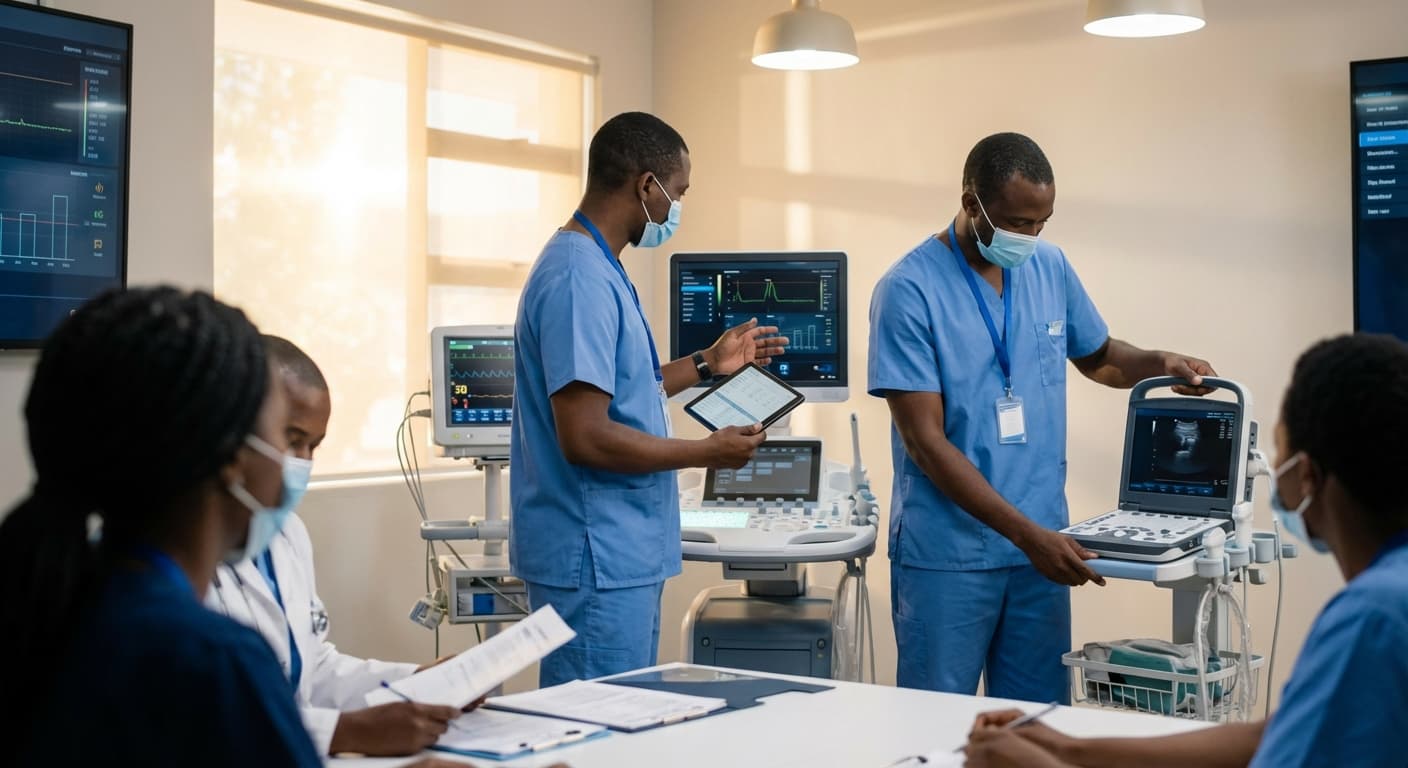
Clinical Needs Assessment for Medical Equipment in Ivory Coast
Engineering Excellence & Technical Support
Clinical Needs Assessment for Medical Equipment High-standard technical execution following OEM protocols and local regulatory frameworks.
Data-Driven Needs Prioritization
Leverages a robust data collection framework to identify and quantify critical medical equipment needs based on disease prevalence, patient demographics, and existing infrastructure gaps across different health regions in Ivory Coast.
Contextualized Equipment Suitability Analysis
Employs a multi-faceted approach to assess the appropriateness of equipment, considering local technical expertise, availability of spare parts and consumables, power supply reliability, and climate resilience to ensure sustainable and effective utilization.
Stakeholder-Informed Procurement Strategy
Facilitates collaborative engagement with healthcare providers, Ministry of Health officials, local distributors, and international partners to align equipment recommendations with budgetary constraints and national health priorities for optimized resource allocation.
What Is Clinical Needs Assessment For Medical Equipment In Ivory Coast?
A Clinical Needs Assessment for Medical Equipment in Ivory Coast is a systematic and comprehensive process designed to identify, prioritize, and quantify the essential medical equipment required to meet the healthcare demands of specific populations, facilities, or healthcare systems within the nation. This service involves a rigorous evaluation of existing healthcare infrastructure, epidemiological data, disease prevalence, patient demographics, available human resources, and financial constraints. The objective is to ensure that procured medical equipment is not only technologically appropriate and functional but also aligned with the clinical needs, operational capacity, and sustainability goals of the healthcare sector in Ivory Coast. It serves as a foundational step for strategic investment in medical technology, aiming to optimize healthcare delivery, improve patient outcomes, and enhance the overall efficiency and accessibility of healthcare services.
| Who Needs It? | Typical Use Cases |
|---|---|
| Ministry of Health/Public Health Authorities: For national health sector planning, resource allocation, and the development of national medical equipment strategies and procurement policies. | Developing national procurement plans for essential medical equipment across public health facilities. Identifying priority areas for investment in medical technology based on national health burdens. Establishing guidelines for equipment acquisition and deployment. |
| Regional Health Directorates: To assess and address the specific medical equipment needs of healthcare facilities within their administrative regions. | Planning equipment upgrades for regional hospitals. Allocating budget for new equipment to peripheral health centers. Identifying deficiencies in specialized diagnostic or treatment equipment at the regional level. |
| Individual Healthcare Facilities (Hospitals, Clinics, Specialized Centers): To justify investment, plan for upgrades, and ensure their equipment aligns with their service offerings and patient populations. | Planning for the acquisition of new surgical equipment for an operating theater. Assessing the need for advanced imaging technology (e.g., MRI, CT scanner). Determining the required quantity and type of laboratory diagnostic equipment. |
| Non-Governmental Organizations (NGOs) and International Aid Agencies: To inform their targeted interventions and ensure the sustainability of donated medical equipment. | Assessing the equipment needs of specific communities or regions to be supported by humanitarian aid. Ensuring that donated equipment is appropriate for the local context and can be maintained. Planning for training programs for local staff to operate and repair equipment. |
| Private Healthcare Providers: To optimize their service offerings, maintain competitiveness, and ensure compliance with evolving healthcare standards. | Planning for the expansion of a private hospital's services. Investing in specialized medical equipment to offer new diagnostic or therapeutic options. Conducting due diligence before acquiring existing healthcare facilities. |
| Manufacturers and Suppliers of Medical Equipment: To understand market demands, tailor product offerings, and develop effective sales and support strategies in Ivory Coast. | Identifying market gaps for specific types of medical devices. Developing marketing strategies based on identified clinical needs and budget constraints. Planning for the establishment of local service and support networks. |
| Research Institutions and Academia: To identify areas for research and development and to inform curriculum development related to medical technology and healthcare management. | Identifying needs for specific research equipment. Understanding the technological landscape of healthcare in Ivory Coast for educational purposes. |
Key Components of a Clinical Needs Assessment for Medical Equipment in Ivory Coast
- Facility and Infrastructure Analysis: Evaluating existing healthcare facilities (hospitals, clinics, health centers), their current capacity, architectural suitability for specific equipment, power supply reliability, water availability, and waste management systems.
- Clinical Service Mapping: Identifying and profiling all current and planned clinical services offered at the target facilities, including diagnostics, therapeutics, surgical specialties, intensive care, emergency medicine, and primary healthcare.
- Epidemiological and Demographic Profiling: Analyzing local and national health statistics, disease prevalence, incidence rates, mortality and morbidity patterns, and demographic trends to understand the specific health challenges and patient volumes.
- Human Resource Capacity Assessment: Evaluating the availability, skill level, and training needs of healthcare professionals (physicians, nurses, technicians) who will operate and maintain the equipment.
- Equipment Inventory and Gap Analysis: Documenting existing medical equipment, its condition, functionality, and utilization rates, followed by a detailed comparison against identified clinical needs to determine gaps.
- Technology Evaluation and Selection Criteria: Defining criteria for selecting appropriate medical technologies, considering factors such as clinical efficacy, safety, cost-effectiveness, maintainability, integration with existing systems, and availability of local support and spare parts.
- Operational and Maintenance Planning: Assessing the requirements for ongoing maintenance, calibration, repair services, spare parts, and consumables, including the identification of potential service providers and their capabilities.
- Financial and Procurement Strategy: Estimating the capital expenditure and operational costs associated with equipment procurement, installation, training, and maintenance, and aligning these with available budgets and funding mechanisms.
- Regulatory and Compliance Review: Ensuring that proposed equipment meets national and international safety, quality, and performance standards and complies with Ivory Coast's healthcare regulations.
- Sustainability and Scalability Assessment: Evaluating the long-term viability of the equipment, including its ability to adapt to evolving clinical practices and potential future expansion of services.
Who Needs Clinical Needs Assessment For Medical Equipment In Ivory Coast?
Clinical needs assessment for medical equipment in Ivory Coast is a crucial process for ensuring that healthcare facilities have the right tools to provide effective patient care. This assessment identifies current equipment gaps, evaluates the suitability of existing equipment, and prioritizes future acquisitions based on clinical demands, disease prevalence, and healthcare goals. It's a cornerstone for efficient resource allocation, preventing over- or under-stocking of equipment, and ultimately improving health outcomes for the Ivorian population.
| Department/Unit | Key Needs Assessment Focus | Examples of Equipment Categories |
|---|---|---|
| Emergency Room/Trauma Center | Immediate life-saving interventions, patient stabilization, critical care monitoring | Defibrillators, ventilators, advanced cardiac life support (ACLS) carts, trauma kits, imaging (portable X-ray, ultrasound) |
| Intensive Care Unit (ICU) | Continuous critical patient monitoring, advanced life support, respiratory and hemodynamic management | Mechanical ventilators, advanced patient monitors (ECG, SpO2, NIBP, invasive BP), infusion pumps, dialysis machines, specialized beds |
| Surgical Departments (General Surgery, Orthopedics, Gynecology, etc.) | Sterile environment equipment, surgical instruments, anesthesia delivery, post-operative care | Surgical lights, operating tables, anesthesia machines, electrocautery units, surgical instrument sets, patient warming blankets |
| Maternity and Neonatal Units | Safe delivery support, newborn resuscitation, intensive care for premature and sick infants | Delivery tables, fetal dopplers, incubators, radiant warmers, phototherapy units, neonatal ventilators, resuscitation equipment |
| Diagnostic Imaging (Radiology, Ultrasound) | Accurate diagnostic imaging for a wide range of conditions | X-ray machines (fixed and portable), CT scanners, MRI scanners, ultrasound machines (general and specialized probes), PACS systems |
| Laboratory Services | Accurate and timely diagnostic testing for blood, urine, and other samples | Microscopes, centrifuges, automated analyzers (hematology, chemistry, immunoassay), PCR machines, biosafety cabinets |
| Outpatient Clinics/General Practice | Routine examinations, basic diagnostic procedures, minor treatment | Stethoscopes, blood pressure monitors, otoscopes, ophthalmoscopes, ECG machines (basic), examination tables, minor procedure kits |
| Rehabilitation and Physiotherapy | Restoration of physical function, pain management, mobility improvement | Therapy mats, exercise equipment (weights, resistance bands), electrotherapy devices (TENS, ultrasound), massage tables |
| Pharmacy | Safe storage and dispensing of medications, preparation of sterile solutions | Refrigerators, dispensing cabinets, compounding equipment (if applicable) |
Target Customers for Clinical Needs Assessment:
- Public Hospitals and Health Centers
- Private Clinics and Hospitals
- Non-Governmental Organizations (NGOs) involved in healthcare delivery
- Specialized Medical Centers (e.g., maternity, pediatric, oncology)
- Research and Training Institutions with clinical components
Clinical Needs Assessment For Medical Equipment Process In Ivory Coast
This document outlines the clinical needs assessment process for medical equipment in Ivory Coast, detailing the workflow from initial inquiry to the final execution of procurement. The process is designed to ensure that medical facilities acquire equipment that is appropriate for their specific clinical needs, sustainable to operate, and aligns with national healthcare priorities. This systematic approach minimizes the risk of acquiring obsolete, underutilized, or inappropriate technology.
| Stage | Description | Key Activities | Responsible Parties | Deliverables/Outputs |
|---|---|---|---|---|
| Inquiry & Initial Request | The process begins when a healthcare facility or a relevant ministry identifies a need for new or upgraded medical equipment. | Formal request submission, outlining perceived needs and justification. | Healthcare Facility Management, Ministry of Health (MoH) Planning Department. | Initial request document. |
| Needs Identification & Prioritization | A detailed assessment to understand the current and future clinical requirements, patient population, and service offerings. | Clinical needs assessment surveys, interviews with healthcare professionals, review of patient data, analysis of disease prevalence, assessment of existing equipment. | Clinical Needs Assessment Team (composed of clinicians, technicians, MoH representatives), Facility Staff. | Detailed clinical needs report, prioritized list of equipment requirements with justification, gap analysis report. |
| Technical Specification Development | Translating clinical needs into precise technical requirements for the equipment. | Defining performance standards, essential features, compatibility requirements (e.g., with existing infrastructure, IT systems), safety standards, consumables, and spare parts. | Technical Specifications Committee (engineers, biomedical technicians, MoH procurement specialists), Procurement Department. | Approved technical specifications document for each required equipment item. |
| Budgetary Review & Funding Allocation | Determining the financial feasibility of acquiring the identified equipment and securing necessary funds. | Cost estimation (including purchase, installation, training, maintenance, consumables), budget proposal, funding source identification (government budget, donor grants, etc.), budget approval. | MoH Finance Department, Budget Office, Project Steering Committee, Funding Agencies. | Approved budget for the equipment procurement project, funding commitment. |
| Procurement Process Initiation | Launching the formal tendering and selection process based on the approved specifications and budget. | Preparation of tender documents (RFP/RFQ), advertisement of tender, pre-bid meetings, receipt and evaluation of bids. | MoH Procurement Department, Tender Committee, Legal Department. | Published tender notices, received bids, bid evaluation reports. |
| Equipment Selection & Acquisition | Choosing the most suitable equipment based on technical compliance, quality, cost-effectiveness, and supplier reliability. | Technical and financial evaluation of bids, supplier negotiation, contract awarding, order placement. | Tender Committee, Procurement Department, Legal Department, MoH Technical Experts. | Signed contract with supplier, purchase order. |
| Installation & Training | Ensuring the equipment is correctly installed and that relevant personnel are adequately trained to operate and maintain it. | Equipment delivery, site preparation, installation by supplier technicians, functional testing, user training, maintenance training. | Supplier Technicians, Biomedical Engineers, Clinical Staff, Training Department. | Installed and functional equipment, training certificates, installation reports. |
| Post-Installation Evaluation & Maintenance Planning | Verifying that the acquired equipment meets the initial needs and establishing sustainable maintenance strategies. | Performance monitoring, user feedback collection, establishment of maintenance schedules, spare parts inventory management, service contracts. | Biomedical Engineering Department, Facility Management, MoH Quality Assurance Unit. | Post-installation evaluation report, maintenance plan, initial spare parts list. |
| Reporting & Documentation | Maintaining comprehensive records throughout the entire process for accountability and future reference. | Documenting all stages, decisions, expenditures, and outcomes; preparing final project reports for stakeholders. | Project Management Team, MoH Records Department, Audit Department. | Complete project file, final project report, lessons learned documentation. |
Workflow Stages for Medical Equipment Needs Assessment in Ivory Coast
- Inquiry & Initial Request
- Needs Identification & Prioritization
- Technical Specification Development
- Budgetary Review & Funding Allocation
- Procurement Process Initiation
- Equipment Selection & Acquisition
- Installation & Training
- Post-Installation Evaluation & Maintenance Planning
- Reporting & Documentation
Clinical Needs Assessment For Medical Equipment Cost In Ivory Coast
This document presents a clinical needs assessment for medical equipment cost in Ivory Coast, focusing on key pricing factors and providing estimated ranges in the local currency, West African CFA franc (XOF). Understanding these costs is crucial for healthcare providers, procurement agencies, and policymakers to make informed decisions regarding equipment acquisition, maintenance, and budget allocation. The assessment considers a range of essential medical equipment across different clinical specialties, acknowledging that exact pricing can fluctuate based on numerous variables.
| Medical Equipment Category | Example Item | Estimated Price Range (XOF) | Notes on Range |
|---|---|---|---|
| Diagnostic Imaging | Basic Portable Ultrasound Machine | 2,500,000 - 8,000,000 | New, entry-level to mid-range models. Excludes high-end specialized units. |
| Diagnostic Imaging | X-Ray Machine (Stationary, Digital) | 10,000,000 - 30,000,000 | New, including basic digital radiography systems. CT scanners and MRI machines are significantly higher. |
| Laboratory Equipment | Automated Hematology Analyzer (20-30 Parameters) | 3,000,000 - 15,000,000 | New, mid-range capacity. Reagent costs are additional. |
| Laboratory Equipment | Microscope (Binocular, Basic) | 200,000 - 700,000 | New, for general microscopy. Higher magnification and advanced features increase cost. |
| Surgical Equipment | Basic Surgical Instrument Set (e.g., General Surgery) | 500,000 - 2,000,000 | New, for common procedures. Specialized sets can be much more expensive. |
| Surgical Equipment | Anesthesia Machine (Basic) | 4,000,000 - 12,000,000 | New, with essential monitoring capabilities. Advanced ventilators are higher. |
| Patient Monitoring | Vital Signs Monitor (Non-invasive) | 800,000 - 3,000,000 | New, for basic monitoring (BP, SpO2, HR, Temp). ECG capabilities add cost. |
| Patient Monitoring | ICU Ventilator (Basic) | 6,000,000 - 18,000,000 | New, for critical care support. Advanced modes increase price. |
| Emergency and Resuscitation | Defibrillator/AED (Automated External Defibrillator) | 700,000 - 2,500,000 | New, semi-automatic or fully automatic. Manual defibrillators are typically higher. |
| Emergency and Resuscitation | Ambulance Stretcher | 300,000 - 1,000,000 | New, manual or electric models. Basic to intermediate features. |
| General Hospital Furniture | Hospital Bed (Manual, Adjustable) | 150,000 - 500,000 | New, basic to semi-electric models. Full electric beds are higher. |
| General Hospital Furniture | Medical Trolley/Cart | 100,000 - 400,000 | New, various sizes and configurations (e.g., instrument cart, anaesthesia cart). |
Key Pricing Factors for Medical Equipment in Ivory Coast
- Brand and Manufacturer Reputation: Well-established international brands with a proven track record for reliability and after-sales service often command higher prices compared to generic or emerging manufacturers.
- New vs. Refurbished/Used Equipment: New equipment represents the highest initial cost but offers full warranty and latest technology. Refurbished or used equipment can significantly reduce upfront investment but may come with shorter warranties and a higher risk of immediate maintenance needs.
- Technical Specifications and Features: Advanced functionalities, higher precision, greater diagnostic capabilities, and integrated software solutions will inherently increase the cost of a given piece of equipment.
- Country of Origin and Import Duties: The origin of the equipment can influence shipping costs and import duties levied by the Ivorian government, impacting the final landed price.
- Supplier and Distributor Markup: Local distributors and agents add their margins, which can vary depending on their business model, operational costs, and market competition.
- Warranty and After-Sales Support: Comprehensive warranty periods and reliable after-sales service, including installation, training, and maintenance contracts, are factored into the price. Poor local support can lead to higher long-term operational costs.
- Currency Exchange Rates: Fluctuations in the XOF against major currencies (e.g., USD, EUR) can directly affect the cost of imported equipment.
- Volume Discounts and Procurement Agreements: Larger orders or long-term contracts with suppliers can often lead to negotiated discounts.
- Market Demand and Availability: High demand for specific equipment coupled with limited local supply can drive up prices.
- Regulatory Compliance and Certification: Equipment meeting international (e.g., CE, FDA) and potentially local Ivorian standards may have higher manufacturing costs.
Affordable Clinical Needs Assessment For Medical Equipment Options
Securing adequate medical equipment is a cornerstone of effective healthcare delivery, yet budget constraints often pose a significant challenge. This assessment focuses on affordable clinical needs evaluation, highlighting strategies to maximize value and minimize costs. We'll explore 'value bundles' – packages of equipment and services designed for optimal cost-effectiveness – and delve into practical cost-saving measures applicable across various medical equipment acquisition and maintenance scenarios. Prioritizing essential equipment, negotiating bulk discounts, considering refurbished or leased options, and implementing robust preventative maintenance programs are key to achieving affordability without compromising patient care.
| Value Bundle Concept | Description | Cost-Saving Mechanism |
|---|---|---|
| Integrated Diagnostic Suites | Bundled packages including imaging equipment (e.g., X-ray, ultrasound), associated software, installation, and initial training. | Reduced per-unit cost through bulk negotiation; streamlined installation and training reduces project management overhead. |
| Patient Monitoring Systems with Telemetry | Combined purchase of bedside monitors, central monitoring stations, and wireless telemetry units, often with integrated EMR compatibility. | Volume discounts; reduced cabling and installation complexity; potential for remote patient monitoring reducing staff on floors. |
| Surgical Instrument Sets with Maintenance Plans | Purchasing complete sets of surgical instruments bundled with a multi-year preventative maintenance and repair contract. | Lower initial purchase price; predictable maintenance costs; extended instrument lifespan; reduced downtime. |
| Anesthesia Machine & Ventilator Packages | Bundled acquisition of anesthesia machines and ventilators, including calibration, service contracts, and essential accessories. | Economies of scale in procurement; bundled service ensures optimal performance and safety; reduced administrative burden of separate contracts. |
| Sterilization & Disinfection Equipment Solutions | Comprehensive offering including autoclaves, instrument washers, and sterile processing consumables, often with integrated software for tracking. | Discounted pricing on interconnected systems; improved workflow efficiency; reduced risk of reprocessing errors. |
Key Cost-Saving Strategies for Medical Equipment
- Prioritize essential equipment based on current and projected clinical needs.
- Negotiate bulk purchase discounts with suppliers for multiple items.
- Explore options for high-quality refurbished medical equipment.
- Consider leasing medical equipment instead of outright purchase for certain items.
- Implement a proactive preventative maintenance program to extend equipment lifespan and reduce repair costs.
- Standardize equipment where possible to simplify training, maintenance, and parts inventory.
- Utilize technology for remote monitoring and diagnostics to reduce on-site service calls.
- Invest in staff training for proper equipment operation and care to prevent damage.
- Regularly review equipment utilization to identify underused or obsolete assets.
- Collaborate with other healthcare facilities to share purchasing power or equipment.
Verified Providers In Ivory Coast
In the pursuit of quality healthcare, identifying verified providers is paramount. In Ivory Coast, Franance Health stands out as a beacon of trust and excellence, offering a comprehensive suite of services backed by rigorous credentialing and an unwavering commitment to patient well-being. Their verified status is not merely a formality; it represents a deep-seated dedication to upholding the highest international standards of medical practice, ensuring that patients receive safe, effective, and compassionate care. Choosing Franance Health means opting for peace of mind, knowing you are in the hands of professionals whose qualifications and ethical conduct have been thoroughly scrutinized and validated.
| Service Area | Key Credentialed Specialties | Benefits of Choosing Verified Providers |
|---|---|---|
| Primary Care | General Practitioners, Family Medicine Physicians | Accurate diagnoses, personalized treatment plans, proactive health management. |
| Specialty Medicine | Cardiologists, Dermatologists, Pediatricians, Gynecologists, Ophthalmologists, etc. | Expertise in complex conditions, advanced diagnostic capabilities, access to cutting-edge treatments. |
| Surgical Services | General Surgeons, Orthopedic Surgeons, Neurosurgeons, etc. | Highly skilled surgical teams, adherence to sterile protocols, focus on patient recovery and minimizing complications. |
| Diagnostic Imaging | Radiologists, Sonographers (certified technicians) | Precise interpretation of imaging results, utilization of advanced imaging technologies for early detection. |
| Emergency Medicine | Emergency Physicians, Trauma Specialists | Rapid and effective response to medical emergencies, life-saving interventions, stabilization of critical patients. |
Why Franance Health Credentials Matter:
- Rigorous Verification Process: Franance Health undergoes stringent checks of medical licenses, educational qualifications, and professional experience for all its practitioners.
- Adherence to International Standards: Their credentialing aligns with global best practices, ensuring a high level of medical expertise and patient safety.
- Commitment to Continuing Education: Verified providers are committed to ongoing professional development, staying abreast of the latest medical advancements and techniques.
- Patient-Centric Approach: Credentials extend beyond technical skills to encompass ethical conduct, communication, and a focus on individual patient needs.
- Transparency and Trust: The verification process fosters transparency, building essential trust between patients and healthcare providers.
- Access to Specialized Care: Franance Health's network includes verified specialists across a wide range of medical disciplines, offering comprehensive and integrated care.
Scope Of Work For Clinical Needs Assessment For Medical Equipment
This Scope of Work (SOW) outlines the requirements for conducting a comprehensive clinical needs assessment for medical equipment. The objective is to identify, evaluate, and prioritize medical equipment requirements across various clinical departments to ensure alignment with patient care needs, technological advancements, and organizational strategic goals. This assessment will inform procurement decisions, resource allocation, and equipment lifecycle management. The deliverables will include a detailed needs assessment report, equipment specifications, and recommendations for acquisition and implementation.
| Deliverable Name | Description | Format | Timeline |
|---|---|---|---|
| Clinical Needs Assessment Report | A comprehensive report detailing findings from stakeholder interviews, workflow analysis, technology review, and prioritized equipment recommendations. | PDF document | 6 weeks from project initiation |
| Standardized Technical Specifications for Medical Equipment | Detailed specifications for each identified piece of equipment, including functional requirements, performance criteria, safety standards, interoperability needs, and essential accessories. | Microsoft Word/Excel documents, organized by equipment category | 5 weeks from project initiation (concurrent with Report drafting) |
| Equipment Prioritization Matrix | A matrix outlining prioritized medical equipment based on clinical impact, urgency, cost-effectiveness, and strategic alignment. | Microsoft Excel document | 6 weeks from project initiation |
| Recommendations for Acquisition and Implementation | Guidance on procurement strategies, vendor selection criteria, training requirements, installation protocols, and integration with existing systems. | Microsoft Word document | 6 weeks from project initiation |
Key Activities and Deliverables
- Conduct stakeholder interviews with clinical staff, department heads, and administrative personnel.
- Review existing medical equipment inventory, utilization data, and maintenance records.
- Analyze clinical workflows and patient care pathways to identify current and future equipment needs.
- Research emerging medical technologies and best practices relevant to the organization.
- Develop detailed technical specifications for identified medical equipment.
- Assess equipment compatibility with existing infrastructure (IT, power, etc.).
- Evaluate potential vendors and their offerings.
- Provide recommendations for equipment prioritization, acquisition strategy, and implementation plan.
- Prepare a comprehensive Clinical Needs Assessment Report summarizing findings and recommendations.
Service Level Agreement For Clinical Needs Assessment For Medical Equipment
This Service Level Agreement (SLA) outlines the performance standards for the Clinical Needs Assessment service provided by [Your Company Name] for medical equipment procurement. It defines the expected response times for critical requests and the uptime guarantees for the assessment platform.
| Service Element | Service Level Objective (SLO) | Measurement Method | Remedy for Non-Compliance |
|---|---|---|---|
| Initial Response to Critical Needs Assessment Request (e.g., emergency purchase) | Within 4 business hours | Timestamp of request receipt vs. timestamp of acknowledgement/initiation of assessment | 10% discount on the subsequent assessment fee for the affected project. |
| Initial Response to Standard Needs Assessment Request | Within 2 business days | Timestamp of request receipt vs. timestamp of acknowledgement/initiation of assessment | Acknowledgement and a revised timeline for completion within 1 business day. |
| Delivery of Draft Needs Assessment Report | Within 5 business days (post-initial response for standard requests) | Timestamp of request receipt vs. timestamp of report delivery | 5% discount on the assessment fee for the affected project. |
| Needs Assessment Platform Uptime | 99.5% uptime (calculated monthly) | Monitoring of platform availability via automated tools, excluding scheduled maintenance windows. | For every hour of downtime exceeding the guaranteed uptime within a month, a credit of 0.5% of the monthly platform access fee will be applied. |
| Scheduled Maintenance | Announced with at least 72 hours' notice, typically during off-peak hours (e.g., weekends, evenings). | Notification logs and recorded maintenance windows. | N/A (Scheduled maintenance is excluded from uptime calculations). |
Key Service Components
- Clinical Needs Assessment: The process of evaluating clinical requirements to determine the appropriate medical equipment specifications.
- Response Times: The maximum acceptable delay between a service request and the commencement of an appropriate action.
- Uptime Guarantees: The minimum percentage of time the assessment platform is available and operational.
Frequently Asked Questions

Ready when you are
Let's scope your Clinical Needs Assessment for Medical Equipment in Ivory Coast project in Ivory Coast.

Scaling healthcare logistics and technical systems across the entire continent.