
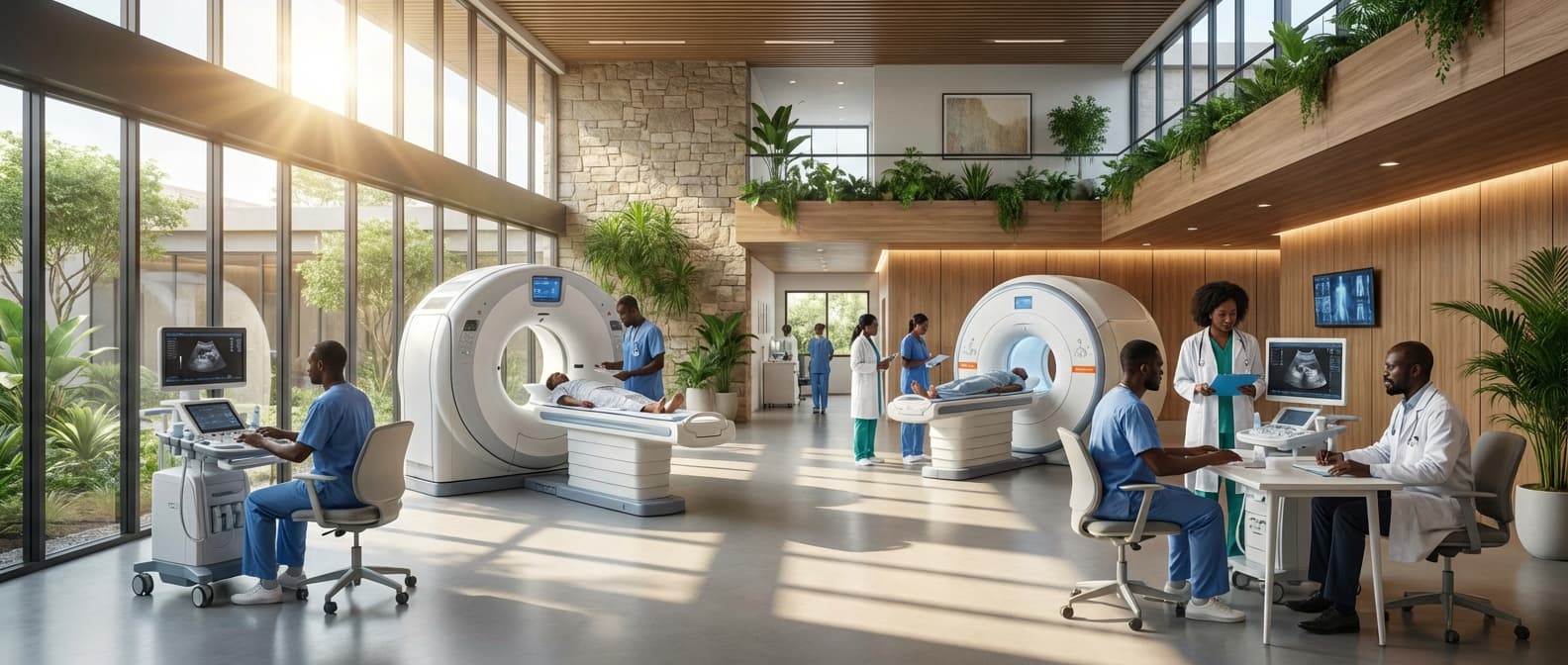
Endoscopy Solutions in Ivory Coast
Engineering Excellence & Technical Support
Advanced endoscopic equipment delivering superior visualization and diagnostic precision for minimally invasive procedures. High-standard technical execution following OEM protocols and local regulatory frameworks.
Advanced Diagnostic Visualization
Leveraging state-of-the-art endoscopic imaging technology, we provide unparalleled clarity for early detection and precise diagnosis of gastrointestinal and respiratory conditions in Ivory Coast.
Minimally Invasive Therapeutic Procedures
Our specialized endoscopic solutions empower Ivorian healthcare professionals to perform a range of minimally invasive treatments, reducing patient recovery time and improving outcomes for various digestive and pulmonary diseases.
Enhanced Workflow Efficiency
We offer integrated endoscopic systems designed for optimal workflow in Ivorian clinics and hospitals, streamlining examination processes and ensuring efficient patient throughput with reliable, user-friendly technology.
What Is Endoscopy Solutions In Ivory Coast?
Endoscopy Solutions in Ivory Coast refer to the provision of diagnostic and therapeutic procedures utilizing endoscopes for the examination and treatment of internal body cavities and organs. These solutions encompass the deployment of specialized medical equipment, trained personnel, and established protocols to visualize and intervene within the gastrointestinal tract, respiratory system, urinary tract, and other internal anatomical structures. The objective is to facilitate accurate diagnosis, minimally invasive interventions, and improved patient outcomes.
| Who Needs Endoscopy Solutions? | Typical Use Cases | Examples of Procedures | |
|---|---|---|---|
| Patients presenting with symptoms suggestive of gastrointestinal disorders (e.g., abdominal pain, dysphagia, chronic diarrhea, rectal bleeding, unexplained weight loss). | Screening for colorectal cancer and precancerous lesions. | Esophagogastroduodenoscopy (EGD) for upper GI issues. | Colonoscopy for lower GI issues. |
| Individuals with respiratory complaints such as persistent cough, hemoptysis, or suspected lung infections. | Diagnosis and staging of lung cancer and other pulmonary diseases. | Bronchoscopy for examination of airways and lungs. | |
| Patients experiencing urinary tract symptoms like hematuria, recurrent infections, or voiding difficulties. | Evaluation of the urinary tract for stones, tumors, or strictures. | Cystoscopy and ureteroscopy for bladder and ureter examination. | |
| Patients requiring evaluation of internal organs beyond the GI and respiratory tracts (e.g., in specific surgical or interventional scenarios). | Intraoperative visualization during certain surgical procedures. | Endoscopic Retrograde Cholangiopancreatography (ERCP) for biliary and pancreatic duct issues. | |
| Individuals at higher risk for certain cancers or conditions based on family history or lifestyle factors. | Surveillance of patients with inflammatory bowel disease (IBD) to monitor for complications and dysplasia. | Flexible Sigmoidoscopy for limited examination of the lower colon. |
Key Aspects of Endoscopy Solutions in Ivory Coast
- Diagnostic Imaging: Visualizing internal organs and tissues for the detection of abnormalities such as ulcers, polyps, tumors, inflammation, and strictures.
- Biopsy Acquisition: Obtaining tissue samples for histological examination to confirm diagnoses and determine the nature of pathologies.
- Therapeutic Interventions: Performing procedures like polyp removal (polypectomy), bleeding control (hemostasis), stent placement, dilation of strictures, and foreign body retrieval.
- Minimally Invasive Surgery: Utilizing endoscopic techniques to avoid open surgical procedures, leading to reduced recovery times and complications.
- Advanced Visualization Technologies: Employing high-definition imaging, magnification, and chromoendoscopy for enhanced diagnostic capabilities.
- Ancillary Services: Including sedation, anesthesia, specimen handling, and post-procedure patient monitoring.
Who Needs Endoscopy Solutions In Ivory Coast?
Endoscopy plays a crucial role in the diagnosis and treatment of a wide range of gastrointestinal and respiratory conditions. In Ivory Coast, as healthcare infrastructure and awareness of advanced diagnostic procedures grow, there is an increasing need for specialized endoscopy solutions. These solutions are vital for hospitals and clinics aiming to provide accurate, minimally invasive, and effective patient care.
| Target Department | Key Needs and Applications | Endoscopy Solutions Required |
|---|---|---|
| Gastroenterology Department | Diagnosis and treatment of diseases affecting the esophagus, stomach, small intestine, and colon. This includes conditions like ulcers, gastritis, inflammatory bowel disease (IBD), polyps, and early-stage cancers. Screening for colorectal cancer is also a significant application. | Gastroscopes (OGD), Colonoscopes, Duodenoscopes, Sigmoidoscopes. Therapeutic accessories such as polypectomy snares, biopsy forceps, dilators, and injection needles. Imaging systems and recording devices. |
| Pulmonology Department | Diagnosis and treatment of lung and airway diseases. This involves investigating persistent cough, shortness of breath, hemoptysis, and suspected lung infections or tumors. Bronchoscopy is key for biopsies and clearing airways. | Bronchoscopes (flexible and rigid), specialized brushes and biopsy tools for the lungs. Therapeutic accessories for airway management and lesion removal. Imaging and documentation systems. |
| Oncology Department | Crucial for early detection, staging, and surveillance of gastrointestinal and lung cancers. Endoscopic procedures allow for targeted biopsies, tumor visualization, and even minimally invasive treatment of certain early-stage cancers. | Gastrointestinal endoscopes, colonoscopes, bronchoscopes with advanced imaging capabilities (e.g., NBI - Narrow Band Imaging) for enhanced lesion detection. Endoscopic ultrasound (EUS) for staging and biopsy of lesions near the GI tract. |
| Surgery Department (Minimally Invasive Surgery) | While not primary endoscopy users, surgeons may utilize specialized endoscopic techniques or collaborate with gastroenterologists/pulmonologists for combined procedures. Some laparoscopic procedures may also integrate endoscopic elements. | Accessory instruments for combined procedures, potentially specialized flexible scopes for certain laparoscopic interventions. |
| Emergency Department | For immediate diagnosis of acute conditions like upper GI bleeding, foreign body retrieval, or acute airway obstruction. | Rapidly deployable gastroscopes and bronchoscopes, relevant accessories for emergency interventions. |
Target Customers for Endoscopy Solutions in Ivory Coast
- Public Hospitals: Central hospitals, regional hospitals, and university hospitals that serve a large patient population and are often at the forefront of adopting new medical technologies.
- Private Clinics and Hospitals: Well-equipped private healthcare facilities catering to a demographic that demands advanced diagnostic and treatment options.
- Specialized Medical Centers: Centers focusing on gastroenterology, pulmonology, or oncology will have a direct and high demand for endoscopy.
- Diagnostic Laboratories with Imaging Facilities: Some advanced diagnostic centers may integrate endoscopy services to offer comprehensive diagnostic packages.
- Medical Training Institutions: Teaching hospitals and medical schools require state-of-the-art endoscopy equipment for training future healthcare professionals.
Endoscopy Solutions Process In Ivory Coast
This document outlines the typical workflow for Endoscopy Solutions in Ivory Coast, from the initial client inquiry to the successful execution of the service. This process is designed to ensure clarity, efficiency, and client satisfaction.
| Stage | Description | Key Activities | Responsible Party |
|---|---|---|---|
| Inquiry & Consultation | Initial contact from a potential client seeking endoscopy services. | Client expresses interest, provides basic information about their needs (e.g., type of endoscopy, location, urgency). Initial discussion to understand general requirements. | Client, Sales Representative/Customer Service |
| Needs Assessment & Quotation | Detailed evaluation of the client's specific requirements and development of a tailored service proposal. | Technical assessment of the required equipment and expertise. Discussion of specific procedures, patient volume, and logistical considerations. Preparation of a detailed quotation including scope of work, equipment, personnel, and costs. | Technical Specialist, Sales Representative, Client |
| Service Agreement & Scheduling | Formalization of the service agreement and booking of the endoscopy session. | Review and signing of the service contract/agreement. Confirmation of dates, times, and location. Negotiation of payment terms. | Client, Legal/Contract Department, Operations Manager |
| Pre-Procedure Preparation | Ensuring all necessary resources and logistics are in place before the procedure. | Mobilization of endoscopy equipment and consumables. Deployment of trained medical personnel. Confirmation of site readiness (power, space, access). Pre-procedure communication with the client regarding any specific patient preparation requirements. | Operations Manager, Logistics Team, Medical Team, Client |
| On-Site Execution | The actual performance of the endoscopy procedures. | Set-up of endoscopy equipment. Performance of procedures by qualified medical professionals. Real-time monitoring of patient status. Strict adherence to safety and sterilization protocols. | Medical Team, On-site Coordinator |
| Post-Procedure Reporting & Follow-up | Documentation of the procedures and addressing any immediate client concerns. | Generation of detailed procedural reports, including findings and recommendations. Debrief with the client on the outcome of the procedures. Addressing any immediate post-procedure questions or issues. | Medical Team, On-site Coordinator, Client |
| Billing & Payment | Finalizing financial transactions. | Issuance of invoices based on the service agreement. Processing of payments from the client. Resolution of any billing discrepancies. | Finance Department, Client |
Endoscopy Solutions Workflow Stages
- Inquiry & Consultation
- Needs Assessment & Quotation
- Service Agreement & Scheduling
- Pre-Procedure Preparation
- On-Site Execution
- Post-Procedure Reporting & Follow-up
- Billing & Payment
Endoscopy Solutions Cost In Ivory Coast
The cost of endoscopy procedures in Ivory Coast can vary significantly depending on several factors. These include the type of endoscopy (gastroscopy, colonoscopy, etc.), the complexity of the procedure, the location and reputation of the clinic or hospital, the expertise of the endoscopist, and whether additional diagnostic tests or treatments are performed during the endoscopy. Generally, private clinics and hospitals tend to have higher costs than public institutions, though the availability of advanced equipment and shorter waiting times might justify the difference for some patients. It's crucial for patients to inquire about all potential costs upfront, including pre-procedure consultations, the procedure itself, any biopsies taken, and post-procedure follow-ups.
| Procedure Type | Estimated Price Range (XOF) | Notes |
|---|---|---|
| Gastroscopy (Upper Endoscopy) | 75,000 - 150,000 | Includes consultation and basic procedure. Biopsies extra. |
| Colonoscopy (Lower Endoscopy) | 100,000 - 200,000 | Includes consultation and basic procedure. Biopsies extra. |
| Combined Gastroscopy and Colonoscopy | 150,000 - 300,000 | Often offered as a package. Sedation may be extra. |
| Bronchoscopy | 120,000 - 250,000 | Cost varies based on indication and need for intervention. |
| Biopsy Analysis (per sample) | 15,000 - 30,000 | Sent to pathology lab for examination. |
| Sedation/Anesthesia Fee | 20,000 - 50,000 | May be charged separately by the anesthesiologist. |
Key Factors Influencing Endoscopy Costs:
- Type of Endoscopy (Gastroscopy, Colonoscopy, Bronchoscopy, etc.)
- Clinic/Hospital Type (Public vs. Private, Reputation)
- Endoscopist's Experience and Specialization
- Inclusion of Sedation or Anesthesia
- Need for Biopsies or Minor Interventions
- Additional Diagnostic Tests (e.g., pathology analysis)
- Location within Ivory Coast (Abidjan often has higher costs)
- Urgency of the Procedure
Affordable Endoscopy Solutions Options
Seeking affordable endoscopy solutions can be a significant concern for healthcare providers and patients alike. Fortunately, several strategies and offerings are available to reduce the cost of these essential diagnostic procedures. Understanding the concept of 'value bundles' and implementing proactive cost-saving measures can lead to substantial financial benefits without compromising the quality of care.
| Strategy/Option | Description | Cost-Saving Benefit | Considerations |
|---|---|---|---|
| Value Bundles | Pre-negotiated packages that combine the cost of the endoscope, accessories, disposables, and sometimes even the procedure itself into a single price. These are often offered by manufacturers or specialized service providers. | Predictable costs, bulk discounts, reduced administrative overhead in procurement. | Requires careful review of included items, potential for over- or under-utilization of bundled components, need for strong negotiation skills. |
| Cost-Saving Strategies | Proactive approaches to reduce expenditure throughout the endoscopy process. | Reduced overall operational costs, improved profitability, enhanced patient affordability. | Requires a comprehensive understanding of the endoscopy workflow and market dynamics. |
| Refurbished Endoscopes | Purchasing endoscopes that have been previously used but have undergone thorough inspection, repair, and certification by specialized companies. | Significantly lower upfront capital investment compared to new equipment. | Ensure rigorous certification standards, availability of ongoing maintenance and repair, potential for shorter warranty periods. |
| Group Purchasing Organizations (GPOs) | Organizations that aggregate the purchasing power of multiple healthcare facilities to negotiate volume discounts on medical supplies, equipment, and services, including those related to endoscopy. | Leverages collective bargaining power for substantial price reductions on disposables, accessories, and even equipment. | Membership fees may apply, need to ensure the GPO's contracts align with your specific needs. |
| Leasing or Financing Options | Instead of outright purchasing expensive endoscopy equipment, facilities can opt for leasing agreements or specialized financing plans, spreading the cost over time. | Lower initial capital outlay, predictable monthly payments, access to newer technology without the burden of full ownership. | Long-term costs can be higher than purchasing, terms and conditions of leases need careful evaluation. |
| Vendor Consolidation & Negotiation | Streamlining the number of vendors used for endoscopy supplies and negotiating more favorable terms based on volume and long-term commitment. | Bulk discounts, reduced administrative burden for managing multiple vendors, stronger negotiation leverage. | Requires careful analysis of vendor offerings and potential supply chain risks. |
| Efficient Procedural Planning | Optimizing scheduling, staff allocation, and resource utilization to minimize procedure turnaround time and reduce waste of consumables. | Reduced labor costs per procedure, decreased consumption of single-use items, higher throughput. | Requires robust operational management and data analysis to identify inefficiencies. |
Key Affordable Endoscopy Solutions Options
- Value Bundles: Negotiated packages of services and supplies.
- Refurbished Equipment: Cost-effective acquisition of pre-owned, certified endoscopes.
- Outpatient Centers: Often offer lower costs than hospitals for elective procedures.
- Group Purchasing Organizations (GPOs): Leverage collective buying power for discounts.
- Technology Leasing: Avoid large upfront capital expenditure for new equipment.
- Strategic Vendor Partnerships: Negotiate better pricing through long-term commitments.
- Efficient Workflow Optimization: Minimize procedure time and resource utilization.
- Telehealth Integration: For follow-ups and consultations, reducing in-person visits.
Verified Providers In Ivory Coast
In the pursuit of quality healthcare, identifying and trusting medical providers is paramount. In Ivory Coast, the "Verified Providers" initiative, championed by Franance Health, offers a robust framework for ensuring patients receive competent and ethical medical care. Franance Health's rigorous credentialing process goes beyond standard licensing, meticulously evaluating practitioners across a spectrum of critical areas. This commitment to verification provides a vital layer of assurance for individuals seeking medical services.
| Credential Category | Franance Health Verification Focus | Patient Benefit |
|---|---|---|
| Education & Training | Validation of degrees, diplomas, residencies, and specialty certifications from accredited institutions. | Ensures providers have the fundamental knowledge and specialized skills required for their practice. |
| Clinical Practice History | Review of professional references, past performance, and areas of expertise. | Confirms practical experience and a proven ability to manage diverse medical cases effectively. |
| Licensure & Regulatory Compliance | Verification of current and valid medical licenses and adherence to national health regulations. | Guarantees providers are legally authorized and operating within established medical standards. |
| Reputation & Patient Feedback | Collection and analysis of patient testimonials and professional peer reviews. | Provides insight into patient satisfaction and a provider's commitment to compassionate care. |
| Specialized Certifications | Confirmation of advanced certifications in specific medical fields or procedures. | Identifies providers with specialized expertise for complex or niche medical needs. |
Key Franance Health Credentials and Why They Matter:
- {"title":"Academic and Professional Qualifications","description":"Franance Health meticulously scrutinizes the educational background and certifications of all providers. This ensures they have undergone recognized training and possess the necessary diplomas and specializations. For patients, this means confidence in the provider's foundational knowledge and expertise."}
- {"title":"Clinical Experience and Competence","description":"Beyond academic achievements, Franance Health assesses a provider's practical experience. This includes their track record in treating various conditions, surgical outcomes, and patient management. This credential is vital for patients seeking experienced and capable practitioners."}
- {"title":"Ethical Conduct and Professionalism","description":"A cornerstone of Franance Health's verification is the evaluation of a provider's ethical standing and professional conduct. This involves background checks and reviews to ensure adherence to medical ethics and patient welfare. Patients can trust that verified providers are committed to their best interests."}
- {"title":"Adherence to Best Practices and Protocols","description":"Franance Health ensures that verified providers consistently follow established medical best practices and treatment protocols. This standardization of care minimizes risks and promotes optimal patient outcomes. For patients, this translates to receiving evidence-based and up-to-date medical treatment."}
- {"title":"Continuing Medical Education (CME)","description":"The medical field is constantly evolving. Franance Health mandates that verified providers engage in ongoing professional development through CME. This commitment to lifelong learning guarantees that practitioners are up-to-date with the latest medical advancements and techniques. Patients benefit from care delivered by forward-thinking professionals."}
Scope Of Work For Endoscopy Solutions
This Scope of Work (SOW) outlines the technical deliverables and standard specifications for the implementation and integration of new endoscopy solutions within the [Client Name/Department] healthcare facility. The primary objective is to enhance diagnostic capabilities, improve patient outcomes, and streamline endoscopic procedures through the adoption of advanced technology and standardized workflows.
| Deliverable Category | Technical Deliverable | Description | Standard Specifications/Requirements | Acceptance Criteria |
|---|---|---|---|---|
| Equipment Procurement | Endoscopy Towers (Video Processor, Light Source, Insufflator) | Provision of advanced endoscopy towers supporting high-definition imaging and efficient procedural functionalities. | Minimum 1080p HD resolution, LED light source with adjustable intensity, gas-based insufflator with adjustable flow rates and pressure, connectivity for multiple endoscopes. | Successful demonstration of all specified features, imaging quality verification, and successful connection to endoscopes. |
| Equipment Procurement | Flexible Endoscopes (Gastroscopes, Colonoscopes, Bronchoscopes, etc.) | Acquisition of a suite of flexible endoscopes designed for various gastrointestinal, pulmonary, and other relevant endoscopic procedures. | High-definition imaging capability (minimum 1080p), appropriate working channel size for instrumentation, adequate angulation range, ergonomic design, compatibility with procured video processors. | Visual inspection for defects, image clarity testing, angulation control verification, compatibility testing with video processor. |
| Equipment Procurement | Imaging and Recording Devices (Workstation, Monitor, Recorder) | Workstations for image acquisition and management, high-resolution monitors for clear visualization, and digital recording devices for procedure documentation. | Minimum 24-inch HD monitor with high contrast ratio, dedicated imaging workstation with sufficient storage, DICOM compliant recording/export functionality. | Demonstration of image capture and playback, successful export of images/videos in DICOM format, monitor calibration and color accuracy verification. |
| System Integration | PACS/EHR Integration Module | Development and implementation of an interface to seamlessly transfer endoscopic images and reports to the hospital's PACS and EHR systems. | DICOM compliance for image transfer, HL7 compliance for demographic and report data, secure data transmission protocols. | Successful transfer of sample images and reports to PACS/EHR, verification of data integrity and accuracy, adherence to security protocols. |
| System Integration | Network Configuration | Configuration of network infrastructure to support real-time data transfer and system connectivity. | Dedicated network ports for endoscopy equipment, adherence to hospital IT security policies, sufficient bandwidth for HD video streaming. | Successful network connectivity testing, verification of data transfer speeds, confirmation of compliance with IT security guidelines. |
| Training | Clinical Staff Training Program | Comprehensive training for physicians, nurses, and technicians on the operation, troubleshooting, and best practices for the new endoscopy solutions. | Hands-on sessions, simulation exercises, theoretical modules covering equipment features, procedural techniques, and safety protocols. | Completion of training modules by all relevant staff, demonstrated proficiency in equipment operation and basic troubleshooting. |
| Training | Technical Staff Training Program | Training for biomedical engineering and IT staff on equipment maintenance, calibration, and advanced troubleshooting. | Detailed technical manuals, hands-on maintenance and repair workshops, understanding of system architecture and integration points. | Demonstrated ability to perform routine maintenance, basic repairs, and system diagnostics. |
| Documentation & Support | User Manuals and Technical Documentation | Provision of comprehensive user manuals, technical guides, and service manuals for all procured equipment and integrated systems. | Clear, concise, and accurate documentation in English, including operating instructions, maintenance procedures, and troubleshooting guides. | Review and approval of all provided documentation by the client's technical team. |
| Documentation & Support | Post-Implementation Support Plan | Definition of support services, including warranty, maintenance agreements, and response times for technical issues. | Minimum 1-year warranty on all equipment, availability of on-site and remote technical support, guaranteed response times for critical issues. | Signed maintenance agreement, clear definition of support tiers and service level agreements (SLAs). |
| Workflow Optimization | Standard Operating Procedures (SOPs) | Development and implementation of standardized SOPs for all aspects of endoscopy procedures, including pre-procedure preparation, intra-procedure management, and post-procedure care. | SOPs covering equipment setup, patient positioning, instrument usage, cleaning and disinfection protocols, documentation, and emergency procedures. | Review and approval of all SOPs by the clinical leadership, successful implementation and adherence to SOPs during pilot procedures. |
| Regulatory Compliance | Infection Control Protocols | Implementation of stringent infection control protocols for all reusable endoscopic accessories and equipment, adhering to current guidelines. | Compliance with AAMI, CDC, and other relevant guidelines for cleaning, disinfection, and sterilization of endoscopes and accessories. | Successful audits of infection control processes, demonstration of compliance with all regulatory requirements. |
Key Objectives
- Acquire and integrate state-of-the-art endoscopy equipment (e.g., high-definition video processors, endoscopes, light sources, insufflators, imaging/recording devices).
- Establish standardized protocols for equipment operation, maintenance, and infection control.
- Ensure seamless integration with existing Picture Archiving and Communication Systems (PACS) and Electronic Health Records (EHR).
- Provide comprehensive training for clinical and technical staff on the new endoscopy solutions.
- Optimize workflow efficiency and turnaround times for endoscopic procedures.
- Maintain high standards of patient safety and clinical efficacy.
- Ensure compliance with all relevant regulatory and accreditation requirements.
Service Level Agreement For Endoscopy Solutions
This Service Level Agreement (SLA) outlines the guaranteed response times and uptime for Endoscopy Solutions, ensuring the reliable operation of our provided services. It defines the commitment from Endoscopy Solutions to its clients regarding the availability and performance of our endoscopy equipment and associated software/support services.
| Service Component | Uptime Guarantee | Response Time (Critical Incident) | Response Time (High Priority Incident) | Response Time (Medium Priority Incident) | Response Time (Low Priority Incident) |
|---|---|---|---|---|---|
| Endoscopy Equipment (Hardware) | 99.5% (excluding scheduled/emergency maintenance) | 2 hours (on-site or remote diagnostic) | 4 business hours (remote diagnostic) | 8 business hours (remote diagnostic) | Next business day (remote diagnostic) |
| Endoscopy Software Platform | 99.8% (excluding scheduled/emergency maintenance) | 1 hour (remote support) | 2 business hours (remote support) | 4 business hours (remote support) | Next business day (remote support) |
| Technical Support Hotline | N/A (availability of personnel) | 2 hours (acknowledgement of call/ticket) | 4 business hours (acknowledgement of call/ticket) | 8 business hours (acknowledgement of call/ticket) | Next business day (acknowledgement of call/ticket) |
Key Definitions
- Uptime: The percentage of time the Endoscopy Solutions service is available and operational during a given measurement period.
- Downtime: The percentage of time the Endoscopy Solutions service is unavailable or not operational.
- Response Time: The maximum time allowed for Endoscopy Solutions to acknowledge and begin addressing a reported incident or request, measured from the time of notification.
- Resolution Time: The maximum time allowed to fully resolve a reported incident, measured from the time of notification. This may vary based on incident severity.
- Scheduled Maintenance: Planned periods of downtime for system updates, upgrades, or preventative maintenance, communicated to clients in advance.
- Emergency Maintenance: Unplanned downtime required to address critical issues that pose a significant risk to service availability or data integrity.
Frequently Asked Questions

Ready when you are
Let's scope your Endoscopy Solutions in Ivory Coast project in Ivory Coast.

Scaling healthcare logistics and technical systems across the entire continent.