
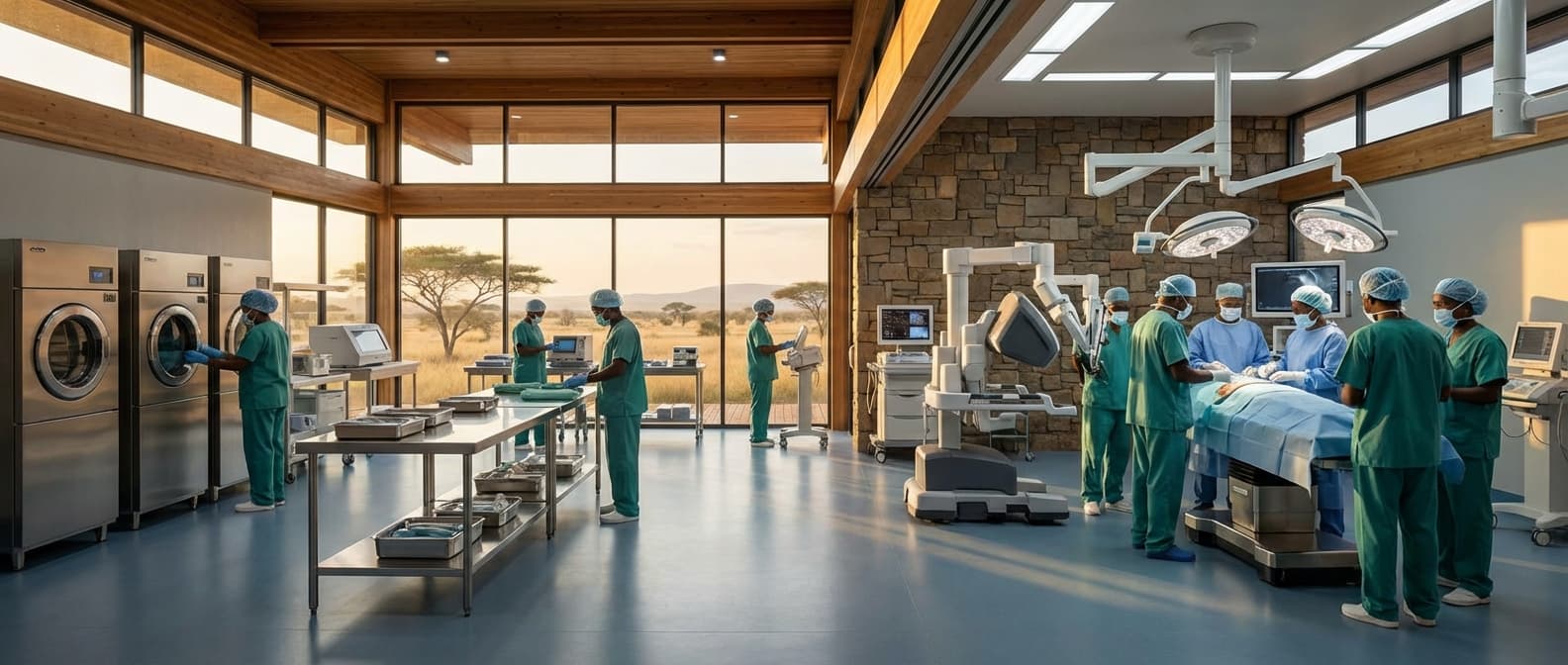
Endoscopy Reprocessing Validation in Ivory Coast
Engineering Excellence & Technical Support
AER validation, SOP development and compliance High-standard technical execution following OEM protocols and local regulatory frameworks.
Rigorous Validation Protocols
Implementing ISO 13485-compliant validation protocols for all endoscopy reprocessing equipment and processes, ensuring consistent and effective disinfection and sterilization, thereby minimizing patient risk in Ivory Coast's healthcare facilities.
Data-Driven Process Optimization
Leveraging real-time monitoring and data analytics to track key performance indicators (KPIs) for endoscopy reprocessing, enabling proactive identification of deviations and continuous improvement of workflow efficiency and patient safety standards in Ivory Coast.
Advanced Staff Training & Competency
Providing comprehensive, hands-on training and competency assessments for all reprocessing technicians in Ivory Coast, ensuring adherence to validated procedures and fostering a culture of meticulousness and accountability in infection control.
What Is Endoscopy Reprocessing Validation In Ivory Coast?
Endoscopy reprocessing validation in Ivory Coast refers to the formal process of verifying and documenting that the methods and protocols employed for the cleaning, disinfection, and sterilization of reusable endoscopic medical devices are consistently effective in eliminating pathogenic microorganisms. This validation ensures that endoscopes, after use on one patient, are rendered safe for subsequent use on another, thereby preventing healthcare-associated infections (HAAs) and upholding patient safety standards within the Ivorian healthcare system. The process typically involves a multi-faceted approach encompassing mechanical, chemical, and biological efficacy assessments.
| Stakeholder | Reason for Need | Typical Use Cases |
|---|---|---|
| Hospitals and Clinics: | To comply with national healthcare regulations, prevent HAAs, ensure patient safety, and maintain accreditation. | Reprocessing of gastroscopes, colonoscopes, bronchoscopes, cystoscopes, duodenoscopes, and other flexible and semi-rigid endoscopes used in gastroenterology, pulmonology, urology, gynecology, and surgery. |
| Endoscopy Service Providers: | To demonstrate the safety and efficacy of their reprocessing services to client healthcare facilities and adhere to industry best practices. | Independent endoscopy reprocessing centers, medical device maintenance and repair services that offer reprocessing. |
| Regulatory Bodies (e.g., Ministry of Health): | To oversee and enforce standards for infection prevention and control within healthcare facilities and to ensure public health is protected. | Auditing and inspection of reprocessing protocols and validation documentation in healthcare institutions. |
| Manufacturers of Endoscopic Devices and Reprocessing Equipment: | To provide evidence that their devices and equipment, when used according to instructions, can be safely reprocessed and are validated for use in the Ivorian healthcare setting. | Submission of validation data for regulatory approval and market access. |
Key Components of Endoscopy Reprocessing Validation
- Verification of Cleaning Efficacy: Assessing the removal of gross soil, organic debris, and biofilm from internal lumens and external surfaces of the endoscope. This may involve visual inspection, protein residue testing (e.g., using luminometers), and carbohydrate testing.
- Assessment of Disinfection/Sterilization Efficacy: Evaluating the effectiveness of the germicidal agent and cycle parameters in killing or inactivating a broad spectrum of microorganisms, including high-level disinfectants (HLDs) resistant bacteria, mycobacteria, fungi, and viruses. This often involves the use of biological indicators (BIs) containing known populations of resistant microorganisms.
- Validation of Automated Reprocessing Equipment: If automated endoscope reprocessors (AERs) are utilized, validation confirms that the machine's cycles consistently deliver the correct concentration of cleaning and disinfecting agents, adequate wash times, proper rinsing, and effective drying.
- Validation of Manual Cleaning and Disinfection Procedures: For manual reprocessing steps, validation confirms that staff are adequately trained and that the procedures, materials, and contact times are sufficient to achieve the desired level of microbial inactivation.
- Environmental Monitoring: Assessing the microbial load in the reprocessing area to ensure it does not contribute to recontamination.
- Documentation and Record-Keeping: Maintaining comprehensive records of all validation activities, including test results, equipment maintenance logs, and staff training. This is crucial for regulatory compliance and continuous quality improvement.
Who Needs Endoscopy Reprocessing Validation In Ivory Coast?
The successful and safe application of endoscopic procedures hinges on the meticulous reprocessing of reusable medical devices, particularly endoscopes. This process, which involves thorough cleaning, disinfection, and sterilization, is critical to preventing the transmission of infections between patients. In Ivory Coast, ensuring the efficacy of these reprocessing protocols is paramount. This involves validating that the implemented procedures consistently eliminate or inactivate all harmful microorganisms. Validation is not merely a regulatory requirement but a cornerstone of patient safety and a demonstration of commitment to high-quality healthcare.
| Target Customers | Relevant Departments |
|---|---|
| Public Hospitals | Gastroenterology, Pulmonology, Urology, Gynecology, Surgery, Central Sterile Supply Department (CSSD) |
| Private Clinics and Hospitals | Gastroenterology, Endoscopy Units, Surgical Wards, Infection Control Department, CSSD |
| Specialized Medical Centers | Oncology Centers, Diagnostic Imaging Departments, Rehabilitation Centers (if endoscopy is performed) |
| Government Health Agencies | Ministry of Health (for setting standards and overseeing compliance), Public Health Laboratories |
| Healthcare Training Institutions | Medical Schools, Nursing Schools, Biomedical Engineering Departments (for curriculum development and research) |
Who Needs Endoscopy Reprocessing Validation in Ivory Coast?
- Hospitals and Clinics performing endoscopic procedures.
- Diagnostic and treatment centers utilizing flexible and rigid endoscopes.
- Surgical centers where endoscopies are a routine part of patient care.
- Public health facilities aiming to adhere to international sterilization standards.
- Private healthcare institutions seeking to enhance patient trust and reduce infection rates.
Endoscopy Reprocessing Validation Process In Ivory Coast
The Endoscopy Reprocessing Validation Process in Ivory Coast outlines the critical steps undertaken to ensure the safe and effective reuse of endoscopic instruments. This rigorous workflow, from the initial inquiry to the final execution of validation, is designed to meet national and international standards for infection prevention and control in healthcare settings. It involves a multi-stakeholder approach, integrating regulatory requirements, clinical practice, and laboratory expertise.
| Stage | Description | Key Activities | Responsible Parties | Documentation |
|---|---|---|---|---|
| The process begins when a healthcare facility or reprocessing unit expresses interest in validating their endoscopy reprocessing procedures or seeks guidance on new equipment/protocols. | Contacting regulatory bodies (e.g., Ministry of Health, relevant technical agencies) or accredited validation service providers. Initial consultation to understand requirements and scope. | Healthcare Facility Management, Infection Control Committee, Regulatory Agency/Accredited Validator. | Meeting minutes, initial inquiry letters, consultant reports. |
| A detailed protocol outlining the specific reprocessing steps, cleaning agents, disinfectants, sterilization methods (if applicable), and validation parameters is developed. | Review of existing national guidelines and international best practices. Designing validation tests (e.g., biological indicators, chemical indicators, residual testing, biofilm detection). Submission of the protocol for review and approval. | Infection Control Team, Biomedical Engineers, Reprocessing Staff, Regulatory Agency/Accredited Validator. | Reprocessing Protocol document, validation test plans, Material Safety Data Sheets (MSDS) for chemicals. |
| An assessment of the existing reprocessing infrastructure, equipment, and staff competency is conducted before formal validation testing begins. | Inspection of the reprocessing area, equipment functionality checks (e.g., washer-disinfectors, sterilizers), review of staff training records, observation of reprocessing procedures, and pre-testing of cleaning efficacy. | Accredited Validator, Infection Control Committee, Reprocessing Staff. | Site inspection checklist, equipment logs, training records, observation reports. |
| The core validation testing is performed according to the approved protocol to verify the effectiveness of each reprocessing step. | Applying biological indicators (BIs) and chemical indicators (CIs) to endoscopes and processing equipment. Conducting proficiency testing for staff. Performing tests for residual organic matter, disinfectant efficacy, and sterilization parameters (e.g., temperature, time, pressure). | Accredited Validator, Laboratory Technicians, Reprocessing Staff. | Test results reports (BI/CI results, chemical assay reports), challenge studies, staff competency assessment forms. |
| All collected data from the validation tests are meticulously analyzed to determine the efficacy and reliability of the reprocessing process. | Review of test results against predefined acceptance criteria. Identification of any deviations or non-compliance. Compilation of a comprehensive validation report. | Accredited Validator, Data Analysts, Infection Control Committee. | Validation Report, statistical analysis of results, non-conformance reports. |
| Upon successful completion of validation and satisfactory results, a formal certificate is issued, attesting to the validated status of the reprocessing process. | Issuance of a certificate of validation by the accredited validator or regulatory body. Specification of the validated scope, equipment, and effective period. | Accredited Validator/Regulatory Agency. | Validation Certificate. |
| Validation is not a one-time event. Regular monitoring and periodic revalidation are crucial to maintain the integrity of the reprocessing process. | Routine quality control testing, internal audits, regular maintenance of equipment, and scheduled revalidation at predetermined intervals or after significant changes (e.g., new equipment, changes in disinfectants). | Healthcare Facility Management, Infection Control Committee, Reprocessing Staff, Accredited Validator. | Routine QC logs, audit reports, maintenance records, revalidation protocols and reports. |
Workflow Stages of Endoscopy Reprocessing Validation in Ivory Coast
- Inquiry and Initial Assessment
- Protocol Development and Submission
- On-site Assessment and Pre-validation Checks
- Execution of Validation Procedures
- Data Analysis and Reporting
- Validation Certificate Issuance
- Ongoing Monitoring and Revalidation
Endoscopy Reprocessing Validation Cost In Ivory Coast
Endoscopy reprocessing validation is a critical step to ensure patient safety and prevent the transmission of infections. In Ivory Coast, the cost of this validation process can vary significantly based on several factors. These include the type and number of endoscopes being processed, the complexity of the reprocessing equipment used (e.g., automated reprocessors vs. manual cleaning), the specific validation methods employed (e.g., biological indicators, chemical indicators, or a combination), the laboratory conducting the validation, and the volume of reprocessing undertaken by a facility. Larger hospitals or those with higher endoscopy procedure volumes might negotiate bulk pricing or have in-house validation capabilities, potentially influencing the per-unit cost. The availability and cost of imported validation supplies (like biological indicators) can also be a substantial driver of the overall expense. There isn't a single, universally published price list for endoscopy reprocessing validation in Ivory Coast, as it's often determined through direct contracts between healthcare facilities and service providers or laboratories. However, based on general industry practices and the cost of similar services in the region, a preliminary range can be estimated.
| Service Component | Estimated Cost Range (XOF - West African CFA franc) | Notes |
|---|---|---|
| Biological Indicator Testing (per cycle/scope) | 15,000 - 40,000 | Covers the cost of the indicator and laboratory analysis. Higher end for specific or complex organisms. |
| Chemical Indicator Testing (per cycle/scope) | 5,000 - 15,000 | Generally less expensive than biological indicators, used for monitoring specific parameters. |
| Full Reprocessing Validation Package (e.g., quarterly or annual for a set number of scopes) | 150,000 - 500,000+ | This would typically include a combination of tests, documentation, and potentially on-site assessment. Highly variable based on scope of work. |
| Consumables & Supplies (e.g., cleaning agents, disinfectants used during validation) | Included in laboratory fees or billed separately, potentially 5,000 - 20,000 per validation event | Varies with the type and brand of products used. |
| Transportation and Logistics | 5,000 - 25,000 | For sample collection and delivery of results, especially if the lab is not on-site. |
| Consultation and Documentation | 10,000 - 50,000 | For developing validation protocols, reviewing results, and providing reports. |
Factors Influencing Endoscopy Reprocessing Validation Costs in Ivory Coast
- Type and quantity of endoscopes.
- Complexity of reprocessing equipment (automated vs. manual).
- Validation methodologies (biological indicators, chemical indicators, combined).
- Laboratory or service provider fees.
- Volume of reprocessing procedures.
- Cost of imported validation supplies (e.g., biological indicators).
- Contractual agreements and potential for bulk discounts.
Affordable Endoscopy Reprocessing Validation Options
Validating the reprocessing of flexible endoscopes is crucial for patient safety and regulatory compliance. However, traditional validation methods can be expensive and time-consuming. This document outlines affordable validation options, focusing on value bundles and cost-saving strategies to help healthcare facilities manage these essential processes efficiently.
| Strategy/Bundle | Description | Cost-Saving Mechanism | Key Considerations |
|---|---|---|---|
| Value Bundle: Basic Process Validation & Training | Includes validation of fundamental reprocessing steps (cleaning, disinfection, leak testing) and comprehensive staff training on current best practices and regulatory standards. | Reduces the need for extensive external validation by ensuring foundational processes are sound. Prevents costly errors due to inadequate training. | Requires dedicated internal resources for training development and delivery. Effectiveness depends on the quality of training materials and instructor expertise. |
| Value Bundle: Comprehensive Performance Validation | Encompasses validation of cleaning efficacy (e.g., using biological indicators or simulated soil), disinfection effectiveness, and leak testing across a range of endoscope models. | Bundling multiple validation components from a single provider can offer volume discounts. Streamlines the overall validation process. | May require careful selection of a provider that covers all your endoscope types. Negotiate pricing based on the scope of services and volume. |
| Cost-Saving Strategy: Internal Audit & Calibration Program | Establish a regular internal audit program to assess compliance with reprocessing protocols. Invest in calibration of reprocessing equipment (e.g., automated endoscope reprocessors, washer-disinfectors). | Reduces the frequency of expensive external audits. Properly calibrated equipment performs more consistently, leading to fewer validation failures. | Requires trained internal personnel and a commitment to regular maintenance and record-keeping. Audits must be objective and thorough. |
| Cost-Saving Strategy: Pooled Resource Validation | Collaborate with neighboring facilities or a larger health network to jointly purchase validation equipment or hire a shared validation specialist. | Spreads the cost of expensive equipment or specialized personnel across multiple organizations. Increases bargaining power for bulk purchases. | Requires strong inter-facility communication, standardized protocols, and clear agreements on cost-sharing and resource allocation. |
| Cost-Saving Strategy: Technology Adoption (Limited Scope) | Invest in select technologies that automate or enhance specific validation aspects, such as barcode scanning for tracking, or leak detection systems with real-time alerts. | Improves efficiency and reduces manual error, potentially decreasing the need for extensive manual checks and associated labor costs. Proactive alerts can prevent costly reprocessing failures. | Requires initial capital investment. Ensure the chosen technology integrates well with existing systems and offers a clear return on investment. |
Affordable Endoscopy Reprocessing Validation Options
- Leveraging Existing Data and Internal Expertise: Thoroughly review historical reprocessing logs, incident reports, and staff competency assessments. Invest in ongoing staff training and competency validation programs that emphasize best practices and regulatory requirements.
- Collaborative Validation Studies: Partner with other healthcare facilities in your region or within a larger health system to conduct joint validation studies. This can significantly reduce individual costs for equipment, consumables, and personnel.
- Phased Validation Approach: Instead of validating all endoscopes simultaneously, consider a phased approach. Prioritize high-risk or frequently used scopes for initial validation, and then expand to others over time. This spreads out costs and allows for iterative improvements.
- Third-Party Validation Services with Flexible Packages: Explore third-party validation providers that offer modular or customizable service packages. Some may offer tiered pricing based on the scope of validation needed or the number of endoscopes processed.
- Internal Validation Kits and Protocols: Develop and validate robust internal protocols and utilize commercially available validation kits for routine checks. While initial kit purchases have a cost, they can be more economical for ongoing monitoring compared to full external validation for every cycle.
- Focus on Process Monitoring Over Episodic Validation: Implement strong continuous process monitoring systems. This includes using automated tracking systems, regular visual inspections, and environmental monitoring. A well-maintained and continuously monitored process reduces the reliance on frequent, expensive episodic validation events.
- Cost-Benefit Analysis of Different Validation Methods: Conduct a thorough cost-benefit analysis for each available validation method, considering not only direct costs but also indirect costs such as downtime, staff time, and potential risks of non-compliance.
Verified Providers In Ivory Coast
In the Ivory Coast, access to reliable and quality healthcare is paramount. When seeking medical assistance, identifying Verified Providers is crucial for ensuring safety, efficacy, and peace of mind. This is where organizations like Franance Health play a vital role. Franance Health rigorously vets healthcare providers, ensuring they meet high standards of professionalism, ethical practice, and medical competence. Their credentialing process is designed to give patients confidence in the care they receive.
| Credential Aspect | Franance Health Verification Process | Patient Benefit |
|---|---|---|
| Medical Licenses & Certifications | Thorough examination of all relevant national and international licenses and certifications. | Ensures providers are legally qualified and possess the necessary training for their specialty. |
| Professional Experience & Track Record | Review of past work history, including affiliations and any disciplinary actions. | Provides assurance of practical experience and a history of responsible practice. |
| Ethical Conduct & Compliance | Assessment of adherence to medical ethics codes and regulatory compliance. | Guarantees that patients will be treated with respect and in accordance with best practices. |
| Facility Standards (if applicable) | Evaluation of infrastructure, equipment, and hygiene standards for clinics and hospitals. | Ensures a safe and well-equipped environment for medical procedures and consultations. |
| Continuing Education | Verification of ongoing professional development and training. | Confirms that providers are up-to-date with the latest medical advancements and techniques. |
Why Franance Health Credentials Matter for Verified Providers in Ivory Coast
- Expert Vetting: Franance Health employs a multi-faceted verification process that examines the qualifications, licenses, and experience of healthcare professionals and facilities.
- Quality Assurance: Their credentialing signifies adherence to established healthcare standards, assuring patients of a baseline level of quality in services.
- Patient Safety: By verifying providers, Franance Health helps mitigate risks associated with unqualified or unethical practitioners, prioritizing patient well-being.
- Trust and Transparency: The Franance Health seal of approval offers a transparent indicator of a provider's legitimacy and commitment to professional excellence.
- Improved Access to Care: For patients navigating the healthcare landscape, Franance Health's verified lists simplify the search for trustworthy medical professionals, saving time and reducing anxiety.
Scope Of Work For Endoscopy Reprocessing Validation
This Scope of Work (SOW) outlines the requirements for the validation of the endoscopy reprocessing procedure to ensure patient safety and compliance with regulatory standards. The validation will confirm the efficacy of the cleaning and high-level disinfection (HLD) or sterilization processes for flexible endoscopes and associated accessories.
| Section | Description | Technical Deliverables | Standard Specifications/References |
|---|---|---|---|
| Creation of a detailed validation protocol outlining study design, sampling plans, testing methods, acceptance criteria, and personnel responsibilities. | Approved Validation Protocol | AAMI ST98:2022 (Guidance on validation of cleaning and high-level disinfection of reusable medical devices), Manufacturer's Instructions for Use (IFU) for endoscopes and AERs. |
| Review of existing reprocessing SOPs, equipment maintenance records, and staff training documentation. | Pre-Validation Assessment Report | Internal SOPs, Equipment Logs, Training Records. |
| Testing to confirm effective removal of simulated soil from critical areas of the endoscope and accessories. This may include visual inspection and protein/TOC testing. | Cleaning Validation Report, including data from protein/TOC analysis and visual inspection findings. | AAMI ST98:2022, Internal cleaning SOPs, Manufacturer's IFU for cleaning agents. |
| Microbiological testing to demonstrate the reduction of a defined microbial challenge to acceptable levels after HLD or sterilization. This includes testing of endoscope channels and external surfaces. | Microbiological Validation Report, including challenge organism efficacy data and log reduction values. | AAMI ST98:2022, Manufacturer's IFU for HLD/sterilant, relevant ISO standards for microbiological testing (e.g., ISO 17665 for sterilization). |
| Verification of AER functionality, including cycle parameters (temperature, time, flow rates), and chemical concentration/delivery accuracy (if applicable). | AER Performance Validation Report, including calibration certificates and test run data. | Manufacturer's IFU for AER, Calibration Records, Maintenance Logs. |
| Inspection of endoscope channels and components for damage, leaks, or blockages post-reprocessing. | Endoscope Integrity Assessment Report. | Manufacturer's IFU for endoscope inspection and maintenance. |
| Comprehensive report summarizing all validation activities, results, deviations, and conclusions. Includes a recommendation for routine monitoring. | Final Process Validation Report, including executed protocol, all test reports, and approval signatures. | AAMI ST98:2022, Regulatory guidance documents. |
| Training of reprocessing personnel on the validated procedures. Development or update of SOPs based on validation findings. | Training Records, Updated SOPs for Endoscopy Reprocessing. | Internal Quality Management System (QMS) requirements, Best Practices for Healthcare Infection Prevention and Control. |
Key Objectives of Endoscopy Reprocessing Validation
- Verify the effectiveness of the cleaning process in removing gross soil and organic matter.
- Validate the efficacy of the high-level disinfection (HLD) or sterilization process in eliminating or inactivating microorganisms.
- Confirm the proper functioning of reprocessing equipment (e.g., automated endoscope reprocessors - AERs).
- Ensure the integrity of the endoscope and accessories after the reprocessing cycle.
- Establish and document reproducible reprocessing procedures.
- Provide data to support regulatory compliance (e.g., FDA, AAMI, local health authorities).
- Train reprocessing staff on validated procedures.
Service Level Agreement For Endoscopy Reprocessing Validation
This Service Level Agreement (SLA) outlines the response times and uptime guarantees for the Endoscopy Reprocessing Validation service. This service is critical for ensuring the safe and effective reprocessing of endoscopic equipment, minimizing the risk of patient infection. Adherence to these metrics is paramount for maintaining operational efficiency and patient safety.
| Service Component | Response Time Guarantee (Critical Incident) | Response Time Guarantee (Standard Incident) | Uptime Guarantee (Monthly) |
|---|---|---|---|
| Automated Validation Monitoring | Immediate (within 5 minutes of detection) | Within 1 business hour | 99.9% |
| Data Logging and Reporting Access | Immediate (within 5 minutes) | Within 30 minutes | 99.9% |
| Alerting and Notification System | Immediate (within 5 minutes of trigger) | N/A (Automated) | 99.9% |
| Remote Diagnostic Support | Within 1 business hour | Within 4 business hours | 99.9% |
| On-site Technician Support | Within 4 business hours (for critical equipment failure) | Within 8 business hours (for non-critical issues) | N/A (Service dependent) |
Key Service Components
- Automated Validation Monitoring: Continuous real-time monitoring of automated reprocessing equipment and validation cycles.
- Data Logging and Reporting: Secure storage and accessibility of all validation data, including cycle parameters, test results, and operator logs.
- Alerting and Notification System: Proactive notification of any deviations from validated parameters or system failures.
- Remote Diagnostic Support: Ability to remotely access and diagnose issues with validation equipment and software.
- On-site Technician Support: Dispatch of qualified technicians for complex troubleshooting and repairs.
Frequently Asked Questions

Ready when you are
Let's scope your Endoscopy Reprocessing Validation in Ivory Coast project in Ivory Coast.

Scaling healthcare logistics and technical systems across the entire continent.