
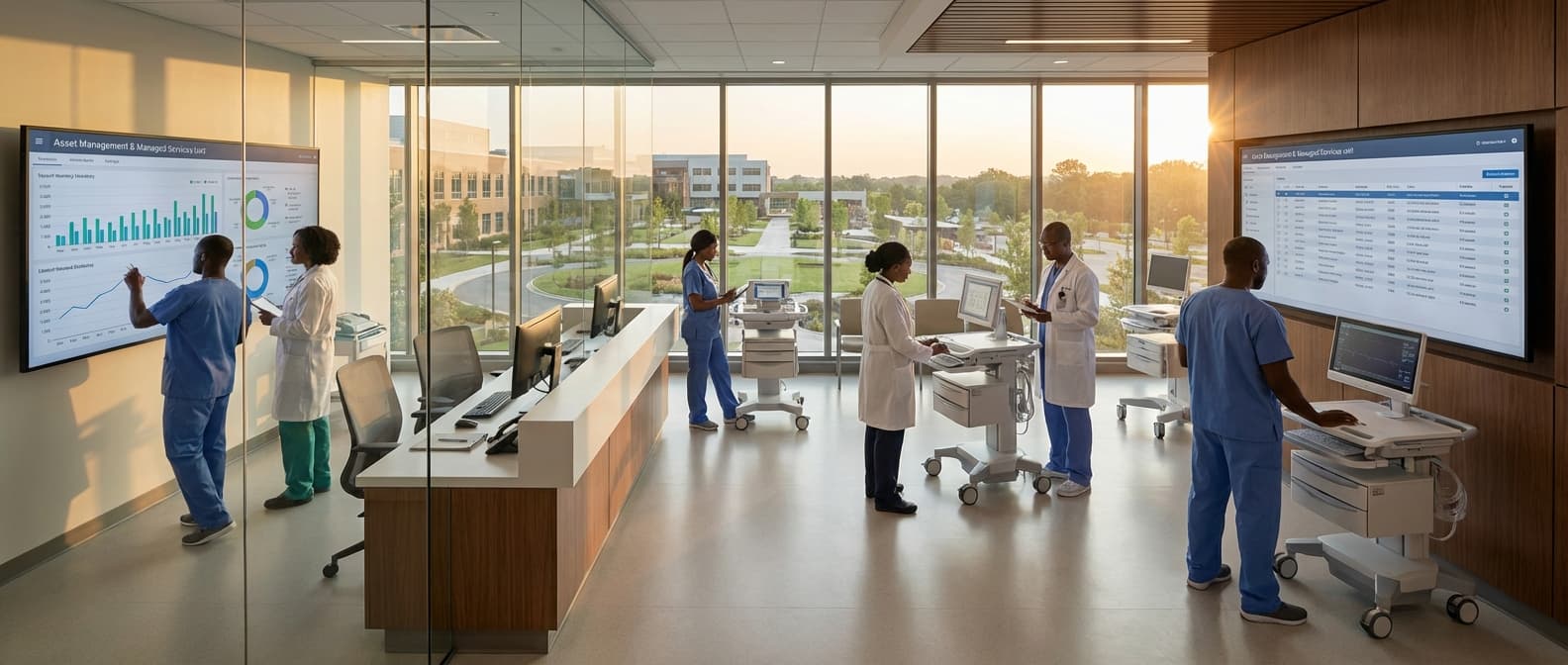
Equipment Fleet Standardization Consulting Service in Ivory Coast
Engineering Excellence & Technical Support
Equipment Fleet Standardization Consulting Service High-standard technical execution following OEM protocols and local regulatory frameworks.
Optimized Fleet Utilization & Cost Reduction
Leveraging advanced analytics and operational data specific to Ivory Coast's infrastructure and usage patterns, we identify opportunities to standardize your equipment fleet. This leads to reduced maintenance costs, improved fuel efficiency, and maximized asset uptime, directly impacting your bottom line.
Streamlined Maintenance & Spare Parts Management
By standardizing on fewer equipment models and brands, we simplify your maintenance protocols and create a more efficient spare parts inventory strategy. This translates to reduced downtime, faster repair times, and significant cost savings on parts procurement and storage, crucial for operations in Ivory Coast.
Enhanced Operational Efficiency & Scalability
A standardized fleet ensures greater interchangeability of operators and mechanics, leading to improved workforce flexibility and reduced training overhead. This inherent efficiency allows for easier scaling of operations and greater adaptability to project demands across diverse terrains and industries in Ivory Coast.
What Is Equipment Fleet Standardization Consulting Service In Ivory Coast?
Equipment Fleet Standardization Consulting Service in Ivory Coast refers to the specialized advisory provided to organizations to optimize their investment in and management of heavy machinery, vehicles, and related assets. This service focuses on developing and implementing strategies to ensure a consistent and interoperable range of equipment across an enterprise's operations within the Ivorian context. The core objective is to enhance operational efficiency, reduce lifecycle costs, improve maintenance effectiveness, and streamline procurement processes through the adoption of standardized equipment models, makes, and specifications. This involves a comprehensive analysis of existing fleets, operational requirements, maintenance capabilities, and market availability of equipment within Ivory Coast, followed by the formulation of a tailored standardization roadmap.
| Who Needs This Service? | Typical Use Cases | ||||||
|---|---|---|---|---|---|---|---|
| Large-scale agricultural enterprises operating in diverse agro-climatic zones. | Companies involved in large infrastructure projects (e.g., road construction, mining, energy). | Logistics and transportation companies managing extensive vehicle fleets. | Mining and resource extraction operations with significant machinery requirements. | Government agencies responsible for managing public works and disaster relief equipment. | Agribusinesses and food processing companies with associated transport and handling equipment. | ||
| Reducing operational downtime through improved spare parts availability and reduced maintenance complexity. | Lowering overall equipment acquisition costs via bulk purchasing and negotiated supplier agreements. | Enhancing operator proficiency and safety through familiarity with a limited range of equipment. | Simplifying fleet management software and telematics integration for unified data collection and analysis. | Improving resale value of equipment through consistent maintenance and recognized models. | Ensuring interoperability of equipment for enhanced operational flexibility and resource sharing. | Facilitating the implementation of predictive maintenance programs across the fleet. | Complying with evolving national and international equipment and environmental regulations. |
Key Components of the Service
- Fleet Assessment and Audit: Detailed inventory and condition analysis of all existing equipment, including age, utilization, maintenance history, and operational performance.
- Needs Analysis and Requirements Definition: Comprehensive evaluation of current and future operational demands, identifying critical equipment types and performance specifications.
- Market Research and Sourcing Strategy: Identification of reliable manufacturers and suppliers of standardized equipment within Ivory Coast and relevant international markets, considering local availability, service support, and regulatory compliance.
- Standardization Framework Development: Creation of a structured plan defining preferred equipment models, technical specifications, spare parts, and maintenance protocols.
- Procurement Process Optimization: Streamlining purchasing procedures for standardized equipment to leverage economies of scale and ensure consistency.
- Maintenance and Repair Strategy Alignment: Development of standardized maintenance schedules, diagnostic procedures, and training programs for a unified fleet.
- Total Cost of Ownership (TCO) Analysis: Evaluation of all direct and indirect costs associated with equipment acquisition, operation, maintenance, and disposal to justify standardization.
- Risk Mitigation Strategies: Identification and management of risks associated with equipment obsolescence, supply chain disruptions, and skill gaps related to standardized equipment.
- Training and Change Management: Programs to equip personnel with the necessary skills to operate and maintain the standardized fleet, alongside strategies to manage organizational transition.
Who Needs Equipment Fleet Standardization Consulting Service In Ivory Coast?
The demand for Equipment Fleet Standardization Consulting Services in Ivory Coast is driven by organizations aiming to optimize their operations, reduce costs, and enhance efficiency in managing their diverse fleets of vehicles and machinery. This includes companies across various sectors that rely heavily on transportation, construction, agriculture, and logistics.
| Target Customer Segment | Key Challenges Addressed by Standardization | Typical Equipment Types | Departmental Needs |
|---|---|---|---|
| Mining & Construction Companies | High operational costs, diverse equipment brands, parts availability, driver training, fuel efficiency, regulatory compliance. | Heavy-duty trucks, excavators, dozers, loaders, cranes, drilling rigs, specialized vehicles. | Operations, Fleet Management, Maintenance, Procurement, HSE. |
| Oil & Gas Companies | Complex supply chains, remote locations, safety critical operations, specialized vehicle requirements, emissions control. | Tankers, service vehicles, exploration equipment transporters, personnel carriers, ATVs. | Operations, Logistics, Fleet Management, HSE, Procurement. |
| Logistics & Transportation Providers | Fleet utilization, route optimization, fuel costs, driver retention, maintenance scheduling, regulatory compliance (roadworthiness). | Commercial trucks (light, medium, heavy-duty), vans, buses, forklifts, trailers. | Operations, Fleet Management, Logistics, Finance, Maintenance. |
| Agricultural & Agribusiness Firms | Seasonal demand, remote field operations, equipment suitability for specific crops/terrain, maintenance in rural areas, cost of ownership. | Tractors, harvesters, sprayers, utility vehicles, transport trucks. | Operations, Farm Management, Fleet Management, Maintenance, Procurement. |
| Public Sector Agencies (e.g., Municipalities, Utilities) | Budget constraints, long asset life cycles, public service delivery efficiency, procurement processes, maintenance for essential services. | Service vehicles, waste management trucks, street sweepers, specialized utility vehicles, light-duty fleet. | Operations, Fleet Management, Procurement, Finance, Maintenance. |
Target Customers and Departments for Equipment Fleet Standardization Consulting Services in Ivory Coast
- {"items":["Mining and Extractive Industries","Construction and Civil Engineering","Oil and Gas (Upstream and Downstream)","Agriculture and Agribusiness","Logistics and Transportation (Freight and Passenger)","Manufacturing and Industrial Production","Telecommunications (Infrastructure Deployment and Maintenance)","Utilities (Electricity, Water, Gas)","Public Sector (Government Agencies, Municipalities)","Large-scale Plantation and Forestry Operations"],"title":"Industries and Sectors"}
- {"items":["Large corporations with extensive national or international operations","Multinational companies with a presence in Ivory Coast","State-owned enterprises","Growing medium-sized enterprises seeking to professionalize their fleet management","Project-based organizations with temporary but significant equipment needs"],"title":"Types of Organizations"}
- {"items":["Operations Department: Responsible for the day-to-day use and deployment of equipment.","Fleet Management/Logistics Department: Directly oversees the acquisition, maintenance, utilization, and disposal of fleet assets.","Procurement/Purchasing Department: Involved in the acquisition of new equipment and the negotiation of service contracts.","Finance/Controlling Department: Focuses on the financial implications of fleet ownership, operational costs, and capital expenditure.","Maintenance and Engineering Department: Manages the upkeep and repair of equipment, seeking to minimize downtime and optimize performance.","Health, Safety, and Environment (HSE) Department: Concerned with ensuring equipment compliance with safety standards and environmental regulations.","Strategic Planning/Business Development: Involved in long-term fleet strategies and investments.","IT/Technology Department: May be involved in the implementation of fleet management software and telematics systems."],"title":"Key Departments within Target Organizations"}
Equipment Fleet Standardization Consulting Service Process In Ivory Coast
This document outlines the typical workflow for an Equipment Fleet Standardization Consulting Service in Ivory Coast, from the initial client inquiry to the successful execution and delivery of the project. The process is designed to be comprehensive, iterative, and client-centric, ensuring that the specific needs and operational context of businesses in Ivory Coast are addressed effectively.
| Phase | Key Activities | Deliverables | Typical Timeline |
|---|---|---|---|
| Initial contact, understanding client needs, assessing fit. | Confirmation of potential engagement. | 1-3 days |
| Detailed interviews, data gathering on current fleet & operations. | Scope of Work document, project objectives. | 1-2 weeks |
| Crafting proposal, detailing methodology, costs, and timelines. | Formal Consulting Proposal. | 1-2 weeks |
| Legal review, negotiation, and execution of contract. | Signed Consulting Agreement. | 1 week |
| On-site visits, data extraction (maintenance, fuel, usage), analysis. | Current Fleet Assessment Report, data insights. | 2-4 weeks |
| Defining standardization principles, criteria, and goals. | Standardization Strategy Framework. | 1-2 weeks |
| Proposing specific equipment, procurement plans, implementation schedule. | Recommendations Report, Implementation Roadmap. | 1-2 weeks |
| Assisting procurement, training, change management, monitoring setup. | Implemented standardized fleet, trained personnel. | Varies (months to years, depending on fleet size and acquisition) |
| Tracking KPIs, regular reviews, identifying further improvements. | Performance Reports, optimization recommendations. | Ongoing (post-implementation) |
| Final reporting, documentation, handover, debrief. | Final Project Report, knowledge transfer documentation. | 1 week |
Key Stages of the Equipment Fleet Standardization Consulting Service Process
- {"title":"1. Initial Inquiry & Pre-Qualification","description":"The process begins when a potential client in Ivory Coast contacts the consulting firm with a need for equipment fleet standardization. This typically involves an initial call or email to understand the client's general objectives, fleet size, industry, and geographic scope within Ivory Coast. The firm will assess if the client's needs align with their service offerings and if there's a mutual fit."}
- {"title":"2. Needs Assessment & Scoping","description":"Following pre-qualification, a more in-depth discovery phase is initiated. This involves meetings and interviews with key stakeholders within the client's organization (e.g., fleet managers, operations directors, procurement officers). The consultants gather detailed information about the current fleet composition, operational challenges, maintenance costs, fuel consumption, driver feedback, existing policies, and long-term business goals relevant to fleet management in Ivory Coast. This stage defines the specific scope of work, deliverables, and desired outcomes."}
- {"title":"3. Proposal Development & Presentation","description":"Based on the detailed needs assessment, the consulting firm develops a tailored proposal. This document outlines the proposed methodology, project phases, timelines, key performance indicators (KPIs), team composition, and a detailed cost breakdown. The proposal is then presented to the client for review and discussion. Feedback is incorporated, and adjustments are made to ensure client satisfaction and agreement on project parameters."}
- {"title":"4. Contract Negotiation & Signing","description":"Once the proposal is agreed upon, the legal and contractual aspects are addressed. This includes finalizing terms and conditions, payment schedules, confidentiality agreements, and any specific legal requirements relevant to operating in Ivory Coast. A formal contract is signed, marking the official commencement of the engagement."}
- {"title":"5. Data Collection & Analysis (Current State Assessment)","description":"This is a critical execution phase. Consultants collect comprehensive data on the existing fleet. This may involve site visits to depots across Ivory Coast, reviewing maintenance records, fuel logs, telematics data, procurement histories, and conducting physical inspections of equipment. Data analysis focuses on identifying inefficiencies, redundancies, high-cost items, safety concerns, and opportunities for consolidation and optimization within the Ivorian context."}
- {"title":"6. Standardization Strategy Development","description":"Leveraging the analyzed data and understanding of the client's objectives, the consulting team develops a strategic framework for fleet standardization. This includes defining criteria for ideal equipment types, recommended manufacturers, fuel efficiency targets, safety standards, and maintenance protocols. The strategy will consider the specific operational environments and availability of parts and services in Ivory Coast."}
- {"title":"7. Recommendation & Roadmap Creation","description":"The developed strategy is translated into concrete, actionable recommendations. This includes proposing specific equipment models, recommending fleet rationalization plans (e.g., phase-out of old equipment, acquisition of new standardized units), suggesting procurement strategies, and outlining a phased implementation roadmap. The roadmap will detail timelines, responsibilities, and expected investments."}
- {"title":"8. Implementation Support & Change Management","description":"The consulting firm provides support during the implementation of the standardization roadmap. This can involve assisting with procurement processes, overseeing the introduction of new equipment, developing training programs for drivers and maintenance staff on new equipment and standardized procedures, and managing the change management process to ensure smooth adoption across the organization in Ivory Coast. This phase also includes establishing performance monitoring systems."}
- {"title":"9. Performance Monitoring & Optimization","description":"Post-implementation, the consultants help establish systems for ongoing monitoring of key performance indicators (KPIs) related to the standardized fleet. This includes tracking cost savings, fuel efficiency improvements, reduction in downtime, and safety records. Regular reviews are conducted to identify areas for further optimization and make necessary adjustments to the strategy."}
- {"title":"10. Project Closure & Knowledge Transfer","description":"The project concludes with a formal closure. This involves delivering final reports, summarizing achievements against initial objectives, and providing comprehensive documentation. Knowledge transfer is a key element, ensuring the client's internal teams are equipped to manage and maintain the standardized fleet effectively in the long term. A final debriefing session is held to gather feedback and ensure client satisfaction."}
Equipment Fleet Standardization Consulting Service Cost In Ivory Coast
Consulting services for equipment fleet standardization in Ivory Coast involve a nuanced pricing structure influenced by several key factors. The primary drivers of cost include the scope and complexity of the fleet, the level of expertise required from the consultants, the duration of the project, and the specific deliverables expected. For instance, a comprehensive standardization project encompassing a diverse fleet of construction machinery, agricultural equipment, and transport vehicles will naturally incur higher costs than a project focused on a single equipment category. The depth of analysis, including detailed asset lifecycle management, maintenance optimization, fuel efficiency strategies, and vendor negotiation, will also significantly impact the overall price. Furthermore, the reputation and experience of the consulting firm, their understanding of the Ivorian market and regulatory landscape, and their ability to provide practical, on-the-ground implementation support are critical pricing considerations. Travel and accommodation expenses within Ivory Coast, especially for projects in remote areas, also contribute to the total cost. Ultimately, the cost of equipment fleet standardization consulting in Ivory Coast is best understood through a tailored proposal based on a thorough assessment of the client's specific needs and objectives.
| Service Component | Estimated Cost Range (XOF - West African CFA Franc) | Notes |
|---|---|---|
| Initial Fleet Assessment & Analysis | 500,000 - 2,000,000 | Covers data gathering, inventory, usage analysis, and preliminary gap identification. |
| Strategy Development (Standardization Plan) | 1,000,000 - 3,500,000 | Includes defining standardization criteria, recommending optimal fleet mix, and outlining procurement/disposal strategies. |
| Vendor Management & Procurement Support | 750,000 - 3,000,000 | Assisting in RFPs, evaluating vendor proposals, and supporting contract negotiations. |
| Implementation Support & Training | 1,500,000 - 5,000,000+ | Covers project management of implementation, change management, and operator/technician training. Highly variable based on scope. |
| Ongoing Monitoring & Optimization | 300,000 - 1,000,000 per quarter | Regular performance reviews, data analysis, and adjustments to the standardization strategy. |
| Comprehensive Project (End-to-End) | 5,000,000 - 15,000,000+ | Encompasses all phases from assessment to long-term support for larger, more complex fleets. |
Key Pricing Factors for Equipment Fleet Standardization Consulting in Ivory Coast
- Fleet Size and Diversity: The sheer number of assets and the variety of equipment types to be standardized.
- Complexity of Standardization Goals: The depth of analysis required, from basic asset rationalization to advanced lifecycle cost optimization.
- Consultant Expertise and Experience: The seniority and specialized knowledge of the consulting team, and their track record in the region.
- Project Duration and Phasing: The time allocated for assessment, strategy development, implementation, and ongoing support.
- Scope of Deliverables: The specific outputs required, such as strategy reports, procurement guidelines, training materials, or software recommendations.
- On-the-Ground vs. Remote Support: The necessity for in-person assessments, site visits, and local implementation oversight.
- Data Availability and Quality: The ease of accessing and analyzing existing fleet data.
- Regulatory and Compliance Requirements: Adherence to local Ivorian standards and regulations.
- Travel and Accommodation Expenses: Costs associated with consultants working within Ivory Coast.
- Vendor Engagement and Negotiation Support: The extent of assistance required in interacting with equipment suppliers and service providers.
Affordable Equipment Fleet Standardization Consulting Service Options
Our Affordable Equipment Fleet Standardization Consulting Service offers strategic solutions to optimize your equipment operations, reduce costs, and enhance efficiency. By adopting a standardized approach to your fleet, you can unlock significant savings through bulk purchasing, simplified maintenance, reduced training time, and improved resale values. We provide tailored packages designed to meet diverse business needs and budgets, ensuring you receive maximum value for your investment.
| Value Bundle | Description | Ideal For | Investment Range | Key Deliverables |
|---|---|---|---|---|
| Lean Starter Pack | Focuses on identifying the most critical equipment categories for standardization and developing a foundational strategy. Ideal for businesses beginning their standardization journey or with smaller fleets. | Small to medium-sized businesses, companies new to fleet standardization. | $2,500 - $7,500 | Fleet assessment of 2-3 key categories, vendor analysis, initial standardization recommendations, basic implementation roadmap. |
| Efficiency Boost Bundle | Expands on the Lean Starter Pack by including detailed analysis of maintenance procedures, operator training programs, and parts inventory. Aims to optimize day-to-day operations and reduce immediate operational costs. | Medium-sized businesses looking to significantly improve operational efficiency and reduce ongoing costs. | $7,500 - $15,000 | Comprehensive fleet assessment, standardized maintenance protocols, operator training module development, parts inventory optimization plan, ROI analysis. |
| Total Fleet Optimization | A comprehensive solution covering all aspects of fleet standardization, from procurement and operations to lifecycle management and disposal. Designed for businesses seeking maximum long-term cost savings and strategic fleet advantage. | Large enterprises, companies with diverse and extensive fleets, organizations aiming for strategic competitive advantage through fleet management. | $15,000 - $30,000+ | Full fleet audit, complete standardization strategy development, advanced procurement strategies, integrated maintenance and training systems, resale value maximization plan, ongoing support options. |
Key Benefits of Fleet Standardization
- Reduced Capital Expenditure through bulk purchasing power.
- Lower Operating Costs via streamlined maintenance and repair processes.
- Improved Operational Efficiency from easier operator training and interchangeability.
- Enhanced Residual Value of equipment due to consistent usage and maintenance.
- Simplified Inventory Management and spare parts stocking.
- Minimized Downtime through faster repairs and readily available parts.
- Better Negotiating Power with manufacturers and suppliers.
Verified Providers In Ivory Coast
In the realm of healthcare, particularly in Ivory Coast, distinguishing between legitimate and potentially exploitative service providers is paramount. This is where the importance of verified credentials, such as those offered by Franance Health, becomes critically apparent. Franance Health is a platform dedicated to connecting individuals with trusted and qualified healthcare professionals. Their rigorous vetting process ensures that all listed providers meet high standards of professionalism, expertise, and ethical conduct. Choosing a Franance Health-verified provider offers unparalleled peace of mind, guaranteeing access to competent care and safeguarding against unqualified or fraudulent practitioners.
| Credential Verification Aspect | Franance Health's Approach | Benefit to Patients |
|---|---|---|
| Licensing and Certification | Thorough verification of all national and international licenses and certifications. | Ensures providers are legally authorized and possess the required expertise. |
| Educational Background | Verification of academic records and degrees from accredited institutions. | Confirms a strong foundation in medical knowledge and training. |
| Professional Experience | Review of work history, including previous employment and specializations. | Guarantees practical experience and a track record of successful patient care. |
| Reputation and References | Checks for any disciplinary actions or negative feedback from past clients (where applicable and ethically permissible). | Provides insight into the provider's ethical standing and patient satisfaction. |
| Continuing Medical Education (CME) | Confirmation of participation in ongoing professional development. | Indicates a commitment to staying current with medical advancements and best practices. |
Why Franance Health Credentials Represent the Best Choice:
- Rigorous Vetting Process: Franance Health employs a comprehensive verification system that scrutinizes the qualifications, licenses, and professional history of every provider.
- Guaranteed Quality of Care: By partnering only with verified professionals, Franance Health ensures you receive care from experienced and competent individuals, leading to better health outcomes.
- Enhanced Patient Safety: Verification significantly reduces the risk of encountering unqualified practitioners, thereby protecting patients from potential harm and malpractice.
- Streamlined Access to Trusted Professionals: Franance Health simplifies the search for reliable healthcare by providing a curated list of credible providers, saving you time and effort.
- Promoting Ethical Healthcare Practices: The platform champions transparency and accountability, fostering an environment where ethical conduct is prioritized in the delivery of healthcare services.
- Up-to-Date Information: Franance Health actively maintains its provider database, ensuring that credentials and contact information are current and accurate.
Scope Of Work For Equipment Fleet Standardization Consulting Service
This Scope of Work (SOW) outlines the consulting services to be provided for the Equipment Fleet Standardization Project. The primary objective is to develop a comprehensive strategy and set of standard specifications for the organization's equipment fleet to improve efficiency, reduce costs, enhance safety, and streamline maintenance. This SOW details the technical deliverables, key activities, and expected outcomes of the consulting engagement.
| Phase | Key Activities | Technical Deliverables | Timeline (Estimated) |
|---|---|---|---|
| Phase 1: Assessment and Analysis | 1.1 Current fleet inventory and usage analysis. 1.2 Stakeholder interviews (operations, maintenance, procurement, finance). 1.3 Review of existing policies and procedures. 1.4 Benchmarking against industry best practices. | Current Fleet Inventory Report. Stakeholder Analysis Summary. Gap Analysis Report. Industry Best Practice Report. | 4 Weeks |
| Phase 2: Strategy Development | 2.1 Define standardization criteria (performance, cost, safety, maintainability). 2.2 Develop equipment category definitions. 2.3 Formulate procurement and disposal strategies. 2.4 Outline a phased implementation plan. | Standardization Criteria Document. Proposed Equipment Categories. Procurement & Disposal Strategy Outline. Implementation Roadmap. | 6 Weeks |
| Phase 3: Specification Development | 3.1 Develop detailed technical specifications for each standardized equipment category. 3.2 Define performance metrics and testing requirements. 3.3 Incorporate safety and environmental considerations. 3.4 Create a standardized equipment specification template. | Detailed Technical Specifications for all Equipment Categories. Performance Metrics & Testing Protocols. Safety & Environmental Guidelines. Standard Equipment Specification Template. | 8 Weeks |
| Phase 4: Maintenance and Lifecycle Management | 4.1 Develop standardized maintenance schedules and procedures. 4.2 Define parts and service provider selection criteria. 4.3 Establish equipment lifecycle management and replacement planning guidelines. 4.4 Propose technology solutions for fleet management and data analytics. | Standardized Maintenance Schedules & Procedures. Parts & Service Provider Guidelines. Lifecycle Management & Replacement Planning Framework. Recommended Fleet Management Technologies. | 5 Weeks |
| Phase 5: Finalization and Reporting | 5.1 Consolidate all deliverables into a comprehensive fleet standardization plan. 5.2 Conduct review sessions with key stakeholders. 5.3 Develop training materials for implementation. 5.4 Final project report and presentation. | Comprehensive Fleet Standardization Plan. Stakeholder Review Minutes. Draft Training Materials. Final Project Report & Presentation. | 2 Weeks |
Project Objectives
- Develop a standardized equipment catalog.
- Define performance and technical specifications for each equipment category.
- Establish procurement guidelines and best practices.
- Create a maintenance and service strategy aligned with standardization.
- Propose lifecycle management and replacement planning.
- Enhance data collection and reporting capabilities for fleet management.
- Identify opportunities for cost savings through standardization.
- Improve operational efficiency and uptime.
Service Level Agreement For Equipment Fleet Standardization Consulting Service
This Service Level Agreement (SLA) outlines the terms and conditions under which [Consulting Firm Name] (hereinafter referred to as "Provider") will deliver Equipment Fleet Standardization Consulting Services to [Client Company Name] (hereinafter referred to as "Client"). This SLA specifically addresses response times for support requests and uptime guarantees for any managed systems or tools provided as part of the service.
| Service Element | Response Time Guarantee | Resolution Time Target (Best Effort) | Uptime Guarantee (for provided tools/systems) |
|---|---|---|---|
| Critical Support Request (e.g., major impediment to core standardization activities, critical system outage impacting project progress) | Within 2 business hours during Service Hours. | Within 8 business hours. | 99.5% during Service Hours. |
| High Priority Support Request (e.g., significant issue impacting planned activities, performance degradation of provided tools) | Within 4 business hours during Service Hours. | Within 24 business hours. | 99.0% during Service Hours. |
| Medium Priority Support Request (e.g., minor functional issue, clarification required on recommendations) | Within 1 business day during Service Hours. | Within 48 business hours. | N/A (if no dedicated tools/systems are provided) |
| Low Priority Support Request (e.g., general inquiry, request for documentation) | Within 2 business days during Service Hours. | N/A (handled as scheduled) | N/A (if no dedicated tools/systems are provided) |
Key Service Components
- Scope of Services: Consulting services focused on analyzing, recommending, and facilitating the standardization of the Client's equipment fleet. This includes but is not limited to fleet assessment, standardization strategy development, vendor analysis, implementation support, and change management.
- Service Hours: Standard business hours are defined as Monday through Friday, 9:00 AM to 5:00 PM [Client's Time Zone], excluding public holidays.
- Designated Points of Contact: The Provider will designate a primary account manager and a technical lead. The Client will designate a primary point of contact for all communications.
- Reporting: Regular progress reports will be provided on a [Weekly/Bi-weekly/Monthly] basis, detailing project status, achievements, upcoming activities, and any identified risks or issues.
- Confidentiality: Both parties agree to maintain the confidentiality of all proprietary information shared during the course of this engagement.
Frequently Asked Questions

Ready when you are
Let's scope your Equipment Fleet Standardization Consulting Service in Ivory Coast project in Ivory Coast.

Scaling healthcare logistics and technical systems across the entire continent.