
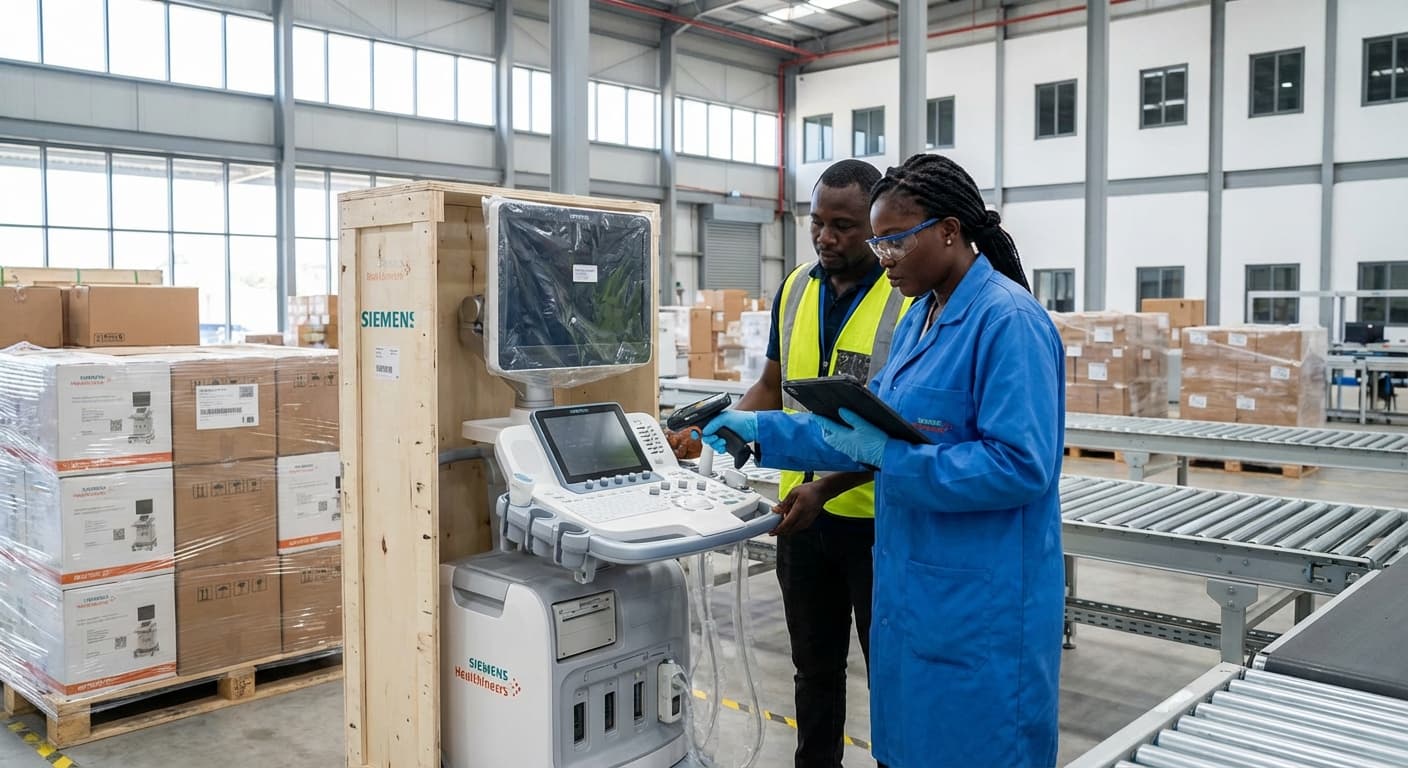
Warehouse Receiving Inspection Service (Medical Equipment) in Guinea
Engineering Excellence & Technical Support
Warehouse Receiving Inspection Service (Medical Equipment) High-standard technical execution following OEM protocols and local regulatory frameworks.
Precision Medical Equipment Inspection
Our dedicated team in Guinea employs meticulous visual and functional inspection protocols for all incoming medical equipment, ensuring adherence to stringent international quality standards and client specifications. This includes verification of serial numbers, lot numbers, expiry dates, and physical condition to prevent the introduction of sub-standard or counterfeit products.
Regulatory Compliance & Documentation
We provide comprehensive documentation management for all medical equipment received in Guinea. This includes verifying and organizing manufacturer certifications, import permits, quality control reports, and any country-specific regulatory approvals, guaranteeing full compliance and facilitating smooth customs clearance and onward distribution.
Risk Mitigation & Quality Assurance
Our rigorous receiving inspection service in Guinea acts as a critical first line of defense against equipment failure, potential health risks, and costly recalls. By identifying and flagging any deviations from quality or safety standards at the point of entry, we proactively mitigate risks and safeguard patient well-being and your organization's reputation.
What Is Warehouse Receiving Inspection Service (Medical Equipment) In Guinea?
Warehouse Receiving Inspection Service (Medical Equipment) in Guinea refers to a specialized quality control process conducted upon the arrival of medical equipment at a designated warehouse or storage facility within Guinea. This service is designed to verify the conformity, condition, and integrity of medical equipment against established specifications, regulatory requirements, and contractual obligations prior to its official acceptance into inventory or subsequent distribution. It encompasses a systematic examination of incoming shipments to identify any discrepancies, damages, or deviations that could compromise the equipment's functionality, safety, or intended use. The objective is to mitigate risks associated with substandard, counterfeit, or damaged medical devices, thereby ensuring the availability of safe and effective medical equipment for healthcare providers and patients in Guinea.
| Stakeholder Group | Rationale for Need | Typical Use Cases |
|---|---|---|
| Healthcare Facilities (Hospitals, Clinics, Laboratories) | To ensure the procured medical equipment is fit for purpose, safe for patient use, and meets expected performance standards before integration into clinical workflows. | Receiving new diagnostic equipment, surgical instruments, patient monitoring devices, consumables, and pharmaceuticals. |
| Medical Equipment Suppliers and Distributors (Local and International) | To fulfill contractual obligations, maintain product integrity, and manage inventory effectively by verifying shipments before they are dispatched to end-users or integrated into their own stock. | Receiving shipments from international manufacturers, consolidating orders, and preparing for onward distribution within Guinea. |
| Government Health Ministries and Regulatory Bodies (e.g., Ministry of Health, National Drug and Food Agency - ANAM) | To uphold public health standards, prevent the entry of substandard or counterfeit medical devices, and ensure compliance with national healthcare regulations and procurement policies. | Inspecting imported medical equipment intended for public health programs, emergency response stockpiles, or national health initiatives. |
| Non-Governmental Organizations (NGOs) and International Aid Agencies | To ensure donated or procured medical equipment meets required standards for effective program delivery and to maintain accountability of aid resources. | Receiving medical supplies and equipment for humanitarian projects, health outreach programs, and disaster relief efforts. |
| Logistics and Warehousing Providers | To offer value-added services, manage risks associated with handling sensitive medical equipment, and ensure compliance with client-specific requirements. | Providing inspection as part of a comprehensive third-party logistics (3PL) solution for medical equipment warehousing and distribution. |
Key Components of Warehouse Receiving Inspection Service (Medical Equipment) in Guinea
- Documentation Verification: Cross-referencing incoming shipments with purchase orders, invoices, packing lists, certificates of origin, quality certificates, and any other relevant import/export documentation.
- Physical Inspection: Conducting a thorough visual examination of packaging, labeling, and the medical equipment itself for signs of damage, tampering, or defects. This includes checking for dents, scratches, broken seals, and other physical anomalies.
- Quantity and Item Verification: Confirming that the quantity and specific types of medical equipment received match the order and accompanying documentation.
- Product Identification and Traceability: Verifying the authenticity of the equipment by checking serial numbers, batch/lot numbers, manufacturer details, and expiry dates against provided records. Ensuring the presence of necessary traceability information.
- Functional Testing (where applicable): Performing basic operational checks or pre-defined functionality tests to ensure the equipment is in working order, especially for items that require immediate validation.
- Compliance Check: Assessing adherence to relevant Guinean regulatory standards, import regulations, and specific client quality requirements for medical equipment.
- Storage Condition Assessment: Evaluating the environmental conditions of the receiving area and the transport vehicle (if applicable) to ensure they meet recommended storage parameters for medical equipment (e.g., temperature, humidity).
- Non-conformance Reporting: Documenting any identified deviations, damages, or discrepancies in a detailed report, including photographic evidence.
- Quarantine and Release Procedures: Initiating appropriate actions based on inspection findings, which may include quarantining non-conforming items, facilitating their return or replacement, or authorizing their release into inventory.
Who Needs Warehouse Receiving Inspection Service (Medical Equipment) In Guinea?
This document outlines the critical need for a Warehouse Receiving Inspection Service specifically tailored for medical equipment in Guinea. This service is essential for ensuring the quality, safety, and compliance of incoming medical devices before they are deployed into healthcare facilities. Such inspections mitigate risks associated with damaged, counterfeit, or non-compliant equipment, safeguarding patient well-being and optimizing healthcare resource allocation.
| Target Customers | Relevant Departments/Roles |
|---|---|
| Government Ministry of Health and its Agencies | Procurement Department, Quality Assurance Department, Logistics and Supply Chain Management Department, National Medical Stores, Regulatory Affairs Department |
| Public Hospitals and Healthcare Facilities | Procurement Office, Biomedical Engineering Department, Central Stores/Warehouse Management, Quality Control Unit |
| Private Hospitals and Clinics | Purchasing Department, Facility Management, Biomedical Services, Inventory Management |
| Non-Governmental Organizations (NGOs) and International Aid Organizations | Logistics and Procurement Teams, Program Management, Medical Equipment Officers |
| Medical Equipment Distributors and Suppliers (with local warehousing) | Quality Control Department, Warehouse and Logistics Management, Sales and Operations |
| Research Institutions and Laboratories | Procurement Officers, Laboratory Managers, Equipment Technicians |
| Insurance Providers (involved in medical equipment claims) | Claims Department, Risk Management |
Who Needs Warehouse Receiving Inspection Service (Medical Equipment) in Guinea?
- Any organization or entity involved in the procurement, storage, distribution, and utilization of medical equipment within Guinea.
- Specifically, this service is vital for ensuring the integrity of medical equipment entering the country and subsequently reaching end-users.
- It addresses the unique challenges of ensuring quality control in a developing healthcare infrastructure where the risk of substandard or compromised medical devices can have severe consequences.
Warehouse Receiving Inspection Service (Medical Equipment) Process In Guinea
This document outlines the standard workflow for a Warehouse Receiving Inspection Service for medical equipment in Guinea, from the initial client inquiry to the final execution and reporting. This process ensures that incoming medical equipment meets specified quality, safety, and regulatory standards before being accepted into inventory.
| Stage | Step | Description | Key Stakeholders | Documentation/Deliverables |
|---|---|---|---|---|
| Phase 1: Inquiry and Agreement | 1.1 Initial Inquiry | Client (e.g., hospital, NGO, distributor) contacts the inspection service provider with a request for medical equipment receiving inspection. | Client, Inspection Service Provider (Sales/Business Development) | Inquiry email/form, initial consultation notes |
| 1.2 Scope Definition | Discussion to clarify the type of equipment, quantity, inspection criteria (regulatory, client-specific), location, and desired timeline. | Client, Inspection Service Provider (Technical/Sales) | Scope of Work (SOW) document, detailed requirements | |
| 1.3 Quotation and Proposal | Inspection service provider submits a detailed quotation and service proposal outlining fees, terms, and conditions. | Inspection Service Provider | Quotation, Service Proposal | |
| 1.4 Contract/Agreement | Client reviews and accepts the proposal, leading to the signing of a formal contract or service agreement. | Client, Inspection Service Provider | Signed Contract/Service Agreement | |
| Phase 2: Pre-Inspection Preparation | 2.1 Assignment of Inspection Team | The inspection service provider assigns qualified inspectors with expertise in medical equipment and relevant standards. | Inspection Service Provider (Operations) | Inspector assignment sheet |
| 2.2 Information Gathering | Gathering all necessary documentation from the client and potentially the supplier (e.g., packing lists, invoices, shipping documents, manufacturer specifications, certificates of conformity). | Inspection Service Provider, Client | Copies of relevant documents | |
| 2.3 Development of Inspection Plan | Creating a detailed inspection plan based on the SOW, equipment type, and applicable standards (e.g., WHO GMP, local regulations, ISO standards). | Inspection Service Provider (Lead Inspector/Technical) | Detailed Inspection Plan | |
| 2.4 Scheduling and Logistics | Coordinating the inspection date and time with the client and arranging necessary travel and site access for the inspection team. | Inspection Service Provider (Operations/Logistics), Client | Confirmed inspection schedule, travel arrangements | |
| Phase 3: On-Site Inspection Execution | 3.1 Site Arrival and Briefing | Inspectors arrive at the designated warehouse facility and conduct a brief meeting with the client's representative to confirm the plan and access. | Inspection Team, Client Representative | Site entry log, briefing notes |
| 3.2 Verification of Documentation | Cross-referencing received goods against shipping documents, invoices, and packing lists. Checking for completeness and accuracy. | Inspection Team | Document verification checklist | |
| 3.3 Visual Inspection | Conducting a thorough visual examination of the equipment for any signs of damage, defects, contamination, or tampering during transit. | Inspection Team | Visual inspection checklist, photographic evidence | |
| 3.4 Identity and Specification Verification | Confirming the identity of the equipment (model, serial number, manufacturer) matches the documentation and specifications. | Inspection Team | Identity verification checklist | |
| 3.5 Condition and Functionality Check (if applicable) | For certain equipment, performing basic operational checks to ensure initial functionality, or verifying that such checks will be performed by the client post-receipt. | Inspection Team | Functionality check report (if performed) | |
| 3.6 Packaging and Labeling Check | Ensuring that packaging is intact, appropriate for medical equipment, and that labels are correct, legible, and compliant with regulations. | Inspection Team | Packaging and labeling checklist | |
| 3.7 Compliance with Storage Requirements | Verifying that the warehouse environment (temperature, humidity, cleanliness) is suitable for the medical equipment received. | Inspection Team | Warehouse environment checklist | |
| 3.8 Sampling and Testing (if specified) | Taking samples for laboratory testing or performing specific tests as per the agreed-upon scope (less common for receiving inspection, more for quality control). | Inspection Team, Laboratory (if applicable) | Sample log, test reports (if applicable) | |
| 3.9 Recording Discrepancies and Non-Conformities | Documenting any deviations from the agreed criteria, damages, or non-conformities observed during the inspection. | Inspection Team | Non-conformity report (NCR) template | |
| Phase 4: Reporting and Follow-up | 4.1 Internal Review and Report Compilation | The inspection team compiles all findings, evidence, and data into a comprehensive inspection report. | Inspection Team, Inspection Service Provider (Management) | Draft Inspection Report |
| 4.2 Submission of Inspection Report | The final, official inspection report is submitted to the client, detailing the findings, conclusions, and recommendations. | Inspection Service Provider | Final Inspection Report (with findings, conclusions, recommendations, photographic evidence) | |
| 4.3 Client Review and Acceptance/Rejection | The client reviews the report and makes a decision on whether to accept or reject the received equipment based on the findings. | Client | Client feedback on report | |
| 4.4 Corrective Actions and Re-inspection (if necessary) | If non-conformities are found, the client and/or supplier may need to implement corrective actions. A re-inspection might be scheduled. | Client, Supplier, Inspection Service Provider | Corrective Action Plan (CAP), Re-inspection Report | |
| 4.5 Invoice and Payment | The inspection service provider invoices the client for the services rendered, and payment is processed. | Inspection Service Provider, Client | Invoice, Payment confirmation | |
| 4.6 Record Keeping | Both the client and the inspection service provider maintain records of the inspection for future reference and audits. | Inspection Service Provider, Client | Archived inspection reports and related documentation |
Warehouse Receiving Inspection Service (Medical Equipment) Process in Guinea
- Phase 1: Inquiry and Agreement
- Phase 2: Pre-Inspection Preparation
- Phase 3: On-Site Inspection Execution
- Phase 4: Reporting and Follow-up
Warehouse Receiving Inspection Service (Medical Equipment) Cost In Guinea
The cost of warehouse receiving inspection services for medical equipment in Guinea is influenced by several key factors, leading to a range of pricing structures. These services are crucial for ensuring that incoming medical supplies and devices meet quality, safety, and regulatory standards before being stored and distributed. Understanding these factors is essential for budgeting and selecting the right service provider.
Key Pricing Factors:
- Type and Complexity of Medical Equipment: Inspecting basic consumables like gloves or bandages is generally less intensive and therefore less expensive than inspecting complex medical devices such as MRI machines, ventilators, or surgical robots. The need for specialized tools, calibration, and highly trained personnel directly impacts cost.
- Volume of Equipment: The number of items to be inspected is a primary cost driver. Larger shipments may benefit from volume discounts. Inspection services often have per-unit pricing, with tiered structures for higher volumes.
- Scope of Inspection: The depth and breadth of the inspection are critical. This can range from simple visual checks for damage and correct labeling to comprehensive functional testing, performance verification, and documentation review (e.g., certificates of conformity, user manuals, maintenance logs).
- Regulatory Compliance Requirements: Medical equipment is subject to strict regulations. If the inspection needs to verify compliance with specific Guinean or international standards (e.g., those set by the Ministry of Health, WHO), this will increase the complexity and cost. This may involve specialized checklists and documentation audits.
- Required Turnaround Time: Urgent inspections or those requiring expedited reporting will typically command higher fees due to the need for immediate resource allocation and potentially overtime for inspectors.
- Location of the Warehouse: The geographical location of the warehouse within Guinea can affect travel and logistical costs for the inspection team, especially if it's in a remote area.
- Inspector's Qualifications and Experience: Highly specialized inspectors with extensive experience in medical equipment diagnostics and regulatory affairs will charge more for their expertise.
- Reporting Requirements: The level of detail and format of the inspection report can influence cost. Comprehensive reports with detailed findings, photographic evidence, and recommendations will be more expensive than summary reports.
- Provider's Overhead and Reputation: Established inspection companies with robust quality management systems, insurance, and a strong reputation may have higher operational costs, which are reflected in their pricing.
Pricing Ranges in Guinean Francs (XOF):
It's important to note that these are estimated ranges and can fluctuate based on the dynamic market conditions and the specific negotiations between the client and the service provider. Prices are often quoted per item or per batch, with potential for project-based pricing for large or complex engagements.
- Basic Consumables (e.g., gloves, masks, syringes): Expect costs to range from 10,000 XOF to 30,000 XOF per batch or per 100 units. This would typically involve visual inspection for damage, correct quantity, and expiry dates.
- Standard Medical Devices (e.g., stethoscopes, blood pressure monitors, basic diagnostic kits): For these items, pricing might fall between 30,000 XOF to 100,000 XOF per unit or per small batch. This would include visual inspection, basic functional checks, and verification of accessories.
- Intermediate Medical Equipment (e.g., basic laboratory equipment, small imaging devices, patient monitors): Inspections for this category could range from 100,000 XOF to 500,000 XOF per unit or per project. This involves more in-depth functional testing, calibration checks, and documentation review.
- Complex and High-Value Medical Equipment (e.g., CT scanners, MRI machines, advanced surgical equipment, ventilators): The cost for inspecting such sophisticated equipment can be substantial, potentially ranging from 500,000 XOF to several million XOF per unit or per complex project. This would involve highly specialized technicians, advanced testing protocols, and extensive regulatory compliance verification.
Additional Considerations:
- Minimum Fees: Many inspection services have a minimum fee per inspection engagement, regardless of the number of items, to cover administrative and logistical costs.
- Travel and Accommodation: If the inspection team needs to travel to remote locations, costs for travel, accommodation, and per diem will be added.
- Re-inspection Fees: If an inspection fails and re-inspection is required after corrective actions, additional fees will apply.
It is highly recommended to obtain detailed quotes from multiple reputable inspection service providers in Guinea, clearly outlining the scope of work, equipment details, and desired outcomes to ensure accurate cost estimation and selection of the most suitable service.
| Equipment Category | Estimated Cost Range (XOF) |
|---|---|
| Basic Consumables (e.g., gloves, masks) | 10,000 - 30,000 per batch/100 units |
| Standard Medical Devices (e.g., stethoscopes, BP monitors) | 30,000 - 100,000 per unit/small batch |
| Intermediate Medical Equipment (e.g., basic lab equipment, patient monitors) | 100,000 - 500,000 per unit/project |
| Complex/High-Value Equipment (e.g., CT scanners, ventilators) | 500,000 - Several Million per unit/complex project |
Factors Influencing Warehouse Receiving Inspection Cost for Medical Equipment in Guinea
- Type and Complexity of Medical Equipment
- Volume of Equipment
- Scope of Inspection (e.g., visual, functional, documentation)
- Regulatory Compliance Requirements (Guinean/International Standards)
- Required Turnaround Time (Standard vs. Expedited)
- Location of the Warehouse (Logistical Costs)
- Inspector's Qualifications and Experience
- Reporting Requirements (Detail and Format)
- Provider's Overhead, Reputation, and Insurance
- Minimum Fees per Engagement
- Travel and Accommodation Costs (if applicable)
- Re-inspection Fees (if applicable)
Affordable Warehouse Receiving Inspection Service (Medical Equipment) Options
When sourcing medical equipment, a robust receiving inspection service is paramount to ensure quality, compliance, and operational readiness. For businesses prioritizing cost-effectiveness, understanding affordable options and value bundles is crucial. This guide explores how to secure reliable warehouse receiving inspection for medical equipment without breaking the budget, focusing on cost-saving strategies and the advantages of bundled services.
| Value Bundle Option | Inclusions | Cost-Saving Strategy | Ideal For |
|---|---|---|---|
| Basic Visual & Documentation Check | Visual inspection for damage, verification of serial numbers and lot numbers against shipping manifests, review of accompanying documentation (certificates of origin, user manuals). | Streamlined process, minimal specialized equipment required. Lower per-item cost. | Low-value, non-critical equipment; initial incoming goods verification. |
| Standard Functional & Performance Test | Includes Basic Visual & Documentation Check plus basic functional tests (e.g., power on, basic operational checks) to ensure immediate usability. | Bundles essential checks, reducing the need for separate testing phases. | Most standard medical devices and consumables where immediate functionality is expected. |
| Comprehensive Quality Assurance Bundle | Includes Standard Functional & Performance Test plus more in-depth performance verification, comparison against manufacturer specifications, and preliminary calibration checks. | Reduces risk of costly recalls or equipment failures later. Consolidated service. | High-value equipment, critical patient care devices, items requiring precise performance. |
| Compliance & Regulatory Readiness Bundle | Includes Comprehensive Quality Assurance Bundle plus checks for regulatory compliance (e.g., CE marking, FDA approval documentation), safety checks, and complete traceability documentation. | Ensures immediate market readiness and avoids compliance fines. Proactive risk mitigation. | Imported equipment, devices with strict regulatory requirements, products destined for regulated markets. |
| Customizable 'As-Needed' Inspection | Tailored inspection protocols based on specific equipment type, risk assessment, and client needs. | Pay only for the services required. Flexibility to adjust scope based on budget and criticality. | Businesses with diverse equipment portfolios or fluctuating inspection needs. |
Key Considerations for Affordable Medical Equipment Receiving Inspection:
- Scope of Inspection: Clearly define what needs to be inspected. Basic visual checks differ significantly in cost from comprehensive functional testing and calibration.
- Volume and Frequency: Higher volumes or more frequent inspections can often lead to volume discounts.
- Location: Proximity of the inspection service to your warehouse can reduce travel costs.
- Certification and Accreditation: While crucial for compliance, inquire about different tiers of certification and their associated costs.
- Technology Integration: Services that utilize advanced technology for reporting and data management might offer long-term efficiencies.
- Provider Reputation and Experience: Don't compromise on quality for cost. Look for proven track records in medical equipment inspection.
Verified Providers In Guinea
Navigating the healthcare landscape in Guinea requires trust and confidence in the providers you choose. Franance Health has established itself as a beacon of reliability, offering a network of verified healthcare professionals and facilities. This section will delve into what makes Franance Health's credentials so significant and why they stand out as the premier choice for your health needs in Guinea.
| Credential Type | Franance Health's Assurance | Benefit to You |
|---|---|---|
| Medical Licensing & Certification | Ensures all providers hold valid, up-to-date licenses and certifications recognized by Guinean authorities. | Guaranteed adherence to professional standards and legal requirements. |
| Professional Experience & Qualifications | Verifies the educational background, specializations, and years of practical experience of each healthcare professional. | Access to highly skilled doctors and specialists with proven track records. |
| Facility Accreditation & Standards | Confirms that affiliated clinics and hospitals meet established safety, hygiene, and operational standards. | Safe, clean, and well-equipped environments for your treatment. |
| Reputation & Patient Feedback | Monitors provider performance and patient satisfaction through a confidential feedback system. | Confidence in receiving excellent service and positive patient outcomes. |
| Ethical Conduct & Patient Rights | Upholds a strict code of ethics, prioritizing patient confidentiality and well-being. | Respectful and transparent care that prioritizes your needs and rights. |
Why Franance Health Credentials Matter
- Rigorous Verification Process: Franance Health implements a stringent vetting procedure for all its affiliated providers, ensuring they meet the highest standards of medical expertise and ethical practice.
- Commitment to Quality Care: Their credentials signify a dedication to providing compassionate, effective, and patient-centered healthcare services.
- Access to Specialized Expertise: By partnering with a diverse range of specialists, Franance Health guarantees access to a broad spectrum of medical knowledge and treatment options.
- Patient Safety and Trust: The 'verified' status offers peace of mind, assuring patients that they are receiving care from qualified and reputable professionals.
- Streamlined Healthcare Experience: Franance Health simplifies the process of finding and accessing quality healthcare, making it more convenient and less stressful.
Scope Of Work For Warehouse Receiving Inspection Service (Medical Equipment)
This Scope of Work (SOW) outlines the services to be provided for the inspection of incoming medical equipment at the warehouse. The objective is to ensure that all received medical equipment meets the defined technical specifications, quality standards, and regulatory requirements before being accepted into inventory and subsequently deployed. This service is critical for maintaining patient safety, ensuring product efficacy, and minimizing operational risks associated with faulty or non-compliant medical devices.
| Technical Deliverables | Description | Standard Specifications / References |
|---|---|---|
| Receiving Inspection Report (RIR) | A comprehensive report detailing the findings of each inspection, including visual assessment, functional test results, documentation verification, and any identified non-conformances. | ISO 9001:2015 Clause 8.6 (Control of externally provided processes or products), internal Quality Management System (QMS) procedures, specific product technical specifications, and regulatory requirements (e.g., FDA 21 CFR Part 820 - Quality System Regulation). |
| Non-Conformance Report (NCR) | A formal report documenting any deviations from specified requirements. Includes description of the defect, affected item, quantity, and recommended corrective action. | ISO 9001:2015 Clause 8.7 (Control of nonconforming outputs), internal QMS procedures, supplier agreements. |
| Test Protocols and Results | Documented protocols for functional testing and calibration verification, along with the recorded results for each tested item. | Manufacturer's Instructions for Use (IFU), technical manuals, internal validation protocols, applicable industry standards (e.g., IEC 60601 series for medical electrical equipment). |
| Documentation Checklist | A checklist used to verify the presence and completeness of all required documentation for each medical equipment received. | Purchase Order specifications, manufacturer's documentation requirements, regulatory mandates, and contract terms. |
| Disposition Status | Clear indication of the final disposition for each received item (e.g., Accepted, Accepted with Deviation, Rejected, Quarantined). | Internal QMS procedures, risk assessment outcomes, and stakeholder approval. |
| Inventory Data Updates | Confirmation that inspection results have been accurately reflected in the warehouse management system (WMS) or inventory database. | WMS functionality, data integrity standards, and internal SOPs. |
Key Activities and Responsibilities
- Pre-Shipment Verification (if applicable): Reviewing shipping documents against purchase orders and packing lists to confirm order accuracy and identify any potential discrepancies before arrival.
- Visual Inspection: Conducting a thorough visual examination of the equipment, packaging, and labeling for any signs of damage, tampering, or defects.
- Documentation Review: Verifying the completeness and accuracy of all accompanying documentation, including Certificates of Analysis (CoA), Certificates of Conformity (CoC), user manuals, sterilisation records, and warranty information.
- Functional Testing: Performing basic functional tests to confirm the equipment operates as intended according to manufacturer specifications and intended use.
- Calibration Verification (if applicable): Checking if the equipment's calibration is within the specified tolerance and if calibration certificates are valid and present.
- Labeling and Marking Verification: Ensuring all labeling, including serial numbers, model numbers, regulatory marks (e.g., CE, FDA), and expiry dates (if applicable), is present, legible, and accurate.
- Accessory and Component Check: Verifying that all included accessories, consumables, and spare parts are present and match the specified list.
- Sampling and Testing (if applicable): Collecting samples for further laboratory testing or analysis as per specific product requirements and quality agreements.
- Non-Conformance Reporting: Documenting and reporting any identified deviations from specifications, damage, or defects in a clear and concise manner.
- Disposition Recommendations: Providing recommendations for the disposition of non-conforming items (e.g., quarantine, return to vendor, rework, acceptance with deviation).
- Data Entry and Record Keeping: Accurately recording all inspection findings, test results, and disposition decisions in the designated system.
- Communication: Maintaining open communication with the warehouse management, procurement, and relevant stakeholders regarding inspection status and findings.
Service Level Agreement For Warehouse Receiving Inspection Service (Medical Equipment)
This Service Level Agreement (SLA) outlines the response times and uptime guarantees for the Warehouse Receiving Inspection Service (Medical Equipment) provided by [Your Company Name] to [Client Company Name]. This SLA is an addendum to the Master Services Agreement (MSA) dated [MSA Date].
| Service Component | Response Time (Business Hours) | Uptime Guarantee | Definition of Uptime | Remedy for Breach |
|---|---|---|---|---|
| Receipt of Inspection Request | Within 2 business hours of notification (via designated portal or email) | 99.5% | The service will be available and operational for accepting and processing inspection requests during scheduled business hours (Monday-Friday, 8:00 AM - 5:00 PM [Time Zone]). Uptime is calculated monthly as (Total Scheduled Business Hours - Downtime Hours) / Total Scheduled Business Hours. | For each full percentage point below the guaranteed uptime, a credit of 1% of the monthly service fee will be applied to the next invoice. Maximum credit capped at 10% of monthly fee. |
| Initial Inspection Commencement | Within 8 business hours of receipt of inspection request and equipment availability at the designated inspection area. | N/A (Performance Metric) | N/A | If the initial inspection commencement is delayed beyond 8 business hours due to [Your Company Name]'s fault (e.g., insufficient staffing, system issues), a priority alert will be issued, and the inspection will be scheduled for the absolute earliest available slot. No financial penalty, but documented as a performance issue. |
| Issuance of Inspection Report | Within 24 business hours of inspection completion. | N/A (Performance Metric) | N/A | If the report issuance is delayed beyond 24 business hours due to [Your Company Name]'s fault, a written explanation and revised delivery time will be provided. For each 12-hour delay beyond the initial 24-hour window, a credit of $50 will be applied to the next invoice. Maximum credit capped at $250 per incident. |
| Availability of Inspection Personnel | As per scheduled appointments and on-demand requests (within 4 business hours for urgent requests) | 98.0% | Inspection personnel will be available to perform inspections during agreed-upon operational hours, excluding scheduled breaks and holidays. Uptime is calculated monthly as (Total Scheduled Inspection Hours - Unavailability Hours) / Total Scheduled Inspection Hours. | For each full percentage point below the guaranteed uptime, a credit of 1% of the monthly service fee will be applied to the next invoice. Maximum credit capped at 10% of monthly fee. |
| Emergency Support / Critical Issues | Within 1 business hour for critical issues impacting immediate receiving operations. | 99.9% | The ability to report and receive acknowledgment for critical issues impacting immediate receiving operations (e.g., safety hazards, complete system failure) during business hours. Uptime is calculated monthly as (Total Business Hours - Downtime Hours for Critical Issue Reporting) / Total Business Hours. | For each incident of exceeding the 1-hour response time for critical issues, a credit of $100 will be applied to the next invoice. Maximum credit capped at $500 per month. |
Service Objectives
- To ensure timely and accurate inspection of incoming medical equipment.
- To minimize downtime for receiving operations.
- To provide clear and actionable inspection reports.
Frequently Asked Questions

Ready when you are
Let's scope your Warehouse Receiving Inspection Service (Medical Equipment) in Guinea project in Guinea.

Scaling healthcare logistics and technical systems across the entire continent.