
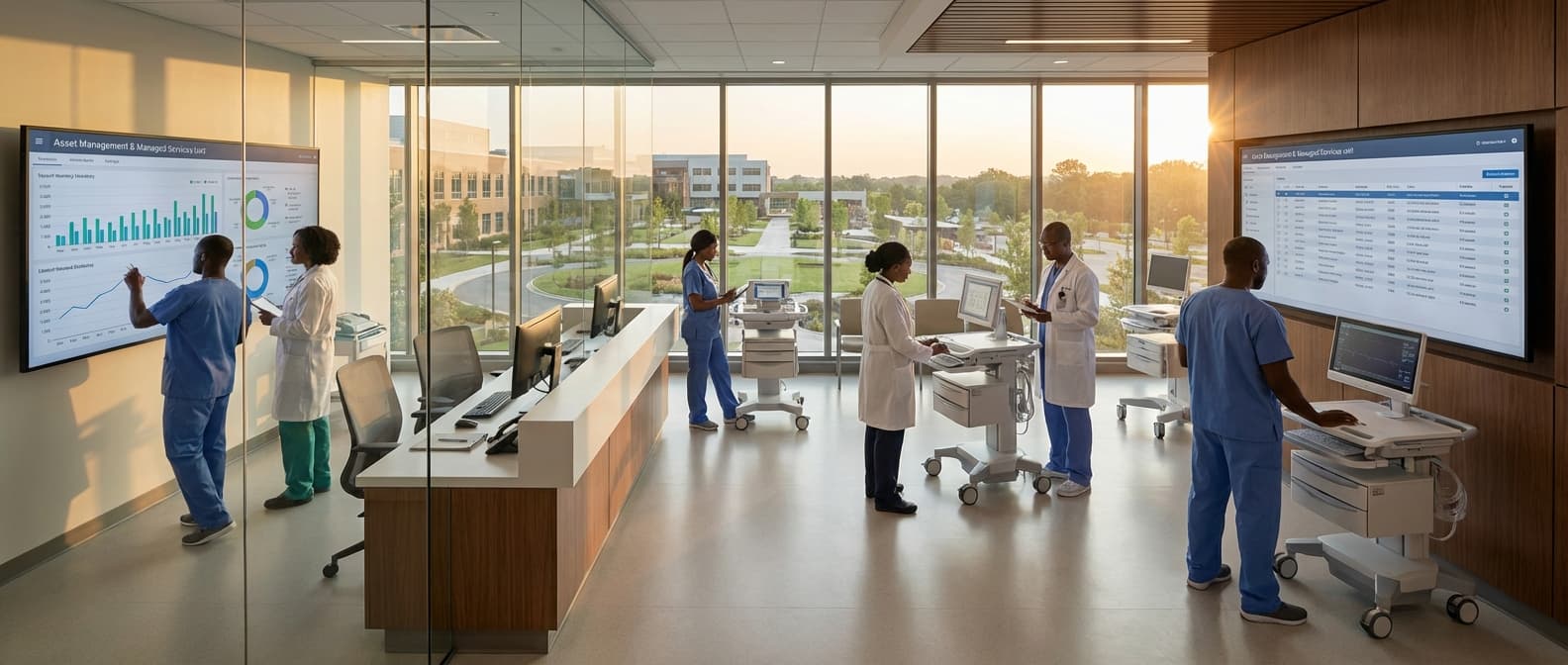
Maintenance KPI Reporting Service (Uptime/MTBF/MTTR) in Guinea
Engineering Excellence & Technical Support
Maintenance KPI Reporting Service (Uptime/MTBF/MTTR) High-standard technical execution following OEM protocols and local regulatory frameworks.
Optimized Uptime in Guinea's Mining Sector
Our advanced reporting service empowers Guinean mining operations to achieve and maintain industry-leading equipment uptime. By providing real-time, granular insights into machine availability, we enable proactive maintenance scheduling and rapid response to disruptions, directly impacting operational efficiency and profitability.
Reducing Mean Time Between Failures (MTBF) for Critical Assets
Leveraging predictive analytics and historical data, our service identifies failure patterns in Guinean industrial machinery. This allows for the implementation of targeted preventative maintenance strategies, significantly extending the Mean Time Between Failures (MTBF) of critical assets and minimizing costly unplanned downtime across various sectors.
Accelerated Mean Time To Repair (MTTR) in Remote Operations
We provide Guinean businesses, especially those in remote resource extraction or infrastructure projects, with the tools to drastically reduce Mean Time To Repair (MTTR). Our comprehensive reporting highlights bottleneck areas in repair processes, facilitates efficient parts management, and ensures technicians have the right information at their fingertips for swift, effective resolutions.
What Is Maintenance Kpi Reporting Service (Uptime/mtbf/mttr) In Guinea?
Maintenance KPI Reporting Service (Uptime/MTBF/MTTR) in Guinea refers to a specialized service focused on the measurement, analysis, and reporting of critical Key Performance Indicators (KPIs) related to the operational availability and reliability of physical assets and systems within various industries operating in Guinea. This service leverages data collection from asset monitoring systems, maintenance logs, and operational databases to provide actionable insights into asset performance and maintenance effectiveness. The core KPIs tracked typically include Uptime (percentage of time an asset is operational), Mean Time Between Failures (MTBF - average time between reparable failures), and Mean Time To Repair (MTTR - average time to restore a failed asset to operational status). The service aims to optimize maintenance strategies, reduce operational disruptions, and enhance overall asset lifecycle management.
| Who Needs This Service? | Typical Use Cases | ||||||||
|---|---|---|---|---|---|---|---|---|---|
| Industries with critical infrastructure and high operational uptime requirements. | Mining and Extractive Industries: Monitoring the reliability of heavy machinery (crushers, excavators, haul trucks), processing plants, and power generation units to ensure continuous production and minimize costly downtime. | Energy Sector (Oil & Gas, Power Generation): Tracking the performance of exploration equipment, production facilities, pipelines, turbines, and transformers to maintain consistent energy supply and prevent environmental hazards. | Manufacturing and Industrial Production: Analyzing the uptime of production lines, machinery, and automated systems to optimize throughput, reduce scrap rates, and ensure product quality. | Telecommunications: Monitoring network infrastructure (base stations, transmission equipment) to guarantee service availability and subscriber satisfaction. | Transportation and Logistics: Assessing the reliability of fleets (trucks, trains, ships) and associated infrastructure (ports, rail lines) for efficient movement of goods and people. | Water and Wastewater Management: Ensuring the continuous operation of pumps, treatment plants, and distribution networks to maintain public health and sanitation. | Government and Public Infrastructure: Monitoring critical public assets like bridges, public transportation systems, and utility networks for public safety and service delivery. | Asset-Intensive Businesses seeking to improve operational efficiency and reduce lifecycle costs. | |
| Organizations aiming to improve asset reliability and availability. | Reducing unscheduled downtime and associated production losses. | Optimizing maintenance schedules and resource allocation (personnel, spare parts). | Enhancing the effectiveness of preventive and predictive maintenance programs. | Identifying and addressing recurring equipment failures through root cause analysis. | Improving safety by minimizing unexpected equipment malfunctions. | Supporting informed capital expenditure decisions for asset replacement or upgrades. | Meeting contractual obligations for asset uptime and performance (e.g., service level agreements). | Benchmarking operational performance against industry best practices. | Forecasting maintenance needs and potential budget requirements. |
Key Components and Objectives of the Service
- Data Aggregation and Validation: Collecting raw data from diverse sources (SCADA, CMMS, IoT sensors) and ensuring its accuracy and completeness.
- KPI Calculation and Analysis: Computing Uptime, MTBF, MTTR, and other relevant maintenance metrics, followed by trend analysis and root cause identification of deviations.
- Performance Benchmarking: Comparing asset and system performance against internal historical data, industry benchmarks, or contractual obligations.
- Reporting and Visualization: Generating standardized and customized reports, dashboards, and visualizations for stakeholders, highlighting key findings and recommendations.
- Predictive and Prescriptive Insights: Employing statistical models and machine learning to forecast potential failures and recommend proactive maintenance actions.
- Optimization of Maintenance Strategies: Informing decisions regarding preventive, predictive, and reactive maintenance approaches to minimize downtime and costs.
- Risk Mitigation: Identifying and quantifying operational risks associated with asset failures and proposing mitigation strategies.
- Cost Management: Providing data-driven insights to optimize maintenance budgets and resource allocation.
Who Needs Maintenance Kpi Reporting Service (Uptime/mtbf/mttr) In Guinea?
In Guinea, businesses across various sectors rely heavily on the consistent and reliable operation of their physical assets and equipment. Downtime can translate directly into lost revenue, damaged reputation, and decreased productivity. Therefore, organizations that depend on the availability of machinery, infrastructure, or technological systems are prime candidates for a Maintenance KPI Reporting Service focused on Uptime, Mean Time Between Failures (MTBF), and Mean Time To Repair (MTTR). This service provides critical data-driven insights to optimize maintenance strategies, predict potential failures, and minimize operational disruptions.
| Industry Sector | Key Assets/Equipment | Departments Benefiting | Impact of Downtime |
|---|---|---|---|
| Mining | Haul trucks, excavators, crushers, conveyor belts | Operations, Maintenance, Asset Management | Production loss, safety risks, increased operational costs |
| Energy & Utilities | Generators, turbines, transformers, pumps, pipelines | Operations, Technical Services, Infrastructure Management | Service interruption, economic losses, public dissatisfaction |
| Manufacturing | Production lines, CNC machines, packaging equipment, motors | Production, Plant Management, Maintenance Engineering | Lost output, missed deadlines, increased waste |
| Telecommunications | Cell towers, base stations, servers, network switches, fiber optics | Network Operations, Field Maintenance, IT Infrastructure | Service outages, customer churn, revenue loss |
| Transportation & Logistics | Ships, aircraft, trucks, cranes, forklifts, port equipment | Operations, Fleet Management, Maintenance | Delayed shipments, increased costs, damaged reputation |
| Construction | Cranes, excavators, bulldozers, concrete mixers, generators | Project Management, Site Operations, Equipment Maintenance | Project delays, cost overruns, penalties |
Target Customers & Departments in Guinea
- {"title":"Mining & Extractive Industries","examples":["Gold mines","Bauxite mines","Iron ore extraction companies"],"description":"Given Guinea's rich mineral resources, mining operations are highly dependent on heavy machinery. Unexpected equipment failures can halt production for extended periods. Departments like Operations, Maintenance, and Asset Management are key stakeholders."}
- {"title":"Energy & Utilities","examples":["National power companies","Independent power producers (IPPs)","Water supply authorities"],"description":"Power generation plants, transmission networks, and water treatment facilities require constant uptime to serve the population and industries. Fluctuations in supply can have severe economic and social consequences. Relevant departments include Operations, Technical Services, and Infrastructure Management."}
- {"title":"Manufacturing & Industrial Production","examples":["Food and beverage processing plants","Textile manufacturers","Cement factories","Industrial component manufacturers"],"description":"Factories and industrial plants rely on production lines and machinery operating efficiently. Any downtime directly impacts output and order fulfillment. Departments such as Production, Plant Management, and Maintenance Engineering are crucial."}
- {"title":"Telecommunications","examples":["Mobile network operators","Internet service providers","Telecommunications infrastructure companies"],"description":"Reliable network infrastructure is vital for communication services. Downtime in cell towers, data centers, or fiber optic networks can lead to widespread service disruptions. Key departments include Network Operations, Field Maintenance, and IT Infrastructure."}
- {"title":"Transportation & Logistics","examples":["Port authorities","Airport operators","Logistics and freight companies","Public transportation operators"],"description":"Ports, airports, and logistics companies managing fleets of vehicles require their operational assets to be available. Equipment failures can lead to delays and increased costs. Departments like Operations, Fleet Management, and Maintenance are primary users."}
- {"title":"Heavy Construction & Infrastructure Projects","examples":["Construction companies","Infrastructure development firms"],"description":"Large-scale construction projects, including roads, bridges, and buildings, depend on the availability of heavy equipment like excavators, cranes, and bulldozers. Project timelines are significantly impacted by equipment breakdowns. Departments include Project Management, Site Operations, and Equipment Maintenance."}
- {"title":"Oil & Gas (Upstream & Downstream)","examples":["Refineries","Pipeline operators","Exploration and production companies"],"description":"While not as dominant as mining, any existing or developing oil and gas infrastructure (refineries, pipelines, exploration equipment) necessitates high uptime. Departments include Operations, Engineering, and Maintenance."}
Maintenance Kpi Reporting Service (Uptime/mtbf/mttr) Process In Guinea
The Maintenance KPI Reporting Service (Uptime, Mean Time Between Failures - MTBF, Mean Time To Repair - MTTR) in Guinea is a structured process designed to provide clients with critical insights into the reliability and maintainability of their assets. This service plays a vital role in operational efficiency, cost reduction, and proactive maintenance strategies. The workflow, from an initial client inquiry to the final delivery of reports, is designed for clarity, accuracy, and timely communication.
| Stage | Description | Key Activities | Deliverables/Outputs | Stakeholders Involved |
|---|---|---|---|---|
| Initial contact from a client expressing interest in the Maintenance KPI Reporting Service. | Initial meeting, understanding client's needs, asset inventory, current reporting status, defining scope of service (specific assets, KPIs required, reporting frequency). | Service proposal, Statement of Work (SOW), agreed-upon KPIs and reporting frequency. | Client (Operations/Maintenance Manager), Service Provider (Sales/Account Manager) |
| Developing a detailed plan for how and where the necessary data will be sourced and collected. | Identifying data sources (CMMS, SCADA, manual logs, technician reports), defining data fields (failure dates/times, repair dates/times, downtime duration, asset ID), establishing data collection methods and tools, assigning responsibilities. | Data collection plan, data mapping document, access credentials for systems. | Service Provider (Data Analysts, Maintenance Engineers), Client (IT department, Maintenance team) |
| Gathering raw data related to asset performance and maintenance activities. | Extracting data from identified sources, manual data entry where necessary, ensuring data accuracy through cross-referencing and validation checks, identifying and resolving data inconsistencies. | Raw data set, validated data set, data anomaly reports. | Service Provider (Data Collectors, Data Analysts), Client (Maintenance personnel, IT support) |
| Computing the defined KPIs based on the validated data and performing initial analysis. | Calculating Uptime (%), MTBF (Mean Time Between Failures), MTTR (Mean Time To Repair) using standard formulas, identifying trends, anomalies, and outliers in the KPI data, initial interpretation of results. | Calculated KPI values, trend charts, outlier identification. | Service Provider (Data Analysts, Maintenance Engineers) |
| Compiling the calculated KPIs and analysis into a comprehensive and understandable report. | Creating formatted reports (dashboards, written summaries, charts, graphs), including executive summaries, detailed KPI breakdowns, historical performance comparisons, and identification of key findings. | Draft KPI report, executive summary. | Service Provider (Report Writers, Data Analysts) |
| Presenting the generated reports to the client and discussing the findings. | Distributing the final report (electronically or in print), conducting a presentation meeting with the client, explaining the KPIs, trends, and insights, answering questions. | Final KPI report, presentation slides, meeting minutes. | Service Provider (Account Manager, Maintenance Engineers), Client (Management, Operations, Maintenance Teams) |
| Providing ongoing support and actionable recommendations based on the reported KPIs. | Discussing potential root causes of poor performance, recommending proactive maintenance strategies, preventive actions, or system improvements, scheduling future reporting cycles, offering further analytical services. | Actionable recommendations, revised maintenance plans, future service engagement proposals. | Service Provider (Maintenance Consultants, Account Manager), Client (Maintenance Department, Management) |
Maintenance KPI Reporting Service Workflow in Guinea
- Inquiry and Scoping
- Data Collection Planning
- Data Collection & Validation
- KPI Calculation & Analysis
- Report Generation
- Report Delivery & Presentation
- Follow-up & Recommendations
Maintenance Kpi Reporting Service (Uptime/mtbf/mttr) Cost In Guinea
The cost of Maintenance KPI Reporting Services (Uptime, MTBF, MTTR) in Guinea is influenced by several key factors, making it difficult to provide a single definitive price. These services are crucial for businesses aiming to optimize their operational efficiency, minimize downtime, and improve overall asset reliability. The pricing structure typically involves a combination of initial setup, ongoing monitoring, data analysis, and reporting. Understanding these factors will help businesses in Guinea budget effectively for these essential services. The local currency, the Guinean Franc (GNF), will be used for all cost indications. It's important to note that these are estimated ranges and actual quotes can vary significantly based on specific vendor capabilities, contract length, and the complexity of the client's operations.
| Service Component | Estimated Cost Range (GNF per month) | Notes |
|---|---|---|
| Basic Reporting (Uptime, MTBF, MTTR for < 50 assets, standard templates) | 1,500,000 - 4,000,000 GNF | Assumes straightforward data integration, limited customization, and monthly reporting. |
| Intermediate Reporting (Uptime, MTBF, MTTR + additional KPIs, 50-200 assets, semi-customizable dashboards) | 4,000,000 - 10,000,000 GNF | Involves more complex data sources, weekly reporting, and moderately tailored insights. |
| Advanced Reporting (Comprehensive suite of KPIs, >200 assets, extensive customization, predictive analytics integration) | 10,000,000 - 30,000,000+ GNF | Requires significant integration effort, real-time monitoring capabilities, and potentially dedicated analyst support. |
| Initial Setup & Integration Fee (One-time) | 2,000,000 - 15,000,000+ GNF | Highly variable depending on the complexity of existing systems and data sources. |
| Consultation & Training (Per session/day) | 500,000 - 1,500,000 GNF | For initial onboarding or specialized training on interpreting reports. |
Key Pricing Factors for Maintenance KPI Reporting Services in Guinea
- Scope of Services: The breadth of KPIs reported (Uptime, MTBF, MTTR, and potentially others like OEE, maintenance backlog, etc.) directly impacts cost. More comprehensive reporting requires more sophisticated tools and analysis.
- Number of Assets/Locations: The volume of equipment or facilities to be monitored and reported on is a primary cost driver. Each asset may require individual data collection and analysis.
- Data Integration Complexity: The ease with which data can be collected from existing systems (SCADA, ERP, CMMS, IoT sensors) is a significant factor. Custom integrations or manual data entry will increase costs.
- Level of Customization: The need for bespoke reporting dashboards, specific analytical models, or tailored alert systems will affect pricing. Standardized reports are generally less expensive.
- Frequency of Reporting: Daily, weekly, monthly, or quarterly reports will have different associated costs, with more frequent reporting often incurring higher fees.
- Vendor Expertise and Reputation: Established vendors with a proven track record and specialized expertise in industrial maintenance analytics may command higher prices.
- Technology and Software Used: The underlying software platform, whether proprietary or third-party, and its licensing costs are factored into the service price.
- Support and Training: The level of ongoing technical support, training for client staff, and proactive system maintenance offered by the vendor will influence the overall cost.
- Contract Duration: Longer-term contracts often come with discounted rates compared to short-term engagements.
- On-site vs. Remote Services: While most reporting is remote, any required on-site assessment, calibration, or initial setup by the vendor will add to the cost.
- Data Volume and Storage: The amount of historical data to be stored and analyzed can impact infrastructure costs for the service provider, which can be passed on.
Affordable Maintenance Kpi Reporting Service (Uptime/mtbf/mttr) Options
This document outlines affordable options for Maintenance KPI Reporting Services focusing on Uptime, Mean Time Between Failures (MTBF), and Mean Time To Repair (MTTR). We explore value bundles designed to maximize benefits and cost-saving strategies to ensure your business receives essential insights without breaking the budget.
| Service Bundle Tier | Core Reporting Features | Advanced Features | Support Level | Estimated Monthly Cost Range (USD) | Ideal For |
|---|---|---|---|---|---|
| Basic Insights | Automated Uptime Tracking, Basic MTBF/MTTR Calculations, Standard Dashboards | None | Email Support (24-48 hr response) | $50 - $150 | Small businesses with limited assets, basic tracking needs. |
| Standard Performance | All Basic Features, Customizable Dashboards, Trend Analysis, Alerting for critical failures, Basic Root Cause Analysis (RCA) prompts | Historical data analysis (up to 1 year) | Email & Chat Support (12-24 hr response) | $150 - $400 | Growing businesses needing actionable insights and proactive alerts. |
| Proactive Reliability | All Standard Features, Advanced RCA Tools & Recommendations, Predictive Maintenance Indicators, Scheduled Maintenance Optimization, Integration with CMMS (limited) | Integration with CMMS (advanced), Custom Report Generation, Benchmarking | Phone, Email & Chat Support (4-8 hr response), Dedicated Account Manager (part-time) | $400 - $1000+ | Established organizations focused on maximizing asset lifespan and minimizing costly unplanned downtime. |
| Enterprise Solution | All Proactive Features, Full CMMS Integration, Custom Data Connectors, API Access, Advanced Analytics & AI-driven insights, On-site Training (optional) | Custom Feature Development, Dedicated Support Team | 24/7 Priority Support, Dedicated Account Manager | Custom Pricing (starts $1000+/month) | Large enterprises with complex operations and a need for tailored, integrated solutions. |
Key Maintenance KPIs Explained
- Uptime: The percentage of time a piece of equipment or a system is operational and available for use. Higher uptime signifies better reliability and less disruption.
- Mean Time Between Failures (MTBF): The average time a repairable component or system operates between breakdowns. A higher MTBF indicates greater reliability and less frequent maintenance needs.
- Mean Time To Repair (MTTR): The average time it takes to repair a broken-down piece of equipment or system and return it to operational status. A lower MTTR minimizes downtime and associated costs.
Verified Providers In Guinea
When seeking healthcare in Guinea, especially for specialized medical needs or access to international standards of care, identifying Verified Providers is paramount. Franance Health has established itself as a leading entity in this regard, offering a robust network of healthcare facilities and professionals that meet stringent quality and ethical benchmarks. Their rigorous credentialing process ensures that all listed providers adhere to the highest standards of medical practice, patient safety, and transparency. This commitment to verification makes Franance Health an indispensable resource for individuals and organizations looking for reliable and high-quality healthcare services in Guinea. By choosing Franance Health-verified providers, you are opting for a level of assurance that guarantees competence, integrity, and a patient-centered approach.
| Credentialing Aspect | Franance Health Standard | Benefit to Patients |
|---|---|---|
| Medical Licensing & Certification | Mandatory and up-to-date verification of all relevant medical licenses and specialized certifications. | Ensures providers are legally qualified and possess the necessary expertise for their practice. |
| Professional Experience & Reputation | Review of practice history, peer references, and patient feedback (where applicable). | Identifies experienced professionals with a proven track record and positive professional standing. |
| Adherence to Ethical Guidelines | Confirmation of compliance with national and international medical ethics codes. | Guarantees that providers will act with integrity, respect patient rights, and maintain confidentiality. |
| Facility Standards (for Clinics/Hospitals) | Assessment of infrastructure, equipment, hygiene, and safety protocols. | Ensures a safe, clean, and well-equipped environment for treatment and procedures. |
| Continuing Medical Education (CME) | Requirement for providers to engage in ongoing professional development. | Confirms that providers are up-to-date with the latest medical advancements and techniques. |
Why Franance Health Credentials Represent the Best Choice:
- Rigorous Vetting Process: Franance Health employs a multi-faceted evaluation system that includes a thorough review of medical licenses, certifications, professional history, and compliance with ethical guidelines. This ensures that only the most qualified and reputable healthcare professionals are included in their network.
- Commitment to Quality and Safety: Verified providers have demonstrated a commitment to maintaining high standards of patient care, infection control, and safety protocols. This adherence to best practices minimizes risks and optimizes patient outcomes.
- International Standards Alignment: Franance Health often aligns its verification criteria with international healthcare standards, providing a benchmark of quality that is recognized globally. This is particularly beneficial for expatriates, international organizations, and those seeking specialized treatments.
- Transparency and Accountability: The credentialing process fosters transparency in healthcare provision. Patients can have greater confidence in the services they receive, knowing that providers have been independently assessed and verified for their competence and integrity.
- Access to Specialized Expertise: Franance Health's network often includes providers with specialized skills and access to advanced medical technologies, ensuring that complex medical needs can be met effectively within Guinea.
- Enhanced Patient Confidence: The "Verified Provider" status acts as a seal of trust, significantly boosting patient confidence and reducing the anxiety associated with seeking medical care in an unfamiliar system.
- Streamlined Healthcare Navigation: For individuals and organizations, Franance Health's verified network simplifies the process of finding appropriate and trustworthy healthcare providers, saving time and effort.
Scope Of Work For Maintenance Kpi Reporting Service (Uptime/mtbf/mttr)
This Scope of Work (SOW) outlines the requirements for a Maintenance KPI Reporting Service focused on Uptime, Mean Time Between Failures (MTBF), and Mean Time To Repair (MTTR). The service will involve the collection, analysis, and presentation of maintenance data to provide actionable insights for improving asset reliability and operational efficiency. The technical deliverables will adhere to standard specifications to ensure consistency and comparability of data.
| Deliverable Category | Technical Deliverable | Description | Standard Specifications / Format | Frequency |
|---|---|---|---|---|
| Data Collection & Integration | Raw Maintenance Data Feed | Structured data from CMMS/EAM systems, IoT sensors, or manual logs. | CSV, JSON, or direct API integration. Data fields to include: Asset ID, Downtime Start, Downtime End, Failure Code, Repair Action, Technician ID, Parts Used. | Continuous / Daily |
| Data Processing & Validation | Validated & Cleaned Dataset | Data cleansed of duplicates, inaccuracies, and inconsistencies. Missing critical fields will be flagged. | Internal data model adherence. Validation rules for date/time stamps, numerical values, and categorical data. | Daily |
| KPI Calculation | Calculated KPI Metrics | Uptime (%), MTBF (hours/cycles), MTTR (hours/minutes). | Calculations to be performed based on industry-standard formulas. Clear documentation of calculation logic. | Daily / Weekly |
| Reporting & Visualization | Monthly KPI Dashboard Report | A comprehensive report summarizing KPI trends, highlighting significant deviations, and identifying areas for improvement. | PDF, Interactive Web Dashboard (e.g., Power BI, Tableau), or Excel with charts and tables. Includes: Trend analysis, Pareto charts for failure codes, Root Cause Analysis (RCA) summaries. | Monthly |
| Reporting & Visualization | Ad-hoc KPI Reports | On-demand reports for specific assets, failure modes, or time periods. | Requested format (e.g., CSV, PDF) with agreed-upon scope and parameters. | As Requested |
| Reporting & Visualization | Root Cause Analysis (RCA) Support Data | Aggregated data and analysis to facilitate RCA investigations. | Exportable datasets of relevant downtime events, failure codes, and repair actions. Summary of contributing factors. | As Requested |
| Data Storage & Archiving | Historical KPI Data Repository | Secure storage of all processed data and generated reports for audit and historical analysis. | Cloud-based or on-premise storage solution. Data retention policy to be defined. | Continuous / Ongoing |
Key Performance Indicators (KPIs) to be Reported
- Uptime: The percentage of time a piece of equipment or system is operational and available for use.
- Mean Time Between Failures (MTBF): The average time a repairable system or component operates between inherent failures during normal system operation.
- Mean Time To Repair (MTTR): The average time it takes to repair a failed component or system and return it to operational status.
Service Level Agreement For Maintenance Kpi Reporting Service (Uptime/mtbf/mttr)
This Service Level Agreement (SLA) defines the standards for the Maintenance KPI Reporting Service, specifically focusing on Uptime, Mean Time Between Failures (MTBF), and Mean Time To Repair (MTTR). It outlines the guaranteed response times and availability of the reporting service itself.
| Service Component | Guaranteed Uptime | Response Time for Critical Issues | Response Time for Major Issues | Response Time for Minor Issues |
|---|---|---|---|---|
| Maintenance KPI Reporting Service Platform | 99.9% | 1 hour | 4 business hours | 8 business hours |
| Data Ingestion & Processing | 99.5% | 2 hours | 8 business hours | 24 business hours |
| Report Generation & Delivery | 99.8% | 2 hours | 8 business hours | 16 business hours |
Key Performance Indicators (KPIs)
- Uptime: The percentage of time the Maintenance KPI Reporting Service is available and operational.
- Mean Time Between Failures (MTBF): The average time between system failures of the Maintenance KPI Reporting Service.
- Mean Time To Repair (MTTR): The average time it takes to repair the Maintenance KPI Reporting Service after a failure.
Frequently Asked Questions

Ready when you are
Let's scope your Maintenance KPI Reporting Service (Uptime/MTBF/MTTR) in Guinea project in Guinea.

Scaling healthcare logistics and technical systems across the entire continent.