
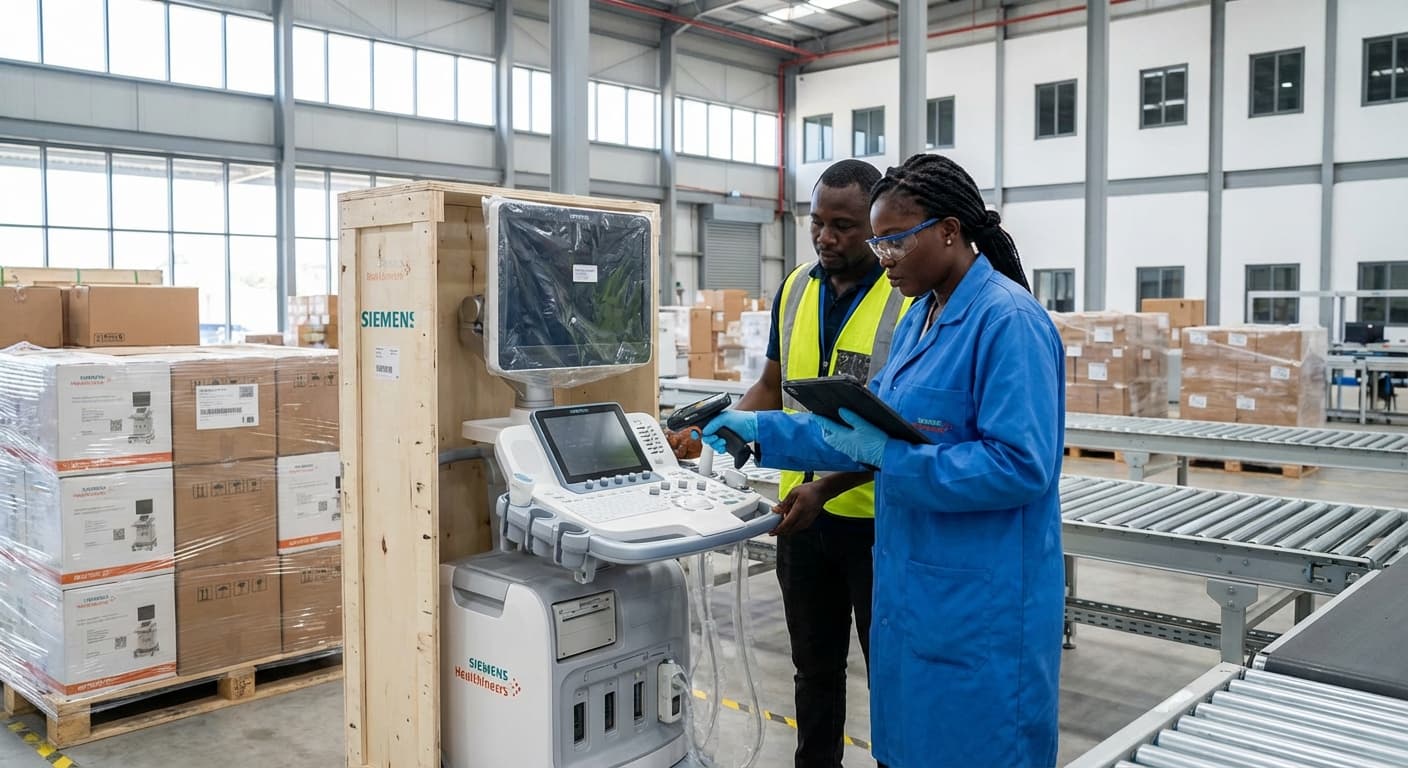
Warehouse Receiving Inspection Service (Medical Equipment) in Guinea-Bissau
Engineering Excellence & Technical Support
Warehouse Receiving Inspection Service (Medical Equipment) High-standard technical execution following OEM protocols and local regulatory frameworks.
Regulatory Compliance Assurance
Our receiving inspection service rigorously verifies that all incoming medical equipment in Guinea-Bissau adheres to national regulatory standards and international quality benchmarks, ensuring patient safety and legal compliance. We meticulously check documentation, certifications, and labeling to prevent the entry of substandard or unapproved devices.
Advanced Equipment Condition Assessment
Utilizing specialized tools and trained inspectors, we conduct detailed physical and functional assessments of medical equipment upon arrival at your Guinea-Bissau facility. This includes checking for damage during transit, verifying all components are present, and performing initial operational checks to confirm readiness for use.
Traceability & Inventory Integrity
We implement robust systems for scanning and verifying serial numbers, batch codes, and expiration dates. This ensures precise inventory management and complete traceability of medical equipment throughout your supply chain in Guinea-Bissau, minimizing the risk of counterfeit products and facilitating efficient recall processes if necessary.
What Is Warehouse Receiving Inspection Service (Medical Equipment) In Guinea-bissau?
Warehouse Receiving Inspection Service (Medical Equipment) in Guinea-Bissau refers to a systematic process of verifying and documenting the condition, quantity, and specifications of medical equipment upon its arrival at a designated warehouse facility within Guinea-Bissau. This service is crucial for ensuring that procured medical supplies meet established quality standards, regulatory requirements, and the intended operational needs before they are integrated into the healthcare supply chain.
| Who Needs Warehouse Receiving Inspection Service (Medical Equipment) in Guinea-Bissau? | Typical Use Cases | |||
|---|---|---|---|---|
| Government Ministries of Health: Responsible for national procurement and distribution of medical supplies and equipment to public health facilities. | International Aid Organizations and NGOs: Procuring and delivering medical equipment for humanitarian projects, emergency response, and health system strengthening initiatives within Guinea-Bissau. | Hospitals and Healthcare Facilities (Public & Private): Receiving medical equipment directly purchased from suppliers or through central procurement mechanisms. | Medical Equipment Distributors and Importers: Receiving shipments from international manufacturers or suppliers before onward distribution within the country. | Procurement Agencies: Acting on behalf of the Ministry of Health or other entities to manage the acquisition and delivery of medical equipment. |
| Procurement of essential medicines and medical devices: Ensuring received items match specifications and are undamaged for immediate deployment. | Implementation of public health programs: Verifying the availability and quality of equipment for vaccination campaigns, disease surveillance, or specialized treatment initiatives. | Emergency medical supply chains: Rapid inspection of critical equipment during public health crises or natural disasters. | Capital equipment acquisition: Ensuring expensive and complex medical machinery meets all technical requirements before installation and use. | Stock management and inventory control: Accurate receiving data is foundational for effective warehouse management and preventing stockouts or overstocking of critical items. |
What Warehouse Receiving Inspection Service (Medical Equipment) in Guinea-Bissau Involves:
- Receipt and Unpacking: Documenting the arrival of shipments, verifying accompanying documentation (e.g., packing lists, invoices, certificates of origin), and overseeing the careful unpacking of medical equipment.
- Visual Inspection: Conducting a thorough visual examination of each item for any signs of damage, corrosion, tampering, or defects that may have occurred during transit. This includes checking packaging integrity.
- Quantity Verification: Confirming that the number of units received matches the quantities specified in the procurement orders and shipping manifests. Discrepancies are meticulously recorded.
- Identification and Labeling Check: Verifying that each piece of equipment is correctly identified with its serial number, model number, and manufacturer's details as per specifications. Ensuring proper labeling for traceability.
- Documentation Review: Cross-referencing received items against purchase orders, technical specifications, and any required certifications (e.g., CE marking, WHO prequalification, manufacturer's declarations).
- Basic Functionality Testing (if applicable): For certain types of equipment, basic checks may be performed to ensure immediate functionality (e.g., power on, display activation) without undertaking full operational validation.
- Sampling and Quality Control: Implementing a sampling plan for inspection and testing of a representative subset of the received equipment, particularly for large or standardized procurements.
- Non-Conformance Reporting: Documenting any deviations from specifications, damage, or missing items through detailed reports, including photographic evidence where necessary. Initiating communication with suppliers and logistics providers.
- Storage Condition Verification: Assessing the environmental conditions of the receiving area to ensure they are suitable for the safe and effective storage of medical equipment, considering factors like temperature, humidity, and security.
- Record Keeping and Archiving: Maintaining comprehensive records of all inspection activities, findings, and associated documentation for audit trails and future reference.
Who Needs Warehouse Receiving Inspection Service (Medical Equipment) In Guinea-bissau?
Warehouse receiving inspection services for medical equipment in Guinea-Bissau are crucial for ensuring the quality, safety, and efficacy of vital healthcare supplies. These services play a critical role in preventing the introduction of substandard, damaged, or counterfeit medical devices into the country's healthcare system, ultimately safeguarding patient well-being and optimizing resource utilization.
| Target Customer | Key Departments/Roles Involved |
|---|---|
| Government Ministries (e.g., Ministry of Public Health) | Procurement Department, Quality Assurance Department, Regulatory Affairs Department, Logistics and Supply Chain Management, Warehousing Department |
| Hospitals and Healthcare Facilities (Public & Private) | Procurement/Purchasing Department, Biomedical Engineering Department, Central Stores/Warehouse Management, Clinical Departments (requiring specific equipment), Quality Control Unit |
| Non-Governmental Organizations (NGOs) & International Aid Agencies | Logistics and Supply Chain Management Team, Program Managers, Procurement Officers, Warehouse Supervisors, Quality Control Personnel |
| Medical Equipment Distributors & Suppliers | Warehouse Management, Quality Control Department, Logistics Department, Sales and Operations Management |
| Logistics & Warehousing Companies | Warehouse Operations Management, Quality Assurance Team, Client Account Management, Inventory Management Department |
| Research Institutions & Laboratories | Lab Management, Procurement Department, Technical Staff responsible for equipment setup and validation, Quality Assurance |
| Emergency Response Organizations | Operations Department, Logistics Manager, Supply Chain Coordinator, Warehouse Manager |
Who Needs Warehouse Receiving Inspection Service (Medical Equipment) in Guinea-Bissau?
- Government Ministries responsible for health procurement and regulation.
- Hospitals and healthcare facilities (public and private) that receive medical equipment.
- Non-governmental organizations (NGOs) and international aid agencies involved in health programs.
- Medical equipment distributors and suppliers operating within Guinea-Bissau.
- Logistics and warehousing companies that handle medical equipment for third parties.
- Research institutions and laboratories requiring specialized medical equipment.
- Emergency response organizations and disaster relief agencies.
Warehouse Receiving Inspection Service (Medical Equipment) Process In Guinea-bissau
This document outlines the Warehouse Receiving Inspection Service for Medical Equipment in Guinea-Bissau. The process is designed to ensure that all medical equipment received into warehouses meets specified quality, safety, and regulatory standards before being accepted into inventory. The workflow begins with an inquiry from a client and concludes with the issuance of a formal inspection report.
| Stage | Activity | Responsible Party | Output/Deliverable | Key Considerations |
|---|---|---|---|---|
| Client submits an inquiry detailing the scope of inspection (type of equipment, quantity, origin, expected arrival date, inspection criteria). | Client (e.g., Ministry of Health, NGO, Private Importer) | Inquiry details, potential RFQ requirements | Clarity of client's needs, urgency, applicable standards (WHO, national regulations). |
| Inspection Service Provider (ISP) reviews the inquiry, develops a detailed quotation based on scope, complexity, and resources required. Upon agreement, a contract or service order is issued. | Inspection Service Provider (ISP) | Quotation, Service Agreement/Contract | Accuracy of pricing, clear scope of work, payment terms, liability clauses. |
| ISP assigns an inspection team, reviews relevant documentation (packing lists, bills of lading, manufacturer's certificates, previous inspection reports). ISP formally notifies the client and warehouse operator of the scheduled inspection date and time. | Inspection Service Provider (ISP) | Inspection team assignment, documented review of preliminary documents, formal inspection notification | Coordination with warehouse, availability of equipment for inspection, access to necessary documentation. |
| Inspection team arrives at the warehouse. They conduct visual inspection of packaging and equipment, verify quantity and identity against documentation, check for damage, assess compliance with agreed-upon specifications and standards, and may perform basic functional tests if agreed. | Inspection Service Provider (ISP) Inspection Team | On-site inspection checklist completion, photographic evidence, preliminary findings log | Adherence to safety protocols, unbiased assessment, thoroughness, identification of discrepancies. |
| ISP compiles all inspection findings into a comprehensive report, highlighting any non-conformities, damages, or deviations. The report is reviewed internally before being submitted to the client. | Inspection Service Provider (ISP) (Lead Inspector/Reporting Officer) | Formal Inspection Report (including executive summary, detailed findings, recommendations, photographic evidence) | Clarity, accuracy, objectivity, timely submission, clear recommendations for action. |
| Client reviews the report. ISP may provide clarification. If corrective actions are required, ISP may be involved in verifying their implementation. Once all parties are satisfied, the service engagement is closed. | Client, Inspection Service Provider (ISP) | Client acknowledgment of report, potential follow-up verification, closed service file | Resolution of discrepancies, client satisfaction, record-keeping for future reference. |
Key Stages in the Warehouse Receiving Inspection Service
- Inquiry and Request for Quotation (RFQ)
- Quotation and Agreement
- Pre-Inspection Planning and Notification
- On-Site Inspection Execution
- Reporting and Documentation
- Follow-up and Closure
Warehouse Receiving Inspection Service (Medical Equipment) Cost In Guinea-bissau
The cost of warehouse receiving inspection services for medical equipment in Guinea-Bissau can vary significantly due to several factors. These services are crucial to ensure that medical equipment is received in good condition, meets specifications, and is free from damage or defects before being deployed. The pricing is typically influenced by the volume and complexity of the inspection, the type of medical equipment, the location of the warehouse, and the experience and reputation of the inspection service provider.
| Service Type | Estimated Range (XOF) | Notes |
|---|---|---|
| Basic Visual & Documentation Check (Per Shipment/Container) | 150,000 - 400,000 | Covers visual inspection of packaging, basic count verification, and checking against shipping documents. Suitable for lower-value, less complex equipment. |
| Standard Inspection (Per Shipment/Container) | 300,000 - 750,000 | Includes visual checks, damage assessment, verification of serial numbers, model numbers, and basic documentation. May include limited functional checks if feasible on arrival. |
| Comprehensive Inspection (Per Shipment/Container) | 600,000 - 1,500,000+ | Detailed inspection of packaging, equipment condition, functional checks (if applicable), verification of all certifications and specifications, and comprehensive reporting. For high-value or critical medical equipment. |
| Per Item Inspection (Lower Value/Volume) | 20,000 - 75,000 | Applied when inspecting individual items within a larger shipment. Cost is per unit inspected. |
| Expedited Service Fee |
| Additional fee for urgent inspection requests, typically on top of the base service cost. |
| Travel & Logistics Surcharge (Remote Locations) | Varies (50,000 - 300,000+) | Dependent on distance, accessibility, and required overnight stays. Applied on a case-by-case basis. |
Key Pricing Factors for Warehouse Receiving Inspection Services (Medical Equipment) in Guinea-Bissau:
- Scope of Inspection: The depth and breadth of the inspection are paramount. This includes visual checks, functional testing (if applicable and feasible at the receiving stage), documentation verification (serial numbers, model numbers, expiry dates, certifications), and assessment of packaging integrity. More comprehensive inspections will naturally cost more.
- Type and Value of Medical Equipment: High-value, complex, or specialized medical equipment (e.g., imaging machines, surgical robots) will require more specialized expertise and potentially more time, leading to higher inspection costs compared to simpler items like syringes or basic diagnostic tools.
- Quantity of Equipment: While a per-unit fee is common, larger volumes may sometimes negotiate a slightly reduced per-unit rate or a bulk discount. However, the overall cost will increase with the quantity.
- Warehouse Location and Accessibility: Inspections conducted at remote or difficult-to-access warehouse locations might incur additional travel and logistics costs for the inspection team, which will be passed on to the client.
- Urgency of Inspection: Expedited inspection services, requiring immediate deployment of inspectors, will often come with a premium fee.
- Reporting Requirements: The level of detail and format of the inspection report can influence cost. Detailed reports with photographic evidence and specific non-conformance findings might be priced higher than standard summary reports.
- Provider's Experience and Reputation: Established inspection companies with specialized knowledge in medical equipment and a strong track record may command higher fees due to their reliability and expertise.
- On-Site vs. Off-Site Inspection: While receiving inspections are typically on-site, if any part of the process requires off-site analysis or specialized testing, this will add to the cost.
- Additional Services: Services like sample collection for laboratory testing, repackaging, or immediate corrective action recommendations may be bundled or offered as add-ons, affecting the overall price.
Affordable Warehouse Receiving Inspection Service (Medical Equipment) Options
Navigating the complexities of medical equipment receiving inspections while staying within budget is a critical challenge for many organizations. This service ensures that incoming medical devices meet quality, safety, and regulatory standards. Fortunately, there are effective strategies and value bundles available to optimize costs without compromising on essential inspection rigor.
| Value Bundle Name | Description | Key Features Included | Target Audience/Use Case | Cost-Saving Strategy | Estimated Price Range (Illustrative) |
|---|---|---|---|---|---|
| Essential Receiver | A streamlined inspection focusing on the most critical aspects of incoming medical equipment. | Unpacking, damage check, PO verification, basic documentation review, and initial power-on test. | High-volume, lower-complexity equipment; organizations with robust internal quality processes. | Focuses on high-impact checks, reducing time and resources per unit. Standardized process. | $25 - $75 per unit |
| Standard Compliance Bundle | Comprehensive inspection ensuring adherence to safety and regulatory requirements. | All features of Essential Receiver, plus detailed documentation verification, basic safety checks, and initial functional tests of core features. | Most medical facilities, new equipment introductions, devices with moderate complexity. | Bundled services offer a better rate than individual checks. Reduces risk of costly non-compliance later. | $75 - $150 per unit |
| Advanced Assurance Package | An in-depth inspection including calibration verification and more extensive functional testing. | All features of Standard Compliance Bundle, plus calibration verification (if applicable), more thorough functional testing, and preliminary performance checks. | High-value, critical-care equipment; devices requiring precise calibration; organizations with stringent quality demands. | Proactive identification of issues prevents downtime and costly repairs. Includes higher-level expertise. | $150 - $300+ per unit (depending on equipment complexity) |
| Customized Solutions | Tailored inspection plans based on specific equipment types, risk profiles, and organizational needs. | Flexible scope of inspection, can include specific manufacturer protocols, advanced diagnostic tests, or specialized documentation reviews. | Unique equipment fleets, research facilities, specialized medical departments. | Only pay for what you need. Optimizes resources by focusing on relevant inspection points. | Variable, based on scope and volume |
Key Components of Medical Equipment Receiving Inspections
- Unpacking and Initial Damage Assessment: Verifying that the shipment matches the purchase order and checking for any visible damage during transit.
- Verification of Documentation: Ensuring all required paperwork (e.g., serial numbers, certificates of conformity, user manuals) is present and accurate.
- Basic Functionality Testing: Performing preliminary checks to confirm that the equipment powers on and basic functions operate as expected.
- Calibration Verification (if applicable): Confirming that the equipment is calibrated to the manufacturer's specifications.
- Safety Checks: Identifying any immediate safety concerns or non-compliance with relevant standards.
- Record Keeping and Reporting: Documenting all inspection findings and generating comprehensive reports for audit trails.
Verified Providers In Guinea-bissau
In Guinea-Bissau, ensuring access to reliable and qualified healthcare providers is paramount. This is where the importance of verified credentials, particularly those offered by organizations like Franance Health, becomes undeniable. Franance Health's rigorous verification process sets a benchmark for excellence, assuring patients they are receiving care from competent and ethical professionals. This not only enhances patient safety but also builds trust in the healthcare system.
| Credential Component | Verification Method | Importance for Patient Safety |
|---|---|---|
| Medical Degree & Licensing | Verification with issuing educational institutions and national medical boards. | Confirms formal medical training and legal authorization to practice. |
| Specialty Certifications | Cross-referencing with recognized specialty boards and professional organizations. | Ensures providers have advanced training and expertise in their chosen field. |
| Professional Experience | Reference checks and review of practice history. | Validates practical application of knowledge and skill, and identifies any disciplinary actions. |
| Continuing Medical Education (CME) | Confirmation of participation in accredited CME programs. | Demonstrates commitment to staying updated with the latest medical advancements and practices. |
Why Franance Health Credentials Represent the Best Choice:
- Rigorous Vetting Process: Franance Health employs a multi-faceted approach to verify the educational background, professional licenses, and experience of healthcare providers, ensuring they meet stringent standards.
- Commitment to Quality Care: By partnering only with credentialed professionals, Franance Health directly contributes to the delivery of high-quality, safe, and effective medical services.
- Enhanced Patient Trust: Patients can have greater confidence in the care they receive when they know their providers have been thoroughly vetted and accredited.
- Adherence to Ethical Standards: The verification process often includes checks for professional conduct and adherence to ethical guidelines, promoting a patient-centric approach.
- Streamlined Access to Competent Professionals: Franance Health simplifies the search for qualified healthcare in Guinea-Bissau, saving patients time and reducing anxiety.
Scope Of Work For Warehouse Receiving Inspection Service (Medical Equipment)
This Scope of Work (SOW) outlines the requirements for Warehouse Receiving Inspection Service for medical equipment. The service provider will be responsible for conducting thorough inspections of incoming medical equipment to ensure it meets specified quality, safety, and functional standards before being accepted into the warehouse. The primary objective is to prevent the acceptance of damaged, non-conforming, or counterfeit medical equipment, thereby safeguarding patient safety and operational efficiency. This SOW details the technical deliverables and standard specifications expected from the service provider.
| Inspection Area | Standard Specification | Inspection Method | Acceptance Criteria |
|---|---|---|---|
| Visual Inspection (External) | Equipment exterior to be free from dents, scratches, cracks, or any signs of physical damage. Packaging to be intact and free from tears, punctures, or signs of tampering. Labels and markings to be legible and correct. | Direct visual examination, photographic documentation of any damage. | No visible external damage to equipment or packaging. All labels and markings present and legible. Packaging seals intact (if applicable). |
| Documentation Review | All accompanying documentation (e.g., Certificate of Conformance, User Manuals, Service Manuals, Warranty Information, Lot Numbers, Serial Numbers) to be present, accurate, and complete. Documentation to match equipment specifications. | Cross-referencing documentation against physical equipment and purchase orders. Verification of required certifications. | All required documents present, accurate, and match equipment details. Lot/serial numbers match. |
| Quantity Verification | Verification of the number of units received against the packing slip and purchase order. | Counting physical units and comparing with documentation. | Exact match between received quantity and documented quantity. |
| Functional Testing (Basic) | For applicable equipment, basic functional checks to ensure core operation as per manufacturer's specifications. This may include powering on, basic control operation, and indicator light verification. (Scope of functional testing to be defined per equipment type). | Controlled execution of pre-defined basic operational tests. Observation of equipment response. | Equipment powers on, basic functions operate as expected without error messages or unusual noises. All required indicators function. |
| Labeling and Identification | Verification of serial numbers, lot numbers, model numbers, and other critical identifiers against order documentation and manufacturer markings. Ensuring unique identifiers are present and legible. | Direct comparison of physical labels with documented identifiers. | All identifiers match documentation and are clearly visible. |
| Accessory and Component Verification | Verification that all specified accessories, components, and spare parts are present and correct as per the order. | Visual inspection and counting of included items against the packing list. | All specified accessories and components are present and appear to be in good condition. |
| Environmental Conditions | Confirmation that the equipment has been stored and transported under appropriate environmental conditions (e.g., temperature, humidity) if any indications are present (e.g., damaged temperature indicators). | Visual inspection of any environmental monitoring devices or packaging indicators. | No evidence of environmental damage or exposure outside specified limits. |
| Sterility/Integrity (If Applicable) | For sterile equipment, verification of the integrity of sterilization packaging. For sensitive equipment, checks for signs of tampering or compromise. | Visual inspection of seals, indicators, and packaging for breaches. | Sterilization packaging is intact, indicators show expected results, and no signs of tampering. |
| Safety Features Verification | Basic verification of critical safety features as applicable and identifiable without specialized testing (e.g., emergency stop buttons, safety interlocks). | Visual inspection and simple actuation of accessible safety mechanisms. | Identifiable safety features are present and appear functional. |
Technical Deliverables
- Detailed Inspection Reports for each incoming shipment.
- Non-Conformance Reports (NCRs) for any identified issues.
- Defect Trend Analysis Reports (monthly/quarterly).
- Certification of Inspection completion.
- Corrective Action Verification Reports (if applicable).
Service Level Agreement For Warehouse Receiving Inspection Service (Medical Equipment)
This Service Level Agreement (SLA) outlines the guaranteed response times and uptime for the Warehouse Receiving Inspection Service for Medical Equipment. This SLA is between [Your Company Name] (the "Provider") and [Client Company Name] (the "Client").
| Service Component | Service Level Objective (SLO) | Measurement Method | Exclusions |
|---|---|---|---|
| Receiving Inspection Turnaround Time | 95% of inspections completed within 24 business hours of receipt. | Time logged from physical delivery confirmation to final inspection report generation in the system. | Inspections requiring specialized external testing, significant damage beyond initial assessment, or Client-requested delays. |
| Issue Resolution Time | Initial notification and proposed resolution plan initiated within 4 business hours of issue identification for critical issues (e.g., safety concerns, critical component damage). Within 8 business hours for non-critical issues. | Time logged from the moment an issue is flagged in the inspection report to the dispatch of a resolution notification or plan. | Issues requiring Client input or decision-making where response from the Client is delayed. |
| System Uptime Guarantee (if applicable) | 99.9% monthly uptime for the receiving inspection digital platform. | Calculated as (Total Minutes in Month - Downtime Minutes) / Total Minutes in Month. | Scheduled maintenance windows, force majeure events (e.g., natural disasters, widespread internet outages), and Client-side network issues. |
| Notification of Outages/Downtime | Notification provided within 1 hour of detection for unplanned downtime affecting service delivery. Advance notification of at least 48 hours for planned maintenance. | Time from detection of unplanned outage or scheduling of planned maintenance to Client notification. | Minor, localized issues not impacting core service availability or Client access. |
Service Level Objectives
- Receiving Inspection Turnaround Time: The time from the completion of physical receipt of medical equipment at the warehouse to the completion of the initial inspection report.
- Issue Resolution Time: The time from the identification of a discrepancy or issue during inspection to the initiation of a resolution plan or notification to the Client.
- System Uptime Guarantee: The percentage of time the receiving inspection system (if applicable, e.g., a digital inspection platform) is available for use by authorized personnel.
- Notification of Outages/Downtime: The timeframe within which the Client will be notified of any planned or unplanned system downtime.
Frequently Asked Questions

Ready when you are
Let's scope your Warehouse Receiving Inspection Service (Medical Equipment) in Guinea-Bissau project in Guinea-Bissau.

Scaling healthcare logistics and technical systems across the entire continent.