
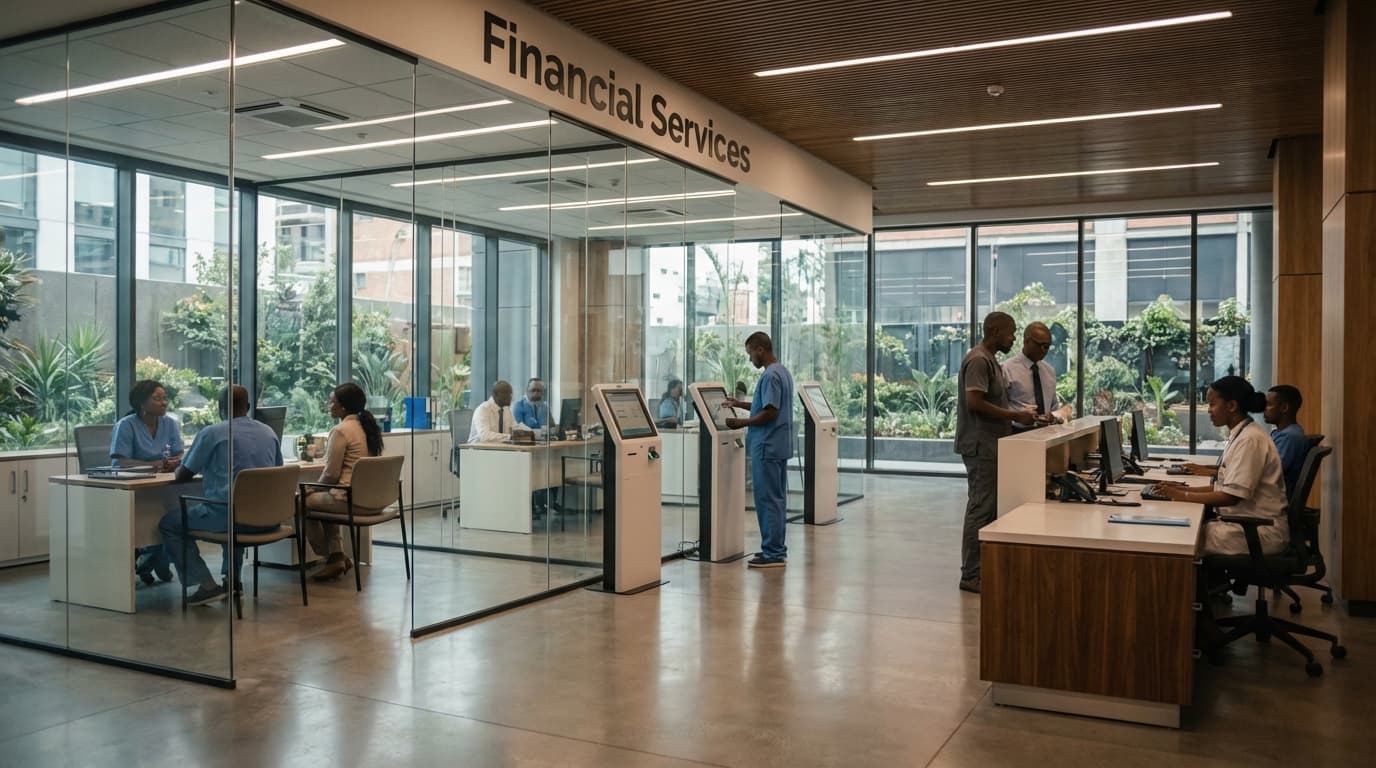
Medical Equipment Rental in Guinea-Bissau
Engineering Excellence & Technical Support
Short-term and long-term equipment rental solutions High-standard technical execution following OEM protocols and local regulatory frameworks.
Rapid Deployment of Life-Saving Equipment
Our network of strategically located service centers ensures that critical medical equipment, such as ventilators and portable X-ray machines, can be deployed to remote clinics and emergency sites across Guinea-Bissau within hours of request, minimizing response times during critical care situations.
On-Site Maintenance & Calibration Expertise
We provide certified biomedical technicians for on-site preventative maintenance, troubleshooting, and calibration of all rented equipment, ensuring optimal performance and accuracy, thereby reducing downtime and enhancing diagnostic reliability for healthcare providers in challenging environments.
Integrated Inventory Management & Tracking
Leveraging a cloud-based inventory system, we offer real-time visibility of equipment availability, location, and maintenance status. This allows healthcare facilities in Guinea-Bissau to efficiently manage their rental needs, plan resources, and ensure the continuous availability of essential medical technology.
What Is Medical Equipment Rental In Guinea-bissau?
Medical Equipment Rental in Guinea-Bissau refers to the provision of temporary access to specialized medical devices and apparatus for diagnostic, therapeutic, or monitoring purposes within the Republic of Guinea-Bissau. This service is crucial for healthcare facilities, medical professionals, and research institutions that require specific equipment for a limited duration, either due to insufficient capital for outright purchase, the need for specialized short-term applications, or to address fluctuating demand.
| Typical Use Cases | Description of Application |
|---|---|
| Diagnostic Imaging (e.g., Portable X-ray, Ultrasound) | Facilitating point-of-care diagnostics, mobile health screening initiatives, or temporary coverage for equipment maintenance at larger facilities. |
| Surgical Equipment (e.g., Anesthesia Machines, Electrosurgical Units) | Supporting specific surgical procedures, covering increased surgical caseloads, or providing backup during equipment failure. |
| Critical Care Equipment (e.g., Ventilators, Infusion Pumps, Patient Monitors) | Augmenting Intensive Care Unit (ICU) capacity during outbreaks or emergencies, or providing essential life support in remote or undersupplied areas. |
| Laboratory and Diagnostic Tools (e.g., Portable Blood Analyzers, Microscopes) | Enabling rapid diagnostic testing in field settings, supporting mobile clinics, or facilitating specific research assays. |
| Rehabilitation and Physiotherapy Equipment (e.g., Exercise Machines, Electrotherapy Devices) | Supporting temporary rehabilitation programs, post-operative recovery, or specialized patient care protocols. |
| Emergency Medical Services (EMS) Equipment (e.g., Defibrillators, Oxygen Concentrators) | Equipping ambulances, emergency response teams, or temporary medical stations at public events. |
Key Stakeholders Requiring Medical Equipment Rental:
- Hospitals (public and private): Requiring temporary augmentation of diagnostic imaging, surgical, or critical care equipment.
- Clinics and Health Centers: Seeking to offer services beyond their permanent inventory, such as specialized consultations or screenings.
- Medical Practitioners and Specialists: Needing specific diagnostic tools for patient evaluations or procedures not routinely performed.
- Research Institutions and Universities: For short-term research projects, clinical trials, or educational purposes requiring advanced instrumentation.
- Non-Governmental Organizations (NGOs) and Humanitarian Aid Agencies: During public health campaigns, emergency responses, or the establishment of temporary medical outposts.
- Event Organizers (e.g., sporting events, large gatherings): Requiring on-site medical support and emergency response equipment.
Who Needs Medical Equipment Rental In Guinea-bissau?
Medical equipment rental in Guinea-Bissau addresses a critical need for healthcare providers who require specialized equipment for short-term use, diagnostic procedures, patient recovery, or during periods of equipment maintenance and replacement. This service offers a flexible and cost-effective solution, especially for facilities with limited capital budgets or those experiencing fluctuating patient demands. By renting, healthcare organizations can access state-of-the-art technology without the burden of outright purchase, maintenance, and eventual obsolescence, thereby improving patient care and operational efficiency.
| Target Customer/Department | Specific Needs/Equipment Examples | Rationale for Rental |
|---|---|---|
| Hospitals (Public and Private) | Surgical Departments: Anesthesia machines, surgical lights, operating tables, electrosurgical units. Intensive Care Units (ICUs): Ventilators, ICU beds, cardiac monitors, infusion pumps. Emergency Departments: Defibrillators, portable X-ray machines, ECG machines. Diagnostic Imaging: Portable ultrasound machines, mobile CT scanners (for specific campaigns). | Responding to surges in patient admissions, covering equipment downtime during repairs, accessing specialized equipment for specific surgical procedures or patient needs without long-term investment. |
| Clinics and Health Centers | General Practice: Diagnostic sets, nebulizers, basic vital signs monitors. Maternity Wards: Fetal Doppler, incubators (short-term need). | Supplementing existing basic equipment for specific diagnostic needs, handling temporary increases in patient load, providing essential services that require specialized equipment not regularly used. |
| Specialty Medical Centers (e.g., Cardiology, Neurology) | Cardiology: Holter monitors, stress test equipment, portable ECG. Neurology: EEG machines (for specific studies). | Acquiring advanced diagnostic equipment for specific patient evaluations or research projects without the capital expenditure of purchasing highly specialized, infrequently used devices. |
| NGOs and Humanitarian Organizations | Mobile Clinics/Outreach Programs: Portable X-ray units, basic diagnostic kits, portable ultrasound, water purification systems with medical applications. Emergency Response: Ventilators, oxygen concentrators, portable surgical kits. | Deploying essential medical services in remote or disaster-affected areas where permanent infrastructure and equipment are unavailable, providing temporary medical support during health campaigns or crises. |
| Research Institutions and Universities | Medical Training: Simulation equipment, anatomical models, basic diagnostic tools for student practicals. Research Studies: Specialized monitoring devices, laboratory equipment for specific medical research. | Accessing equipment for educational purposes or for short-term research projects without impacting the institution's capital budget, allowing for the use of the latest technology for research. |
| Individual Medical Practitioners | Specialized Consultations: Portable ultrasound for specific assessments, diagnostic devices for home visits. | Enhancing diagnostic capabilities for their practice without the significant upfront cost of purchasing and maintaining specialized equipment. |
Target Customers and Departments in Guinea-Bissau for Medical Equipment Rental
- Hospitals (Public and Private)
- Clinics and Health Centers
- Specialty Medical Centers
- Non-Governmental Organizations (NGOs) and Humanitarian Organizations
- Research Institutions and Universities
- Individual Medical Practitioners
Medical Equipment Rental Process In Guinea-bissau
This document outlines the typical workflow for renting medical equipment in Guinea-Bissau. The process is designed to ensure that healthcare providers can access necessary equipment efficiently and reliably. It begins with an initial inquiry from a client and concludes with the successful return and evaluation of the rented equipment.
| Stage | Description | Key Activities | Responsible Parties |
|---|---|---|---|
| Inquiry and Needs Assessment | The client (hospital, clinic, individual practitioner) expresses interest in renting specific medical equipment. | Contacting the rental provider, specifying equipment needs (type, duration, quantity), discussing technical specifications and usage context. | Client, Rental Provider Sales/Support Team |
| Quotation and Agreement | The rental provider assesses the request and provides a detailed quote, followed by a formal rental agreement. | Provider creates a detailed quotation including equipment cost, rental period, delivery charges, insurance, and any applicable taxes. Client reviews and accepts. Signing of the rental agreement, outlining terms and conditions. | Rental Provider Sales/Support Team, Client Legal/Procurement Team |
| Delivery and Installation | The rented equipment is transported to the client's location and set up. | Scheduling delivery. Transportation of equipment. On-site installation and setup. Initial demonstration of equipment operation and safety features. Client confirmation of receipt and satisfactory condition. | Rental Provider Logistics Team, Rental Provider Technical Team, Client Facility Management |
| Usage and Maintenance | The client uses the equipment as per the agreement, with the provider ensuring its operational status. | Client uses equipment for its intended purpose. Routine maintenance as per manufacturer guidelines (if client responsibility). Emergency technical support from the rental provider for any malfunctions. Troubleshooting and repair of equipment. | Client Clinical Staff, Rental Provider Technical Support Team |
| Return and Inspection | Upon completion of the rental period, the equipment is returned and inspected. | Client notifies provider of readiness for return. Provider arranges collection or client returns equipment. Thorough inspection of equipment for any damage or missing parts. Cleaning and sanitization of equipment. | Client Facility Management, Rental Provider Logistics Team, Rental Provider Technical Team |
| Billing and Payment | The final invoice is generated and payment is processed. | Provider issues the final invoice based on the agreed rental terms and any additional charges (e.g., damage). Client makes the payment. | Rental Provider Finance Department, Client Finance Department |
| Feedback and Record Keeping | Gathering feedback to improve services and maintaining records of the rental. | Client provides feedback on the equipment and rental service. Rental provider updates client records and equipment maintenance logs. Archiving rental agreement and transaction details. | Client, Rental Provider Administration/Quality Assurance Team |
Medical Equipment Rental Workflow in Guinea-Bissau
- Inquiry and Needs Assessment
- Quotation and Agreement
- Delivery and Installation
- Usage and Maintenance
- Return and Inspection
- Billing and Payment
- Feedback and Record Keeping
Medical Equipment Rental Cost In Guinea-bissau
Renting medical equipment in Guinea-Bissau can be a cost-effective solution for healthcare providers needing specialized or temporary equipment. The pricing for these rentals is influenced by several key factors, including the type and complexity of the equipment, the rental duration, the condition and age of the unit, and the specific supplier. Furthermore, logistical considerations such as delivery, installation, and maintenance services can significantly impact the overall cost. While precise, universally standardized pricing is difficult to ascertain due to the nature of the local market and varying supplier agreements, general price ranges can be estimated in the local currency, the West African CFA franc (XOF).
| Equipment Category | Estimated Rental Range (XOF per day) | Notes |
|---|---|---|
| Basic Diagnostic Equipment (e.g., Stethoscope, Blood Pressure Monitor, Thermometer) | 5,000 - 15,000 | Primarily for smaller clinics or short-term needs. |
| Intermediate Equipment (e.g., Portable Ultrasound, ECG Machine) | 20,000 - 75,000 | Requires more specialized handling and may include basic training. |
| Advanced Diagnostic/Imaging Equipment (e.g., X-ray Machine, Larger Ultrasound Units) | 80,000 - 250,000+ | Often requires significant setup, specialized personnel, and is typically rented for longer durations. |
| Surgical Equipment (e.g., Anesthesia Machine, Ventilator, Surgical Lights) | 100,000 - 400,000+ | Highly specialized, often involves installation and mandatory maintenance contracts. |
| Patient Monitoring Systems (e.g., Multi-parameter monitors) | 15,000 - 60,000 | Rental price can vary based on the number of parameters monitored. |
Key Factors Influencing Medical Equipment Rental Costs in Guinea-Bissau:
- Type and Specialization of Equipment: Basic diagnostic tools will be less expensive than advanced surgical or imaging equipment.
- Rental Duration: Longer rental periods often come with discounted daily or weekly rates.
- Condition and Age of Equipment: Newer, state-of-the-art equipment typically commands higher rental fees.
- Supplier Reputation and Service: Established suppliers with strong service networks might charge more but offer greater reliability.
- Included Services: Costs can increase if delivery, setup, training, and maintenance are part of the rental package.
- Geographic Location of Rental: Accessibility and transportation costs to remote areas can add to the price.
- Demand and Availability: High demand for certain equipment can lead to increased rental prices.
Affordable Medical Equipment Rental Options
Accessing necessary medical equipment, whether for short-term recovery, specialized procedures, or ongoing care, can be a significant financial consideration. Fortunately, medical equipment rental services offer a flexible and often more affordable alternative to purchasing. This guide explores various affordable rental options, highlighting the advantages of value bundles and effective cost-saving strategies to help you make informed decisions.
| Value Bundle Type | Description | Potential Savings |
|---|---|---|
| Recovery Kits | Bundled essential items for post-surgery or injury recovery (e.g., crutches, walker, shower chair, commode). | Often 10-20% cheaper than renting items individually. |
| Newborn/Infant Packages | Includes items like hospital-grade breast pumps, infant incubators, and specialized feeding equipment for new parents. | Up to 15% off compared to separate rentals. |
| Home Care Essentials | A combination of mobility aids (wheelchair, walker), hospital bed, and patient lift for long-term home care. | Can provide 5-10% savings on monthly rental costs. |
| Diagnostic Bundles | Packages for specific diagnostic needs, like home sleep apnea testing equipment. | Negotiated rates can offer significant discounts. |
Benefits of Medical Equipment Rental
- Cost-Effectiveness for Short-Term Needs: Avoid the high upfront cost of purchasing equipment used infrequently.
- Access to Latest Technology: Renting allows you to use the most up-to-date and well-maintained equipment.
- Flexibility and Scalability: Easily upgrade or change equipment as your needs evolve.
- Reduced Maintenance and Storage Hassles: The rental company typically handles maintenance, repairs, and storage.
- Trial Period for Purchase Decisions: Test equipment before committing to a purchase, if that's your ultimate goal.
Verified Providers In Guinea-bissau
Ensuring access to quality healthcare in Guinea-Bissau is paramount, and discerning patients seek providers with verifiable credentials. Franance Health stands out as a premier organization, rigorously vetting its network of healthcare professionals to guarantee the highest standards of care. This commitment to verification not only builds trust but also signifies a dedication to patient safety and positive health outcomes. Choosing a Franance Health-affiliated provider means opting for competence, ethical practice, and a proven track record of excellence.
| Credential Type | Verification Standard | Patient Benefit |
|---|---|---|
| Medical License | Valid and current license issued by the appropriate medical board in Guinea-Bissau. | Ensures the provider is legally qualified to practice medicine. |
| Educational Degrees & Certifications | Verified degrees from accredited institutions and relevant specialized certifications. | Confirms the provider has the necessary academic foundation and specialized training. |
| Professional Experience | Documented work history and references demonstrating practical expertise. | Indicates hands-on experience and a history of successful patient care. |
| Ethical Conduct & Background Checks | Review of disciplinary actions, malpractice claims, and general background. | Guarantees a commitment to ethical practice and patient safety. |
| Continuing Medical Education (CME) | Proof of ongoing participation in CME activities. | Demonstrates a commitment to staying updated with the latest medical knowledge and techniques. |
Why Franance Health Credentials Represent the Best Choice:
- Rigorous Vetting Process: Franance Health employs a multi-faceted verification system that scrutinizes medical licenses, educational qualifications, professional experience, and adherence to ethical guidelines.
- Commitment to Quality: By selecting only credentialed providers, Franance Health ensures patients receive care from competent and skilled professionals.
- Enhanced Patient Safety: Verification protocols minimize the risk of encountering unqualified or fraudulent practitioners, prioritizing patient well-being.
- Trust and Transparency: Franance Health's transparent credentialing process empowers patients with confidence in their healthcare choices.
- Access to Excellence: Affiliation with Franance Health signifies a provider's dedication to continuous professional development and staying abreast of medical advancements.
- Ethical Practice Assurance: Background checks and reviews ensure providers uphold the highest ethical standards in their practice.
- Streamlined Patient Experience: Knowing your provider is verified by a reputable organization like Franance Health contributes to a more secure and reassuring healthcare journey.
Scope Of Work For Medical Equipment Rental
This Scope of Work (SOW) outlines the requirements for the rental of medical equipment. It details the technical deliverables, standard specifications, and associated services to ensure the equipment meets the necessary quality, safety, and performance standards for patient care. The rental period will be specified in the contract.
| Equipment Category | Specific Equipment Type | Minimum Technical Specifications | Required Certifications/Standards | Quantity | Optional Features |
|---|---|---|---|---|---|
| Patient Monitoring | Vital Signs Monitor | Parameters: ECG, SpO2, NIBP, Temp. Display: High-resolution color LCD. Battery backup: Minimum 4 hours. Connectivity: HL7 compatible. | FDA, CE, ISO 13485 | 5 | EtCO2, IBP |
| Patient Monitoring | ECG Machine (12-lead) | High fidelity signal acquisition, automatic interpretation, built-in printer, rechargeable battery. | FDA, CE | 2 | Wireless connectivity |
| Therapeutic Devices | Infusion Pump (Syringe) | Flow rate range: 0.1-100 ml/hr. Bolus function. Anti-free-flow protection. Alarms: Occlusion, air-in-line, low battery. | FDA, CE, ISO 13485 | 10 | Smart pump features, Wi-Fi connectivity |
| Therapeutic Devices | Mechanical Ventilator (ICU) | Modes: Volume Control, Pressure Control, SIMV, PSV. Tidal volume range: 50-1500 ml. PEEP range: 2-30 cmH2O. Integrated O2 blender. | FDA, CE, ISO 13485 | 3 | High-frequency ventilation, NIV capability |
| Diagnostic Imaging | Portable Ultrasound Machine | Transducers: Convex, Linear. Imaging modes: B-mode, M-mode, Doppler. Portable with battery backup. DICOM compatible. | FDA, CE | 1 | 3D/4D imaging |
| Surgical Equipment | Electrosurgical Unit (ESU) | Monopolar and bipolar output. Multiple modes: Cut, Coagulate. Power output: Minimum 300W. Safety features: REM. | FDA, CE | 2 | Argon beam coagulator interface |
| Respiratory Support | Oxygen Concentrator (Stationary) | Flow rate: 5 LPM. Purity: >90%. Sound level: <50 dB. Safety alarms: Power failure, high/low pressure. | FDA, CE | 5 | Nebulizer port |
Technical Deliverables and Standard Specifications
- Equipment must be delivered to the specified location in fully functional and operational condition.
- All equipment must be certified by the manufacturer or an accredited third-party testing agency.
- Equipment must comply with all relevant national and international safety and performance standards (e.g., FDA, CE, ISO).
- User manuals, operational guides, and maintenance logs must be provided in English.
- Pre-installation site assessment may be required.
- On-site training for designated personnel on the operation and basic maintenance of the equipment.
- Regular preventive maintenance schedule adherence and documentation.
- Emergency technical support and repair services with guaranteed response times.
- Provision of all necessary consumables and accessories for the initial operation of the equipment, as specified.
- Regular calibration and certification of equipment as per manufacturer recommendations and regulatory requirements.
- Compliance with infection control standards during delivery, installation, and maintenance.
- Provision of equipment maintenance and repair history upon request.
- Clear identification of equipment ownership and serial numbers.
- Disposal of any biohazardous waste generated during maintenance or repair by the rental provider.
- Confirmation of valid insurance coverage for all rented equipment.
Service Level Agreement For Medical Equipment Rental
This Service Level Agreement (SLA) outlines the guaranteed response times and uptime for medical equipment rental services provided by [Your Company Name] to [Client Name]. This SLA aims to ensure minimal disruption to patient care and operational efficiency.
| Service Component | Response Time Guarantee | Uptime Guarantee |
|---|---|---|
| Routine Maintenance & Calibration | Scheduled within [e.g., 48] business hours of notification. | N/A (preventative) |
| On-site Technical Support (Non-Emergency) | On-site arrival within [e.g., 8] business hours of issue reporting. | N/A (repair focused) |
| Emergency On-site Technical Support (Critical Equipment Failure) | On-site arrival within [e.g., 4] business hours of issue reporting. | Minimum [e.g., 98%] uptime for critical equipment during contracted rental period. |
| Equipment Malfunction requiring off-site repair/replacement | Replacement equipment delivered and installed within [e.g., 24] business hours of confirmed malfunction. | Minimum [e.g., 98%] uptime for critical equipment during contracted rental period. |
Scope of Services Covered
- Rental of specified medical equipment (refer to Annex A for a detailed list and serial numbers).
- Routine maintenance and calibration.
- On-site technical support and repair.
- Emergency equipment replacement (where applicable).
Frequently Asked Questions

Ready when you are
Let's scope your Medical Equipment Rental in Guinea-Bissau project in Guinea-Bissau.

Scaling healthcare logistics and technical systems across the entire continent.