
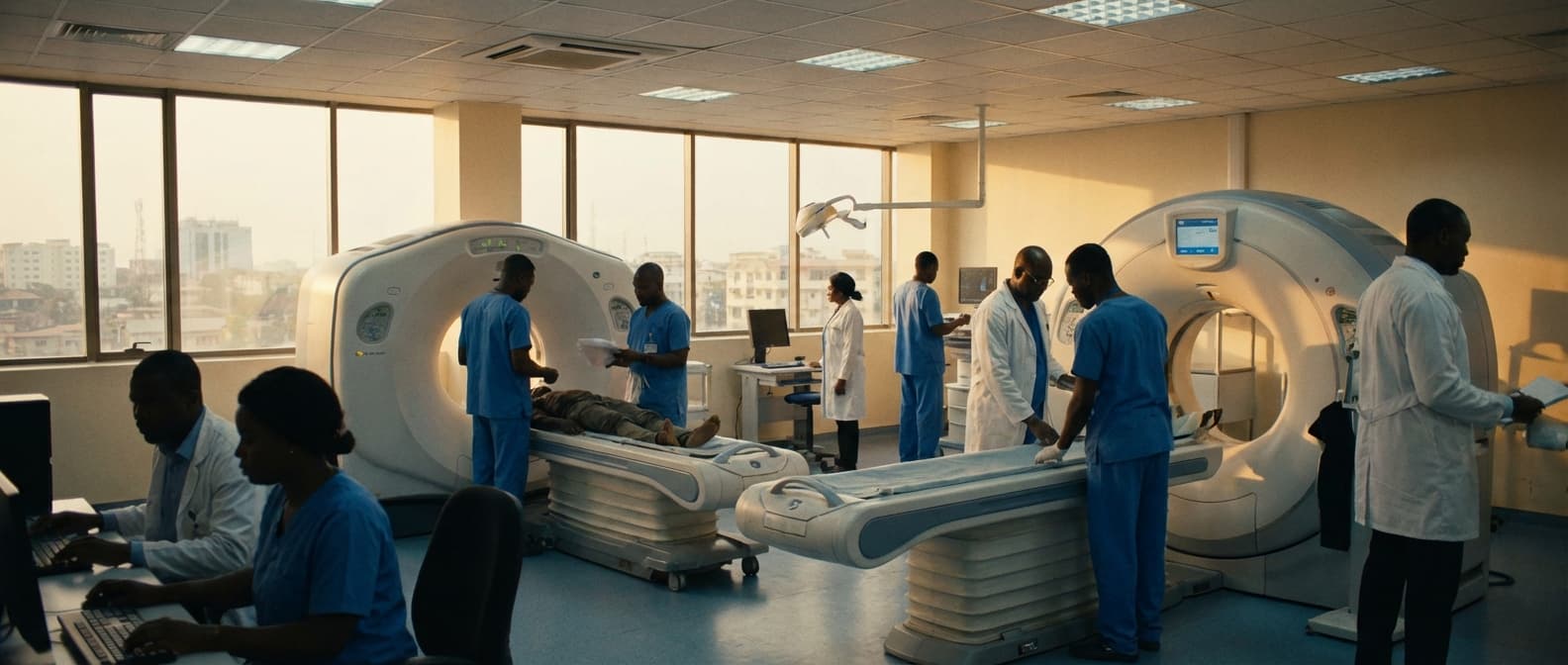
Radiology Room Design & Shielding Calculation in Ghana
Engineering Excellence & Technical Support
Turnkey room planning, shielding drawings and approvals for imaging suites. High-standard technical execution following OEM protocols and local regulatory frameworks.
Advanced Radiation Shielding Design
Leveraging state-of-the-art simulation software and adhering to international safety standards (e.g., NCRP, ICRP), we provide precise radiation shielding calculations for radiology rooms in Ghana. Our designs ensure optimal protection for patients, staff, and the public from X-ray and gamma radiation, minimizing radiation dose while maintaining diagnostic image quality. We specialize in material selection and thickness optimization for lead, concrete, and other protective barriers tailored to the specific equipment and occupancy of each facility.
Optimized Radiology Room Layout & Workflow
Beyond shielding, our expertise extends to the functional design of radiology rooms in Ghana. We create efficient layouts that enhance patient throughput, improve staff ergonomics, and minimize potential radiation exposure through intelligent room configuration. This includes strategic placement of equipment, control booths, patient waiting areas, and accessory storage to facilitate seamless workflow and adherence to radiation safety protocols within the Ghanaian healthcare context.
Compliance & Regulatory Support
Navigating regulatory requirements for radiology facilities in Ghana can be complex. We offer comprehensive technical support to ensure your radiology room design and shielding calculations fully comply with the Ghana Atomic Energy Commission (GAEC) regulations and other relevant local and international standards. Our services include detailed documentation, dose estimations, and assistance with the necessary approvals and licensing processes, guaranteeing a safe and compliant operational environment.
What Is Radiology Room Design & Shielding Calculation In Ghana?
Radiology room design and shielding calculation is a specialized engineering and architectural service focused on the creation of safe, efficient, and compliant spaces for medical imaging procedures involving ionizing radiation. This process encompasses the detailed planning of room layout, structural considerations, equipment placement, and, critically, the calculation of appropriate radiation shielding to protect patients, staff, and the general public from harmful radiation exposure. The primary objective is to attenuate radiation levels to within regulatory limits established by national and international radiation protection bodies, such as the Ghana Atomic Energy Commission (GAEC).
| Who Needs This Service? | Typical Use Cases | Ghanaian Regulatory Context |
|---|---|---|
| Hospitals and Healthcare Facilities (Public and Private) | Installation of new X-ray, CT, MRI, PET, SPECT, mammography, or interventional radiology suites. | Compliance with the Ionizing Radiation (Control of Sources) Act and Regulations as overseen by the Ghana Atomic Energy Commission (GAEC). |
| Diagnostic Imaging Centers | Upgrading existing facilities to accommodate advanced imaging technologies or increase capacity. | Requirements for licensing and operational permits from GAEC for radiation-producing equipment. |
| Specialized Clinics (e.g., Oncology, Cardiology, Neurology) | Designing dedicated rooms for diagnostic or therapeutic radiation procedures. | Ensuring patient safety and minimizing occupational exposure to medical staff. |
| Medical Equipment Manufacturers and Suppliers | Collaborating to ensure their equipment can be safely installed and operated within compliant room designs. | Adherence to international safety standards (e.g., IEC) and national regulations. |
| Architects and Construction Firms | Engaging specialized expertise to integrate radiation safety requirements into building plans. | GAEC registration or accreditation of radiation safety professionals involved in the design and calculations. |
Key Components of Radiology Room Design & Shielding Calculation:
- Room Layout and Workflow Optimization: Designing the physical space to facilitate efficient patient flow, staff movement, and equipment operation, considering factors like entry/exit points, control areas, viewing windows, and equipment accessibility.
- Structural Integrity and Material Selection: Determining the appropriate construction materials (e.g., concrete density, lead thickness) for walls, floors, ceilings, and doors to provide the necessary radiation attenuation.
- Radiation Shielding Calculations: Employing established dosimetry principles and software to quantify the required shielding based on factors such as radiation modality (X-ray, CT, MRI, Nuclear Medicine), beam energy, workload (number of procedures), occupancy of adjacent areas, and distance from the radiation source.
- Control Area Design: Establishing designated control areas that provide adequate shielding for operators while allowing clear visibility of the patient and imaging process.
- Ventilation and HVAC Considerations: Integrating appropriate ventilation systems to manage heat generated by imaging equipment and maintain air quality.
- Electrical and Data Infrastructure: Planning for power supply, emergency power, and data networking requirements for medical imaging devices and associated systems.
- Regulatory Compliance Review: Ensuring the design adheres to the specific regulations, standards, and licensing requirements set forth by the relevant authorities in Ghana, primarily the GAEC.
- Commissioning and Quality Assurance: Providing guidance and performing verification checks during and after construction to ensure the shielding and design meet the calculated specifications and regulatory requirements.
Who Needs Radiology Room Design & Shielding Calculation In Ghana?
Radiology room design and shielding calculations are crucial for ensuring the safety of both patients and medical professionals, as well as the optimal performance of imaging equipment in Ghana. These services are vital for any healthcare facility that utilizes or plans to utilize X-ray, CT, MRI, or other radiation-producing diagnostic imaging modalities. The primary goal is to create environments that minimize radiation exposure to acceptable levels, preventing occupational hazards and ensuring diagnostic image quality.
| Customer Type | Primary Need | Relevant Departments | Specific Considerations in Ghana |
|---|---|---|---|
| Public Hospitals | Compliance with national safety standards, cost-effective solutions, upgrading existing facilities. | Radiology, Oncology, Orthopedics, Emergency. | Potential for older infrastructure, need for robust and durable solutions, training for local staff on safety protocols. |
| Private Hospitals & Diagnostic Centers | State-of-the-art facilities, advanced imaging technology, patient comfort, efficient workflow. | Radiology, CT, MRI, Mammography, Interventional Radiology. | Higher demand for advanced shielding materials, integration with modern IT infrastructure, adherence to international best practices. |
| Specialized Clinics | Tailored shielding for specific modalities (e.g., high-energy CT for oncology), compact room designs. | Radiology, Oncology, Cardiology. | Optimizing space in urban settings, ensuring minimal disruption to existing clinic operations. |
| Research Institutions | Shielding for specialized experimental setups, protecting researchers during studies. | Radiology, Physics, Biomedical Engineering. | Flexible shielding designs for evolving research needs, integration with data acquisition systems. |
| Construction & Architectural Firms | Integration of design and shielding early in the project lifecycle, ensuring seamless construction. | All departments involving medical imaging. | Collaboration with local engineers and builders, understanding of local building codes and material availability. |
Target Customers & Departments in Ghana Requiring Radiology Room Design & Shielding Calculation
- {"items":["Hospitals (both public and private)","Diagnostic Imaging Centers","Specialized Clinics (e.g., oncology, orthopedics, cardiology)","Research Institutions","Government Health Agencies","Manufacturers and Suppliers of Medical Imaging Equipment (for installation support)","Construction and Architectural Firms specializing in healthcare facilities"],"title":"Primary Target Customers"}
- {"items":["Radiology/Medical Imaging Department (core user)","Oncology Department (for radiotherapy planning and diagnostic imaging)","Cardiology Department (for interventional radiology and diagnostic imaging)","Orthopedics Department (for diagnostic imaging, including fluoroscopy)","Emergency Department (for immediate diagnostic imaging needs)","Surgical Departments (for intraoperative imaging)","Pediatric Departments (requiring specific shielding considerations for young patients)","Veterinary Hospitals (if they utilize diagnostic imaging)"],"title":"Key Departments within Healthcare Facilities"}
Radiology Room Design & Shielding Calculation Process In Ghana
Designing and implementing radiology room shielding in Ghana involves a structured workflow to ensure patient and staff safety, compliance with regulations, and optimal room functionality. This process typically begins with an initial inquiry and culminates in the completed and shielded radiology room. Key considerations include understanding the specific imaging modalities to be installed, their radiation output, and adherence to Ghana's radiation protection regulations. The workflow is a collaborative effort between the healthcare facility, equipment vendors, and specialized radiation shielding consultants or contractors.
| Phase | Key Activities | Responsible Parties |
|---|---|---|
| Define project scope, identify room requirements, and specify imaging modalities. | Healthcare Facility, Architects |
| Assess physical space, review blueprints, identify constraints. | Architects, Radiation Consultants |
| Obtain detailed radiation output and usage data from vendors. | Equipment Vendors, Radiation Consultants |
| Understand and integrate Ghana's radiation protection guidelines. | Radiation Consultants, Healthcare Facility Management |
| Determine required shielding materials and thicknesses. | Radiation Physicist/Shielding Specialist |
| Incorporate shielding into architectural plans. | Architects, Radiation Consultants, Structural Engineers |
| Prepare material lists and seek bids for shielding work. | Radiation Consultants, Contractors |
| Acquire lead, concrete, and other shielding materials. | Contractors, Suppliers |
| Install shielding materials as per design. | Shielding Contractors |
| Monitor installation quality and perform pre-installation checks. | Contractors, Radiation Consultants |
| Measure radiation levels and confirm safety compliance. | Radiation Physicist/Qualified Professional |
| Provide all project documentation and transfer ownership. | Contractors, Radiation Consultants, Healthcare Facility |
Radiology Room Design & Shielding Calculation Process in Ghana Workflow
- Inquiry & Needs Assessment: The process starts with a formal inquiry from a healthcare facility (hospital, clinic) or an architect representing them. This initial stage involves understanding the facility's requirements, including the type and number of radiology rooms needed, the specific imaging equipment planned for each room (e.g., X-ray, CT scanner, fluoroscopy, mammography), and the projected patient throughput.
- Site Survey & Architectural Review: A detailed site survey is conducted to assess the proposed locations for the radiology rooms. This includes reviewing architectural drawings to understand the room dimensions, wall structures, existing building materials, and proximity to occupied areas. The survey also identifies any potential challenges or constraints.
- Equipment Specification Review: The exact specifications of the imaging equipment are crucial. Manufacturers provide detailed information on the radiation output (kVp, mA, dose rates), beam collimation, workload (hours of operation, number of procedures), and typical operating parameters for each machine. This data is essential for accurate shielding calculations.
- Regulatory Compliance Check: Understanding and adhering to Ghana's radiation protection regulations (e.g., Radiation Protection Authority - RPA guidelines) is paramount. These regulations dictate minimum shielding requirements based on the type of equipment and room occupancy.
- Shielding Calculation & Design: This is a core technical phase. Using the equipment specifications and regulatory requirements, a radiation physicist or shielding specialist performs detailed calculations to determine the necessary shielding materials (e.g., lead, concrete) and their required thicknesses for walls, doors, windows, and floors. Software tools are often employed for this.
- Architectural Integration & Design Development: The calculated shielding requirements are then integrated into the architectural design. This involves collaborating with architects and engineers to modify room layouts, specify materials for walls and other structural elements, and ensure that the shielding is incorporated seamlessly without compromising room functionality or aesthetics.
- Bill of Quantities & Quotation: Based on the final design, a detailed Bill of Quantities (BoQ) is prepared, outlining all materials and labor required for the shielding and construction. This forms the basis for obtaining quotations from shielding contractors or suppliers.
- Procurement & Material Sourcing: Once a contractor is selected and approved, the procurement of specialized shielding materials (especially lead sheeting) begins. Ensuring the quality and compliance of these materials with international standards is important.
- Installation & Construction: The actual construction and installation of the shielding take place. This includes installing lead-lined drywall, leaded glass for viewing windows, radiation-shielded doors, and any necessary concrete shielding. Meticulous attention to detail is required to avoid gaps or defects that could compromise shielding effectiveness.
- Quality Assurance & Inspection: Throughout the installation process, quality assurance checks are performed. Upon completion, the installed shielding is inspected by the radiation physicist or a qualified inspector to verify its integrity and compliance with the design specifications and regulatory requirements.
- Radiation Surveys & Commissioning: Before the radiology equipment is fully operational, radiation surveys are conducted by a qualified professional to measure radiation levels in adjacent areas. This confirms that the shielding is effective and that the room meets safety standards. This is a critical step for commissioning the room.
- Final Handover & Documentation: Upon successful commissioning and approval, the radiology room is handed over to the healthcare facility. Comprehensive documentation, including shielding design calculations, material certifications, survey reports, and as-built drawings, is provided for future reference and regulatory audits.
Radiology Room Design & Shielding Calculation Cost In Ghana
Designing a radiology room involves careful consideration of layout, workflow, patient comfort, and crucially, radiation shielding to ensure the safety of staff and patients. In Ghana, the cost of such a project is influenced by several key factors, leading to a range of pricing that can vary significantly. Understanding these factors is essential for accurate budgeting and procurement.
| Service/Component | Estimated Cost Range (GHS) | Notes |
|---|---|---|
| Radiology Room Design (Architectural) | 5,000 - 25,000+ | Varies with room size, complexity, and number of modalities. |
| Radiation Shielding Calculation & Consultancy | 3,000 - 15,000+ | Depends on modality, workload, and required shielding thickness. Often performed by specialized physicists. |
| Lead Shielding Materials (per square meter, varying thickness) | 500 - 2,000+ | Directly proportional to lead thickness and density needed. Price fluctuations in global lead markets can impact local pricing. |
| Installation of Lead Shielding (labor) | 200 - 800 per sq meter | Requires skilled labor for precise installation. |
| Structural Engineering Services | 2,000 - 10,000+ | For assessing and reinforcing existing structures for shielding loads. |
| General Contractor (for construction & finishing) | 15-25% of total construction cost | Includes labor and materials for room construction, finishing, and integration. |
| Regulatory Approval Fees (e.g., GAEC) | Varies (typically a few hundred to a few thousand) | Dependent on specific services and review processes. |
| Ancillary Services (HVAC, Electrical, Plumbing) | 5,000 - 30,000+ | Essential for a fully functional radiology suite. |
Key Pricing Factors for Radiology Room Design & Shielding in Ghana:
- Room Size and Complexity: Larger rooms requiring more complex layouts for equipment placement and patient access will naturally incur higher design fees. The number of imaging modalities to be accommodated also plays a role.
- Type of Imaging Modality: Different modalities (X-ray, CT, MRI, mammography, fluoroscopy) have varying radiation output and shielding requirements, directly impacting the complexity and material costs of shielding.
- Shielding Material and Thickness: The primary determinant of shielding cost is the type and quantity of lead or other shielding materials. Lead is the most common, and its thickness is calculated based on the specific modality, beam energy, workload, and distance from the radiation source. Higher energy modalities and higher workloads necessitate thicker, more expensive lead.
- Architectural and Engineering Services: Fees for architects, radiation protection consultants, and structural engineers are integral. Their expertise is vital for creating functional designs and ensuring compliance with safety regulations.
- Equipment Integration: The cost can also be influenced by how seamlessly the shielding and design integrate with the specific radiology equipment being installed. Customization for specialized equipment can add to the expense.
- Location within Ghana: While less significant than other factors, regional variations in labor and material availability, particularly for specialized construction services, might lead to minor cost differences across major cities and more remote areas.
- Contractor Experience and Reputation: Highly experienced and reputable contractors, particularly those with specialized knowledge in medical facility construction and radiation safety, may command higher fees.
- Regulatory Compliance and Approvals: Obtaining necessary permits and approvals from regulatory bodies (e.g., Ghana Atomic Energy Commission - GAEC) can involve associated fees and the cost of ensuring designs meet all compliance standards.
- Site Preparation and Structural Modifications: Existing structures may require significant modifications to accommodate shielding, such as reinforcing walls and floors, which adds to the overall cost.
- Finishing and Ancillary Services: Beyond the core shielding and design, costs for finishes (e.g., specialized flooring, lighting, ventilation), furniture, and integration of other essential services (e.g., power, data) contribute to the total.
Affordable Radiology Room Design & Shielding Calculation Options
Designing an affordable radiology room requires a strategic approach to both layout and radiation shielding. This involves understanding the core needs of the imaging modality, optimizing space utilization, and selecting cost-effective shielding materials and techniques. Value bundles in this context refer to pre-defined packages of design and material recommendations that offer bundled savings. Cost-saving strategies focus on smart material choices, efficient construction methods, and avoiding unnecessary complexity.
| Value Bundle Option | Included Services | Potential Cost Savings | Ideal For |
|---|---|---|---|
| Standard Modality Package (e.g., X-ray) | Basic room layout, pre-calculated lead/concrete shielding specifications, material recommendations. | 10-15% (reduced design time, standardized material procurement) | Clinics, smaller practices, single-modality rooms. |
| CT/PET-CT Comprehensive Bundle | Advanced room layout for large equipment, complex shielding calculations (including scatter), ventilation considerations, material sourcing assistance. | 15-20% (optimized layout, efficient shielding design, bulk material discounts) | Hospitals, imaging centers with advanced modalities. |
| Retrofit & Upgrade Solution | Assessment of existing space, design adjustments for new equipment, targeted shielding additions/modifications, compliance review. | 15-25% (leveraging existing infrastructure, minimizing demolition) | Facilities looking to upgrade or add new imaging equipment. |
| Basic Shielding Design Service | Professional shielding calculations based on provided room dimensions and modality, material recommendations only. | 5-10% (focus on core expertise, client manages material sourcing/layout) | Clients with in-house design/construction teams or specific material preferences. |
Key Considerations for Affordable Radiology Room Design & Shielding
- Modality-Specific Needs: Different imaging machines (X-ray, CT, MRI, PET/CT) have varying shielding requirements and spatial demands. Tailoring the design to the specific modality is crucial for cost-effectiveness.
- Space Optimization: Efficient layout minimizes the overall footprint, reducing construction costs and material usage for both the room and shielding.
- Shielding Material Selection: Choosing appropriate materials based on the required shielding levels and cost is paramount. Lead, concrete, and specialized composites all have different price points and installation complexities.
- Shielding Calculation Expertise: Accurate shielding calculations prevent over-engineering, which leads to unnecessary material waste and cost, while also ensuring radiation safety compliance.
- Modular vs. Traditional Construction: Modular solutions can sometimes offer faster installation and predictable costs, while traditional construction allows for more customization. Evaluating both is important.
- Equipment Placement: Strategic placement of equipment can minimize the amount of shielding required, especially in shared spaces.
- Interdisciplinary Collaboration: Early involvement of radiologists, physicists, architects, and contractors can identify cost-saving opportunities from the outset.
- Regulatory Compliance: Ensuring all design and shielding meets local and national regulations is non-negotiable, but can be achieved affordably with careful planning.
Verified Providers In Ghana
In Ghana's evolving healthcare landscape, distinguishing between genuine and fraudulent medical service providers is paramount. Verified providers offer a crucial layer of assurance, ensuring quality care and patient safety. Franance Health stands out as a premier platform for identifying and engaging with these trusted medical professionals and facilities. Their rigorous credentialing process, commitment to transparency, and user-centric approach make them the definitive choice for anyone seeking reliable healthcare services in Ghana.
| Provider Type | Franance Health Verification Criteria | Benefits of Choosing Verified Providers |
|---|---|---|
| Doctors/Physicians | Valid medical license, specialization certifications, registration with the Ghana Medical and Dental Council, positive patient feedback. | Accurate diagnosis, effective treatment, adherence to medical ethics, patient-centered care. |
| Hospitals/Clinics | Accreditation by relevant health authorities, proper licensing, availability of essential medical equipment, qualified staffing, compliance with hygiene standards. | Safe and sterile environment, access to necessary medical technology, competent medical teams, comprehensive healthcare services. |
| Specialized Medical Services (e.g., Imaging, Labs) | Certification for specialized equipment, qualified technicians, adherence to quality control protocols, accurate and timely results. | Reliable diagnostic information, precise test results, efficient service delivery, trusted medical insights. |
Why Franance Health Credentials Matter:
- Rigorous Vetting Process: Franance Health meticulously vets all listed providers, verifying their qualifications, licenses, and accreditations. This ensures that only legitimate and competent practitioners are featured.
- Commitment to Transparency: Patient reviews, service history, and detailed provider profiles are made readily available, empowering individuals to make informed decisions.
- Focus on Patient Safety: By prioritizing verified providers, Franance Health significantly reduces the risk of encountering unqualified or unethical practitioners, thereby enhancing patient safety.
- Convenient Access to Quality Care: The platform simplifies the process of finding and booking appointments with trusted doctors, clinics, and hospitals, saving valuable time and effort.
- Promoting Healthcare Excellence: Franance Health's dedication to highlighting credible providers encourages a higher standard of care across the Ghanaian health sector.
Scope Of Work For Radiology Room Design & Shielding Calculation
This Scope of Work (SOW) outlines the requirements for the design and radiation shielding calculations for a new radiology room. The objective is to ensure the facility is designed and constructed in compliance with all relevant safety standards, regulations, and best practices for diagnostic imaging. This SOW covers the detailed design of the radiology room layout, equipment placement, and comprehensive radiation shielding calculations to mitigate radiation exposure to staff, patients, and the public.
| Category | Description | Applicable Standards/Specifications | Deliverables |
|---|---|---|---|
| Room Design & Layout | Development of a functional and safe radiology room layout considering equipment type, workflow, patient and staff access, infection control, and accessibility requirements. | ACR (American College of Radiology) guidelines, local building codes, ADA (Americans with Disabilities Act) standards, national and international patient safety standards. | 2D and 3D CAD drawings including floor plans, elevations, sections, and furniture/equipment layouts. |
| Equipment Integration | Precise placement of imaging equipment (e.g., X-ray, CT, Mammography, Fluoroscopy, MRI) considering manufacturer's specifications, operational clearances, and interventional procedures. | Equipment manufacturer's installation manuals, site preparation guidelines, workflow analysis. | Equipment placement diagrams, equipment support structure details. |
| Radiation Shielding Calculations | Comprehensive analysis of radiation levels from all imaging modalities to determine the required shielding for walls, doors, windows, and floors. | NCRP (National Council on Radiation Protection and Measurements) Reports (e.g., NCRP 147, 151), ICRP (International Commission on Radiological Protection) Publications, local radiation safety regulations, ALARA (As Low As Reasonably Achievable) principles. | Detailed radiation shielding design report, including workload, use factor, occupancy factor, primary and secondary beam calculations, and dose limits. Calculation spreadsheets for each shielding component. |
| Shielding Material Specification | Identification and specification of appropriate shielding materials (e.g., lead, concrete, specialized composites) and their required thicknesses. | Material data sheets, industry standards for shielding materials, cost-effectiveness analysis. | Detailed material specifications for all shielding components, including lead lining, concrete mix designs, and installation methods. |
| Construction Detailing | Development of detailed drawings and specifications for the construction and installation of all shielding elements, ensuring proper integration with the building structure. | Building construction standards, quality control procedures, relevant engineering codes. | Construction detail drawings showing joints, penetrations, and interfaces for all shielded elements. Installation guidelines for shielding materials. |
| Regulatory Compliance & Documentation | Ensuring the design meets all local, state, and federal regulatory requirements for radiation safety and medical facility construction. | Relevant regulatory body guidelines (e.g., FDA, state health departments), licensing requirements. | Compliance documentation, summary reports, and justification for design decisions to facilitate regulatory approval. |
Key Technical Deliverables
- Detailed Radiology Room Layout Drawings (2D and 3D)
- Equipment Placement Diagrams
- Radiation Shielding Design Report
- Detailed Shielding Calculation Spreadsheets
- Material Specification for Shielding Components
- Construction Detail Drawings for Shielding Integration
- Compliance Documentation and Justification Reports
Service Level Agreement For Radiology Room Design & Shielding Calculation
This Service Level Agreement (SLA) outlines the guaranteed response times and uptime for services related to Radiology Room Design and Shielding Calculations. It defines the expected performance standards for the provided services, ensuring timely and reliable support.
| Service Component | Response Time (Business Hours) | Uptime Guarantee (Annual) |
|---|---|---|
| Radiology Room Design Consultation | Initial response within 4 business hours of request | 99.5% |
| Shielding Calculation Services (Initial Report) | Delivery of initial shielding report within 5 business days of receiving complete project details | 99.0% |
| Review and Approval Support for Regulatory Submissions | Response to urgent queries (e.g., during regulatory review period) within 2 business hours | 99.5% |
| Technical Support and Troubleshooting | Initial response to technical inquiries within 1 business hour | 99.9% |
Key Service Components
- Radiology Room Design Consultation
- Shielding Calculation Services (e.g., Lead Shielding, Concrete Shielding)
- Review and Approval Support for Regulatory Submissions
- Technical Support and Troubleshooting
Frequently Asked Questions

Ready when you are
Let's scope your Radiology Room Design & Shielding Calculation in Ghana project in Ghana.

Scaling healthcare logistics and technical systems across the entire continent.