
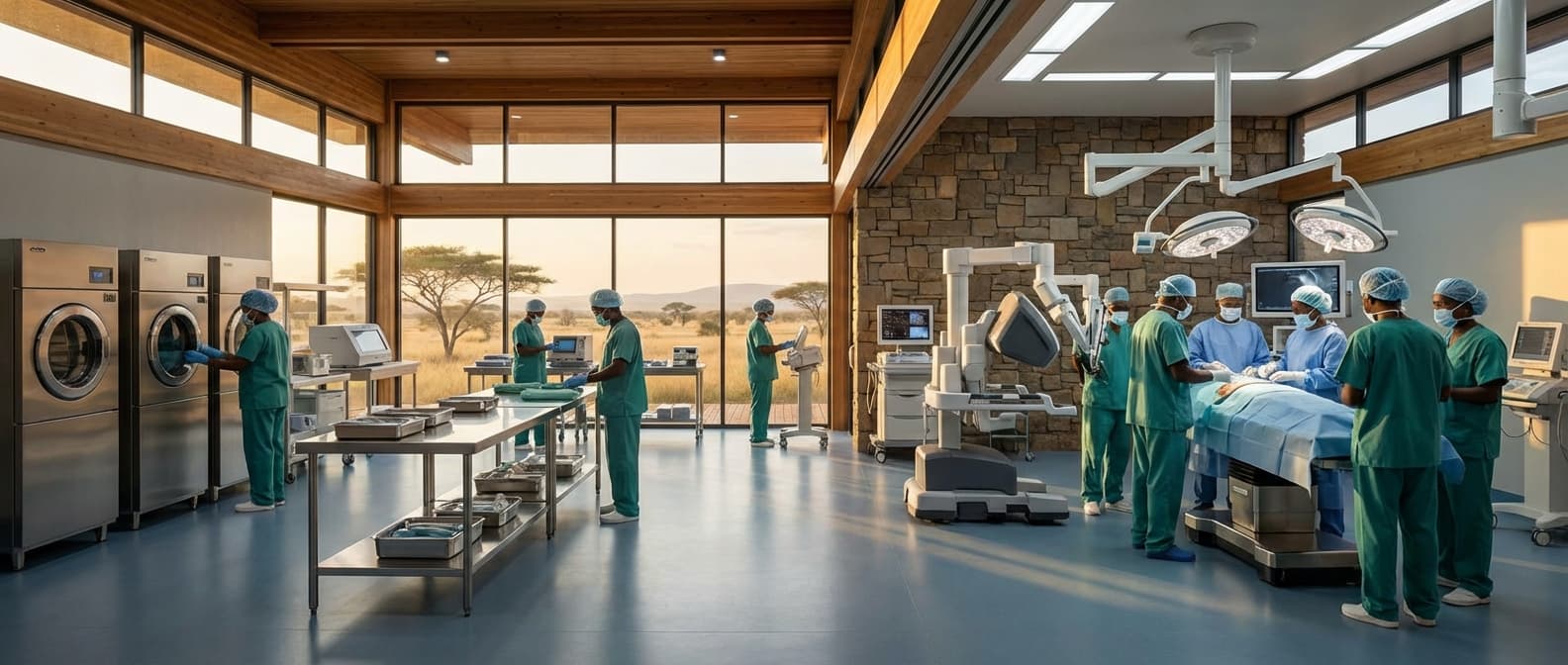
Endoscopy Reprocessing Validation in Ghana
Engineering Excellence & Technical Support
AER validation, SOP development and compliance High-standard technical execution following OEM protocols and local regulatory frameworks.
Enhanced Bioburden Testing for Reusable Medical Devices
Implementing advanced bioburden testing protocols to validate the efficacy of automated endoscope reprocessors (AERs) and manual cleaning procedures, ensuring microbial contamination is reduced to safe, pre-defined levels and complying with international standards for patient safety in Ghanaian healthcare facilities.
Validation of Disinfection & Sterilization Cycles
Conducting rigorous validation studies for all reprocessing cycles (high-level disinfection and sterilization) applied to flexible endoscopes. This includes using biological indicators and chemical indicators to confirm that the cycles effectively eliminate pathogenic microorganisms, a critical step in preventing healthcare-associated infections within Ghana's healthcare system.
Digital Traceability & Documentation of Reprocessing
Establishing a robust digital system for tracking and documenting each step of the endoscopy reprocessing workflow. This includes recording cleaning parameters, disinfection agent concentrations, cycle times, and testing results, providing an auditable trail to ensure compliance and patient safety, thereby strengthening infection control practices in Ghana.
What Is Endoscopy Reprocessing Validation In Ghana?
Endoscopy reprocessing validation in Ghana refers to the systematic process of verifying and documenting that flexible endoscopes and associated accessories have been cleaned and disinfected according to established, validated protocols to ensure patient safety and prevent healthcare-associated infections (HAIs). This validation is crucial for healthcare facilities performing endoscopic procedures. It involves a multi-faceted approach to confirm the efficacy of the entire reprocessing cycle, from pre-cleaning to high-level disinfection (HLD) or sterilization, and the integrity of the equipment post-reprocessing.
Key Components of Endoscopy Reprocessing Validation:
- Water System Validation: Ensuring the water used for rinsing and automated reprocessors meets stringent microbiological standards (e.g., <10 Colony Forming Units (CFU)/mL for bacteria and absence of Legionella species). This typically involves regular water sampling and testing.
- Cleaning Efficacy Testing: Verifying that the manual or automated cleaning steps effectively remove gross soil, organic debris, and microbial contamination from the internal lumens and external surfaces of the endoscope. This can involve surrogate soil testing or adenosine triphosphate (ATP) testing to measure residual organic material.
- Disinfection/Sterilization Efficacy Confirmation: Confirming that the chosen HLD agent (e.g., glutaraldehyde, peracetic acid) or sterilization method (e.g., ethylene oxide, low-temperature hydrogen peroxide plasma) achieves the required logarithmic reduction in microbial load, as per manufacturer instructions and regulatory guidelines.
- Equipment Performance Verification: Ensuring that automated endoscope reprocessors (AERs) and other reprocessing equipment are functioning within operational parameters and are calibrated correctly.
- Documentation and Record Keeping: Maintaining comprehensive records of all reprocessing cycles, validation tests, equipment maintenance, and staff training. This forms the auditable evidence of compliance.
- Staff Competency Assessment: Regularly evaluating the knowledge and practical skills of healthcare personnel involved in reprocessing to ensure they adhere to protocols.
| Typical Use Cases for Endoscopy Reprocessing Validation | Description | Significance |
|---|---|---|
| Prevention of Cross-Contamination: | Ensuring endoscopes are free from viable microorganisms and organic debris after reprocessing, thereby preventing transmission of pathogens (e.g., bacteria, viruses, fungi) between patients. | Mitigates the risk of HAIs, protecting patient well-being and reducing morbidity/mortality. |
| Compliance with Regulatory Standards: | Meeting national and international guidelines and standards for medical device reprocessing, such as those set by the Ghana Health Service or relevant international bodies. | Ensures legal and ethical compliance, and facilitates accreditation or certification. |
| Maintaining Equipment Integrity and Longevity: | Proper reprocessing and validation contribute to the optimal functioning and lifespan of expensive endoscopic equipment. | Reduces the likelihood of equipment malfunction and associated repair costs. |
| Auditable Quality Assurance: | Providing documented evidence of the quality and safety of reprocessing practices during internal or external audits. | Demonstrates a commitment to patient safety and infection control best practices. |
| Safe Utilization of Reusable Medical Devices: | Confirming that reusable endoscopic instruments are safe for repeated patient use. | Underpins the cost-effectiveness of using reusable endoscopes over single-use alternatives. |
Who Needs Endoscopy Reprocessing Validation?
- All healthcare facilities in Ghana performing diagnostic or therapeutic endoscopic procedures, including but not limited to:
- Hospitals (public and private)
- Specialty clinics offering endoscopy services
- Diagnostic centers
- Any institution where flexible endoscopes are utilized for patient care.
Who Needs Endoscopy Reprocessing Validation In Ghana?
Endoscopy reprocessing validation is crucial for any healthcare facility performing endoscopic procedures. In Ghana, this critical step ensures the safety of patients and healthcare workers by guaranteeing that endoscopes are thoroughly cleaned and disinfected, preventing the transmission of infections. Without proper validation, there's a significant risk of cross-contamination and outbreaks of healthcare-associated infections (HAAs).
| Department/Unit | Specific Role in Endoscopy Reprocessing Validation | Key Concerns | Impact of Non-Validation |
|---|---|---|---|
| Endoscopy Unit/Department | Directly responsible for performing cleaning and disinfection procedures. Staff require training and adherence to protocols. Validation ensures their processes are effective. | Adequate staffing, availability of validated disinfectants, proper equipment maintenance, adherence to protocols. | Increased risk of patient infections, staff exposure to pathogens, reputational damage, legal liabilities. |
| Infection Prevention and Control (IPC) Unit | Develops and oversees infection control policies, including reprocessing guidelines. Plays a key role in auditing and validating reprocessing practices. | Ensuring compliance with national and international IPC guidelines, monitoring infection rates, providing training. | Failure to identify and address reprocessing deficiencies, leading to preventable HAAs. |
| Quality Assurance (QA) Department | Responsible for overall quality management within the facility. May incorporate endoscopy reprocessing validation into their QA programs. | Ensuring that all processes meet established quality standards, documentation and record-keeping. | Lack of standardized and validated reprocessing procedures, leading to inconsistent patient care and safety. |
| Central Sterile Services Department (CSSD) | While often focused on surgical instruments, CSSD may be involved in reprocessing flexible endoscopes in larger facilities. Validation ensures their processes are robust. | Sterilization equipment calibration, validation of cleaning and disinfection cycles for endoscopes. | Compromised sterility of endoscopes, leading to high risk of infection transmission. |
| Biomedical Engineering Department | Responsible for the maintenance and repair of endoscopic equipment, including automated reprocessors. Their input is vital for validating equipment performance. | Ensuring equipment is functioning optimally, providing technical support for validation studies. | Malfunctioning equipment leading to ineffective reprocessing, false sense of security regarding decontamination. |
| Administration/Management | Provides resources and support for reprocessing validation. Ultimately responsible for patient safety and facility compliance. | Allocating budget for validation, staff training, and necessary equipment. Ensuring a culture of safety. | Insufficient resources leading to inadequate reprocessing, potential legal and financial repercussions. |
Target Customers and Departments for Endoscopy Reprocessing Validation in Ghana
- {"title":"Hospitals (Public and Private)","description":"All hospitals, regardless of ownership or size, that utilize endoscopes for diagnostic and therapeutic procedures. This includes major referral hospitals, teaching hospitals, and district hospitals."}
- {"title":"Specialty Clinics","description":"Clinics specializing in gastroenterology, pulmonology, urology, and gynecology that routinely perform endoscopic examinations."}
- {"title":"Diagnostic Centers","description":"Facilities offering diagnostic endoscopic services as part of their broader healthcare offerings."}
- {"title":"Government Health Agencies","description":"Ministries of Health and other regulatory bodies responsible for setting standards and ensuring patient safety within the healthcare system."}
- {"title":"Training Institutions","description":"Medical schools and nursing colleges that train healthcare professionals in endoscopy and infection control practices."}
Endoscopy Reprocessing Validation Process In Ghana
The Endoscopy Reprocessing Validation Process in Ghana ensures that reusable endoscopic devices are cleaned and sterilized according to international standards to prevent patient-to-patient transmission of infections. This process is crucial for patient safety and is a regulatory requirement. The workflow typically begins with an inquiry from a healthcare facility seeking validation, followed by a series of structured steps to assess and confirm the efficacy of their reprocessing procedures.
| Stage | Description | Key Activities | Responsible Parties |
|---|---|---|---|
| Inquiry and Initial Assessment | Healthcare facility expresses interest in having their endoscopy reprocessing procedures validated. | Contacting the designated validation authority (e.g., Ministry of Health department, accredited testing body). Discussing requirements and scope of validation. | Healthcare Facility, Validation Authority |
| Application Submission | Formal submission of an application detailing the facility's reprocessing procedures, equipment, and staffing. | Completing the official application form. Providing documentation such as Standard Operating Procedures (SOPs) for cleaning, disinfection, and sterilization; equipment manuals; staff training records; and a list of reprocessing chemicals and consumables. | Healthcare Facility |
| Pre-Audit Site Visit (Optional) | A preliminary visit to assess the current state of the reprocessing area and identify potential gaps before the formal audit. | Observing the layout and workflow of the reprocessing unit. Reviewing immediate documentation. Identifying any obvious non-compliance issues. | Validation Authority, Healthcare Facility |
| Validation Audit and Documentation Review | A comprehensive assessment of the facility's written procedures and how they are implemented. | Reviewing submitted SOPs, chemical usage logs, equipment maintenance records, and staff competency assessments. Interviewing reprocessing staff to understand their adherence to protocols. | Validation Authority, Healthcare Facility Staff |
| On-Site Testing and Observation | Direct observation of the entire reprocessing cycle and performance of key tasks. | Observing the manual cleaning process, automated washer-disinfector operation, high-level disinfection or sterilization procedures, and drying/storage methods. Checking water quality and temperature logs. | Validation Authority, Healthcare Facility Staff |
| Laboratory Analysis (if applicable) | Testing of processed endoscopes or reprocessing materials to confirm efficacy. | May involve collecting samples for microbial testing to verify effective disinfection/sterilization. Checking the efficacy of detergents or disinfectants used. | Validation Authority (or accredited lab), Healthcare Facility Staff |
| Report Generation and Feedback | A detailed report outlining the findings of the validation process. | Documenting all observations, deviations from standards, and any identified risks. Providing constructive feedback and recommendations to the healthcare facility. | Validation Authority |
| Corrective Action Plan (if required) | If deficiencies are identified, the facility must develop and implement a plan to address them. | The facility proposes specific actions to rectify non-compliance issues. This may involve revising SOPs, providing additional staff training, or upgrading equipment. | Healthcare Facility |
| Re-validation (if required) | If significant corrective actions were taken, a re-validation may be necessary to confirm their effectiveness. | A follow-up audit or testing to ensure that the implemented corrective actions have resolved the identified issues. | Validation Authority |
| Issuance of Validation Certificate | Upon successful completion of the validation process, a certificate is issued. | The certificate confirms that the healthcare facility's endoscopy reprocessing procedures meet the required standards for a specified period. | Validation Authority |
Workflow for Endoscopy Reprocessing Validation in Ghana
- Inquiry and Initial Assessment
- Application Submission
- Pre-Audit Site Visit (Optional)
- Validation Audit and Documentation Review
- On-Site Testing and Observation
- Laboratory Analysis (if applicable)
- Report Generation and Feedback
- Corrective Action Plan (if required)
- Re-validation (if required)
- Issuance of Validation Certificate
Endoscopy Reprocessing Validation Cost In Ghana
Endoscopy reprocessing validation in Ghana is a critical step to ensure the safety and effectiveness of reusable endoscopes. This process confirms that the cleaning and disinfection protocols implemented are capable of eliminating or reducing harmful microorganisms to safe levels. The cost of this validation can vary significantly due to several pricing factors. These factors include the type of endoscope being validated, the complexity of the reprocessing workflow, the laboratory conducting the validation, the scope of the validation (e.g., routine vs. initial validation), and the specific accreditation or regulatory requirements being met. Generally, validation involves microbiological testing of environmental surfaces, rinse water, and potentially high-level disinfection solution effectiveness, alongside documentation review and potentially process observation. The range of pricing in Ghana is influenced by the availability of specialized laboratories, the expertise of the personnel involved, and the overhead costs associated with maintaining a sterile testing environment and equipment.
| Service Component | Estimated Cost Range (GHS) | Notes |
|---|---|---|
| Initial Validation Study (per endoscope type) | 3,000 - 10,000+ | Includes protocol development, testing of cleaning efficacy, disinfection/sterilization efficacy, environmental monitoring, and reporting. |
| Revalidation/Periodic Testing (per endoscope type) | 1,500 - 5,000+ | Typically less comprehensive than initial validation, focusing on key indicators. |
| Microbiological Testing (per sample/test) | 150 - 500 | Covers specific tests like total viable count, specific pathogen detection, endotoxin testing. |
| Laboratory Service Fees/Consultation | 500 - 2,000 | Covers administrative costs, report preparation, and expert consultation. |
| Travel and Logistics (if applicable) | 200 - 1,000+ | Dependent on distance and number of visits required. |
Key Factors Influencing Endoscopy Reprocessing Validation Costs in Ghana
- Type and number of endoscopes being validated.
- Complexity of the reprocessing workflow and the number of reprocessing steps.
- The laboratory's accreditation status and reputation.
- Scope of validation (e.g., initial validation, revalidation, periodic testing).
- Specific regulatory or accreditation body requirements (e.g., Ghana Health Service guidelines, international standards).
- Cost of microbiological testing kits and reagents.
- Personnel expertise and time allocated for the validation process.
- Travel and logistical costs for laboratory personnel if on-site validation is required.
- Report generation and documentation fees.
- Potential for additional testing if initial validation fails.
Affordable Endoscopy Reprocessing Validation Options
Ensuring the proper reprocessing of flexible endoscopes is critical for patient safety and infection control. However, the cost of validation can be a significant barrier, especially for smaller facilities or those with limited budgets. Fortunately, there are affordable options and strategic approaches to validation that can make this essential process more accessible. Understanding value bundles and implementing cost-saving strategies are key to navigating these challenges.
| Cost-Saving Strategy | Description | Potential Impact on Validation Costs |
|---|---|---|
| Leverage Third-Party Validation Services | Partnering with specialized third-party vendors who offer validation services. These companies often have economies of scale and can provide expertise at a lower cost than in-house development. | Reduces the need for in-house equipment purchase and specialized personnel training. Can offer competitive pricing through bulk services. |
| Optimize Testing Frequency | Reviewing manufacturer guidelines and regulatory requirements to ensure testing is performed at the minimum required intervals. Avoids unnecessary or overly frequent testing. | Minimizes the number of validation tests performed annually, directly reducing material and labor costs. |
| In-House Training and Competency Assessment | Developing robust in-house training programs for staff to perform routine validation checks and understand documentation. This shifts some tasks from external providers to trained internal staff. | Reduces reliance on external consultants for routine tasks. May require initial investment in training materials and staff time. |
| Consolidated Purchasing of Supplies | Ordering validation reagents, test strips, and other consumables in bulk from a single supplier or through group purchasing organizations (GPOs). | Achieves lower per-unit costs for essential supplies, significantly impacting ongoing validation expenses. |
| Phased Validation Approach | For facilities with a large number of endoscopes, consider a phased approach to validation, prioritizing high-risk or most frequently used scopes first, and then gradually validating the rest. | Distributes the validation cost over a longer period, easing immediate budget strain. Requires careful planning and tracking. |
| Explore Manufacturer-Provided Resources | Some endoscope manufacturers may offer validation support or resources as part of their service agreements or for a nominal fee. Inquire about these options. | Can provide cost-effective access to specific validation protocols or guidance tailored to their equipment. |
| Technology Adoption (When Cost-Effective) | Investigating automated or semi-automated validation systems if the long-term cost savings and efficiency gains outweigh the initial investment. This is more applicable to high-volume facilities. | Can reduce labor costs and improve consistency of results over time, but requires a significant upfront capital outlay. |
Understanding Value Bundles in Endoscopy Reprocessing Validation
- What are Value Bundles? Value bundles in healthcare, including for endoscopy reprocessing validation, are service packages that combine multiple services and products into a single, often pre-negotiated price. This offers predictability and can be more cost-effective than purchasing individual services.
- How They Apply to Validation: For endoscopy reprocessing validation, a value bundle might include:
- Initial validation testing (e.g., high-level disinfection efficacy, leak testing).
- Provision of necessary testing supplies and reagents.
- Training for staff on validation procedures and documentation.
- Ongoing monitoring and periodic revalidation services.
- Support and consultation for regulatory compliance.
- Benefits of Value Bundles:
- Cost Predictability: Fixed pricing helps in budgeting and avoids unexpected expenses.
- Streamlined Procurement: Simplifies the purchasing process by dealing with a single provider.
- Comprehensive Coverage: Ensures all necessary aspects of validation are addressed.
- Potential for Discounts: Bundling can often lead to lower overall costs compared to à la carte services.
Verified Providers In Ghana
In Ghana's evolving healthcare landscape, identifying trustworthy and qualified medical practitioners is paramount. Verified providers offer a crucial layer of assurance, ensuring patients receive safe and effective care. Franance Health stands out in this regard, having meticulously vetted its network of healthcare professionals. This rigorous credentialing process not only confirms the qualifications and experience of their practitioners but also ensures adherence to ethical standards and best practices within the Ghanaian medical community. Choosing Franance Health means opting for a healthcare experience where expertise, integrity, and patient well-being are the highest priorities.
| Provider Type | Key Credentials Verified | Why This Matters for Patients | ||||||
|---|---|---|---|---|---|---|---|---|
| Doctors (Specialists & General Practitioners) | Medical Degree (MBChB/MD) | Ensures foundational medical knowledge and diagnostic capabilities. | Ghana Medical and Dental Council (GMDC) Registration | Legally authorized to practice medicine in Ghana, guaranteeing adherence to professional standards. | Specialty Certifications/Fellowships | Confirms advanced training and expertise in a specific medical area. | Years of Clinical Experience | Indicates practical application of knowledge and a deeper understanding of diverse patient conditions. |
| Nurses | Nursing Diploma/Degree | Establishes core nursing competencies and patient care skills. | Nursing and Midwifery Council of Ghana (N&MCG) Registration | Licensed to practice nursing in Ghana, ensuring ethical and safe patient management. | Specialized Training (e.g., Critical Care, Pediatrics) | Equips nurses with advanced skills for specific patient populations or situations. | Experience in Healthcare Settings | Demonstrates practical application of nursing skills in real-world environments. |
| Pharmacists | Pharmacy Degree (BPharm) | Provides a strong foundation in pharmaceutical sciences and drug management. | Pharmacy Council of Ghana Registration | Authorized to dispense medication and provide pharmaceutical advice in Ghana, ensuring product safety and efficacy. | Continuing Professional Development (CPD) | Confirms ongoing learning and staying updated with the latest pharmaceutical advancements. | Experience in Community or Hospital Pharmacy | Highlights practical skills in dispensing, patient counseling, and medication management. |
| Therapists (Physiotherapists, Occupational Therapists, etc.) | Relevant Degree/Diploma | Confirms theoretical knowledge and practical skills in their therapeutic discipline. | Professional Council Registration (e.g., Allied Health Professions Council) | Legally qualified to practice in Ghana, adhering to professional conduct. | Specialized Certifications | Indicates expertise in specific therapeutic modalities or conditions. | Clinical Experience | Demonstrates ability to assess, diagnose, and treat patients effectively. |
Why Franance Health Providers are the Best Choice:
- Rigorous Credentialing Process: Every provider undergoes a thorough verification of licenses, certifications, and educational backgrounds.
- Experienced Professionals: Franance Health partners with practitioners who possess a proven track record and extensive experience in their respective fields.
- Adherence to Standards: All listed providers comply with Ghana's medical regulations and ethical guidelines.
- Patient-Centric Approach: Franance Health emphasizes providers who prioritize patient care, communication, and satisfaction.
- Comprehensive Network: Access a wide range of specialists and general practitioners across various medical disciplines.
Scope Of Work For Endoscopy Reprocessing Validation
This Scope of Work (SOW) outlines the requirements and deliverables for validating the automated reprocessing of flexible endoscopes. The objective is to demonstrate that the validated reprocessing procedures consistently achieve a validated level of microbial reduction, thereby ensuring patient safety and compliance with regulatory standards. This document details the technical deliverables and standard specifications expected from the validation process.
| Technical Deliverable | Description | Standard Specification / Requirement | Acceptance Criteria |
|---|---|---|---|
| Validation Protocol | A detailed document outlining the study design, methods, equipment, materials, personnel, and acceptance criteria for the validation study. | Must include all steps from initial contamination to final inspection. Must specify the types and concentrations of challenge microorganisms. Must define the number of replicate cycles. | Approved by all relevant stakeholders prior to study commencement. |
| Pre-Cleaning Efficacy Report | Documentation demonstrating the effectiveness of manual pre-cleaning in removing organic soil. | Utilize standardized soil load tests or visual inspection criteria. Analyze residual protein and carbohydrate levels. | Residual protein levels below [Specific mg/cm² or other unit, e.g., 10 µg/cm²]. Residual carbohydrate levels below [Specific mg/cm² or other unit]. Visual inspection confirms absence of gross soil. |
| Microbiological Challenge Study Report | Data and analysis from studies using specific challenge microorganisms to assess the kill/reduction claims of the AER and chemistries. | Includes quantification of viable microorganisms on endoscope surfaces (lumens, channels, exterior) before and after reprocessing. Must use representative challenge organisms (e.g., Mycobacterium chelonae, Pseudomonas aeruginosa, Bacillus subtilis spores). | Demonstrates a validated reduction in microbial load, typically a 3-log to 5-log reduction or meeting specific antimicrobial efficacy standards for the applied chemistry. |
| Chemical Concentration and Contact Time Verification | Confirmation that the AER is dispensing the correct concentration of cleaning and disinfection chemistries for the specified contact time. | In-situ testing of chemical concentrations and automated monitoring of cycle times. Calibration records for dispensing systems. | Chemical concentrations within ± [e.g., 5%] of the manufacturer's recommended range. Contact times for each stage of the cycle meet manufacturer specifications. |
| Endoscope Functionality and Integrity Testing | Assessment of the endoscope's mechanical and optical functionality after multiple reprocessing cycles. | Periodic checks of image quality, articulation, instrument channels, and fluid leak tests. Examination for material degradation. | No significant degradation in image quality or mechanical function. No fluid leaks detected. No visible damage to the endoscope. |
| Process Parameter Monitoring and Control Report | Documentation of critical process parameters (CPPs) monitored during validation runs, including temperature, pressure, flow rates, and cycle times. | Data logs from the AER and any independent monitoring devices. Analysis of parameter variability. | All CPPs remain within predefined acceptable ranges throughout the validation study. No out-of-specification events. |
| Cleaning Chemistry Compatibility Report | Evidence that the cleaning and disinfection chemistries do not degrade the endoscope materials. | Material compatibility testing data or manufacturer certifications. Visual inspection for discoloration or surface damage. | No adverse effects on endoscope materials (e.g., plastics, seals, optics) observed. |
| Validation Report | A comprehensive summary of the validation study, including all raw data, analysis, and conclusions. | Presents the results of all validation activities, discusses any deviations, and provides a clear statement of validation status. | Signed and approved by the validation team and relevant stakeholders, confirming successful validation of the endoscopy reprocessing process. |
Key Objectives of Endoscopy Reprocessing Validation
- To verify the efficacy of the automated endoscope reprocessor (AER) and associated cleaning/disinfection chemistries in removing and inactivating microorganisms.
- To confirm the effectiveness of manual pre-cleaning procedures in removing gross soil and debris.
- To establish process parameters and limits for AER operation to ensure consistent and effective reprocessing.
- To provide documented evidence of validation for regulatory compliance (e.g., FDA, TJC, national health authorities).
- To ensure the integrity and functionality of the endoscope are maintained throughout the reprocessing cycle.
Service Level Agreement For Endoscopy Reprocessing Validation
This Service Level Agreement (SLA) outlines the response times and uptime guarantees for the Endoscopy Reprocessing Validation service. This service ensures the accuracy and reliability of endoscopy reprocessing validation processes, critical for patient safety and regulatory compliance.
| Service Component | Response Time (for critical issues) | Uptime Guarantee |
|---|---|---|
| Endoscopy Reprocessing Validation System Access | 15 minutes (for system outage) | 99.9% (monthly average) |
| Real-time Validation Monitoring | 30 minutes (for significant monitoring interruption) | 99.9% (monthly average) |
| Automated Alerting for Deviations | 1 hour (for complete failure of alerting mechanism) | 99.9% (monthly average) |
| Performance Reporting and Analytics | 2 business days (for report generation delay) | 99.5% (monthly average for report availability) |
| Technical Support and Troubleshooting | 1 hour (for initial response to critical issue ticket) | N/A (support availability is 24/7, response times apply) |
Key Service Components
- Endoscopy Reprocessing Validation System Access
- Real-time Validation Monitoring
- Automated Alerting for Deviations
- Performance Reporting and Analytics
- Technical Support and Troubleshooting
Frequently Asked Questions

Ready when you are
Let's scope your Endoscopy Reprocessing Validation in Ghana project in Ghana.

Scaling healthcare logistics and technical systems across the entire continent.