
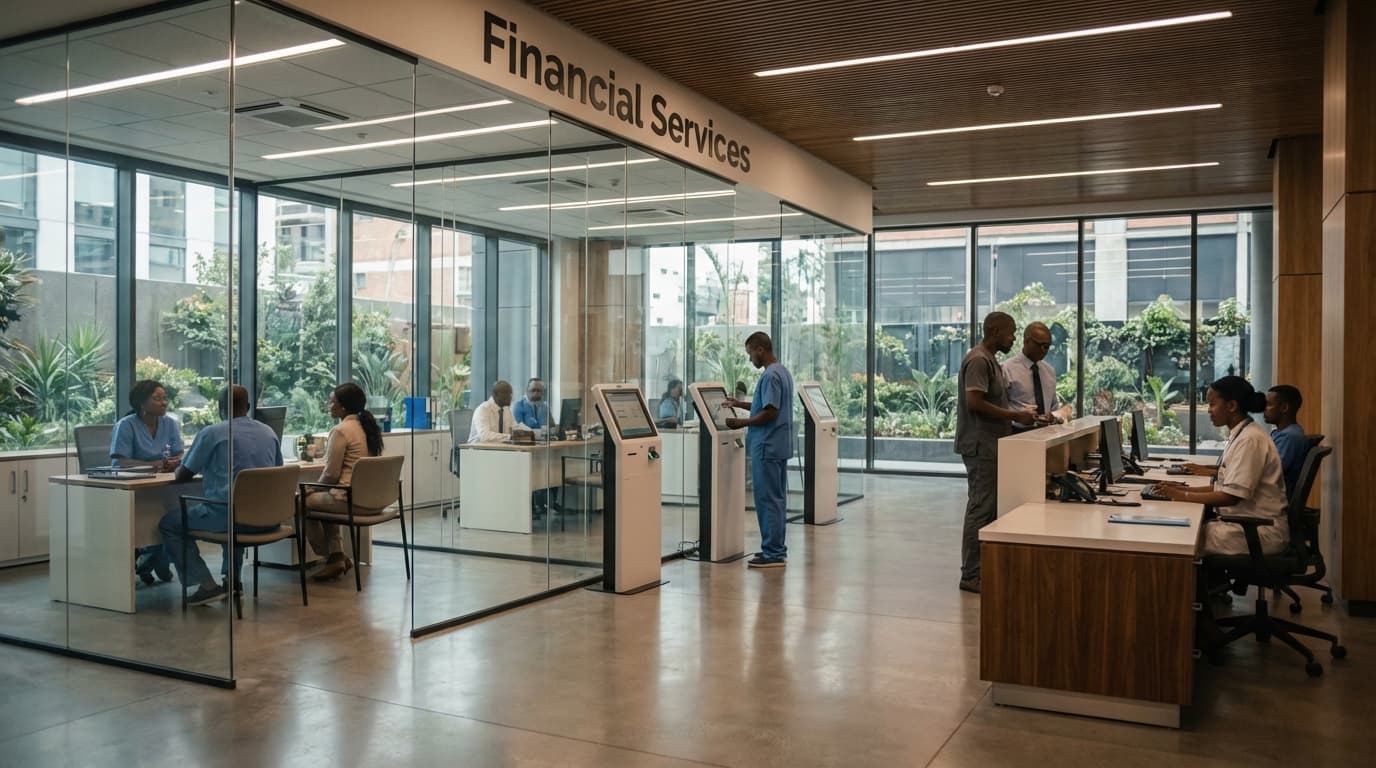
Medical Equipment Financing in Gambia
Engineering Excellence & Technical Support
Leasing and financing solutions for medical equipment High-standard technical execution following OEM protocols and local regulatory frameworks.
Accessible Financing Options
We offer tailored medical equipment financing solutions designed for healthcare providers in The Gambia, featuring competitive interest rates and flexible repayment schedules to suit your budget and cash flow.
Streamlined Procurement Process
Our dedicated team simplifies the entire process, from initial application to equipment delivery. We partner with trusted suppliers to ensure you acquire high-quality, reliable medical equipment efficiently.
Partnership for Growth
We understand the unique challenges and opportunities within The Gambia's healthcare sector. Our financing goes beyond just funding; we aim to be a strategic partner, empowering your facility to expand services and improve patient care.
What Is Medical Equipment Financing In Gambia?
Medical Equipment Financing in The Gambia refers to financial instruments and arrangements designed to facilitate the acquisition of medical devices, machinery, and apparatus by healthcare providers within the country. This service typically involves providing capital, in the form of loans, leases, or other credit facilities, specifically earmarked for the procurement of medical equipment. It addresses the capital expenditure challenges faced by both public and private healthcare institutions in obtaining essential and advanced medical technologies necessary for diagnosis, treatment, and patient care. The objective is to bridge the gap between the need for modern medical infrastructure and the financial constraints that may impede its acquisition.
| Typical Use Cases for Medical Equipment Financing | Specific Equipment Categories | Impact/Objective |
|---|---|---|
| Expansion of Diagnostic Capabilities | X-ray machines, CT scanners, MRI units, ultrasound devices, laboratory analyzers | Improved diagnostic accuracy, earlier disease detection, reduced referral rates. |
| Enhancement of Surgical Services | Surgical microscopes, laparoscopic equipment, specialized surgical instruments, anesthesia machines | Increased surgical precision, minimally invasive procedures, reduced recovery times, expanded surgical specialties. |
| Upgrade of Patient Monitoring and Life Support Systems | ICU ventilators, cardiac monitors, defibrillators, infusion pumps | Improved patient outcomes in critical care, enhanced patient safety, efficient management of vital signs. |
| Acquisition of Specialized Treatment Modalities | Dialysis machines, physiotherapy equipment, radiation therapy units (where applicable) | Provision of essential treatments for chronic diseases, rehabilitation services, and specialized cancer care. |
| Establishment of New Healthcare Facilities | Comprehensive equipment packages for primary care clinics, diagnostic centers, or specialized wards | Increased access to healthcare services, improved health infrastructure density, economic development within the healthcare sector. |
Key Stakeholders and Needs for Medical Equipment Financing in The Gambia
- Public Hospitals and Clinics: Require financing for essential diagnostic and therapeutic equipment to serve a broad population, often operating with constrained government budgets.
- Private Hospitals and Specialist Clinics: Seek financing to acquire cutting-edge technology for competitive advantage, enhanced service offerings, and to cater to a growing demand for specialized medical care.
- Non-Governmental Organizations (NGOs) and Faith-Based Organizations (FBOs) Healthcare Facilities: Often require financing to upgrade existing infrastructure or establish new facilities, particularly in underserved areas, to fulfill their healthcare delivery mandates.
- Medical Training Institutions: Need financing for simulation equipment and advanced diagnostic tools to facilitate hands-on training for healthcare professionals.
- Start-up Healthcare Ventures: Require comprehensive financing packages to equip new facilities from inception, including diagnostic imaging, surgical instruments, and patient monitoring systems.
Who Needs Medical Equipment Financing In Gambia?
Medical equipment financing in The Gambia is a critical tool for ensuring the accessibility and advancement of healthcare services across the nation. It addresses the significant capital expenditure required to acquire, upgrade, or replace essential medical technology. This financing allows healthcare providers to invest in state-of-the-art diagnostic tools, treatment machinery, and patient care equipment without being burdened by immediate lump-sum payments, ultimately leading to improved patient outcomes and a stronger healthcare infrastructure.
| Department/Facility Type | Typical Equipment Needs | Financing Justification |
|---|---|---|
| Public Hospitals (Federal & Regional) | Diagnostic imaging (X-ray, CT scanners, ultrasound), surgical equipment, laboratory analyzers, patient monitoring systems, sterilization equipment. | Addressing widespread patient needs, upgrading outdated infrastructure, expanding service offerings, ensuring equitable access to advanced diagnostics and treatments. |
| Private Hospitals & Clinics | Specialized surgical instruments, advanced diagnostic equipment (e.g., MRI), modern dental equipment, physiotherapy equipment, advanced laboratory equipment. | Maintaining competitiveness, offering specialized services, attracting and retaining patients, improving efficiency and accuracy of diagnoses and treatments. |
| Diagnostic Laboratories | Automated blood analyzers, PCR machines, microscopes, centrifuges, specialized testing equipment (e.g., for pathology, genetics). | Increasing testing capacity, improving turnaround times, expanding the range of diagnostic tests offered, ensuring accuracy and reliability of results. |
| Specialty Medical Centers | Specific equipment tailored to the specialty, e.g., cardiac catheterization labs, endoscopy suites, radiotherapy units, ophthalmology equipment. | Acquiring cutting-edge technology to provide highly specialized care, improving treatment efficacy, offering advanced diagnostic capabilities within a niche. |
| NGOs & Community Health Centers | Basic diagnostic tools (e.g., portable ultrasound, vital signs monitors), essential surgical kits, basic laboratory equipment, renewable energy-powered equipment for remote areas. | Expanding healthcare access to underserved populations, providing essential primary care services, responding to specific health challenges in their operating areas, often with limited operational budgets. |
| Medical Training Institutions | Simulation equipment, advanced anatomical models, functional laboratory equipment for teaching and research, imaging equipment for educational purposes. | Providing hands-on training for future healthcare professionals, keeping curriculum current with technological advancements, fostering research and development in the medical field. |
Target Customers for Medical Equipment Financing in The Gambia
- Public Hospitals (Federal and Regional)
- Private Hospitals and Clinics
- Diagnostic Laboratories
- Specialty Medical Centers (e.g., cardiology, radiology)
- Non-Governmental Organizations (NGOs) with healthcare mandates
- Community Health Centers
- Medical Training Institutions
- Government Health Ministries and Departments
Medical Equipment Financing Process In Gambia
The medical equipment financing process in Gambia involves several key stages, from the initial inquiry by a healthcare provider to the final execution of the financing agreement. This workflow is designed to assess the applicant's creditworthiness, the viability of the equipment investment, and ensure compliance with regulatory requirements. Understanding this process is crucial for medical institutions seeking to upgrade or acquire essential medical technology.
| Stage | Description | Key Activities | Responsible Parties |
|---|---|---|---|
| The healthcare institution identifies a need for new or upgraded medical equipment and contacts potential financing providers. | Define equipment requirements, budget, and intended use. Inquire about financing options and eligibility criteria. | Healthcare Institution (Applicant), Financing Institution (Provider) |
| The applicant formally applies for financing and provides necessary supporting documents to the financial institution. | Complete application form. Submit financial statements (audited if available), business plan, equipment quotes, and relevant legal documents (registration certificates, licenses). | Healthcare Institution (Applicant), Financing Institution (Provider) |
| The financing institution evaluates the applicant's financial health, credit history, and overall business viability. | Review financial statements, assess credit score, verify business registration and operational capacity. Conduct background checks. | Financing Institution (Provider), Credit Bureaus (External) |
| An independent appraisal of the proposed medical equipment is conducted to determine its fair market value and suitability. | Engage qualified valuers to assess the technical specifications, condition, and market price of the equipment. Confirm supplier reliability. | Financing Institution (Provider), Independent Valuers (External), Equipment Suppliers |
| Based on the assessment, the financing institution prepares a loan proposal outlining terms and conditions. | Determine loan amount, interest rate, repayment period, collateral requirements, and any associated fees. Negotiate terms with the applicant. | Financing Institution (Provider), Healthcare Institution (Applicant) |
| Both parties engage legal counsel to review the financing agreement and ensure compliance with Gambian laws and regulations. | Draft and review loan agreements, security documents, and other legal instruments. Ensure adherence to financial regulations and consumer protection laws. | Financing Institution (Provider), Healthcare Institution (Applicant), Legal Counsel (Internal/External) |
| Upon successful review and negotiation, the financing is formally approved, and the agreement is signed by both parties. | Finalize loan documentation. Obtain internal approvals. Sign the financing agreement and all related security documents. | Financing Institution (Provider), Healthcare Institution (Applicant) |
| The financing institution disburses the approved loan amount, usually directly to the equipment supplier. | Transfer funds to the supplier. Confirm receipt of funds and initiate equipment order/delivery. | Financing Institution (Provider), Healthcare Institution (Applicant), Equipment Supplier |
| The medical equipment is installed, and relevant personnel are trained on its operation and maintenance. | Oversee installation process. Ensure supplier provides comprehensive training. Confirm equipment is functional and ready for use. | Healthcare Institution (Applicant), Equipment Supplier, Financing Institution (Provider - oversight) |
| The healthcare institution begins making regular loan repayments according to the agreed schedule. | Monitor repayment schedule. Manage loan account. Address any potential payment issues or delinquencies. | Healthcare Institution (Applicant), Financing Institution (Provider) |
Medical Equipment Financing Workflow in Gambia
- Initial Inquiry and Needs Assessment
- Application Submission and Documentation
- Credit Assessment and Due Diligence
- Equipment Appraisal and Valuation
- Proposal Generation and Negotiation
- Legal Review and Compliance
- Approval and Agreement Finalization
- Disbursement and Equipment Acquisition
- Installation and Training
- Loan Servicing and Repayment
Medical Equipment Financing Cost In Gambia
Financing medical equipment in The Gambia involves a complex interplay of factors that influence the overall cost. Unlike developed nations where established financial institutions and readily available market data provide clearer pricing, The Gambia's market is often characterized by less transparency and a reliance on imported goods, which adds layers of expense. The cost of financing is not a fixed rate but rather a fluctuating figure influenced by the specific type of equipment, its origin, the financial institution providing the loan, and broader economic conditions within the country.
Key pricing factors include:
- Equipment Cost: This is the most significant component. The price of medical equipment varies drastically depending on its sophistication, brand, intended use (diagnostic, surgical, general care), and whether it's new or refurbished. Imported equipment often incurs higher initial costs due to shipping, import duties, and taxes.
- Import Duties and Taxes: The Gambian government imposes import duties and Value Added Tax (VAT) on medical equipment. These percentages can significantly inflate the landed cost of the equipment, which forms the basis for financing.
- Financing Institution's Policies: Different banks and microfinance institutions in The Gambia will have varying interest rates, loan tenures, and administrative fees. Local banks might offer more competitive rates for established healthcare providers, while microfinance institutions might cater to smaller clinics or individual practitioners with potentially higher interest rates but more accessible terms.
- Loan Tenure: The duration of the loan directly impacts the total interest paid. Longer tenures mean lower monthly repayments but a higher overall cost of financing.
- Collateral and Risk Assessment: The perceived risk of the borrower influences the interest rate. Institutions will assess the financial stability of the healthcare facility, the borrower's credit history, and the value of collateral offered. Stronger collateral and a lower perceived risk generally lead to more favorable financing terms.
- Currency Fluctuations: The Gambian Dalasi (GMD) can experience fluctuations against major international currencies (USD, EUR). Since much medical equipment is imported, currency depreciation can increase the cost of the equipment itself, and consequently, the financing required.
- Operational Costs of Lenders: The overhead costs of financial institutions, including their operational expenses, risk provisioning, and profit margins, are factored into the interest rates they offer.
Pricing Ranges in Local Currency (GMD):
It's challenging to provide precise, universally applicable ranges for medical equipment financing costs in The Gambia due to the dynamic nature of the market. However, based on general observations and industry trends, we can outline potential scenarios. These figures are illustrative and should be verified with specific financial institutions.
Interest Rates: Interest rates for equipment financing in The Gambia can range from 12% to 25% per annum, and in some cases, for higher-risk borrowers or smaller institutions, it could even exceed 25%. Refurbished equipment financing might also command slightly higher rates due to perceived increased risk.
Loan Tenures: Typically, loan tenures for medical equipment can vary from 2 to 7 years. Shorter tenures will result in higher monthly payments but lower total interest. Longer tenures ease the monthly burden but increase the overall financing cost.
Example Scenario (Illustrative):
Let's consider the financing of a mid-range ultrasound machine with an approximate landed cost of GMD 750,000 (this includes the equipment cost, import duties, and taxes).
- Scenario A: Established Clinic with Good Credit
* Loan Amount: GMD 750,000
* Interest Rate: 15% per annum
* Loan Tenure: 5 years (60 months)
* Estimated Monthly Repayment: Approximately GMD 17,600
* Total Interest Paid: Approximately GMD 306,000
* Total Cost of Financing: GMD 750,000 (Principal) + GMD 306,000 (Interest) = GMD 1,056,000
- Scenario B: Smaller Clinic with Moderate Credit
* Loan Amount: GMD 750,000
* Interest Rate: 22% per annum
* Loan Tenure: 4 years (48 months)
* Estimated Monthly Repayment: Approximately GMD 22,800
* Total Interest Paid: Approximately GMD 344,000
* Total Cost of Financing: GMD 750,000 (Principal) + GMD 344,000 (Interest) = GMD 1,094,000
These examples highlight how interest rates and loan tenures significantly impact the total cost of financing, even with the same initial equipment price. It is crucial for healthcare providers in The Gambia to conduct thorough research, compare offers from multiple financial institutions, and understand all associated fees before committing to any financing arrangement.
| Cost Component | Typical Range (GMD) | Notes |
|---|---|---|
| Annual Interest Rates | 12% - 25%+ | Varies based on lender, borrower risk, and loan terms. Higher rates for microfinance or less established entities. |
| Loan Tenures | 2 - 7 Years | Shorter tenures mean higher monthly payments but lower total interest. Longer tenures ease monthly burden but increase total cost. |
| Administration/Processing Fees | 1% - 5% of Loan Amount | One-time fees charged by the lending institution. |
| Collateral Requirements | Variable (e.g., property, other assets) | Dependent on the loan amount and lender's policy. Failure to meet requirements can lead to higher interest rates or denial. |
| Insurance Costs | Variable (e.g., 0.5% - 2% of equipment value annually) | Often mandatory to cover the financed equipment against damage or theft. |
Key Factors Influencing Medical Equipment Financing Costs in The Gambia
- Equipment Purchase Price (including import duties, taxes, and shipping)
- Financial Institution's Interest Rate (ranging from 12% to 25%+ annually)
- Loan Tenure (typically 2 to 7 years)
- Borrower's Creditworthiness and Financial History
- Collateral Value and Availability
- Administrative and Processing Fees
- Currency Exchange Rate Fluctuations
- Economic Stability within The Gambia
Affordable Medical Equipment Financing Options
Acquiring essential medical equipment can be a significant investment for healthcare providers. Fortunately, numerous affordable financing options exist to ease this financial burden. Beyond traditional loans, understanding value bundles and implementing cost-saving strategies can further enhance affordability and long-term financial health. Value bundles often combine equipment purchase with services like installation, maintenance, and training, offering a comprehensive and often more cost-effective solution than acquiring these separately. Cost-saving strategies can include exploring pre-owned or refurbished equipment, negotiating bulk discounts, and leveraging technology for remote monitoring and reduced maintenance needs. By strategically combining these financing and saving approaches, healthcare facilities can access the vital equipment they need while optimizing their budget.
| Strategy | Description | Benefits | Considerations |
|---|---|---|---|
| Value Bundles | Package deals combining equipment purchase with essential services (installation, maintenance, training, software updates). | Streamlined acquisition, predictable costs, potential for discounts on bundled services, reduced administrative overhead. | Ensure all included services are necessary and valued. Compare bundle costs against individual service expenses. |
| Pre-Owned/Refurbished Equipment | Purchasing equipment that has been previously used, inspected, and restored to full working condition by a reputable dealer. | Significant cost reduction compared to new equipment, often comes with a warranty. | Thoroughly vet the seller and the condition of the equipment. Understand the warranty terms. |
| Bulk Purchasing & Negotiating | Acquiring multiple pieces of equipment at once or negotiating discounts for larger orders. | Potential for volume discounts, reduced per-unit cost, simplified procurement process. | Ensure the practice has a genuine need for all items. Negotiate payment terms alongside price. |
| Technology Integration | Leveraging technology for remote diagnostics, predictive maintenance, and efficient use of equipment. | Reduced downtime, lower on-site maintenance costs, potentially extended equipment lifespan, improved operational efficiency. | Requires upfront investment in compatible technology and training. Ensure data security and privacy. |
| Lease-to-Own Programs | Leasing equipment with an option to purchase it at a predetermined price at the end of the lease term. | Low upfront cost, ability to use equipment while deciding on purchase, predictable payments. | The total cost of ownership might be higher than outright purchase. Understand the buyout clause. |
| Equipment Sharing/Consortiums | Collaborating with other healthcare facilities to share the cost and use of specialized, infrequently used equipment. | Access to high-cost equipment without full ownership burden, reduced capital expenditure. | Requires strong collaboration, clear usage agreements, and efficient scheduling. Potential logistical challenges. |
Key Affordable Medical Equipment Financing Options
- Leasing: Operating leases offer the use of equipment for a fixed period without ownership, providing lower upfront costs and predictable monthly payments. Tax benefits may also be available.
- Financing (Loans): Traditional loans allow for ownership of the equipment. Options range from bank loans to specialized medical equipment financing companies, often with flexible repayment terms.
- Medical Equipment Financing Companies: These specialized lenders understand the unique needs and asset values of medical equipment, often offering tailored financing solutions.
- Vendor Financing: Many equipment manufacturers and distributors offer direct financing programs to their customers, which can be convenient and competitive.
- Buy-Here-Pay-Here (BHPH) Options: For smaller practices or those with less-than-perfect credit, some providers may offer in-house financing, though interest rates can be higher.
- Crowdfunding & Grants: For non-profits or startups, exploring crowdfunding platforms or seeking specific grants for medical equipment can be viable options.
Verified Providers In Gambia
In Gambia's evolving healthcare landscape, the assurance of quality and trust is paramount when seeking medical services. "Verified Providers in Gambia" aims to highlight those healthcare entities that meet stringent standards, ensuring patient safety and efficacy. Among these, Franance Health stands out for its exceptional credentials and its commitment to providing superior healthcare solutions. This guide delves into why Franance Health represents the best choice for individuals and families in Gambia seeking reliable and high-quality medical care.
| Service Area | Franance Health's Offering | Why it Matters |
|---|---|---|
| Primary Care | Comprehensive general health check-ups, consultations, and management of common illnesses. | Establishes a strong foundation for ongoing health management and early detection of potential issues. |
| Specialty Services | Expertise in areas such as [mention specific specialties if known, e.g., pediatrics, obstetrics & gynecology, dermatology, dentistry, etc.]. | Provides access to specialized knowledge and advanced treatment options without the need for extensive overseas travel. |
| Diagnostic Services | On-site laboratory testing, imaging services (e.g., X-rays, ultrasounds if applicable). | Facilitates rapid and accurate diagnosis, leading to quicker and more effective treatment initiation. |
| Preventative Care & Wellness | Vaccination programs, health education, and lifestyle counseling. | Empowers individuals to take proactive steps towards maintaining good health and preventing diseases. |
Franance Health's Key Credentials and Strengths
- Accreditation and Compliance: Franance Health adheres to rigorous national and international healthcare standards, evidenced by [mention specific accreditations if available, e.g., Ministry of Health approval, ISO certification, etc.]. This commitment ensures all practices meet the highest benchmarks for safety, hygiene, and operational excellence.
- Qualified Medical Professionals: The organization boasts a team of highly skilled and experienced doctors, nurses, and specialists who are not only licensed but also actively engaged in continuous professional development. Their expertise spans a wide range of medical disciplines.
- State-of-the-Art Facilities and Technology: Franance Health invests in modern medical equipment and diagnostic tools, enabling accurate diagnosis and effective treatment. Their facilities are designed to provide a comfortable and efficient patient experience.
- Patient-Centric Approach: A core philosophy of Franance Health is placing the patient at the center of care. This translates to personalized treatment plans, clear communication, and a compassionate approach from all staff members.
- Comprehensive Service Offerings: From general practice to specialized medical services, Franance Health offers a broad spectrum of healthcare solutions, catering to diverse patient needs and ensuring continuity of care.
- Commitment to Ethical Practices: Integrity and ethical conduct are cornerstones of Franance Health's operations. They prioritize transparency in billing, patient rights, and the confidentiality of medical information.
Scope Of Work For Medical Equipment Financing
This Scope of Work (SOW) outlines the requirements for providing medical equipment financing solutions to [Client Name/Organization]. It details the technical deliverables, standard specifications, and associated services required to facilitate the acquisition of essential medical equipment. The objective is to secure competitive financing terms that align with the client's budgetary constraints and operational needs, ensuring timely procurement and deployment of critical medical technology.
| Deliverable Type | Description | Technical Specifications/Requirements | Acceptance Criteria | Timeline/Milestones |
|---|---|---|---|---|
| Financing Proposal | Detailed proposal outlining financing structure, terms, interest rates, fees, repayment schedule, and residual value options. | Must include a comprehensive breakdown of all costs, comparison of different financing models (e.g., lease, loan, lease-to-own), and justification for proposed terms. Must demonstrate understanding of the client's financial position and equipment needs. | Proposal is clear, comprehensive, competitive, and meets all client-defined financial parameters. Submitted by [Date]. | Week 1-2 of engagement. |
| Equipment Specification Document | A detailed list of medical equipment to be financed, including model numbers, manufacturers, quantities, and estimated costs. | Must align with the client's clinical requirements and departmental needs. Includes warranty information, service contracts, and installation requirements. Specifications to be provided by the client by [Date]. | Approved by client's medical and procurement departments. Finalized equipment list submitted by [Date]. | Week 1 of engagement. |
| Financing Agreement | Legally binding document outlining the terms and conditions of the financing arrangement. | Must accurately reflect the agreed-upon financing proposal. Includes clauses on ownership, maintenance, insurance, default, and termination. Must comply with all applicable laws and regulations. | Signed by authorized representatives of both parties. Agreement finalized and executed by [Date]. | Week 3-4 of engagement. |
| Disbursement of Funds | Transfer of financing funds to the equipment vendor or client as per the agreement. | Funds disbursed in accordance with the agreed payment schedule and invoice verification process. Confirmation of fund disbursement provided. | Funds received by vendor/client within [Number] business days of invoice submission and agreement fulfillment. | Upon equipment delivery and acceptance. |
| Equipment Procurement Support | Assistance with vendor selection, negotiation of purchase agreements, and order placement. | Liaison between client, financier, and equipment vendor to ensure smooth procurement. Verification of vendor credentials and pricing. | Successful placement of orders with approved vendors. Proof of purchase provided. | Concurrent with financing agreement finalization. |
| Equipment Installation and Commissioning | Coordination and oversight of the installation and commissioning process. | Ensuring equipment is installed according to manufacturer specifications and meets operational readiness. Confirmation of successful installation and initial testing. | Signed installation and commissioning reports from vendor and client. | Upon equipment delivery and vendor scheduling. |
| Post-Financing Review & Reporting | Periodic reviews of the financing arrangement and equipment performance. | Includes tracking of payments, equipment utilization, and identification of any potential issues or opportunities for optimization. Regular reporting on loan/lease status. | Annual review meeting. Quarterly status reports provided. | Ongoing throughout the financing term. |
Key Objectives of Medical Equipment Financing
- To secure sufficient capital for the acquisition of specified medical equipment.
- To obtain financing terms (interest rates, repayment periods, residual values) that are financially advantageous.
- To ensure the financing process is efficient and minimizes disruption to clinical operations.
- To provide flexibility for future equipment upgrades or expansions.
- To ensure compliance with all relevant financial and regulatory requirements.
Service Level Agreement For Medical Equipment Financing
This Service Level Agreement (SLA) outlines the response times and uptime guarantees for the provision of medical equipment financing. This SLA is incorporated by reference into the Master Service Agreement between [Financing Company Name] (hereinafter referred to as "Provider") and [Healthcare Facility Name] (hereinafter referred to as "Client").
| Service Component | Response Time Target | Resolution Time Target (Standard Issues) | Resolution Time Target (Critical Issues) | Uptime Guarantee |
|---|---|---|---|---|
| Equipment Financing Application & Approval Process | Within 2 business days | Within 5 business days | Within 2 business days | N/A (Service level applies to system availability) |
| Loan Servicing & Payment Processing | Within 4 business hours | Within 1 business day | Within 4 business hours | 99.9% (excluding Scheduled Downtime) |
| Reporting & Statement Generation | Within 1 business day | Within 3 business days | Within 1 business day | 99.9% (excluding Scheduled Downtime) |
| System Access & User Support (Technical Issues) | Within 2 business hours | Within 8 business hours | Within 2 business hours | 99.9% (excluding Scheduled Downtime) |
Key Definitions
- {"title":"Scheduled Downtime","description":"Planned interruptions of service for routine maintenance, upgrades, or repairs that have been communicated to the Client in advance."}
- {"title":"Unscheduled Downtime","description":"Any interruption of service that is not Scheduled Downtime."}
- {"title":"Response Time","description":"The maximum time allowed from the Client reporting an issue to the Provider acknowledging receipt of the issue and initiating investigation."}
- {"title":"Resolution Time","description":"The maximum time allowed from the Provider acknowledging an issue to the issue being resolved to the Client's reasonable satisfaction or a mutually agreed-upon workaround being implemented."}
- {"title":"Uptime Guarantee","description":"The percentage of time the financing service is available and operational, excluding Scheduled Downtime."}
Frequently Asked Questions

Ready when you are
Let's scope your Medical Equipment Financing in Gambia project in Gambia.

Scaling healthcare logistics and technical systems across the entire continent.