
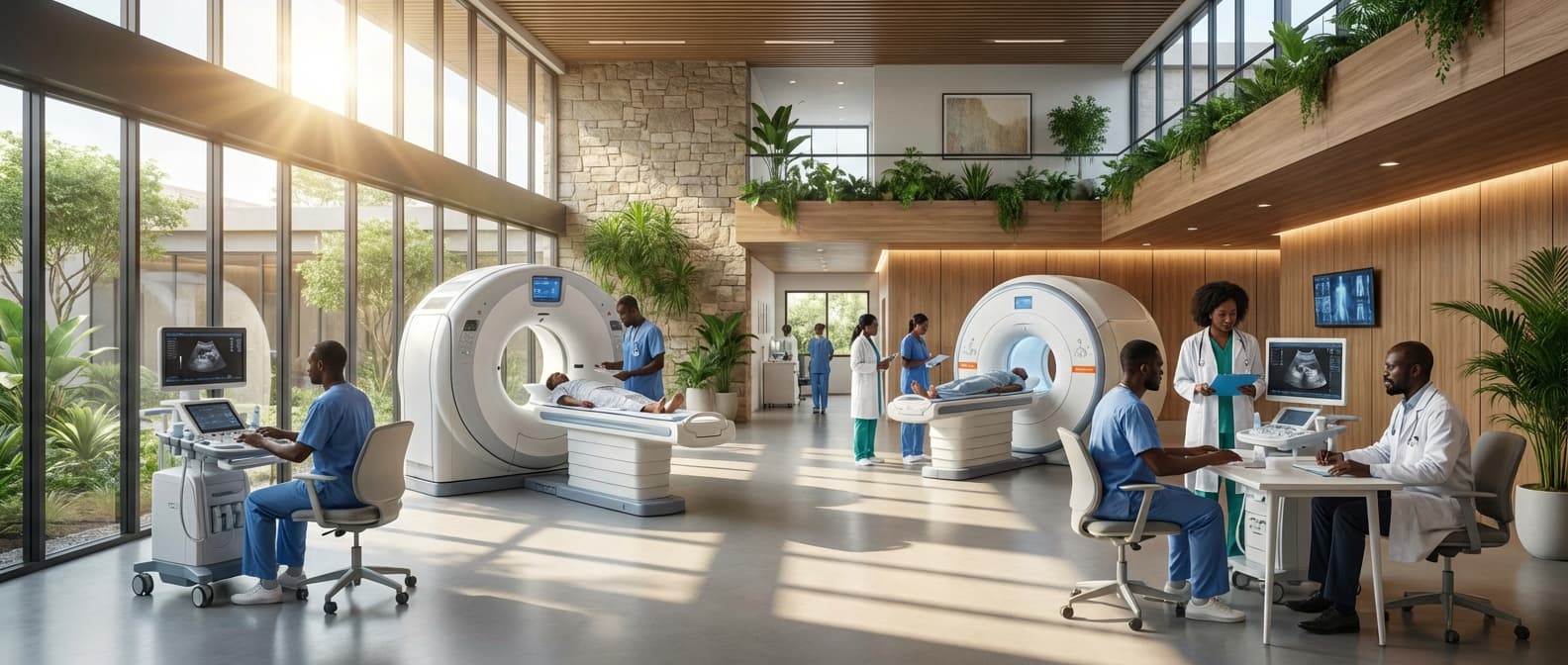
Endoscopy Solutions in Gambia
Engineering Excellence & Technical Support
Advanced endoscopic equipment delivering superior visualization and diagnostic precision for minimally invasive procedures. High-standard technical execution following OEM protocols and local regulatory frameworks.
Advanced Diagnostic Endoscopy
Gambia now has access to state-of-the-art flexible endoscopy for precise diagnosis of gastrointestinal conditions, including early detection of cancers and pre-cancerous lesions, significantly improving patient outcomes.
Minimally Invasive Therapeutic Procedures
Introduction of interventional endoscopic techniques allows for non-surgical removal of polyps, treatment of bleeding ulcers, and dilation of strictures, reducing hospital stays and recovery times for Gambian patients.
Capacity Building for Local Healthcare Professionals
Comprehensive training programs are empowering Gambian gastroenterologists and surgeons in the latest endoscopic techniques and equipment utilization, building sustainable local expertise for advanced digestive healthcare.
What Is Endoscopy Solutions In Gambia?
Endoscopy solutions in The Gambia refer to the provision of diagnostic and therapeutic procedures utilizing endoscopes. An endoscope is a flexible or rigid tube equipped with a light source and a camera, allowing for visualization of internal organs and cavities. These solutions encompass the equipment, trained personnel, and healthcare facilities required to perform endoscopic examinations and interventions within the Gambian healthcare system.
| Who Needs Endoscopy Solutions in The Gambia? | Typical Use Cases |
|---|---|
| Patients presenting with gastrointestinal symptoms such as chronic abdominal pain, dysphagia (difficulty swallowing), persistent heartburn, unexplained weight loss, hematemesis (vomiting blood), or melena (black, tarry stools). | Diagnosis of upper gastrointestinal disorders including peptic ulcers, gastritis, esophagitis, and gastroesophageal reflux disease (GERD). Biopsy acquisition for suspected malignancy (e.g., esophageal, gastric, or duodenal cancers). Therapeutic interventions such as variceal banding, polypectomy (removal of polyps), and stricture dilation. |
| Individuals experiencing changes in bowel habits (e.g., persistent diarrhea or constipation), rectal bleeding, or family history of colorectal cancer. | Screening for and diagnosis of colorectal polyps and colorectal cancer. Diagnosis of inflammatory bowel diseases (e.g., Crohn's disease, ulcerative colitis). Removal of colorectal polyps (polypectomy). |
| Patients with persistent cough, hemoptysis (coughing up blood), or suspected lung abnormalities. | Diagnosis of lower respiratory tract conditions such as pneumonia, bronchitis, tuberculosis, and lung cancer. Biopsy of lung masses or lesions. Management of airway obstructions. |
| Individuals experiencing symptoms related to the urinary tract, such as hematuria (blood in urine), recurrent urinary tract infections, or suspected bladder abnormalities. | Diagnosis of bladder cancer, kidney stones, and urinary tract infections. Evaluation of prostate conditions. Therapeutic procedures like stone removal. |
| Patients with suspected pathologies in other internal organs accessible by specialized endoscopes (e.g., joints, bile ducts). | Diagnosis and treatment of joint inflammation (arthroscopy). Evaluation and management of biliary tract diseases (ERCP - Endoscopic Retrograde Cholangiopancreatography). |
Key Components of Endoscopy Solutions in The Gambia
- Endoscopic Equipment: Availability of various types of endoscopes (e.g., gastroscopes, colonoscopes, bronchoscopes, cystoscopes) and associated accessories such as biopsy forceps, snares, and electrocautery devices.
- Trained Personnel: Healthcare professionals, including gastroenterologists, surgeons, pulmonologists, urologists, and specialized nurses, proficient in performing endoscopic procedures and interpreting findings.
- Ancillary Services: Access to sedation and anesthesia services, pathology laboratories for tissue analysis, and post-procedure recovery facilities.
- Maintenance and Support: Infrastructure for the maintenance, repair, and sterilization of endoscopic equipment to ensure safety and efficacy.
- Training and Education: Programs for continuous professional development for healthcare providers in advanced endoscopic techniques and emerging technologies.
Who Needs Endoscopy Solutions In Gambia?
Endoscopy solutions are crucial for diagnosing and treating a wide range of gastrointestinal and respiratory conditions. In The Gambia, these advanced medical technologies are essential for improving patient outcomes, enabling earlier disease detection, and facilitating less invasive treatment options. The demand for endoscopy is driven by the need to accurately identify and manage conditions such as peptic ulcers, gastroesophageal reflux disease (GERD), inflammatory bowel disease (IBD), gastrointestinal bleeding, and early detection of cancers of the esophagus, stomach, colon, and lungs. Furthermore, the increasing prevalence of lifestyle-related diseases and the aging population contribute to a growing need for effective diagnostic tools.
| Customer Segment | Primary Needs | Key Departments Involved |
|---|---|---|
| Public Hospitals | Affordable and durable equipment, training support, after-sales service. | Gastroenterology, General Surgery, Pulmonology, Internal Medicine, Oncology, Emergency |
| Private Hospitals/Clinics | High-quality, advanced technology, comprehensive service packages. | Gastroenterology, General Surgery, Pulmonology, Internal Medicine, Oncology |
| Diagnostic Centers | Specialized diagnostic equipment, efficient workflow integration. | Gastroenterology, Pulmonology |
| Medical Training Institutions | State-of-the-art equipment for training, simulation capabilities. | Gastroenterology, General Surgery, Pulmonology |
Target Customers and Departments for Endoscopy Solutions in The Gambia
- {"items":["Public Hospitals: Central Medical Stores, major regional hospitals, and district hospitals that serve a large patient population and have the infrastructure to support specialized equipment.","Private Hospitals and Clinics: Established private healthcare facilities aiming to offer comprehensive diagnostic and treatment services.","Diagnostic Centers: Specialized centers focusing on medical imaging and diagnostics.","Medical Training Institutions: Universities and colleges with medical schools requiring modern equipment for training future healthcare professionals."],"title":"Primary Target Customers"}
- {"items":["Gastroenterology Department: The primary users of gastrointestinal endoscopy for diagnosis and treatment of digestive system disorders.","General Surgery Department: For diagnostic purposes and minimally invasive surgical procedures.","Pulmonology/Respiratory Department: For bronchoscopy to diagnose and treat lung conditions.","Internal Medicine Department: For investigation of various abdominal and chest symptoms.","Oncology Department: For early detection and staging of gastrointestinal and lung cancers.","Emergency Department: For rapid diagnosis of acute conditions like gastrointestinal bleeding."],"title":"Key Departments Utilizing Endoscopy Solutions"}
Endoscopy Solutions Process In Gambia
This document outlines the typical workflow for endoscopy solutions in Gambia, covering the process from initial inquiry to the successful execution of a procedure or service. This includes patient journey, logistical considerations, and operational steps relevant to healthcare providers and service providers.
| Stage | Description | Key Actors | Key Outputs/Deliverables | Potential Challenges/Considerations in Gambia |
|---|---|---|---|---|
| Inquiry and Initial Consultation | Patient or referring physician contacts the endoscopy service provider to inquire about available services, costs, and procedure specifics. Initial medical history is often gathered. | Patient, Referring Physician, Endoscopy Service Provider (Clinic/Hospital) | Informed patient/physician, preliminary understanding of service, quotation. | Limited awareness of endoscopy services, language barriers, travel distance to facilities, initial cost concerns. |
| Patient Assessment and Pre-procedure Preparation | A formal medical assessment is conducted by the endoscopy team to determine patient suitability for the procedure. This includes reviewing medical history, performing physical examinations, and ordering necessary investigations (blood tests, imaging). Patients receive detailed instructions on dietary restrictions, medication adjustments, and bowel preparation. | Endoscopist, Nurses, Patient, Laboratory Technician, Radiologist | Fitness to proceed confirmation, completed pre-procedure checklist, patient understanding of instructions. | Availability of diagnostic equipment and reagents, patient compliance with instructions (especially bowel prep in remote areas), access to qualified medical personnel. |
| Scheduling and Logistics | Once cleared, the procedure is scheduled. This involves coordinating with the patient, the endoscopy team, and facility resources (operating room/procedure room, equipment). Transportation and accommodation for out-of-town patients might be arranged. | Scheduling Coordinator, Endoscopy Unit Staff, Patient, Transportation Providers (if applicable) | Confirmed appointment, allocated procedure slot, prepared equipment and consumables. | Availability of specialized endoscopy equipment, skilled technicians for setup and maintenance, reliable power supply, coordination with multiple stakeholders. |
| Procedure Execution | The endoscopy procedure is performed by a qualified endoscopist. This involves inserting the endoscope and visualizing the target organ. Biopsies, polyp removal, or other therapeutic interventions may be performed as needed. Anesthesia or sedation is administered if required. | Endoscopist, Anesthetist/Sedation Nurse, Endoscopy Nurse, Technician | Successfully completed endoscopy procedure, biopsy samples (if taken), photographic/video documentation. | Availability of qualified endoscopists and support staff, maintenance of sterile environments, emergency response preparedness, access to necessary sedation agents. |
| Post-procedure Care and Follow-up | Patients are monitored in a recovery area after the procedure. They receive instructions on diet, activity, and potential complications. Follow-up appointments are scheduled for results interpretation, further management, or repeat procedures. | Nurses, Endoscopist, Patient | Stable patient post-procedure, recovery plan, communicated results (initial), scheduled follow-up. | Availability of recovery beds, trained post-procedure care staff, effective communication channels for follow-up, patient ability to access follow-up appointments. |
| Billing and Administration | Invoices are generated for services rendered. Payment collection is managed. This stage also includes documentation of the procedure, results, and any follow-up actions in the patient's medical record. | Billing Department, Administrative Staff, Patient, Insurance Providers (if applicable) | Accurate invoice, reconciled payment, updated patient medical record, referral letters (if needed). | Clear and transparent pricing, efficient payment collection mechanisms, record-keeping systems (digital or manual), potential for insurance reimbursement complexities. |
Endoscopy Solutions Process in Gambia: Workflow Overview
- Inquiry and Initial Consultation
- Patient Assessment and Pre-procedure Preparation
- Scheduling and Logistics
- Procedure Execution
- Post-procedure Care and Follow-up
- Billing and Administration
Endoscopy Solutions Cost In Gambia
Endoscopy procedures are vital diagnostic tools in The Gambia, offering insights into the gastrointestinal tract. The cost of these procedures can vary significantly due to several factors. These include the specific type of endoscopy (gastroscopy, colonoscopy, etc.), the complexity of the procedure, the medical facility's standing (public hospital vs. private clinic), the expertise and reputation of the endoscopist, and the inclusion of necessary consumables and anesthetics. Furthermore, geographical location within The Gambia might also play a minor role due to differing operational costs in urban versus rural settings. It is essential for patients to inquire about all potential charges upfront, including consultations, the procedure itself, any biopsies taken, and post-procedure care.
| Procedure Type | Estimated Cost Range (GMD) |
|---|---|
| Gastroscopy (Upper Endoscopy) | 2,000 - 6,000 |
| Colonoscopy (Lower Endoscopy) | 2,500 - 7,500 |
| Sigmoidoscopy | 1,500 - 4,000 |
| Combined Gastroscopy & Colonoscopy | 4,000 - 10,000+ |
Factors Influencing Endoscopy Costs in The Gambia
- Type of Endoscopy (Gastroscopy, Colonoscopy, Sigmoidoscopy, etc.)
- Medical Facility (Public Hospital vs. Private Clinic)
- Complexity of the Procedure
- Endoscopist's Experience and Reputation
- Inclusion of Consumables (e.g., biopsy forceps, snares)
- Anesthesia/Sedation Costs
- Pre- and Post-Procedure Consultations
- Pathology/Biopsy Analysis Fees
- Location within The Gambia (potential minor variation)
Affordable Endoscopy Solutions Options
Seeking affordable endoscopy solutions doesn't mean compromising on quality. A proactive approach to understanding costs and exploring value-driven options can significantly reduce the financial burden of endoscopic procedures. This includes leveraging value bundles, which consolidate services for a predictable price, and implementing various cost-saving strategies tailored to both patients and healthcare providers.
| Strategy/Option | Description | Benefits | Considerations |
|---|---|---|---|
| Value Bundles | A package deal that includes the procedure, anesthesia, facility fees, and sometimes follow-up care at a single, often discounted, price. Commonly offered by hospitals, ASCs, or insurance providers. | Predictable upfront cost, potential cost savings compared to à la carte billing, simplified billing process. | Ensure the bundle includes all necessary services. Compare bundle prices across different providers. Confirm what's excluded. |
| Ambulatory Surgery Centers (ASCs) | Outpatient facilities specifically designed for same-day surgical procedures, including many endoscopic exams. Often have lower overhead than hospitals. | Typically lower costs than hospital-based procedures, focus on efficiency and patient comfort, shorter recovery times. | Verify if your insurance covers ASCs and if the specific ASC is in-network. Ensure the ASC is accredited and has appropriate medical staff. |
| High-Volume Centers | Facilities that perform a large number of a specific procedure. This can lead to greater efficiency and potentially lower costs due to economies of scale. | Potentially lower costs due to efficiency and expertise. Often have experienced medical teams. | Ensure quality of care is maintained. Check for patient satisfaction scores and accreditation. |
| Negotiating Self-Pay Rates | For uninsured or those with high deductibles, directly negotiating a discounted rate with the provider or facility for cash payment. | Significant savings for those paying out-of-pocket. Can be more flexible than standard pricing. | Requires research and willingness to negotiate. Understand the full scope of services included in the negotiated price. |
| Telehealth Consultations | Using virtual appointments for initial consultations, pre-procedure discussions, or follow-up care. Can reduce travel and time off work. | Saves time and money on travel. Convenient for initial assessments and routine follow-ups. | Not suitable for the procedure itself. Ensure your insurance covers telehealth services for these consultations. |
| Generic/Biosimilar Medications | Using less expensive generic or biosimilar versions of medications for sedation or other purposes, where clinically appropriate and available. | Reduces medication costs, which can be a component of the overall procedure expense. | Must be approved by the physician for safety and efficacy. Verify availability with the facility. |
Key Affordable Endoscopy Solutions Options
- Understanding the Total Cost of Endoscopy (beyond just the procedure fee)
- Exploring 'Value Bundles' for Predictable Pricing
- Leveraging Insurance Coverage Effectively
- Considering Ambulatory Surgery Centers (ASCs)
- Seeking Out High-Volume or Specialized Centers
- Negotiating Self-Pay or Out-of-Pocket Rates
- Preventative Care and Early Detection to Minimize Future Costs
- Utilizing Generic or Biosimilar Medications Where Applicable
- Inquiring About Payment Plans or Financial Assistance Programs
Verified Providers In Gambia
Finding reliable healthcare providers is paramount for individuals seeking quality medical services in any country. In The Gambia, a growing concern is the identification of Verified Providers. This verification process ensures that healthcare professionals and facilities meet specific standards of competence, ethics, and patient care. Franance Health stands out as a leading entity in this regard, offering a robust system for credentialing and showcasing verified healthcare providers across The Gambia. Their rigorous approach to vetting healthcare professionals means that when you see a "Franance Health Verified Provider," you can be confident in their qualifications, experience, and commitment to patient well-being. This verification is not merely a label; it signifies a commitment to excellence that benefits both patients and the healthcare system as a whole.
| Verification Aspect | Franance Health's Approach | Patient Benefit |
|---|---|---|
| Professional Qualifications | Rigorous checking of medical degrees, licenses, and specializations. | Ensures access to appropriately trained and licensed medical professionals. |
| Clinical Experience | Assessment of years in practice and relevant experience in specific fields. | Provides confidence in the provider's practical knowledge and skill. |
| Ethical Conduct | Background checks and adherence to a strict code of medical ethics. | Guarantees patient rights are respected and care is delivered with integrity. |
| Continuing Professional Development | Verification of ongoing training and commitment to staying updated with medical advancements. | Ensures patients receive care informed by current medical best practices. |
| Patient Feedback Integration | Mechanisms for collecting and reviewing patient testimonials and experiences. | Offers insights into the patient experience and provider's communication style. |
Why Franance Health Verification Represents the Best Choice:
- Enhanced Patient Trust and Safety: Franance Health's verification process acts as a crucial trust signal for patients, assuring them that the providers they choose have undergone a thorough assessment of their credentials and ethical standing.
- Commitment to Quality Care: The verification criteria are designed to ensure that providers adhere to high standards of medical practice, patient interaction, and facility management, ultimately leading to better health outcomes.
- Accessibility to Competent Professionals: By clearly identifying verified providers, Franance Health simplifies the process for individuals to find qualified doctors, nurses, specialists, and clinics, reducing the burden of extensive personal research.
- Promotes Accountability and Professionalism: The ongoing oversight and renewal processes inherent in Franance Health's verification system encourage providers to maintain their professionalism and commitment to ethical conduct.
- Support for the Gambian Healthcare Ecosystem: Franance Health's initiative contributes to strengthening the overall healthcare landscape in The Gambia by promoting transparency and setting benchmarks for quality.
- Reduced Risk of Malpractice and Misinformation: By relying on verified providers, patients can significantly minimize the risk of encountering unqualified individuals or substandard facilities, leading to safer healthcare experiences.
Scope Of Work For Endoscopy Solutions
This Scope of Work (SOW) outlines the requirements for the provision and implementation of Endoscopy Solutions. It details the technical deliverables, standard specifications, and acceptance criteria necessary to ensure successful deployment and operation of the endoscopy systems. The solutions are intended to enhance diagnostic capabilities, improve patient outcomes, and streamline clinical workflows within the healthcare facility.
| Deliverable/Specification | Description | Standard/Requirement | Acceptance Criteria |
|---|---|---|---|
| Endoscopic Imaging System | High-definition (HD) or 4K endoscopic video processing unit with integrated light source and camera control. | Minimum resolution: 1920x1080 (HD). Color reproduction: >95% of the visible spectrum. Light source: LED or Xenon with adjustable intensity. Frame rate: >30 fps. | Image clarity, color fidelity, and smooth video playback verified through diagnostic imaging tests. Functionality of light source adjustment confirmed. |
| Endoscopes (Flexible/Rigid) | Range of endoscopes suitable for various procedures (e.g., gastroscopes, colonoscopes, bronchoscopes, laparoscopes). | Diameter: As per specific procedure needs (e.g., <10mm for gastroscopy). Working channel: Sufficient size for biopsy forceps and therapeutic accessories. Field of view: >100 degrees. Deflection: Bi-directional and multi-directional control. | Compatibility with imaging system confirmed. Ease of handling and maneuverability tested by clinical staff. Visual inspection for defects. |
| Video Recording and Archiving Solution | System for capturing, storing, and retrieving endoscopic video recordings and still images. | Storage capacity: Minimum 2TB, scalable. Data format: DICOM compliant for image archiving. Search functionality: By patient, date, procedure type. Integration with existing PACS/HIS. | Successful recording and playback of multiple procedures. Accurate data tagging and retrieval. Seamless integration with hospital's information systems confirmed. |
| Workstation and Monitor | Dedicated workstation and high-resolution monitor for real-time viewing and control. | Monitor size: Minimum 24 inches. Resolution: 1920x1080 (HD) or higher. Workstation performance: Capable of running all associated software smoothly. | Clear and artifact-free display. Responsive user interface. Stable operation of all software applications. |
| Software Suite | System software for image acquisition, processing, annotation, and report generation. | User-friendly interface. Real-time image enhancement features. Customizable report templates. Multi-language support. | All software features function as per documentation. Ease of use demonstrated during training. Successful generation of sample reports. |
| Accessories and Consumables | Biopsy forceps, snares, injection needles, cytology brushes, cleaning brushes, etc. | Sterilization compatibility: Autoclavable or compatible with high-level disinfection. Material: Medical-grade, non-toxic. Performance: Reliable and effective for intended use. | Compatibility with endoscopes confirmed. Functionality of accessories tested. Quality of materials verified. |
| Installation and Integration Services | On-site installation, configuration, and integration of all hardware and software components. | Experienced technicians. Adherence to hospital IT security policies. Calibration of all equipment. | Successful installation of all components. All systems communicating and functioning as a single unit. System performance validated post-installation. |
| Training Program | Comprehensive training for clinical and technical staff on system operation and maintenance. | Customized training modules. Hands-on sessions. On-site and remote support options. | Staff proficiency in operating the system for intended procedures. Ability to perform basic troubleshooting. Positive feedback from trainees. |
| Maintenance and Support | Post-installation warranty, preventive maintenance, and on-call technical support. | Warranty period: Minimum 1 year. Response time for critical issues: <4 hours. Availability of spare parts. | Successful completion of scheduled preventive maintenance. Timely resolution of reported issues. Availability of support services as per agreement. |
Key Areas Covered
- System Requirements and Functionality
- Technical Specifications and Hardware
- Software and Integration
- Installation and Configuration
- Training and Support
- Documentation and Deliverables
- Acceptance Criteria and Testing
Service Level Agreement For Endoscopy Solutions
This Service Level Agreement (SLA) outlines the guaranteed response times and uptime for Endoscopy Solutions, ensuring the consistent availability and performance of our services. This SLA is an integral part of the overall Service Agreement between Endoscopy Solutions and its clients.
| Service Component | Uptime Guarantee | Response Time (Business Hours) | Response Time (24/7 Support) |
|---|---|---|---|
| Endoscopy Platform Access | 99.9% | 2 Business Hours | 4 Business Hours |
| Data Processing & Storage | 99.9% | 4 Business Hours | 8 Business Hours |
| Reporting Module | 99.5% | 6 Business Hours | 12 Business Hours |
| Customer Support (Inquiry) | N/A | 4 Business Hours | 8 Business Hours |
| Customer Support (Critical Issue) | N/A | 1 Business Hour | 2 Business Hours |
Key Service Metrics
- Scheduled Maintenance: Endoscopy Solutions will provide at least 48 hours' notice for any scheduled maintenance that may impact service availability. Scheduled maintenance will typically occur during off-peak hours to minimize disruption.
- Emergency Maintenance: In the event of emergency maintenance, Endoscopy Solutions will make commercially reasonable efforts to provide advance notification. Such maintenance is critical for system integrity and security.
- Service Credits: Service credits will be applied to the client's account in accordance with the remedies outlined in the accompanying Service Agreement, should the guaranteed uptime or response times not be met.
- Exclusions: This SLA excludes issues arising from client-side network problems, third-party service failures outside of Endoscopy Solutions' direct control, force majeure events, and client misuse or configuration errors.
Frequently Asked Questions

Ready when you are
Let's scope your Endoscopy Solutions in Gambia project in Gambia.

Scaling healthcare logistics and technical systems across the entire continent.