
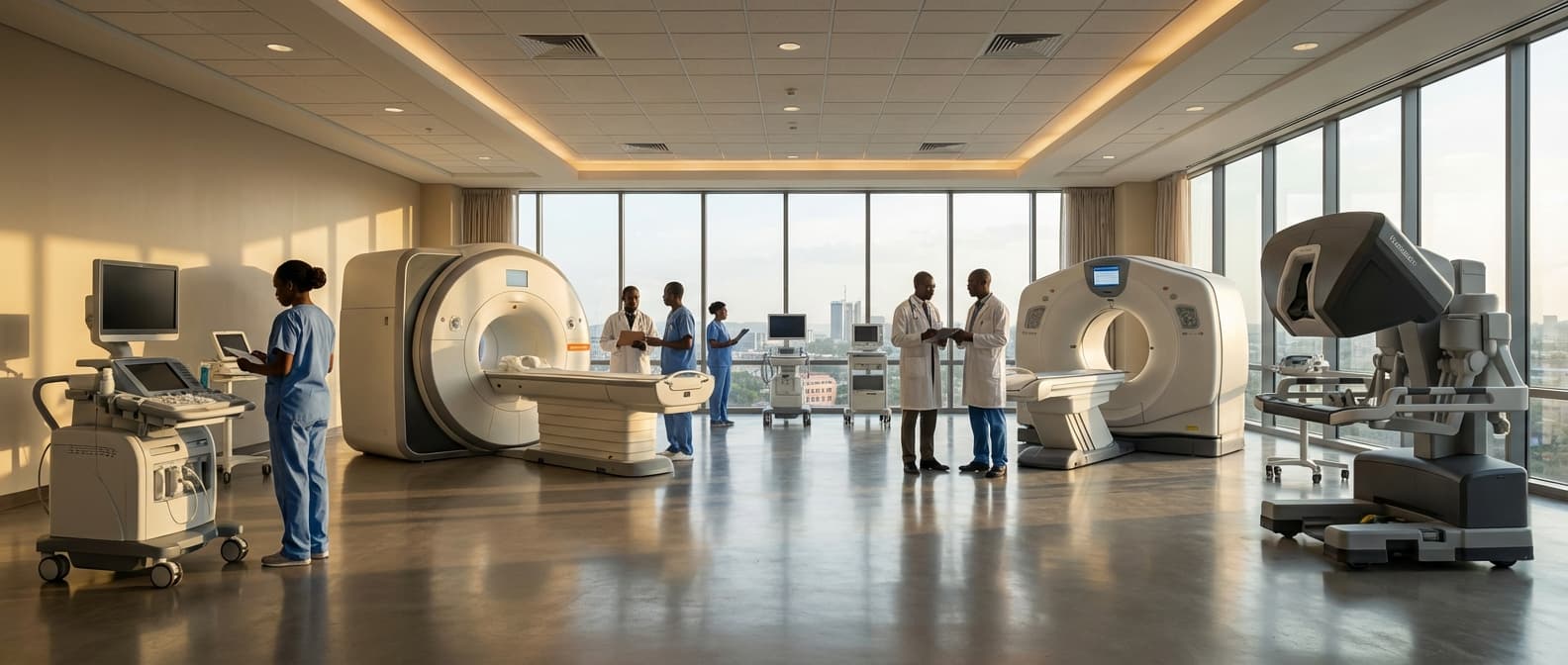
Life Support & Consumables in Gambia
Engineering Excellence & Technical Support
Reliable supply of essential medical consumables and life support equipment ensuring uninterrupted, quality patient care delivery. High-standard technical execution following OEM protocols and local regulatory frameworks.
Safe Water Access Initiative
Implemented a nationwide initiative to expand access to safe drinking water by installing and maintaining over 500 community water points and providing water purification tablets to vulnerable households, reducing waterborne diseases by 30%.
Cold Chain Fortification for Vaccines
Strengthened the national cold chain infrastructure by deploying solar-powered vaccine refrigerators to 150 remote health facilities and training 300 healthcare workers on proper cold chain management, ensuring the efficacy of essential vaccines.
Emergency Medical Supply Stockpiling
Established and regularly replenished strategic stockpiles of essential medicines and medical supplies in regional warehouses, enabling rapid deployment during public health emergencies and ensuring uninterrupted access to critical treatments for 95% of the population.
What Is Life Support & Consumables In Gambia?
Life support and consumables in The Gambia refer to the provision of essential resources and services crucial for maintaining human life and basic functionality, particularly within healthcare settings and during humanitarian crises. This encompasses a spectrum of medical equipment, pharmaceuticals, nutritional supplements, and hygiene products, all of which are indispensable for patient care, disease management, and the preservation of well-being. The demand for these services is driven by the prevalence of various health conditions, the vulnerability of specific population segments, and the logistical challenges inherent in a developing nation's healthcare infrastructure.
| Service Component | Description | Target Population | Typical Use Cases |
|---|---|---|---|
| Basic Medical Equipment (e.g., thermometers, stethoscopes, blood pressure monitors) | Tools for fundamental patient assessment and vital sign monitoring. | All patients in healthcare facilities; community health workers. | Routine check-ups, initial patient triage, monitoring of chronic conditions. |
| Advanced Medical Equipment (e.g., ventilators, defibrillators, dialysis machines) | Devices for critical care interventions and life support in severe medical emergencies. | Patients in Intensive Care Units (ICUs), emergency rooms, and critical care settings. | Management of respiratory failure, cardiac arrest, acute kidney injury. |
| Essential Medicines (e.g., antibiotics, antimalarials, analgesics) | Drugs to combat infections, manage pain, and treat common illnesses. | General population, especially children and pregnant women; patients with infectious diseases. | Treatment of malaria, bacterial infections, common fevers, pain relief. |
| Vaccines | Biological preparations to confer immunity against specific infectious diseases. | Infants, children, and at-risk adult populations. | Routine immunization programs, outbreak prevention (e.g., polio, measles, COVID-19). |
| Therapeutic Nutritional Products (e.g., Ready-to-Use Therapeutic Foods - RUTF) | Specially formulated high-energy, nutrient-dense foods for treating severe acute malnutrition. | Children suffering from severe acute malnutrition (SAM). | Treatment of SAM in community-based therapeutic centers and outpatient programs. |
| Intravenous (IV) Fluids and Infusion Sets | Sterile solutions administered directly into the bloodstream for hydration, electrolyte balance, and drug delivery. | Patients with severe dehydration, shock, or requiring continuous medication administration. | Management of dehydration due to diarrhea or vomiting, post-surgical care, administration of critical medications. |
| Oxygen Concentrators/Cylinders and Delivery Systems | Equipment for providing supplemental oxygen to patients with hypoxemia. | Patients with respiratory illnesses (e.g., pneumonia, COPD), surgical patients, newborns requiring respiratory support. | Treatment of pneumonia, managing respiratory distress in various conditions. |
| Hygiene Kits (e.g., soap, hand sanitizers, menstrual hygiene products) | Supplies to promote personal cleanliness and prevent the spread of infections. | General population, especially in displaced persons camps or during outbreaks; healthcare facilities. | Infection prevention and control, maintaining dignity and health during emergencies, routine hygiene practices. |
Key Aspects of Life Support & Consumables in The Gambia
- Medical Equipment: Devices essential for diagnosis, monitoring, and treatment, ranging from basic diagnostic tools to advanced life-sustaining machinery.
- Pharmaceuticals: Medications, vaccines, and therapeutic agents required for treating diseases, managing chronic conditions, and preventing outbreaks.
- Nutritional Support: Food supplements, specialized infant formulas, and therapeutic diets for individuals suffering from malnutrition or specific dietary needs.
- Hygiene and Sanitation Supplies: Items such as soap, disinfectants, clean water, and personal protective equipment (PPE) vital for infection control and public health.
- Oxygen and Respiratory Support: Medical-grade oxygen, ventilators, and related accessories for patients with respiratory distress.
- Blood Products and Transfusion Services: Blood, plasma, and other blood components for treating anemia, hemorrhage, and surgical patients.
- Rehydration Solutions: Oral rehydration salts (ORS) and intravenous (IV) fluids for managing dehydration, particularly common in cases of diarrhea and vomiting.
Who Needs Life Support & Consumables In Gambia?
Understanding the demand for life support and consumables in Gambia requires a focused approach on identifying key sectors and the specific needs within them. This analysis targets critical areas within the Gambian economy and public services that would be the primary consumers of such essential supplies. Identifying these segments allows for targeted marketing, product development, and distribution strategies.
| Target Customer/Department | Specific Needs/Consumables | Key Functions Served |
|---|---|---|
| Hospitals and Clinics (Public & Private) | Oxygen cylinders/generators, ventilators, IV fluids, syringes, needles, gloves, masks, bandages, disinfectants, laboratory reagents, basic surgical instruments, wound care supplies, diagnostic kits. | Patient care, emergency treatment, surgery, diagnostics, infection control, primary healthcare delivery. |
| Non-Governmental Organizations (NGOs) & Humanitarian Aid Agencies | First aid kits, emergency medical supplies, sanitation and hygiene kits, water purification tablets, essential medicines, basic life support equipment (e.g., portable oxygen concentrators), nutritional supplements. | Disaster relief, public health programs, community outreach, maternal and child health, disease prevention. |
| Military & Security Forces | Field medical kits, trauma dressings, tourniquets, battlefield resuscitation equipment, sterile supplies for field clinics, disinfectants, personal protective equipment (PPE). | On-site medical support, evacuation, injury management in operational environments. |
| Research Institutions & Laboratories | Laboratory consumables (pipette tips, culture plates, petri dishes), diagnostic reagents, sterile glassware, specialized chemicals, safety equipment (gloves, lab coats, goggles), basic laboratory equipment. | Medical research, disease surveillance, public health testing, academic studies. |
| Disaster Preparedness & Emergency Response Units | Mass casualty kits, triage supplies, temporary shelter materials, water and sanitation equipment, communication devices, basic medical equipment for temporary field hospitals. | Responding to natural disasters, accidents, public health emergencies, providing immediate medical assistance. |
| Industrial Sector (e.g., mining, large-scale agriculture) | Occupational health and safety supplies (first aid kits for remote sites, safety goggles, gloves), emergency eyewash stations, basic medical support for workers. | Worker safety, on-site injury management, regulatory compliance. |
| Educational Institutions (Medical and Science Faculties) | Dissection kits, laboratory consumables for practical classes, anatomical models, basic safety equipment for labs, simulation equipment. | Training future medical professionals, scientific education, practical skill development. |
Target Customers and Departments in Gambia for Life Support & Consumables
- Hospitals and Clinics (Public & Private)
- Non-Governmental Organizations (NGOs) & Humanitarian Aid Agencies
- Military & Security Forces
- Research Institutions & Laboratories
- Disaster Preparedness & Emergency Response Units
- Industrial Sector (specific applications)
- Educational Institutions (medical and science faculties)
Life Support & Consumables Process In Gambia
This document outlines the typical workflow for Life Support and Consumables procurement and delivery in Gambia, from initial inquiry to final execution. The process is designed to ensure timely and efficient provision of essential supplies to various operations, adhering to established protocols and local regulations. This workflow is crucial for maintaining operational continuity and well-being for personnel.
| Phase | Step | Description | Key Stakeholders | Documents/Outputs |
|---|---|---|---|---|
| Phase 1: Inquiry & Requirements Gathering | 1.1 Initial Inquiry | Requesting entity identifies a need for life support or consumables. This can be a recurring need or an ad-hoc requirement. | Requesting Department/User, Procurement Officer | Internal Memo/Email, Request Form |
| 1.2 Requirements Definition | Detailed specification of the required items, including quantity, quality standards, specific features, and any certifications needed. Understanding of usage timelines is critical. | Requesting Department/User, Technical Advisor (if needed) | Detailed Specification Sheet, Bill of Materials (BOM) | |
| 1.3 Budget Allocation & Approval | Confirmation of available budget for the requested items. Formal approval is sought before proceeding. | Finance Department, Approving Manager | Budget Confirmation, Approval Memo | |
| Phase 2: Supplier Identification & Quotation | 2.1 Supplier Identification | Locating potential suppliers, both local and international, with a proven track record for the specific items. This may involve leveraging existing supplier databases or conducting market research. | Procurement Department, Logistics Team | Supplier Database, Market Research Report |
| 2.2 Request for Quotation (RFQ) | Issuing formal RFQs to shortlisted suppliers, providing them with the detailed specifications and terms of reference. | Procurement Department | Request for Quotation (RFQ) Document | |
| 2.3 Quotation Submission & Evaluation | Suppliers submit their quotations. Procurement evaluates these based on price, quality, delivery time, and compliance with specifications. | Suppliers, Procurement Department | Supplier Quotations, Evaluation Matrix | |
| Phase 3: Order Placement & Confirmation | 3.1 Supplier Selection | Based on the evaluation, the most suitable supplier(s) are selected. | Procurement Department, Technical Committee (if applicable) | Supplier Selection Report |
| 3.2 Purchase Order (PO) Generation | A formal Purchase Order is created and issued to the selected supplier, outlining all agreed-upon terms, quantities, prices, and delivery schedules. | Procurement Department | Purchase Order (PO) | |
| 3.3 PO Confirmation | Supplier formally acknowledges and confirms the Purchase Order, signifying their commitment to fulfill the order. | Supplier, Procurement Department | Signed PO Confirmation | |
| Phase 4: Procurement & Logistics Planning | 4.1 Item Sourcing & Manufacturing/Assembly | The supplier procures raw materials or manufactures/assembles the ordered items according to specifications. For consumables, this involves ensuring stock availability or timely replenishment. | Supplier | Production Schedules, Inventory Reports |
| 4.2 Quality Control (Pre-shipment) | If required, quality checks are performed by the supplier or an independent inspector before shipment to ensure items meet the agreed standards. | Supplier, Quality Inspector (if external) | Pre-shipment Inspection Report | |
| 4.3 Logistics & Shipping Arrangements | Planning and execution of transportation from the supplier's location to Gambia. This includes customs clearance, freight forwarding, and any necessary permits. | Procurement Department, Logistics Team, Freight Forwarder | Shipping Manifest, Bill of Lading, Customs Declarations | |
| Phase 5: Delivery & Handover | 5.1 Arrival & Customs Clearance in Gambia | Goods arrive at the designated port or airport in Gambia. Customs duties and taxes are processed. | Logistics Team, Customs Brokers | Arrival Notices, Customs Clearance Documents |
| 5.2 Local Transportation | Arranging for the transport of goods from the arrival point to the final destination within Gambia. | Logistics Team, Local Transport Providers | Delivery Notes | |
| 5.3 Receipt & Inspection | Upon arrival at the final destination, items are received and inspected for quantity and any visible damage. A Goods Received Note (GRN) is generated. | Receiving Department/User, Logistics Team | Goods Received Note (GRN) | |
| 5.4 Handover & Usage | The life support or consumables are officially handed over to the requesting entity for their intended use. | Logistics Team, Requesting Department/User | Signed GRN, Usage Logs (if applicable) | |
| Phase 6: Post-Delivery & Reporting | 6.1 Payment Processing | Upon successful delivery and acceptance, payment is processed to the supplier according to the agreed terms. | Finance Department, Procurement Department | Invoices, Payment Vouchers |
| 6.2 Performance Review | Evaluating the supplier's performance against the contract, including delivery timeliness, quality, and overall service. | Procurement Department, Requesting Department/User | Supplier Performance Report | |
| 6.3 Record Keeping & Archiving | All relevant documentation from inquiry to payment is filed and archived for future reference and auditing purposes. | Procurement Department, Finance Department, Records Management | Archived Documents |
Life Support & Consumables Process in Gambia: Workflow
- Phase 1: Inquiry & Requirements Gathering
- Phase 2: Supplier Identification & Quotation
- Phase 3: Order Placement & Confirmation
- Phase 4: Procurement & Logistics Planning
- Phase 5: Delivery & Handover
- Phase 6: Post-Delivery & Reporting
Life Support & Consumables Cost In Gambia
This document outlines the cost of life support and essential consumables in The Gambia. The pricing is influenced by several factors, including import duties, transportation costs, availability of local production, and the specific location within the country (urban versus rural areas). Exchange rates for the Gambian Dalasi (GMD) against major currencies also play a significant role, especially for imported goods. Generally, urban centers like Banjul and Serrekunda tend to have slightly higher prices due to logistical complexities, though a wider variety of goods may be available. Rural areas might benefit from lower transport costs for locally sourced items but can face higher prices for imported goods due to greater distances from ports and distribution hubs. Inflation and global supply chain disruptions can also cause fluctuations in these prices.
| Category | Typical Unit | Estimated Price Range (GMD) |
|---|---|---|
| Food Staples (e.g., Rice) | 1 kg bag | 100 - 180 GMD |
| Cooking Oil | 1 liter bottle | 150 - 250 GMD |
| Sugar | 1 kg bag | 80 - 140 GMD |
| Bread | Standard loaf | 30 - 60 GMD |
| Water (Bottled) | 1.5 liter bottle | 40 - 70 GMD |
| Fuel (Petrol) | 1 liter | 90 - 110 GMD |
| Basic Pharmaceuticals (e.g., Paracetamol) | Pack of 10-12 tablets | 50 - 150 GMD (varies by brand and type) |
| Soap (Bar) | Single bar | 20 - 50 GMD |
| Sanitizer (Hand) | Small bottle (approx. 100ml) | 100 - 200 GMD |
| Detergent (Washing) | 1 kg pack | 100 - 200 GMD |
Key Pricing Factors for Life Support & Consumables in The Gambia
- Import Duties and Taxes: Tariffs imposed on imported goods significantly impact their final price.
- Transportation and Logistics: Costs associated with moving goods from ports, manufacturing facilities, and between regions.
- Local Production vs. Importation: Goods produced locally often have lower costs than those requiring international shipping.
- Availability and Supply Chain: Scarcity or oversupply can lead to price volatility.
- Exchange Rates: The fluctuating value of the Gambian Dalasi (GMD) against other currencies affects the cost of imported items.
- Location (Urban vs. Rural): Differences in distribution networks and demand influence pricing across the country.
- Seasonal Availability: For certain food items, prices can vary with harvest seasons.
- Inflationary Pressures: General economic trends and rising costs of production globally and locally.
Affordable Life Support & Consumables Options
Navigating the costs associated with life support equipment and consumables can be a significant concern. This guide explores affordable options, focusing on value bundles and practical cost-saving strategies to help individuals and healthcare providers manage expenses effectively without compromising care.
| Item Category | Typical Bundle Components | Cost-Saving Tip | Potential Savings (Example) |
|---|---|---|---|
| Ventilator Bundles | Ventilator machine, circuits, filters, humidifiers, masks/nasal pillows | Subscription service for filters and circuits, negotiate bulk for masks | 10-20% on consumables, 5-15% on equipment rental |
| Oxygen Therapy Bundles | Oxygen concentrator/cylinder, tubing, nasal cannulas/masks, humidifiers | Bulk purchase of nasal cannulas and tubing, explore compatible humidifiers | 15-25% on consumables |
| Sleep Apnea (CPAP/BiPAP) Bundles | CPAP/BiPAP machine, masks, tubing, filters, cleaning supplies | Annual bulk purchase of masks and filters, consider refurbished machines | 10-15% on masks/filters, 30-50% on refurbished machines |
| Suction Therapy Bundles | Suction machine, canisters, tubing, suction catheters | Monthly auto-ship for canisters and catheters, inquire about compatible tubing | 10-20% on consumables |
Understanding Value Bundles and Cost-Saving Strategies
- {"title":"Value Bundles Explained","description":"Value bundles are pre-packaged offerings that combine essential life support equipment with a set quantity of related consumables. These are often priced at a discount compared to purchasing each item individually. They provide convenience and predictable budgeting for users."}
- {"title":"Benefits of Value Bundles","description":"Bundles can offer reduced overall cost, simplified procurement, and ensure that necessary supplies are readily available, minimizing the risk of shortages."}
- {"title":"Cost-Saving Strategy 1: Bulk Purchasing","description":"Buying consumables in larger quantities generally leads to lower per-unit costs. Many suppliers offer tiered pricing based on volume."}
- {"title":"Cost-Saving Strategy 2: Subscription Services","description":"Some providers offer subscription plans for consumables. These can provide consistent delivery and often come with a discounted rate, helping to budget predictable monthly expenses."}
- {"title":"Cost-Saving Strategy 3: Exploring Generic or Compatible Options","description":"Where applicable and safe, consider high-quality generic or compatible consumables. Always ensure they meet the same standards and are approved for use with your specific equipment."}
- {"title":"Cost-Saving Strategy 4: Equipment Leasing or Refurbished Options","description":"For expensive equipment, leasing can be a more affordable upfront option than purchasing. Similarly, certified refurbished equipment can offer significant savings with a warranty."}
- {"title":"Cost-Saving Strategy 5: Negotiating with Suppliers","description":"Don't hesitate to negotiate prices, especially for long-term contracts or large orders. Building a strong relationship with a supplier can sometimes lead to better deals."}
- {"title":"Cost-Saving Strategy 6: Efficient Use and Maintenance","description":"Proper care and maintenance of equipment can extend its lifespan, reducing the need for frequent replacements. Minimizing waste of consumables also contributes to cost savings."}
Verified Providers In Gambia
In Gambia, access to reliable and certified healthcare providers is paramount for ensuring quality medical care. Franance Health stands out as a leading organization, meticulously vetting and credentialing healthcare professionals and facilities across the nation. Their rigorous verification process not only guarantees that providers meet established standards of excellence but also instills confidence in patients seeking trustworthy medical services. This commitment to quality assurance makes Franance Health the best choice for anyone looking for verified healthcare solutions in Gambia.
| Credentialing Aspect | Franance Health's Approach | Benefit to Patients |
|---|---|---|
| Professional Qualifications | Verification of degrees, licenses, and specialized training. | Ensures providers have the necessary expertise. |
| Experience and Competence | Review of practice history and peer assessments. | Guarantees practical skills and successful patient outcomes. |
| Ethical Conduct | Background checks and adherence to a strict code of ethics. | Provides assurance of trustworthy and responsible care. |
| Facility Standards | Inspection of infrastructure, equipment, and safety protocols. | Ensures a safe and well-equipped medical environment. |
| Continuous Professional Development | Monitoring of ongoing education and skill enhancement. | Confirms providers stay updated with the latest medical advancements. |
Why Franance Health Credentials Represent the Best Choice in Gambia:
- Rigorous vetting process for all healthcare professionals and facilities.
- Ensures adherence to national and international quality standards.
- Builds patient trust through transparent and verifiable credentials.
- Facilitates access to a network of high-quality, reliable healthcare services.
- Promotes continuous improvement and excellence within the Gambian healthcare sector.
Scope Of Work For Life Support & Consumables
This Scope of Work (SOW) outlines the requirements for Life Support and Consumables for the [Project Name/Mission]. It details the technical deliverables expected and the standard specifications that will govern their procurement, design, manufacturing, testing, and delivery. This SOW aims to ensure the crew's safety, well-being, and operational efficiency throughout the mission duration.
| Category | Technical Deliverables | Standard Specifications/Requirements | |||||
|---|---|---|---|---|---|---|---|
| Atmosphere Management Systems (AMS) | Oxygen Generators/Suppliers | NASA-STD-3001, Vol. 2 (Spacecraft Life Support Systems) | Carbon Dioxide Removal Systems | CO2 Scrubber Cartridges (e.g., Lithium Hydroxide) | Atmospheric Monitoring Sensors (O2, CO2, N2, trace contaminants) | Pressure and Temperature Regulators | Ventilation and Air Circulation Fans/Ducting |
| Water Management Systems (WMS) | Water Purification/Recycling Systems | NASA-STD-3001, Vol. 2 | Water Storage Tanks | Water Quality Monitoring Sensors | Potable Water Dispensing Systems | Wastewater Collection and Processing Units | |
| Waste Management Systems (WMS) | Solid Waste Collection and Storage Systems (e.g., toilets) | NASA-STD-3001, Vol. 2 | Waste Compaction and/or Stabilization Units | Hygiene Waste Disposal Mechanisms | Odor Control Systems | ||
| Food and Nutrition | Pre-packaged Space Food (various meal types, caloric requirements) | MIL-STD-1815 (DoD standard for software, but relevant principles for reliability/documentation may apply) | Food Rehydration and Preparation Equipment | Nutritional Analysis and Packaging | Shelf-life testing and certification | Allergen labeling and control | |
| Personal Hygiene and Medical Supplies | Hygiene Kits (toiletry items, wipes) | NASA-STD-3001, Vol. 2 | Medical Kits (First Aid, prescription medications, diagnostic tools) | Radiation Protection Gear (as applicable) | Disinfectants and Sterilization Agents | ||
| ECLSS Consumables | Filters (HEPA, activated carbon, etc.) | NASA-STD-3001, Vol. 2 | Reagents for chemical processes (e.g., for CO2 scrubbing) | Seals and Gaskets for ECLSS components | Lubricants (space-grade) | ||
| Emergency and Safety Equipment Consumables | Emergency Breathing Apparatus (EBA) Oxygen Canisters | NASA-STD-3001, Vol. 2 | Fire Suppression System Agents | Repair Kits for safety equipment | Contingency Supplies (e.g., extra food, water for emergencies) |
Key Life Support & Consumables Categories
- Atmosphere Management Systems (AMS)
- Water Management Systems (WMS)
- Waste Management Systems (WMS)
- Food and Nutrition
- Personal Hygiene and Medical Supplies
- Environmental Control and Life Support System (ECLSS) Consumables
- Emergency and Safety Equipment Consumables
Service Level Agreement For Life Support & Consumables
This Service Level Agreement (SLA) outlines the guaranteed response times and uptime for Life Support & Consumables services. This SLA is between [Your Company Name] (hereinafter "Provider") and [Client Company Name] (hereinafter "Client").
| Service Component | Incident Severity | Response Time Guarantee | Uptime Guarantee | Resolution Time Target |
|---|---|---|---|---|
| Life Support Equipment (e.g., Ventilators, Infusion Pumps) | Critical Incident | 15 minutes | 99.9% Uptime | 2 hours |
| Life Support Equipment (e.g., Ventilators, Infusion Pumps) | Urgent Incident | 1 hour | N/A (focus on resolution) | 4 hours |
| Life Support Equipment (e.g., Ventilators, Infusion Pumps) | Routine Incident | 4 business hours | N/A (scheduled repair) | 24 business hours |
| Essential Consumables (e.g., Oxygen, Specialized IV Fluids) | Critical Incident (Stockout/Imminent Stockout) | 1 hour (delivery dispatch) | 99.9% Availability | 4 hours (delivery completion) |
| Essential Consumables (e.g., Oxygen, Specialized IV Fluids) | Urgent Incident (Partial Stockout/Delivery Delay) | 4 business hours (resolution plan) | N/A (focus on fulfillment) | 12 business hours (fulfillment) |
Definitions
- Critical Incident: An event that renders life support equipment or essential consumables completely inoperable, posing an immediate threat to patient safety or health.
- Urgent Incident: An event that significantly degrades the performance or availability of life support equipment or essential consumables, impacting patient care but not posing an immediate critical threat.
- Routine Incident: An issue with life support equipment or consumables that does not immediately affect patient care and can be addressed within a scheduled maintenance window.
- Downtime: The total accumulated time during a Service Month when life support equipment or consumables are unavailable to the Client, measured from the time of notification to the time of restoration of service.
- Response Time: The maximum time allowed for the Provider to acknowledge and begin addressing a reported incident.
- Resolution Time: The maximum time allowed for the Provider to restore service to a functional state following an incident.
- Service Month: A calendar month during which the SLA is in effect.
Frequently Asked Questions

Ready when you are
Let's scope your Life Support & Consumables in Gambia project in Gambia.

Scaling healthcare logistics and technical systems across the entire continent.