
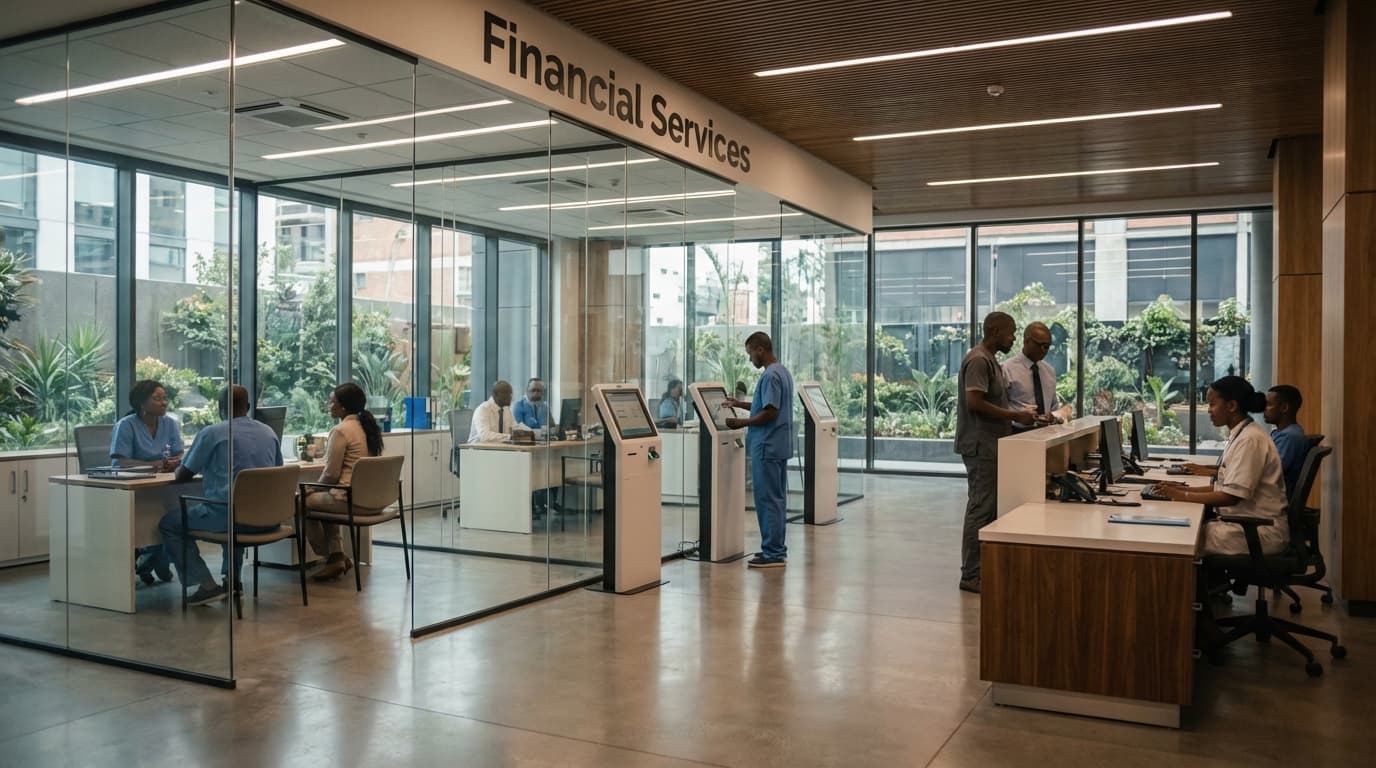
Medical Equipment Financing in Ethiopia
Engineering Excellence & Technical Support
Leasing and financing solutions for medical equipment High-standard technical execution following OEM protocols and local regulatory frameworks.
Tailored Financing Solutions
We offer flexible financing plans designed to meet the unique needs and budget constraints of Ethiopian healthcare providers, ensuring access to state-of-the-art medical equipment without compromising operational cash flow.
Streamlined Application Process
Our efficient and transparent application process leverages digital tools and local expertise to expedite approvals, allowing Ethiopian hospitals and clinics to acquire essential medical technology faster and more reliably.
Equipment Acquisition & Integration Support
Beyond financing, we provide comprehensive support in sourcing, procurement, and delivery of high-quality medical equipment from reputable global manufacturers, facilitating smooth integration into existing healthcare infrastructure in Ethiopia.
What Is Medical Equipment Financing In Ethiopia?
Medical equipment financing in Ethiopia refers to a specialized financial service designed to provide healthcare providers with the capital necessary to acquire, upgrade, or maintain essential medical machinery and technology. This process typically involves a lender extending credit to a healthcare facility, which then repays the loan over a predetermined period with interest. The financing can cover a wide spectrum of medical equipment, ranging from diagnostic imaging systems and surgical instruments to laboratory analyzers and patient monitoring devices. The primary objective is to facilitate access to advanced medical technologies, thereby enhancing diagnostic capabilities, treatment efficacy, and overall patient care within the Ethiopian healthcare sector.
| Who Needs Medical Equipment Financing? | Typical Use Cases | ||||||||||||||||
|---|---|---|---|---|---|---|---|---|---|---|---|---|---|---|---|---|---|
| Hospitals (Public and Private): To acquire state-of-the-art diagnostic machines (e.g., MRI, CT scanners), surgical suites, intensive care units, and specialized treatment equipment. | Specialized Clinics and Diagnostic Centers: To fund advanced imaging, pathology, cardiology, or radiology equipment to offer specialized diagnostic services. | Primary Healthcare Facilities and Health Posts: To procure essential diagnostic tools, minor surgical instruments, sterilization equipment, and basic patient monitoring devices. | Medical Research Institutions: To acquire cutting-edge laboratory equipment for research and development purposes. | Medical Training Institutions: To equip teaching hospitals and laboratories with modern medical devices for educational purposes. | Non-Governmental Organizations (NGOs) and Charities: To equip mobile clinics, rural healthcare centers, or to provide essential medical equipment in underserved areas. | New Healthcare Ventures: Start-up medical facilities requiring a full suite of equipment to commence operations. | Existing Healthcare Providers Seeking Expansion or Modernization: To upgrade existing infrastructure or expand service offerings. | Government Health Programs: For large-scale procurement initiatives to improve national healthcare infrastructure. | Purchase of Diagnostic Imaging Systems (X-ray, Ultrasound, CT, MRI): Enhancing diagnostic accuracy and speed. | Acquisition of Surgical Equipment and Operating Room Technologies: Facilitating complex surgical procedures. | Procurement of Laboratory Analyzers and Reagents: Improving the efficiency and scope of laboratory testing. | Investment in Patient Monitoring Devices (ECG, Ventilators, Infusion Pumps): Enhancing critical care and general patient management. | Financing for Dental Equipment: Including X-ray units, chairs, and other specialized dental instruments. | Acquisition of Sterilization and Disinfection Equipment: Ensuring adherence to infection control protocols. | Upgrading or Expanding Pharmacy Infrastructure: Including automated dispensing systems. | Purchase of Ambulance and Emergency Medical Service Vehicles: Equipping emergency response units. | Acquisition of Physiotherapy and Rehabilitation Equipment: Supporting patient recovery and mobility. |
Key Aspects of Medical Equipment Financing in Ethiopia
- Asset Acquisition: The core function is to enable the purchase of new or refurbished medical equipment.
- Technology Upgrades: Financing supports the replacement of outdated or obsolete medical devices with modern, more efficient alternatives.
- Leasing Options: Some financing structures may involve leasing agreements, where the healthcare provider uses the equipment for a specified term without outright ownership.
- Loan Structures: Common loan types include term loans, secured loans (where the equipment itself serves as collateral), and sometimes syndicated loans for larger acquisitions.
- Repayment Schedules: Amortization typically follows structured payment plans aligned with the expected revenue generation from the equipment or the facility's operational cash flow.
- Collateral Requirements: Lenders often require the financed equipment to serve as collateral, reducing their risk.
- Due Diligence: Lenders perform thorough assessments of the borrower's financial health, operational capacity, and the market viability of the acquired equipment.
- Regulatory Compliance: Financing arrangements must adhere to Ethiopian financial regulations and any sector-specific guidelines pertaining to medical equipment.
Who Needs Medical Equipment Financing In Ethiopia?
Medical equipment financing in Ethiopia is a critical solution for a wide range of healthcare providers and institutions looking to acquire, upgrade, or maintain essential medical technology. The high cost of modern medical devices, coupled with often limited upfront capital, makes financing a necessity for many to deliver quality patient care. This financing enables organizations to access state-of-the-art equipment without draining their operational budgets, thereby improving diagnostic capabilities, treatment efficacy, and overall healthcare outcomes for the Ethiopian population.
| Target Customer Type | Key Departments Benefiting | Commonly Financed Equipment |
|---|---|---|
| Public Hospitals | Radiology, Cardiology, Intensive Care Units (ICU), Emergency Rooms, Operating Theaters, Laboratories | MRI machines, CT scanners, X-ray machines, Ventilators, ECG machines, Dialysis machines, Ultrasound machines, Anesthesia machines, Laboratory analyzers |
| Private Hospitals | Same as Public Hospitals, plus Oncology, Ophthalmology, Dentistry, Physiotherapy | Advanced surgical equipment, Endoscopes, Laser treatment devices, Dental chairs and equipment, Physiotherapy equipment, Diagnostic imaging equipment |
| Specialized Clinics | Radiology (e.g., imaging centers), Cardiology (e.g., echo-cardiography), Fertility Clinics, Dental Clinics, Eye Clinics | Ultrasound machines, Digital X-ray systems, Echocardiography machines, IVF equipment, Dental X-ray machines, Slit lamps, Ophthalmic lasers |
| Health Centers/Posts | Basic Diagnostics, Maternal and Child Health, Minor Procedures | Basic laboratory equipment, Blood pressure monitors, Stethoscopes, Nebulizers, Microscopes, Minor surgical instruments |
| Medical Training Institutions | Anatomy Labs, Simulation Labs, Research Facilities, Clinical Training Wings | Simulation manikins, Anatomical models, Basic diagnostic equipment for training, Laboratory equipment for research |
| NGOs & Rural Providers | Primary Healthcare, Mobile Clinics, Outreach Programs | Portable ultrasound machines, Basic diagnostic kits, Vaccines refrigerators, Essential medical supplies and minor equipment |
Target Customers for Medical Equipment Financing in Ethiopia
- Public Hospitals (Federal and Regional)
- Private Hospitals
- Specialized Clinics (e.g., Diagnostic Centers, Surgical Centers, Fertility Clinics)
- Health Centers and Health Posts (often government-funded but may seek external financing for upgrades)
- Medical Training Institutions (for teaching and research facilities)
- Non-Governmental Organizations (NGOs) providing healthcare services
- Rural Healthcare Providers
Medical Equipment Financing Process In Ethiopia
This document outlines the typical workflow for medical equipment financing in Ethiopia, from the initial inquiry stage to the final execution of the financing agreement. The process generally involves several key stakeholders, including the healthcare provider (applicant), the financing institution (bank or specialized finance company), and potentially equipment suppliers.
| Stage | Description | Key Activities | Key Stakeholders | Potential Challenges/Considerations |
|---|---|---|---|---|
| The healthcare provider expresses interest in financing medical equipment and seeks information from a financing institution. | Contacting financing institutions, understanding financing options (loan, lease), discussing equipment needs, initial eligibility checks. | Healthcare Provider, Financing Institution (Loan Officer/Business Development Manager) | Lack of awareness about financing options, unclear financing requirements, unrealistic expectations. |
| The healthcare provider formally applies for financing, providing detailed information about their institution and the equipment to be financed. | Completing application forms, submitting financial statements, business plans, ownership details, pro forma invoices for equipment. | Healthcare Provider, Financing Institution (Credit Analyst) | Incomplete or inaccurate documentation, lack of robust financial records, delay in providing requested information. |
| The financing institution evaluates the applicant's creditworthiness and conducts background checks. | Analyzing financial statements, assessing repayment capacity, reviewing credit history, conducting site visits, verifying legal status and ownership. | Financing Institution (Credit Department, Legal Department) | Weak financial standing, poor credit history, potential fraud, regulatory compliance issues. |
| The healthcare provider identifies and obtains quotations for the desired medical equipment from suppliers. | Researching equipment vendors, obtaining multiple quotations, comparing specifications and prices, negotiating terms. | Healthcare Provider, Equipment Suppliers | Unavailability of specific equipment, inflated prices, questionable quality of equipment, supplier reliability issues. |
| The financing institution may appraise the equipment to ensure its value aligns with the financing amount. | Engaging independent valuers (if required), assessing the market value and residual value of the equipment. | Financing Institution, Independent Valuers (if applicable) | Overvaluation or undervaluation of equipment, high appraisal fees. |
| Based on the assessment, a financing proposal is prepared and presented for approval within the financing institution. | Structuring the financing terms (interest rate, repayment period, collateral), obtaining internal credit committee approval. | Financing Institution (Credit Committee, Management) | Delays in internal approval processes, rejections due to risk assessment findings. |
| Formal legal agreements are drafted and signed by all parties involved. | Drafting loan agreements, lease agreements, security documents (collateral registration), execution of contracts. | Financing Institution (Legal Department), Healthcare Provider (Legal Counsel) | Complex legal jargon, lengthy negotiation periods, high legal fees, disputes over terms. |
| Funds are released to the supplier, and the equipment is procured by the healthcare provider. | Transferring funds to the supplier, facilitating equipment delivery and customs clearance (if imported). | Financing Institution, Healthcare Provider, Equipment Supplier | Delays in fund disbursement, issues with equipment delivery, customs clearance complications, incorrect equipment delivered. |
| The acquired medical equipment is installed and tested to ensure it functions correctly. | Supervising installation, conducting operational checks, training healthcare staff on equipment usage. | Healthcare Provider, Equipment Supplier, Financing Institution (optional oversight) | Improper installation, equipment malfunctions, insufficient training, delays in commissioning. |
| The healthcare provider makes regular payments as per the agreed financing terms, and the financing institution manages the loan/lease. | Making timely repayments, adhering to lease covenants, undergoing periodic reviews (for leases), managing loan accounts. | Healthcare Provider, Financing Institution | Default in payments, difficulty in managing repayment schedules, unforeseen operational challenges affecting repayment capacity. |
Medical Equipment Financing Workflow in Ethiopia
- Initial Inquiry and Consultation
- Application Submission
- Credit Assessment and Due Diligence
- Equipment Sourcing and Quotation
- Appraisal and Valuation
- Loan/Lease Proposal and Approval
- Legal Documentation and Agreement
- Disbursement and Equipment Acquisition
- Installation and Commissioning
- Repayment and Loan Servicing/Lease Management
Medical Equipment Financing Cost In Ethiopia
Securing medical equipment financing in Ethiopia involves a complex interplay of factors that influence the overall cost. These costs are typically expressed in Ethiopian Birr (ETB). The primary pricing components include interest rates, loan tenure, collateral requirements, administrative fees, and the specific financial institution involved. Understanding these elements is crucial for healthcare providers seeking to acquire essential medical devices. Interest rates can vary significantly based on the borrower's creditworthiness, the perceived risk of the investment, and the prevailing monetary policy in Ethiopia. Loan tenures, which determine the repayment period, also impact the total cost, with longer tenures generally leading to higher total interest paid. Collateral, often required for larger financing amounts, can reduce the risk for lenders and potentially lead to more favorable terms. Administrative fees, encompassing processing, appraisal, and legal charges, are a one-time expense that adds to the initial financing cost. Finally, different banks and financial institutions in Ethiopia may have distinct pricing structures and risk appetites, leading to variations in the final cost of financing.
| Factor | Description | Typical Range (ETB) | Notes |
|---|---|---|---|
| Interest Rates (Annual) | Cost of borrowing money, expressed as a percentage of the loan principal. | 12% - 25% (can be higher for higher risk) | Influenced by central bank rates, borrower's credit score, and loan type. |
| Loan Tenure (Months) | The duration over which the loan is repaid. | 12 - 60 months (longer for high-value equipment) | Longer tenure means lower monthly payments but higher total interest. |
| Administrative/Processing Fees | One-time fees for loan application, appraisal, legal documentation, etc. | 1% - 3% of the loan amount (one-time) | Varies significantly between institutions. |
| Collateral (as % of Loan) | Assets pledged to secure the loan. | Often 75% - 120% of the loan value (depending on asset type) | Can include property, other fixed assets, or even the financed equipment itself. |
| Valuation Fee (for collateral) | Cost to assess the value of pledged collateral. | ETB 5,000 - ETB 25,000+ (one-time) | Depends on the complexity and value of the collateral. |
| Legal Fees | Costs associated with drafting and registering loan agreements and collateral documents. | ETB 2,000 - ETB 10,000+ (one-time) | Varies based on legal complexity and firm. |
Key Pricing Factors for Medical Equipment Financing in Ethiopia
- Interest Rates
- Loan Tenure (Repayment Period)
- Collateral Requirements
- Administrative and Processing Fees
- Financial Institution's Policies and Risk Appetite
- Creditworthiness of the Borrower
- Type and Value of Medical Equipment
Affordable Medical Equipment Financing Options
Acquiring essential medical equipment can be a significant financial undertaking for healthcare providers, from small clinics to large hospitals. Fortunately, numerous affordable financing options are available to ease this burden. Understanding these options, including value bundles and effective cost-saving strategies, can empower organizations to make informed decisions and optimize their budget without compromising patient care quality.
| Value Bundles Explained | Description | Cost-Saving Strategies |
|---|---|---|
| Bundled Equipment Packages | Manufacturers or third-party vendors often offer packages that include multiple pieces of related equipment at a discounted price compared to purchasing each item individually. This is common for diagnostic suites, surgical setups, or general clinic outfitting. | Negotiate a package deal for multiple items needed. Ensure the bundled items meet all your essential requirements to avoid paying for unnecessary features. |
| Equipment + Service Contracts | Financing options that combine the equipment purchase or lease with a comprehensive service and maintenance contract. This can lead to predictable operational costs and ensure equipment uptime. | Evaluate the long-term cost of service contracts. Compare vendor warranties and explore third-party maintenance providers for potentially lower rates. |
| Technology Refresh Programs | Leasing agreements that include regular upgrades to the latest technology. This ensures you always have access to state-of-the-art equipment without large capital expenditures for replacements. | Understand the terms of technology refresh. Ensure the upgrade path aligns with your clinical needs and budget cycles. |
| Software and Training Integration | Some financing deals might include bundled software solutions (e.g., for data management or patient records) and initial training for your staff, creating a more complete solution. | Verify that the bundled software and training are genuinely beneficial and cost-effective compared to sourcing them separately. |
| Refurbished or Used Equipment | Purchasing high-quality, certified refurbished or pre-owned medical equipment can offer significant cost savings while still meeting performance standards. Many reputable dealers offer warranties on such items. | Thoroughly vet the seller and inspect the equipment. Understand the warranty terms and inquire about the refurbishment process. |
| Negotiate Bulk Discounts | If acquiring multiple units of the same or similar equipment, leverage your purchasing power to negotiate discounts with the vendor. This applies to both purchase and lease agreements. | Consolidate your equipment needs to maximize bargaining power. Clearly outline the quantity and specifications required. |
| Phased Acquisition | Instead of acquiring all necessary equipment at once, consider a phased approach. Prioritize essential items and acquire others as your budget allows or needs dictate. | Develop a long-term equipment plan to strategically acquire assets over time, spreading the financial impact. |
| Extended Warranties and Maintenance | While seemingly an added cost, carefully consider the value of extended warranties or service plans. They can prevent unexpected, costly repairs and downtime, especially for critical equipment. | Calculate the potential cost of repairs versus the cost of a warranty. Understand the coverage details and any exclusions. |
Affordable Medical Equipment Financing Options
- {"title":"Leasing","description":"Leasing offers the advantage of lower upfront costs compared to purchasing. You pay a fixed monthly fee for the use of the equipment for a set period. At the end of the lease term, you typically have options to return the equipment, renew the lease, or purchase it outright. This is ideal for rapidly evolving technologies where upgrades are frequent."}
- {"title":"Loans (Term Loans)","description":"Traditional term loans provide you with the capital to purchase equipment outright. You repay the loan over a fixed period with interest. This option grants ownership of the equipment from the start and can be cost-effective in the long run, especially if you plan to use the equipment for an extended duration."}
- {"title":"Rent-to-Own Agreements","description":"Similar to leasing, but with a clear path to ownership. A portion of your rental payments goes towards the purchase price of the equipment. This can be a good option for businesses with limited upfront capital but a strong desire to own the equipment eventually."}
- {"title":"Manufacturer Financing Programs","description":"Many medical equipment manufacturers offer their own in-house financing or preferred financing partnerships. These programs can sometimes come with competitive interest rates, special terms, or bundled service packages tailored to their specific products."}
- {"title":"Government Grants and Subsidies","description":"Depending on your location and the type of healthcare facility, there may be government grants or subsidies available to help fund the acquisition of specific medical equipment, especially for underserved areas or specialized services."}
- {"title":"Equipment Sharing and Co-ownership","description":"For less frequently used or very high-cost equipment, consider partnering with other healthcare providers to share or co-own the asset. This drastically reduces individual capital outlay and operational costs."}
Verified Providers In Ethiopia
Ensuring access to quality healthcare is paramount, and in Ethiopia, identifying verified healthcare providers is crucial for informed decision-making. Franance Health stands out as a trusted name, not just for its comprehensive services but also for its unwavering commitment to credential verification. This dedication ensures that all healthcare professionals associated with Franance Health meet rigorous standards of education, experience, and ethical practice. When you choose Franance Health, you are opting for a platform that prioritizes patient safety and well-being above all else, providing peace of mind through transparent and thoroughly vetted medical expertise. Their commitment to verification means a higher caliber of care, leading to better health outcomes and a more reliable healthcare journey for everyone.
| Credential Verification Aspect | Franance Health's Approach | Benefit to Patients |
|---|---|---|
| Educational Background | Verification of degrees, diplomas, and specialized training from accredited institutions. | Ensures providers have a strong theoretical foundation and up-to-date medical knowledge. |
| Professional Licenses | Confirmation of valid and current medical licenses issued by relevant Ethiopian authorities. | Guarantees providers are legally authorized to practice medicine and adhere to professional standards. |
| Work Experience | Thorough review of past employment history and clinical practice records. | Confirms practical skills, experience in managing various medical conditions, and a track record of effective patient care. |
| Specializations and Certifications | Verification of any advanced certifications or specializations held by the healthcare professional. | Allows patients to identify and access highly skilled specialists for specific medical needs. |
| Ethical Conduct and Disciplinary History | Checks for any past disciplinary actions or ethical violations reported to regulatory bodies. | Provides assurance of a provider's commitment to ethical medical practice and patient trust. |
Why Franance Health is the Best Choice for Verified Providers in Ethiopia:
- Rigorous Credentialing: Franance Health employs a stringent vetting process for all its healthcare professionals, ensuring they possess the necessary qualifications and certifications.
- Experienced Professionals: Beyond basic credentials, Franance Health prioritizes providers with proven experience in their respective fields, guaranteeing a high level of competence.
- Commitment to Patient Safety: Patient well-being is at the core of Franance Health's operations, reflected in their meticulous selection and ongoing monitoring of providers.
- Transparent Information: Franance Health provides clear and accessible information about their verified providers, empowering patients to make informed choices.
- Enhanced Trust and Reliability: The verification process instills confidence in patients, knowing they are receiving care from legitimate and skilled medical practitioners.
- Access to Quality Healthcare: By partnering with verified professionals, Franance Health facilitates access to a superior standard of healthcare across Ethiopia.
Scope Of Work For Medical Equipment Financing
This Scope of Work (SOW) outlines the requirements for providing medical equipment financing solutions. It details the technical deliverables expected from the financing provider, standard specifications for the equipment to be financed, and the overall project objectives. The primary goal is to secure financial arrangements for the procurement of specified medical equipment, ensuring timely delivery and alignment with institutional needs.
| Category | Technical Deliverable/Specification | Description | Standard/Requirement |
|---|---|---|---|
| Financing Structure | Financing Agreement | Comprehensive legal document outlining loan terms, repayment schedule, interest rates, collateral, and any associated fees. | Must be legally binding, transparent, and adhere to all relevant financial regulations. |
| Financing Structure | Interest Rate Structure | Details of fixed or variable interest rates, calculation methodology, and any potential rate adjustments. | Competitive market rates, clearly defined calculation and adjustment mechanisms. |
| Financing Structure | Repayment Schedule | Clearly defined payment intervals (monthly, quarterly, annually) and the total duration of the financing. | Aligned with projected revenue streams and operational budgets. |
| Financing Structure | Collateral Requirements | Identification of any required collateral or security for the financing. | Reasonable and proportionate to the financing amount. |
| Equipment Procurement | Equipment List and Specifications | Detailed list of medical equipment to be financed, including manufacturer, model, technical specifications, and intended use. | Must meet current clinical standards, regulatory approvals (e.g., FDA, CE), and be fit for purpose. |
| Equipment Procurement | Supplier Vetting and Approval | Process for evaluating and approving equipment suppliers. | Suppliers must have a proven track record, provide warranties, and offer adequate after-sales support. |
| Equipment Procurement | Equipment Installation and Commissioning | Requirements for the safe and effective installation and commissioning of the financed equipment. | Must be performed by certified technicians as per manufacturer guidelines. |
| Equipment Procurement | Equipment Warranty and Maintenance | Details on warranty periods and options for ongoing maintenance agreements. | Minimum warranty period as per industry standards; maintenance agreements to be clearly defined. |
| Operational Readiness | Staff Training | Requirements for training healthcare professionals on the use of the new equipment. | Comprehensive training programs provided by the manufacturer or accredited third parties. |
| Operational Readiness | Integration with Existing Systems | Consideration for integration of new equipment with existing hospital IT infrastructure and workflows. | Compatibility with existing PACS, EMR, or other relevant systems. |
| Risk Management | Insurance Coverage | Requirement for adequate insurance coverage for the financed equipment. | Comprehensive all-risk insurance, including accidental damage and theft. |
| Risk Management | Contingency Planning | Provisions for unforeseen circumstances, such as equipment failure or obsolescence. | Clear clauses for equipment replacement, upgrade options, or early buyout. |
Key Objectives of Medical Equipment Financing
- Secure competitive financing terms for medical equipment.
- Facilitate the acquisition of modern and high-quality medical technology.
- Ensure the financial burden is managed effectively over the equipment's lifecycle.
- Support the expansion and upgrading of healthcare services.
- Mitigate financial risks associated with large capital expenditures.
Service Level Agreement For Medical Equipment Financing
This Service Level Agreement (SLA) outlines the performance standards and guarantees for medical equipment financing services provided by [Your Company Name] to [Client Name]. It specifically addresses response times for critical support requests and uptime guarantees for any associated software or monitoring platforms essential for the financed equipment's operation.
| Service Component | Severity Level | Response Time Guarantee | Resolution Time Target | Uptime Guarantee (if applicable) |
|---|---|---|---|---|
| Technical Support (Equipment Malfunction) | Critical (Equipment rendered completely inoperable, impacting patient care) | 1 Hour | 4 Business Hours | 99.9% |
| Technical Support (Equipment Malfunction) | High (Significant impairment of equipment functionality, affecting specific procedures) | 2 Business Hours | 8 Business Hours | 99.8% |
| Technical Support (Equipment Malfunction) | Medium (Minor performance degradation, does not prevent essential operations) | 4 Business Hours | 2 Business Days | N/A (Focus on functional uptime of equipment) |
| Inquiry/Information Request (Financing terms, billing, etc.) | Standard | 8 Business Hours | 2 Business Days | N/A |
| Software/Platform Availability (If part of financing agreement) | Critical (Platform essential for equipment operation is down) | 1 Business Hour | 4 Business Hours | 99.9% |
| Software/Platform Availability (If part of financing agreement) | Standard (Platform experiencing minor issues, but core functionality remains) | 4 Business Hours | 1 Business Day | 99.5% |
Key Performance Indicators
- Response Time: The maximum time allowed for [Your Company Name] to acknowledge and begin addressing a support request initiated by the client.
- Uptime Guarantee: The minimum percentage of time that critical operational systems (if applicable) will be available and functioning as intended.
- Resolution Time: The maximum time allowed for [Your Company Name] to resolve a reported issue, categorized by severity.
- System Availability: The percentage of time the financed equipment (or its management platform) is operational and available for use, excluding scheduled maintenance.
- Support Channels: The approved methods for clients to contact support (e.g., phone, email, portal).
Frequently Asked Questions

Ready when you are
Let's scope your Medical Equipment Financing in Ethiopia project in Ethiopia.

Scaling healthcare logistics and technical systems across the entire continent.