
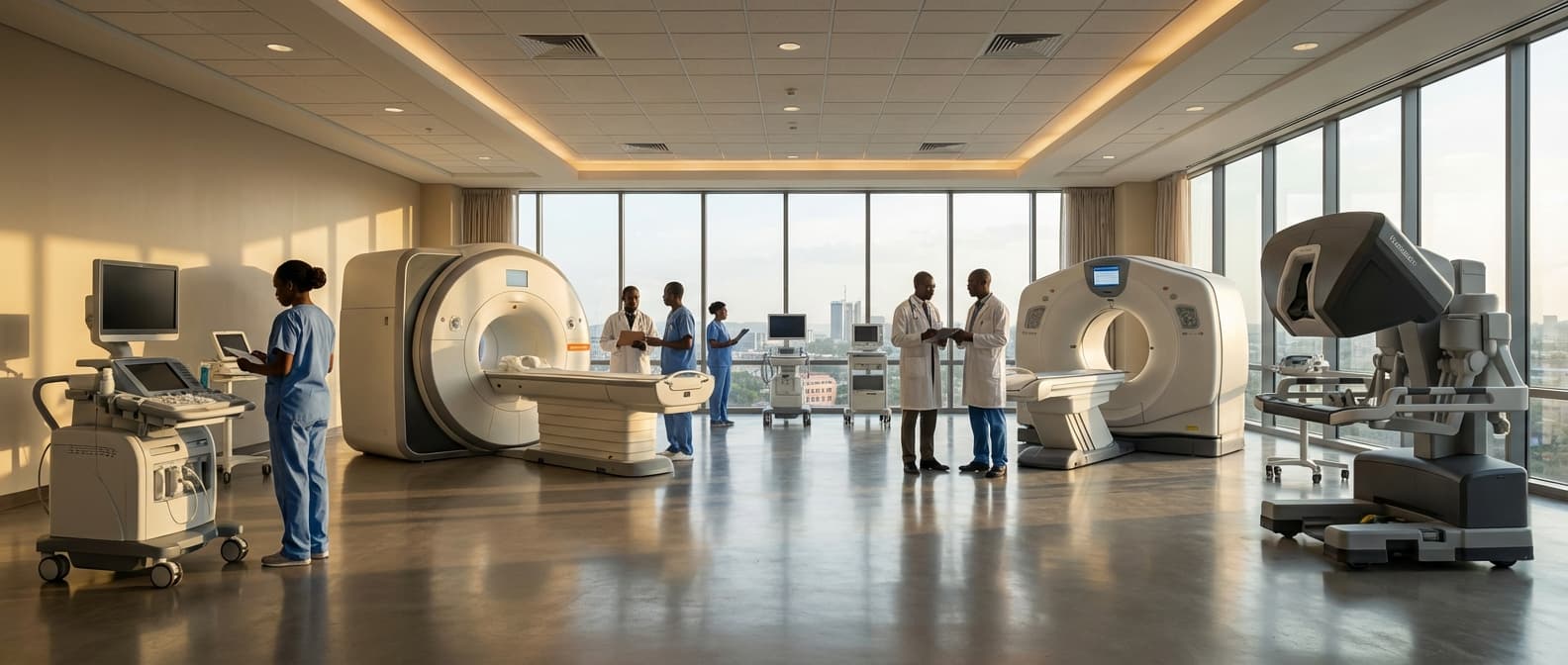
Renal Solutions in Ethiopia
Engineering Excellence & Technical Support
Complete dialysis systems and renal care equipment designed to deliver safe, effective, and patient-centered kidney treatment. High-standard technical execution following OEM protocols and local regulatory frameworks.
Advanced Dialysis Technologies
Renal Solutions Ethiopia leverages state-of-the-art hemodialysis and peritoneal dialysis machines, ensuring efficient and comfortable treatment for patients. Our commitment to innovation includes regular upgrades to maintain the highest standards of care and patient outcomes.
Expert Nephrology Team
Our dedicated team comprises highly skilled and experienced nephrologists, nurses, and technicians. They provide comprehensive patient management, including early diagnosis, personalized treatment plans, and ongoing support for chronic kidney disease patients in Ethiopia.
Patient Education & Empowerment
Renal Solutions Ethiopia believes in empowering patients through comprehensive education. We offer tailored programs on disease management, dietary guidelines, lifestyle modifications, and the importance of adherence to treatment, fostering a proactive approach to kidney health.
What Is Renal Solutions In Ethiopia?
Renal Solutions in Ethiopia refers to a comprehensive suite of services and interventions aimed at addressing the growing burden of kidney disease (renal disease) within the country. These solutions encompass diagnosis, treatment, management, and prevention of various kidney ailments. The increasing prevalence of conditions such as chronic kidney disease (CKD), acute kidney injury (AKI), diabetic nephropathy, and hypertensive nephropathy necessitates the development and implementation of robust renal care pathways.
| Who Needs Renal Solutions? | Typical Use Cases |
|---|---|
| Individuals diagnosed with Chronic Kidney Disease (CKD) across all stages. | Management of progressive renal dysfunction, treatment of uremic symptoms, and preparation for renal replacement therapy. |
| Patients experiencing Acute Kidney Injury (AKI). | Reversal of renal damage, supportive care, and avoidance of long-term sequelae. |
| Individuals with uncontrolled Hypertension and Diabetes Mellitus. | Prevention of diabetic nephropathy and hypertensive nephropathy, and early detection of kidney involvement. |
| Patients with recurrent Urinary Tract Infections (UTIs) or kidney stones. | Diagnosis and management of underlying urological conditions that can impact renal function. |
| Individuals with a family history of kidney disease. | Proactive screening and monitoring for early signs of renal pathology. |
| Patients with systemic diseases affecting the kidneys (e.g., Lupus Nephritis, Vasculitis). | Multidisciplinary management of complex renal involvement secondary to systemic autoimmune or inflammatory conditions. |
| Patients with end-stage renal disease (ESRD) requiring renal replacement therapy. | Initiation and maintenance of hemodialysis, peritoneal dialysis, or assessment for kidney transplantation. |
| Kidney transplant recipients. | Post-transplant immunosuppression management, monitoring for rejection, and long-term follow-up. |
Key Components of Renal Solutions in Ethiopia:
- Diagnostic Services: This includes laboratory investigations (serum creatinine, estimated glomerular filtration rate - eGFR, urinalysis, urine protein-to-creatinine ratio - UPCR), imaging studies (renal ultrasound, CT scans), and renal biopsies for definitive diagnosis and staging of kidney disease.
- Medical Management: Pharmacological interventions to control underlying causes (hypertension, diabetes mellitus), manage complications (anemia, electrolyte imbalances, bone mineral disease), and slow disease progression. This also involves dietary counseling and fluid management.
- Renal Replacement Therapy (RRT): This encompasses both dialysis modalities and kidney transplantation. Dialysis includes hemodialysis (HD) and peritoneal dialysis (PD), aimed at artificially clearing waste products and excess fluid from the blood. Kidney transplantation involves surgically replacing a diseased kidney with a healthy one from a donor.
- Preventive Strategies: Public health initiatives, screening programs for high-risk populations (diabetics, hypertensives, individuals with a family history of kidney disease), and health education campaigns to promote healthy lifestyles and early detection.
- Specialized Nephrology Care: Access to trained nephrologists, urologists, and allied health professionals (nurses, dietitians, social workers) who provide expert consultation and ongoing management.
- Infrastructure and Equipment: Development and maintenance of dialysis centers, operating theaters for transplantation, and essential medical equipment.
Who Needs Renal Solutions In Ethiopia?
Renal solutions are vital for a growing number of individuals and healthcare facilities in Ethiopia, addressing a rising burden of kidney disease. These solutions encompass a spectrum of services and products aimed at preventing, diagnosing, treating, and managing kidney-related ailments. The demand for these services is driven by factors such as an aging population, increasing prevalence of chronic diseases like diabetes and hypertension, and improved diagnostic capabilities. The sector is experiencing a significant need for advanced medical equipment, specialized pharmaceuticals, trained medical professionals, and comprehensive patient care programs.
| Department/Facility | Key Needs for Renal Solutions | Examples of Solutions |
|---|---|---|
| Nephrology Departments | Diagnostic equipment (ultrasound, labs), dialysis machines, specialized medications, treatment protocols, training for nephrologists and nurses. | Dialysis centers, advanced diagnostic tools, access to essential drugs, continuous medical education programs. |
| Internal Medicine Departments | Early detection tools, basic renal function tests, management guidelines for CKD and AKI, referral pathways. | Blood and urine testing kits, patient education materials, referral network development. |
| Emergency Departments | Rapid diagnostic tools for AKI, immediate dialysis access, management protocols for acute renal crises. | Portable dialysis machines, emergency medication kits, rapid assessment protocols. |
| Primary Healthcare Centers | Screening tools for risk factors (blood pressure, blood sugar), basic urinalysis, patient education on kidney health, referral mechanisms. | Blood pressure monitors, glucose meters, basic urine dipsticks, community health worker training. |
| Surgical Departments (for transplants) | Surgical equipment for transplant procedures, immunosuppressive drugs, post-operative care facilities. | Specialized surgical instruments, organ preservation solutions, long-term medication supply. |
| Pharmaceutical Suppliers and Distributors | Reliable supply chain for nephrology drugs, cold chain management, import/export expertise. | Inventory management systems, partnerships with manufacturers, regulatory compliance support. |
| Medical Equipment Manufacturers and Suppliers | Distribution and maintenance of dialysis machines, water treatment systems, diagnostic equipment. | Sales and service networks, technical training for local technicians, spare parts availability. |
| Research and Training Institutions | Support for research on renal diseases, training programs for healthcare professionals, curriculum development. | Research grants, simulation labs, partnerships for specialized training abroad. |
Target Customers for Renal Solutions in Ethiopia
- Individuals suffering from Chronic Kidney Disease (CKD)
- Patients requiring Hemodialysis
- Patients requiring Peritoneal Dialysis
- Individuals with Acute Kidney Injury (AKI)
- Kidney transplant candidates and recipients
- Individuals at high risk for kidney disease (e.g., diabetics, hypertensives)
- Public and private hospitals
Renal Solutions Process In Ethiopia
The Renal Solutions Process in Ethiopia outlines the comprehensive workflow undertaken by organizations providing renal care services, from the initial patient inquiry to the successful execution of treatment. This process is designed to ensure efficient and effective management of patients requiring dialysis and related renal support, navigating the specific healthcare landscape and regulatory environment of Ethiopia. It involves a series of coordinated steps, often managed by a dedicated patient care team or administrative staff, aiming to provide timely access to critical treatment.
| Step | Description | Key Actors Involved | Key Outputs/Outcomes |
|---|---|---|---|
| Receiving an initial request for renal services, either from a patient, family member, referring physician, or healthcare facility. This may involve phone calls, walk-ins, or digital inquiries. | Receptionist, Patient Liaison Officer, Social Worker | Initial patient data collected, appointment for screening scheduled. |
| Collecting demographic information, medical history, and relevant contact details. Preliminary screening to assess basic eligibility and urgency for renal services. | Patient Registration Staff, Nurse | Patient profile created, preliminary eligibility determined. |
| A comprehensive medical evaluation by a nephrologist or physician to confirm the diagnosis of kidney disease (e.g., Chronic Kidney Disease stage 5, Acute Kidney Injury) and assess the patient's overall health status and suitability for dialysis. | Nephrologist, Physician, Specialist Nurses | Confirmed diagnosis, assessment of treatment modality suitability (hemodialysis, peritoneal dialysis), identification of co-morbidities. |
| Based on the medical assessment, a personalized treatment plan is developed, including the type of dialysis, frequency, duration, and specific protocols. A dialysis schedule is then created, considering clinic capacity and patient availability. | Nephrologist, Dialysis Nurse Coordinator, Clinic Administrator | Personalized treatment plan document, dialysis schedule assigned. |
| This includes educating the patient and family about the dialysis process, potential complications, and necessary lifestyle adjustments. For hemodialysis, it involves creating vascular access (e.g., fistula, graft, catheter). | Dialysis Nurse, Surgeon (for access creation), Patient Educator | Patient and family educated, vascular access established (if applicable). |
| The actual dialysis treatment is performed by trained nurses, adhering to strict protocols for hygiene, machine operation, and patient monitoring. This involves connecting the patient to the dialysis machine, running the treatment, and managing any immediate complications. | Dialysis Nurses, Biomedical Engineers (for machine maintenance) | Dialysis treatment completed, patient's fluid and waste products managed. |
| Close monitoring of the patient's vital signs, fluid balance, and overall well-being immediately after the session. Scheduling of regular follow-up appointments with the nephrologist for ongoing assessment and management. | Dialysis Nurse, Nephrologist | Patient stability confirmed post-dialysis, follow-up appointments scheduled. |
| Meticulous documentation of all patient interactions, medical assessments, treatment details, and outcomes. This data is crucial for tracking patient progress, research, and reporting to regulatory bodies. | Medical Records Staff, Nurses, Physicians | Comprehensive patient medical records, progress reports generated. |
| Processing of invoices for services rendered, managing insurance claims (if applicable), and collecting payments. Coordination with government health programs or patient financial assistance schemes. | Billing Department, Finance Officers, Social Worker | Invoices generated, payments processed, financial records maintained. |
| Continuous provision of support, counseling, and education to patients and their families regarding their condition, treatment adherence, and quality of life. This may involve nutritional advice, psychological support, and community resource linkage. | Social Worker, Dietitian, Patient Support Groups, Nephrologist | Improved patient adherence, enhanced quality of life, strong patient support network. |
Renal Solutions Process Workflow in Ethiopia
- Inquiry and Initial Contact
- Patient Registration and Screening
- Medical Assessment and Diagnosis Confirmation
- Treatment Planning and Scheduling
- Pre-treatment Preparations
- Dialysis Session Execution
- Post-treatment Monitoring and Follow-up
- Record Keeping and Reporting
- Billing and Financial Management
- Ongoing Patient Support and Education
Renal Solutions Cost In Ethiopia
The cost of renal solutions in Ethiopia can vary significantly depending on several factors, including the type of solution (e.g., dialysis fluids, peritoneal dialysis solutions), the brand, the volume, the specific formulation (e.g., electrolyte concentrations, glucose levels), and the place of purchase (hospitals, private clinics, pharmacies, or direct importation). Due to the nature of medical supplies and potential import duties, local availability, and wholesale/retail markups, prices are not standardized across the country. However, we can outline the typical pricing factors and provide estimated ranges in the local currency, the Ethiopian Birr (ETB).
| Renal Solution Type | Estimated Price Range (ETB) | Notes |
|---|---|---|
| Hemodialysis Concentrate (e.g., for 1-liter batch of dialysate) | 500 - 1,500 ETB | Prices vary based on brand and specific electrolyte composition. This is for the concentrate that needs to be diluted. |
| Ready-to-Use Hemodialysis Dialysate (e.g., per liter bag) | 700 - 1,800 ETB | Less common for direct patient purchase, usually part of hospital supply. Significantly more expensive than concentrates. |
| Peritoneal Dialysis (PD) Solution (e.g., 1.5L or 2L bag, standard glucose concentration) | 800 - 2,000 ETB | The most common type for home use. Price depends on brand, glucose concentration (e.g., 1.5%, 2.5%, 4.25%), and volume. |
| Specialty PD Solutions (e.g., icodextrin, higher glucose, or custom formulations) | 1,000 - 3,000+ ETB | These are typically more expensive due to their specialized nature and potentially lower production volumes. |
| Saline Solution (for flushing or preparation) | 100 - 300 ETB | Standard medical saline, often used in conjunction with dialysis procedures. |
Key Pricing Factors for Renal Solutions in Ethiopia
- Type of Solution: Hemodialysis concentrates and ready-to-use peritoneal dialysis solutions have different manufacturing complexities and costs.
- Brand and Manufacturer: Well-established international brands often command higher prices than generic or locally sourced alternatives (if available).
- Volume and Packaging: Larger volumes generally offer a lower per-unit cost, but initial outlay is higher. Standard dialysis bag sizes or concentrate bottles will have distinct price points.
- Concentration and Formulation: Solutions with specific electrolyte balances or higher glucose concentrations may be priced differently.
- Importation Costs: As many advanced medical supplies are imported, import duties, taxes, shipping, and handling significantly impact the final price.
- Distribution Channel: Prices can differ between large hospital networks that purchase in bulk and individual patients buying from retail pharmacies.
- Regulatory Approvals and Quality Standards: Solutions meeting stringent international quality standards may be more expensive but offer greater reliability and safety.
- Availability and Supply Chain: Shortages or disruptions in the supply chain can lead to price fluctuations.
- Healthcare Facility Markup: Hospitals and clinics will add their own markups for dispensing and administration services.
Affordable Renal Solutions Options
Navigating renal care can be a significant financial undertaking. Fortunately, various affordable renal solutions and cost-saving strategies are available to individuals seeking dialysis or other kidney-related treatments. Understanding these options can empower patients to make informed decisions and reduce the financial burden associated with their care.
| Strategy Category | Description | Potential Cost Savings |
|---|---|---|
| Value Bundles | Comprehensive packages covering multiple services for a set price. | Predictable budgeting, potential discounts on bundled services. |
| Insurance | Leveraging Medicare, Medicaid, or private plans for coverage. | Significantly reduces out-of-pocket expenses for treatments and medications. |
| Home Dialysis | Performing dialysis at home (PD or home HD). | Lower facility fees, increased convenience, potentially fewer complications. |
| Medication Management | Opting for generics and using discount programs. | Reduces recurring medication expenses. |
| Financial Assistance | Applying for grants, non-profit aid, or manufacturer programs. | Direct reduction of out-of-pocket costs for essential care. |
| Preventive Care | Managing underlying health conditions. | Slows disease progression, potentially delaying or reducing the need for more intensive treatments. |
Key Affordable Renal Solutions & Cost-Saving Strategies
- Value Bundles: These are often offered by dialysis centers or insurance providers, consolidating multiple services into a single, predictable price. They can include dialysis treatments, medications, lab work, and transportation, making budgeting easier.
- Insurance Options: Exploring Medicare (End-Stage Renal Disease - ESRD - Medicare), Medicaid, and private insurance plans is crucial. Each has different coverage levels for renal care. "Dual Eligible" patients may qualify for both Medicare and Medicaid, offering comprehensive coverage.
- Dialysis Center Choice: Different dialysis centers may have varying pricing structures or accept different insurance plans. Comparing options and inquiring about self-pay rates or discounts can lead to significant savings.
- Home Dialysis Programs: In many cases, home dialysis (peritoneal dialysis or home hemodialysis) can be more cost-effective than in-center hemodialysis. It reduces facility fees and often allows for greater flexibility.
- Medication Management: Generic medications are significantly cheaper than brand-name alternatives. Working with your nephrologist and pharmacist to identify cost-effective medication options and utilizing prescription discount programs are vital.
- Transportation Assistance: Many dialysis centers and non-profit organizations offer transportation services or reimbursements for patients. Inquire about these programs to avoid high personal travel costs.
- Financial Assistance Programs: Various government programs, non-profit organizations (like the National Kidney Foundation), and manufacturer assistance programs can help offset the cost of medications, treatments, or insurance premiums.
- Preventive Care & Lifestyle Modifications: While not a direct cost-saving strategy for existing kidney disease, focusing on managing underlying conditions like diabetes and hypertension through diet, exercise, and regular medical check-ups can slow disease progression and potentially reduce future treatment costs.
- Negotiating Medical Bills: Don't hesitate to discuss medical bills with providers. Many are willing to negotiate payment plans or offer discounts, especially for self-pay patients or those facing financial hardship.
Verified Providers In Ethiopia
In the evolving landscape of healthcare in Ethiopia, identifying trustworthy and credentialed providers is paramount for ensuring quality patient care. Franance Health stands out as a leading organization committed to upholding the highest standards. This document outlines Franance Health's credentials and explains why they represent the best choice for healthcare services in Ethiopia.
| Aspect | Franance Health's Commitment | Why it Matters for Patients |
|---|---|---|
| Medical Expertise | Employs highly qualified and specialized medical professionals. | Ensures access to experienced doctors and nurses for accurate diagnosis and effective treatment. |
| Technological Advancement | Utilizes modern medical equipment and advanced technologies. | Provides access to cutting-edge diagnostic tools and treatments, leading to better health outcomes. |
| Patient Safety | Adheres to stringent safety protocols and quality assurance measures. | Minimizes risks and ensures a safe environment for all patients undergoing care. |
| Ethical Standards | Operates with the highest ethical principles and transparency. | Builds trust and confidence through honest and respectful patient interactions. |
| Holistic Care | Focuses on a patient-centered approach to healthcare. | Addresses individual needs and preferences, promoting a comprehensive and supportive healing journey. |
Franance Health Credentials and Commitments
- Accreditation and Certifications: Franance Health adheres to rigorous national and international accreditation standards, demonstrating a commitment to operational excellence and patient safety. These accreditations are regularly reviewed and renewed.
- Highly Qualified Medical Professionals: The organization employs a team of board-certified physicians, specialists, nurses, and allied health professionals with extensive experience and specialized training in their respective fields. Continuous professional development is a cornerstone of their practice.
- State-of-the-Art Facilities and Technology: Franance Health invests in modern medical equipment and advanced diagnostic and treatment technologies, ensuring accurate diagnoses and effective patient outcomes. This includes up-to-date laboratory services, imaging capabilities, and surgical equipment.
- Patient-Centered Care Philosophy: A core principle of Franance Health is providing compassionate, ethical, and patient-focused care. This involves clear communication, shared decision-making, and respecting patient autonomy and dignity.
- Robust Quality Assurance Programs: The organization implements comprehensive quality assurance and control measures across all departments. This includes regular audits, performance monitoring, and feedback mechanisms to continuously improve service delivery.
- Adherence to Ethical Medical Practices: Franance Health strictly follows ethical guidelines and best practices in all medical procedures and patient interactions, ensuring transparency and integrity.
- Partnerships with Reputable Institutions: Franance Health collaborates with recognized local and international healthcare institutions and organizations, fostering knowledge exchange and access to specialized expertise when needed.
- Commitment to Community Health: Beyond individual patient care, Franance Health is dedicated to improving public health through outreach programs, health education initiatives, and contributing to the overall well-being of Ethiopian communities.
Scope Of Work For Renal Solutions
This Scope of Work (SOW) outlines the technical deliverables and standard specifications for Renal Solutions, a project focused on developing and implementing an advanced system for managing renal patient care. The project aims to improve patient outcomes, streamline clinical workflows, and enhance data accessibility for healthcare providers. This document details the required technical outputs and the quality standards they must adhere to.
| Specification Area | Standard/Requirement | Description |
|---|---|---|
| Performance | Response Time | All user-initiated actions within the system shall complete within 2 seconds under normal load conditions. |
| Performance | Scalability | The system shall be designed to support a minimum of 10,000 concurrent users and a data growth rate of 20% per year without significant degradation in performance. |
| Security | Data Encryption | All sensitive patient data at rest and in transit shall be encrypted using industry-standard encryption algorithms (e.g., AES-256). |
| Security | Access Control | Role-based access control (RBAC) shall be implemented to ensure users only have access to the data and functionalities necessary for their role. |
| Security | Authentication | Multi-factor authentication (MFA) shall be supported for all user logins. |
| Reliability | Uptime | The system shall achieve a minimum of 99.9% uptime, excluding scheduled maintenance windows. |
| Reliability | Data Integrity | Mechanisms for data validation and error checking shall be in place to ensure data accuracy and prevent corruption. |
| Usability | User Interface Consistency | The UI shall maintain a consistent design language and navigation pattern across all modules. |
| Usability | Accessibility | The system shall comply with WCAG 2.1 Level AA accessibility standards. |
| Maintainability | Code Quality | Code shall adhere to established coding standards (e.g., PEP 8 for Python), be well-commented, and pass static code analysis checks. |
| Maintainability | Modularity | The system architecture shall be modular, allowing for independent updates and enhancements of individual components. |
| Interoperability | FHIR Compliance | APIs for data exchange shall adhere to HL7 FHIR standards where applicable for healthcare data interoperability. |
| Interoperability | Data Export | The system shall support secure and standardized data export functionalities (e.g., CSV, JSON) for reporting and analysis. |
| Compliance | HIPAA | All system development and deployment shall comply with HIPAA regulations regarding patient data privacy and security. |
| Compliance | GDPR | Where applicable, the system shall adhere to GDPR principles for data protection and user rights. |
Technical Deliverables
- System Architecture Design Document: Comprehensive documentation detailing the overall system architecture, including components, interactions, data flows, and technology stack.
- User Interface (UI) / User Experience (UX) Design: Wireframes, mockups, and interactive prototypes demonstrating the user interface and user experience for all system modules.
- Database Design and Schema: Detailed specifications for the database structure, including tables, relationships, data types, and constraints.
- API Specifications: Documentation for all Application Programming Interfaces (APIs) used for internal and external system integrations.
- Software Code Repository: Well-structured and commented source code for all developed software modules, managed under version control.
- Test Plans and Cases: Comprehensive test plans, including unit tests, integration tests, system tests, and user acceptance tests, with detailed test cases.
- Deployment Packages: Ready-to-deploy software packages for all system components, including installation scripts and configuration guides.
- Technical Documentation: User manuals, administrator guides, and API documentation for end-users and system administrators.
- Security Audit Report: A report detailing the findings and recommendations from a comprehensive security audit of the system.
- Performance Benchmarking Report: Documentation of performance testing results against defined benchmarks.
- Data Migration Strategy and Scripts: A plan and associated scripts for migrating existing patient data into the new system.
- Training Materials: Comprehensive training materials for end-users and administrators, including presentations, guides, and exercises.
Service Level Agreement For Renal Solutions
This Service Level Agreement (SLA) outlines the performance standards and commitments for Renal Solutions' services. It defines the agreed-upon response times for critical issues and the guaranteed uptime for our platform, ensuring reliable and consistent service delivery to our clients.
| Severity Level | Description | Response Time Target | Resolution Target (Best Effort) |
|---|---|---|---|
| Critical (P1) | System is completely down or a core function is unavailable, impacting all users. No workaround available. | 15 Minutes | 4 Hours |
| High (P2) | Significant functionality is impaired or unavailable, impacting a large number of users. A workaround may exist but is inefficient. | 30 Minutes | 8 Business Hours |
| Medium (P3) | Minor functionality is impaired, impacting a subset of users. A workaround is available. | 2 Business Hours | 2 Business Days |
| Low (P4) | General questions, feature requests, or non-critical issues. No impact on core functionality. | 8 Business Hours | 5 Business Days |
Key Service Level Objectives
- Service Uptime: Renal Solutions guarantees a minimum of 99.9% uptime for the platform, excluding scheduled maintenance periods.
- Response Times: Our support team is committed to responding to incidents based on their severity level within defined timeframes.
- Scheduled Maintenance: Renal Solutions will provide at least 48 hours' notice for any planned maintenance that may impact service availability. Such maintenance will be scheduled during off-peak hours whenever possible.
- Exclusions: This SLA does not cover issues arising from client-side network problems, force majeure events, or misuse of the Renal Solutions platform.
Frequently Asked Questions

Ready when you are
Let's scope your Renal Solutions in Ethiopia project in Ethiopia.

Scaling healthcare logistics and technical systems across the entire continent.