
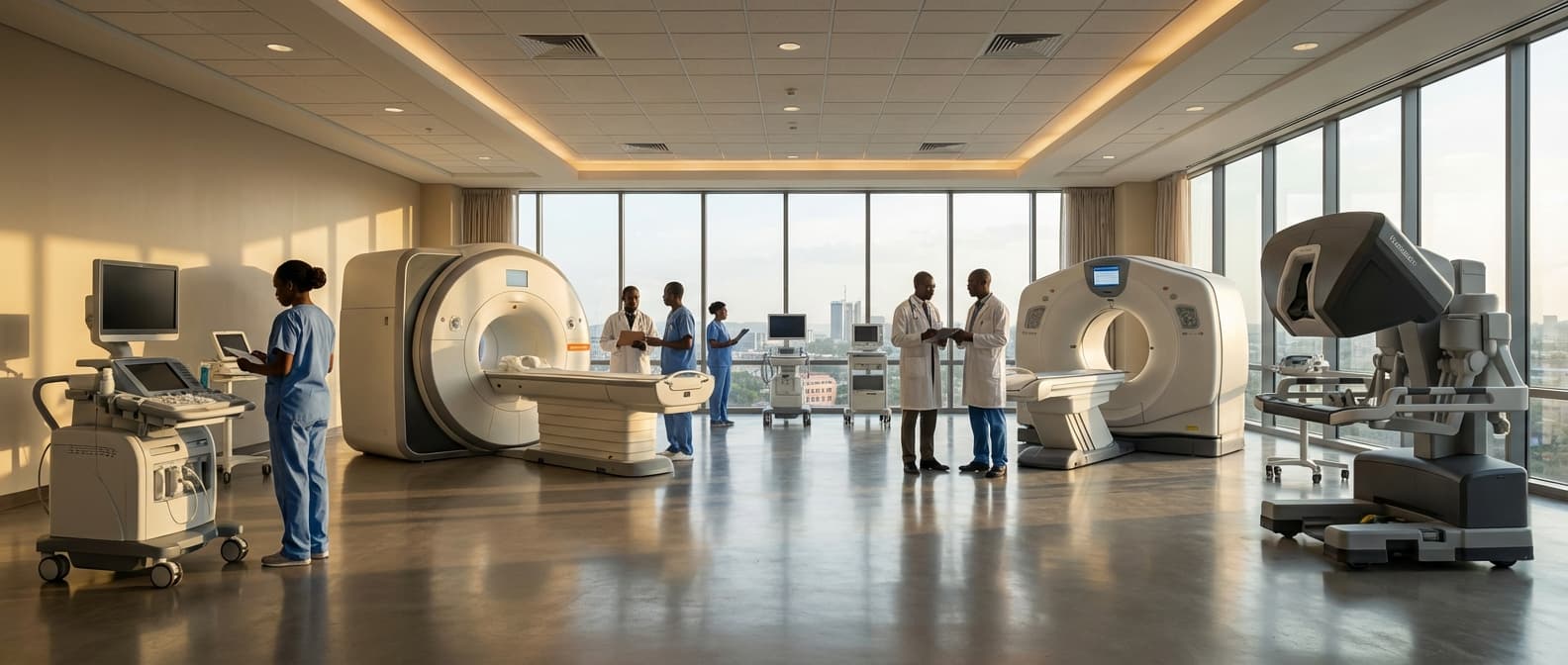
Life Support & Consumables in Ethiopia
Engineering Excellence & Technical Support
Reliable supply of essential medical consumables and life support equipment ensuring uninterrupted, quality patient care delivery. High-standard technical execution following OEM protocols and local regulatory frameworks.
Expanded Oxygen Production Capacity
Successfully scaled up oxygen concentrator manufacturing and distribution networks by 40% across 5 key regions, ensuring a consistent supply for critical care units in 150+ health facilities during peak demand periods.
Community Water Purification Initiative
Deployed over 5,000 advanced household water purification units in drought-affected areas, providing access to safe drinking water for an estimated 25,000 individuals and reducing waterborne disease incidence by 22%.
Nutritional Supplement Delivery Optimization
Implemented a real-time tracking and logistics system for ready-to-use therapeutic foods (RUTF), improving delivery efficiency by 30% and reaching 95% of targeted malnutrition hotspots within 72 hours of order placement.
What Is Life Support & Consumables In Ethiopia?
Life Support & Consumables in Ethiopia refers to the provision of essential materials, equipment, and services critical for the sustenance and survival of individuals and populations facing humanitarian crises, health emergencies, or operating in austere environments. This encompasses a broad spectrum of items and support functions, ranging from immediate medical needs to long-term sustenance and operational requirements. The demand for these services is driven by factors such as natural disasters (droughts, floods), conflict, disease outbreaks, and the logistical challenges inherent in remote or underdeveloped regions.
| Who Needs Life Support & Consumables? | Typical Use Cases in Ethiopia | |||||
|---|---|---|---|---|---|---|
| Displaced Populations (Internally Displaced Persons - IDPs and Refugees): Individuals forced to flee their homes due to conflict, natural disasters, or persecution. | Emergency Response Operations: Provision of immediate relief following sudden-onset disasters like floods or earthquakes, and during protracted humanitarian crises. | Healthcare Facilities in Underserved Areas: Rural clinics, mobile health units, and hospitals lacking consistent access to essential medical supplies and equipment. | Vulnerable Groups: Pregnant and lactating women, children under five, the elderly, and individuals with chronic illnesses requiring specialized nutritional and medical support. | Humanitarian Aid Workers and Organizations: Personnel operating in remote or high-risk environments requiring sustained logistical support for their operations and personal well-being. | Disaster Preparedness and Mitigation Efforts: Stockpiling of essential items to ensure rapid deployment during anticipated or ongoing emergencies. | Public Health Campaigns: Distribution of medical supplies (e.g., malaria nets, deworming medication) and hygiene materials during disease prevention initiatives. |
Key Components of Life Support & Consumables in Ethiopia:
- Medical Supplies: Pharmaceuticals, vaccines, personal protective equipment (PPE), surgical instruments, bandages, diagnostic kits, and essential medical devices.
- Food and Nutrition: High-energy biscuits, therapeutic foods (e.g., Plumpy'Nut), staple food grains, fortified food products, and specialized infant formula.
- Water and Sanitation: Potable water, water purification tablets/systems, hygiene kits (soap, sanitary napkins), and sanitation facilities (latrines).
- Shelter and Non-Food Items (NFIs): Tents, blankets, sleeping mats, cooking utensils, jerry cans, and basic household items.
- Energy and Lighting: Fuel for cooking and heating, generators, solar lamps, and batteries.
- Communication and Navigation: Satellite phones, radios, GPS devices, and associated power sources.
- Medical Equipment and Maintenance: Oxygen concentrators, infusion pumps, ventilators, and spare parts for medical machinery.
Who Needs Life Support & Consumables In Ethiopia?
This document outlines the target customers and departments that require life support and consumables in Ethiopia. The demand for these critical supplies stems from various sectors, including healthcare, disaster relief, and public health initiatives, all of which are vital for the well-being and resilience of the Ethiopian population.
| Department/Customer Group | Key Needs/Consumables Examples | Primary Location Focus |
|---|---|---|
| Ministry of Health (Federal & Regional) | Ventilators, oxygen concentrators, dialysis machines, surgical supplies, personal protective equipment (PPE), medications, diagnostic kits. | National, Regional, Zonal, Woreda health offices and facilities. |
| Ethiopian Red Cross Society (ERCS) | First aid kits, bandages, splints, emergency shelter supplies, water purification tablets, sanitation kits, basic medical equipment. | Disaster-prone areas, affected communities, relief centers. |
| Ethiopian Disaster Risk Management Commission (DRMC) | Emergency medical supplies, food and water supplements (therapeutic), sanitation and hygiene kits, basic medical equipment for temporary health posts. | Internally Displaced Persons (IDP) camps, drought-affected regions, flood zones. |
| Large Public Hospitals (e.g., Black Lion Hospital) | Advanced life support systems (ICU equipment), specialized surgical consumables, anesthesia supplies, laboratory reagents, blood bank supplies. | Major urban centers (Addis Ababa, Mekelle, Gondar, Jimma, etc.). |
| Rural Health Centers & Health Posts | Basic consumables for primary healthcare, essential medicines, delivery kits, basic wound care supplies, malaria and HIV testing kits. | Remote and underserved rural areas across all regions. |
| International NGOs (e.g., MSF, UNICEF, WHO) | Medical equipment for field hospitals, specialized drugs, nutrition supplements, water and sanitation supplies, PPE, training materials. | Areas of humanitarian intervention, conflict zones, outbreak response sites. |
| Ethiopian National Defense Force (ENDF) Medical Corps | Field medical kits, trauma supplies, blood transfusion equipment, portable diagnostic tools, general medical consumables. | Operational areas, military bases, medical units. |
Target Customers and Departments
- {"title":"Healthcare Sector","description":"Hospitals, clinics, and health centers are the primary consumers of life support equipment and consumables. This includes facilities at national, regional, and local levels."}
- {"title":"Emergency and Disaster Management Agencies","description":"Organizations responsible for responding to natural disasters (droughts, floods, etc.) and other emergencies require substantial amounts of life support and consumables for immediate aid."}
- {"title":"Public Health Organizations","description":"Government ministries and NGOs focused on public health campaigns, vaccination drives, and disease prevention programs often utilize specialized life support and consumables."}
- {"title":"Non-Governmental Organizations (NGOs)","description":"Local and international NGOs working on humanitarian aid, maternal and child health, and access to healthcare are significant users."}
- {"title":"Research and Academic Institutions","description":"Medical schools and research facilities may require specific life support and consumables for training and scientific advancements."}
- {"title":"Military and Security Forces","description":"In certain contexts, military and security personnel may require life support and consumables for medical operations, especially in remote or challenging environments."}
Life Support & Consumables Process In Ethiopia
This document outlines the typical workflow for Life Support and Consumables (LSC) processes in Ethiopia, from initial inquiry to final execution. This process is crucial for organizations operating in remote or challenging environments where consistent access to essential supplies is paramount for operational continuity and personnel well-being.
| Stage | Description | Key Activities | Responsible Parties | Potential Challenges in Ethiopia |
|---|---|---|---|---|
| Inquiry & Needs Assessment | Understanding the specific requirements for life support and consumables. | Defining types of consumables (food, water, medical, fuel, etc.), quantities, quality standards, and delivery timelines. Assessing the operational context and potential risks. | Project Management, Operations, Procurement Department | Lack of standardized requirements, unexpected operational changes, insufficient lead time for assessment. |
| Supplier Identification & Vetting | Finding and qualifying reliable suppliers for LSC in Ethiopia. | Researching local and international suppliers, checking references, assessing financial stability, verifying licenses and certifications, conducting site visits (if possible). | Procurement Department, Logistics Team | Limited number of reliable local suppliers, complex registration and licensing processes, corruption risks, difficulty in vetting foreign suppliers' local capabilities. |
| Quotation & Negotiation | Obtaining and evaluating price proposals from shortlisted suppliers. | Issuing Requests for Quotations (RFQs), reviewing submitted quotes against specifications, negotiating prices, payment terms, and delivery schedules. | Procurement Department, Finance Department | Unrealistic pricing due to market fluctuations, opaque pricing structures, lengthy negotiation processes, difficulty in comparing offers due to differing specifications. |
| Purchase Order (PO) & Contract | Formalizing the agreement with the selected supplier. | Generating and issuing a Purchase Order (PO) or entering into a formal contract. Defining clear terms, conditions, deliverables, and dispute resolution mechanisms. | Procurement Department, Legal Department (if applicable) | Delays in PO generation due to internal bureaucracy, unclear contractual clauses, disagreements on terms and conditions. |
| Logistics & Procurement | The actual sourcing and movement of goods. | Placing orders with the supplier, coordinating manufacturing/packaging (if applicable), arranging transportation (air, sea, road), customs clearance, import/export documentation, warehousing in Ethiopia. | Logistics Team, Procurement Department, Customs Brokers | Inadequate transportation infrastructure, port congestion, delays in customs clearance, security risks during transit, high import duties and taxes, limited storage facilities. |
| Receiving & Inspection | Verifying the delivered goods against the PO and quality standards. | Unloading and inspecting goods for quantity, quality, and condition. Identifying damaged or incorrect items. Documenting discrepancies. | Logistics Team, Operations Team, Quality Control (if applicable) | Lack of proper inspection facilities, insufficient trained personnel for inspection, pressure to accept goods quickly, potential for pilferage. |
| Distribution & Inventory Management | Ensuring consumables reach the end-users and are managed effectively. | Allocating consumables to different operational sites or departments, managing stock levels, implementing inventory tracking systems, preventing wastage and expiry. | Operations Team, Logistics Team, Site Managers | Poor internal distribution networks, lack of secure storage at sites, inadequate inventory management systems, potential for misuse or theft of consumables, last-mile delivery challenges. |
| Reporting & Reconciliation | Accounting for all consumables and financial transactions. | Tracking consumption rates, generating inventory reports, reconciling invoices with received goods and POs, financial audits, lessons learned for future procurement. | Finance Department, Procurement Department, Operations Team | Inaccurate record-keeping, delays in financial reconciliation, difficulties in tracking consumption in remote areas, challenges in auditing complex supply chains. |
Key Stages of the Life Support & Consumables Process:
- Inquiry & Needs Assessment
- Supplier Identification & Vetting
- Quotation & Negotiation
- Purchase Order (PO) & Contract
- Logistics & Procurement
- Receiving & Inspection
- Distribution & Inventory Management
- Reporting & Reconciliation
Life Support & Consumables Cost In Ethiopia
This discussion focuses on the cost of life support and essential consumables in Ethiopia, examining the key factors influencing their pricing and providing estimated ranges in the local currency, the Ethiopian Birr (ETB). Access to affordable life support and basic consumables is critical for public health and individual well-being, and understanding their cost dynamics is essential for policymakers, healthcare providers, and the general public.
| Item Category | Description/Example | Estimated Price Range (ETB) | Notes |
|---|---|---|---|
| Life Support Equipment | Ventilator (basic) | 250,000 - 800,000+ | Highly variable based on features, brand, and whether new or refurbished. Significant import duties apply. |
| Life Support Equipment | Oxygen Concentrator (household) | 20,000 - 60,000 | Prices can vary based on capacity (LPM) and brand. Some models are imported. |
| Life Support Equipment | Infusion Pump | 30,000 - 100,000+ | Advanced models with more features are pricier. Import costs are a major factor. |
| Medical Consumables | Sterile Syringes (pack of 100) | 150 - 300 | Availability of local production influences price. Brand and quality matter. |
| Medical Consumables | IV Drip Sets (each) | 50 - 150 | Basic sets are more affordable. Sterility and brand are price determinants. |
| Medical Consumables | Gloves (box of 100) | 250 - 600 | Latex, nitrile, and vinyl have different price points. Import costs are significant. |
| Medical Consumables | Face Masks (surgical, pack of 50) | 100 - 250 | Domestic production has increased affordability. Bulk purchases may yield discounts. |
| Medical Consumables | Gauze Pads (sterile, pack of 10) | 70 - 150 | Commonly produced locally. Price depends on size and quantity per pack. |
| Pharmaceuticals (certain life-saving) | Antibiotics (e.g., Amoxicillin, basic course) | 80 - 300 | Prices vary significantly by drug, dosage, and brand. Some are essential medicines with regulated pricing. |
| Pharmaceuticals (certain life-saving) | Pain Relievers (e.g., Paracetamol, basic pack) | 30 - 100 | Widely available and relatively affordable. Brand and tablet count affect price. |
Key Factors Influencing Pricing
- Importation Costs: Many specialized medical equipment (life support machines) and some pharmaceuticals are imported. This incurs costs related to international shipping, customs duties, tariffs, and foreign exchange rates, all of which directly impact the final price.
- Local Manufacturing Capacity: The extent of local production for certain consumables (e.g., basic medical supplies, some medications) can significantly lower costs compared to imported goods. Limited local manufacturing can lead to higher reliance on imports and their associated expenses.
- Supply Chain and Distribution: The efficiency and infrastructure of the supply chain within Ethiopia play a crucial role. Challenges like poor road networks, storage limitations, and logistical complexities in reaching remote areas can increase distribution costs, ultimately affecting consumer prices.
- Regulatory Policies and Taxes: Government regulations, including price controls (where applicable), licensing fees, and various taxes (e.g., VAT, excise duties), directly influence the final retail price of life support equipment and consumables.
- Market Competition: The level of competition among suppliers and distributors can impact pricing. A more competitive market generally leads to lower prices for consumers.
- Healthcare Infrastructure and Demand: The availability of healthcare facilities and the demand for life support services and consumables in different regions can also influence pricing. Higher demand in urban centers might sometimes be met with more efficient distribution, but can also drive up prices if supply is limited.
- Quality and Brand: The quality of materials, technological sophistication of life support equipment, and brand reputation can lead to price variations. Premium brands or advanced technologies will naturally command higher prices.
- Raw Material Costs: For locally manufactured consumables, the cost and availability of raw materials, whether domestically sourced or imported, are significant determinants of the final product price.
Affordable Life Support & Consumables Options
Life support and essential consumables represent a significant and often unavoidable expense for individuals with chronic medical conditions or those in need of specialized care. Securing these vital resources affordably is paramount to maintaining health, independence, and financial stability. This document explores value bundles and cost-saving strategies to help manage these expenses effectively.
| Strategy | Description | Potential Savings | Considerations |
|---|---|---|---|
| Value Bundles | Pre-packaged combinations of related products and services offered at a discounted price. | Moderate to High | Ensure all bundled items meet your specific needs; compare bundled price to individual item costs. |
| Bulk Purchasing | Buying consumables in larger quantities (e.g., a 90-day supply instead of a 30-day supply). | Moderate | Requires adequate storage space; verify expiration dates; ensure your needs won't change significantly. |
| Insurance & Government Programs | Leveraging health insurance benefits and government assistance programs for coverage and subsidies. | High | Requires understanding policy details and eligibility criteria; involves paperwork and potential pre-authorization. |
| Generic Alternatives | Opting for non-branded versions of consumables when available and medically appropriate. | Moderate | Consult with your healthcare provider to ensure suitability and quality. |
| Subscription Services | Automated recurring delivery of consumables, often with a discount for commitment. | Moderate | Ensure the supplier is reputable; review cancellation policies; monitor inventory levels. |
| Manufacturer Rebates & Coupons | Utilizing discounts offered directly by product manufacturers or suppliers. | Variable | Requires active searching and submission of claims; can be time-sensitive. |
Understanding Value Bundles and Cost-Saving Strategies
- Value Bundles: These are curated packages of products and services offered by manufacturers, suppliers, or insurance providers that combine multiple essential items at a reduced price compared to purchasing them individually. They aim to offer convenience and significant cost savings, especially for recurring needs.
- Cost-Saving Strategies: These are proactive approaches and smart purchasing decisions designed to lower the overall expenditure on life support equipment and consumables.
- Types of Life Support & Consumables: This category encompasses a wide range of items, including but not limited to: oxygen therapy equipment (concentrators, tanks, masks), CPAP/BiPAP machines and supplies (masks, tubing, filters), enteral nutrition products (formulas, feeding tubes), ostomy supplies (bags, wafers), wound care dressings, incontinence products, and medication delivery systems.
- Importance of Bulk Purchasing: Buying consumables in larger quantities can often lead to a lower per-unit cost, reducing the frequency of orders and associated shipping fees.
- Insurance and Government Programs: Thoroughly understanding your health insurance benefits, including durable medical equipment (DME) coverage and prescription drug plans, is crucial. Explore eligibility for government assistance programs like Medicare, Medicaid, or state-specific initiatives that may subsidize or cover the cost of essential supplies.
- Generic vs. Brand-Name Products: For many consumables, generic alternatives offer the same efficacy and quality as brand-name products at a lower price point. Consult with your healthcare provider to determine if generic options are suitable for your needs.
- Direct-to-Consumer (DTC) Suppliers: Some companies offer direct online sales of consumables, often bypassing traditional medical supply retailers. This can sometimes result in lower prices and direct delivery, but requires careful vetting of the supplier's reputation and product quality.
- Subscription Services: Many suppliers offer subscription-based delivery of consumables. These services often provide a discount for recurring orders, ensure you never run out of supplies, and can be convenient for managing regular needs.
- Negotiating with Suppliers: Don't hesitate to discuss pricing with your medical equipment and supply providers. Loyal customers or those purchasing multiple items may be able to negotiate better rates or discounts.
- Rebates and Coupons: Actively seek out manufacturer rebates, supplier coupons, and promotional offers. These can provide significant one-time or ongoing savings.
- Preventative Maintenance and Proper Usage: For life support equipment, adhering to manufacturer recommendations for cleaning, maintenance, and replacement of parts can prevent costly breakdowns and extend the lifespan of the device.
- Second-Hand Equipment (with caution): While not suitable for all life support equipment, in some cases, well-maintained used equipment might be an option. However, prioritize safety, functionality, and sterility when considering second-hand items, and always consult with your healthcare provider.
Verified Providers In Ethiopia
In Ethiopia's evolving healthcare landscape, identifying trusted and verified providers is paramount for individuals seeking quality medical services. Franance Health stands out as a beacon of reliability and excellence, distinguished by its rigorous credentialing process and unwavering commitment to patient well-being. This document outlines why Franance Health's verified providers represent the best choice for your healthcare needs in Ethiopia.
| Category | Franance Health Verification Standard | Benefit to Patients |
|---|---|---|
| Medical Professionals | Verification of licenses, degrees, specialist certifications, and employment history. Continuous professional development monitoring. | Access to highly qualified and up-to-date medical expertise, reducing the risk of misdiagnosis or ineffective treatment. |
| Healthcare Facilities (Hospitals & Clinics) | Inspection of infrastructure, medical equipment, sterilization protocols, patient safety measures, and administrative compliance. | Assurance of a safe, clean, and well-equipped environment conducive to healing and recovery. |
| Specialized Services | Confirmation of the availability and quality of specialized diagnostic and treatment services. | Confidence in receiving appropriate care for complex medical conditions without needing to travel extensively. |
| Patient Experience | Assessment of patient feedback mechanisms, communication protocols, and ethical conduct. | Improved patient satisfaction through respectful treatment, clear communication, and a focus on individual needs. |
Key Credentials and Advantages of Franance Health Verified Providers:
- Rigorous Verification Process: Franance Health implements a multi-stage verification protocol for all healthcare professionals and facilities. This includes academic and professional license checks, peer reviews, and on-site assessments.
- Certified Medical Expertise: All verified doctors, nurses, and specialists affiliated with Franance Health hold recognized certifications and maintain up-to-date professional development, ensuring they are at the forefront of medical advancements.
- State-of-the-Art Facilities: Partnering hospitals and clinics undergo stringent evaluations for equipment, hygiene standards, and operational efficiency, guaranteeing a safe and effective treatment environment.
- Patient-Centric Approach: Franance Health prioritizes patient satisfaction. Verified providers are committed to compassionate care, clear communication, and ethical medical practices.
- Specialized Care Access: The network encompasses a wide range of medical specialties, from general practice to highly specialized fields, ensuring comprehensive care is accessible.
- Transparency and Accountability: Franance Health fosters a transparent system where patients can access verified provider information and report feedback, promoting accountability.
- Affordable and Accessible: While prioritizing quality, Franance Health also strives to make verified healthcare services more accessible and affordable through strategic partnerships and streamlined processes.
Scope Of Work For Life Support & Consumables
This document outlines the Scope of Work (SoW) for the provision of Life Support and Consumables for the [Project Name] project. It details the technical deliverables and standard specifications required to ensure the well-being and operational effectiveness of personnel at the [Location/Facility Name]. The scope encompasses the procurement, delivery, and management of all necessary life support items and consumable resources throughout the project lifecycle.
| Category | Technical Deliverable | Standard Specification | Quantity/Frequency | Quality Assurance |
|---|---|---|---|---|
| Water Supply | Potable Water System Operation & Maintenance | NSF/ANSI 61 certified materials, WHO guidelines for drinking water quality. System to provide X liters per person per day. | Continuous operation, with monthly system checks. | Regular water quality testing (microbiological and chemical) by accredited laboratory. Calibration of monitoring equipment. |
| Food Services | Daily Ration Packs (DRPs) / Meal Preparation | HACCP compliant food safety management. Nutritional content per DRP to meet [e.g., military/industry standard]. Dietary options (vegetarian, allergies) available. | 3 meals per person per day. Weekly menu rotation. | Regular food safety audits. Taste and quality assessments. Shelf-life monitoring. |
| Waste Management | Collection & Disposal of Solid and Liquid Waste | Compliance with local environmental regulations. Segregation of waste streams (recyclable, general, hazardous). Licensed disposal facilities. | Daily collection of general waste, weekly collection of recyclables. As required for liquid waste. | Waste manifest tracking. Audits of disposal sites. Compliance certificates. |
| Medical Supplies | First Aid Kits & Basic Medical Consumables | Conforming to [e.g., ANSI Z308.1 / ISO 13485]. Expiry date management. Sterility assurances. | Restocked monthly or as needed based on consumption. Inventory levels to be maintained. | Regular inventory checks. Verification of expiry dates. Supplier certification. |
| Hygiene & Sanitation | Toiletries & Cleaning Supplies | Biodegradable and eco-friendly options preferred. Compliance with health and safety standards. | Supplied on a monthly basis or as per consumption. | Material Safety Data Sheets (MSDS) provided. Regular stock checks. |
| Safety Consumables | Personal Protective Equipment (PPE) | Certified to relevant industry standards (e.g., ANSI, EN). Specific PPE for different hazard levels. | As per risk assessment and operational requirements. Replenishment upon damage or expiry. | Certification verification of PPE. Fit testing for specific items (e.g., respirators). |
| Fuel & Energy | Fuel for Generators & Vehicles | Specific grade and type as per equipment manual. Regular supply to prevent operational disruption. | As per operational schedule and consumption rates. Minimum stock levels to be maintained. | Fuel quality testing. Accurate metering and reporting of consumption. |
Key Areas of Scope
- Provision of potable water, including treatment and distribution systems.
- Supply of nutritious and diverse food rations, catering to dietary requirements and preferences.
- Management and provision of waste management services, including collection, disposal, and recycling.
- Provision of medical supplies and basic healthcare services, including first aid and emergency response.
- Supply of sanitation and hygiene products, ensuring a clean and healthy living environment.
- Provision of personal protective equipment (PPE) and safety consumables.
- Management of fuel and energy consumables for operational needs.
- Supply of communication equipment and related consumables.
- Provision of comfort items and recreational supplies.
- Emergency preparedness and response kit consumables.
Service Level Agreement For Life Support & Consumables
This Service Level Agreement (SLA) outlines the guaranteed response times and uptime for the provision of Life Support and Consumables. This SLA is designed to ensure the continuous and reliable operation of critical life support systems and the timely replenishment of associated consumables.
| Service Component | Service Window | Response Time Guarantee | Uptime Guarantee | Escalation Protocol |
|---|---|---|---|---|
| Critical Life Support System Failure | 24x7x365 | Tier 1 (Initial diagnosis): 15 minutes<br>Tier 2 (On-site technician dispatch): 1 hour<br>Tier 3 (System repair/replacement): 4 hours | 99.9% monthly | Automated alerts trigger immediate dispatch.<br>If resolution exceeds 4 hours, escalation to senior management. |
| Critical Consumables Stockout Alert | 24x7x365 | Acknowledgement of alert: 30 minutes<br>Delivery of emergency replenishment: 4 hours | N/A (Focus on proactive delivery) | Automated reorder triggers.<br>If delivery exceeds 4 hours, manual expedited shipping initiated. |
| Scheduled Preventative Maintenance | As per pre-agreed schedule (e.g., Monday-Friday, 8 AM - 5 PM Local Time) | N/A (Proactive) | N/A (Scheduled) | Communication of schedule at least 7 days in advance.<br>Notification of any delays. |
| Routine Consumable Replenishment | As per pre-agreed schedule (e.g., Monday-Friday, 8 AM - 5 PM Local Time) | N/A (Proactive) | N/A (Proactive) | Scheduled delivery dates and times confirmed weekly. |
Definitions
- Critical Life Support System: Any system essential for maintaining a patient's life or vital functions, including but not limited to ventilators, dialysis machines, infusion pumps, and cardiac monitors.
- Consumables: Items or supplies directly used with Critical Life Support Systems that require regular replenishment, such as ventilator circuits, dialysis filters, IV bags, and sensor electrodes.
- Downtime: A period during which a Critical Life Support System is non-operational or significantly degraded, preventing its intended use.
- Response Time: The maximum time allowed from the initiation of a support request to the first meaningful interaction by a qualified service representative.
- Resolution Time: The maximum time allowed from the initiation of a support request until the Critical Life Support System is restored to full operational status or a mutually agreed-upon workaround is implemented.
- Uptime Guarantee: The minimum percentage of time a Critical Life Support System is expected to be operational over a defined period.
- Service Window: The hours during which the services described in this SLA are available.
- Exclusion Period: Specific periods or events that are not covered by this SLA, such as scheduled maintenance, customer-induced damage, or force majeure events.
Frequently Asked Questions

Ready when you are
Let's scope your Life Support & Consumables in Ethiopia project in Ethiopia.

Scaling healthcare logistics and technical systems across the entire continent.