
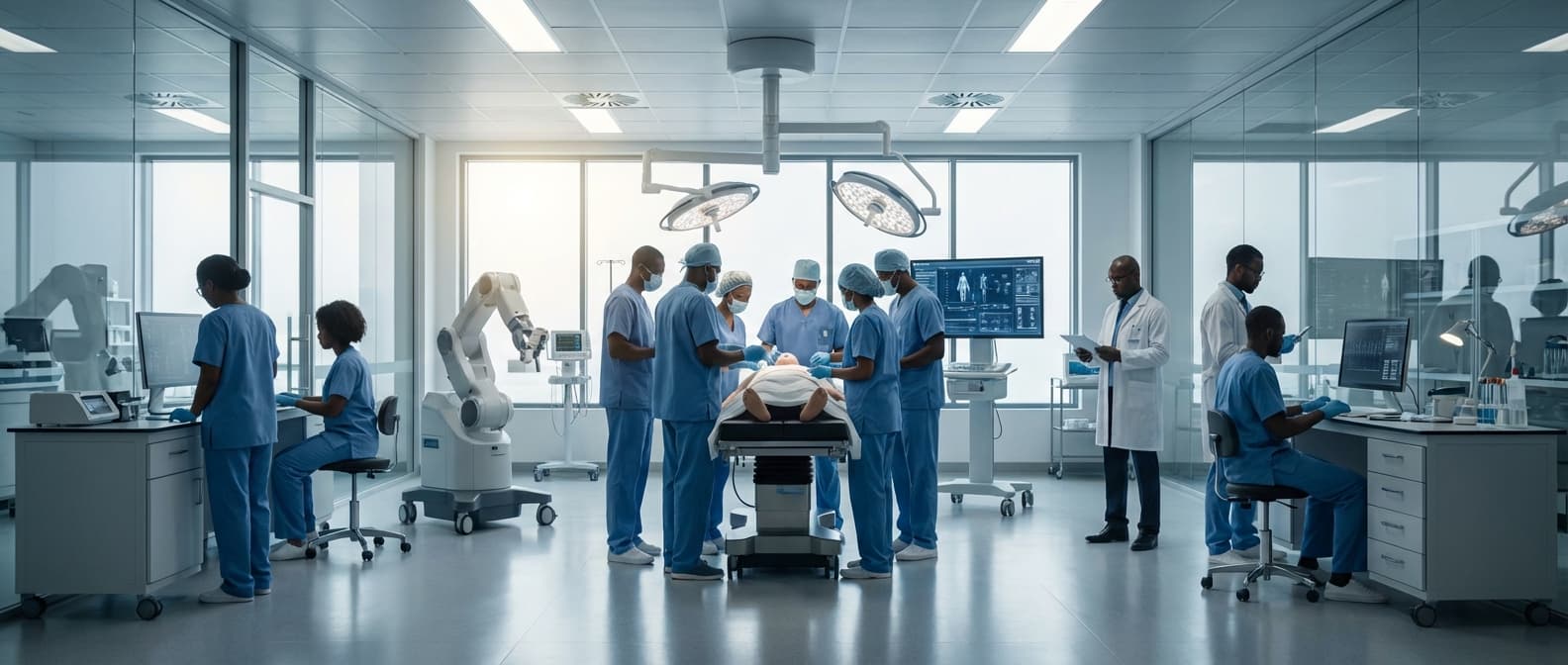
Managed Equipment Service (MES) in Ethiopia
Engineering Excellence & Technical Support
Long‑term equipment provision with uptime SLAs and lifecycle management. High-standard technical execution following OEM protocols and local regulatory frameworks.
Proactive Equipment Health Monitoring
Leveraging IoT sensors and real-time data analytics, we provide 24/7 remote monitoring of critical equipment performance across Ethiopia. This enables early detection of potential issues, predictive maintenance, and minimizes unplanned downtime for increased operational efficiency.
Optimized Maintenance Scheduling & Execution
Our MES solution employs intelligent algorithms to optimize maintenance schedules based on actual usage, environmental factors, and manufacturer recommendations. This ensures timely, efficient, and cost-effective maintenance interventions performed by certified technicians, maximizing asset lifespan.
Streamlined Spare Parts Management
We manage the entire spare parts supply chain for your critical equipment. Through advanced inventory management and strategic local partnerships, we ensure the availability of genuine parts, reducing lead times and associated costs, thereby minimizing disruptions to your operations in Ethiopia.
What Is Managed Equipment Service (Mes) In Ethiopia?
Managed Equipment Service (MES) in Ethiopia refers to a comprehensive outsourcing model where a healthcare facility, typically a hospital or clinic, contracts with a third-party specialized provider to manage its medical equipment lifecycle. This service encompasses procurement, installation, maintenance, repair, calibration, training, and eventual decommissioning of medical devices. The primary objective of MES is to ensure optimal equipment performance, reduce operational costs, mitigate risks associated with equipment failure, and allow healthcare providers to focus on their core competencies: patient care.
| Who Needs MES in Ethiopia? | Typical Use Cases | |||||||||
|---|---|---|---|---|---|---|---|---|---|---|
| Public Hospitals and Health Centers: Particularly those facing budget constraints, limited technical expertise, and a high volume of equipment requiring maintenance. | Private Hospitals and Diagnostic Centers: Seeking to enhance service quality, improve operational efficiency, and reduce capital expenditure tied to equipment ownership and maintenance. | Specialized Medical Clinics: Such as cardiology, oncology, or radiology centers that rely on complex and high-value equipment requiring specialized maintenance. | Research Institutions and Universities with Medical Facilities: Requiring reliable and advanced equipment for both research and training purposes. | Healthcare Organizations Undergoing Expansion or Modernization: Needing to integrate new equipment seamlessly and manage a growing asset base. | Remote Healthcare Facilities: Where access to specialized maintenance services might be limited, MES can provide a consistent and reliable solution. | Image Acquisition Equipment (MRI, CT Scanners, X-ray Machines): Ensuring uptime for diagnostic imaging services and maintaining image quality. | Operating Room (OR) Equipment: Guaranteeing the functionality of surgical lights, anesthesia machines, electrosurgical units, and patient monitors for critical procedures. | Intensive Care Unit (ICU) Equipment: Maintaining the reliability of ventilators, defibrillators, infusion pumps, and patient monitoring systems for critical care. | Laboratory Analyzers and Diagnostic Equipment: Ensuring accurate and timely results from blood analyzers, microscopes, and other diagnostic tools. | Sterilization and Disinfection Equipment: Critical for infection control and patient safety in all healthcare settings. |
Key Components of Managed Equipment Service (MES) in Ethiopia
- Procurement & Acquisition: Strategic sourcing and purchasing of new medical equipment based on the facility's needs and budget, often through bulk purchasing agreements that leverage the MES provider's market influence for better pricing and financing options.
- Installation & Commissioning: Professional installation, integration into existing workflows, and rigorous testing to ensure equipment meets manufacturer specifications and regulatory requirements.
- Preventive Maintenance (PM): Scheduled and systematic inspections, cleaning, lubrication, and minor repairs to prevent breakdowns and prolong equipment lifespan.
- Corrective Maintenance & Repair: Rapid response to equipment malfunctions, including diagnosis, sourcing of spare parts, and repair by certified technicians.
- Calibration & Performance Verification: Regular calibration to ensure accuracy and reliability of diagnostic and therapeutic equipment, adhering to international standards and local regulations.
- Asset Management & Tracking: Comprehensive inventory management, including serial number tracking, usage monitoring, maintenance history, and depreciation analysis.
- End-of-Life Management: Planning and execution of equipment decommissioning, disposal, or responsible recycling in compliance with environmental and safety regulations.
- User Training & Competency: Providing training to clinical staff on the proper operation, safety, and basic maintenance of medical equipment.
- Technology Management & Upgrades: Advising on emerging medical technologies, planning for equipment upgrades, and managing the transition to new systems.
- Regulatory Compliance: Ensuring all managed equipment adheres to local Ethiopian health regulations and international standards.
Who Needs Managed Equipment Service (Mes) In Ethiopia?
Managed Equipment Service (MES) offers a comprehensive solution for healthcare facilities looking to optimize their medical equipment lifecycle. In Ethiopia, where the healthcare sector is experiencing significant growth and modernization, MES is becoming increasingly vital. It provides access to state-of-the-art technology, ensures optimal equipment performance, and shifts the burden of maintenance and repair to specialized providers. This allows healthcare institutions to focus on patient care rather than complex equipment management.
| Target Customer Type | Key Departments/Areas Benefiting from MES | Specific Needs Addressed by MES |
|---|---|---|
| Government Hospitals | Radiology, Cardiology, Intensive Care Units (ICUs), Operating Theaters, Laboratories | Access to advanced imaging equipment, reliable life-support systems, reduced downtime for critical diagnostic tools, cost predictability for equipment maintenance and replacement. |
| Private Hospitals | All clinical departments, sterilization units, imaging centers, emergency rooms | Maintaining a competitive edge with modern technology, ensuring patient safety and satisfaction, predictable operational costs, access to specialized technical expertise. |
| Specialty Clinics (e.g., Oncology, Nephrology, Ophthalmology) | Specific equipment for their specialty, such as linear accelerators, dialysis machines, ophthalmic diagnostic tools | Ensuring the availability and calibration of highly specialized and often expensive equipment, accessing advanced diagnostic and therapeutic technologies, managing the lifecycle of niche equipment. |
| Diagnostic Centers | Radiology (X-ray, CT, MRI), Pathology, Cardiology, Endoscopy | Maximizing utilization of diagnostic equipment, ensuring accuracy and speed of results, immediate response to equipment malfunctions, access to a wider range of diagnostic capabilities. |
| Tertiary Care Facilities | Advanced surgical suites, trauma centers, specialized diagnostic units | Supporting complex surgical procedures with reliable technology, ensuring seamless operation of critical care equipment, managing a diverse and extensive equipment inventory, future-proofing technology adoption. |
| Healthcare Projects under Development | All planned clinical and diagnostic areas | Facilitating the acquisition and installation of new medical equipment, establishing maintenance contracts from the outset, ensuring compliance with international standards, optimizing budget allocation for equipment. |
Who Needs Managed Equipment Service (MES) in Ethiopia?
- Government Hospitals
- Private Hospitals
- Specialty Clinics
- Diagnostic Centers
- Tertiary Care Facilities
- Healthcare Projects under Development
Managed Equipment Service (Mes) Process In Ethiopia
The Managed Equipment Service (MES) process in Ethiopia outlines a structured approach for healthcare facilities to acquire and maintain medical equipment through a service provider. This process typically begins with an inquiry from a healthcare institution and concludes with the successful execution of the service agreement, encompassing procurement, installation, maintenance, and often training. The workflow is designed to ensure efficient and sustainable access to essential medical technology.
| Phase | Key Activities | Description | Key Stakeholders |
|---|---|---|---|
| Inquiry and Needs Assessment | Initial contact, site visit, equipment gap analysis | Healthcare facility identifies a need for MES and contacts potential providers. A thorough assessment of existing equipment and future requirements is conducted. | Healthcare Facility (e.g., Ministry of Health, Hospital Management), MES Provider |
| Tender/Procurement Process | Tender publication, bid submission, evaluation | A formal tendering process is initiated, allowing multiple MES providers to submit proposals based on the facility's defined needs and specifications. | Healthcare Facility (Procurement Department), MES Providers, Regulatory Bodies |
| Contract Negotiation and Award | Proposal review, negotiation of terms, contract signing | The winning bidder's proposal is reviewed, and negotiations on service levels, pricing, duration, and other contractual terms take place. The contract is then signed. | Healthcare Facility, MES Provider, Legal Counsel |
| Equipment Procurement and Supply | Ordering, manufacturing/sourcing, shipping, customs clearance | The MES provider procures the specified equipment from manufacturers, manages logistics, and ensures timely delivery to the healthcare facility. | MES Provider, Equipment Manufacturers, Logistics Companies, Customs Authorities |
| Installation and Commissioning | Site preparation, equipment installation, testing, validation | Trained technicians install the equipment, connect it to necessary utilities, and perform rigorous testing and validation to ensure it meets operational standards. | MES Provider (Technical Team), Healthcare Facility (Biomedical Engineers/Staff) |
| Training and Capacity Building | Operator training, maintenance training, troubleshooting | The MES provider trains healthcare professionals on the proper operation and basic maintenance of the new equipment, enhancing local capacity. | MES Provider (Trainers), Healthcare Facility (Clinical Staff, Biomedical Engineers) |
| Ongoing Maintenance and Support | Preventive maintenance, corrective maintenance, spare parts management | Regular preventive maintenance is performed to minimize breakdowns. In case of malfunction, the MES provider offers prompt corrective maintenance and ensures the availability of spare parts. | MES Provider (Maintenance Team), Healthcare Facility (Biomedical Engineers/Users) |
| Performance Monitoring and Reporting | Data collection, performance analysis, regular reports | Key performance indicators (KPIs) related to equipment uptime, response times, and user satisfaction are tracked. Regular reports are submitted to the healthcare facility. | MES Provider, Healthcare Facility (Management, Procurement) |
| Equipment Lifecycle Management and Replacement | Asset tracking, end-of-life assessment, planned replacement | The MES provider manages the equipment throughout its lifecycle, including planning for upgrades or replacements as technology evolves or equipment reaches the end of its useful life. | MES Provider, Healthcare Facility |
Managed Equipment Service (MES) Workflow in Ethiopia
- Inquiry and Needs Assessment
- Tender/Procurement Process
- Contract Negotiation and Award
- Equipment Procurement and Supply
- Installation and Commissioning
- Training and Capacity Building
- Ongoing Maintenance and Support
- Performance Monitoring and Reporting
- Equipment Lifecycle Management and Replacement
Managed Equipment Service (Mes) Cost In Ethiopia
Managed Equipment Service (MES) in Ethiopia refers to the outsourcing of the management, maintenance, and sometimes the outright ownership of medical equipment to a third-party provider. This model aims to improve the accessibility, reliability, and cost-effectiveness of healthcare infrastructure. The cost of MES in Ethiopia is subject to a variety of factors, leading to a wide range of pricing. These factors are influenced by the Ethiopian economic landscape, regulatory environment, and the specific needs of healthcare facilities.
| Equipment Category (Example) | Estimated Annual MES Cost Range (ETB) | Notes |
|---|---|---|
| Basic Diagnostic Equipment (e.g., ECG, Ultrasound - basic models) | 15,000 - 50,000 ETB | Covers routine maintenance, limited spare parts. Higher end for more frequent PMs. |
| Imaging Equipment (e.g., X-ray, CT Scanner - older/standard models) | 100,000 - 400,000 ETB | Includes PM, repairs, and a basic spare parts pool. Cost highly dependent on age and model. |
| Advanced Imaging Equipment (e.g., MRI, PET-CT - newer models) | 300,000 - 1,000,000+ ETB | High complexity, specialized parts, and technician training. Often includes higher uptime guarantees. |
| Surgical Equipment (e.g., Electrosurgical Units, Anesthesia Machines) | 30,000 - 150,000 ETB | Varies with complexity and type of surgery supported. Includes calibration and safety checks. |
| Laboratory Equipment (e.g., Hematology Analyzers, Biochemistry Analyzers) | 25,000 - 120,000 ETB | Depends on analyzer throughput, automation, and calibration needs. |
| Critical Care Equipment (e.g., Ventilators, Patient Monitors) | 20,000 - 80,000 ETB | Focus on reliability and rapid response for critical patient care. |
| Sterilization Equipment (e.g., Autoclaves) | 10,000 - 40,000 ETB | Ensuring proper sterilization cycles and equipment safety. |
Key Pricing Factors for MES in Ethiopia:
- Equipment Type and Quantity: The complexity, technological sophistication, and sheer number of medical devices to be managed are primary cost drivers. High-value, specialized equipment like MRI machines, CT scanners, or advanced surgical robots will naturally incur higher MES fees than basic diagnostic tools or general ward equipment.
- Scope of Services: MES contracts can vary significantly in their scope. This includes: * Maintenance and Repair: Routine preventative maintenance, on-demand repairs, spare parts provision, and technician availability. * Asset Management: Tracking, inventory, and lifecycle management of equipment. * Training: Training of healthcare staff on the proper use and basic troubleshooting of equipment. * Technology Refresh/Upgrade: Inclusion of provisions for upgrading or replacing equipment at predetermined intervals. * Consumables: In some cases, MES may include the supply of essential consumables used with the equipment.
- Service Level Agreements (SLAs): The agreed-upon response times for repairs, uptime guarantees, and other performance metrics directly impact cost. More stringent SLAs, requiring faster response times and higher equipment availability, will command higher fees.
- Equipment Age and Condition: Older or pre-owned equipment might require more frequent maintenance and a higher allocation of spare parts, potentially increasing MES costs. Conversely, brand-new equipment might have lower immediate maintenance needs but could involve financing costs within the MES model.
- Provider Expertise and Reputation: Established MES providers with a proven track record, extensive technical expertise, and a robust supply chain for spare parts may charge a premium for their services.
- Geographic Location within Ethiopia: The remoteness of a healthcare facility can influence travel and logistical costs for technicians and spare parts, potentially leading to higher MES fees for facilities outside major urban centers like Addis Ababa.
- Contract Duration: Longer-term MES contracts can sometimes offer more favorable pricing due to economies of scale and reduced administrative overhead for the provider. Conversely, shorter-term or pilot projects might have higher per-unit costs.
- Financing Model: MES can be structured in various ways, including: * Fee-for-Service: Paying for each service as it's rendered. * Fixed Annual/Monthly Fee: A predictable cost covering a defined scope of services. * Equipment Lease/Purchase with Service: The MES provider owns and finances the equipment, with the cost bundled into the service fee. The financing model significantly impacts the overall pricing structure.
- Inflation and Currency Fluctuations: As Ethiopia operates within a dynamic economic environment, inflation rates and the depreciation of the Ethiopian Birr (ETB) against major international currencies can influence the cost of imported spare parts and specialized technical support, thus affecting MES pricing.
- Regulatory and Taxation Policies: Government regulations regarding medical equipment, import duties, and taxation policies in Ethiopia can add to the overall cost of providing MES and are factored into the pricing.
Affordable Managed Equipment Service (Mes) Options
Managed Equipment Service (MES) can be a significant investment, but it doesn't have to break the bank. By understanding value bundles and implementing smart cost-saving strategies, organizations can access robust MES solutions without overspending. MES offers a comprehensive approach to managing critical equipment, encompassing procurement, installation, maintenance, repair, and eventual decommissioning. This holistic approach aims to maximize uptime, ensure regulatory compliance, and optimize operational efficiency. This document explores affordable MES options, focusing on how value bundles can deliver more for less and detailing practical cost-saving strategies.
| Value Bundle Type | Description | Potential Cost Savings |
|---|---|---|
| Basic Uptime Assurance | Focuses on essential preventive maintenance and emergency repair services to minimize unplanned downtime. Typically includes a set number of service visits per year. | Reduced emergency repair costs, lower impact of downtime on production/operations. |
| Performance Optimization Bundle | Includes basic uptime assurance plus predictive maintenance technologies (e.g., sensor monitoring, data analytics) and performance tuning. Aims to proactively identify and address potential issues before they impact performance. | Reduced overall maintenance costs through proactive interventions, extended equipment lifespan, improved energy efficiency. |
| Full Lifecycle Management | Encompasses all aspects of MES, from procurement and installation to ongoing maintenance, repair, and end-of-life decommissioning. Often includes asset tracking and reporting. | Streamlined procurement processes, optimized capital expenditure, reduced administrative overhead, better asset utilization and disposal planning. |
| Specialized Equipment Focus | Tailored bundles for specific types of equipment (e.g., diagnostic imaging, laboratory instruments, manufacturing machinery). Leverages specialized expertise and parts inventory. | Access to specialized skills at a more predictable cost, reduced lead times for specialized parts, optimized maintenance schedules for niche equipment. |
Key Components of Managed Equipment Service (MES)
- Equipment Procurement & Acquisition
- Installation & Commissioning
- Preventive & Predictive Maintenance
- Breakdown Maintenance & Repair
- Calibration & Validation
- Parts Inventory Management
- Technical Support & Training
- Asset Lifecycle Management
- Reporting & Analytics
- Regulatory Compliance Assurance
Verified Providers In Ethiopia
In Ethiopia's evolving healthcare landscape, identifying trusted and verified healthcare providers is paramount for ensuring quality and reliable medical services. Franance Health stands out as a leading entity, distinguished by its stringent credentialing process and unwavering commitment to patient well-being. Their network comprises healthcare professionals and facilities that have undergone rigorous vetting, guaranteeing adherence to high standards of care, ethical practices, and medical expertise. Choosing a Franance Health verified provider means opting for a partner dedicated to delivering accessible, affordable, and top-tier healthcare solutions across Ethiopia.
| Provider Type | Franance Health Verification Criteria | Benefits for Patients |
|---|---|---|
| Hospitals & Clinics | Accreditation, equipment standards, hygiene protocols, qualified medical staff, patient feedback. | Access to comprehensive medical services, advanced diagnostic and treatment options, safe and clean environment. |
| Specialist Doctors | Medical license, board certification, proven track record, adherence to ethical guidelines, continuing medical education. | Expert diagnosis and treatment for specific conditions, personalized care plans, confidence in medical expertise. |
| General Practitioners | Medical license, experience in primary care, good standing with medical associations, patient satisfaction. | Reliable first point of contact for health concerns, preventive care services, continuity of care. |
| Diagnostic Laboratories | Licensing, quality control measures, use of validated testing methods, trained technicians, turnaround times. | Accurate and timely diagnostic results, supporting effective treatment decisions. |
| Pharmacies | Licensing, proper storage of medications, availability of essential drugs, qualified pharmacists. | Safe and legal access to prescribed medications, professional advice on drug usage. |
Why Franance Health Represents the Best Choice for Verified Providers in Ethiopia:
- Rigorous Credentialing: Franance Health employs a multi-faceted vetting process that scrutinizes educational backgrounds, professional licenses, and practical experience of all affiliated healthcare providers.
- Commitment to Quality: Verified providers undergo regular assessments to ensure they maintain high standards of clinical practice, patient safety, and ethical conduct.
- Patient-Centric Approach: Franance Health focuses on ensuring that verified providers prioritize patient needs, offering compassionate care and transparent communication.
- Accessibility and Affordability: The network is designed to expand access to quality healthcare across Ethiopia, often in partnership with schemes that make services more affordable.
- Continuous Improvement: Franance Health actively promotes professional development and continuous learning among its verified providers to keep them abreast of the latest medical advancements.
- Trust and Reliability: The "verified" status serves as a hallmark of trust, assuring patients that they are receiving care from competent and reputable professionals.
Scope Of Work For Managed Equipment Service (Mes)
This document outlines the Scope of Work (SOW) for a Managed Equipment Service (MES) agreement, detailing the technical deliverables and standard specifications required for the successful implementation and ongoing management of the client's medical equipment. The MES provider will be responsible for the lifecycle management of specified medical equipment, encompassing procurement, installation, maintenance, repair, calibration, de-installation, and disposal. This ensures optimal equipment performance, availability, safety, and cost-effectiveness for the client.
| Equipment Category | Standard Specification/Requirement | Measurement/Compliance Metric | Notes/Examples |
|---|---|---|---|
| Diagnostic Imaging Equipment (e.g., MRI, CT Scanners) | Manufacturer-recommended preventive maintenance schedule. | PM completion rate: >95% within scheduled window. | Annual service contracts with OEM or accredited third-party providers. |
| Patient Monitoring Systems | Real-time data accuracy and reliability. | Alarm functionality tested and verified per protocol. | Minimum uptime: 98.5%. |
| Surgical Equipment (e.g., Electrosurgical Units, Anesthesia Machines) | Regular calibration and functional testing. | Accuracy within manufacturer tolerances. | Adherence to ASGE/ASA guidelines for reprocessing and sterilization. |
| Laboratory Equipment (e.g., Analyzers, Centrifuges) | Performance verification and calibration. | Accuracy and precision as per defined QC parameters. | Traceability of calibration standards to national metrology institutes. |
| Therapeutic Equipment (e.g., Ventilators, Infusion Pumps) | Safety checks and functional tests. | Delivery accuracy within specified limits. | Compliance with IEC 60601 standards. |
| General Medical Equipment (e.g., Beds, Wheelchairs) | Regular cleaning, disinfection, and functional checks. | Structural integrity and smooth operation. | As per manufacturer's cleaning and maintenance instructions. |
| Software and IT Integration | Seamless integration with hospital information systems (HIS/EMR). | Data security and privacy compliance (HIPAA). | Regular software updates and patch management. |
| Safety and Compliance | Adherence to all relevant national and international safety standards (e.g., IEC 60601, ISO 13485). | Regular safety inspections and electrical safety testing. | Documentation of all safety compliance activities. |
| Emergency Response | Availability of on-call technicians for critical equipment failures. | Guaranteed response time for critical equipment. | Defined escalation procedures. |
| Parts Management | Adequate stock of critical spare parts to minimize downtime. | Availability of OEM or equivalent quality parts. | Just-in-time inventory management where feasible. |
Key Technical Deliverables
- Detailed inventory of all managed equipment, including make, model, serial number, location, and acquisition date.
- Equipment lifecycle management plan, outlining planned replacement schedules and obsolescence management strategies.
- Preventive maintenance (PM) program documentation, including schedules, procedures, and checklists for each equipment type.
- Corrective maintenance (CM) response plan, defining service level agreements (SLAs) for response and resolution times.
- Calibration and verification reports for all serviced equipment, adhering to regulatory and manufacturer standards.
- Performance monitoring reports, providing data on equipment uptime, utilization, and maintenance costs.
- Training materials and sessions for client staff on the safe and effective operation of equipment.
- Regular equipment audits and condition assessments.
- De-installation and disposal plans for end-of-life equipment, complying with environmental regulations.
- Asset tracking and management system, providing real-time visibility into equipment status and history.
- Incident and failure reporting, including root cause analysis and corrective actions.
- Compliance documentation, demonstrating adherence to relevant healthcare regulations (e.g., FDA, HIPAA, ISO) and industry best practices.
- Service reports detailing all maintenance activities, including parts used, labor hours, and costs.
- End-user support and troubleshooting for operational issues.
Service Level Agreement For Managed Equipment Service (Mes)
This Service Level Agreement (SLA) outlines the performance standards and guarantees for the Managed Equipment Service (MES) provided by [Your Company Name] to [Client Company Name]. This agreement covers response times for reported issues and uptime guarantees for the managed equipment.
| Issue Severity | Response Time Guarantee | Resolution Time Target | Uptime Guarantee (Monthly) |
|---|---|---|---|
| Critical Issue | 1 Hour | 4 Business Hours | 99.9% (excluding scheduled maintenance) |
| Major Issue | 2 Business Hours | 8 Business Hours | 99.5% (excluding scheduled maintenance) |
| Minor Issue | 4 Business Hours | 2 Business Days | 99.0% (excluding scheduled maintenance) |
Definitions
- Managed Equipment Service (MES): The comprehensive service encompassing monitoring, maintenance, repair, and support for the specified equipment as detailed in the accompanying Master Service Agreement (MSA).
- Critical Issue: An issue that renders a core piece of managed equipment completely inoperable, causing significant disruption to business operations.
- Major Issue: An issue that impacts the functionality of managed equipment, causing partial disruption to business operations or significant performance degradation.
- Minor Issue: An issue that causes minor inconvenience, affects non-critical functionality, or is cosmetic in nature, with no significant impact on business operations.
- Response Time: The maximum time allowed from the reporting of an issue to the commencement of diagnostic and troubleshooting activities by [Your Company Name]'s support team.
- Resolution Time: The maximum time allowed from the reporting of an issue to its full resolution and restoration of normal service.
- Uptime Guarantee: The percentage of time the managed equipment is guaranteed to be operational and available for use.
- Scheduled Maintenance: Pre-planned maintenance activities conducted by [Your Company Name] during agreed-upon windows to ensure optimal equipment performance. This time is excluded from uptime calculations.
Frequently Asked Questions

Ready when you are
Let's scope your Managed Equipment Service (MES) in Ethiopia project in Ethiopia.

Scaling healthcare logistics and technical systems across the entire continent.