
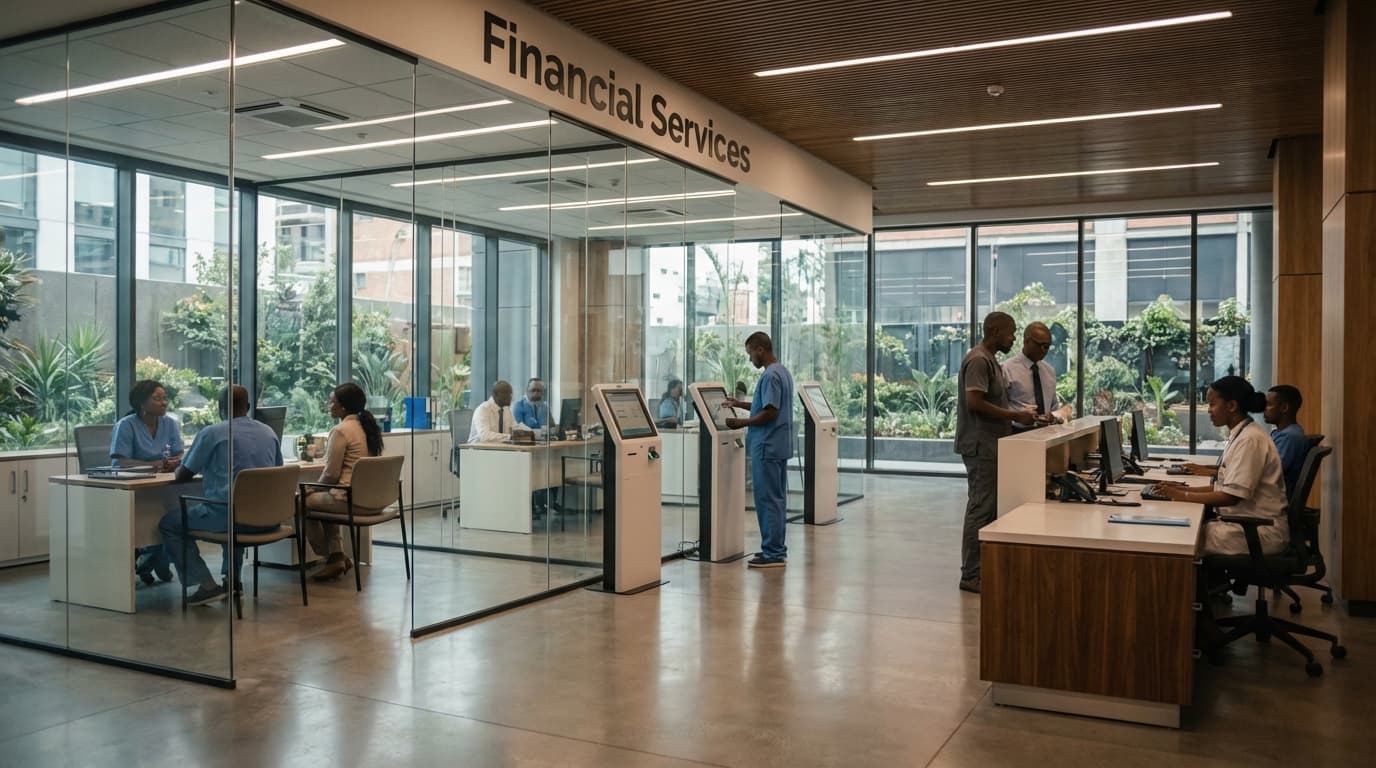
Medical Equipment Rental in Eswatini
Engineering Excellence & Technical Support
Short-term and long-term equipment rental solutions High-standard technical execution following OEM protocols and local regulatory frameworks.
Rapid Deployment & On-Site Support
We understand the critical nature of medical equipment needs. Our Eswatini-based operations ensure swift delivery and setup of vital medical devices, minimizing downtime and maximizing patient care continuity. Our technical team provides immediate on-site support for seamless integration and troubleshooting.
Advanced Diagnostic Equipment Access
Gain access to a comprehensive inventory of high-precision diagnostic equipment, including advanced imaging systems, laboratory analyzers, and patient monitoring units. Our rental solutions empower Eswatini healthcare facilities with cutting-edge technology for accurate diagnosis and effective treatment planning, without significant capital investment.
Certified Maintenance & Calibration
All our rental equipment undergoes rigorous, certified maintenance and calibration procedures by our skilled technicians. This ensures optimal performance, safety, and compliance with international standards, providing Eswatini healthcare providers with reliable and trustworthy medical technology for critical patient care.
What Is Medical Equipment Rental In Eswatini?
Medical equipment rental in Eswatini refers to the temporary provision of medical devices and apparatus to healthcare providers, institutions, or individuals on a fee-for-service basis. This service facilitates access to specialized or high-cost medical technology without requiring outright purchase, thereby mitigating capital expenditure and offering flexibility in resource management.
| Equipment Category | Typical Applications | Rental Rationale |
|---|---|---|
| Diagnostic Imaging | Portable X-ray, Ultrasound | Temporary imaging needs, outreach services, evaluation of new modalities. |
| Therapeutic Equipment | Ventilators, Infusion Pumps, Dialysis Machines | Surge capacity in ICUs, short-term critical care, specialized treatments. |
| Patient Monitoring | ECG Machines, Pulse Oximeters, Vital Sign Monitors | Temporary ward expansion, event monitoring, specific procedural support. |
| Surgical Instruments | Laparoscopic sets, Arthroscopy equipment | Specialized surgical procedures, training sessions. |
| Mobility and Rehabilitation Aids | Wheelchairs, Hospital Beds, walkers | Post-operative recovery, home healthcare, patient comfort. |
| Laboratory Equipment | Centrifuges, Incubators (specific models) | Temporary lab setup, specialized testing projects. |
Key Aspects of Medical Equipment Rental in Eswatini
- Service Definition: Encompasses the leasing of a wide spectrum of medical equipment, ranging from diagnostic imaging devices (e.g., portable X-ray machines, ultrasound units) to therapeutic equipment (e.g., ventilators, infusion pumps), patient monitoring systems, surgical instruments, and mobility aids. Rental agreements typically include maintenance, servicing, and sometimes operational training.
- Target Beneficiaries: Primarily healthcare facilities such as hospitals (public and private), clinics, specialized medical centers, diagnostic laboratories, and emergency medical service providers. It also extends to individual healthcare professionals for specific patient care needs and, in some cases, to patients requiring temporary home-based medical support.
- Typical Use Cases:
- 1. Temporary Capacity Augmentation: To address surge demands, seasonal illnesses, or during periods of high patient throughput where existing equipment is insufficient.
- 2. Project-Based Needs: For specific medical camps, outreach programs, research studies, or the management of temporary health crises requiring specialized equipment for a defined duration.
- 3. Technology Adoption and Evaluation: To trial new or advanced medical technologies before committing to a long-term investment, allowing for assessment of clinical utility and cost-effectiveness.
- 4. Equipment Malfunction or Maintenance: To ensure continuity of care when a healthcare facility's own equipment is undergoing repair or maintenance.
- 5. Specialized Procedures: To access niche or infrequently used equipment necessary for specific diagnostic or therapeutic interventions without the burden of ownership.
- 6. Capital Budget Constraints: For organizations facing limitations in their capital expenditure budgets, enabling access to essential equipment through operational expenditure models.
- 7. Emergency Preparedness: To maintain readiness for unforeseen public health emergencies, ensuring immediate availability of critical care equipment.
- 8. Rehabilitation and Home Care: To provide patients with assistive devices for recovery or chronic condition management in a home environment.
Who Needs Medical Equipment Rental In Eswatini?
Medical equipment rental offers a flexible and cost-effective solution for a wide range of healthcare providers and individuals in Eswatini. Instead of significant upfront investments, rental allows access to specialized and often expensive equipment on a short-term or long-term basis, catering to specific needs, emergencies, or temporary capacity increases.
| Customer Type | Key Needs/Departments | Examples of Equipment Rentals |
|---|---|---|
| Hospitals & Clinics (Public & Private) | Surgeries (OR), Intensive Care Units (ICU), Emergency Rooms (ER), Diagnostics (Radiology, Pathology), General Wards, Patient Monitoring, Physiotherapy, Pediatrics | Ventilators, Patient Monitors, Infusion Pumps, Anesthesia Machines, ECG Machines, X-ray Machines, Ultrasound Machines, Dialysis Machines, Nebulizers, Oxygen Concentrators, Surgical Lights, Hospital Beds |
| Surgical Centers & Day Clinics | Operating Rooms, Post-Anesthesia Care Units (PACU) | Anesthesia Machines, Surgical Tables, Electrosurgical Units, Endoscopes, Laparoscopic Equipment, Monitoring Equipment |
| Rehabilitation Centers | Physiotherapy, Occupational Therapy, Hydrotherapy | Treadmills, Exercise Bikes, Parallel Bars, Ultrasound Therapy Units, Electrical Stimulators, Hydrotherapy Pools (portable units) |
| Home Healthcare Agencies | Elderly Care, Post-operative Recovery, Chronic Disease Management | Hospital Beds, Oxygen Concentrators, Wheelchairs, walkers, Suction Machines, CPAP/BiPAP Machines, Patient Lifts |
| Emergency Medical Services (EMS) | Ambulances, Emergency Response | Portable Ventilators, Defibrillators, Oxygen Cylinders, Stretcher Systems, Patient Monitors, Spine Boards |
| Medical Training Institutions | Simulation Labs, Practical Training | Manikins (high-fidelity), Simulated Medical Equipment, Diagnostic Equipment for practice, Surgical Simulation Kits |
| Research Facilities | Clinical Trials, Medical Research | Specialized Diagnostic Equipment, Analytical Instruments, Monitoring Devices for specific research parameters |
| Event Organizers | On-site Medical Support for large gatherings (sports events, festivals, conferences) | First Aid Stations, Defibrillators, Oxygen Equipment, Basic Monitoring Tools |
| Individual Patients | Temporary home medical needs, recovery at home | Hospital Beds, Oxygen Concentrators, Nebulizers, Wheelchairs, Walkers, Commode Chairs, Crutches |
Target Customers for Medical Equipment Rental in Eswatini
- Hospitals and Clinics (Public & Private)
- Surgical Centers and Day Clinics
- Rehabilitation Centers
- Home Healthcare Agencies
- Emergency Medical Services (EMS)
- Medical Training Institutions
- Research Facilities
- Event Organizers (for medical support)
- Individual Patients (for home care needs)
Medical Equipment Rental Process In Eswatini
This document outlines the typical workflow for the medical equipment rental process in Eswatini, from initial inquiry to the successful execution of the rental agreement. The process is designed to ensure that healthcare providers have timely access to necessary equipment while ensuring proper management, maintenance, and return of the rented assets.
| Stage | Description | Key Activities | Responsible Parties | Potential Challenges |
|---|---|---|---|---|
| Inquiry & Needs Assessment | The process begins when a healthcare facility or individual identifies a need for medical equipment on a temporary basis. | Contacting rental providers, specifying equipment requirements (type, quantity, duration, specifications), discussing clinical needs. | Healthcare Facility/Individual, Rental Provider (Initial contact) | Unclear or fluctuating equipment needs, availability of specific equipment. |
| Quotation & Proposal Submission | Based on the inquiry, the rental provider prepares a detailed quote outlining costs and terms. | Providing a detailed quotation including rental fees, delivery, setup, insurance, and any additional services; submitting a formal proposal if required. | Rental Provider, Healthcare Facility/Individual (Review) | Inaccurate quoting, lengthy approval processes, price negotiations. |
| Agreement & Contract Finalization | Once the quotation is accepted, a formal rental agreement is drafted and signed. | Reviewing and signing the rental agreement/contract, clarifying terms and conditions, payment schedules, liability clauses. | Healthcare Facility/Individual, Rental Provider | Disputes over contract terms, delays in signing. |
| Equipment Preparation & Delivery | The rented equipment is prepared and transported to the client's location. | Verifying equipment availability, performing pre-rental checks and maintenance, scheduling and executing delivery, ensuring safe transportation. | Rental Provider, Logistics Partner (if applicable) | Equipment malfunction upon pickup, logistical issues, damages during transit. |
| On-site Setup & Training | Upon delivery, the equipment is set up, and relevant personnel receive training. | Professional installation and setup of equipment, providing comprehensive user training to clinical staff, demonstrating proper operation and safety features. | Rental Provider (Technicians), Healthcare Facility/Individual (Staff) | Inadequate training, technical difficulties during setup, lack of availability of trained staff for training. |
| Equipment Usage & Monitoring | The healthcare facility uses the rented equipment for its intended purpose. | Regular use of the equipment by authorized personnel, adherence to operational guidelines, reporting any malfunctions or issues promptly. | Healthcare Facility/Individual | Improper usage leading to damage, unforeseen equipment breakdowns, user error. |
| Return & Inspection | At the end of the rental period, the equipment is returned and inspected. | Arranging for equipment collection or return by the client, thorough inspection of the equipment for damages, functionality, and cleanliness, documenting inspection findings. | Healthcare Facility/Individual, Rental Provider (Inspection Team) | Delays in return, damages not reported by the client, disputes over equipment condition. |
| Invoicing & Payment | Final invoices are issued, and payment is processed. | Issuing final invoice based on the rental agreement and any additional charges, processing payment from the client, reconciling accounts. | Rental Provider (Finance Department), Healthcare Facility/Individual (Finance Department) | Delayed payments, invoice discrepancies, disputes over charges. |
| Equipment Maintenance & Refurbishment | After return, the equipment undergoes maintenance to ensure its readiness for the next rental. | Cleaning, calibration, minor repairs, and general maintenance; significant refurbishment or replacement if necessary. | Rental Provider (Maintenance Team) | High maintenance costs, extended downtime for refurbishment, obsolescence of equipment. |
Medical Equipment Rental Workflow in Eswatini
- Inquiry & Needs Assessment
- Quotation & Proposal Submission
- Agreement & Contract Finalization
- Equipment Preparation & Delivery
- On-site Setup & Training
- Equipment Usage & Monitoring
- Return & Inspection
- Invoicing & Payment
- Equipment Maintenance & Refurbishment
Medical Equipment Rental Cost In Eswatini
Renting medical equipment in Eswatini, like in many other countries, is influenced by a variety of factors that determine the final cost. These factors are crucial for healthcare providers and institutions to budget effectively and ensure they acquire the necessary equipment for patient care. The pricing is primarily dictated by the type and complexity of the equipment, the duration of the rental period, and the supplier's service offerings. Specialized and high-tech equipment, such as advanced diagnostic machines or complex surgical tools, will naturally command higher rental fees due to their acquisition cost, maintenance requirements, and the expertise needed for their operation and upkeep. Conversely, basic equipment like hospital beds, wheelchairs, or standard patient monitors are generally more affordable. The length of the rental is another significant factor; longer rental periods often benefit from discounted daily or weekly rates, whereas short-term rentals for specific events or temporary needs may have higher per-day costs. Furthermore, the services included with the rental, such as delivery, installation, maintenance, training, and technical support, can significantly impact the overall price. Reputable rental companies often bundle these services to provide a comprehensive solution, which adds value but also increases the rental cost. The condition and age of the equipment also play a role; newer or recently serviced equipment might be priced higher than older models. Availability of specific equipment can also influence pricing due to supply and demand dynamics within the Eswatini market. Currency fluctuations, while less of a direct factor for local rentals paid in Emalangeni (Eswatini's currency, pegged to the South African Rand), can indirectly affect the cost of imported equipment or parts for maintenance, which may then be reflected in rental prices.
| Equipment Category | Estimated Rental Range (SZL/Day) | Estimated Rental Range (SZL/Month) |
|---|---|---|
| Basic Patient Care (e.g., Hospital Beds, Wheelchairs, Walkers) | 150 - 400 | 2,000 - 7,000 |
| Standard Monitoring (e.g., Vital Signs Monitors, Pulse Oximeters) | 200 - 600 | 3,000 - 9,000 |
| Respiratory Support (e.g., Nebulizers, CPAP Machines) | 250 - 700 | 4,000 - 10,000 |
| Advanced Diagnostic (e.g., Portable Ultrasound, ECG Machines) | 500 - 1,500 | 8,000 - 25,000 |
| Surgical Equipment (e.g., Basic Surgical Instrument Sets, Cautery Units) | 400 - 1,200 | 6,000 - 20,000 |
| Critical Care (e.g., Ventilators, Infusion Pumps) | 800 - 2,500+ | 15,000 - 40,000+ |
Key Pricing Factors for Medical Equipment Rental in Eswatini
- Type and Complexity of Equipment: Higher-tech and specialized equipment (e.g., MRI machines, ventilators) cost more than basic items (e.g., crutches, patient chairs).
- Rental Duration: Longer-term rentals often receive discounted rates compared to short-term or daily rentals.
- Included Services: Costs can increase with services like delivery, installation, maintenance, calibration, and operator training.
- Equipment Condition and Age: Newer or recently serviced equipment typically has a higher rental price.
- Supplier Reputation and Support: Established suppliers with strong customer support and warranties may charge more.
- Market Demand and Availability: High demand for specific equipment can drive up rental prices.
- Geographic Location (within Eswatini): Delivery and setup costs can vary depending on the remoteness of the location.
Affordable Medical Equipment Rental Options
Renting medical equipment can be a cost-effective solution for individuals and healthcare facilities alike. This approach offers flexibility and avoids the significant upfront investment and ongoing maintenance costs associated with purchasing. Exploring affordable rental options, understanding value bundles, and implementing smart cost-saving strategies are crucial for maximizing the financial benefits of equipment rental.
| Strategy | Description | Benefits |
|---|---|---|
| Value Bundles | Rental companies often offer bundled packages that include multiple related pieces of equipment or services at a discounted rate compared to renting each item individually. This can also include delivery, setup, and basic training. | Reduced overall cost, streamlined logistics, comprehensive solution, convenience. |
| Long-Term Rental Discounts | Renting equipment for extended periods (e.g., months or years) often qualifies for significant price reductions per day or week. | Lower per-unit cost for prolonged use, budget predictability. |
| Package Deals for Multiple Items | Similar to value bundles, this focuses on renting a suite of equipment needed for a specific purpose (e.g., a hospital room setup or a homecare patient). | Cost savings through bulk acquisition, simplified ordering process. |
| Negotiate Rental Agreements | Don't be afraid to negotiate rental terms, especially for larger orders or longer commitments. This might include free delivery, waived fees, or custom pricing. | Potentially lower rental rates, tailored service to your needs. |
| Early Payment Discounts | Some providers offer a small discount if you pay your rental invoice in full before the due date. | Marginal cost savings, improved cash flow management. |
| Flexible Rental Periods | Opting for rental periods that precisely match your needs (e.g., not paying for extra days beyond what's required) can prevent unnecessary expenses. | Avoids overspending, ensures cost efficiency. |
Key Considerations for Affordable Medical Equipment Rental
- Assess your specific needs: Clearly define the type, duration, and quantity of equipment required.
- Compare rental providers: Obtain quotes from multiple reputable rental companies to ensure competitive pricing.
- Inquire about discounts: Ask about long-term rental discounts, bundled package deals, or early payment incentives.
- Understand rental terms and conditions: Carefully review contracts, including insurance, delivery/pickup policies, and cancellation fees.
- Regularly evaluate your needs: As circumstances change, reassess whether renting is still the most economical option.
- Explore used or refurbished equipment: Some rental companies offer cost-effective options for gently used or refurbished equipment.
- Consider insurance coverage: Understand what is covered by the rental company's insurance and if additional coverage is necessary.
- Ask about maintenance and support: Clarify who is responsible for maintenance and what level of technical support is provided.
Verified Providers In Eswatini
In Eswatini, ensuring access to reliable and trustworthy healthcare services is paramount. The term 'Verified Providers' signifies healthcare professionals and institutions that have undergone rigorous checks and met established standards, guaranteeing a certain level of quality, safety, and ethical practice. Franance Health is a leading entity in this domain, distinguished by its comprehensive credentialing process and unwavering commitment to patient well-being. Their verification system goes beyond basic licensing, delving into the expertise, experience, and adherence to best practices of healthcare professionals. Choosing a Franance Health-verified provider means opting for a healthcare experience characterized by competence, integrity, and a patient-centric approach, making them the superior choice for your health needs in Eswatini.
| Feature | Franance Health Verification Standard | Benefit for Patients |
|---|---|---|
| Professional Qualifications | Thoroughly vetted and validated against recognized medical boards and institutions. | Ensures providers possess the necessary academic and practical knowledge. |
| Clinical Experience | Verified years of practice, specialization, and successful patient outcomes. | Increases the likelihood of receiving expert care tailored to specific conditions. |
| Licensing and Regulatory Compliance | Confirmation of up-to-date and valid medical licenses and adherence to Eswatini's healthcare regulations. | Guarantees legal and ethical practice, protecting patients from unqualified individuals. |
| Continuing Education | Evidence of ongoing training and engagement with the latest medical advancements. | Ensures patients benefit from current and effective treatment methodologies. |
| Reputation and Patient Feedback | Consideration of professional references and, where applicable, anonymized patient satisfaction data. | Provides insight into a provider's bedside manner, communication skills, and overall patient experience. |
| Specialized Skills | Confirmation of proficiency in specific medical areas or advanced procedures. | Allows patients to find specialists for complex or niche healthcare needs. |
Key Aspects of Franance Health Verification
- Rigorous Credentialing: Franance Health employs a multi-faceted verification process, examining qualifications, certifications, and continuous professional development of healthcare providers.
- Experience and Expertise Validation: Beyond formal qualifications, Franance Health assesses the practical experience and specialized expertise of practitioners, ensuring they are well-equipped to handle diverse medical needs.
- Adherence to Ethical Standards: Verification includes a review of a provider's commitment to ethical medical practices, patient rights, and confidentiality.
- Patient Safety Focus: Franance Health prioritizes patient safety by evaluating a provider's track record, incident reporting history (if applicable), and adherence to safety protocols.
- Continuous Monitoring: Verification is not a one-time event. Franance Health often engages in ongoing monitoring to ensure providers maintain their high standards.
- Enhanced Patient Confidence: The 'Verified Provider' mark offers patients peace of mind, knowing they are engaging with reputable and trustworthy healthcare professionals.
- Improved Accessibility to Quality Care: By identifying and promoting verified providers, Franance Health streamlines the process for individuals seeking high-quality medical services.
Scope Of Work For Medical Equipment Rental
This Scope of Work (SOW) outlines the requirements for the rental of medical equipment. It details the technical deliverables expected from the vendor and establishes standard specifications to ensure the equipment meets clinical and operational needs. The goal is to secure reliable, high-quality medical equipment on a rental basis to support patient care and operational efficiency without the burden of outright purchase and maintenance.
| Equipment Category | Specific Equipment Item | Model/Type | Quantity | Key Technical Specifications (Examples) | Rental Period (Months/Years) |
|---|---|---|---|---|---|
| Critical Care | Mechanical Ventilator | Model X123 (ICU Grade) | 5 | Modes of Ventilation (Volume Control, Pressure Control, PSV, SIMV); Tidal Volume Range; Respiratory Rate Range; PEEP Range; FiO2 Monitoring; Integrated SpO2 Monitoring; Battery Backup (min 2 hours) | 12 |
| Critical Care | Infusion Pump (Syringe) | Model Y456 (High Precision) | 10 | Flow Rate Range (ml/hr); Volume to be Infused (ml); Rate (ml/hr); Bolus Function; Occlusion Pressure Settings; Drip Rate Calculation; Battery Backup (min 4 hours) | 12 |
| Diagnostic Imaging | Portable Ultrasound Machine | Model Z789 (Color Doppler) | 2 | Display Type (LED/LCD); Probe Compatibility (e.g., Convex, Linear, Phased Array); Imaging Modes (B-mode, M-mode, Color Doppler, Pulsed Wave Doppler); Image Storage Capacity; Battery Life (min 3 hours); Ergonomic Design | 24 |
| Patient Monitoring | Patient Monitor (5-Parameter) | Model A012 | 15 | Parameters Monitored (ECG, SpO2, NIBP, Respiration, Temperature); ECG Lead Options; SpO2 Technology; NIBP Measurement Modes (Adult, Pediatric, Neonatal); Alarms (Audible and Visual); Display Size and Resolution; Data Trend Display | 12 |
| Surgical | Electrosurgical Unit (ESU) | Model B345 (Monopolar & Bipolar) | 3 | Power Output (Monopolar & Bipolar); Control Modes (e.g., Pure Cut, Coagulation); Safety Features (e.g., Neutral Electrode Monitoring); Footswitch/Handswitch Operation | 6 |
Technical Deliverables
- Provision of functional and calibrated medical equipment as per the specified list and quantities.
- Delivery, installation, and setup of all rented equipment at the designated location(s) by qualified personnel.
- Comprehensive user training for designated hospital staff on the operation, basic troubleshooting, and safety procedures for each piece of equipment.
- Regular preventive maintenance and scheduled servicing of all rented equipment by the vendor's certified technicians.
- On-demand repair services within a specified response time (e.g., 4-8 business hours) for any equipment malfunction or breakdown.
- Provision of all necessary accessories, consumables (if specified), and consumables required for the proper operation of the equipment.
- Regular calibration and certification of equipment, with updated documentation provided.
- Disassembly and removal of equipment upon the termination of the rental agreement, ensuring no damage to hospital property.
- Provision of detailed equipment manuals, service logs, and maintenance records.
- Compliance with all relevant local, national, and international safety and medical device regulations.
Service Level Agreement For Medical Equipment Rental
This Service Level Agreement (SLA) outlines the guaranteed response times and uptime for the rental of medical equipment provided by [Your Company Name] to [Client Name]. This SLA is an addendum to the Master Rental Agreement (MRA) dated [Date of MRA].
| Equipment Category/Type | Response Time (Critical Issue) | Response Time (Non-Critical Issue) | Uptime Guarantee |
|---|---|---|---|
| Life-Support Equipment (e.g., Ventilators, ICU Monitors) | 2 hours | 4 hours | 99.5% |
| Diagnostic Imaging Equipment (e.g., X-ray, Ultrasound) | 4 hours | 8 hours | 98.0% |
| Surgical Equipment (e.g., Electrosurgical Units, Anesthesia Machines) | 3 hours | 6 hours | 99.0% |
| Patient Monitoring Systems (e.g., ECG, SpO2 Monitors) | 3 hours | 6 hours | 98.5% |
| General Patient Care Equipment (e.g., Infusion Pumps, Hospital Beds) | 8 business hours | 24 business hours | 97.0% |
Scope of Agreement
- This SLA applies to all medical equipment rented by [Client Name] under the aforementioned MRA.
- Specific equipment models and their associated service levels are detailed in the attached Appendix A.
- This SLA defines the performance standards for on-site technical support and equipment uptime.
- Excluded from this SLA are issues arising from misuse, negligence, or unauthorized modifications by the client.
Frequently Asked Questions

Ready when you are
Let's scope your Medical Equipment Rental in Eswatini project in Eswatini.

Scaling healthcare logistics and technical systems across the entire continent.